My interest in church buildings began when I was in college at the University of Iowa and a chorister at Trinity Episcopal Church in Iowa City. At one time, a faction of the choir invited me to join them on an organ crawl, visiting various churches in the region to learn about and admire this magnificent musical instrument’s presence in the Midwest United States. My eyes opened to the history and legacy of the Christian church and its architecture.

The most memorable site we visited was the Cathedral Church of Saint Paul in Des Moines, the cathedral church of the Episcopal Diocese of Iowa since 1993. Services began on the location in 1854 but construction of the cathedral began in 1883 and lasted for two years. The historical cathedral church of Iowa is Trinity Episcopal Cathedral, formerly known as Grace Cathedral, completed in 1883.
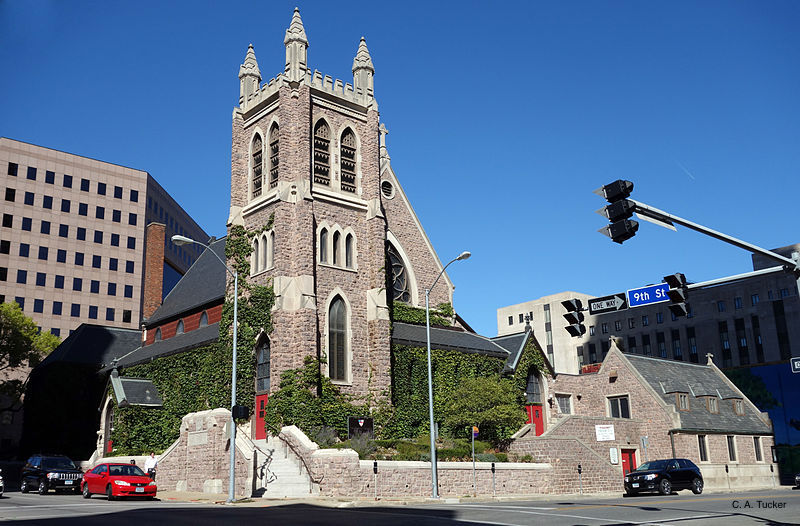
St. Paul’s Episcopal Church, Des Moines, Iowa 
Trinity Episcopal Cathedral, Davenport, Iowa
I had, of course, visited many other churches in my life, mostly in Iowa City, like Old Brick Church, Gloria Dei Lutheran Church, First Presbyterian Church, First Mennonite church, the evangelical Parkview Church, the Catholic Saint Patrick’s Church and Saint Wenceslaus Church, Kingdom Hall of Jehovahs Witnesses, and the Quaker church at Scattergood School. It was a good start in life that has encouraged me to experience festivals, worship, and practices of Judaism, Christianity, Islam, Hinduism, Buddhism and other belief systems.
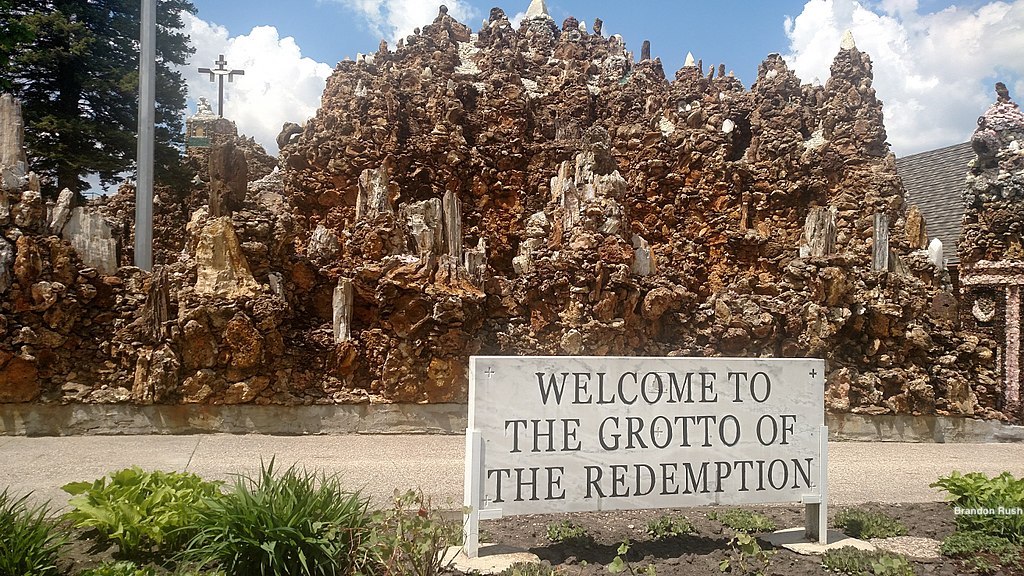
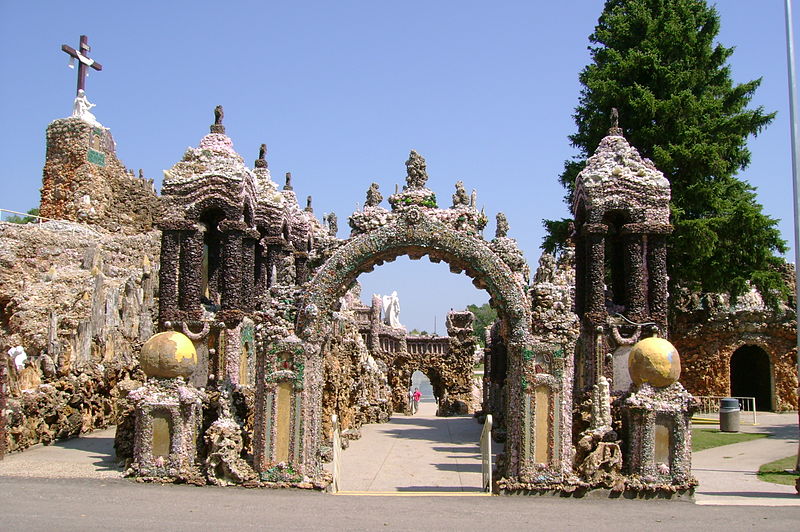
I would be remiss to blog about temples I have visited without including one of the earliest sacred architectural curiosities I ever encountered. Iowans will undoubtedly recognize the edifice by description before even catching sight of its unforgettable face. When I was a child my family made the obligatory pilgrimage to the Grotto of the Redemption, a Roman Catholic shrine in little West Bend, Iowa, built of rocks, minerals, fossils and shells. Begun in 1912, construction on the shrine continues to this day. The site receives about 100,000 visitors annually.
Whereas my father had been raised Roman Catholic and my mother Lutheran, I was attracted to the Episcopal Church, and it was the history of this denomination that first aroused my interest and my spirit. After the United States had won the War of Independence and signed the Treaty of Paris in 1783, marking the end of the war, the colonists needed a Church that was independent from the Church and government of England.
William White, an admirer of the philosopher John Locke, wrote The Case of the Episcopal Churches in the United States Considered in 1782, which was followed almost like a blueprint for a new Church. Those who wrote the Constitution of the Episcopal Church were part of the same community in Philadelphia that created the Constitution of the United States. Of course, I had to visit Independence Hall in Philadelphia and the nearby historic Christ Church.

Christ Church was founded in 1695 as an Anglican (Church of England) parish church. When the colonies revolted against England in the Revolutionary War and formed the United States of America in 1776, the Episcopal Church was organized and separated from the Church of England. The first Presiding Bishop of the Episcopal Church was William White, the rector of Christ Church. He also served as chaplain to the Continental Congress and the newly formed U.S. Senate. George Washington, Benjamin Franklin and Betsy Ross all worshipped at Christ Church.
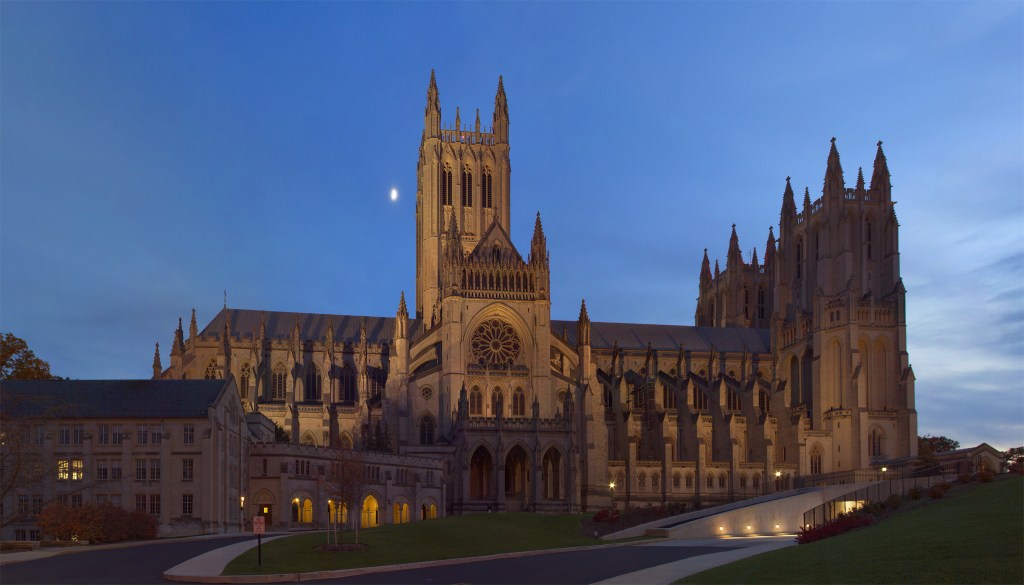
The Washington National Cathedral, officially named the Cathedral Church of Saint Peter and Saint Paul in the City and Diocese of Washington, is the seat of the Presiding Bishop of the Episcopal Church, as well as of the Bishop of Washington. It was chartered in 1893 to be built in the capitol of the United States, Washington, D.C., construction began in 1907, and the structure was completed in 1990. It holds ecumenical or interfaith services as well as worship services of the Episcopal Church based on the Book of Common Prayer. The United States Congress has designated this cathedral as the “National House of Prayer.”
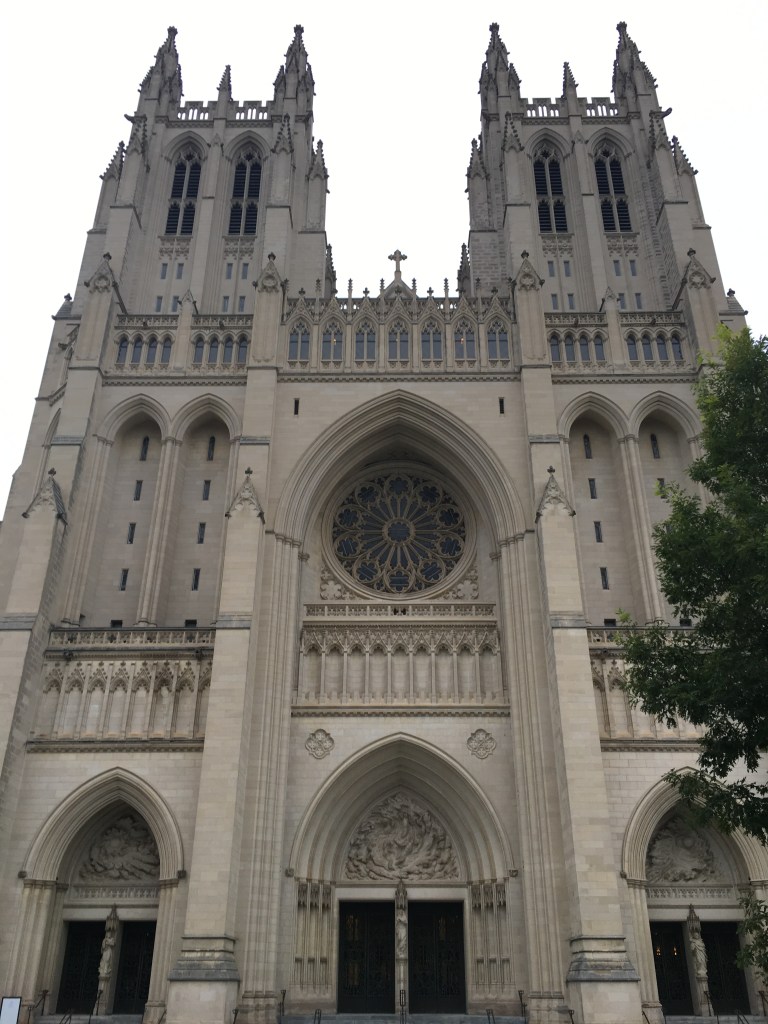
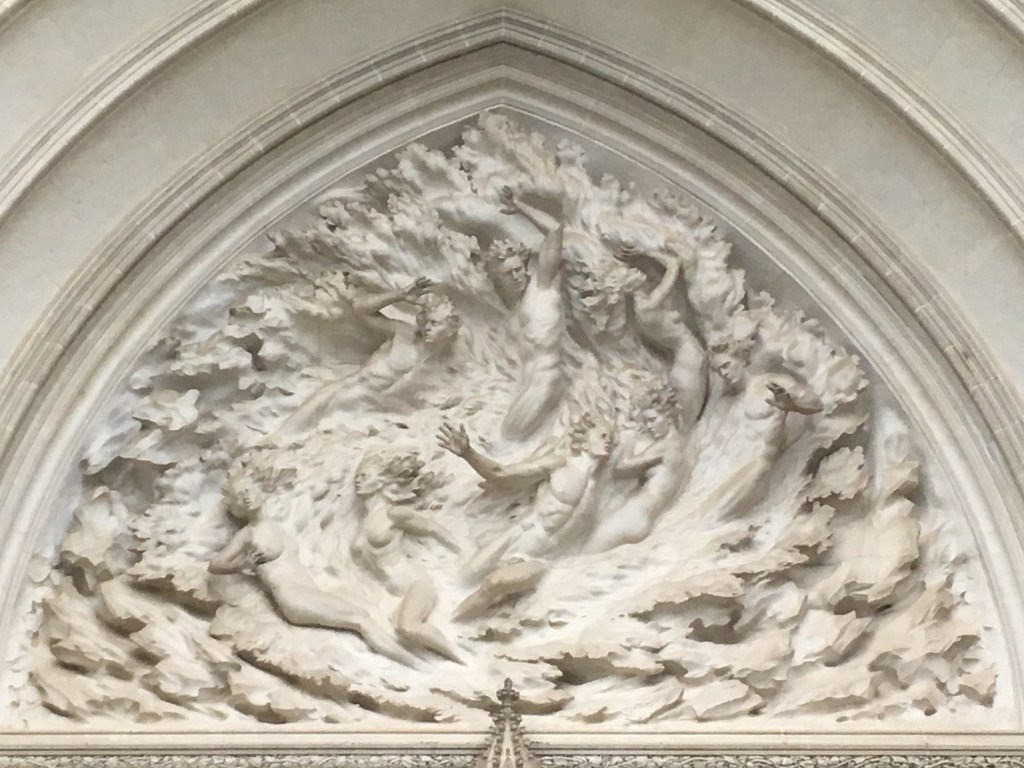
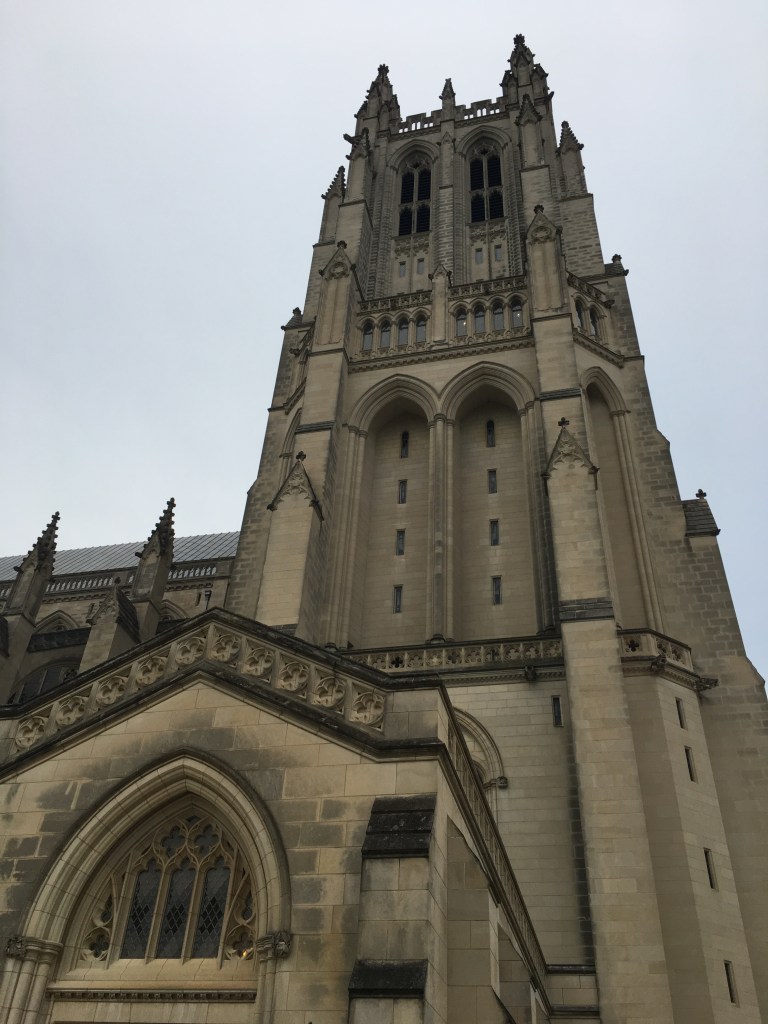
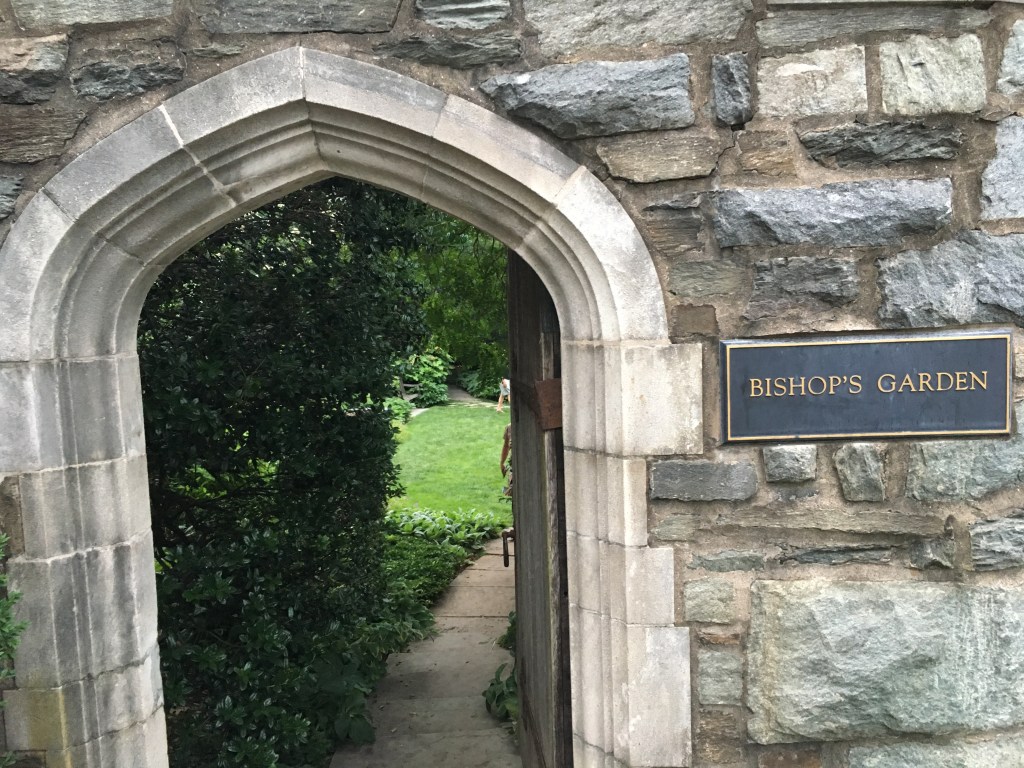
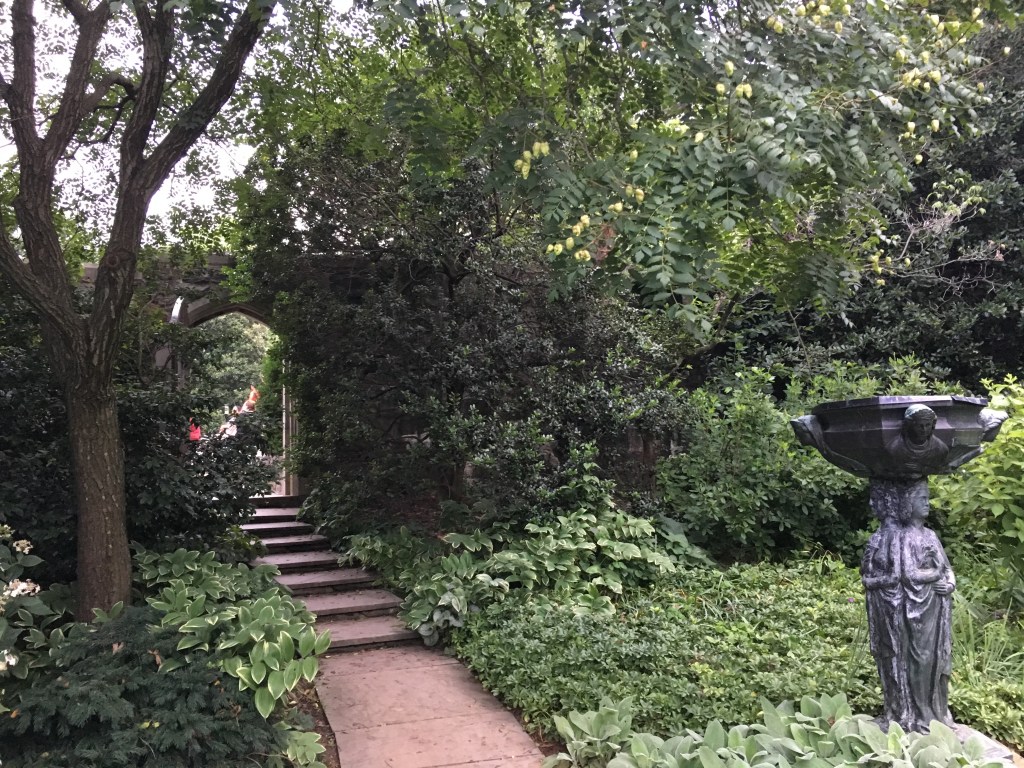
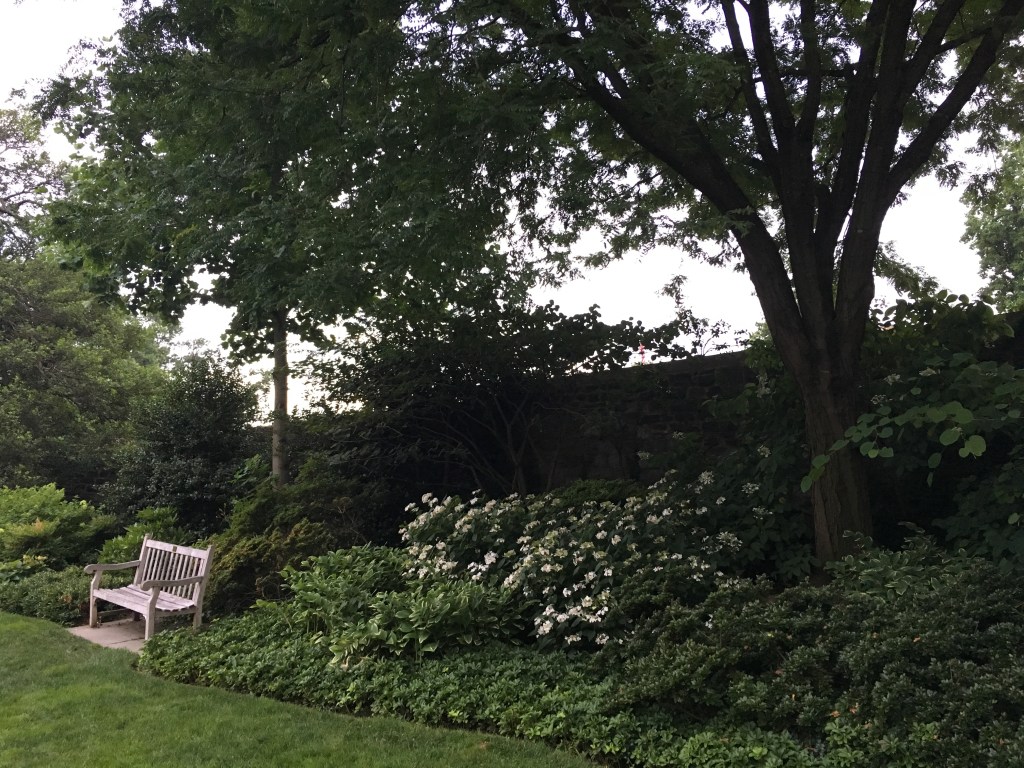
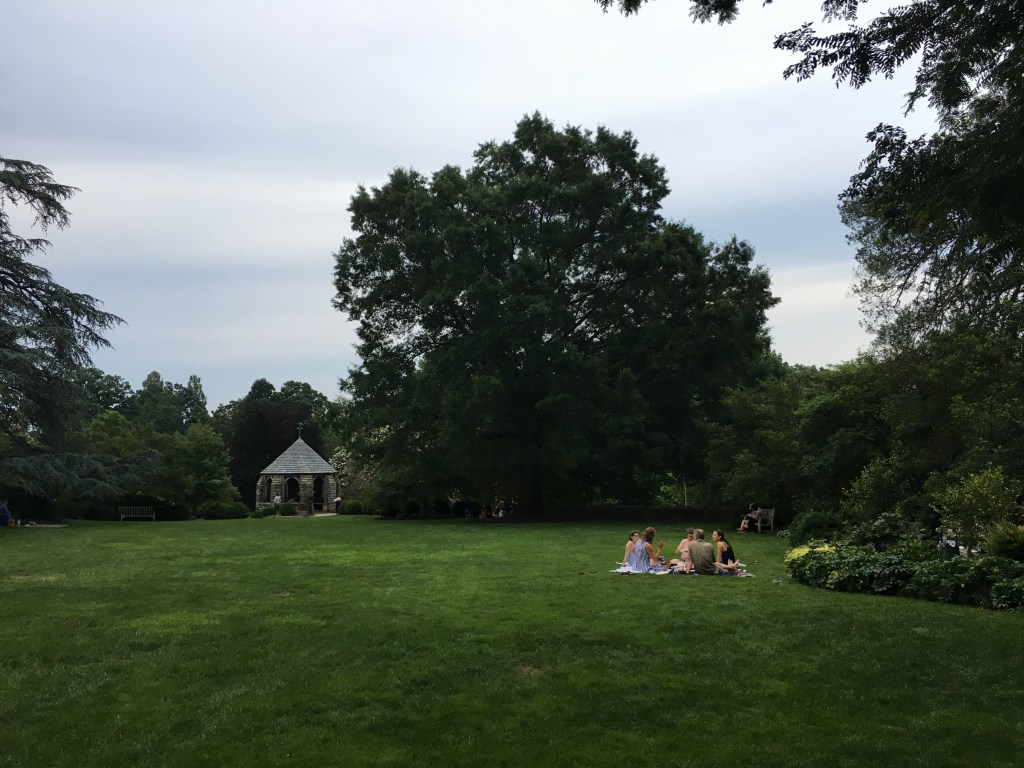
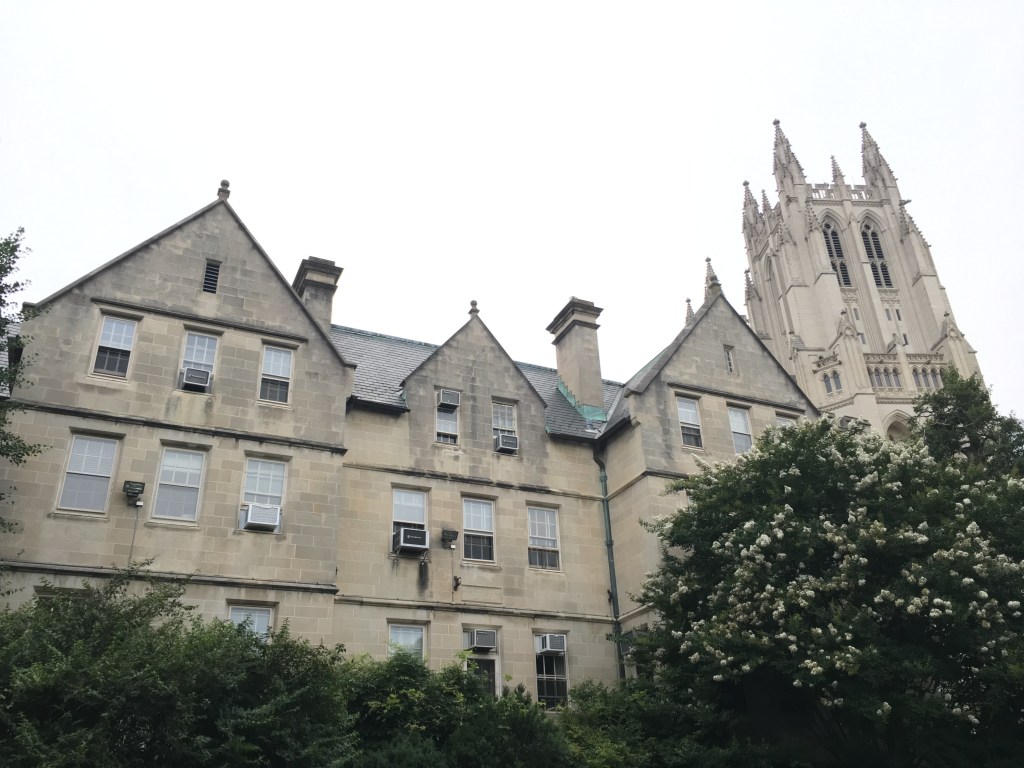
Next to the National Cathedral is St. Alban’s Episcopal Church, founded in 1854, a small parish with significant influence in the District of Columbia. Again, when I visited St. Alban’s, I did not have a smartphone or camera. I was there to worship and meet people, so I did not get any pictures of the building. We must settle for a public domain pic grabbed from the Library of Congress until I am able to return and take some pictures, myself.
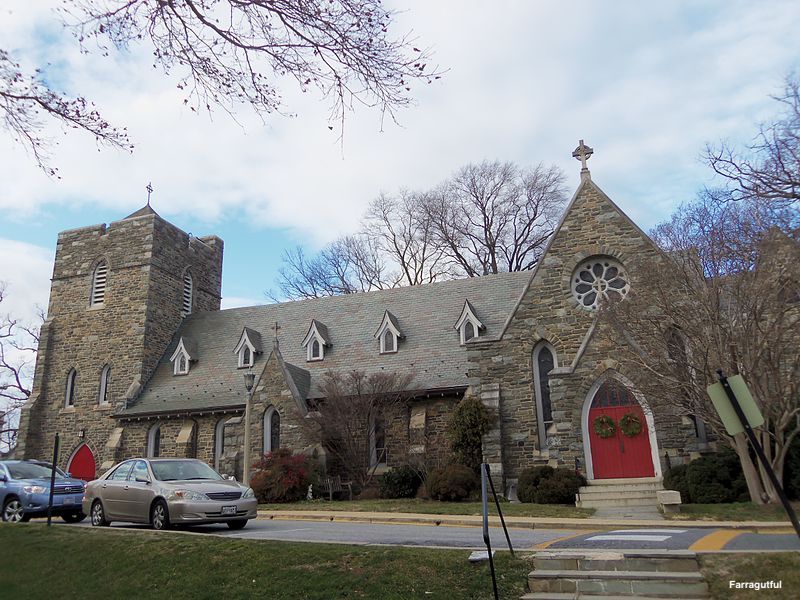
I visited several other Episcopal churches while I was in the Washington, D. C. area. Christ Church in Alexandria, Virginia was completed in 1773. When George Washington had his offices in Alexandria, he attended Christ Church, known as Fairfax Church until 1816. St. John’s Episcopal Church, Lafayette Square was erected adjacent to the White House in 1816 and has been attended by every U.S. president since James Madison. St. Paul’s Parish, K Street is an historic Anglo-Catholic church in the District of Columbia.
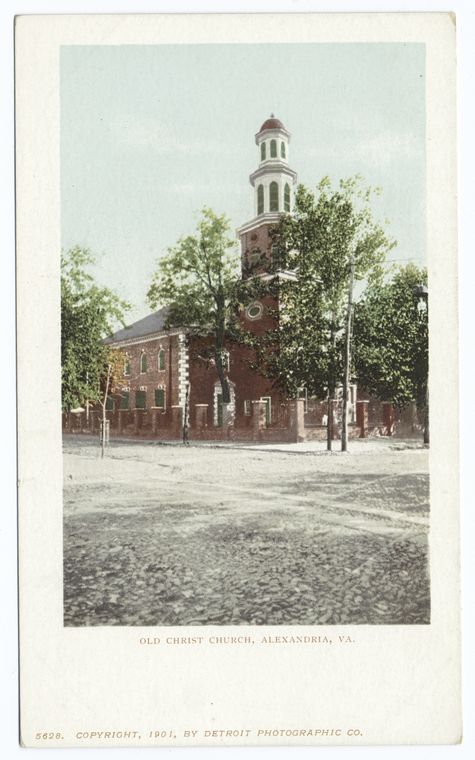
Old Christ Church, c. 1900 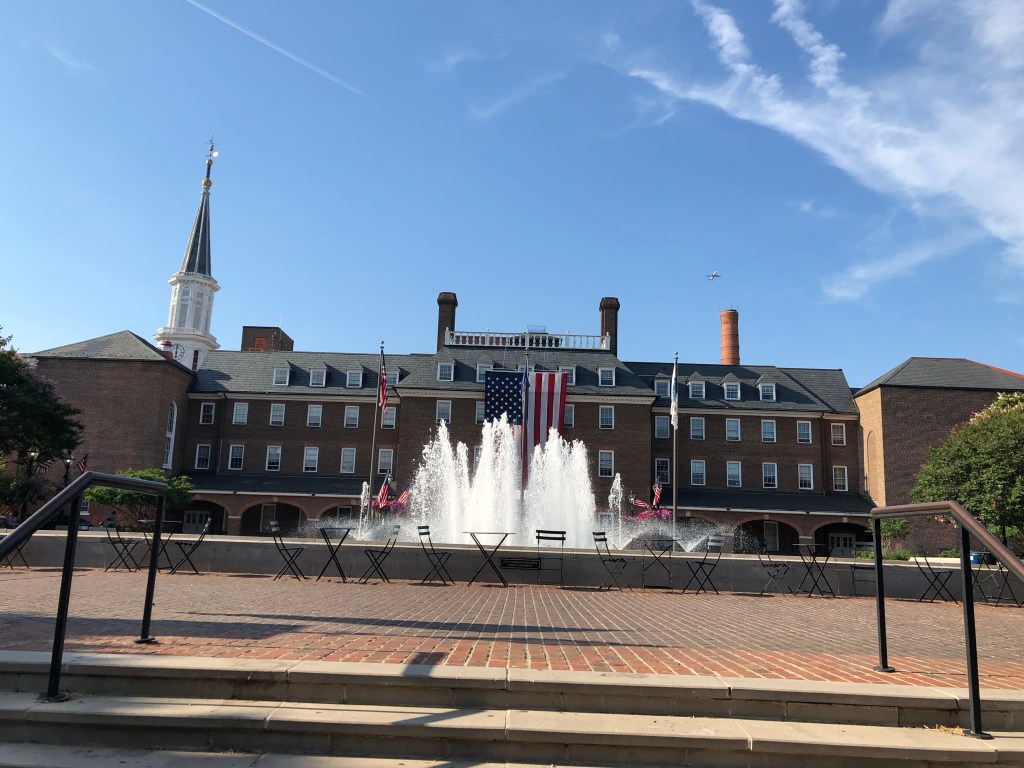
Alexandria City Hall and steeple of Christ Church 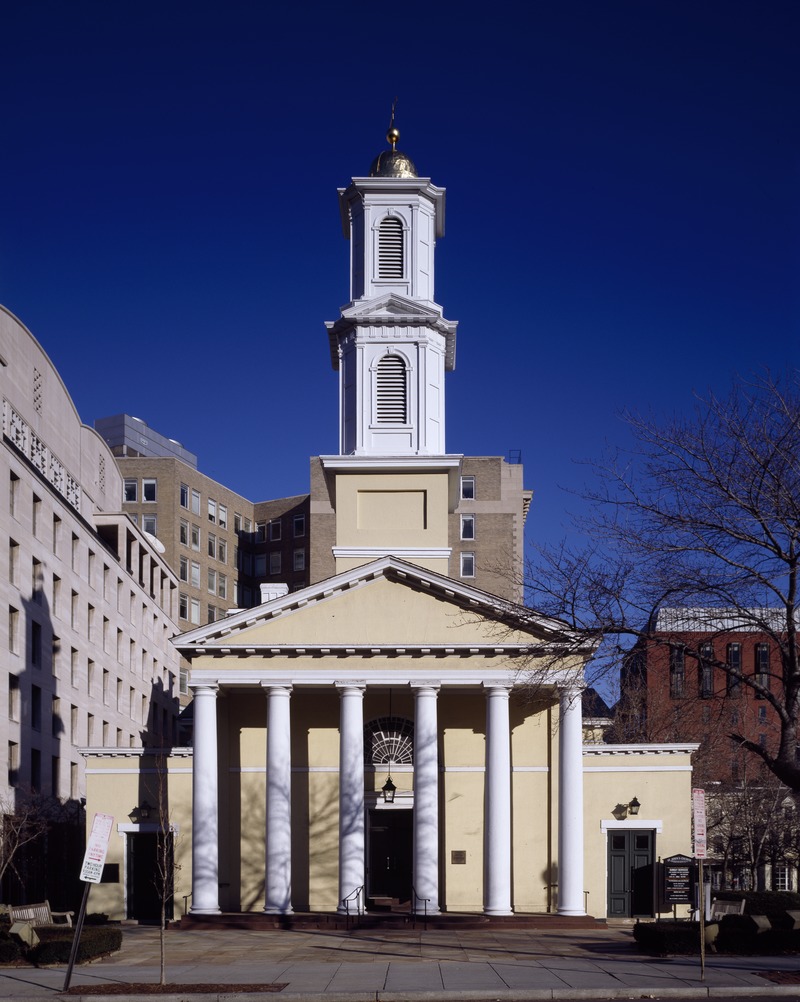
St. John’s Episcopal Church, Lafayette Square 
St. Paul’s Episcopal Church on K Street
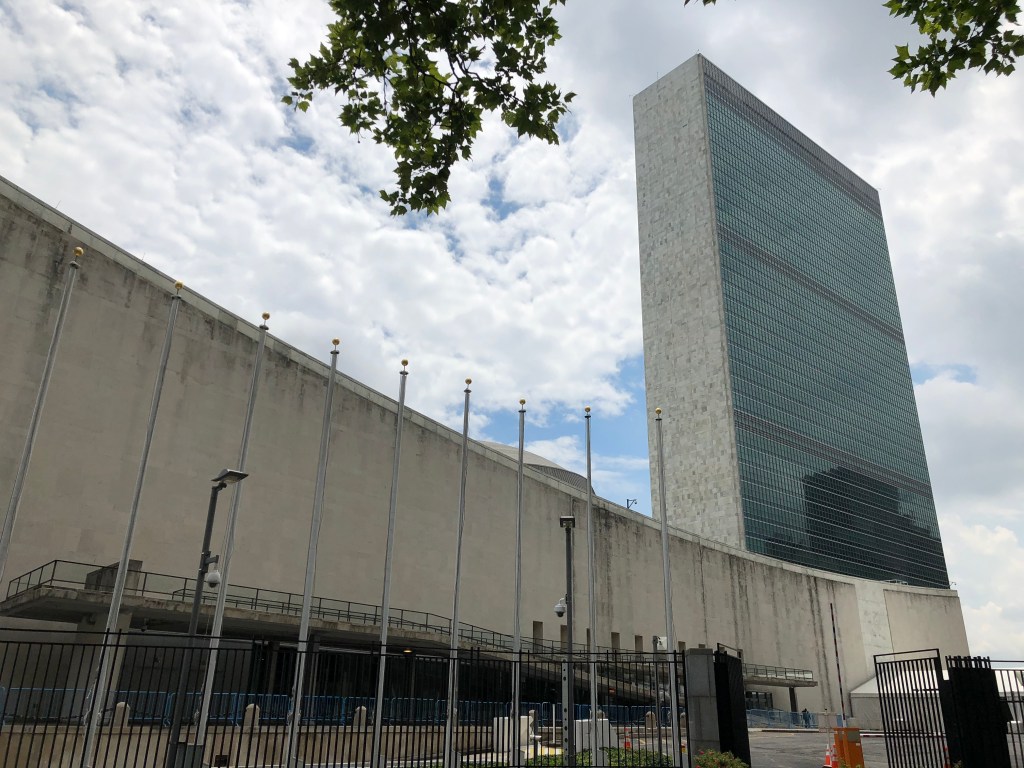
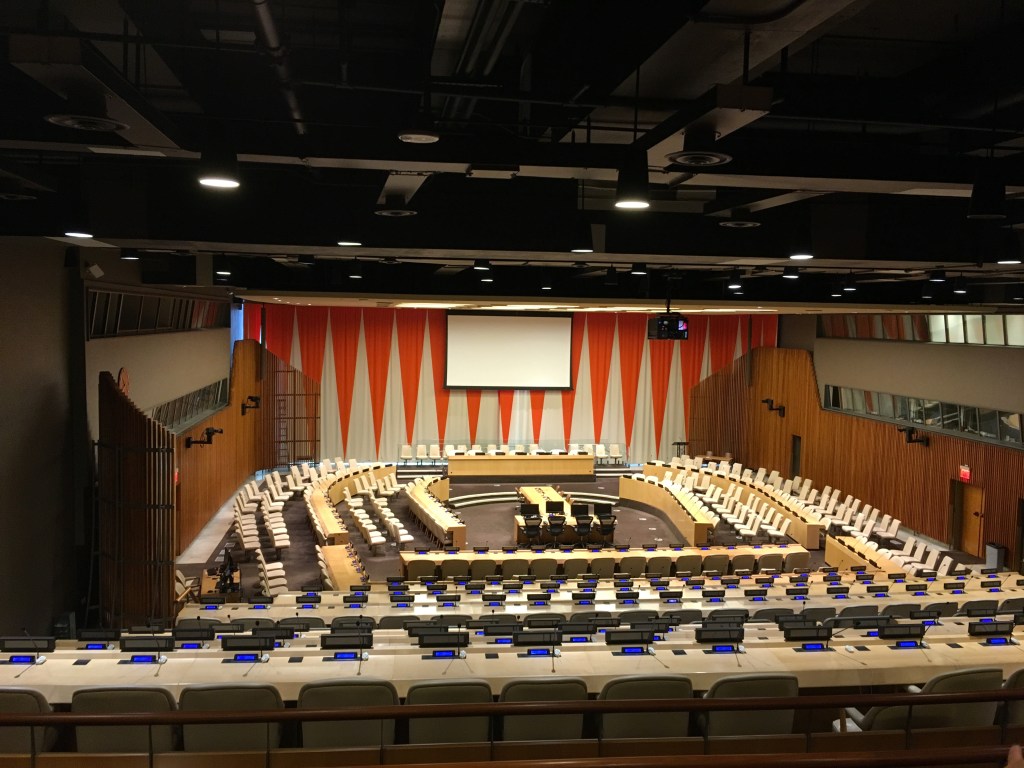
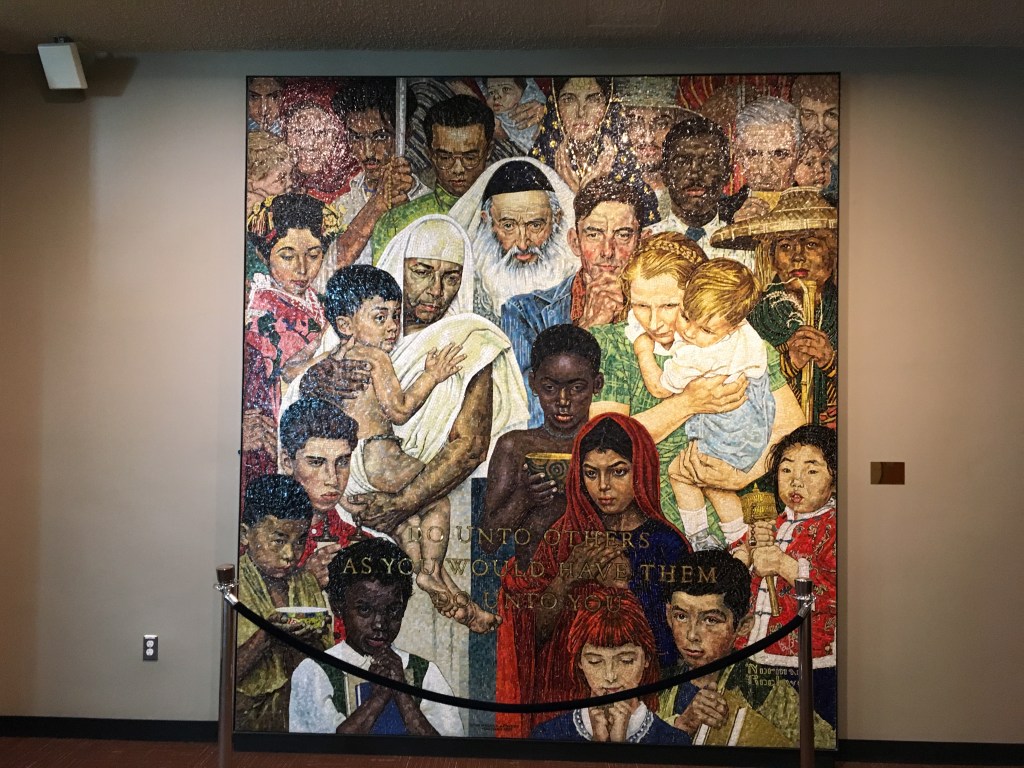
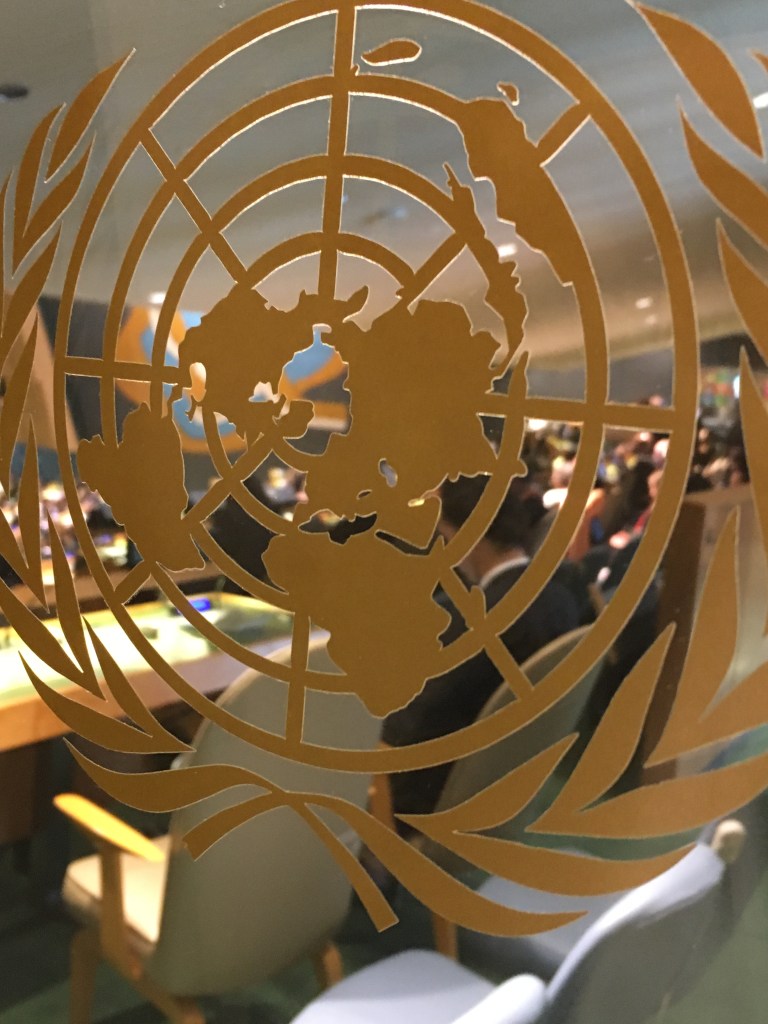
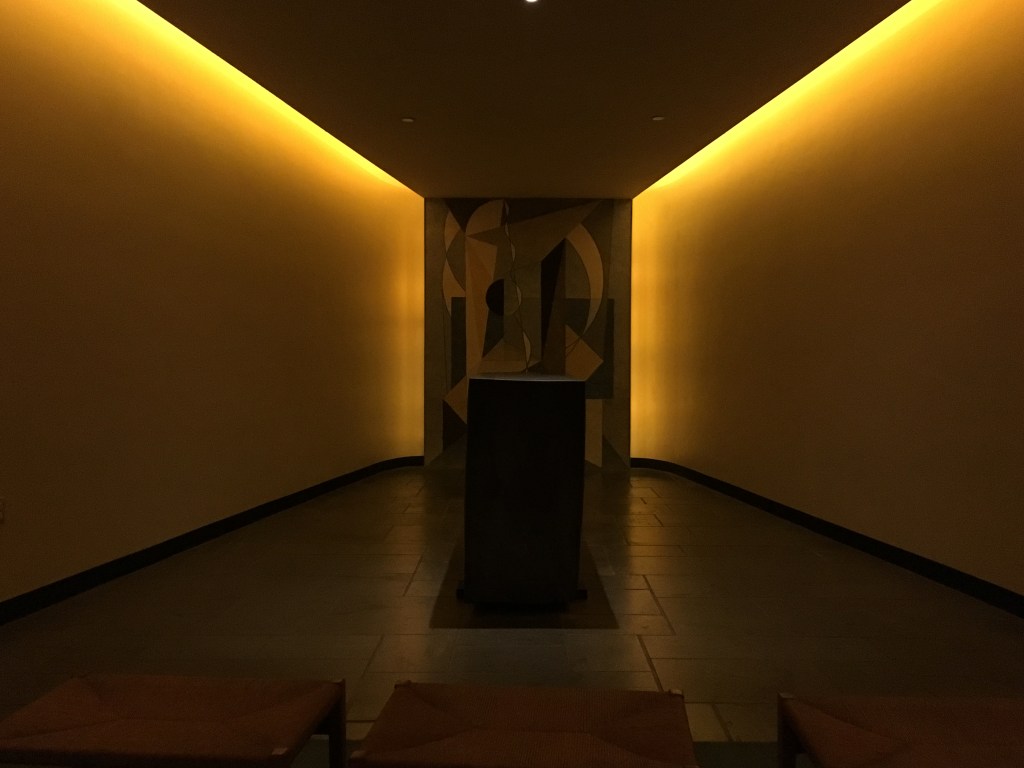
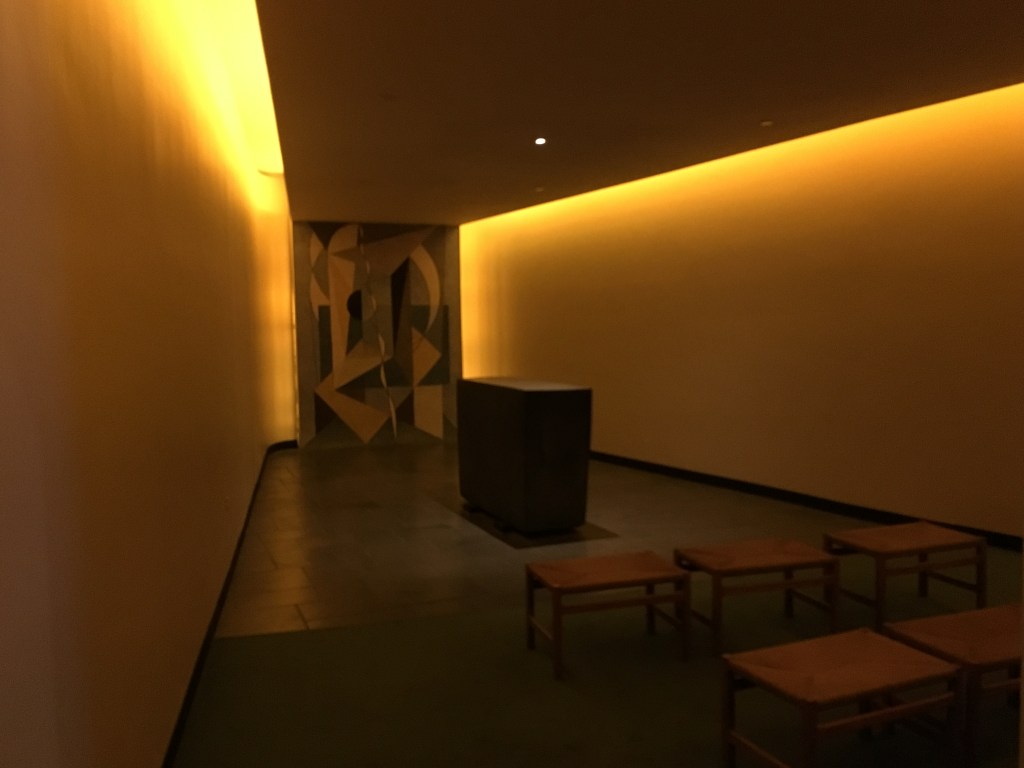
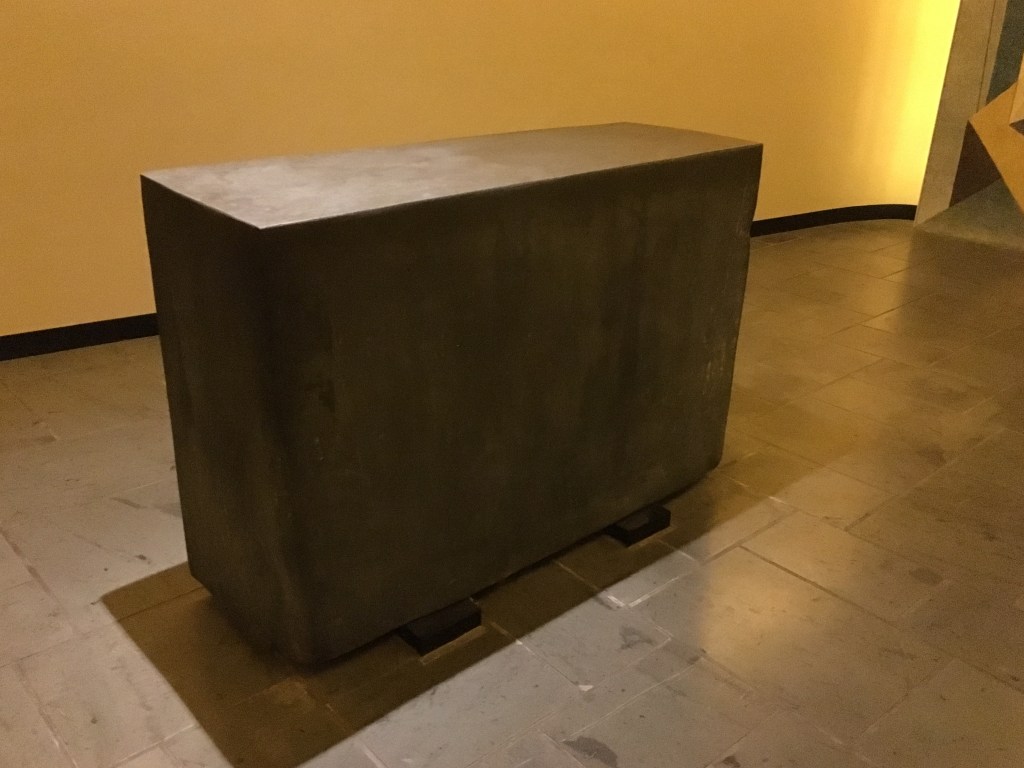
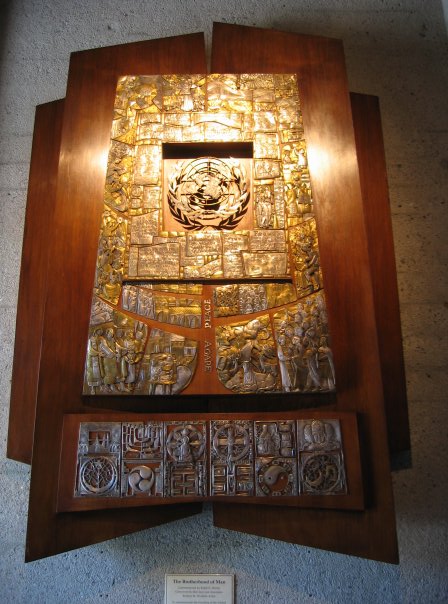
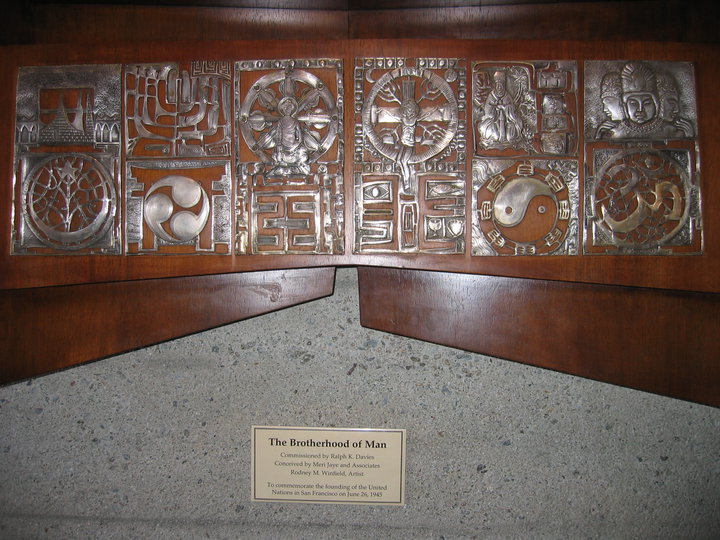
I am descended from the original Dutch and Walloon settlers of Manhattan and early English families of New York, so traveling just a short distance north, I explored exciting New York City. I admired Trinity Church and St. Paul’s Chapel and then toured the United Nations Building, where I spent some time sitting in the little known Meditation Room designed by Dag Hammarskjöld, the second Secretary-General of the United Nations.
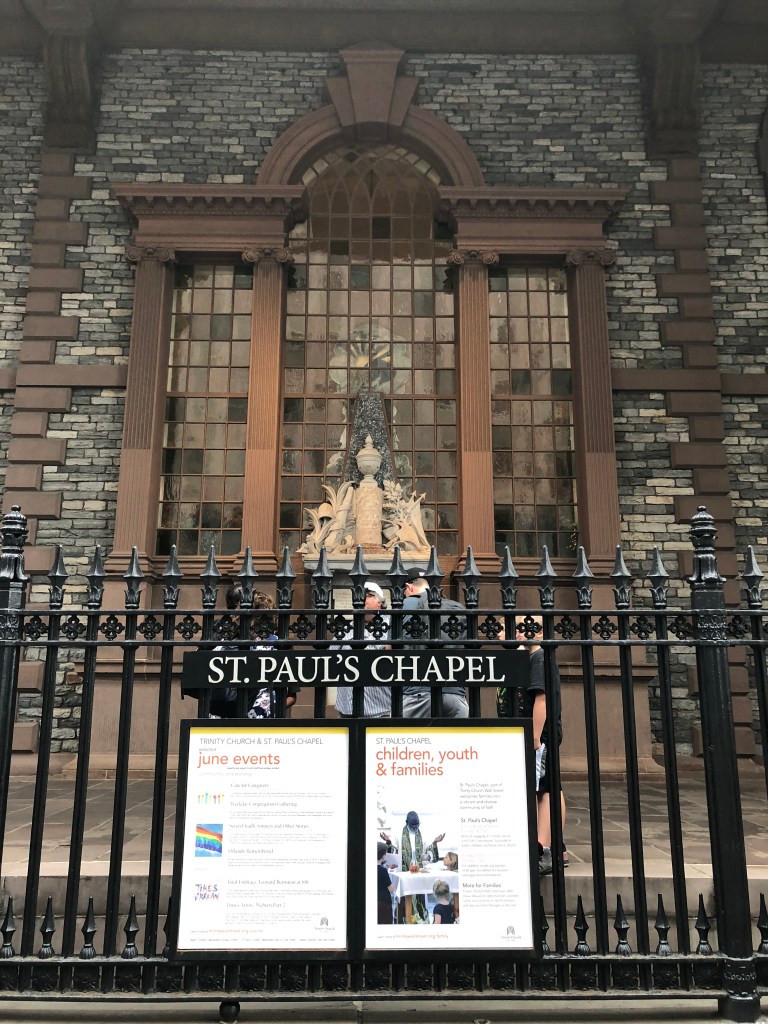
St. Paul’s 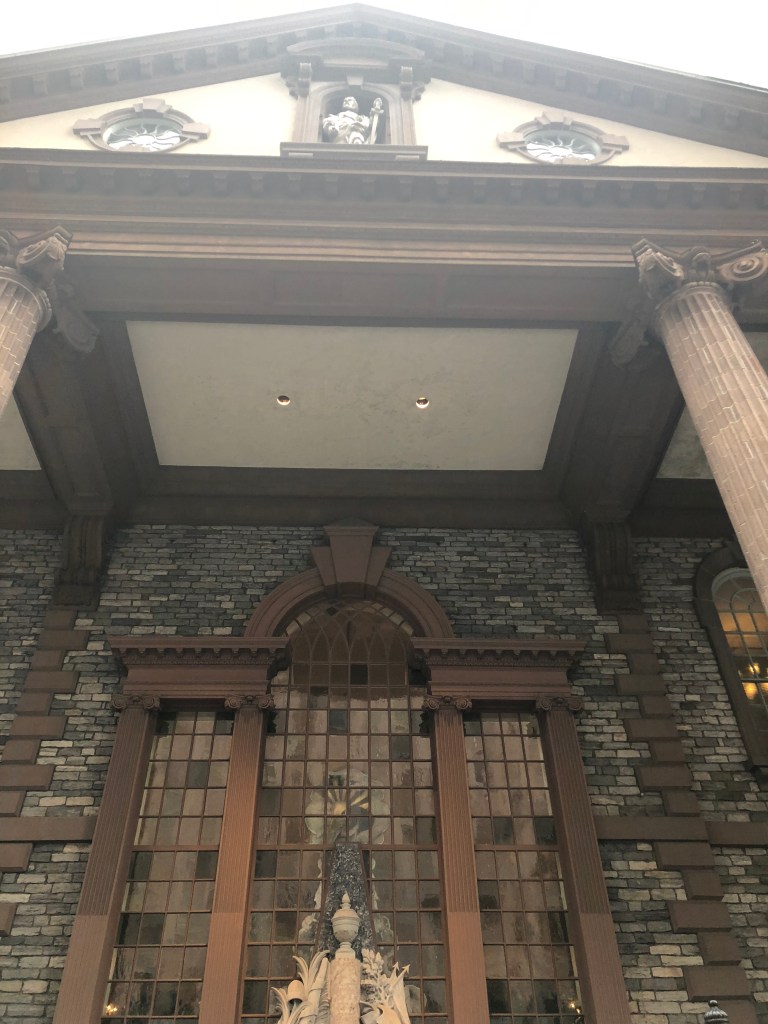
St. Paul’s 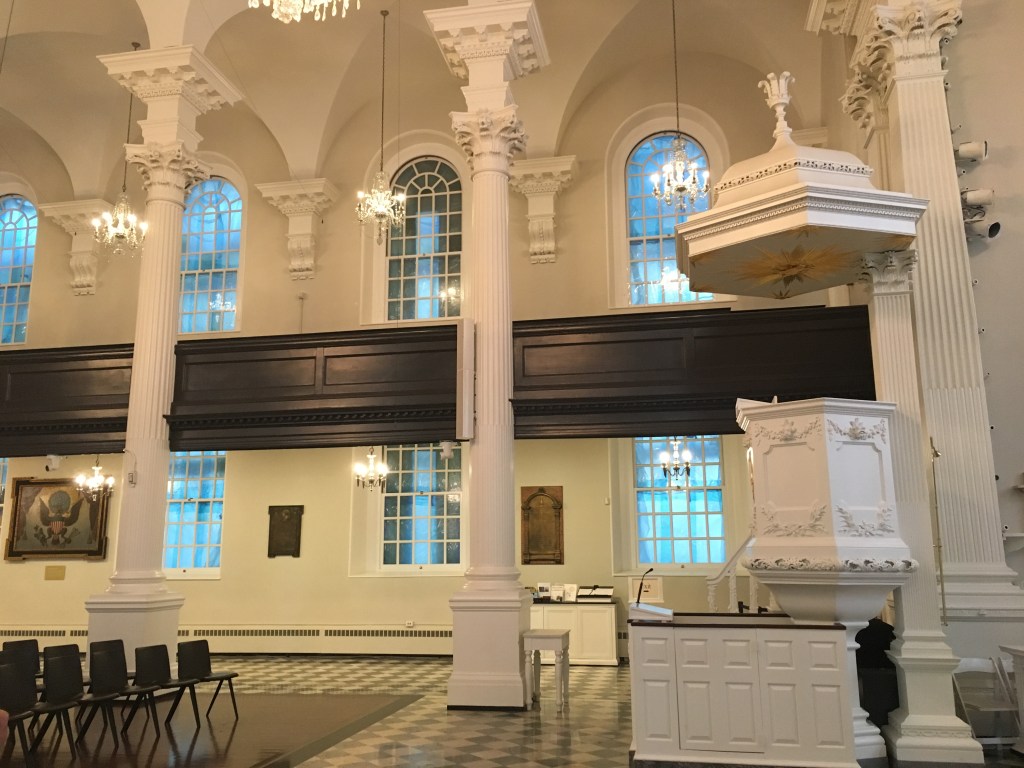
St. Paul’s 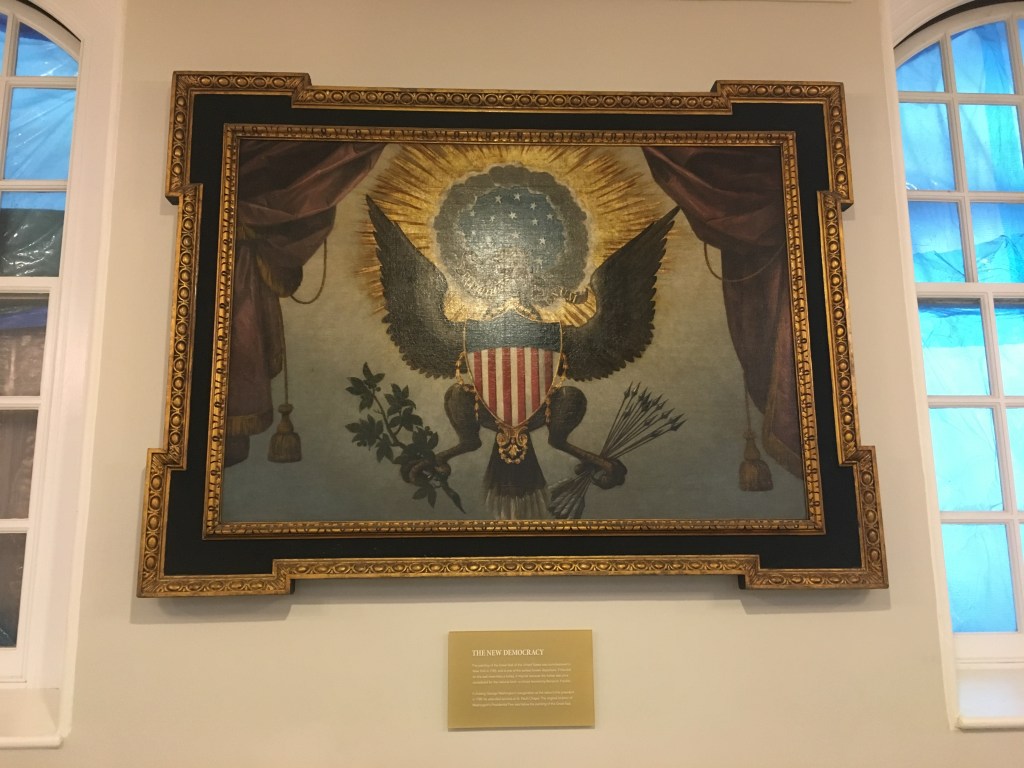
St. Paul’s 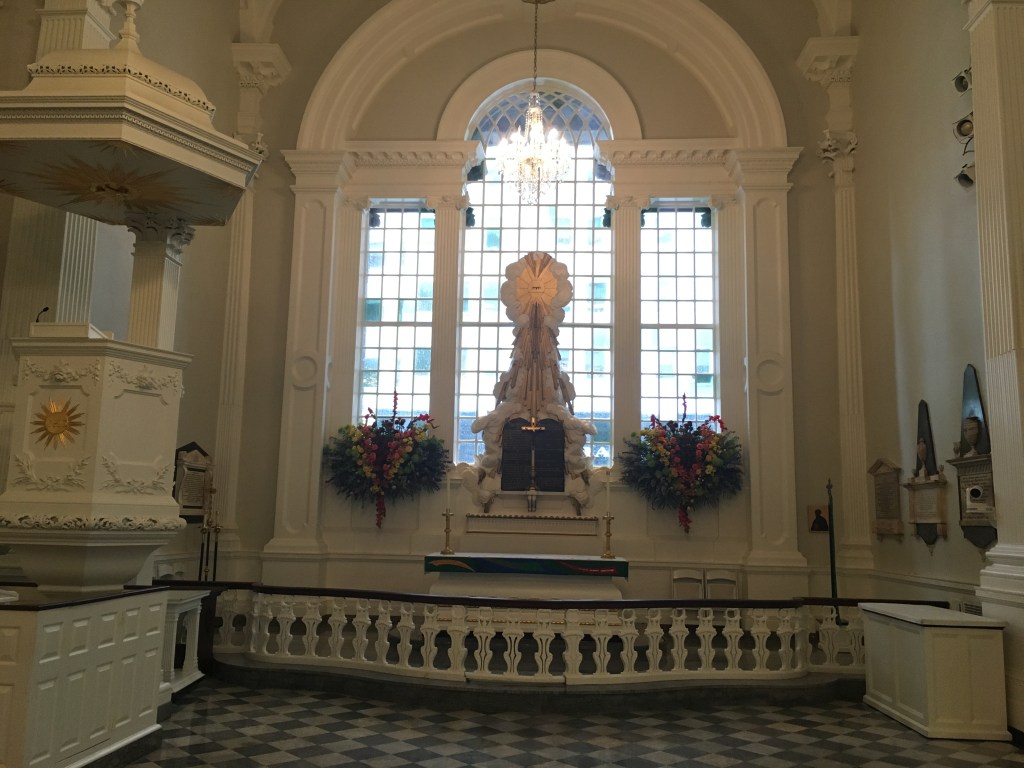
St. Paul’s 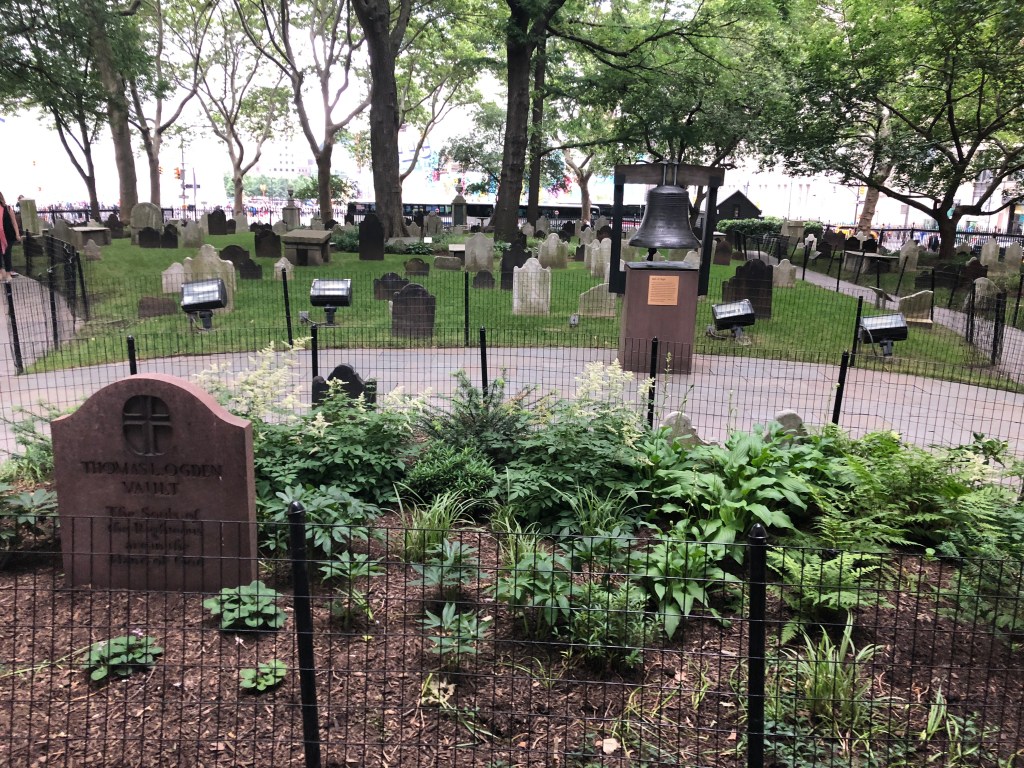
St. Paul’s cemetery 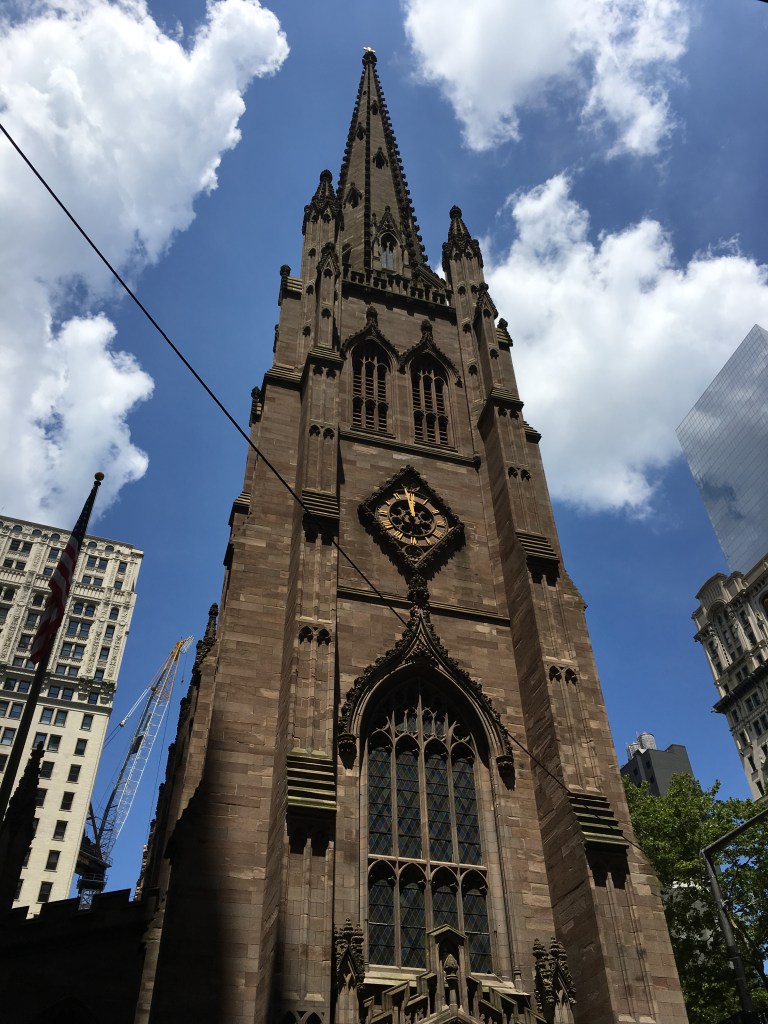
Trinity Church, Manhattan
Trinity Church is located at the intersection of Wall Street and Broadway in Manhattan. The parish received a charter from King William III in 1697 and the church has been rebuilt twice. St. Paul’s Chapel is a chapel of the parish of Trinity Church, and built in 1766, it is the longest-standing church in Manhattan.
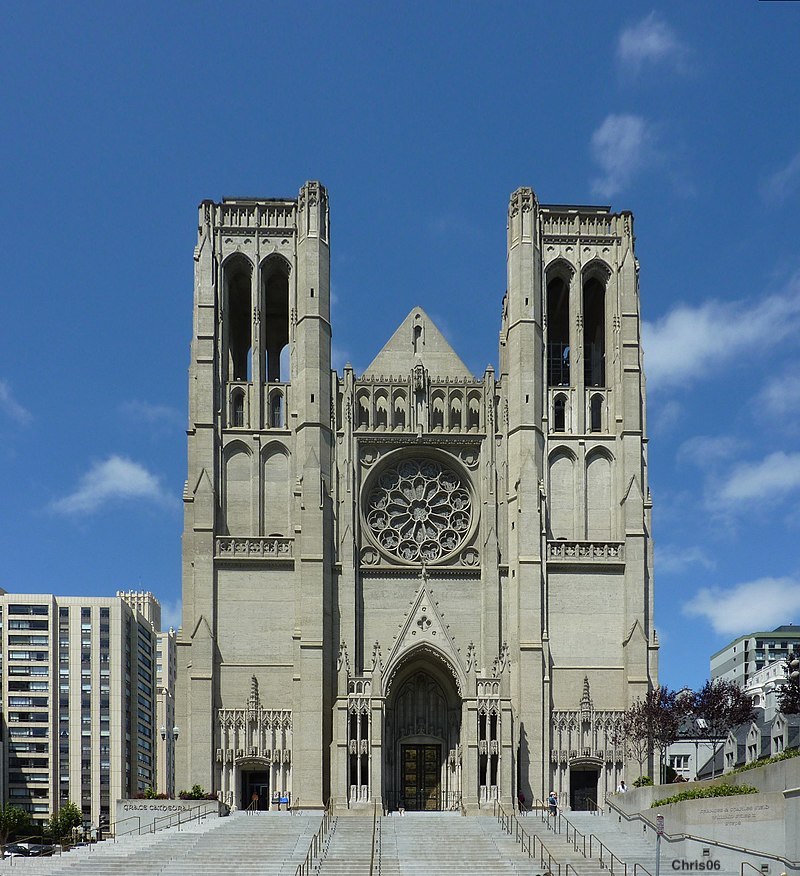
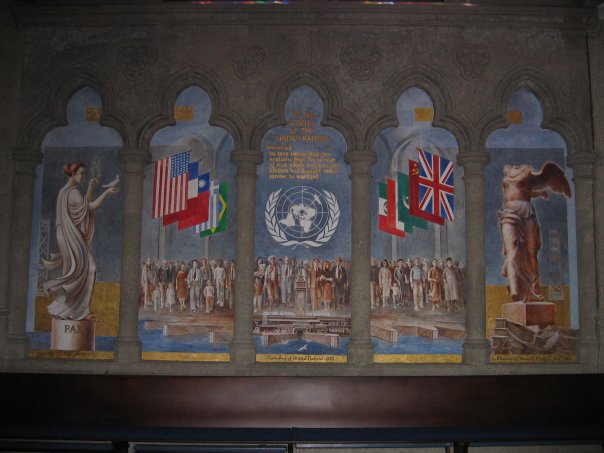
After seeing my first glimpse of the East Coast, I had the chance to visit one place on the West Coast, which turned out to be San Francisco. Grace Cathedral is the cathedral of the Episcopal Diocese of California.
To end this post, I would like to remember that my first night at any monastery was with a small, conservative Roman Catholic Benedictine abbey in Illinois. Later, I would remain one week at the largest monastery in the United States, the Benedictine St. John’s Abbey in Collegeville, Minnesota. This is where I learned the Christian meditation Lectio Divina from the monks.
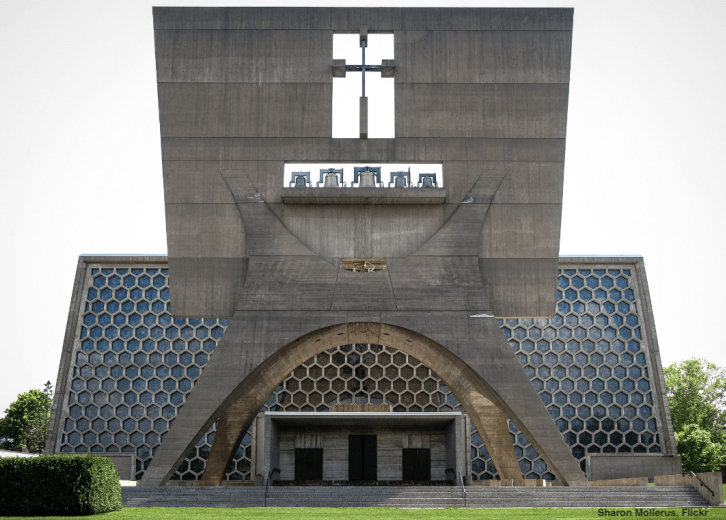
The Christian monastic tradition is rooted in the desert spirituality of Moses and Jesus. It has cultivated a deep and devout religiosity since some of the first Christians lived as hermits in the deserts of the Near East and Egypt. Christian monks have cultivated a fertile tradition of meditation and scholarship over the centuries, even helping to pioneer the Renaissance, Enlightenment and modern science.
My next blog post will be a short look at a few iconic places of worship in Europe. I hope you will join me!

 Temples Along the Way