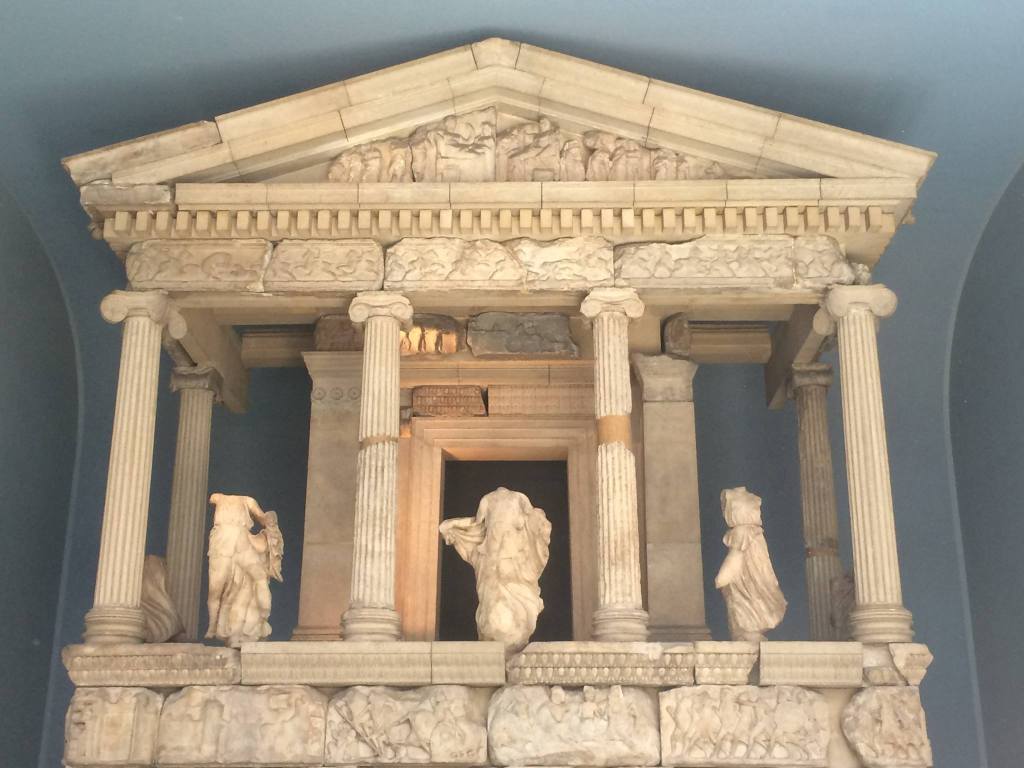
This post will just briefly touch upon a few important temples in Europe. Western civilization is said to have begun with ancient Greece and Rome, but the roots of these cultures extend back into Mesopotamia, Egypt and Persia (modern Iran). I have yet to get to Egypt, Israel, Iran, Turkey or Greece, so I still have many deep roots of Western spiritually yet to explore.
Italy
This post has been updated to include a visit to Italy in July, 2022.
Italy is a living tapestry of art, history, and culture — a place where ancient civilizations and Renaissance dreams converge in every piazza, church, and stone-paved street. From the refined elegance of Florence, cradle of the Renaissance, to the monumental legacy of Rome, the Eternal City, Italy invites travelers to walk through time and encounter both human aspiration and divine wonder.
Rome: Heart of an Empire, Soul of Christianity
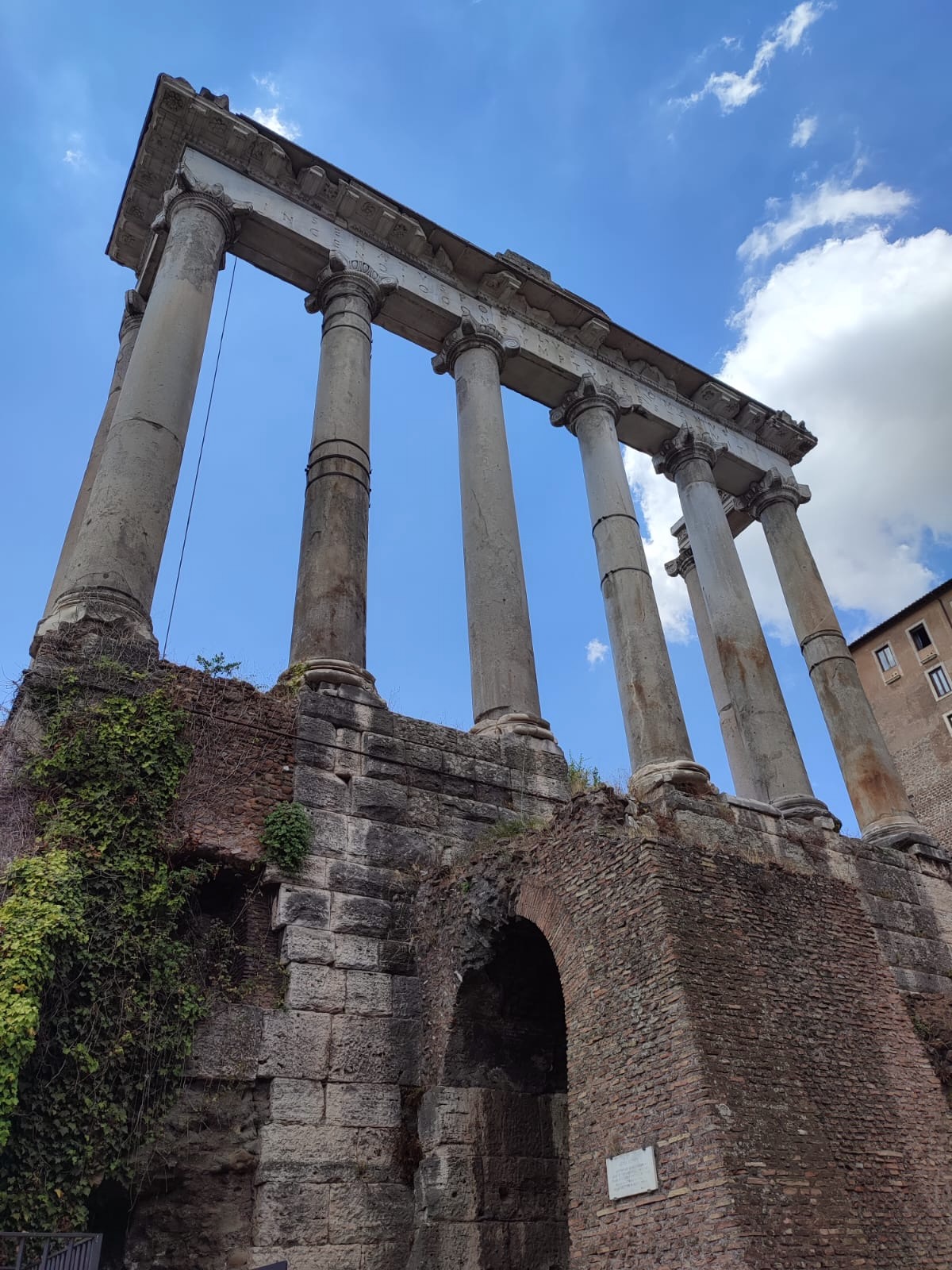
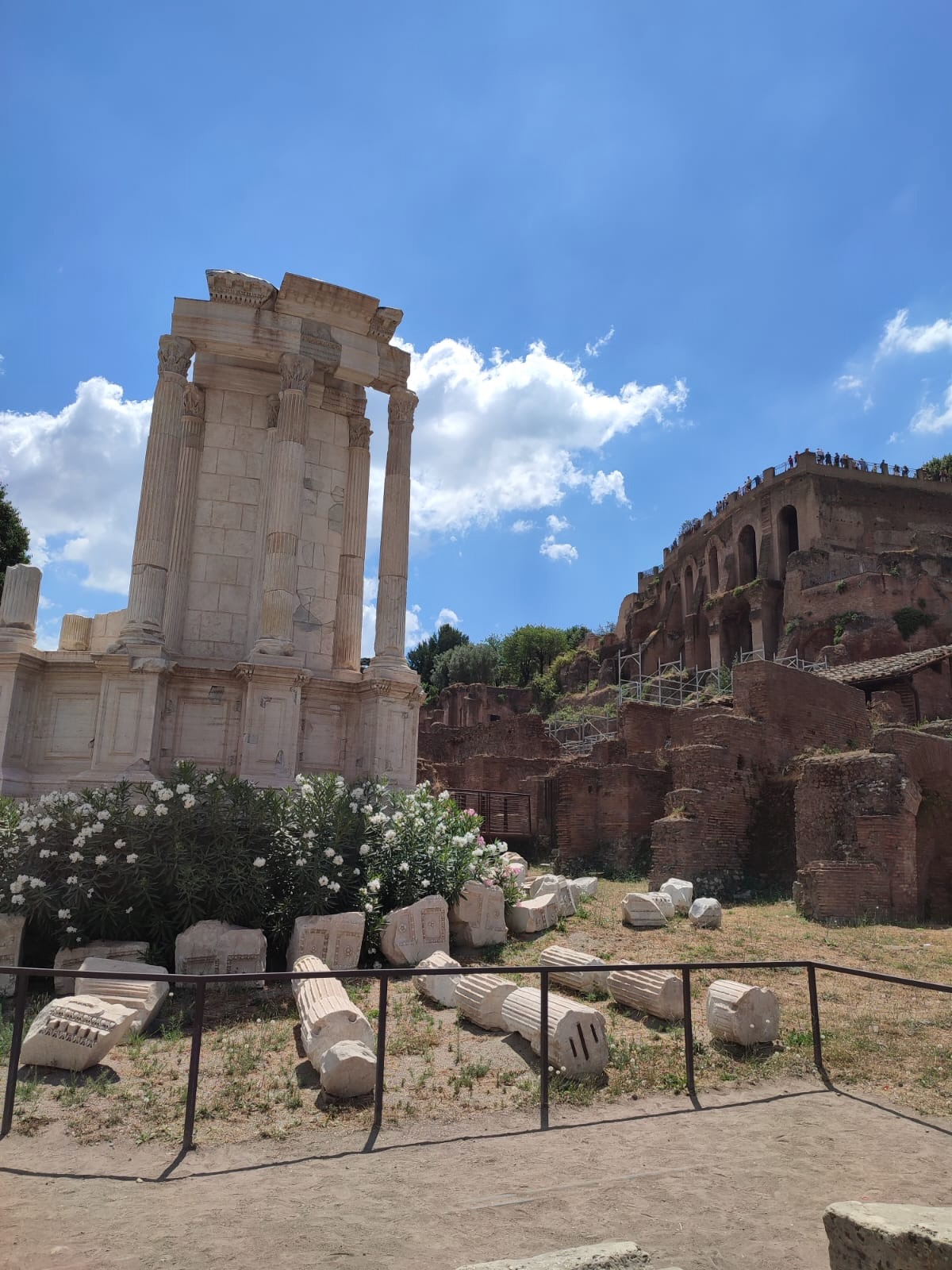
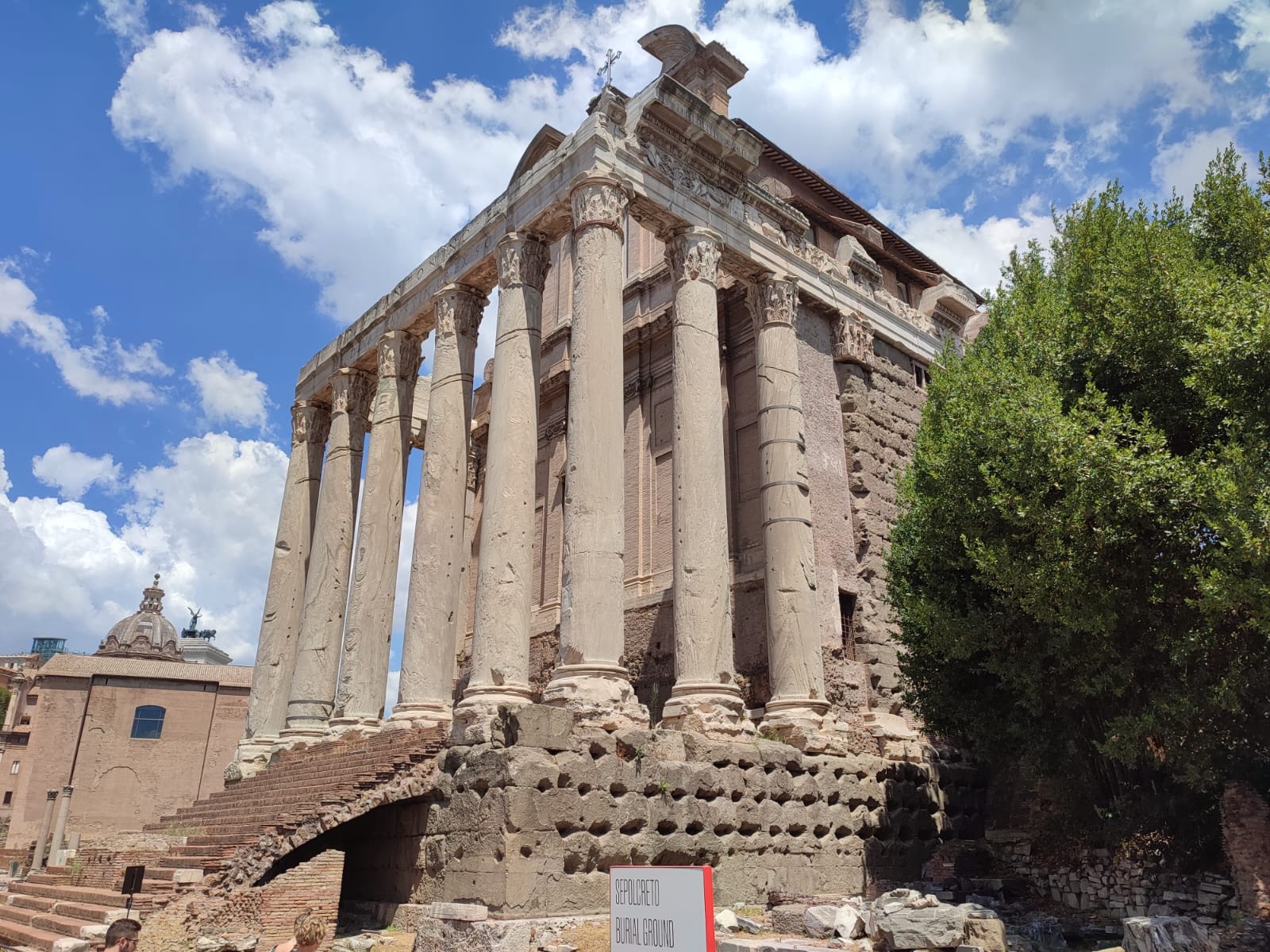
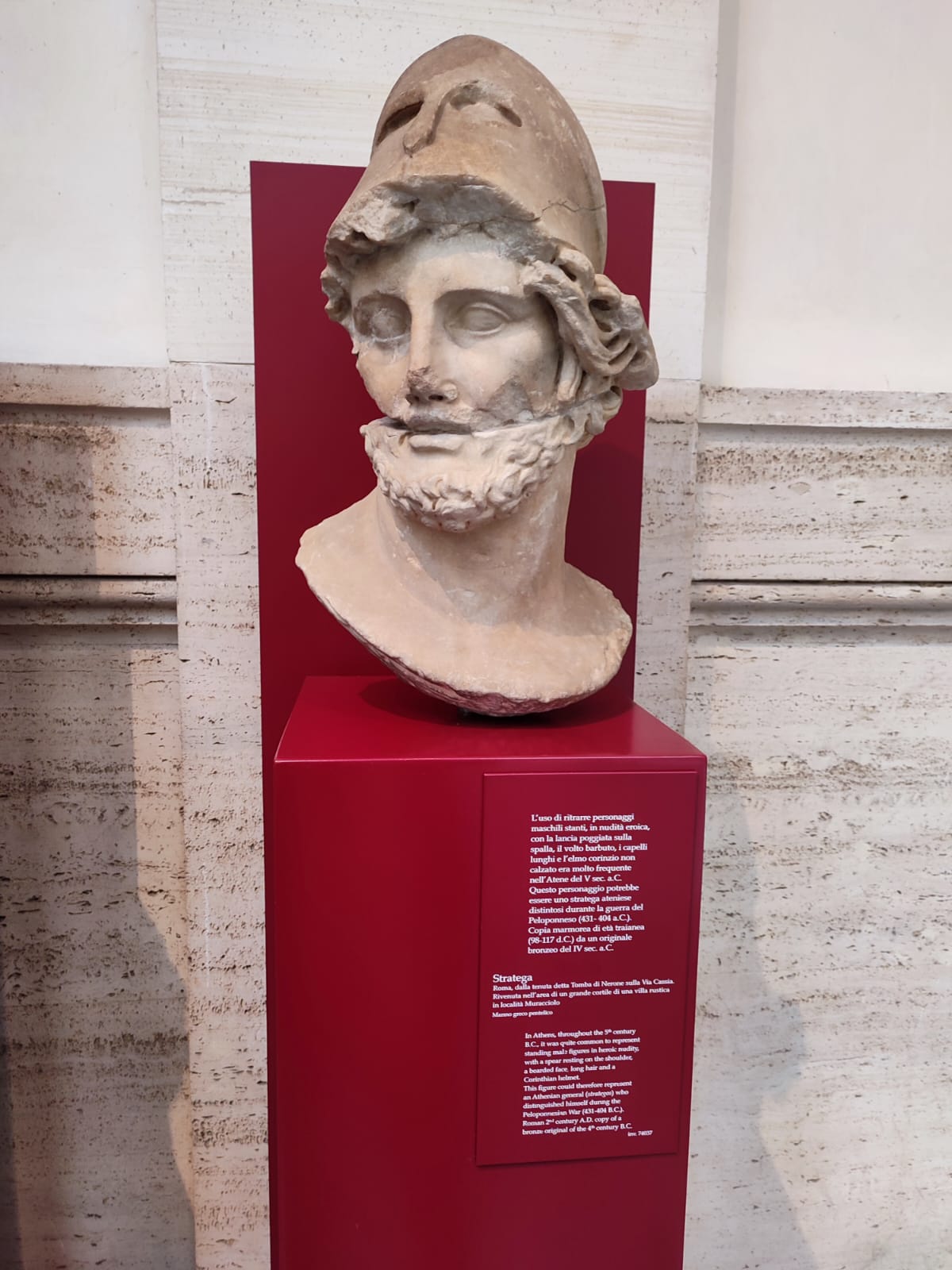
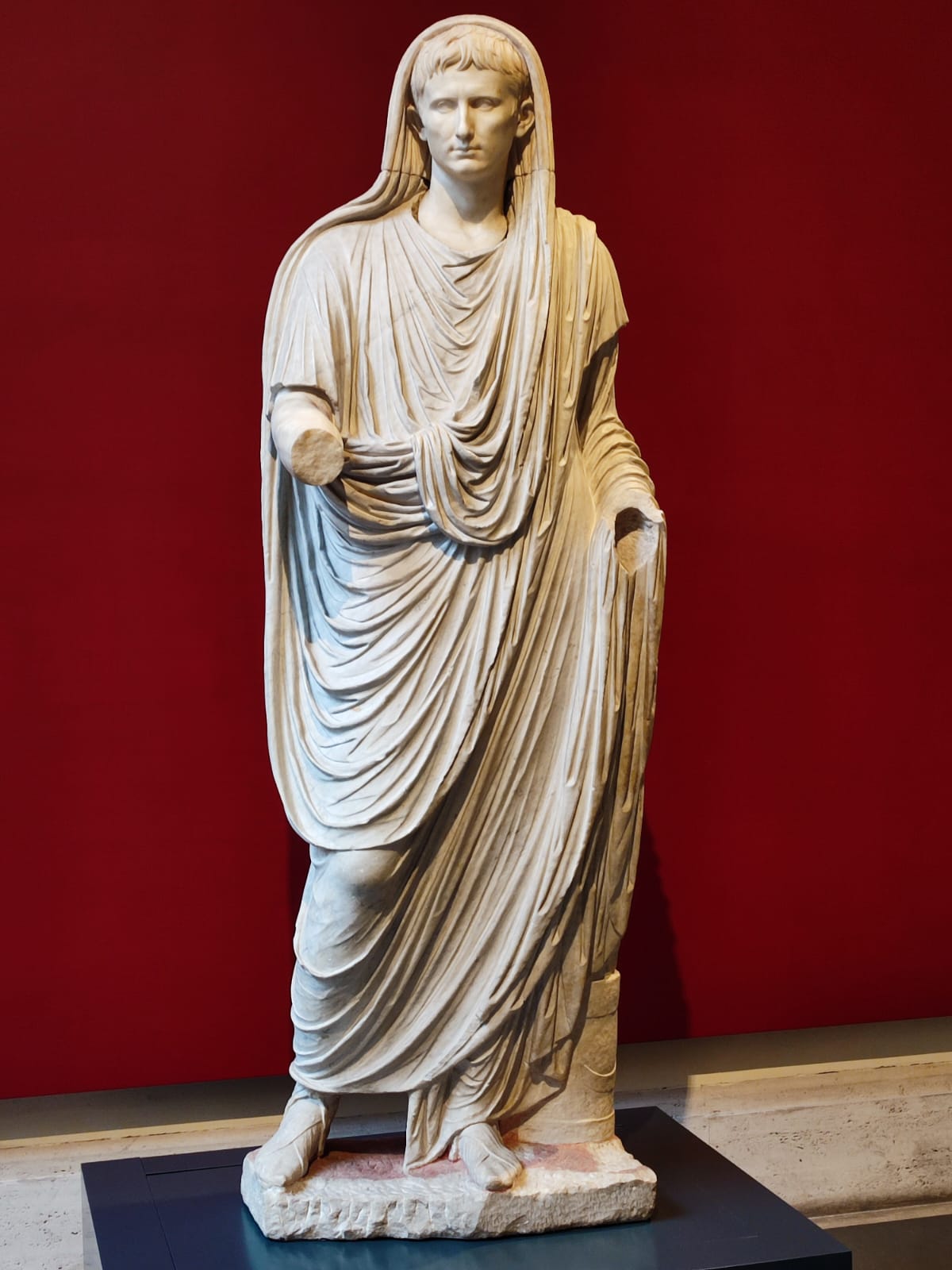
Rome stands at the crossroads of ancient might and spiritual transformation. Once capital of one of the greatest empires in human history, the city’s ruins and temples still echo with the power and complexity of the Roman world. Its legacy spans law, language, engineering, and governance — foundations that shaped Western civilization.
But Rome’s story does not end with gladiators and emperors. Under Constantine the Great, Christianity was lifted from a persecuted faith to the dominant religion of the empire, forever altering the spiritual landscape of Europe and beyond.
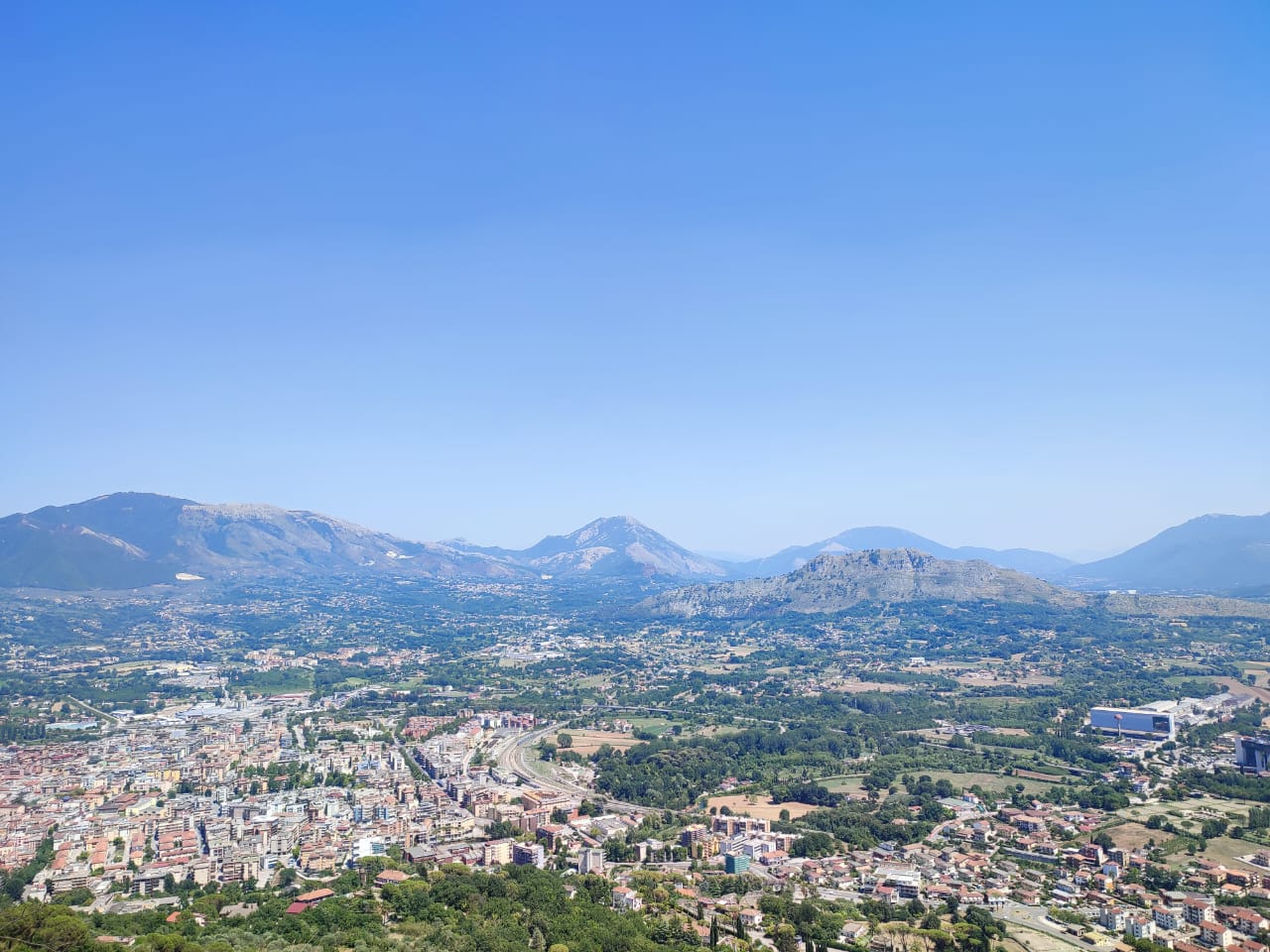
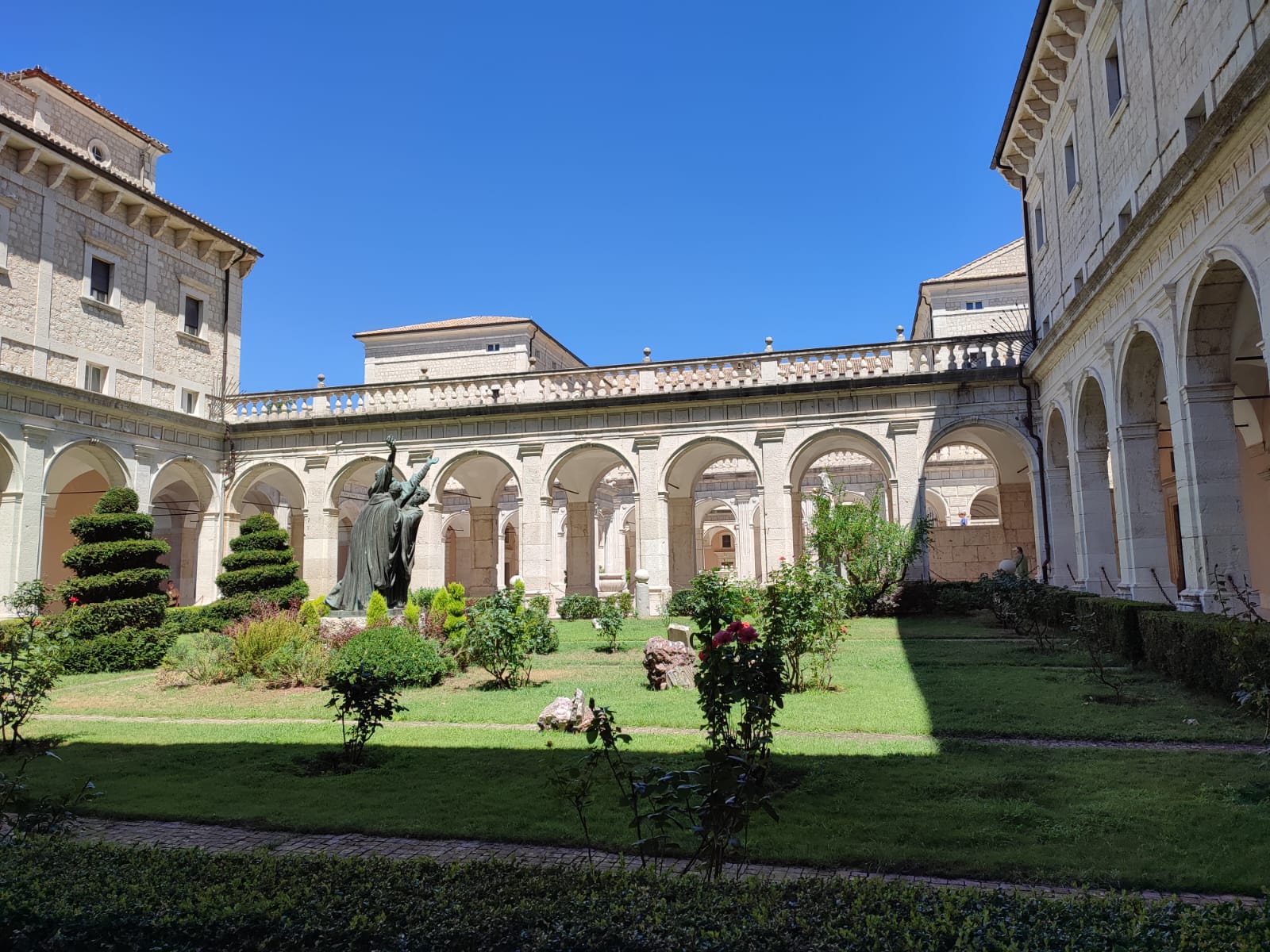
High above the valleys of central Italy stands Montecassino Abbey, one of the most influential monasteries ever founded. Established in the 6th century by St. Benedict of Nursia, Montecassino became the birthplace of the Rule of St. Benedict—a concise yet profound guide to communal life, discipline, prayer, and work that would shape Western monasticism, education, and moral culture for more than a millennium.
Against this historical backdrop, a personal pilgrimage to Montecassino is not merely a visit to an ancient abbey, but a quiet encounter with the roots of Western contemplative life—where silence, order, and inner transformation were first woven into a durable way of living.
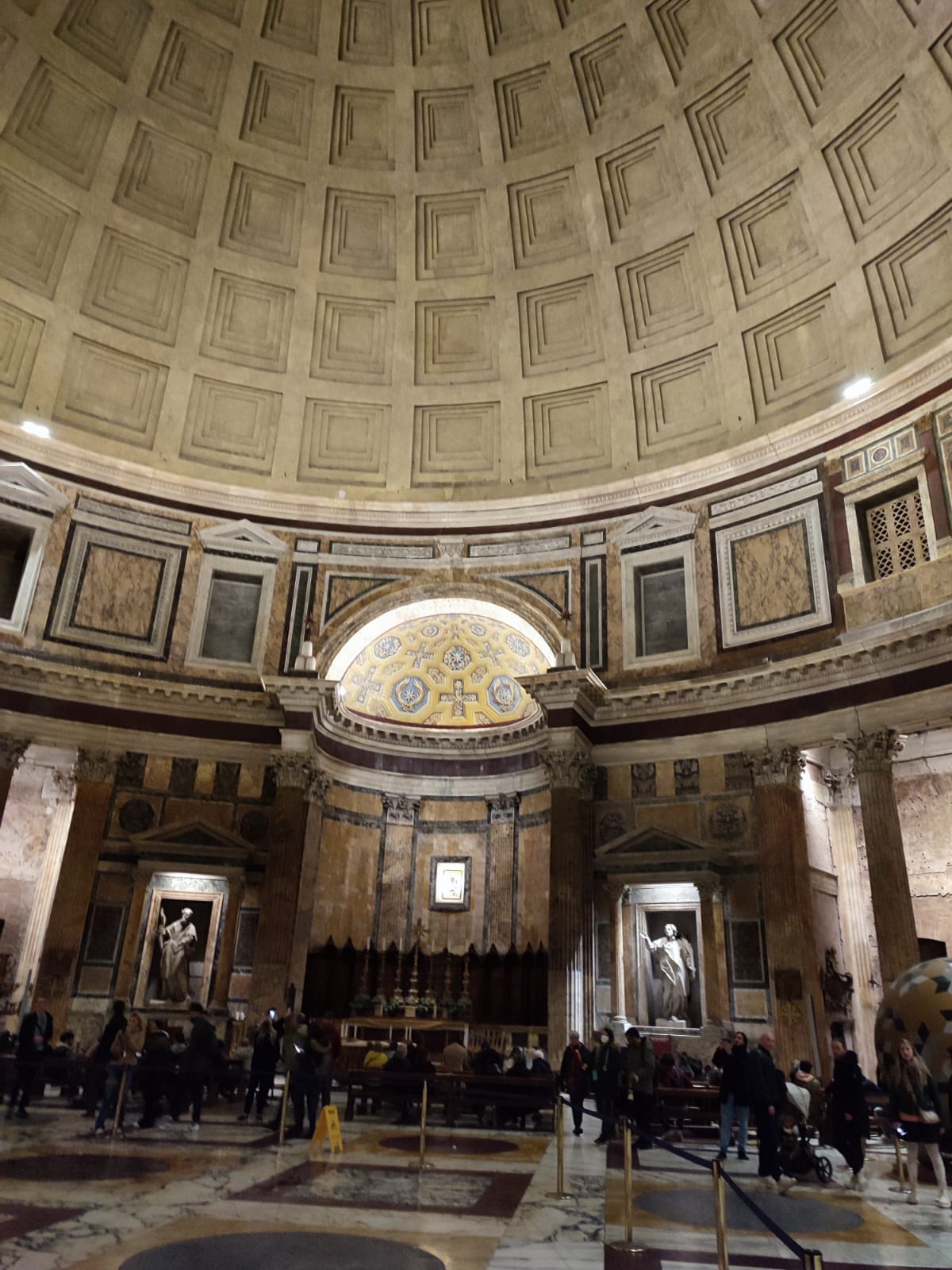
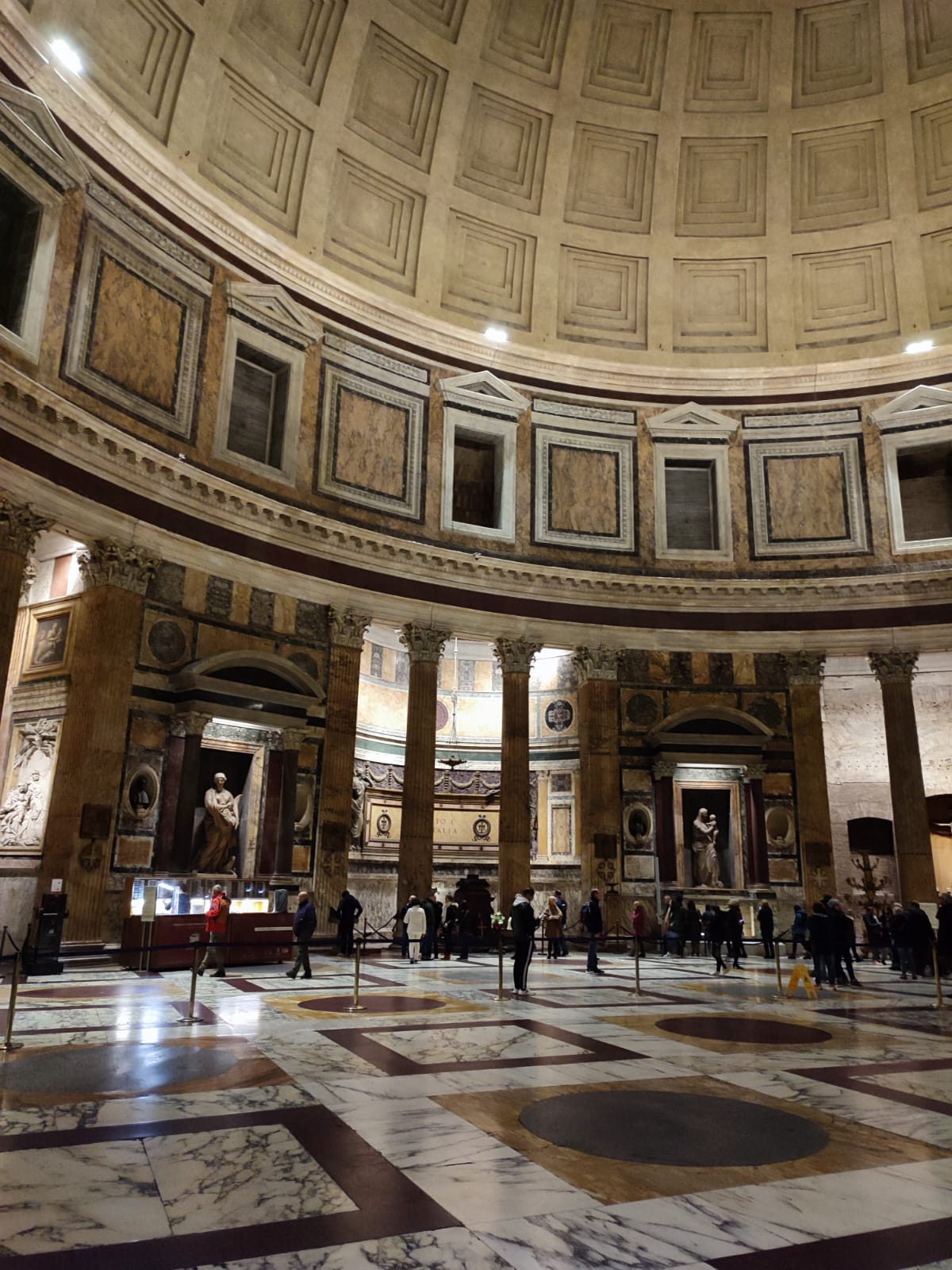
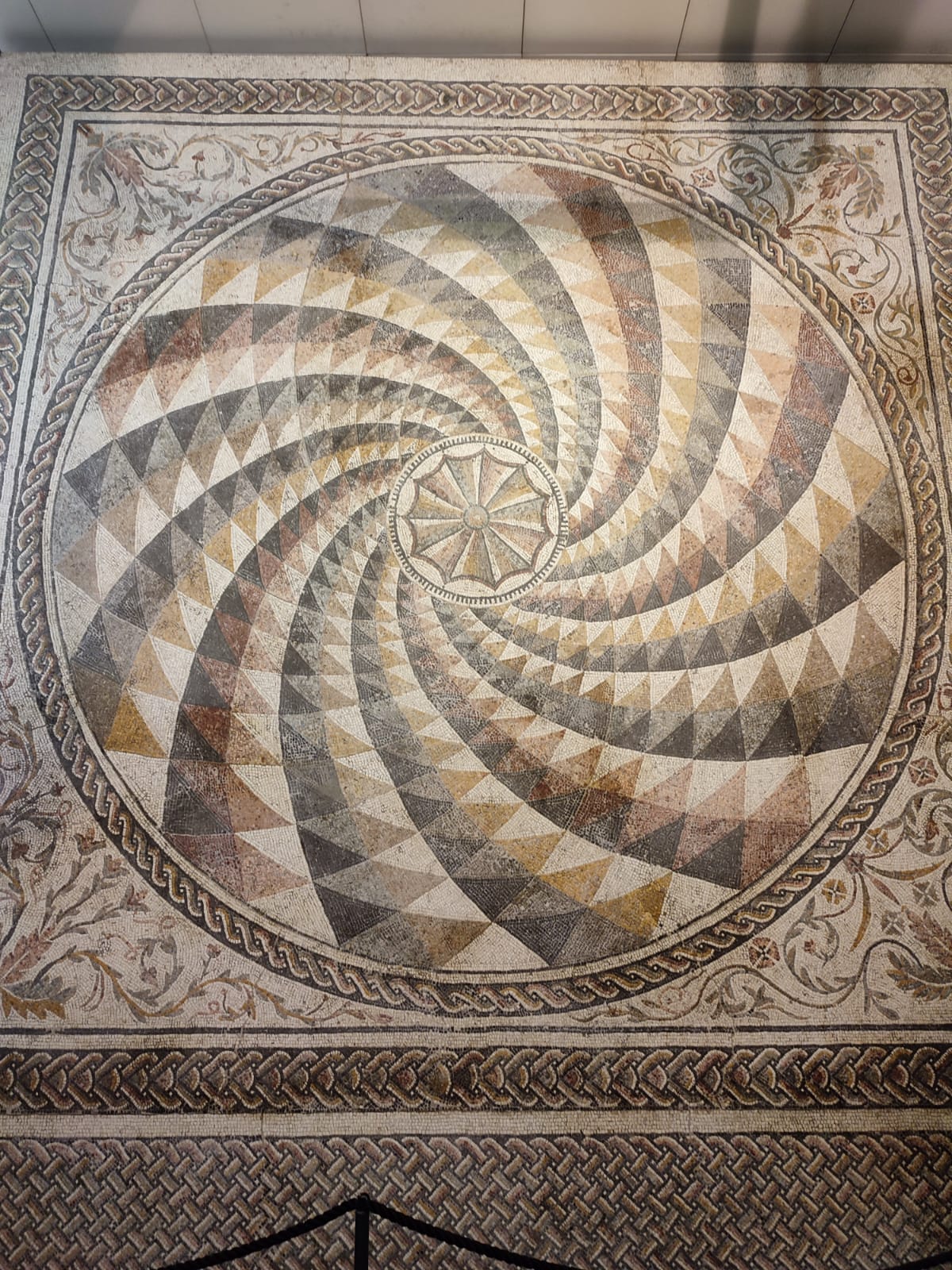
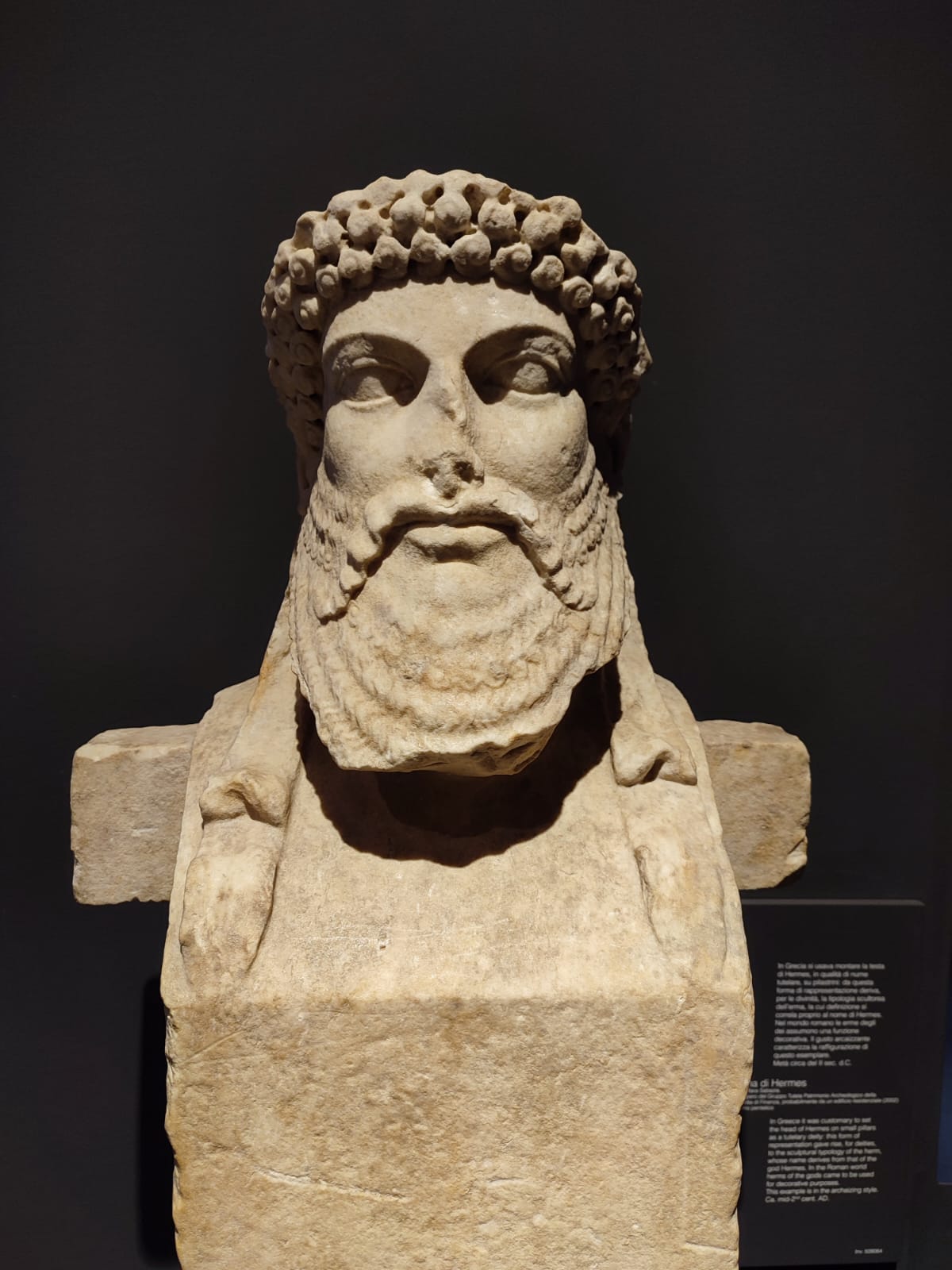
Rome and the Vatican: Where Art, Power, and Pilgrimage Converge
Rome is a city shaped as much by beauty and ritual as by empire. Its streets move effortlessly between everyday life and layered history, where fountains, stairways, and sacred spaces become quiet witnesses to centuries of belief, ambition, and artistic genius.
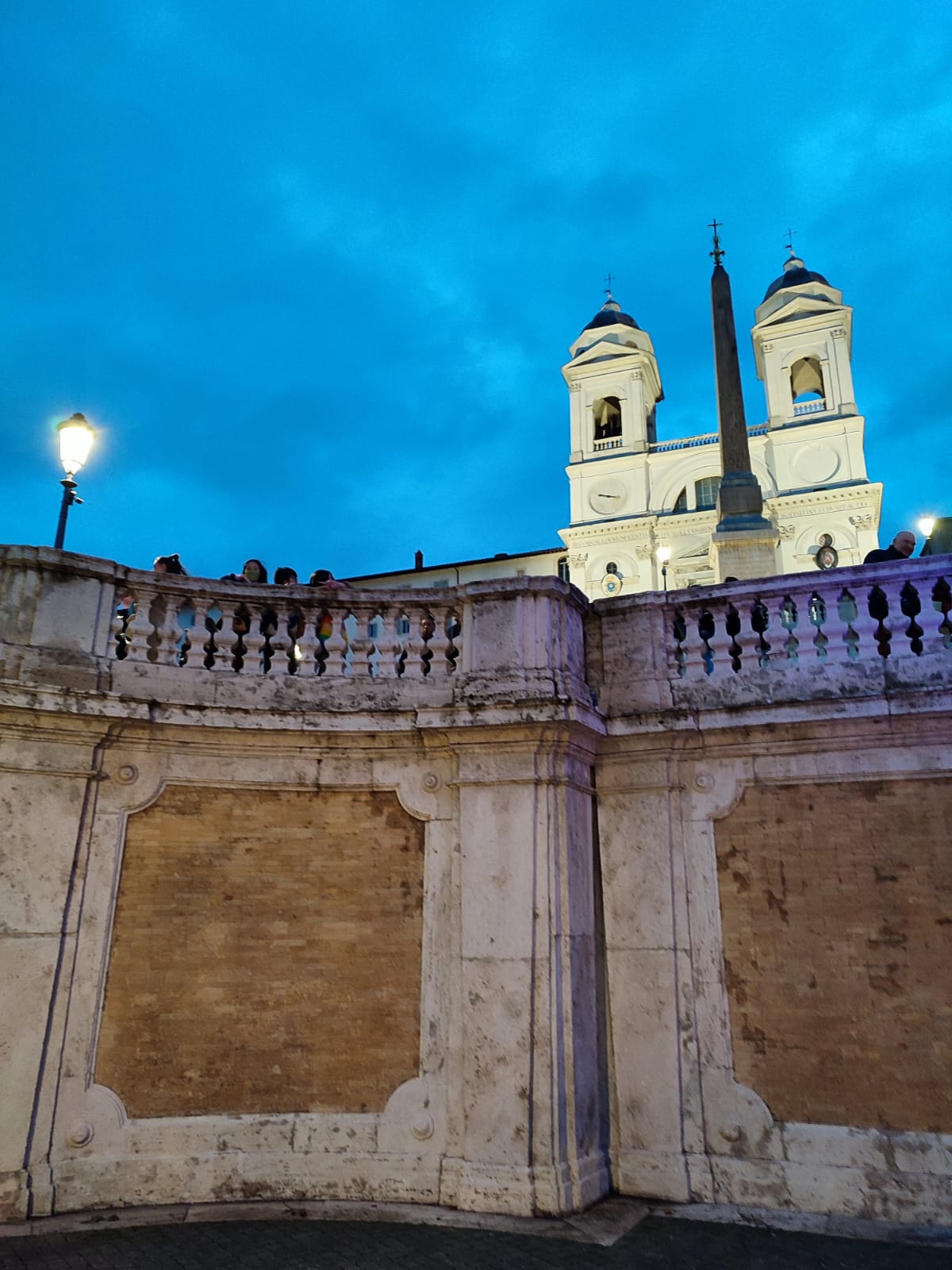
The Spanish Steps embody Rome’s elegant, human-scaled grandeur. Built in the 18th century to connect the Piazza di Spagna with the Trinità dei Monti, the steps are less a monument than a social stage — a place where pilgrims, artists, lovers, and travelers have paused, gathered, and looked upward. They reflect Rome not as imperial capital, but as a living city shaped by movement, encounter, and shared space.
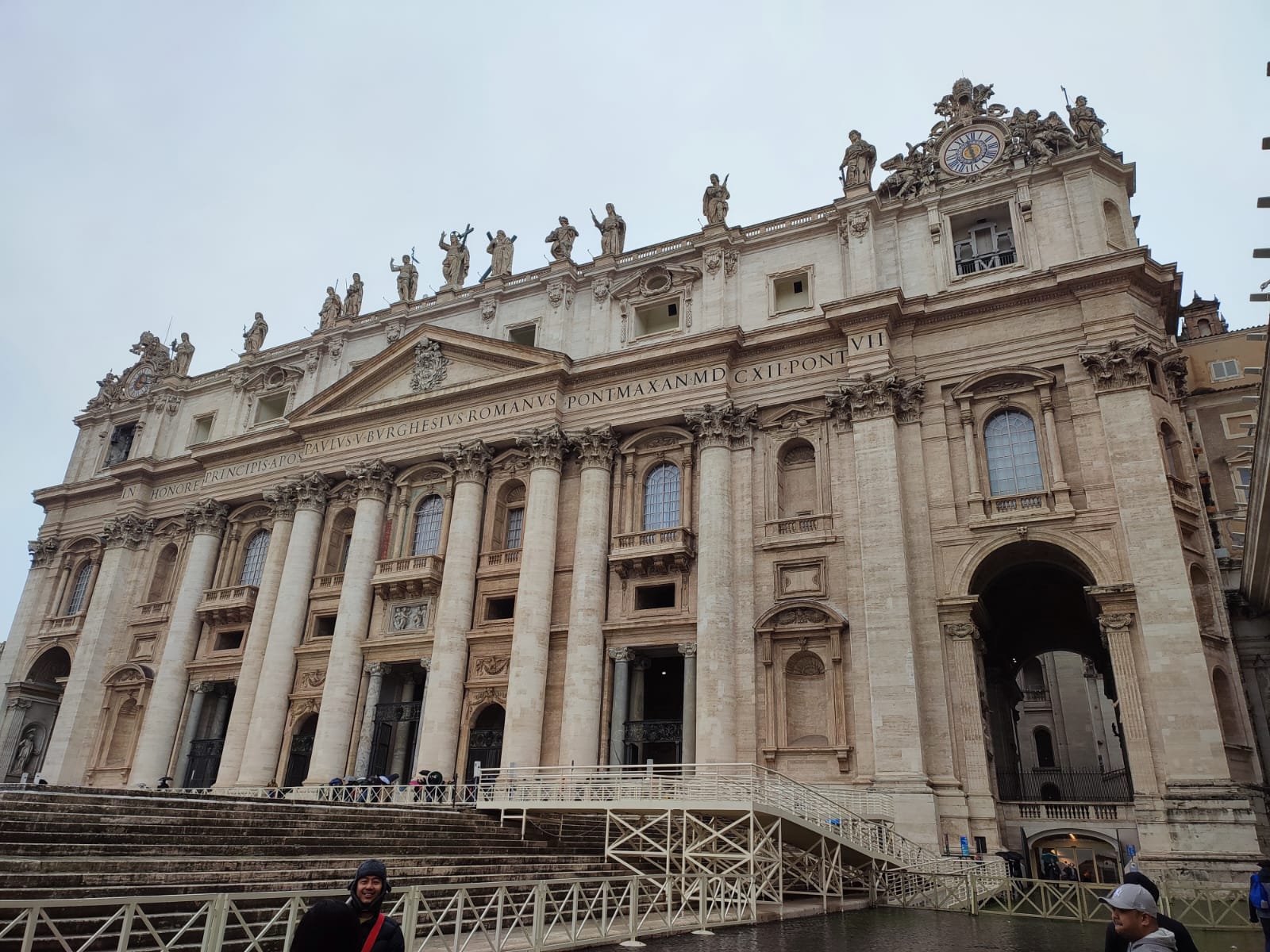
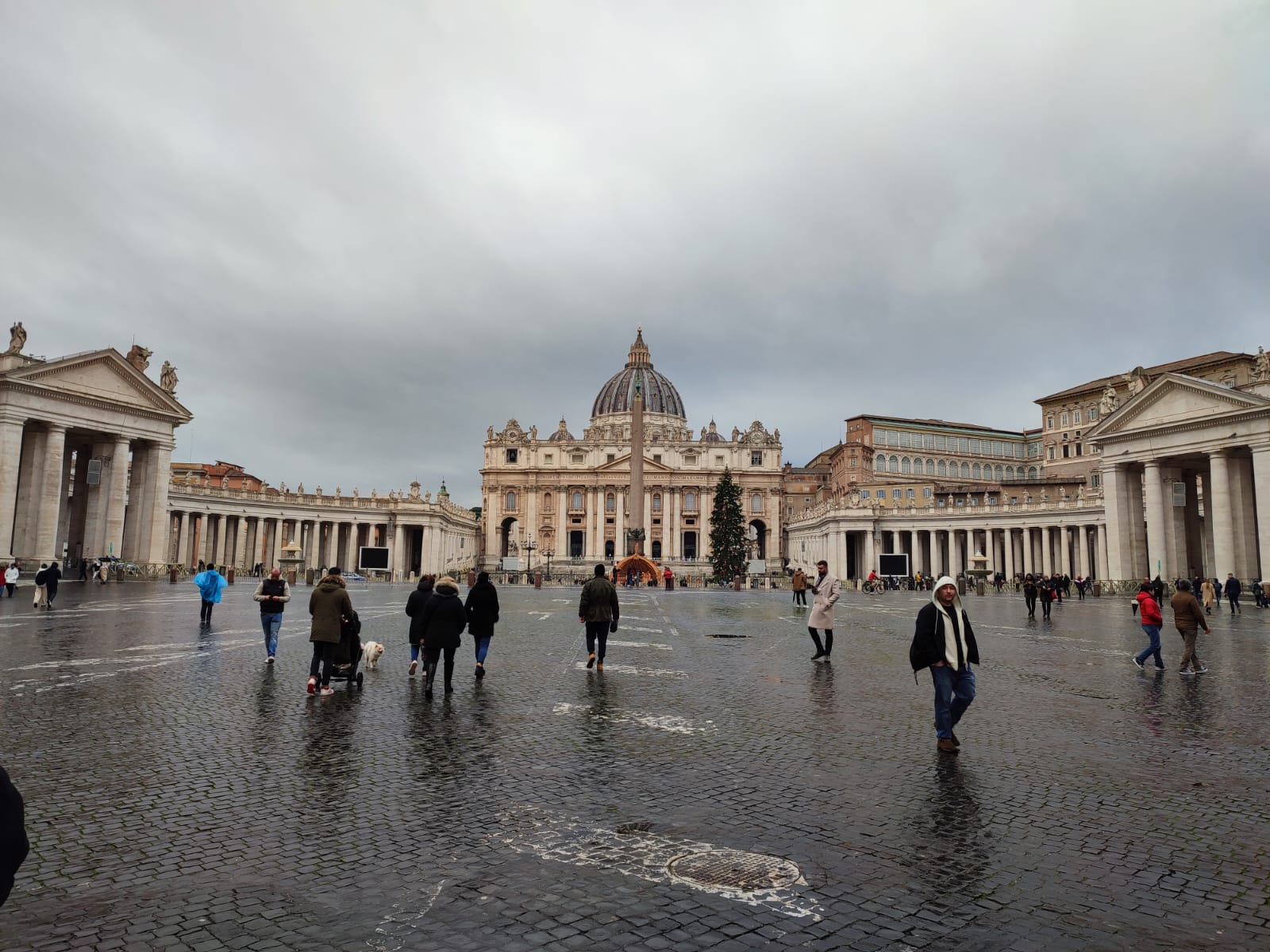
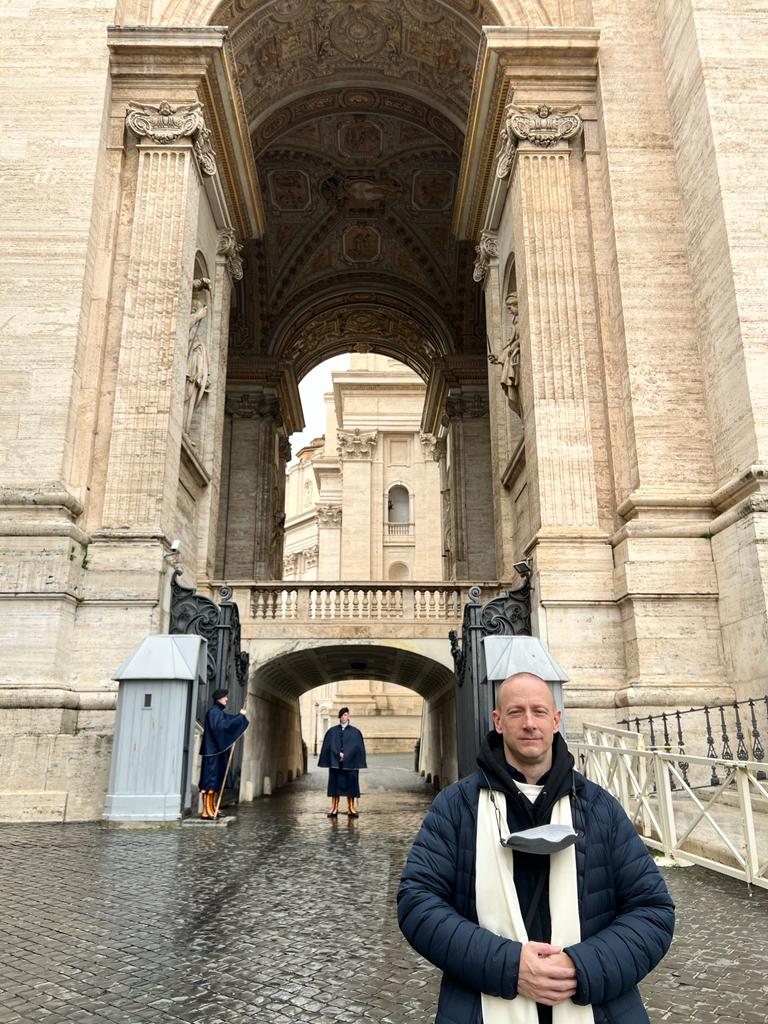
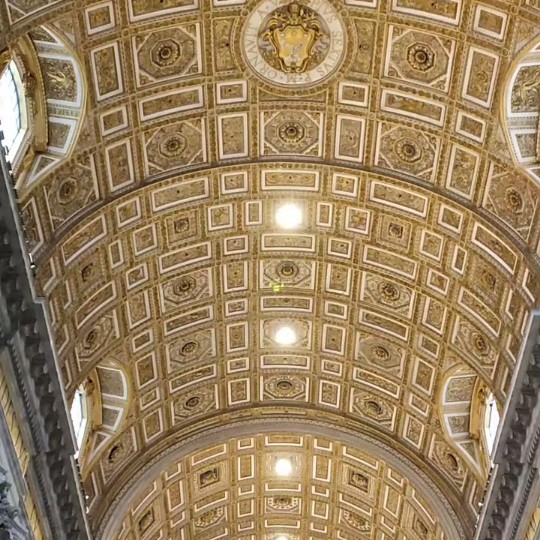
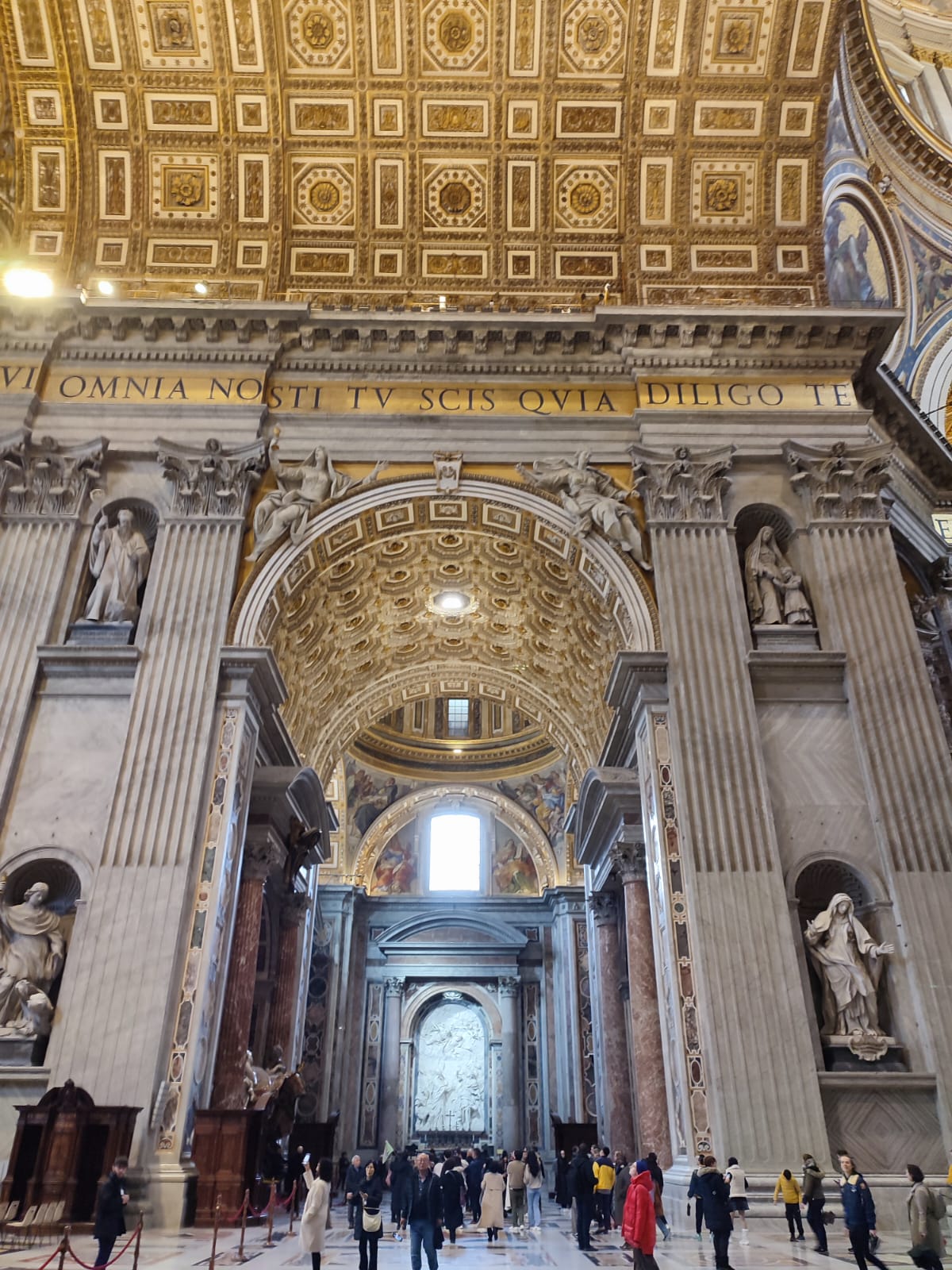
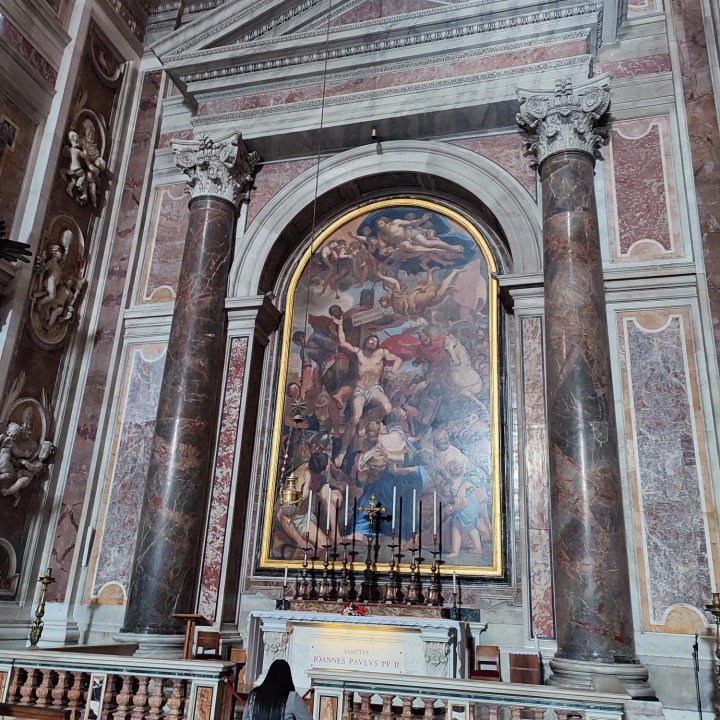
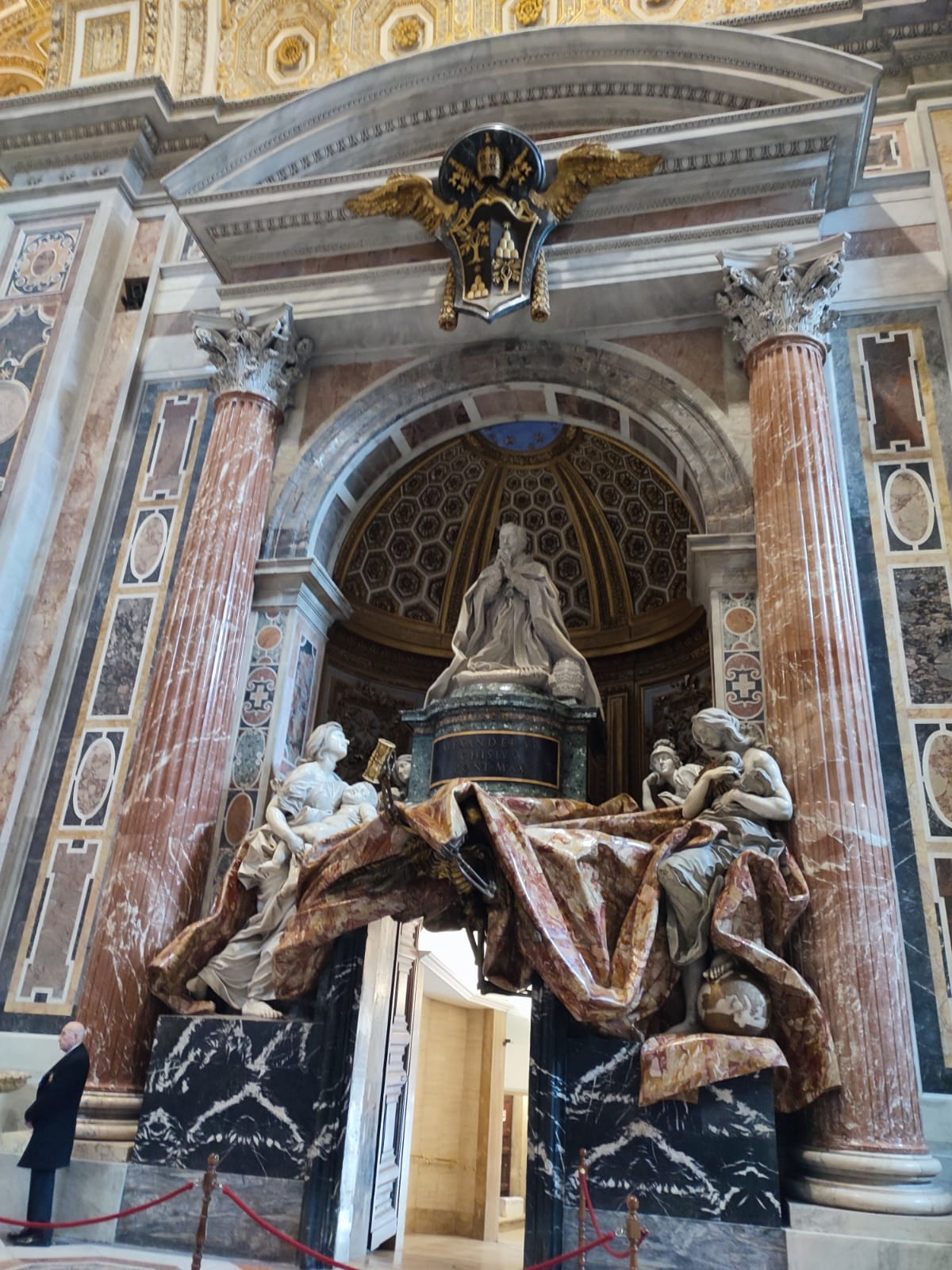
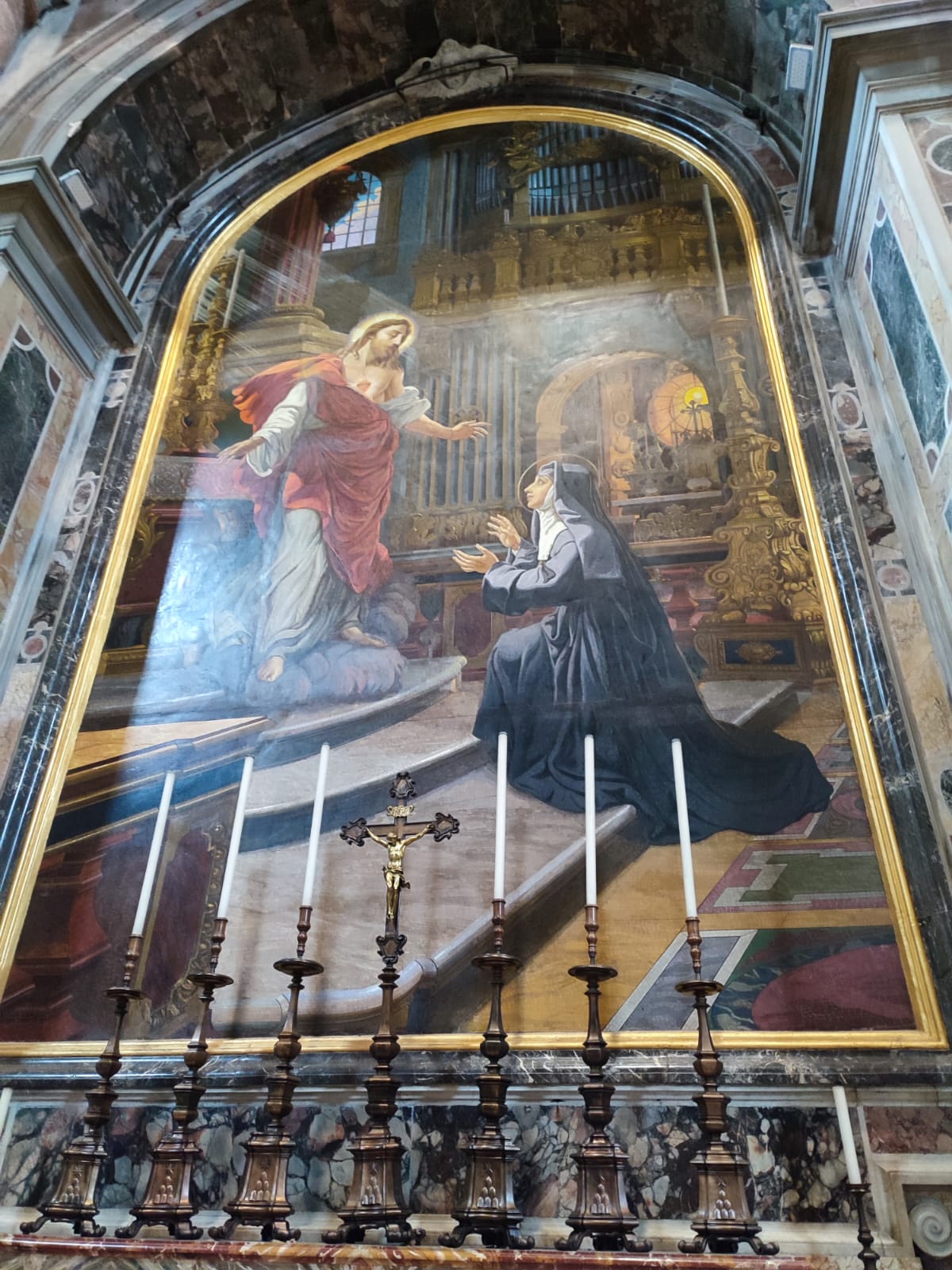
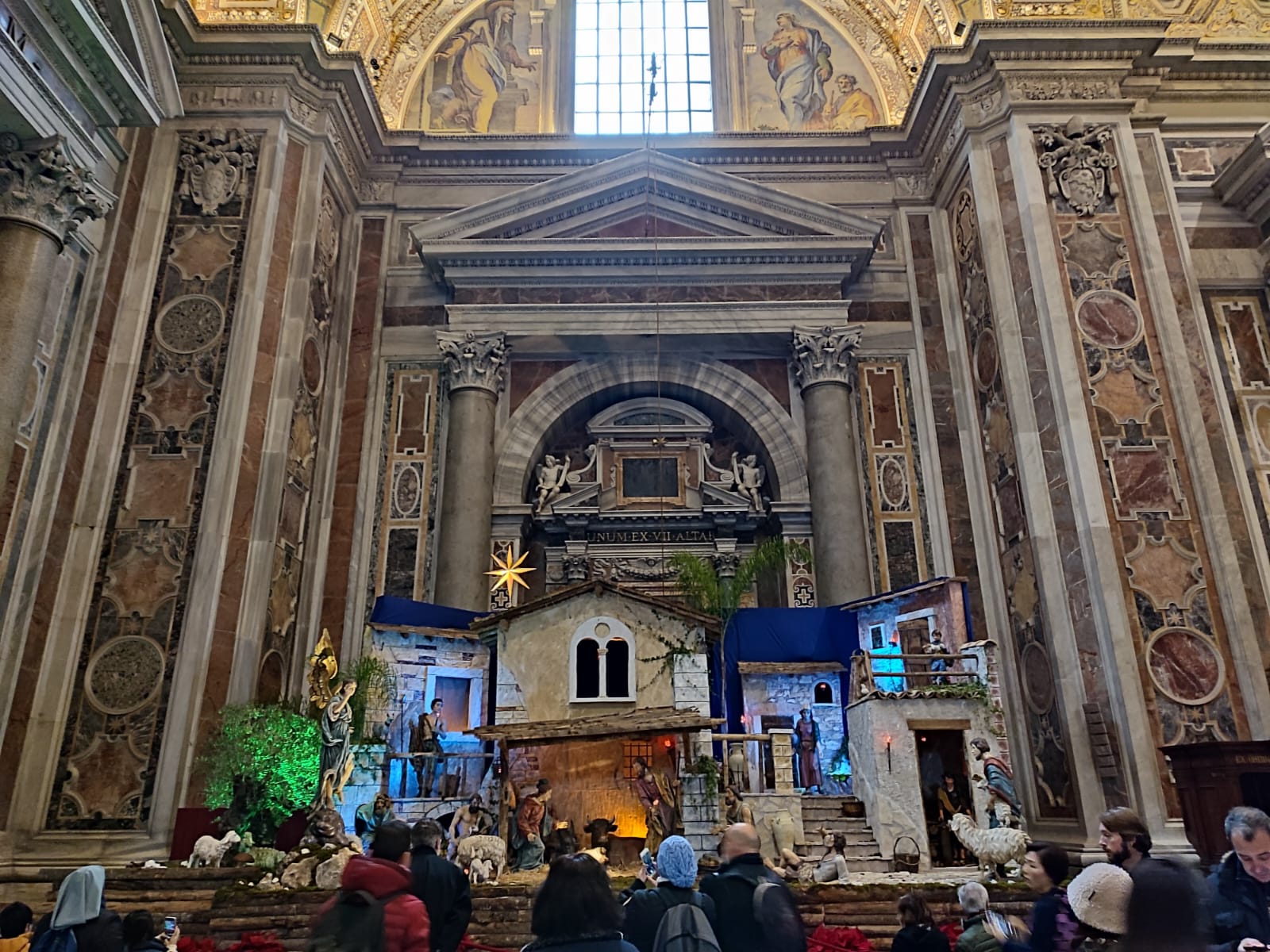
Just beyond Rome’s ancient walls lies Vatican City, the spiritual center of the Roman Catholic world. Within its compact borders rise some of the most influential sacred and artistic achievements in human history — from St. Peter’s Basilica to the Vatican Museums and the Sistine Chapel. Here, religion, art, and global authority merge, reflecting Christianity’s transformation from a persecuted sect to a civilization-shaping institution.
Together, the Spanish Steps and the Vatican reveal two complementary faces of Rome: one open, civic, and worldly; the other symbolic, sacred, and universal. To walk between them is to experience how beauty, faith, and power continue to shape the human story.
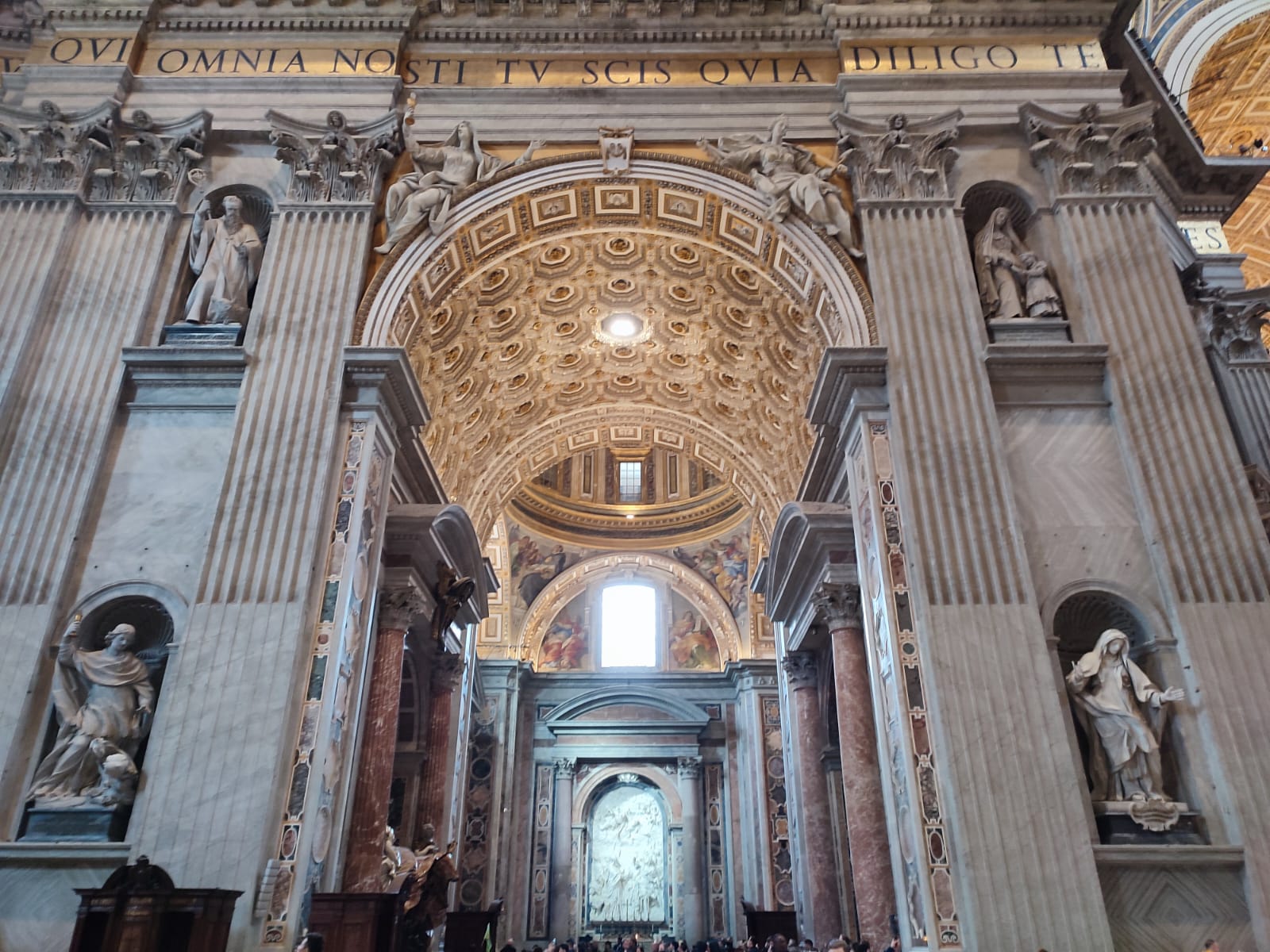
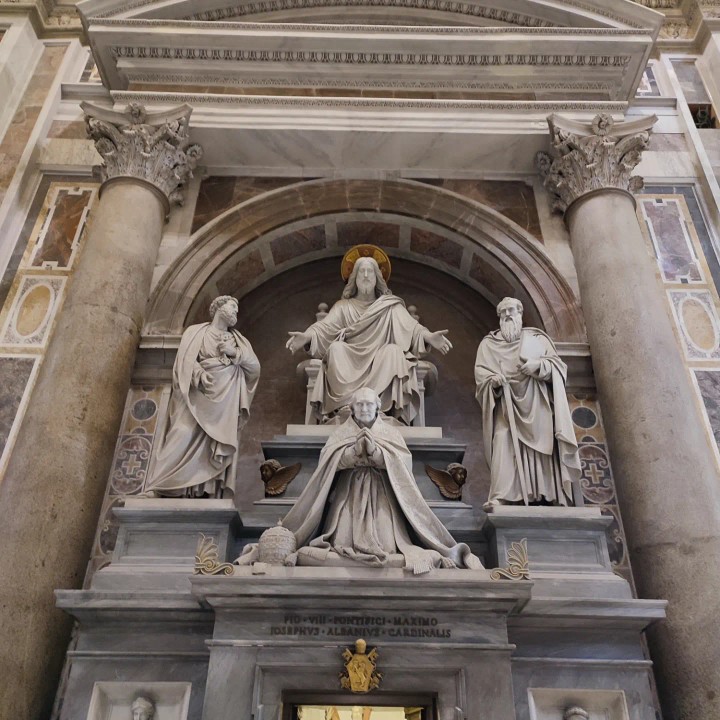
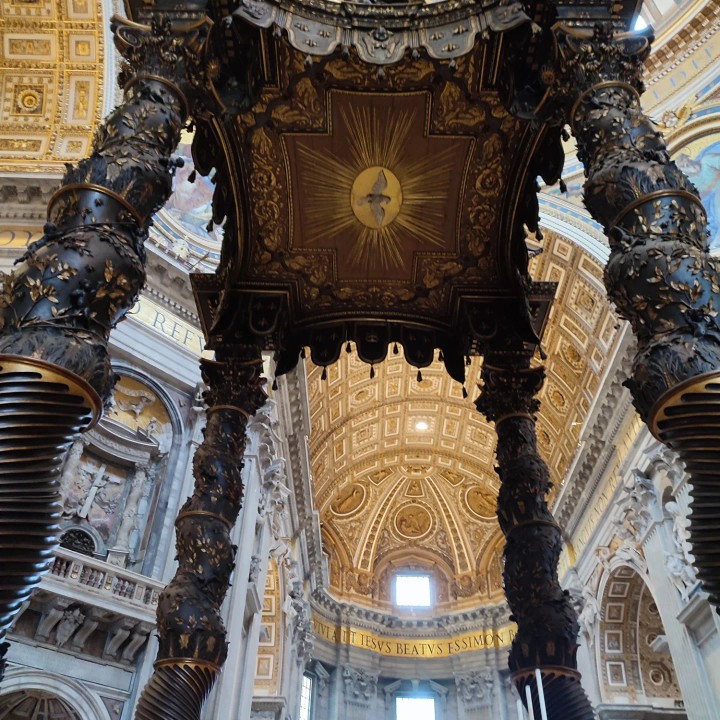
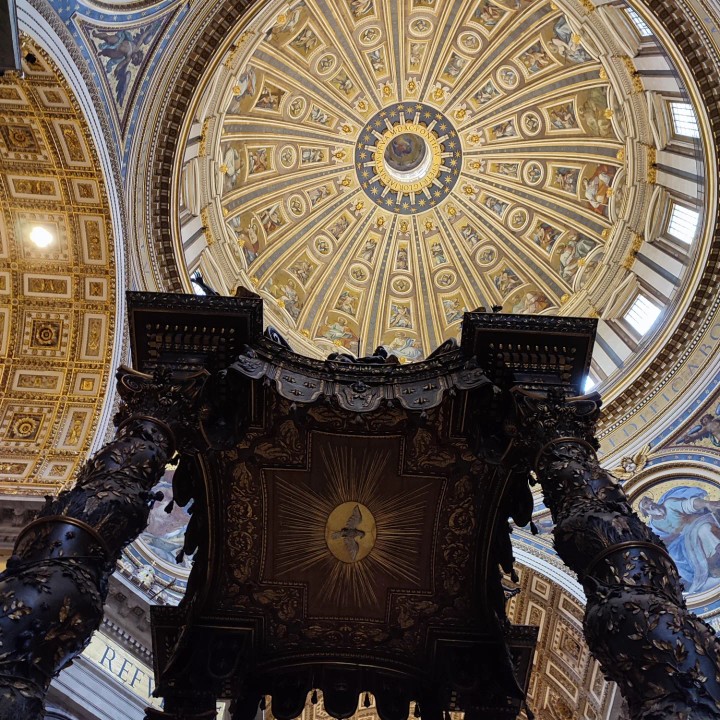
Florence: Birthplace of the Renaissance
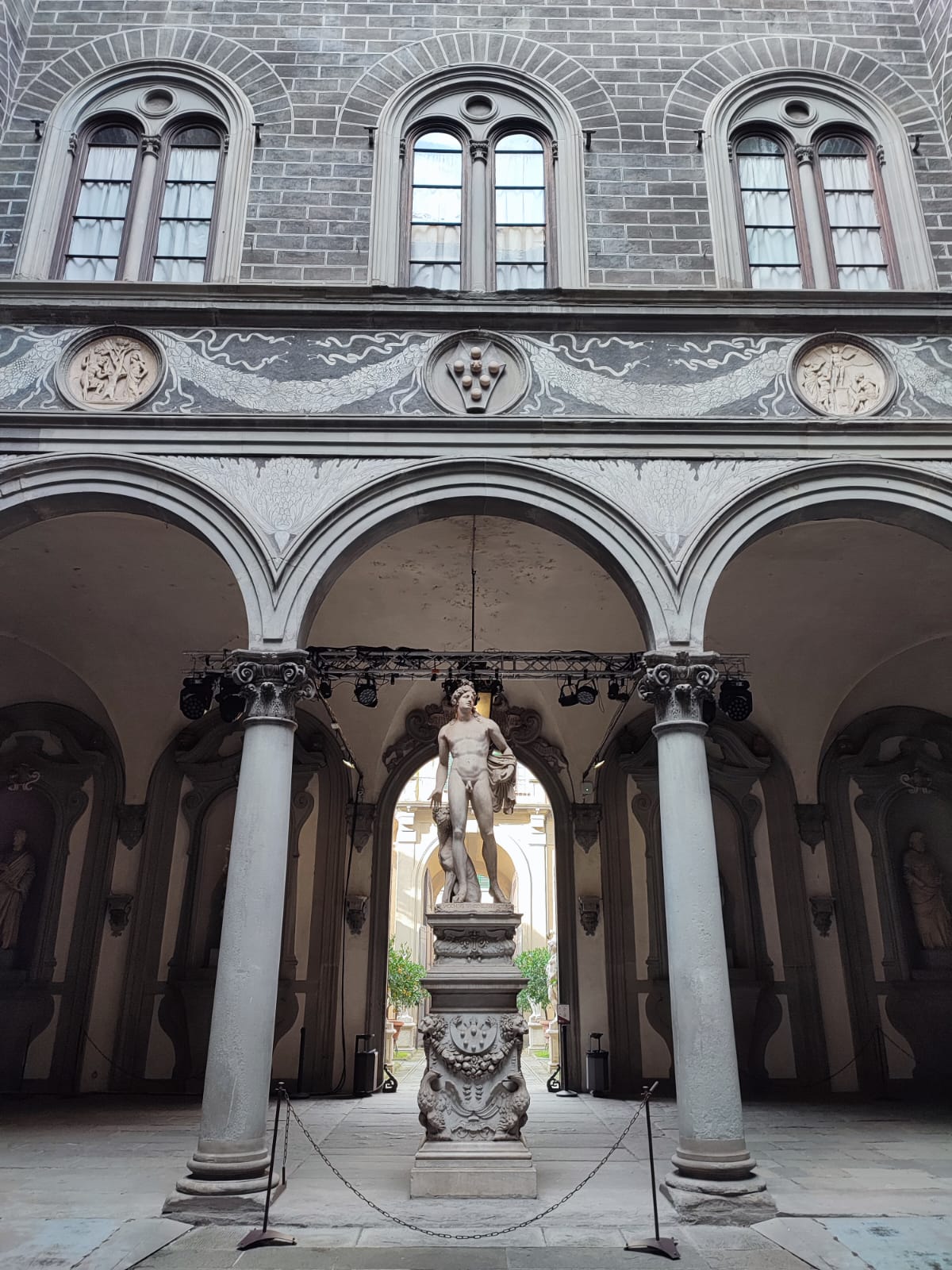
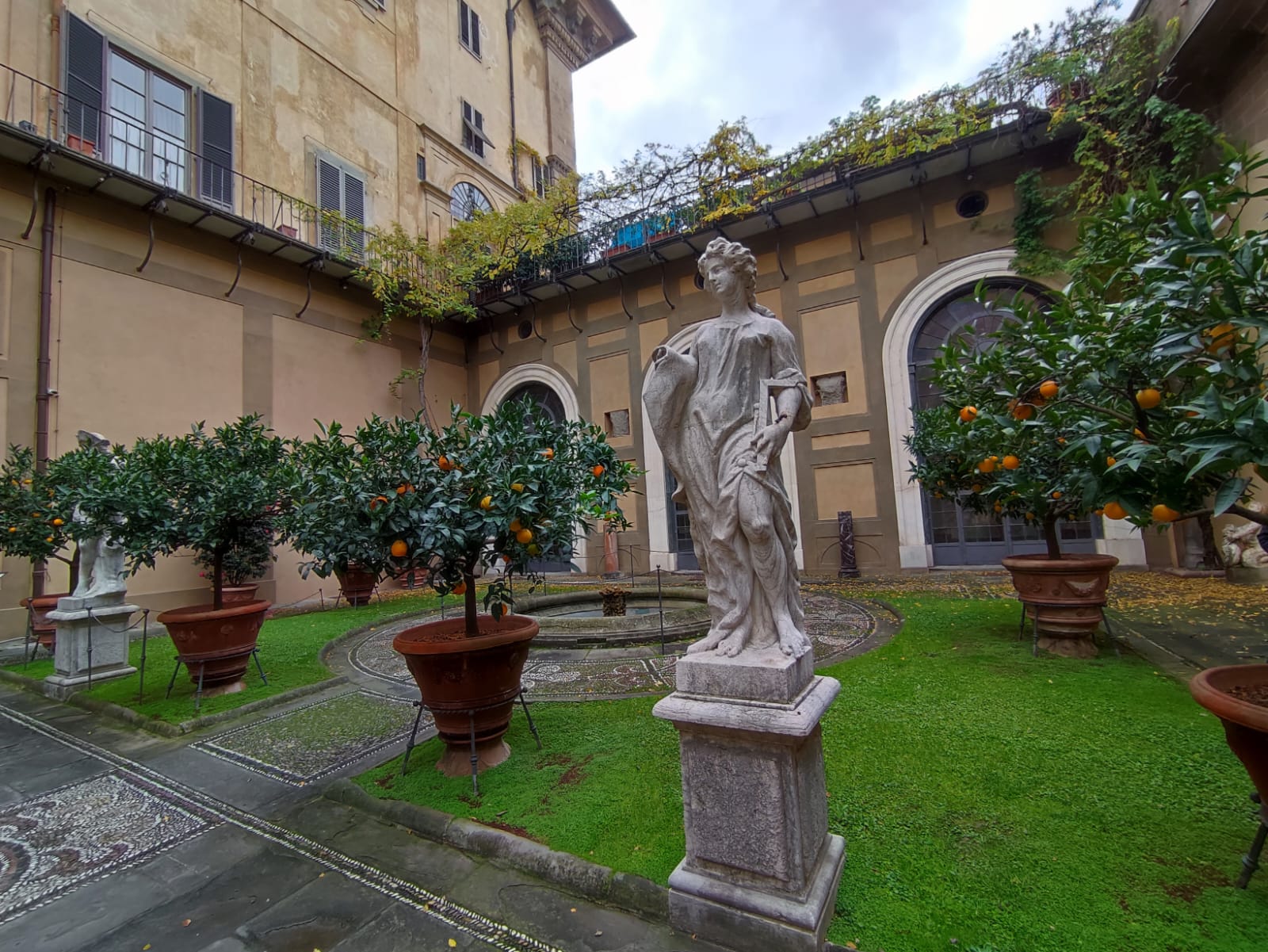
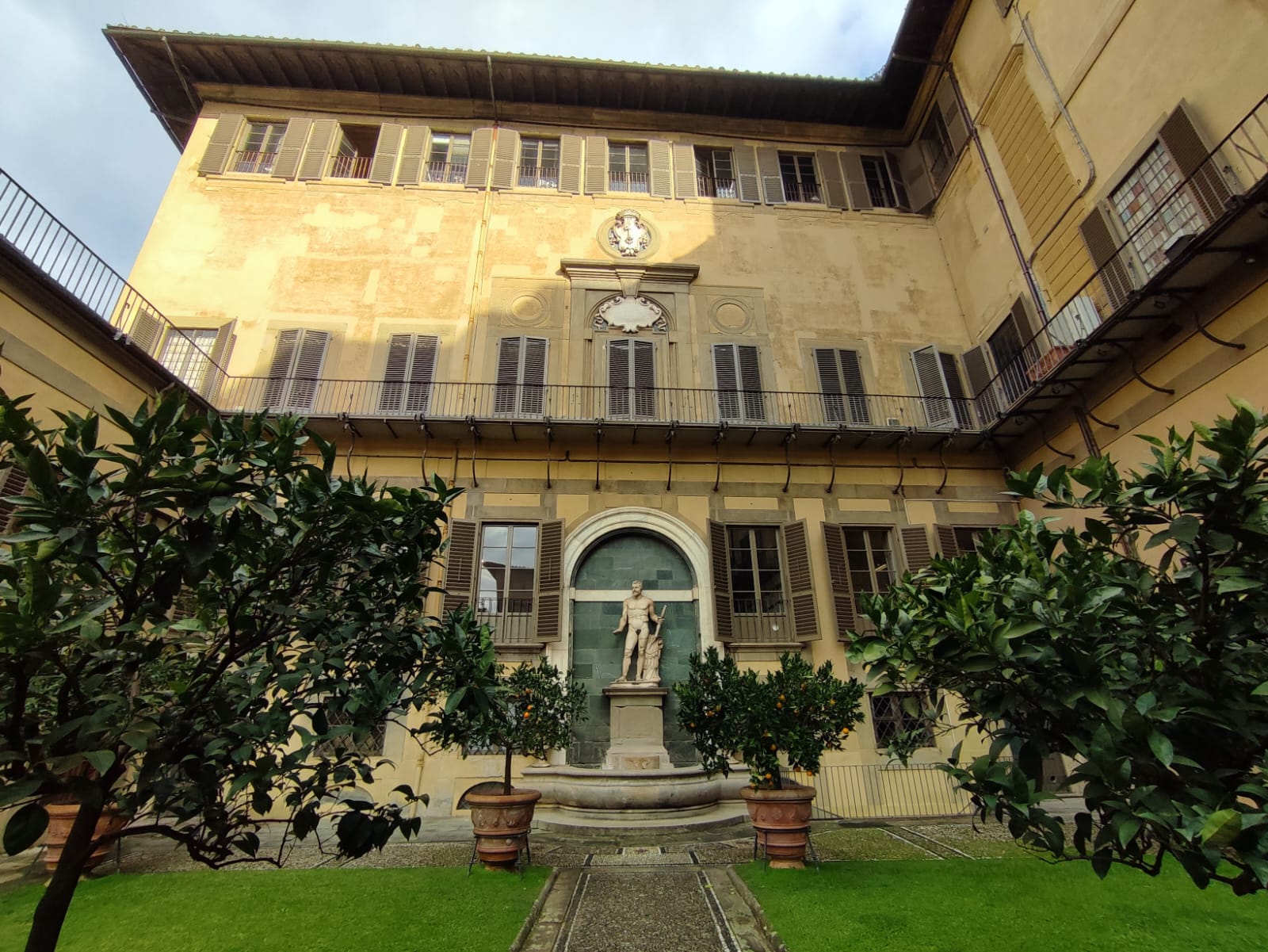
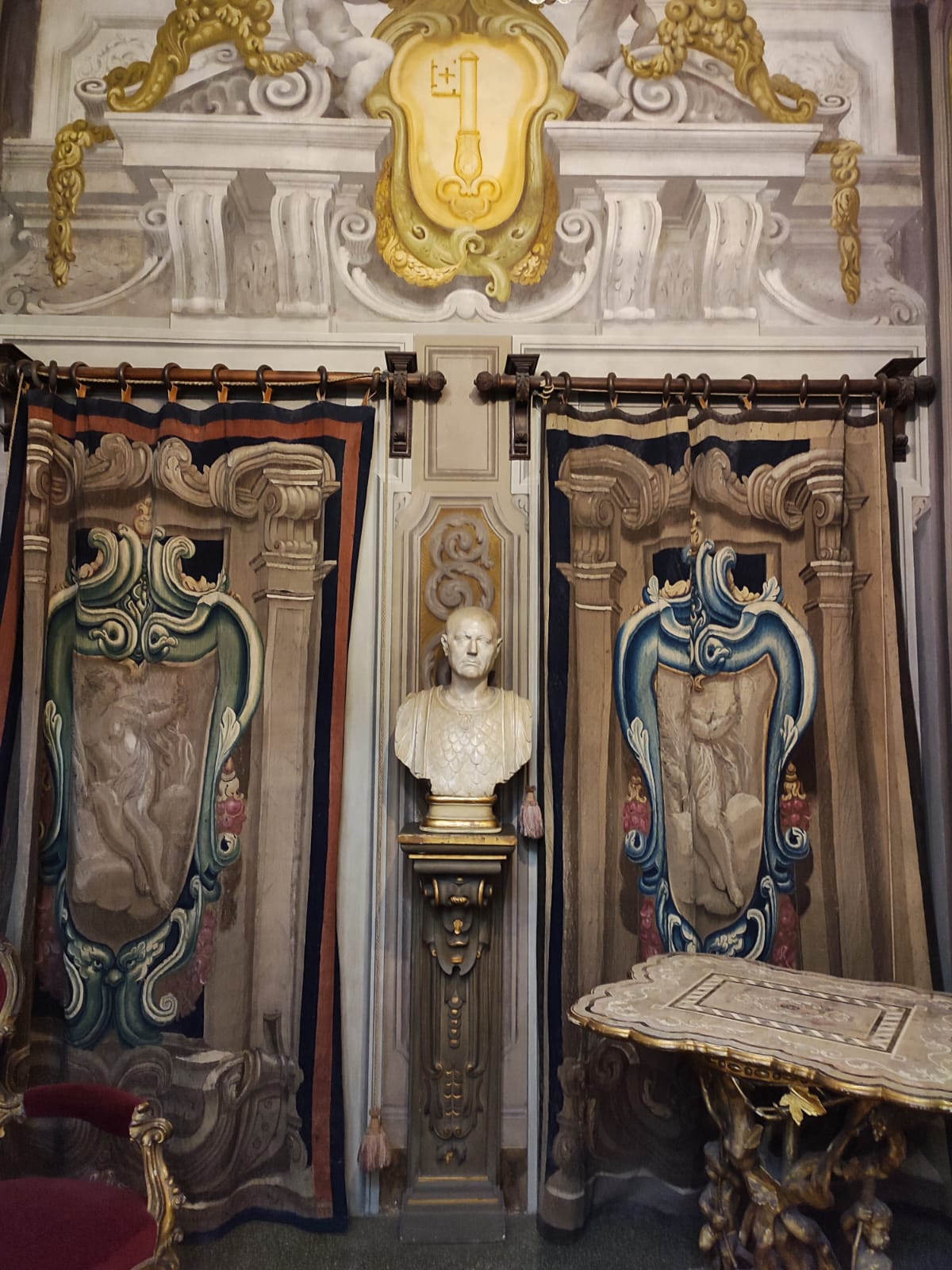
In Florence, art and intellect flourished like nowhere else in Europe. Under the patronage of the Medici family, painters, sculptors, and architects reimagined human expression, with the Medici Palace serving as a political, cultural, and intellectual nucleus of the early Renaissance.
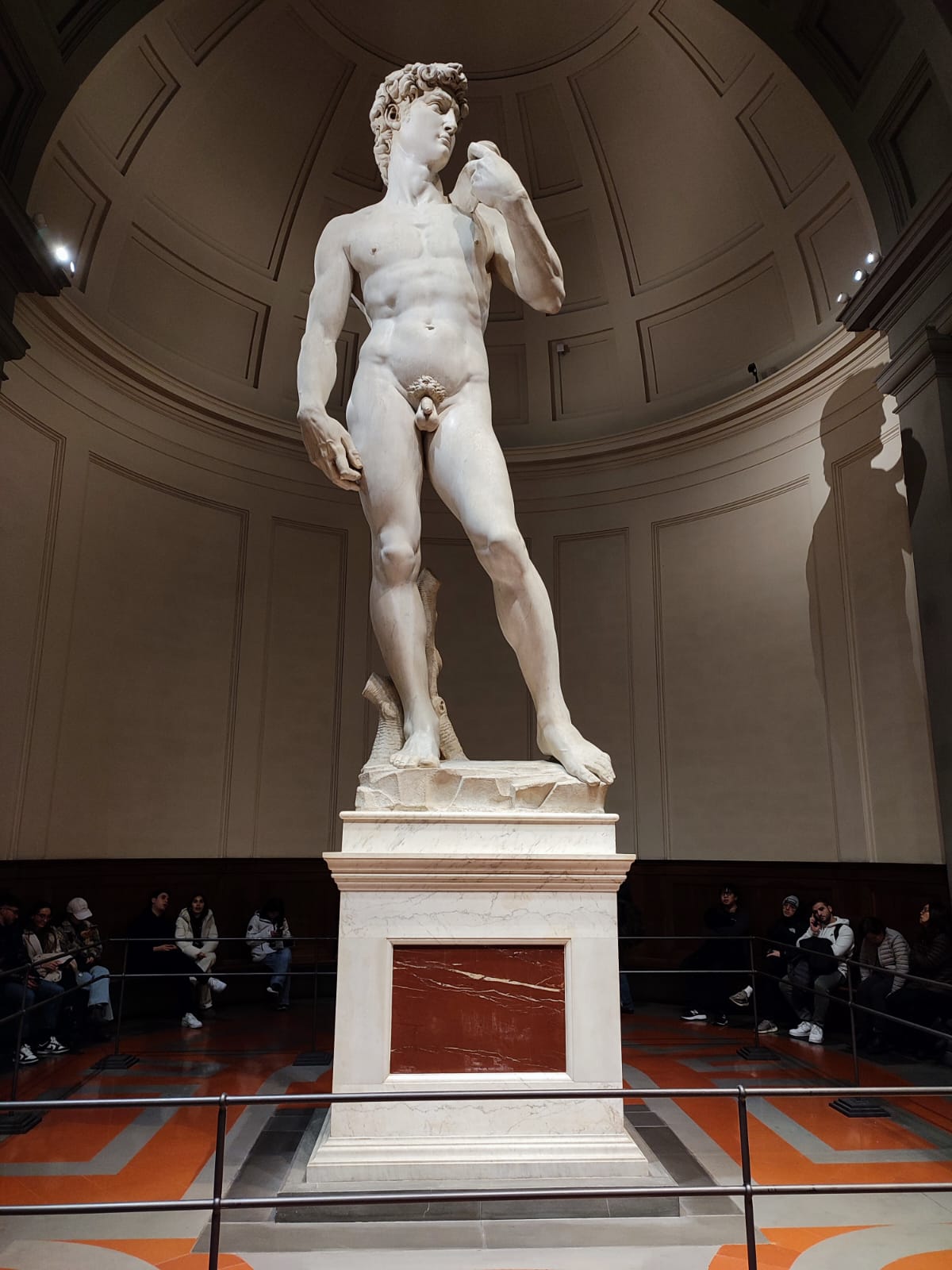
From this center of power and learning radiated ideas that reshaped Western art and thought. The city itself became a shrine to creativity — from the soaring dome of Brunelleschi’s Duomo to Michelangelo’s David — reminding us that beauty, once unleashed, can permanently alter how humanity sees the world.
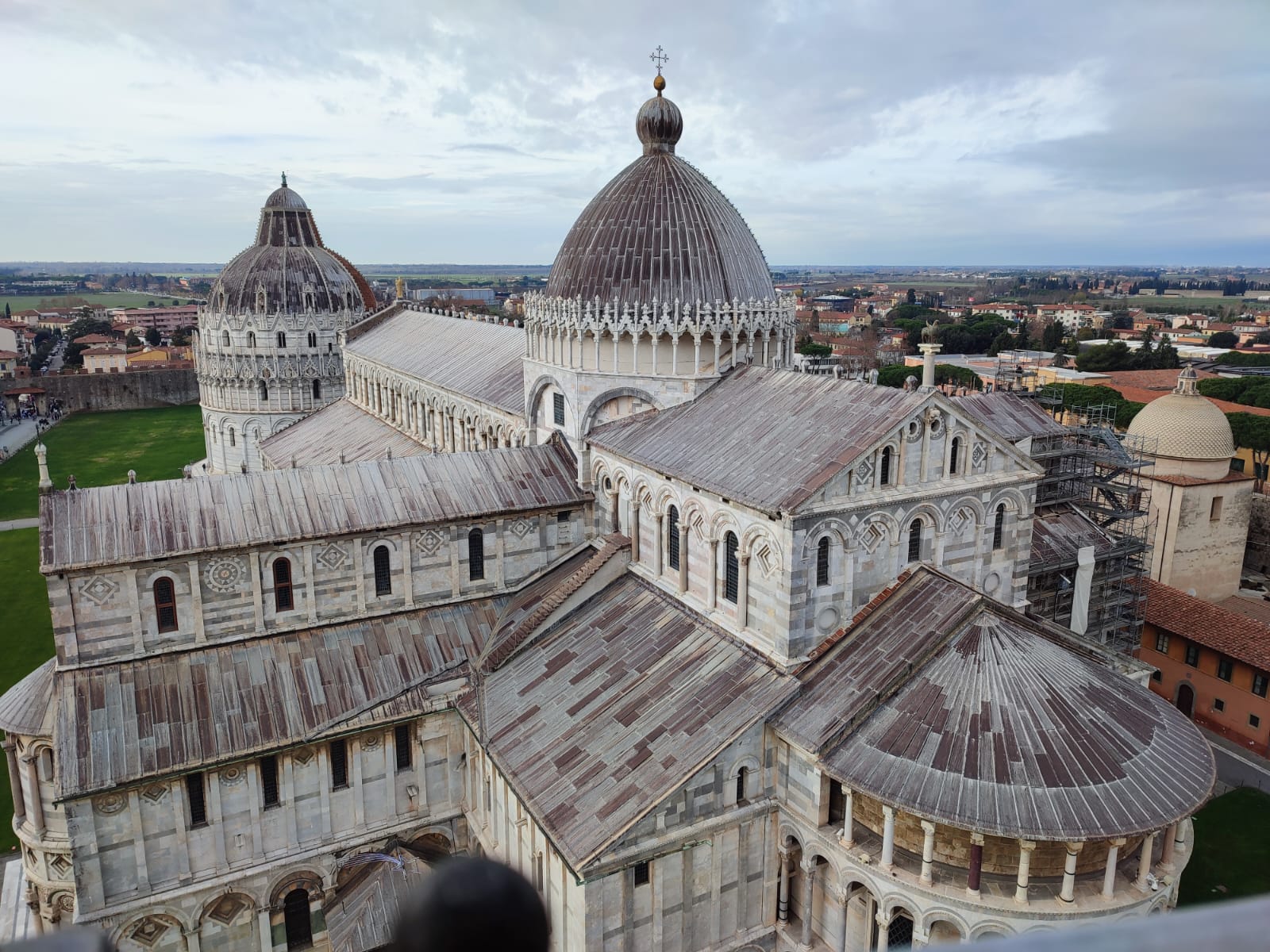
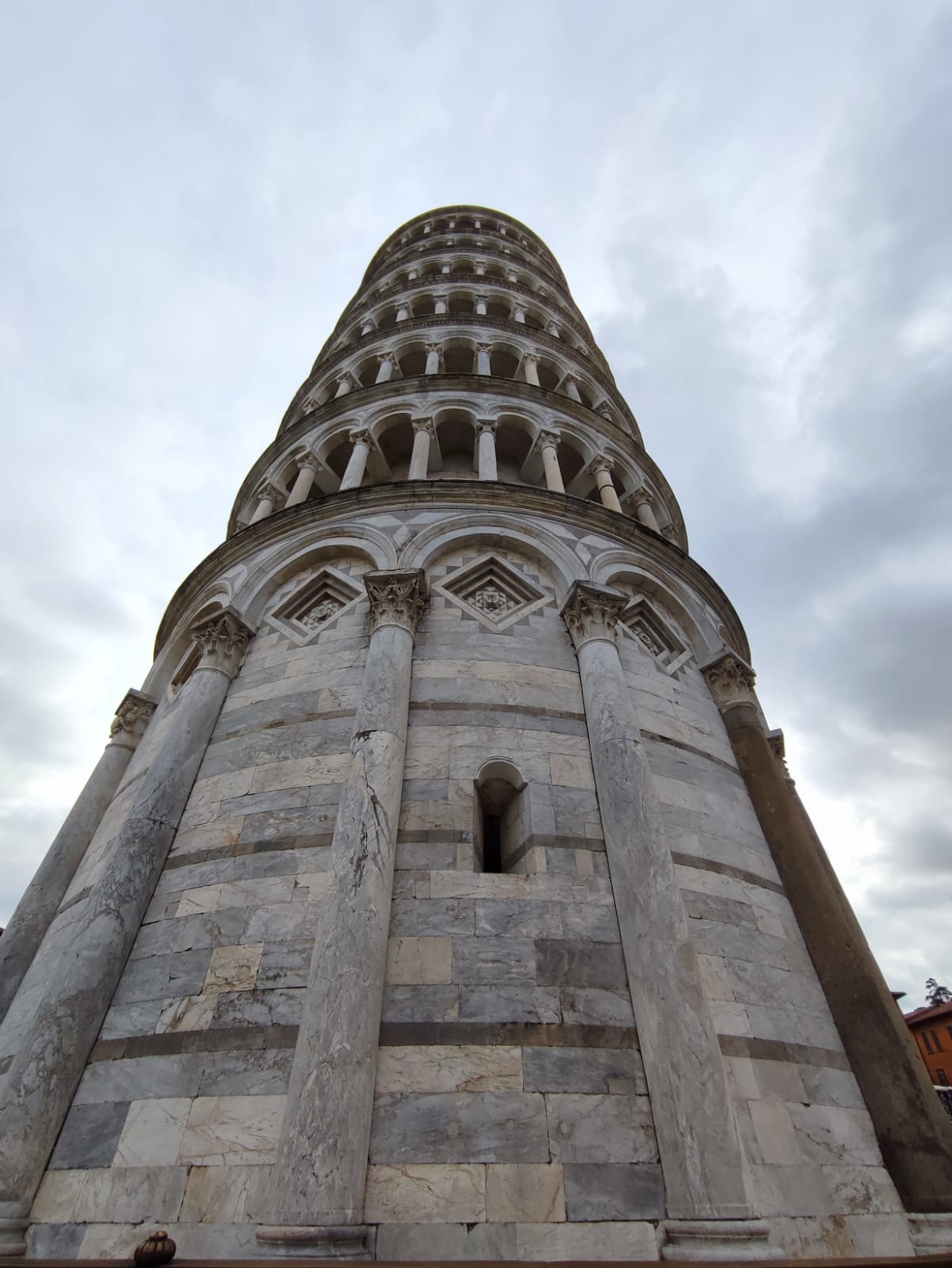
The Leaning Tower of Pisa is one of the world’s most recognizable architectural icons—a bell tower made famous not by intention, but by imperfection. Begun in the 12th century as part of the cathedral complex in the Piazza dei Miracoli, the tower started to tilt soon after construction due to unstable ground beneath its foundation.
Rather than diminishing its significance, this flaw transformed the structure into a symbol of resilience, ingenuity, and the long dialogue between human ambition and the natural world. Today, the Leaning Tower stands not only as a marvel of medieval engineering, but as a reminder that history’s most enduring monuments are often shaped by unintended consequences.
Spain
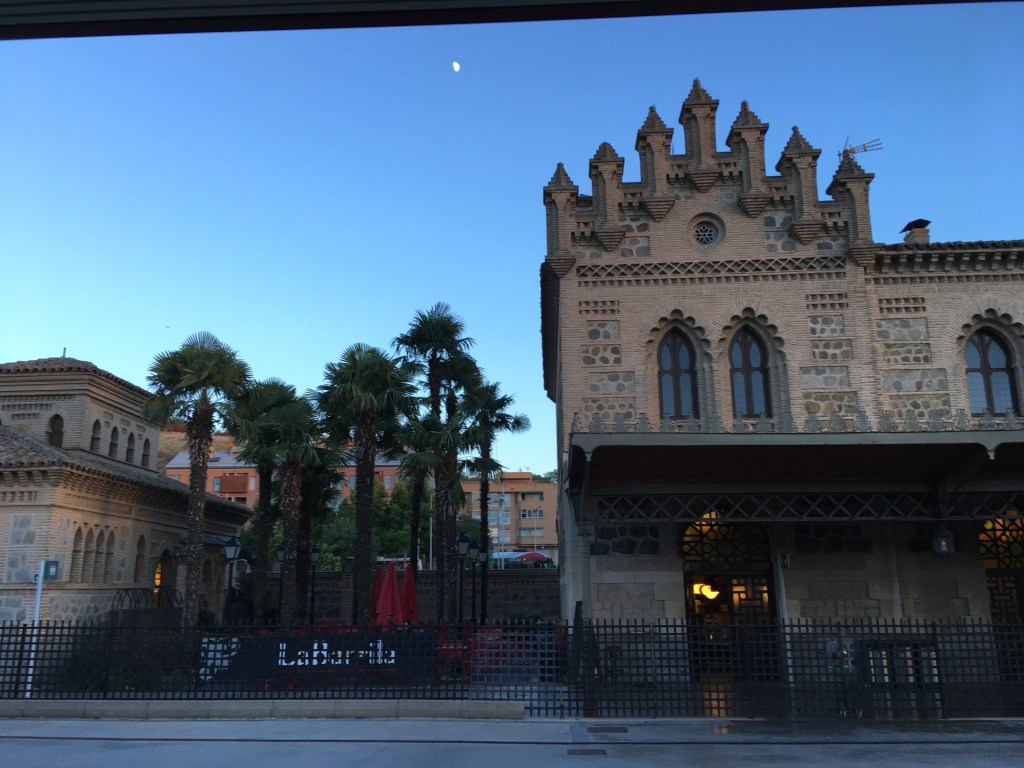
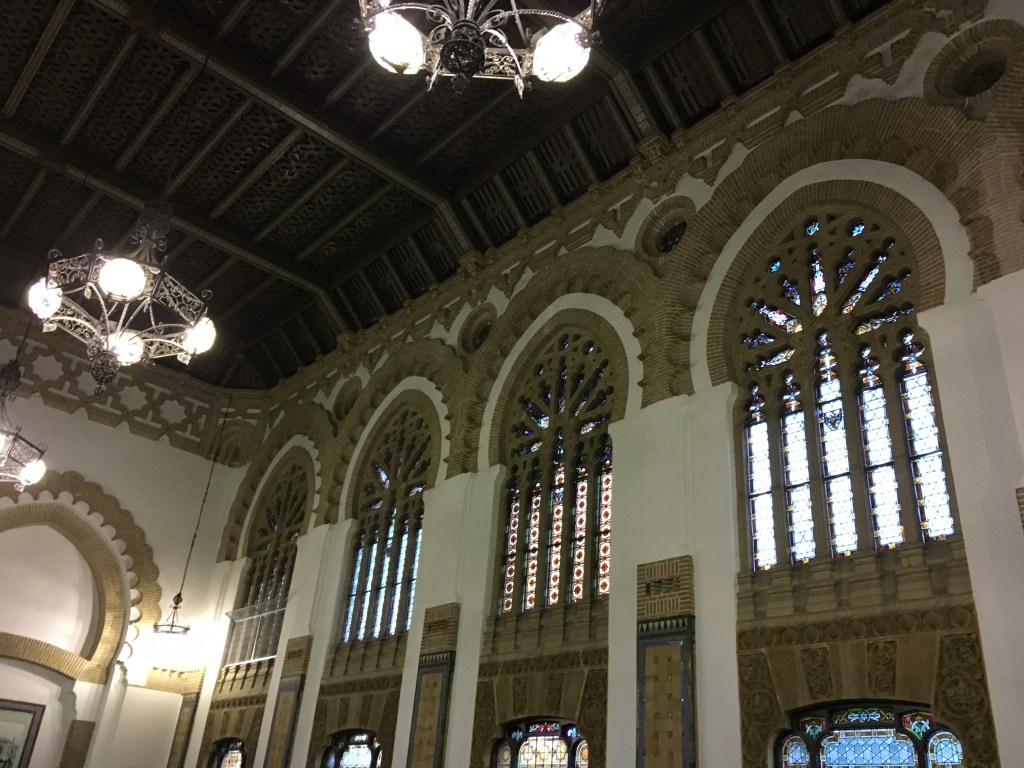
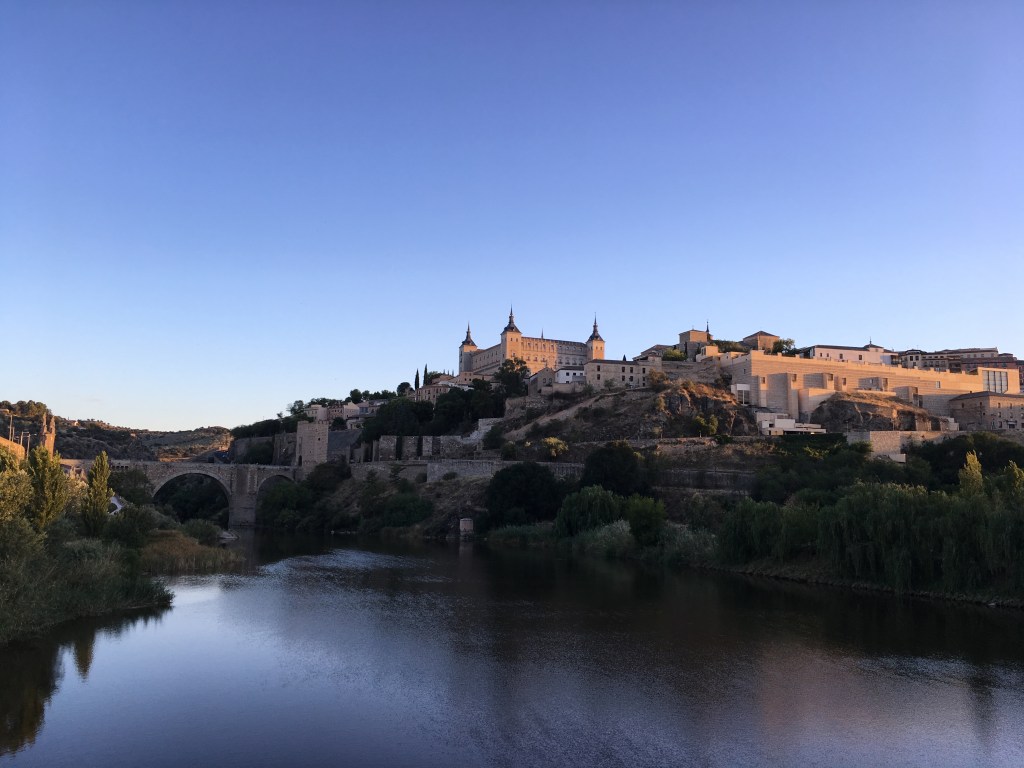
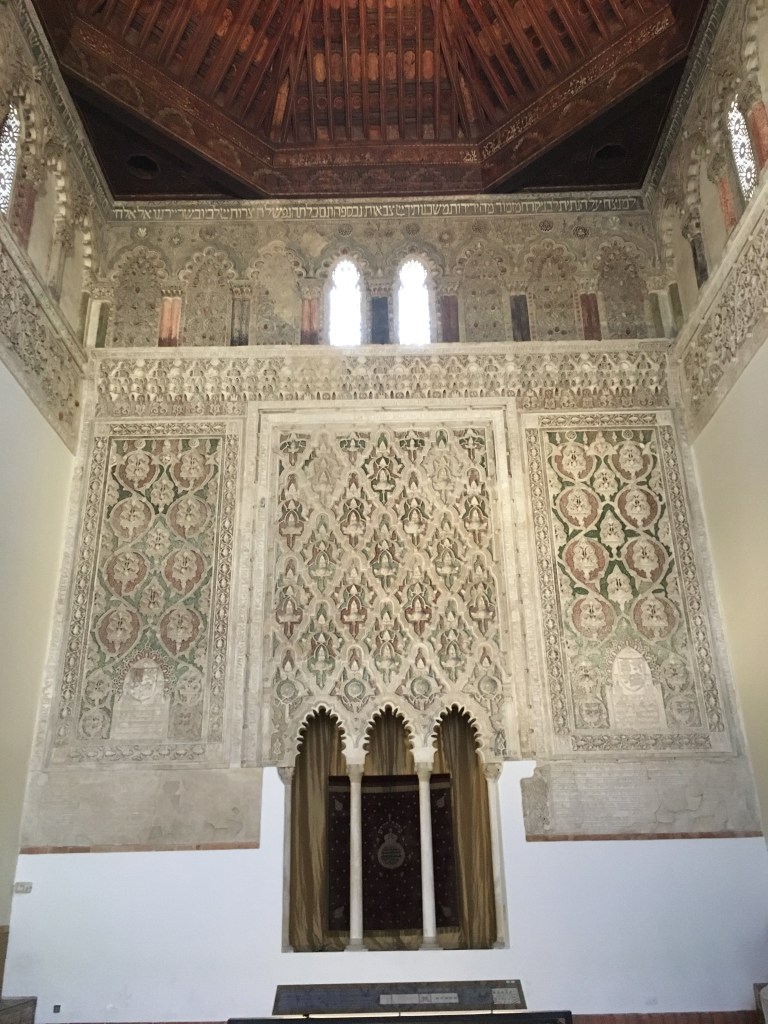
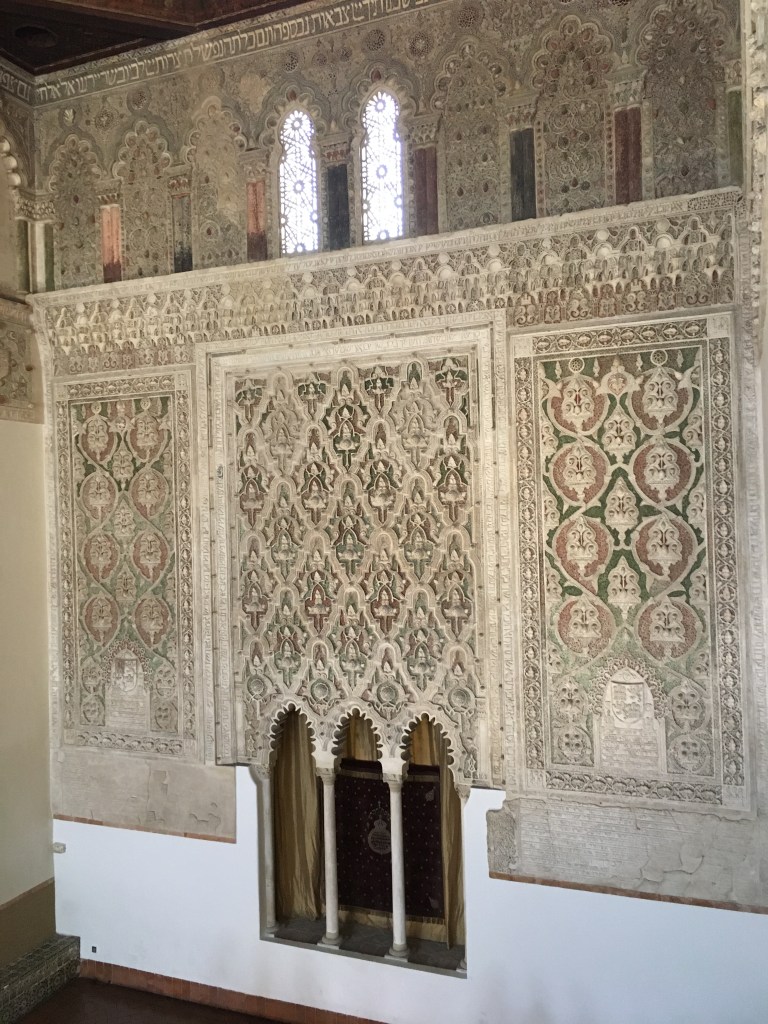
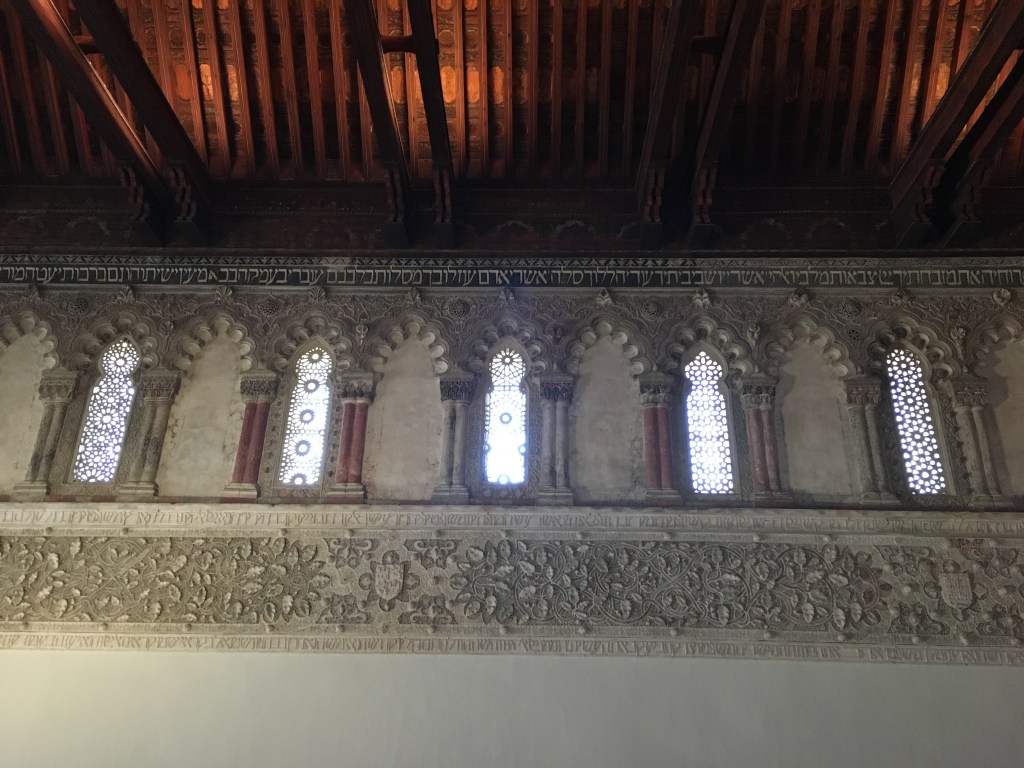
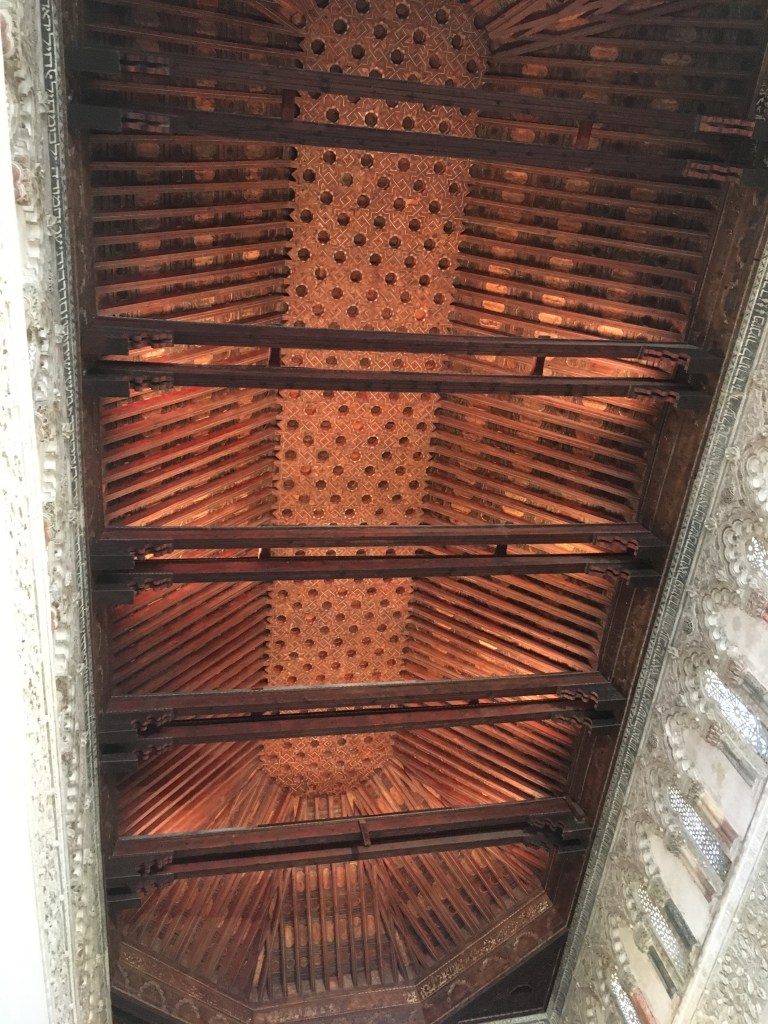
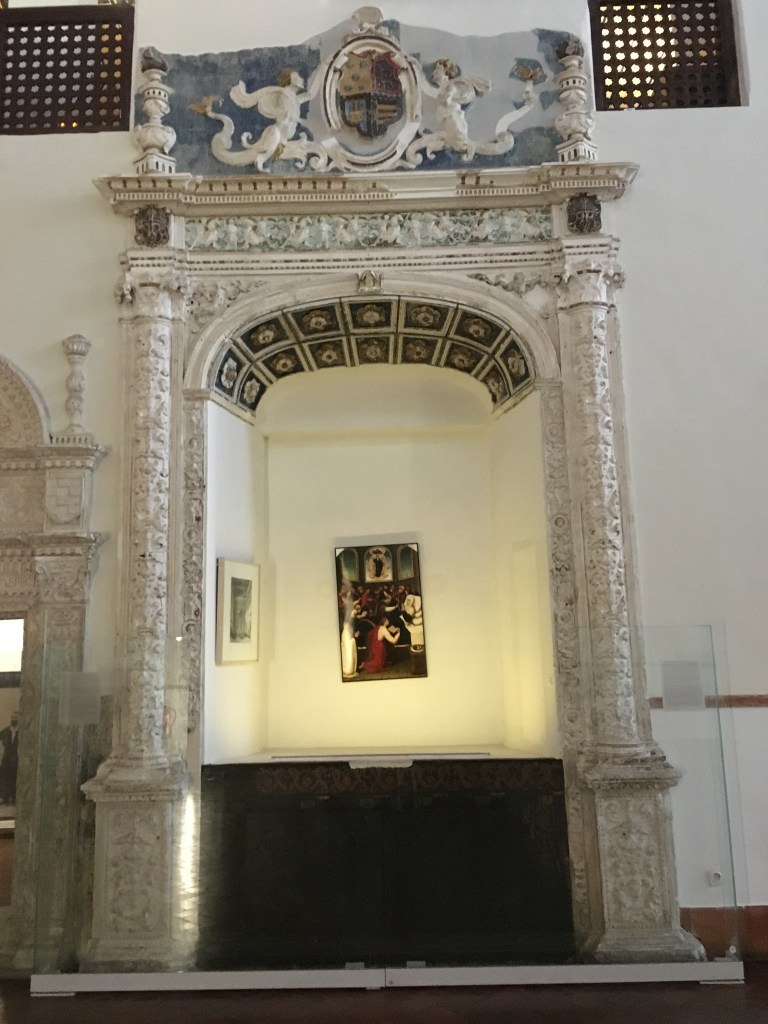
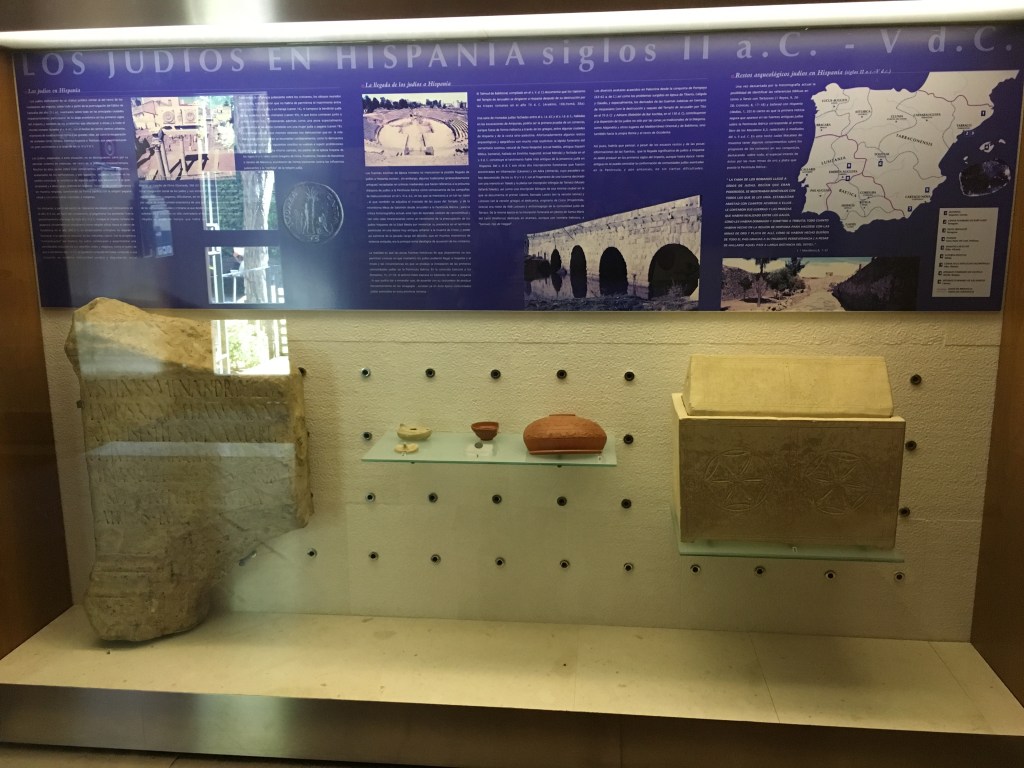
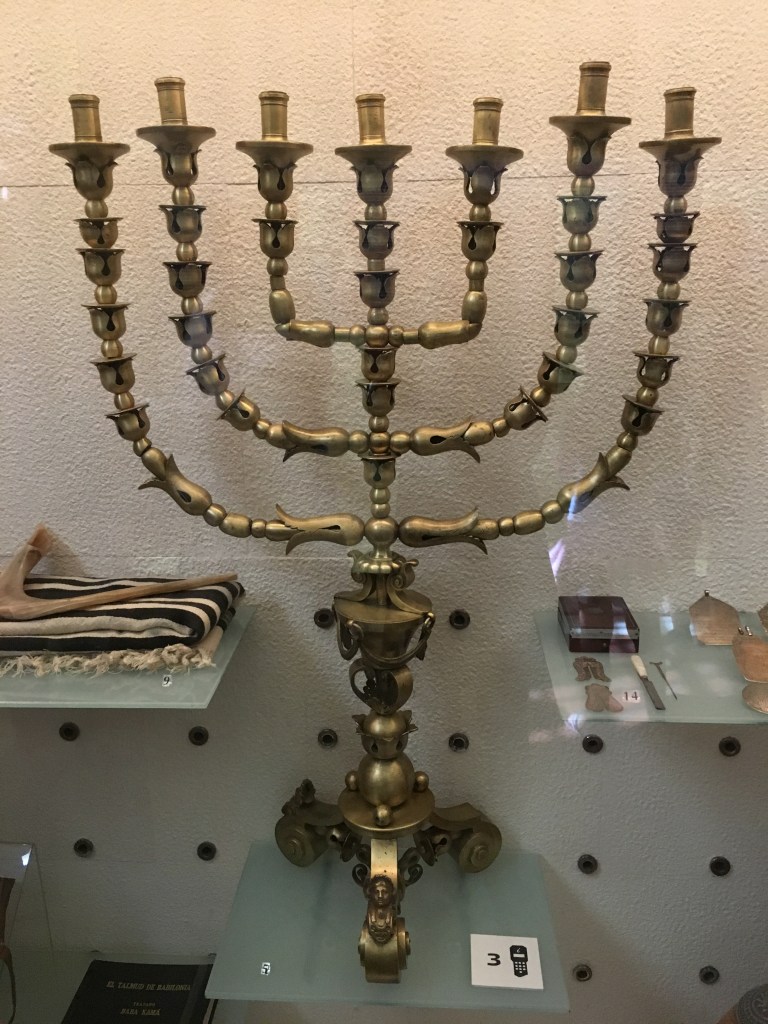
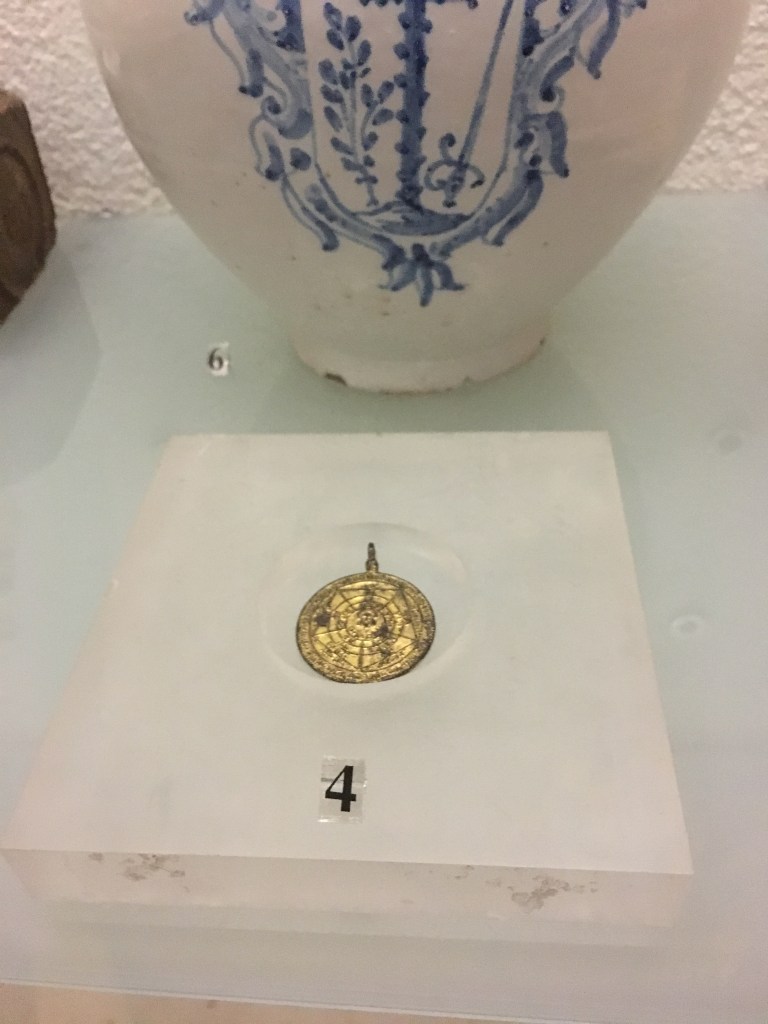
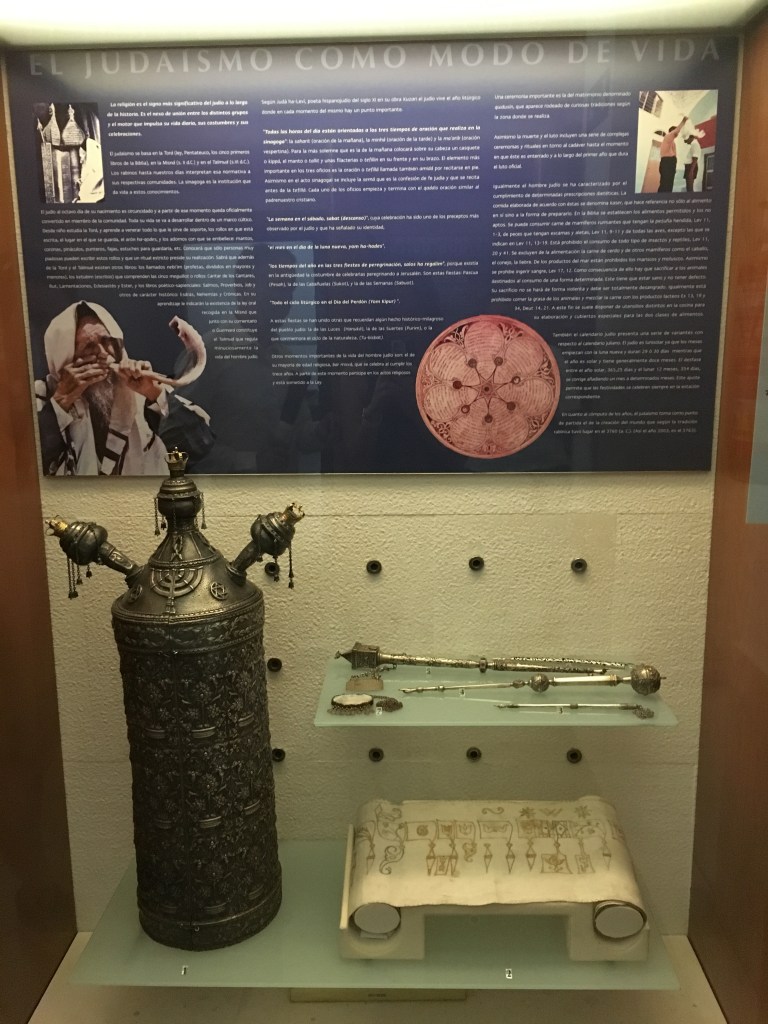
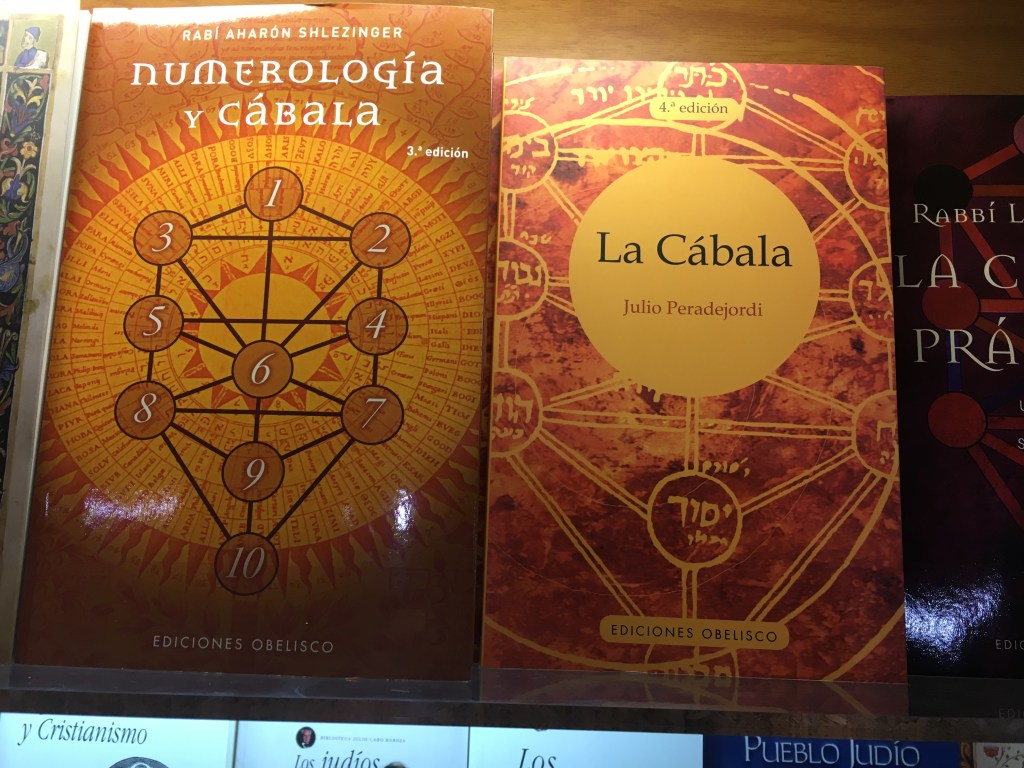
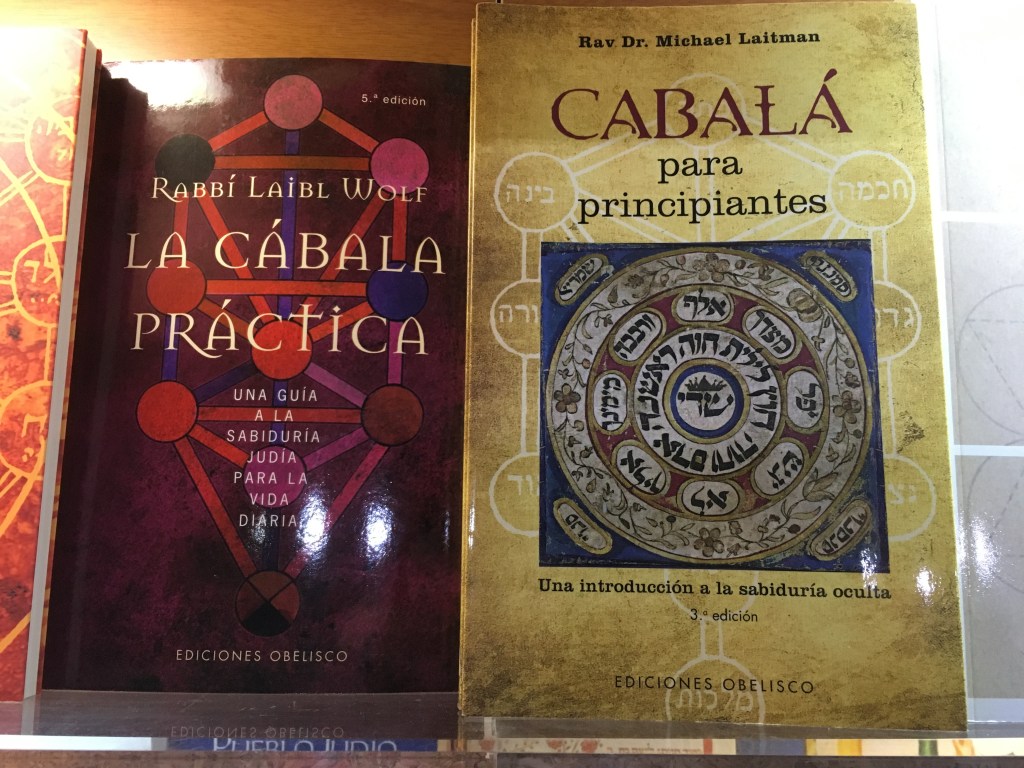
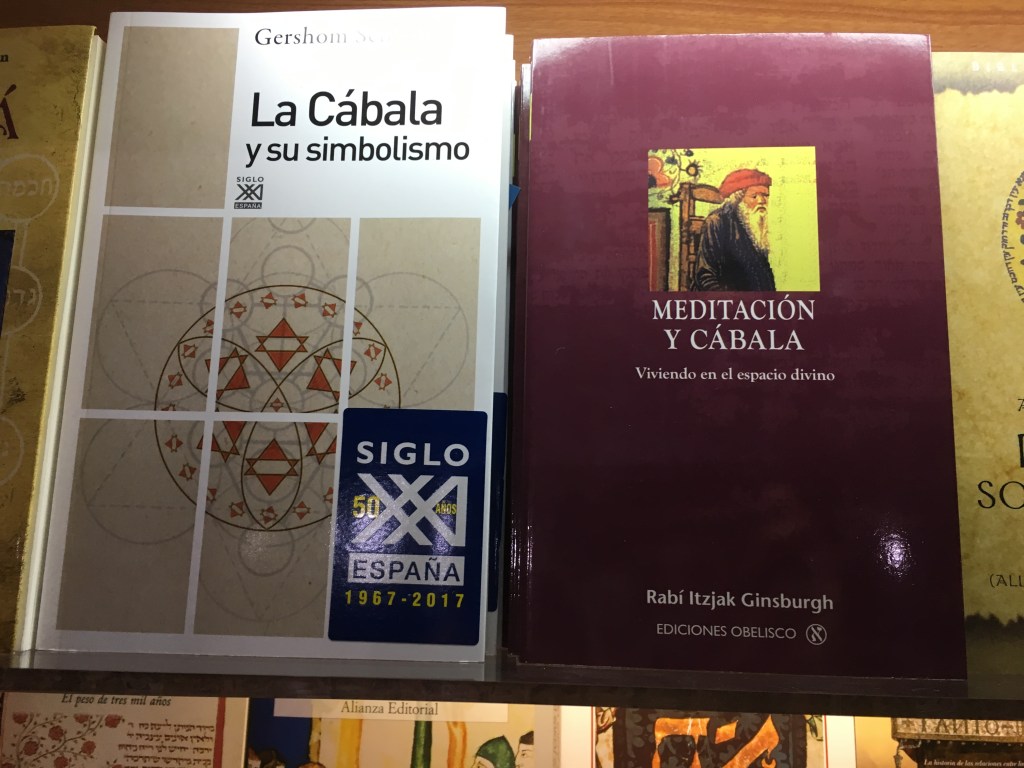
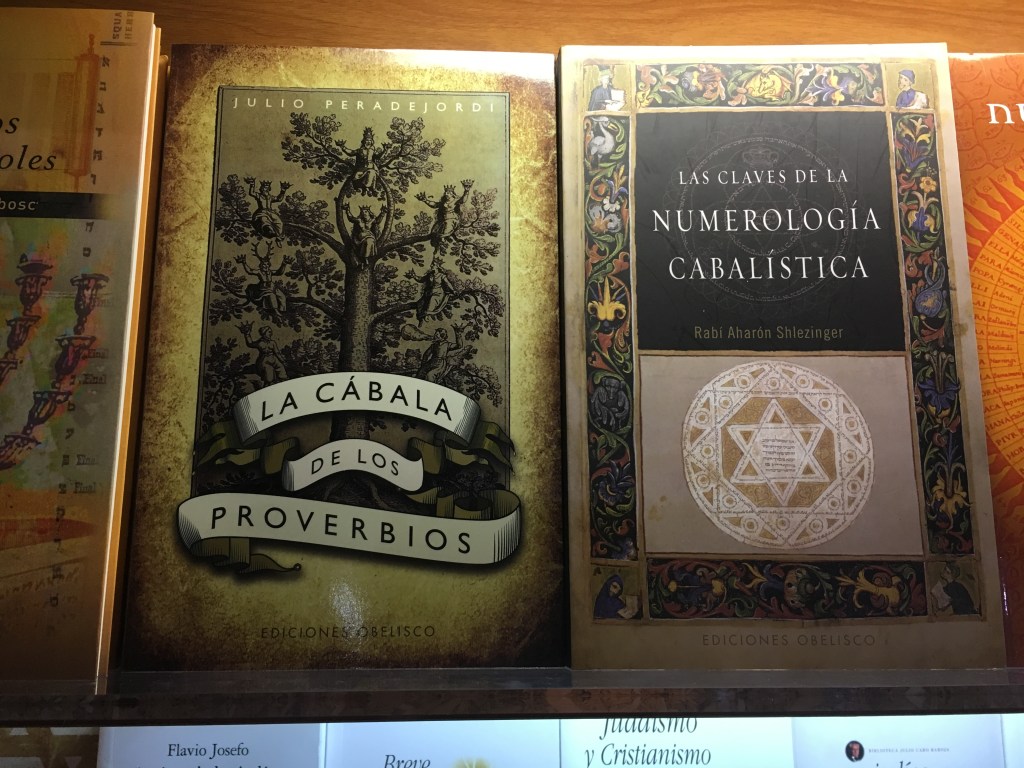
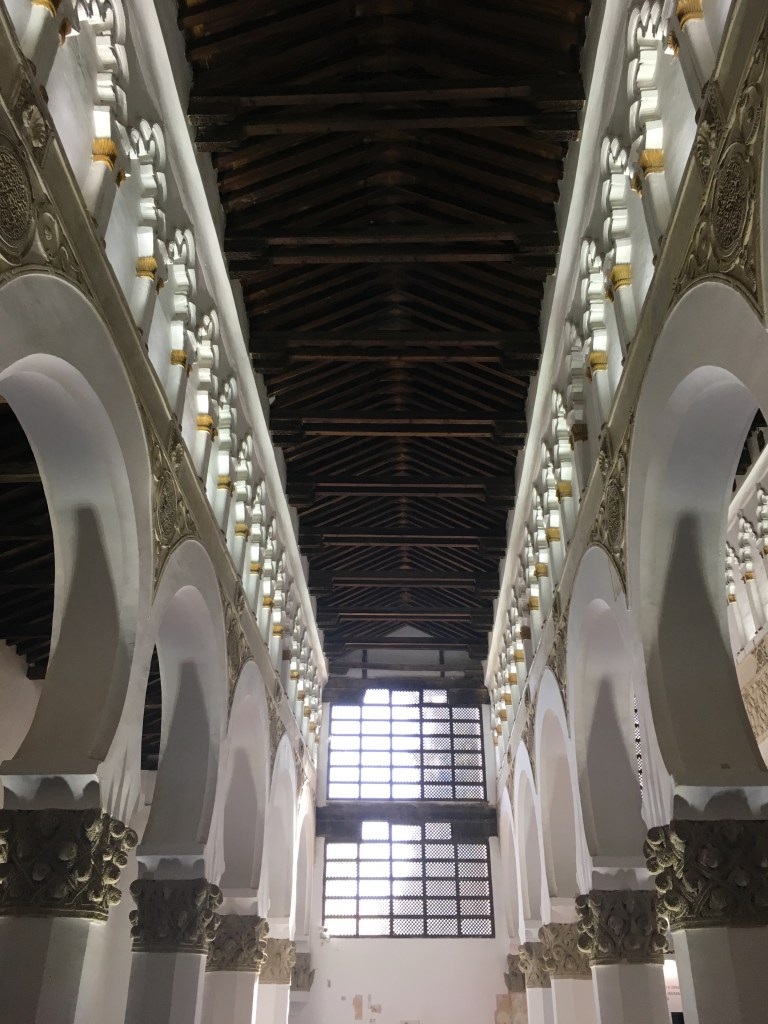
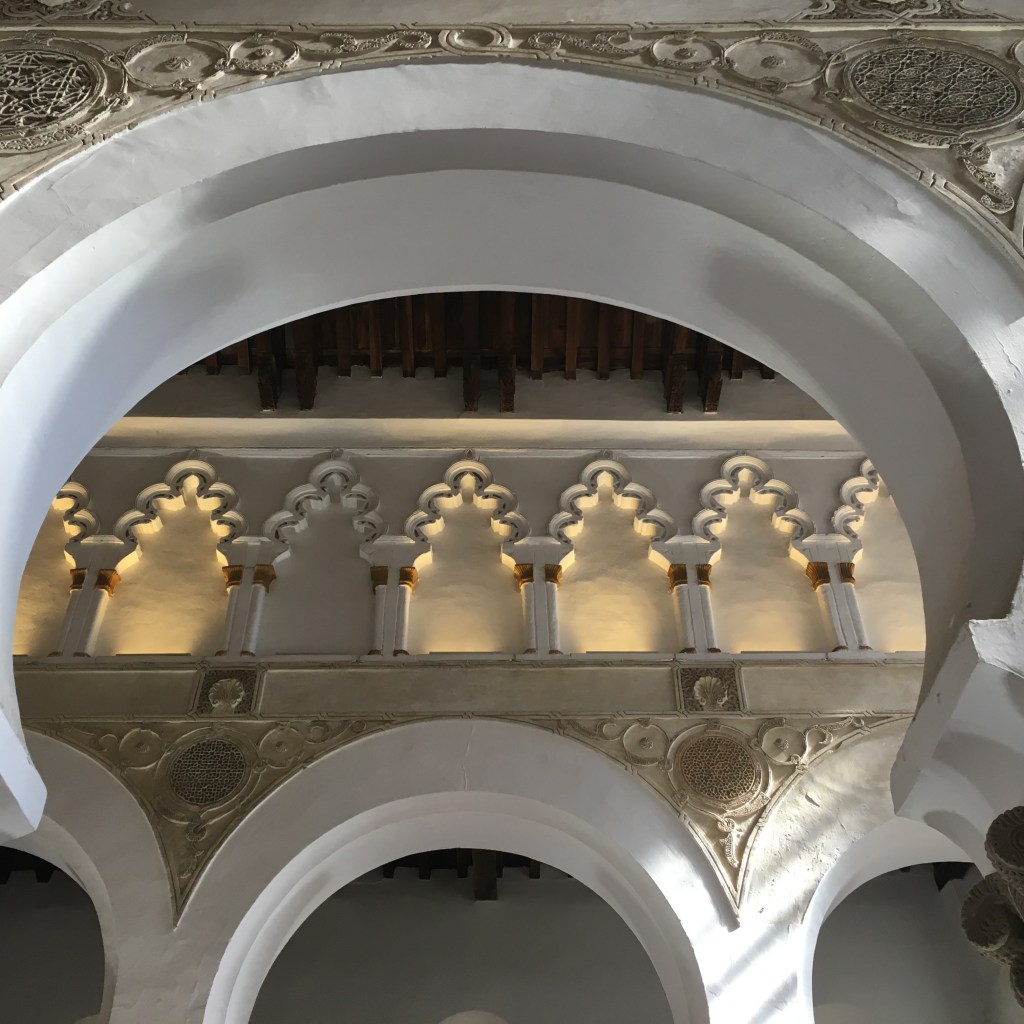
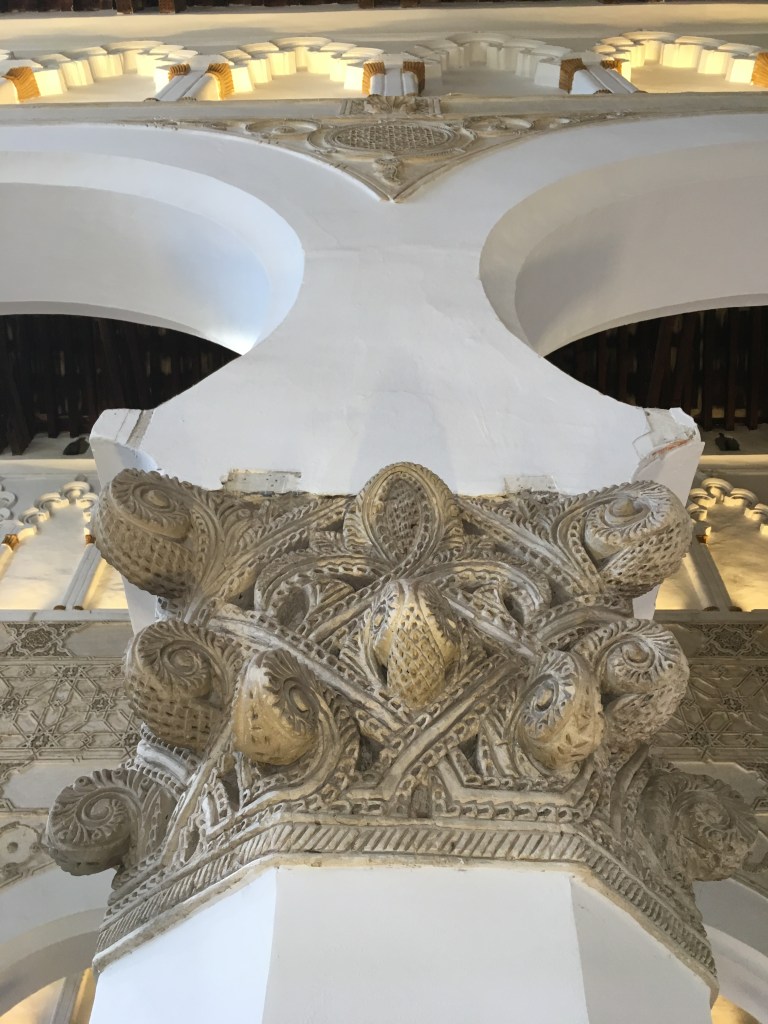
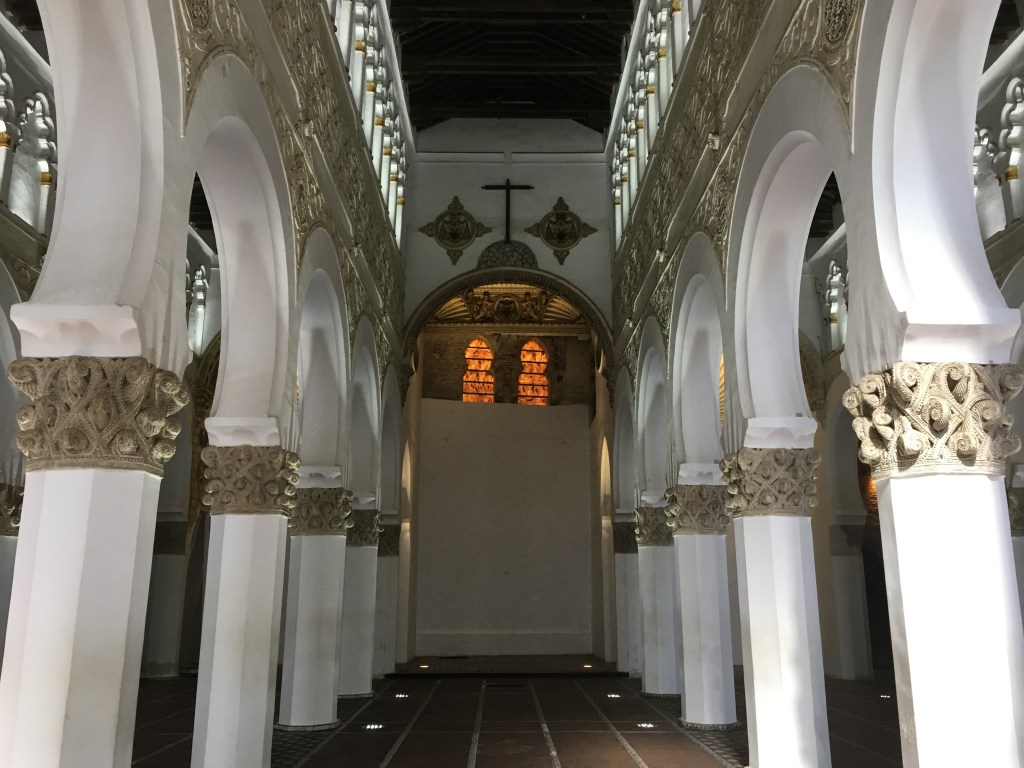
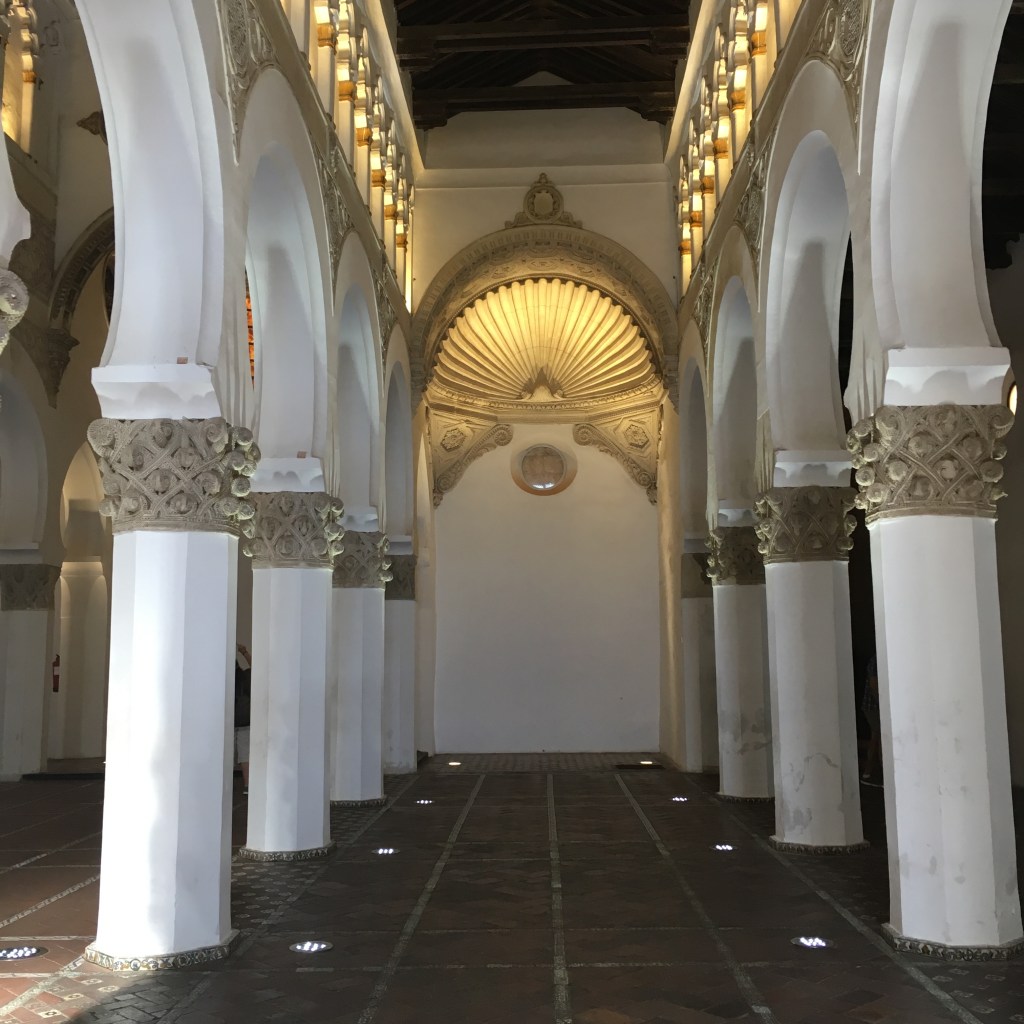
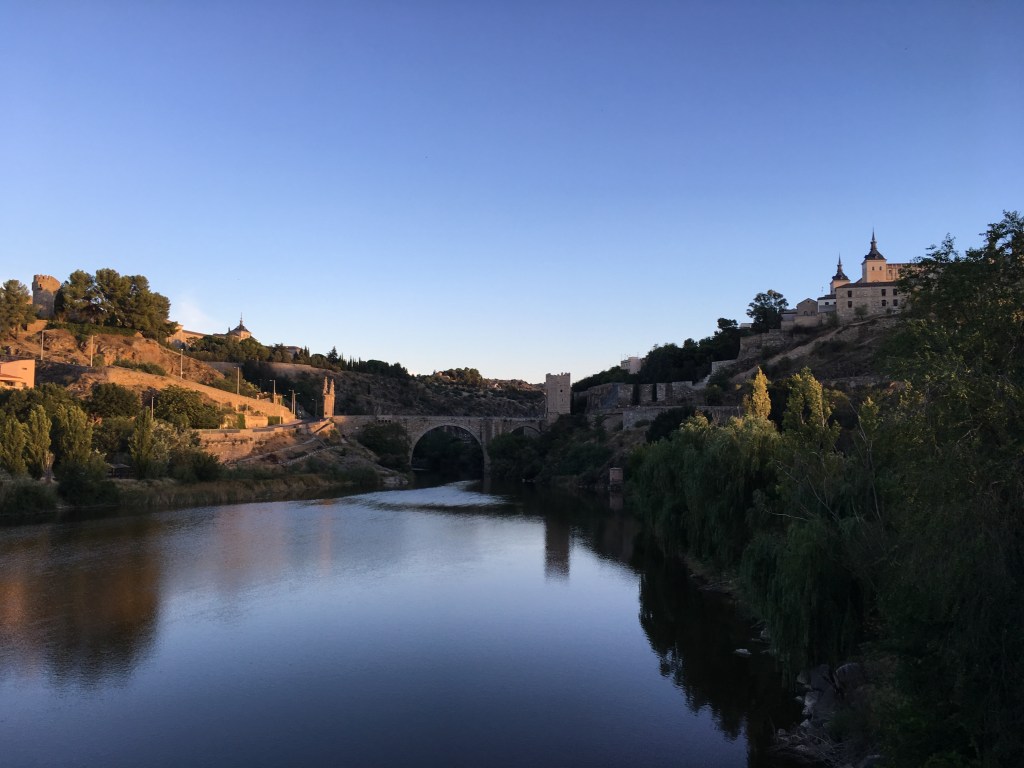
With Spain we begin with the mystical Museo Sefardí and Santa Maria la Blanca in Toledo. The city of Toledo is over 2000 years old and is recognized as a World Heritage Site. Toledo is known as the “City of Three Cultures” for its historical peaceful cosmopolitan co-existence of Judaism, Christianity and Islam. The Toledano tradition of Kabbalah originated with the Sephardic Jews of Toledo, whose history is kept at the Museo Sefardi.
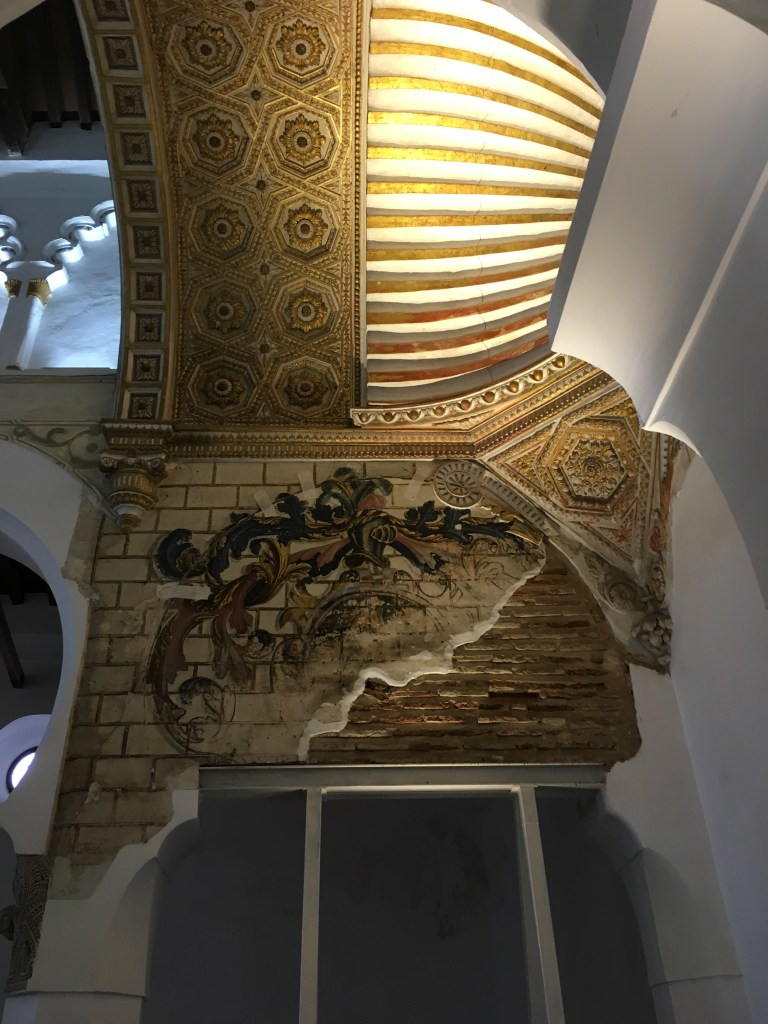
Santa María la Blanca, built in 1190, is the oldest synagogue building in Europe still standing. Santa María la Blanca was built in 1190 in Arab/Muslim style. When Spain exiled the Jewish people in the early 15th century, it was converted into a Christian church, while many other synagogues were destroyed.
France
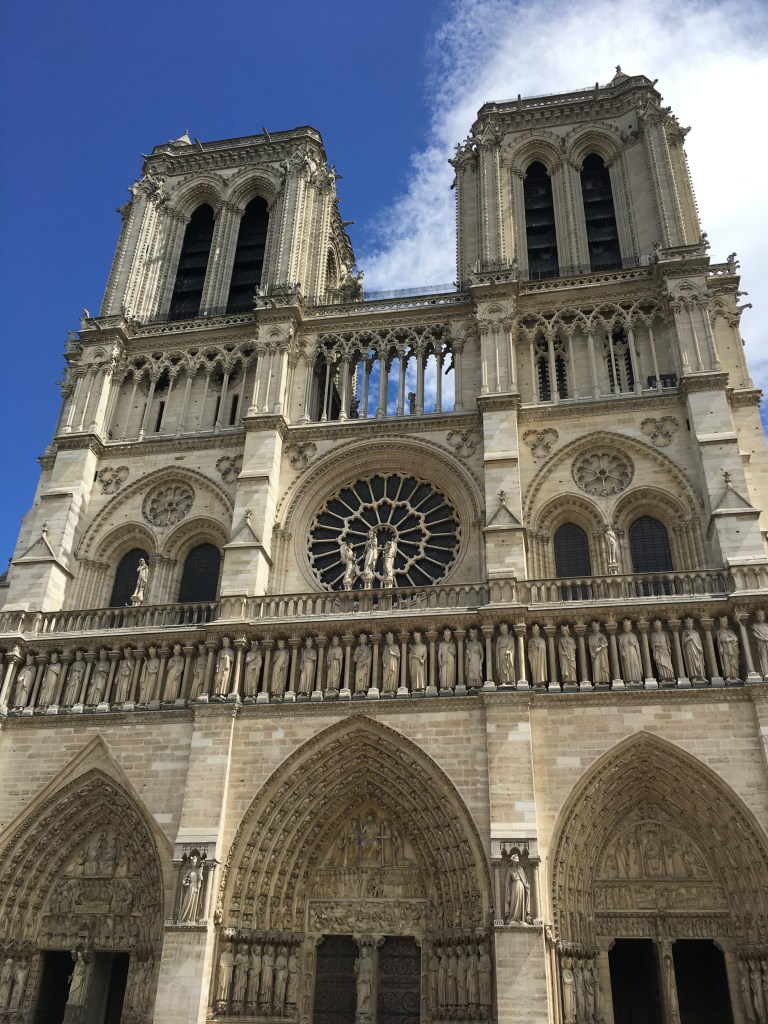
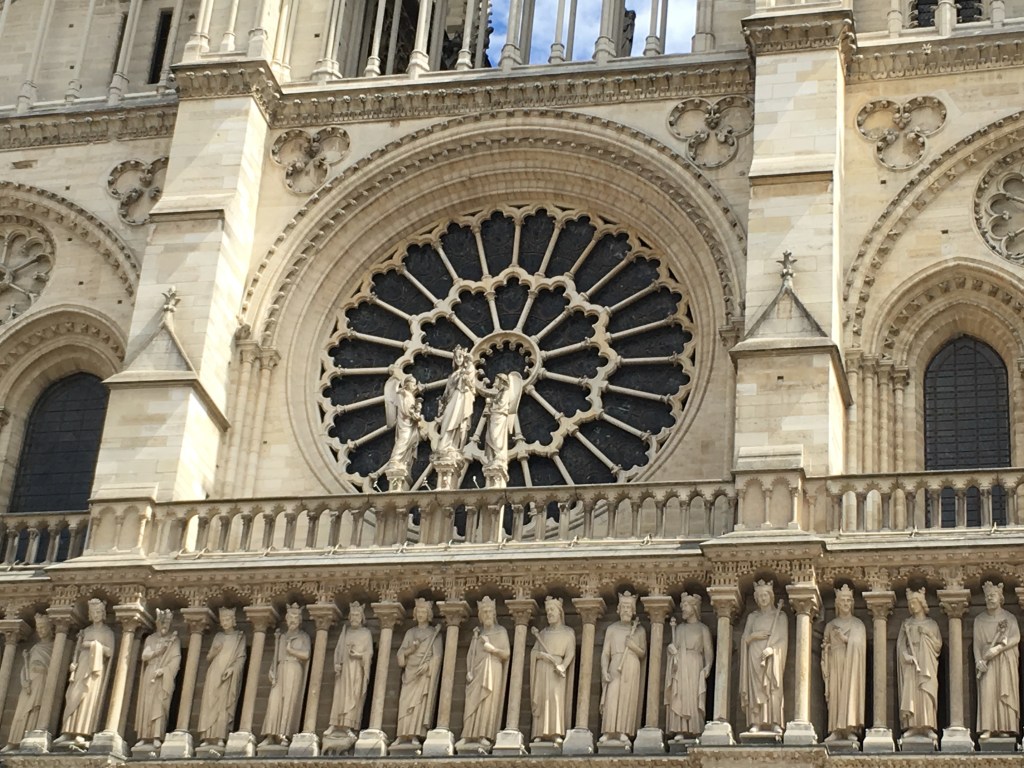
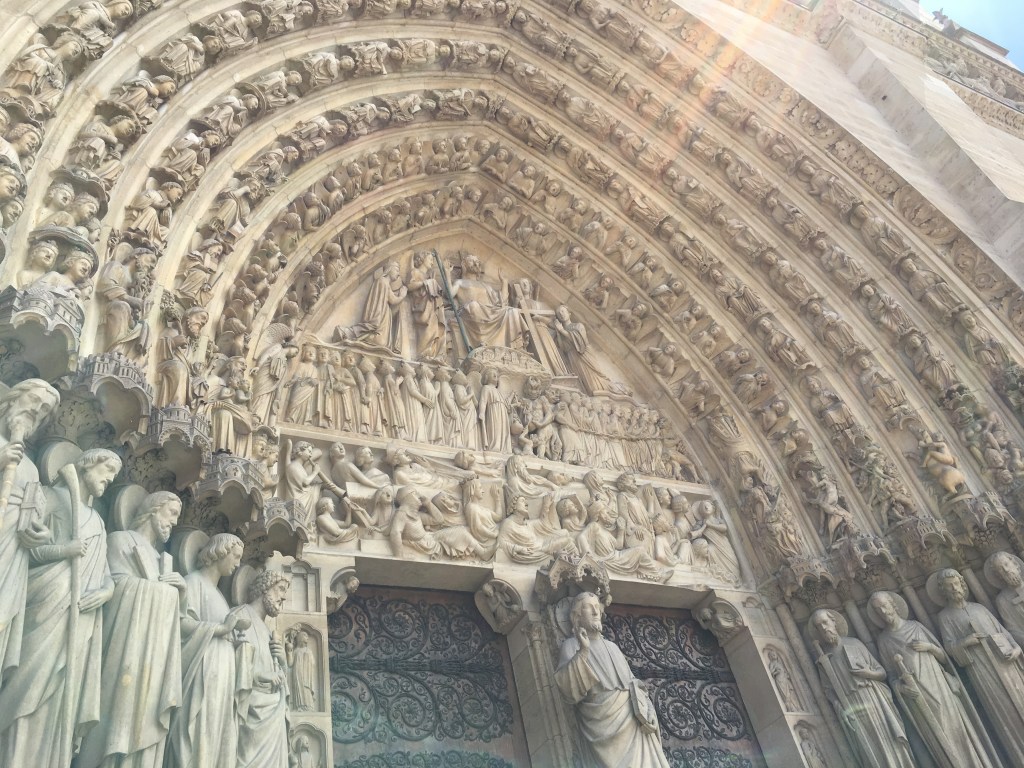
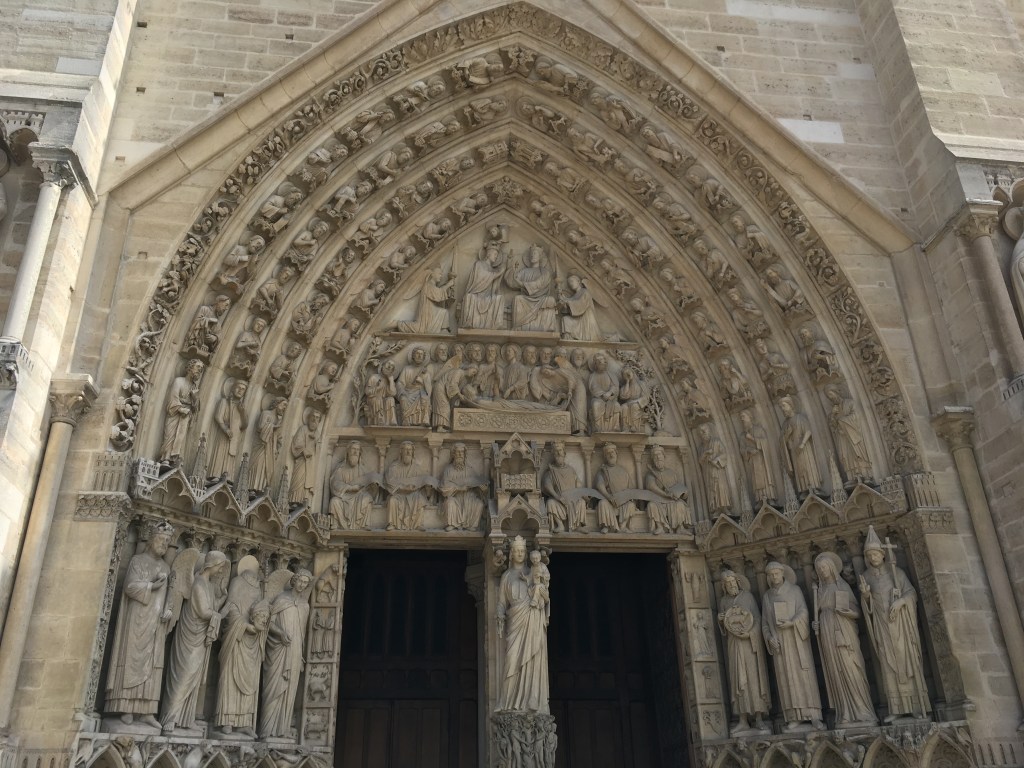
The Notre-Dame de Paris, which means “Our Lady of Paris,” was built between 1160 and 1260. It is said that a Gallo-Roman temple to Jupiter sat on the site of Notre-Dame before the rise of Christianity in France. The cathedral is historically one of the most prominent symbols of the city of Paris and the French nation.
United Kingdom
Because half of my ancestors hail from England, and still more from around the rest of Great Britain, the United Kingdom holds special meaning for me. Iron Age Celts established a settlement around 20 BCE called Verlamio.
When the Romans conquered the territory around 50 CE, they called it Verulamium, and it was the second largest town in Roman Britain after Londinium. The town, now called St. Alban’s, still preserves the remains of a Roman wall and forum.
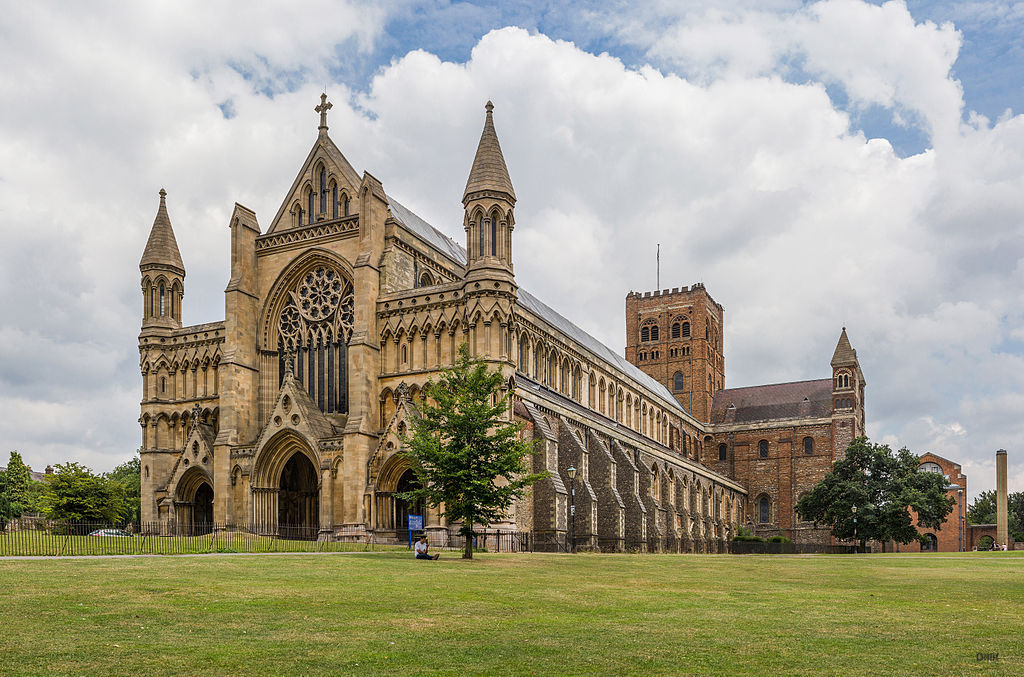
The town is associated with Boudicca, the early British queen who rebelled against Rome, destroying the capital of Roman Britain at what is today Colchester, and then razing Verulamium and Londinium. According to the Venerable Bede, St. Alban was Britain’s first Christian martyr. The Cathedral and Abbey Church of St Alban was founded in the eighth century near the site where he was executed by the Romans.
The Saxons founded a monastery for monks and nuns on the spot in the eighth century. The major structures of St. Alban’s Cathedral were built as early as the eleventh century under the Normans.
When I visited the cathedral, I found it beautiful and haunting. My imagination was transported through centuries of historical adventures involving Romans, Crusaders, Saxons, Vikings, Normans, knights, monarchs and ecclesiastics.
My own shots of the area are in storage, so until I can dig those out and post them, here is a quick look at this magnificent cathedral.
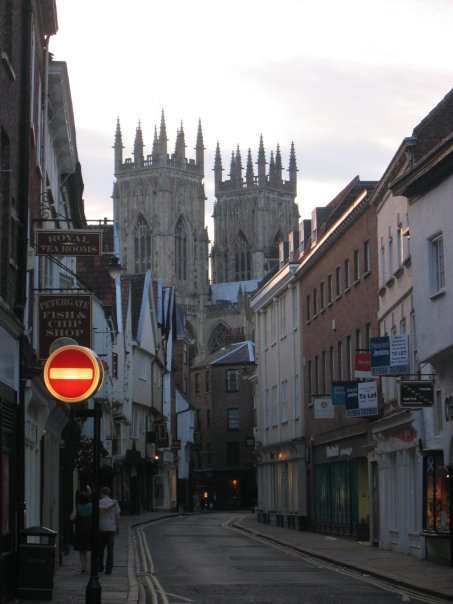
The city of York was founded by the Romans in 71 CE, who built a fortress on the site where York Minster stands today. Roman emperors held court at York. York Minster, officially the Cathedral and Metropolitical Church of Saint Peter in York, developed from a small wooden church erected to baptise King Edwin of Northumbria, who made York his chief city. The present cathedral was built between 1230 and 1472.
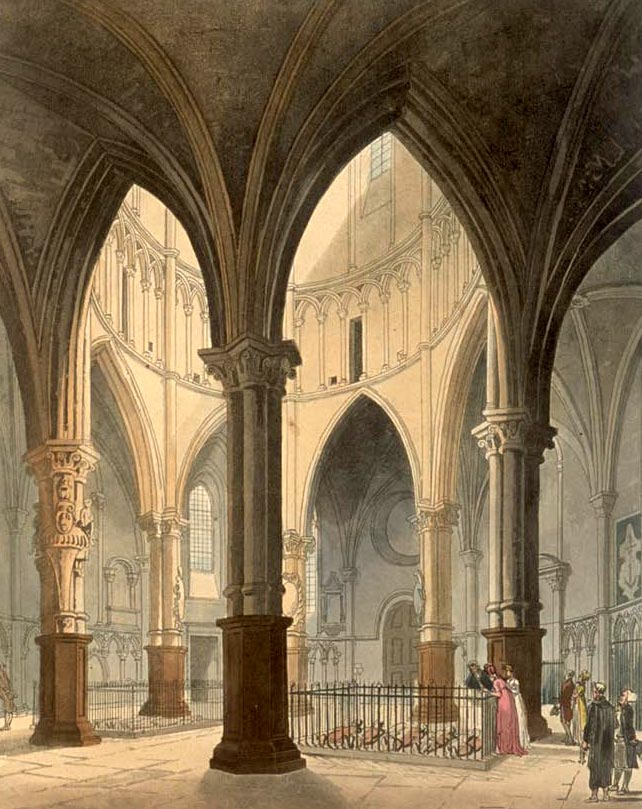
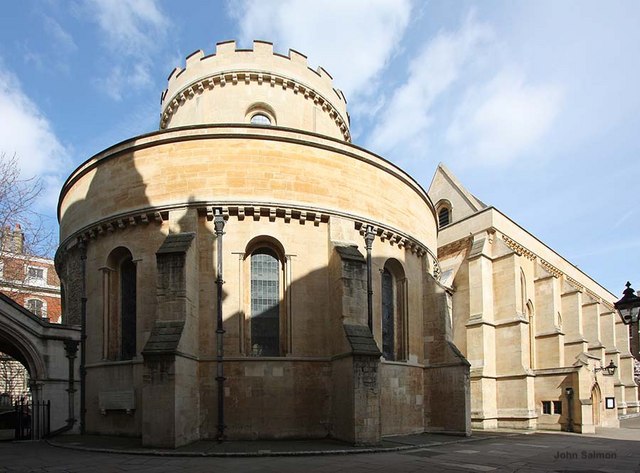
The Temple Church in the City of London was consecrated in 1185. A round church built for the Knights Templar, Temple Church served as King John’s royal treasury, was handed over to the Knights Hospitaller after the destruction of the Knights Templar, and is now owned by the barristers of the Inner Temple and Middle Temple Inns of Court.
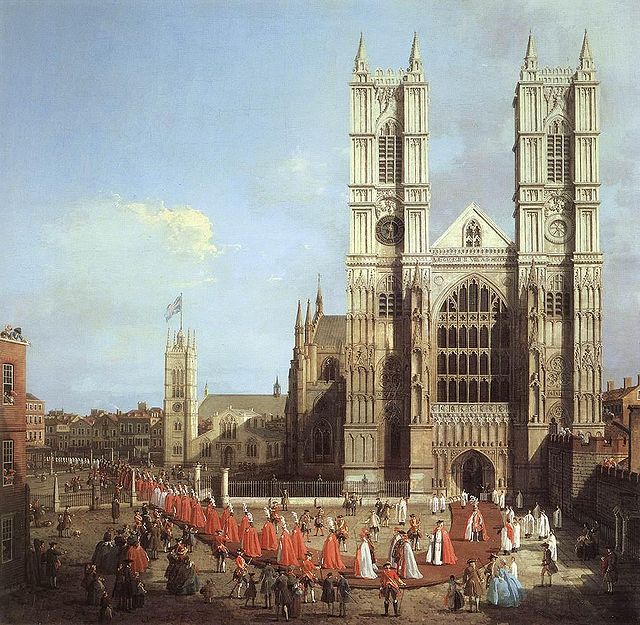
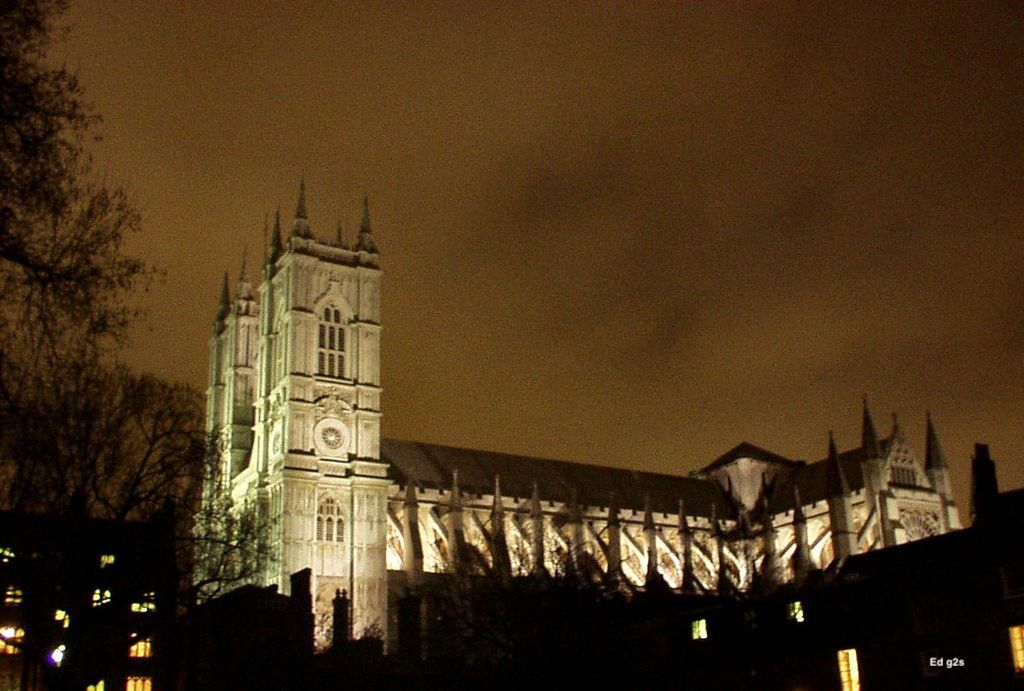
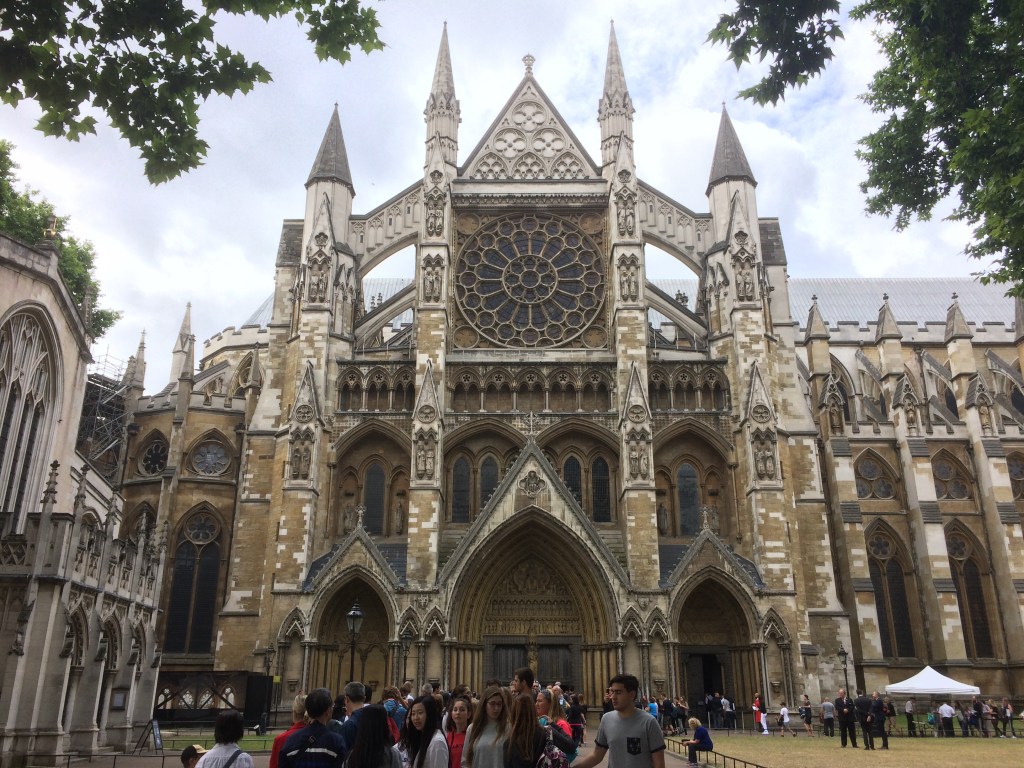
Westminster Abbey, officially the Collegiate Church of Saint Peter at Westminster, hardly needs any introduction. It stands next to the Palace of Westminster in central London, where the Houses of Parliament meet to make the laws for the United Kingdom. The abbey was formed in the tenth century by King Edgar and Saint Dunstan as a Benedictine monastic church. The monastery was dissolved in the sixteenth century and given the status of cathedral.
Westminster Abbey has been the location of the coronation of all the monarchs of Britain since William the Conqueror in 1066. Over 3,000 prominent British subjects and over 16 monarchs are buried there.
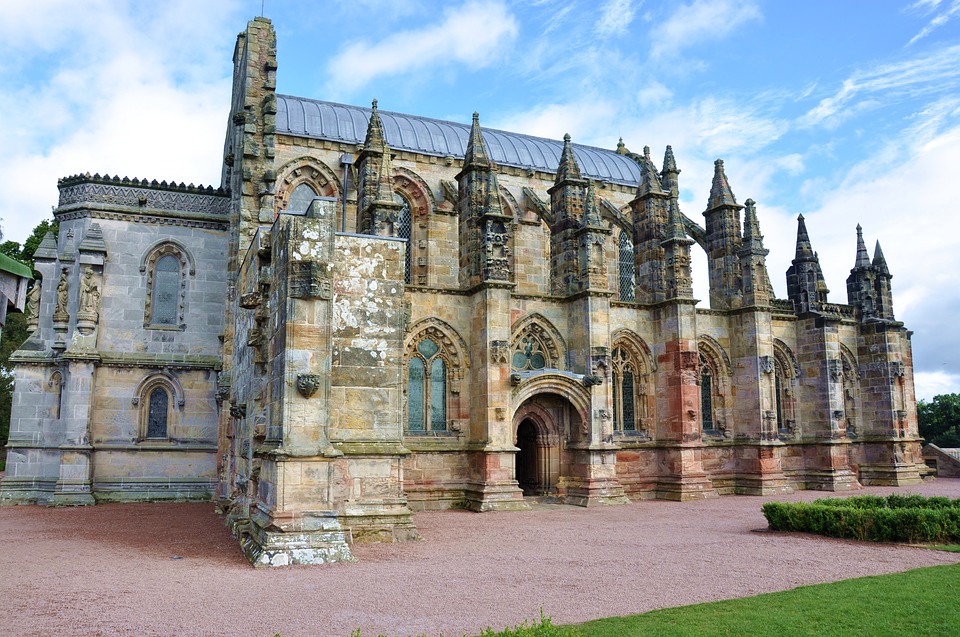
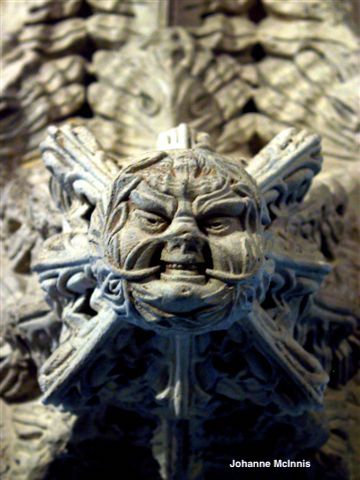
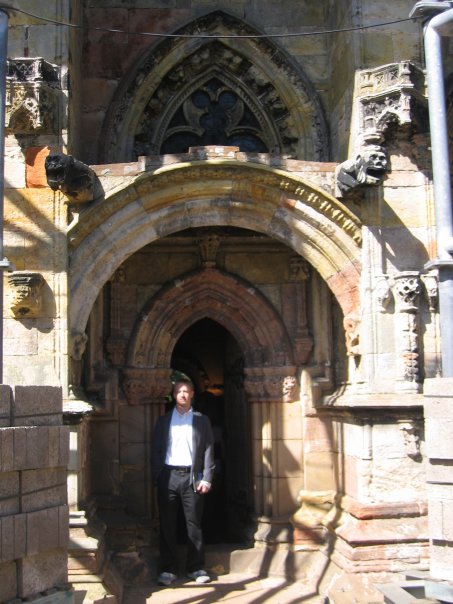
Rosslyn Chapel was founded in 1446 by William Sinclair, 1st Earl of Caithness in the village of Roslin, Midlothian, Scotland. After the Scottish Reformation about 1560, the Roman Catholic chapel was closed to the public. It reopened under the Scottish Episcopal Church, part of the Anglican Communion, in 1861. Rosslyn is known to have at least 111 green men, pre-Christian symbols of fertility, carved into its stone structure. It is also associated with the Knights Templar and the Freemasons.
Rosslyn Chapel
FROM THE PRELUDE
by William Wordsworth
COMPOSED DURING A TOUR IN SCOTLAND AND ON THE ENGLISH BORDER, IN THE AUTUMN OF 1831.
COMPOSED IN ROSLIN CHAPEL DURING A STORM
(written by Dorothy Wordsworth’s brother)
THE wind is now thy organist;–a clank
(We know not whence) ministers for a bell
To mark some change of service. As the swell
Of music reached its height, and even when sank
The notes, in prelude, ROSLIN! to a blank
Of silence, how it thrilled thy sumptuous roof,
Pillars, and arches,–not in vain time-proof,
Though Christian rites be wanting! From what bank
Came those live herbs? by what hand were they sown
Where dew falls not, where rain-drops seem unknown?
Yet in the Temple they a friendly niche
Share with their sculptured fellows, that, green-grown,
Copy their beauty more and more, and preach,
Though mute, of all things blending into one.
Oxford and Cambridge universities are the two oldest universities in England, their friendly rivalry going back over 800 years, each producing a large share of England’s most prominent figures. Both universities are graced with wonderful houses of worship. Again, most of the images I took of these sites when I was there are in storage, so I have to post images from the public domain for the time being.
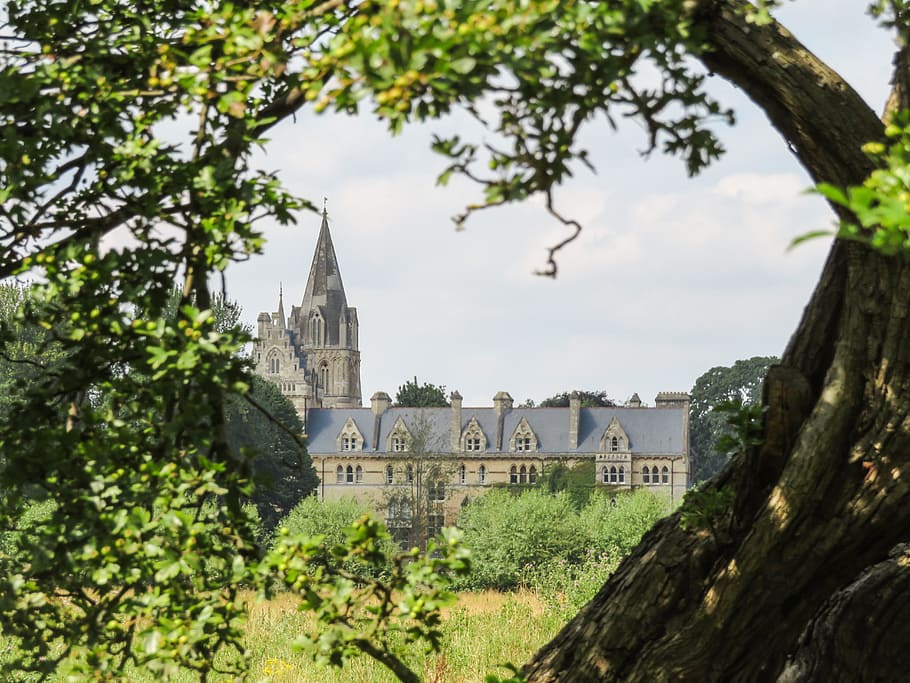
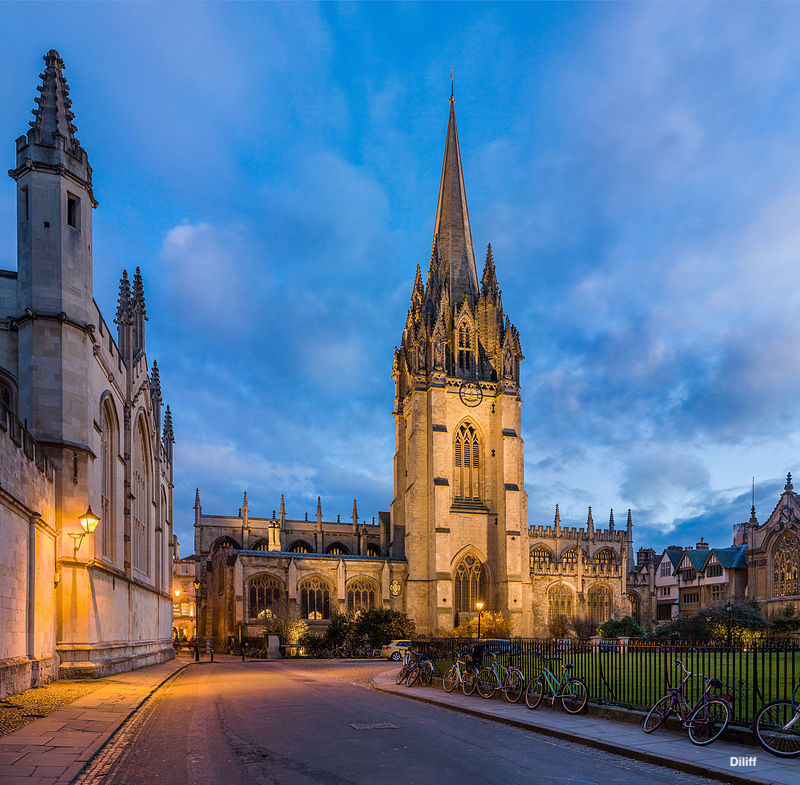
Originally founded as a priory is 1122, Christ Church Cathedral serves as both college chapel and cathedral of the diocese of Oxford. Previous to the eleventh century, the Anglo-Saxons established a church in a walled city that would later become the University Church of St Mary the Virgin.
In the thirteenth century the church became the first official building of Oxford University, used for university government, bestowal of degrees, and lectures.
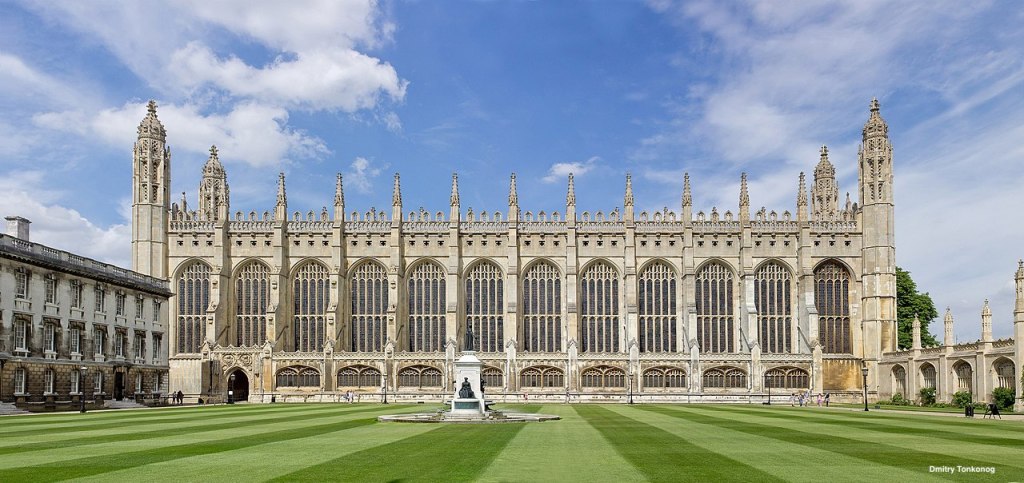
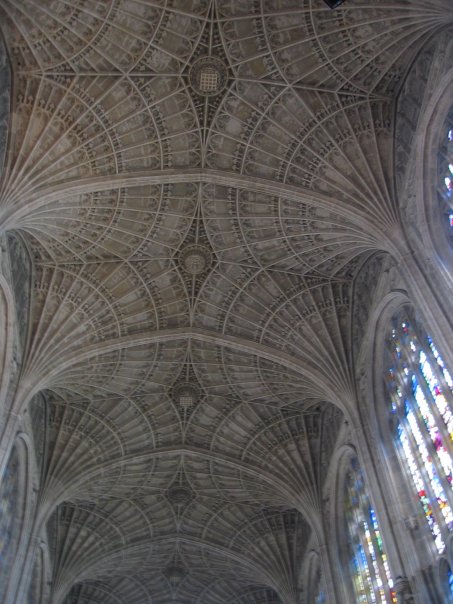
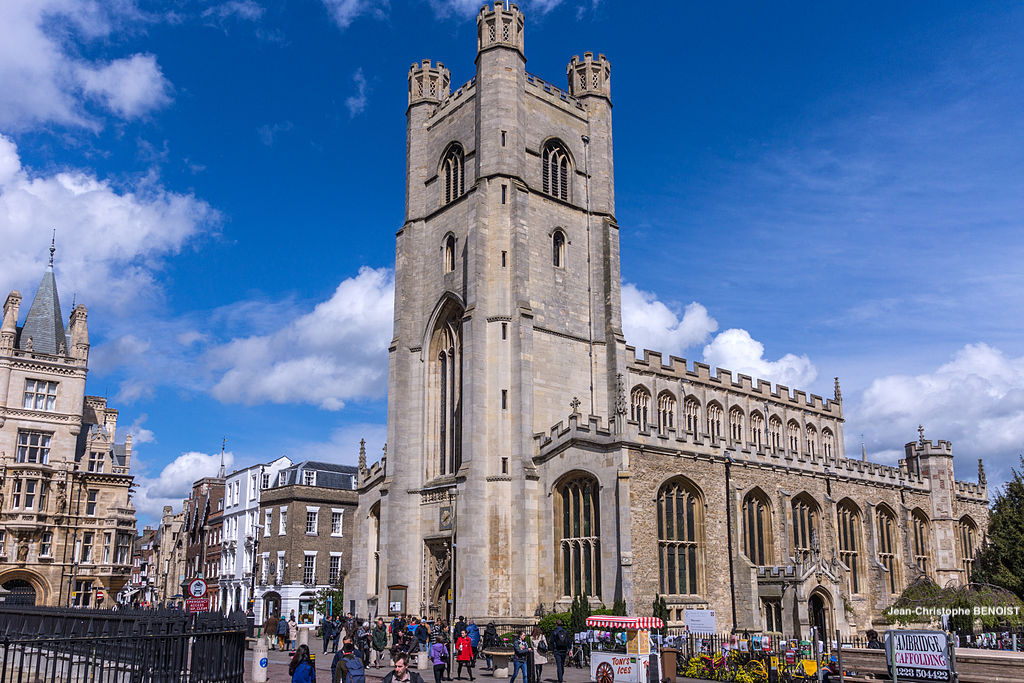
King’s College Chapel at Cambridge was built by successive kings of England during the 15th-16th centuries during the Wars of the Roses. The Church of St. Mary the Great has its origins in the early thirteenth century and is owned today by Trinity College, the largest of all Oxbridge colleges.
Denmark
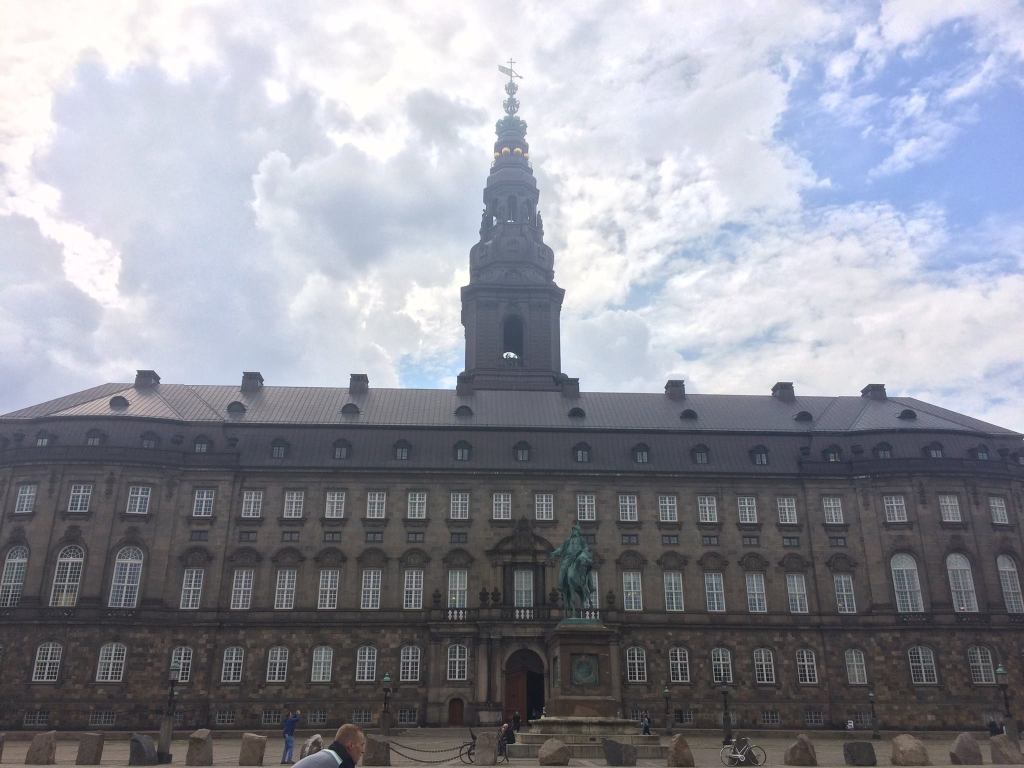
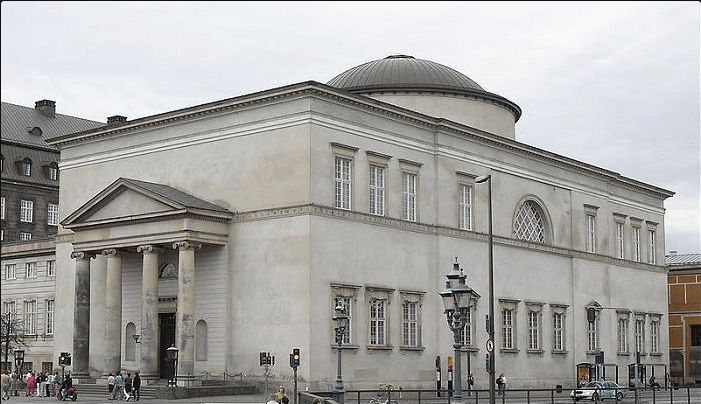
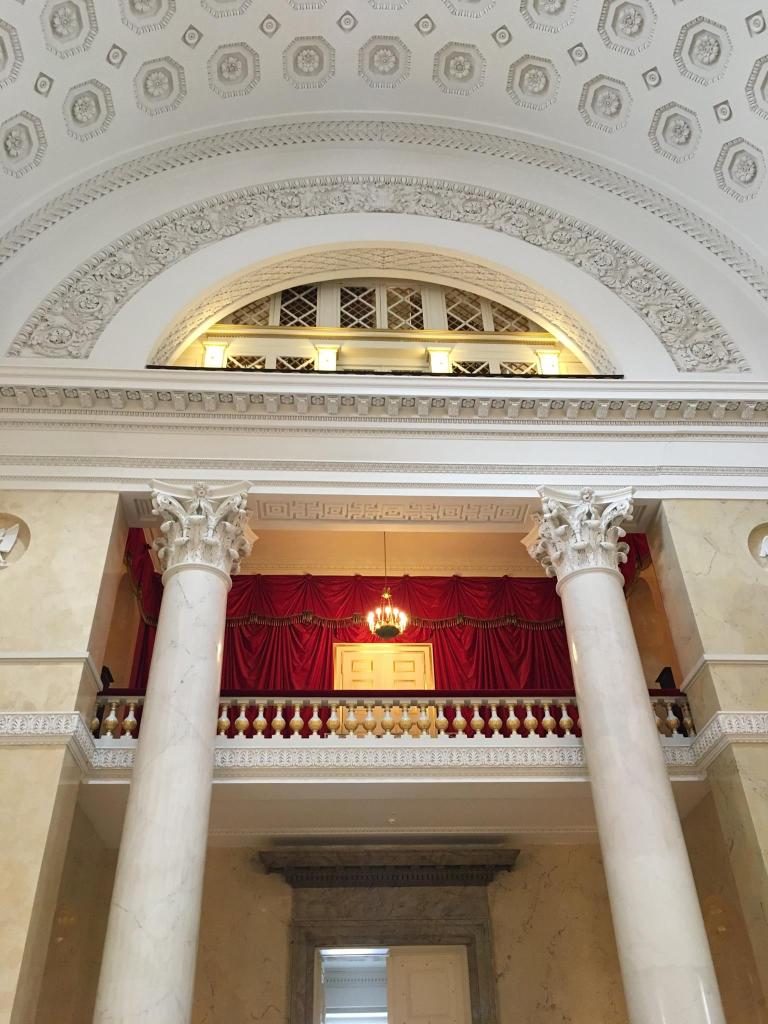
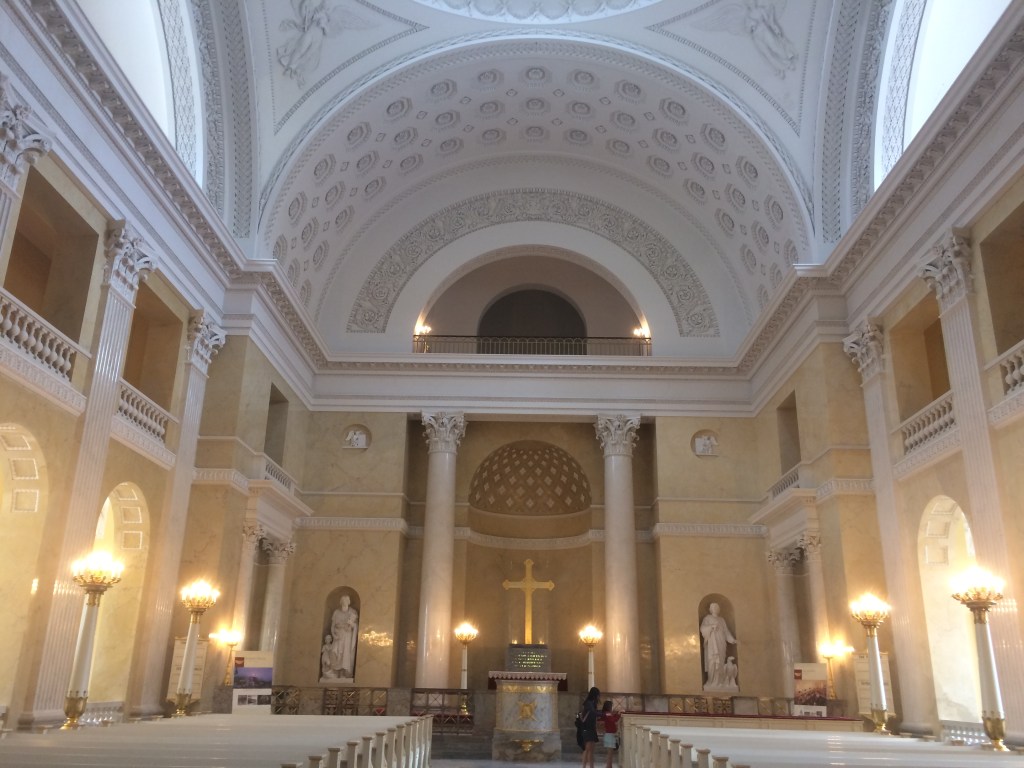
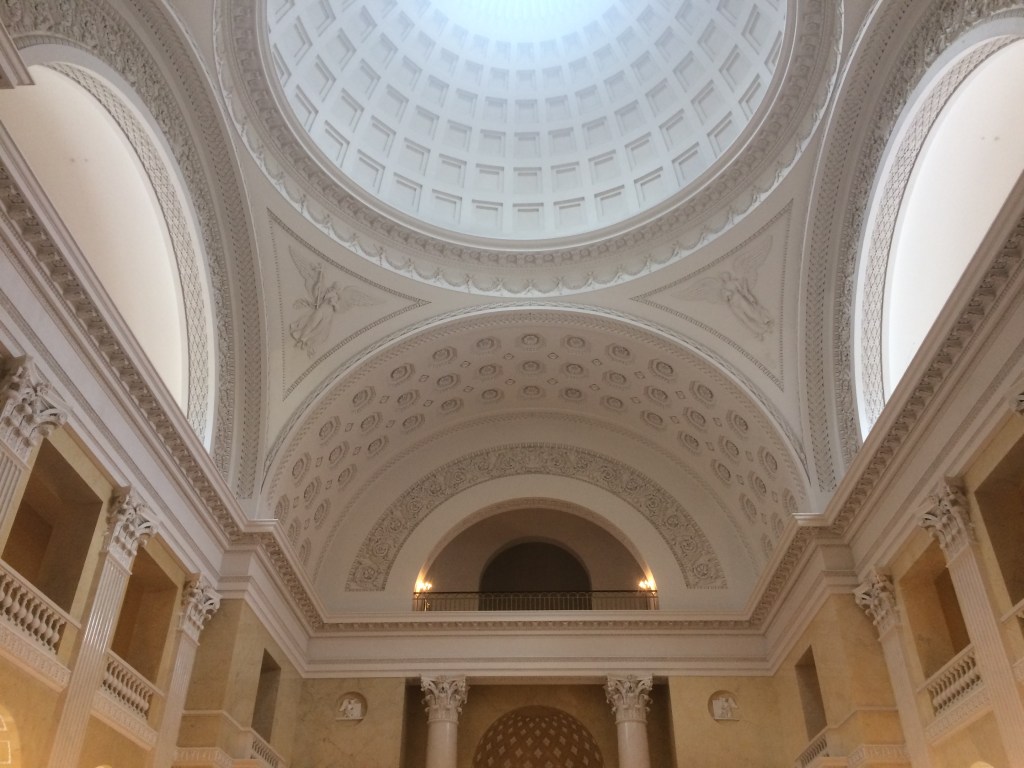
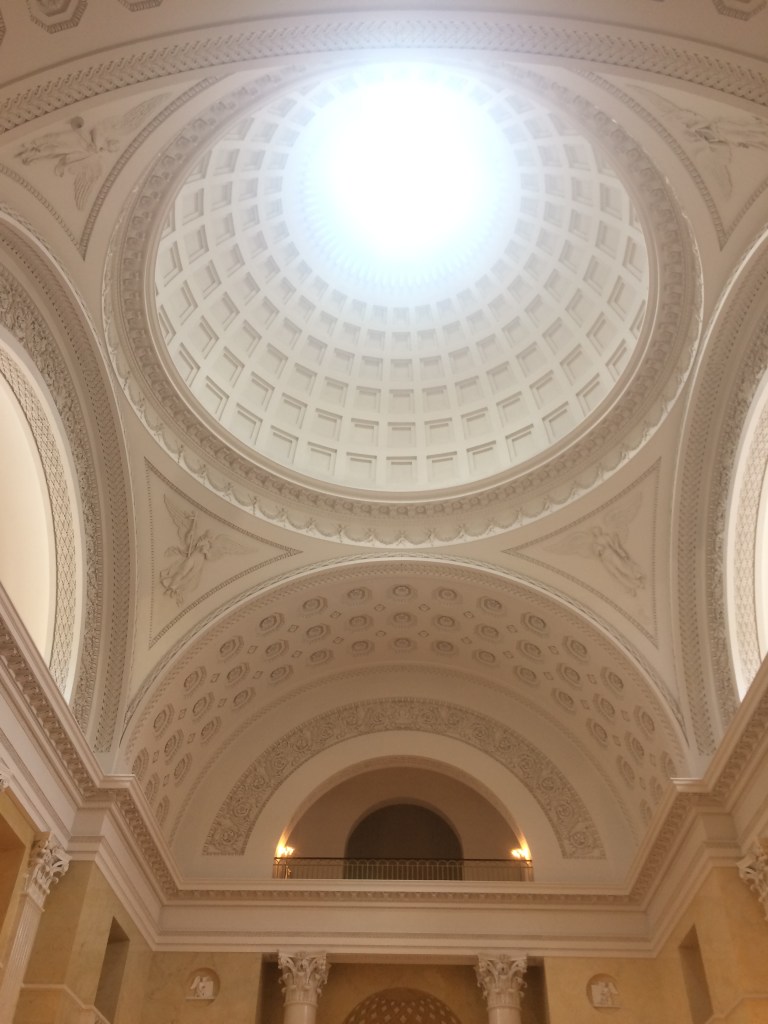
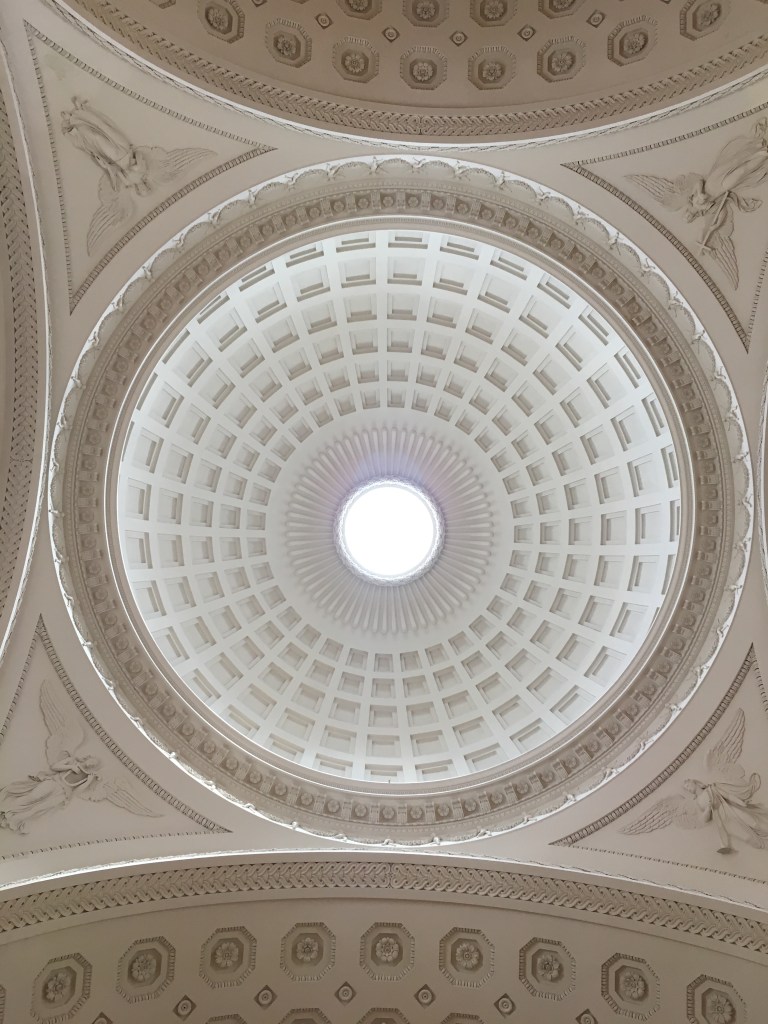
Christiansborg Palace Chapel in Copenhagen is attached to the royal palace of Denmark. It was built by 1745, burned to ruins in 1795 along with the palace, and rebuilt 1813-1826, celebrating 1000 years since the Danish kingdom adopted Christianity. In 1828 the chapel was inaugurated as a parish church for the royal family.
Russia
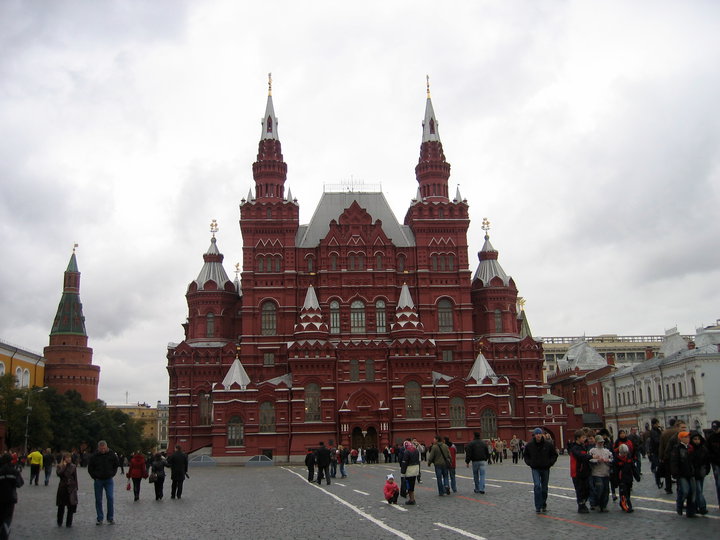
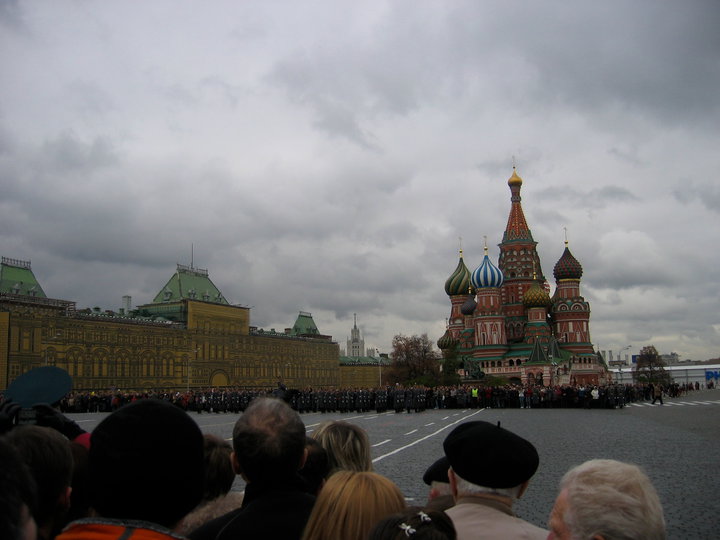
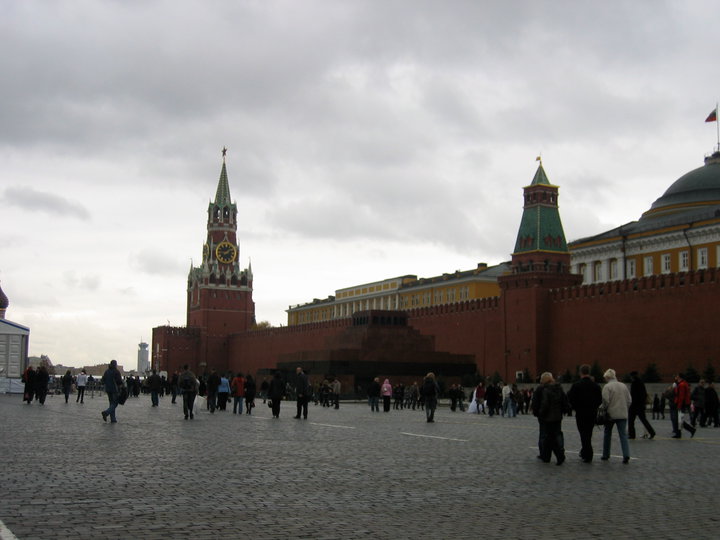
When I visited Russia, I had to see the Red Square in Moscow, adjacent to the Kremlin, the residence of the president of the Russian Federation. Saint Basil’s Cathedral, formally the Cathedral of Vasily the Blessed or Cathedral of the Intercession of the Most Holy Theotokos on the Moat, was built 1555-1561 by Ivan the Terrible.
The cathedral was repurposed as a museum and was secularized from 1929 until 1997, when weekly Eastern Orthodox Church services were restored.
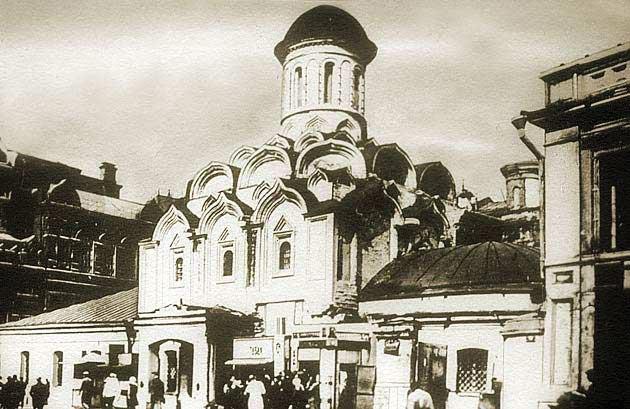
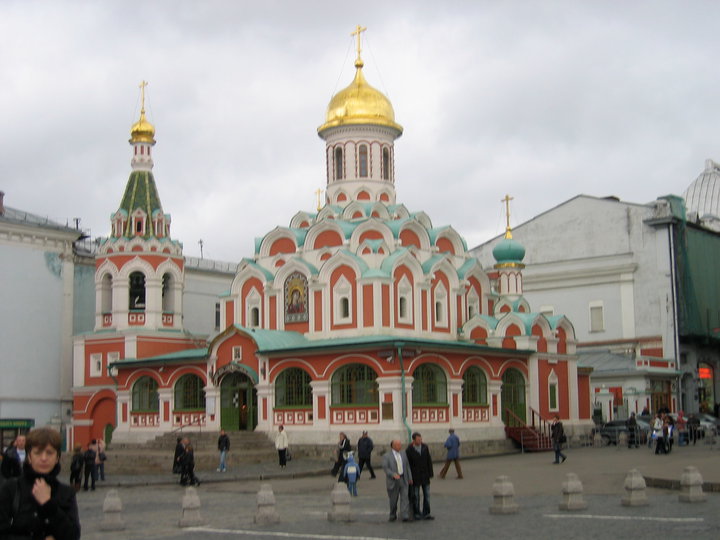
In the early seventeenth century Prince Dmitry Pozharsky built a wooden church to the Virgin of Kazan in the Red Square. When the edifice burned to the ground in 1632, Tsar Michael I replaced it with the brick Kazan Cathedral, consecrated in 1636. Many renovations over the years altered the appearance of the cathedral and a reconstruction of the original was attempted from 1929-1932.
In 1936 the Communist leader Joseph Stalin had the churches of Red Square demolished. After the fall of the Soviet Union, Kazan Cathedral was the first church to be rebuilt.
There are so many sacred sites to experience in Europe that those I have visited seem barely the tip of the iceberg. They are just a few prominent examples of historic spiritual spaces in just a few countries. It is really overwhelming how much there is to see. A thorough survey of all forty-four European nations would require several blog posts for each country.
Luckily for those who love sacred architecture, there are pages and groups on social media catering to the subject, where people around the world can share their personal stories of these universal treasures. My next post will be a short tour of the few Masonic temples I have visited on the East Coast United States and England.

 Temples Along the Way