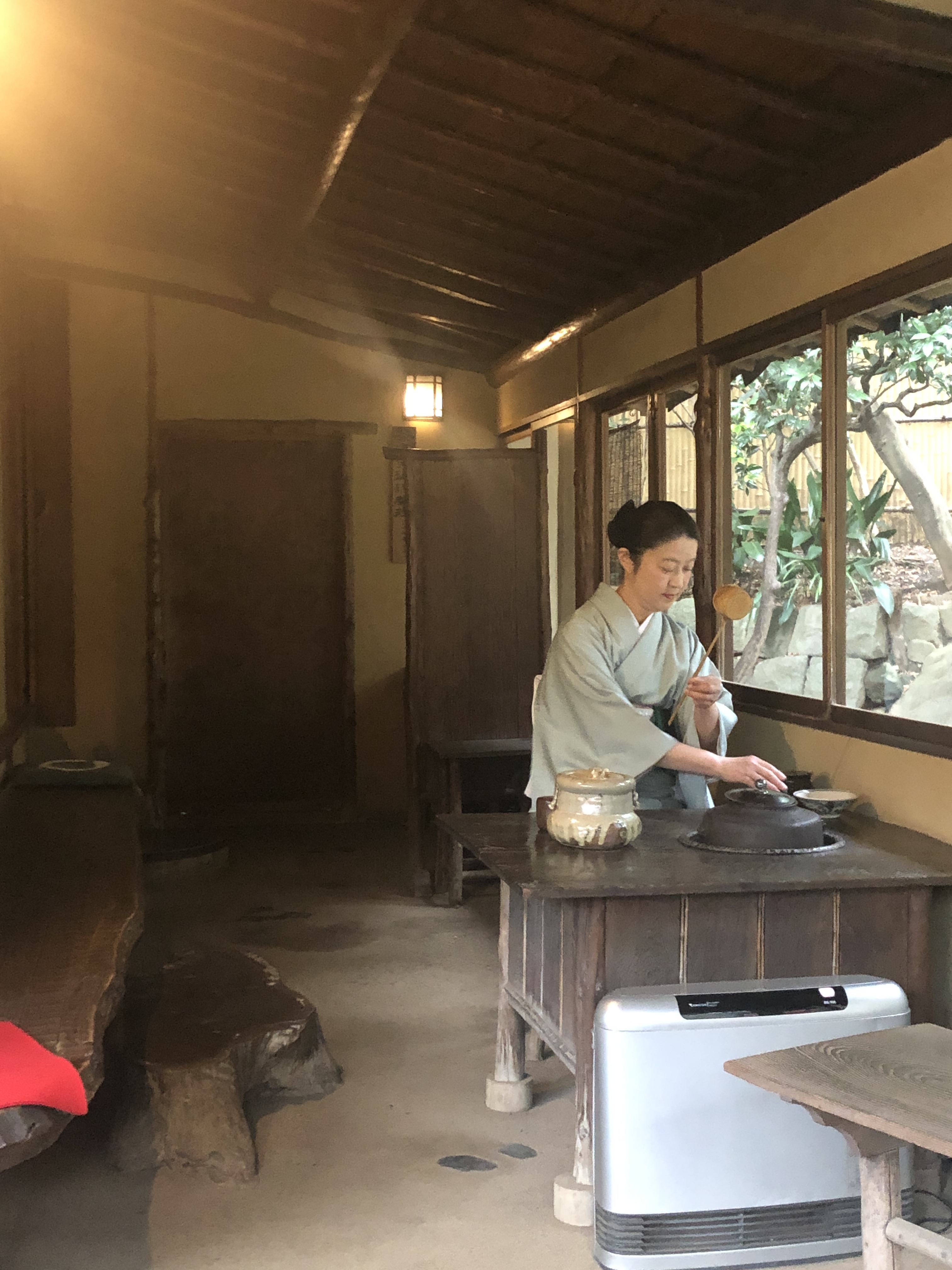
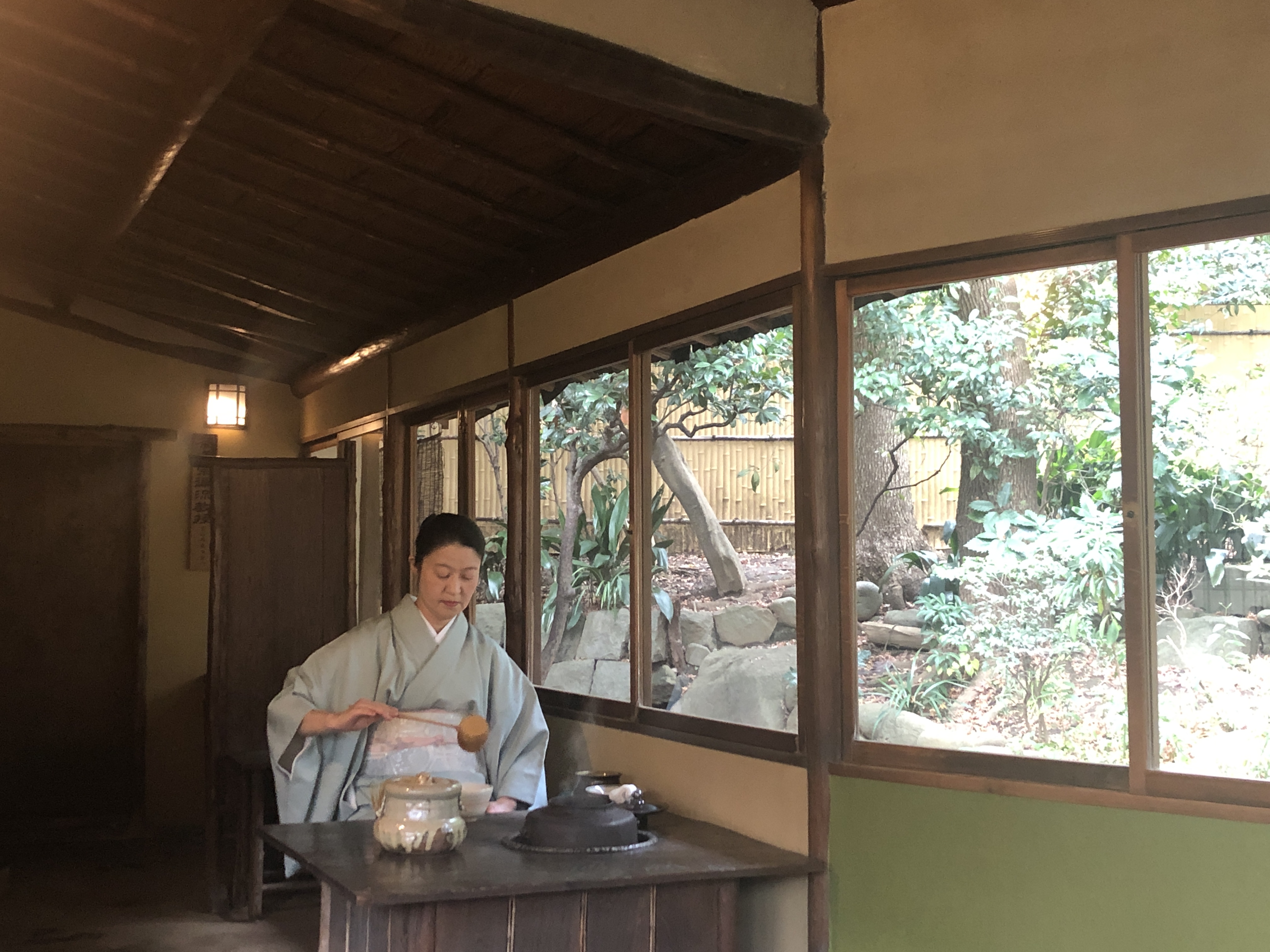
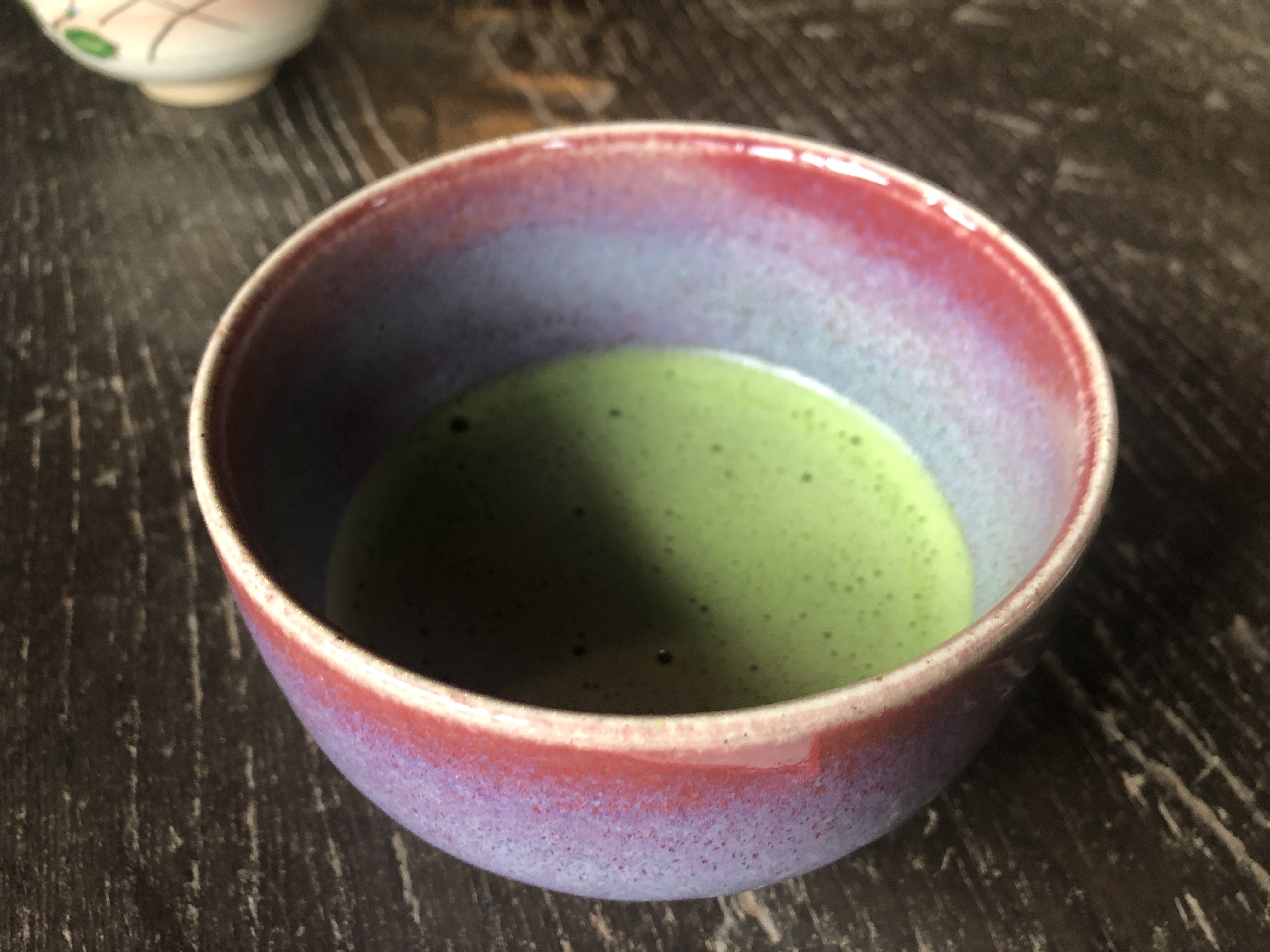
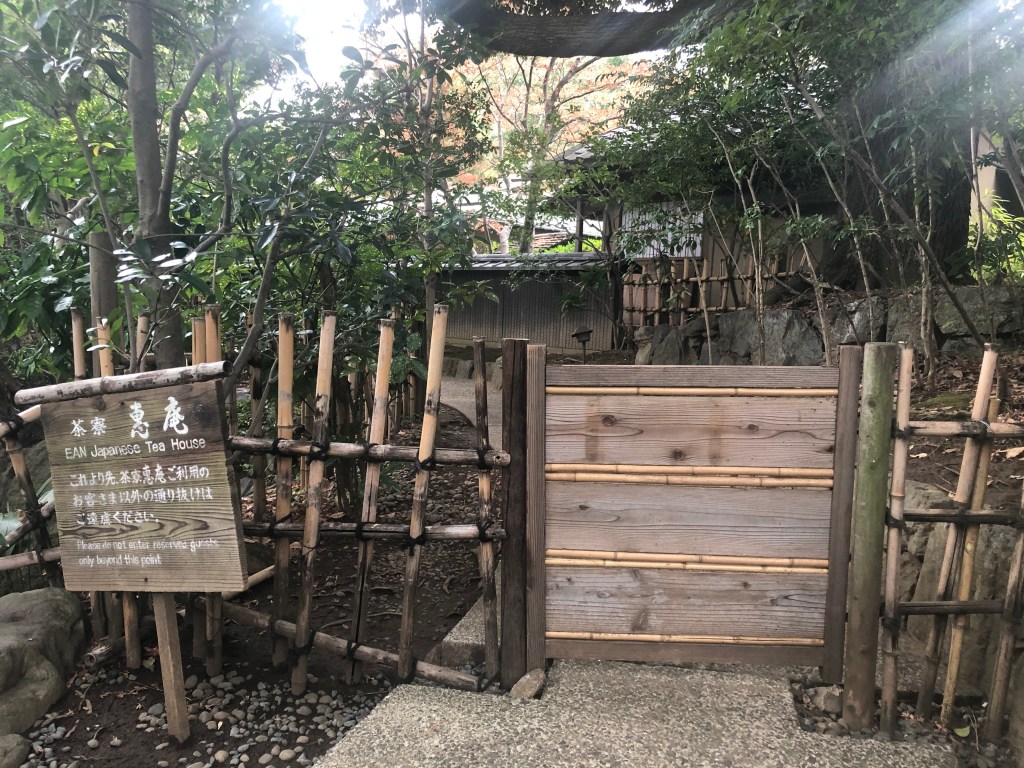
Before viewing some of the most ancient and beautiful temples in Japan, I would like to share a look at a tea house in Tokyo where we experienced a private traditional Japanese tea ceremony for Christmas. This is Happo-en, former residence of 17th century samurai Tadataka Okubo, a close confidante of shogun Ieyasu Tokugawa. The tea is a Japanese creation called matcha, where instead of steeping tea leaves in hot water, tea leaves are ground into a fine powder and mixed with the hot water.
Past mind can’t be grasped,
Present mind can’t be grasped,
Future mind can’t be grasped.
With which mind will you drink this tea?
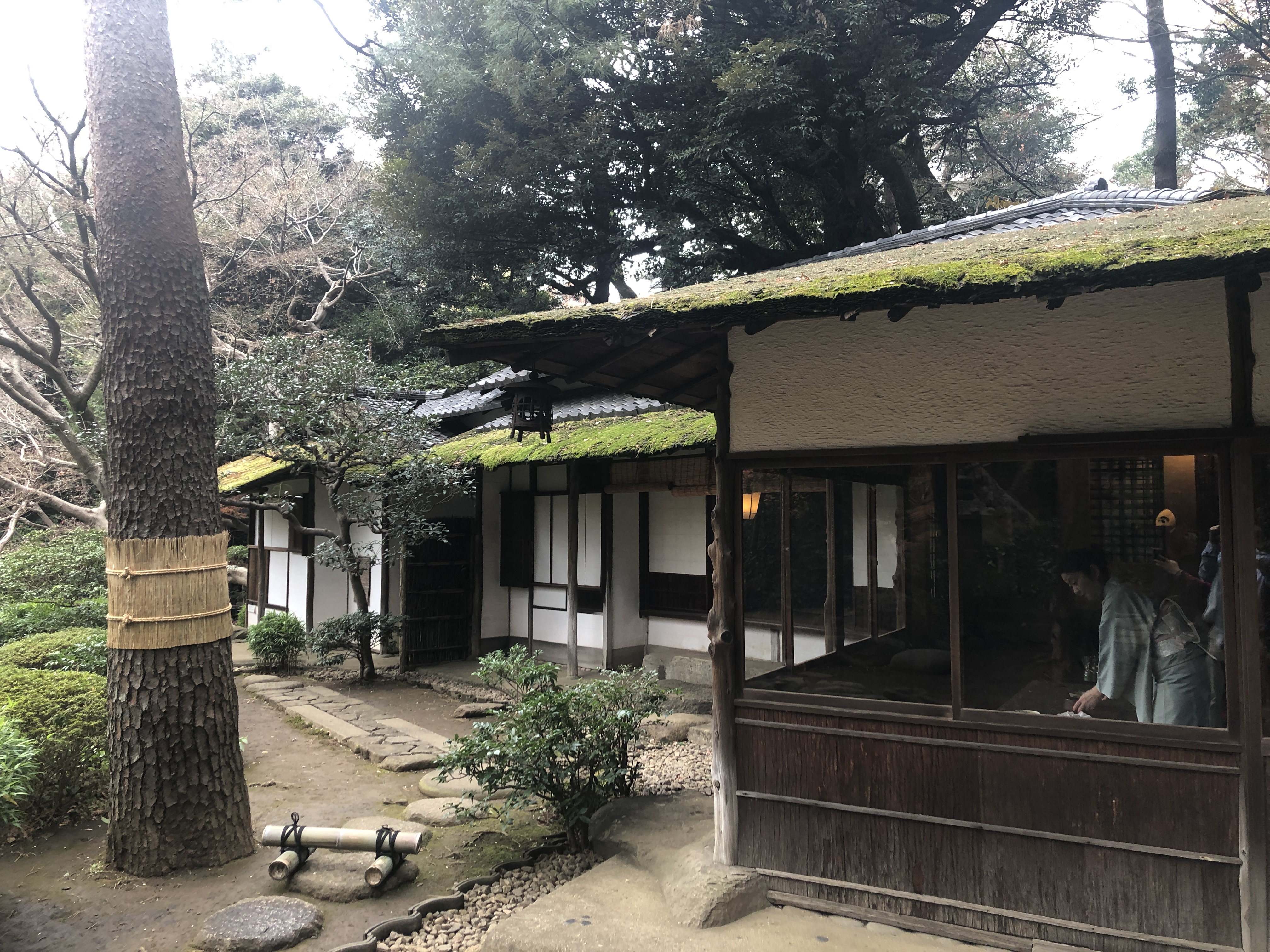
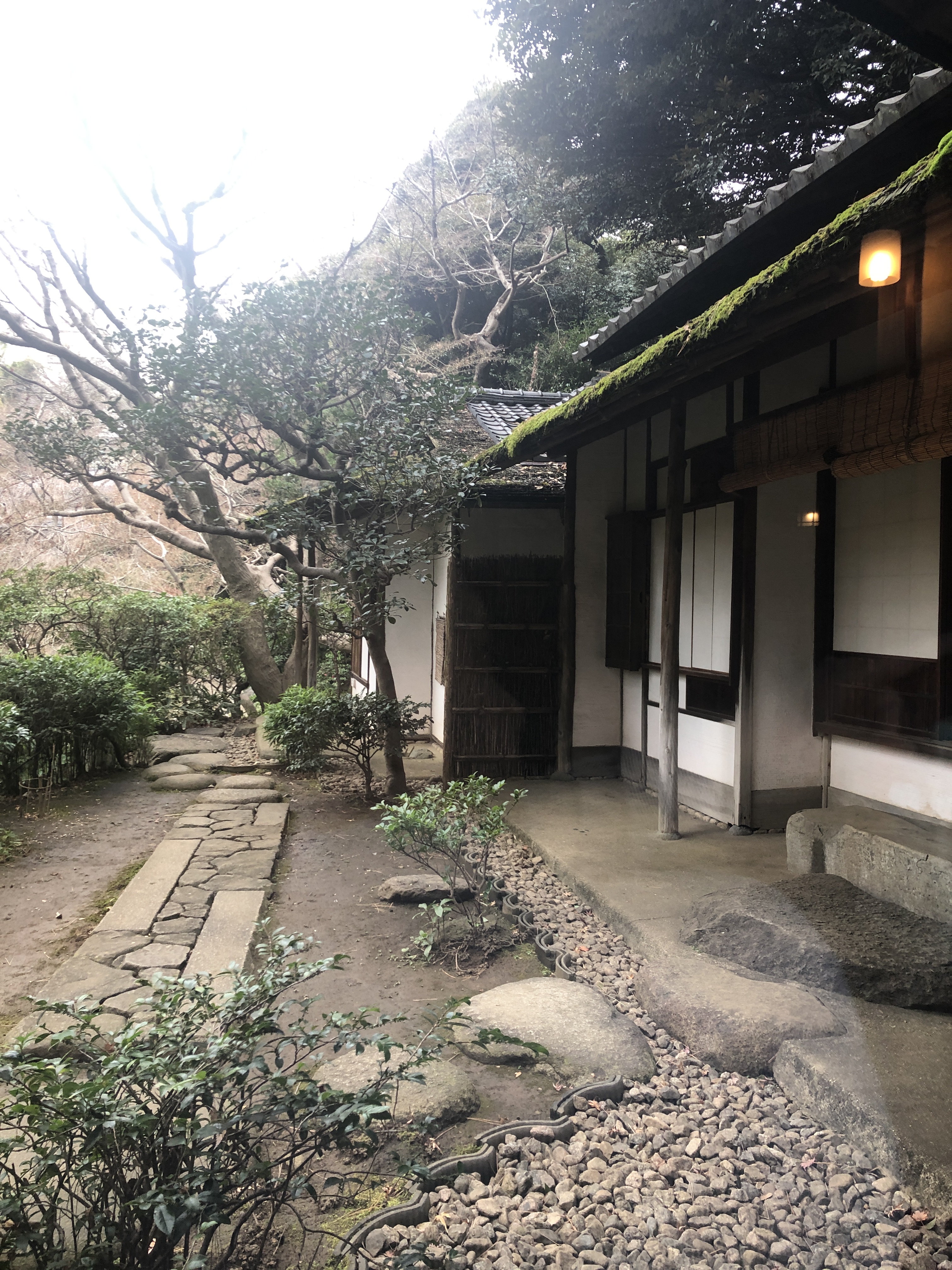
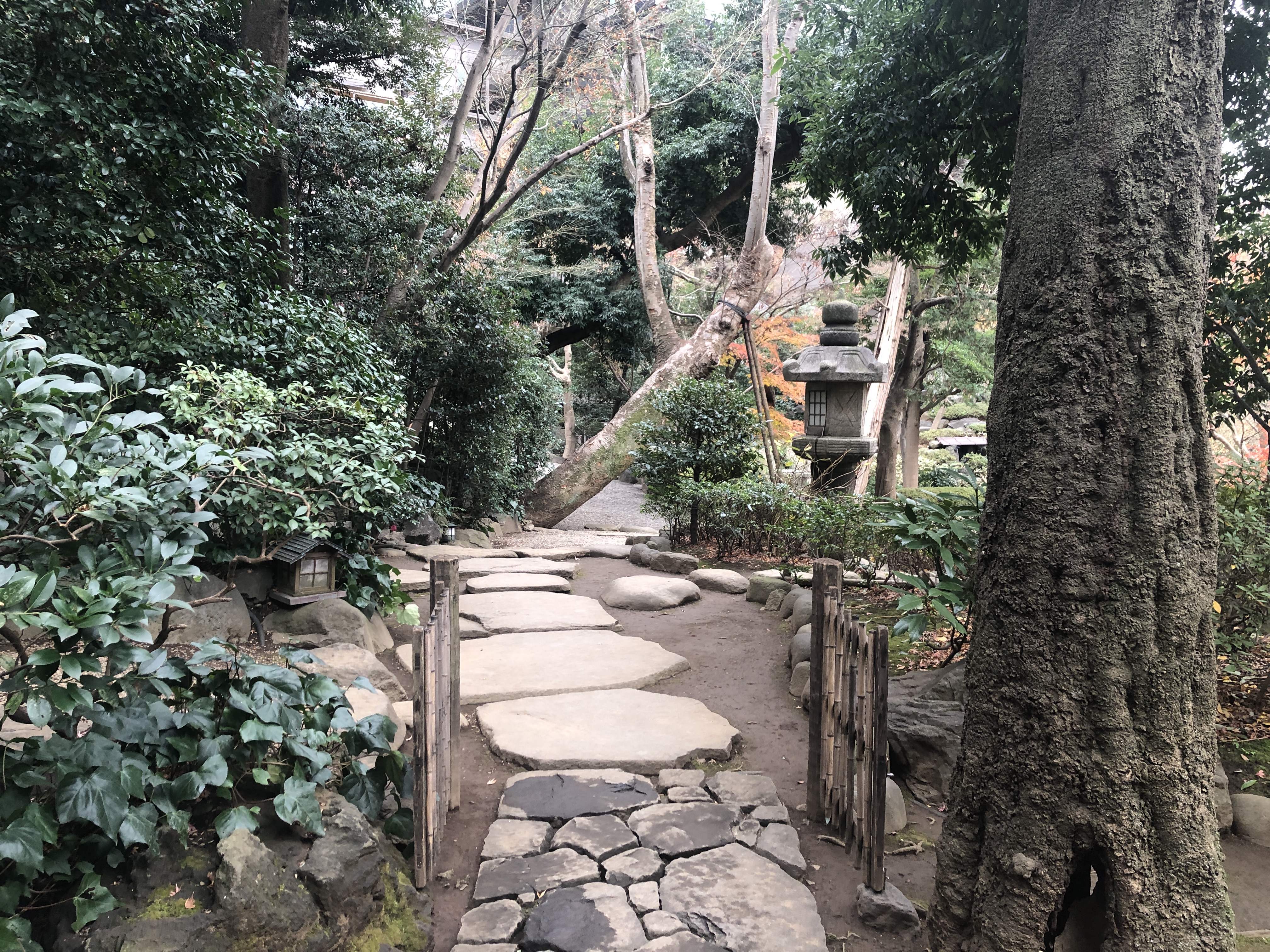
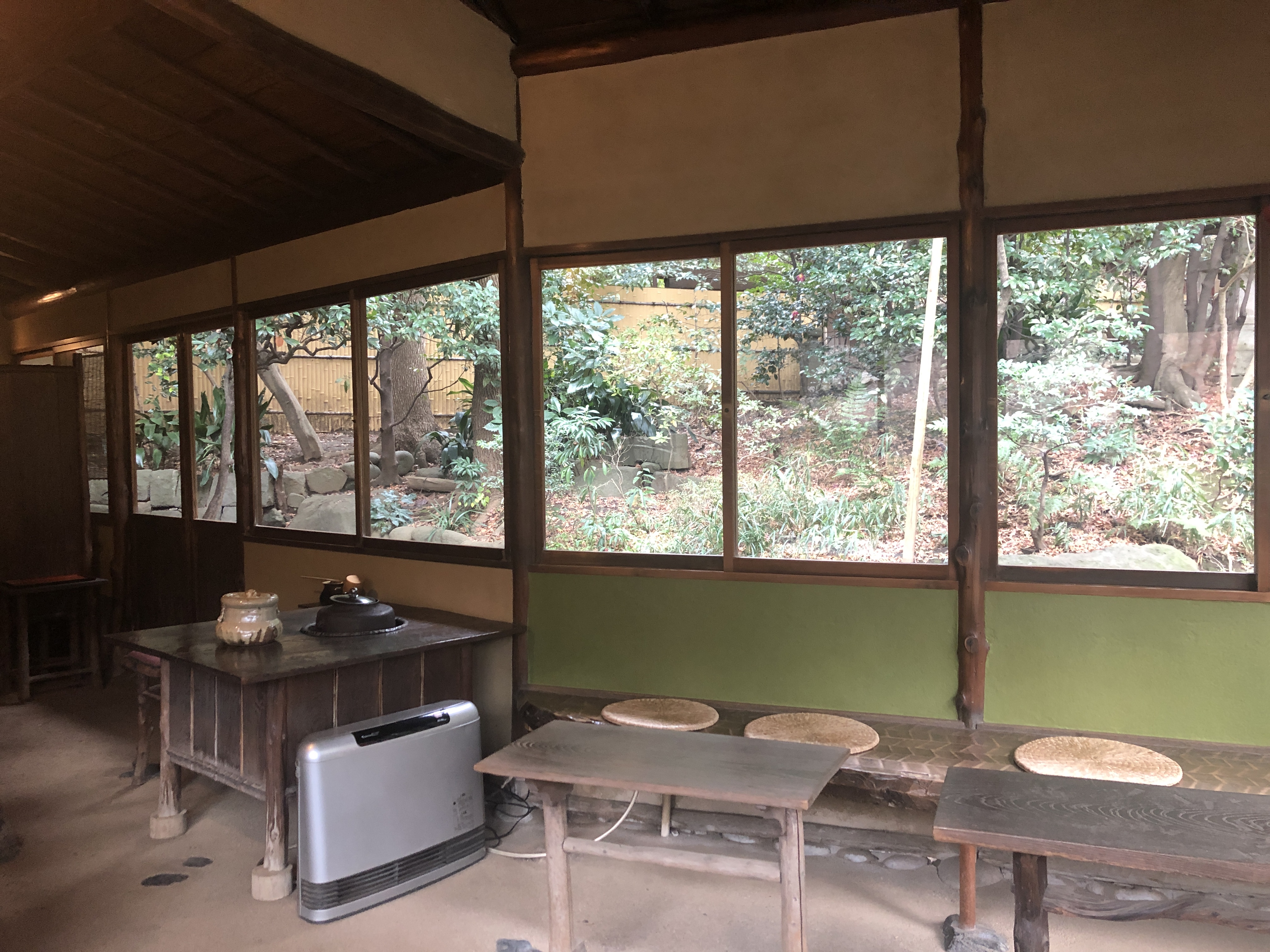
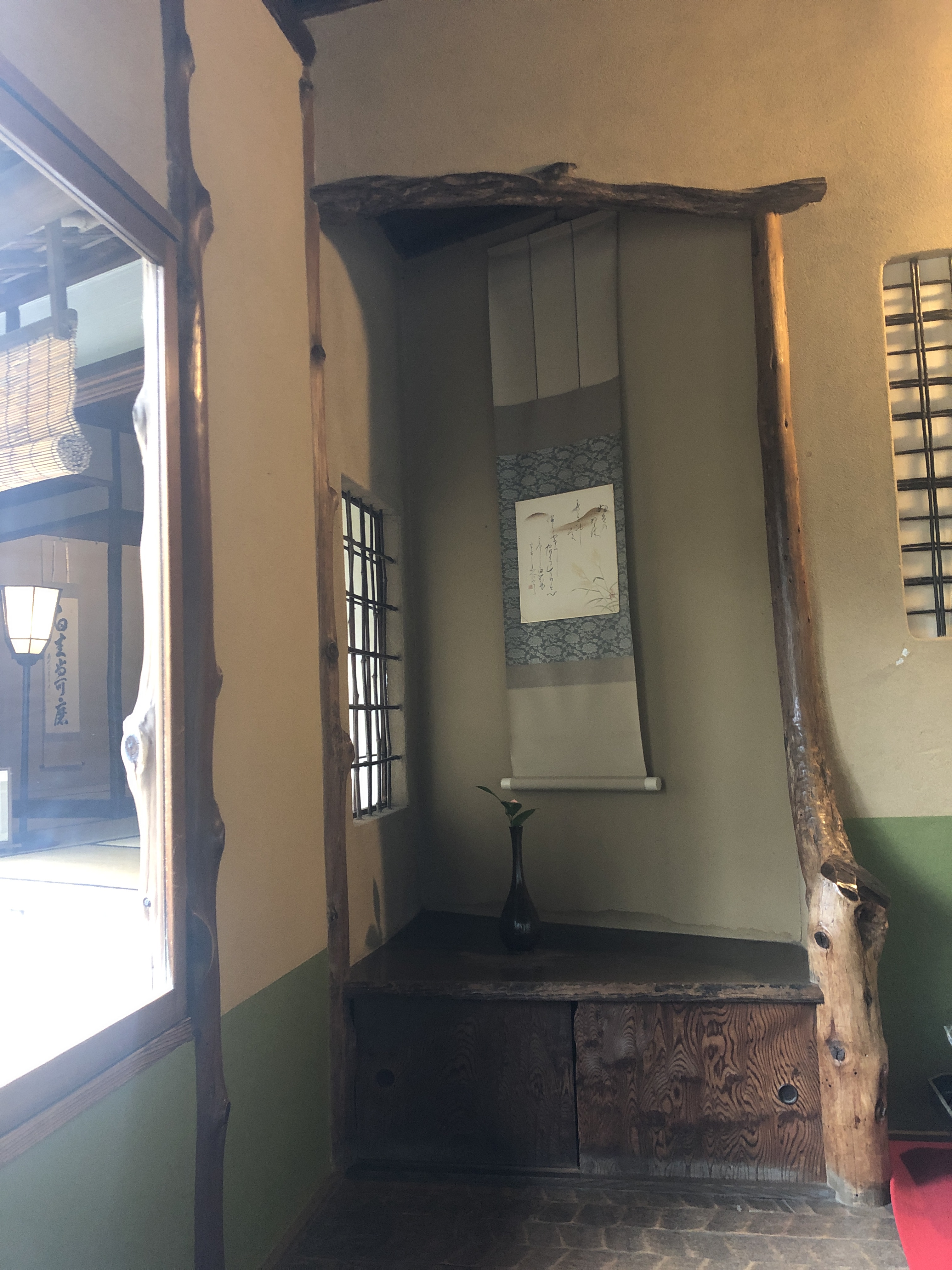
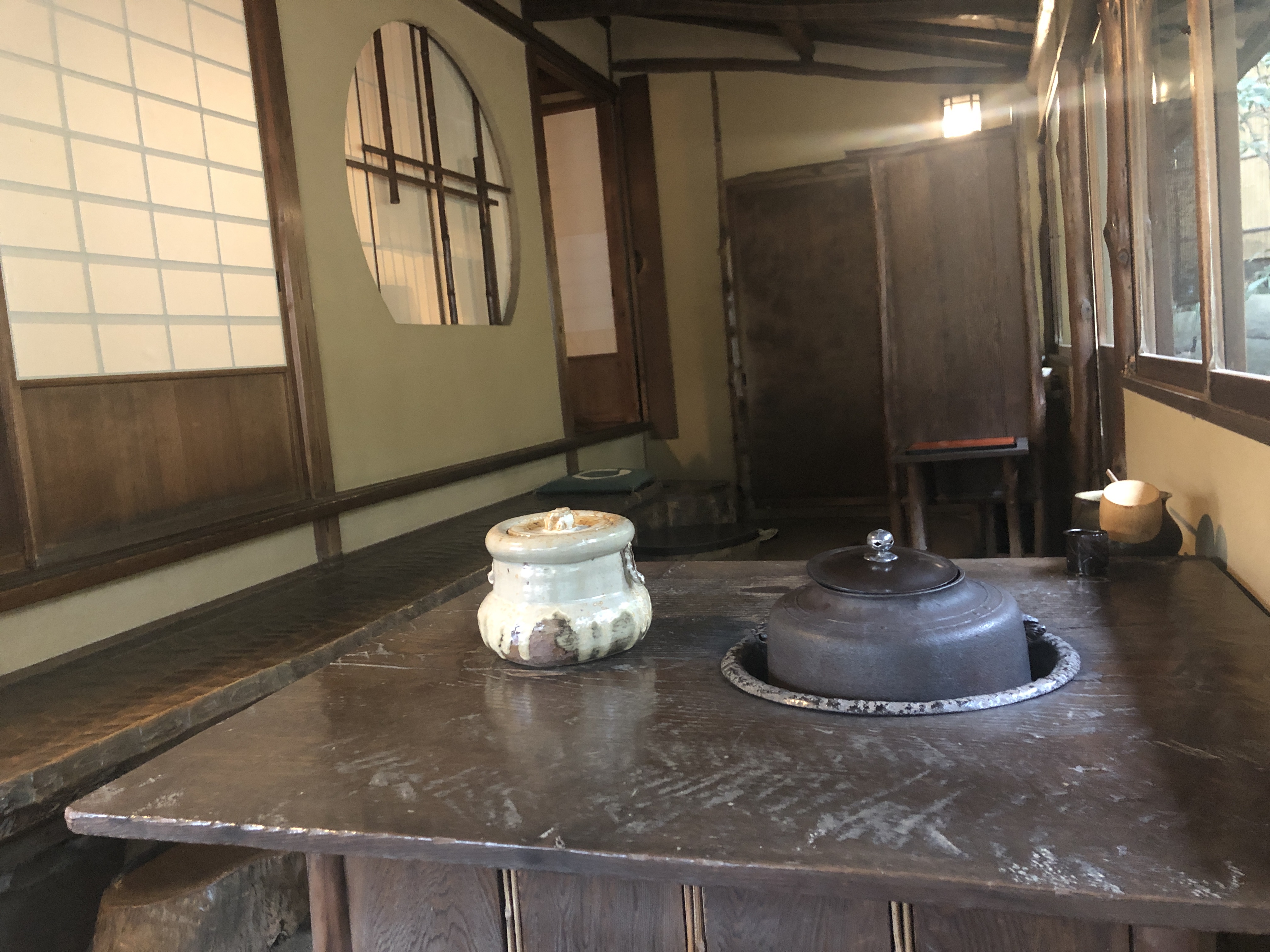
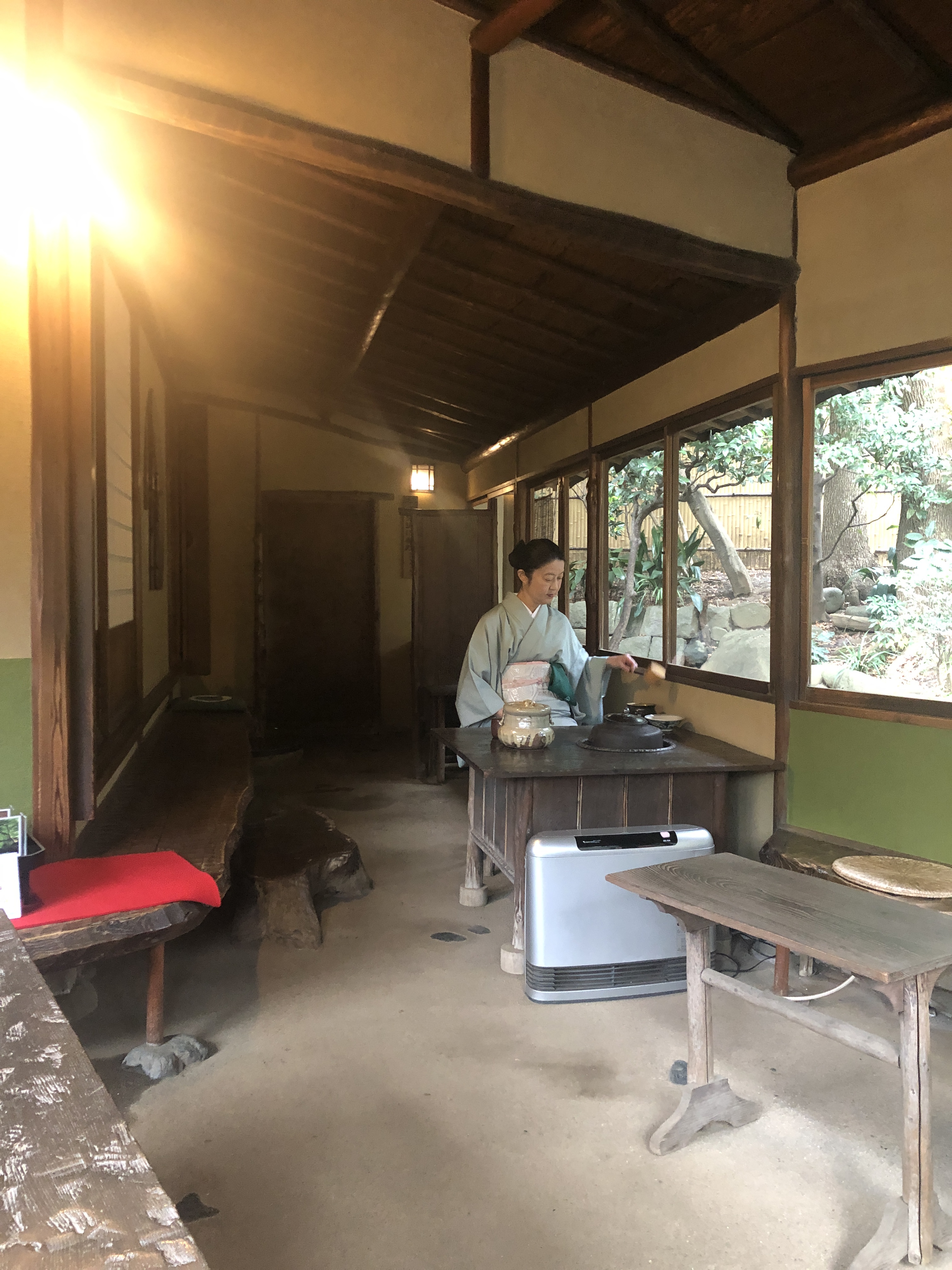
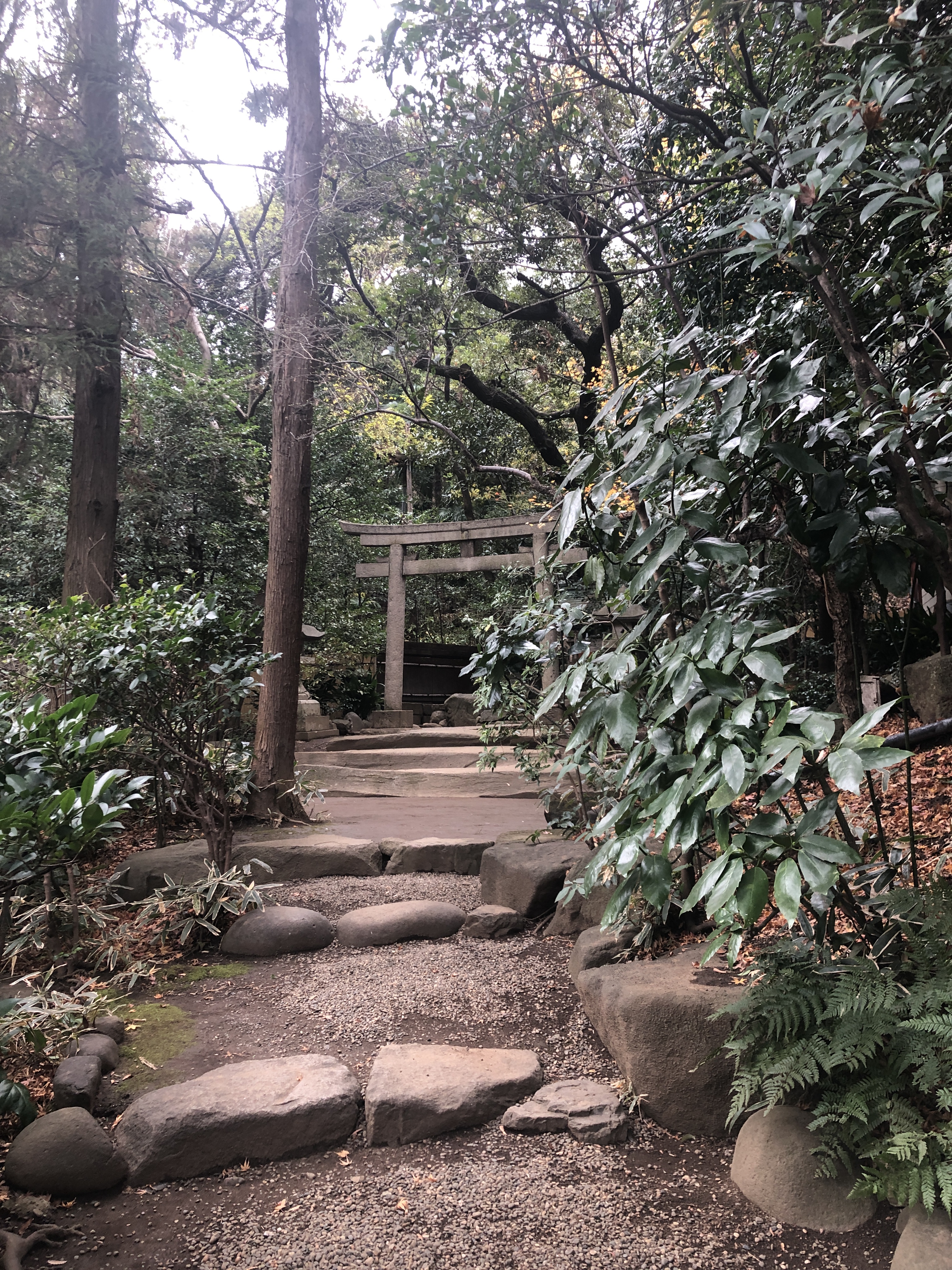
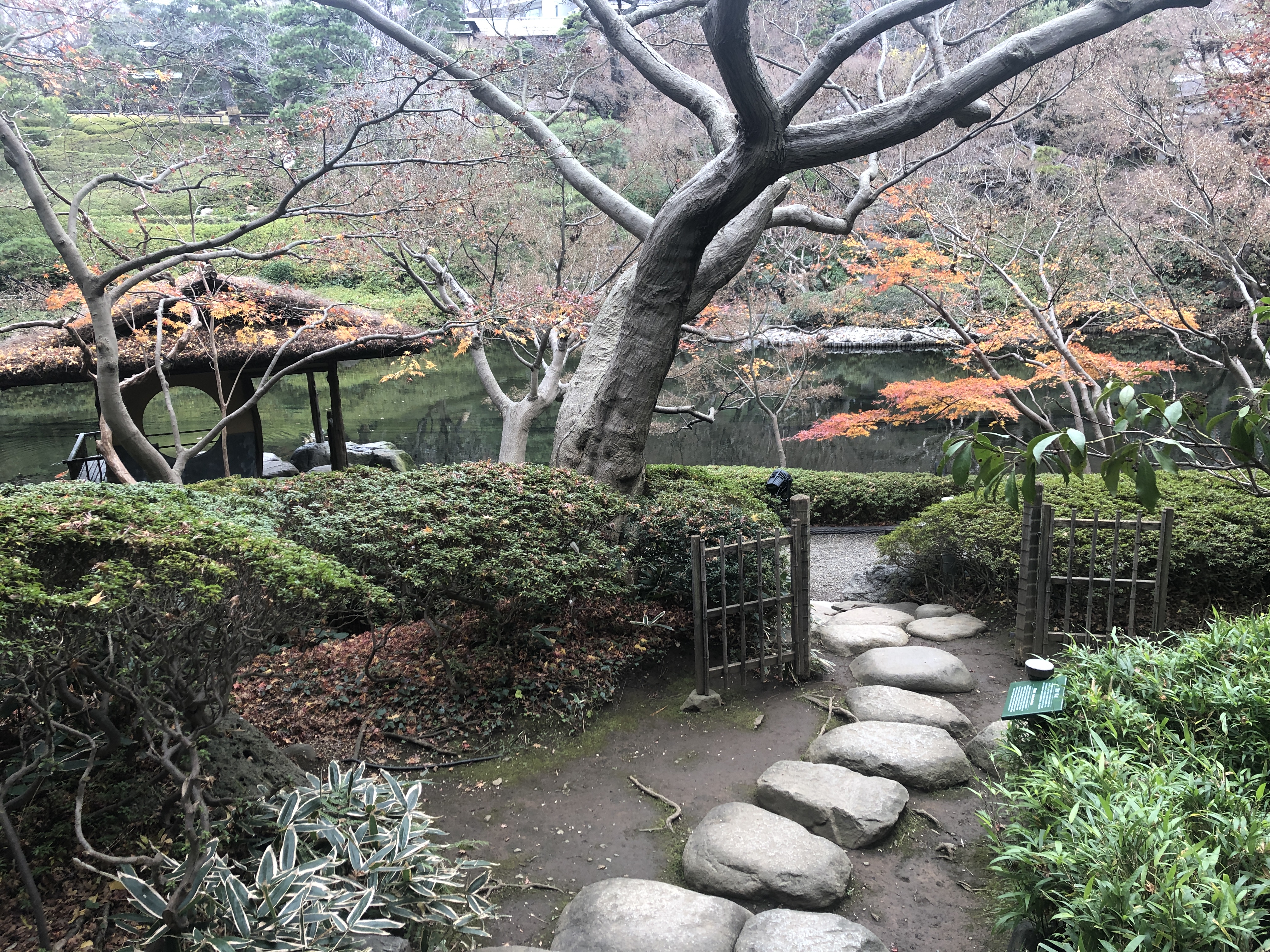
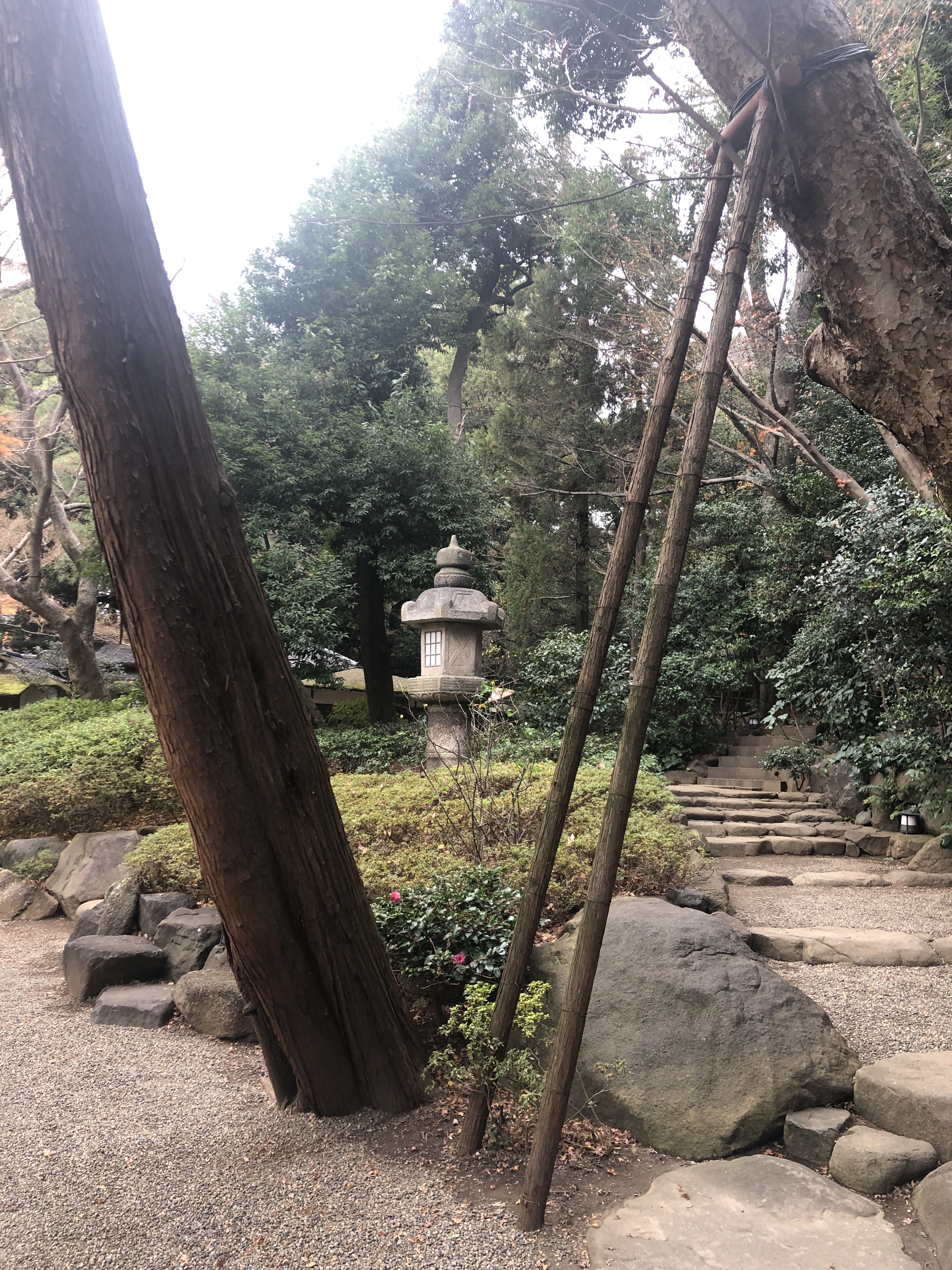
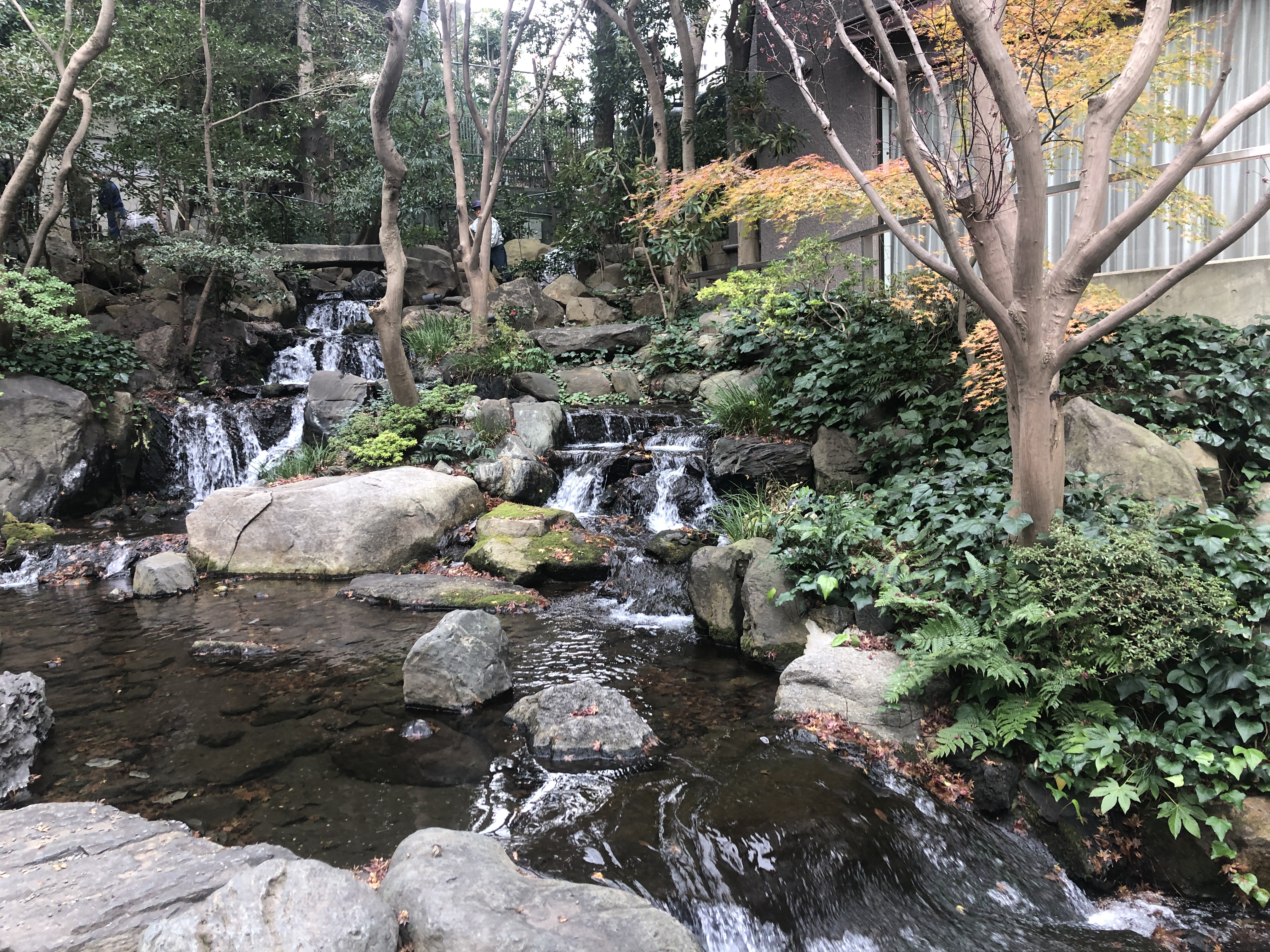
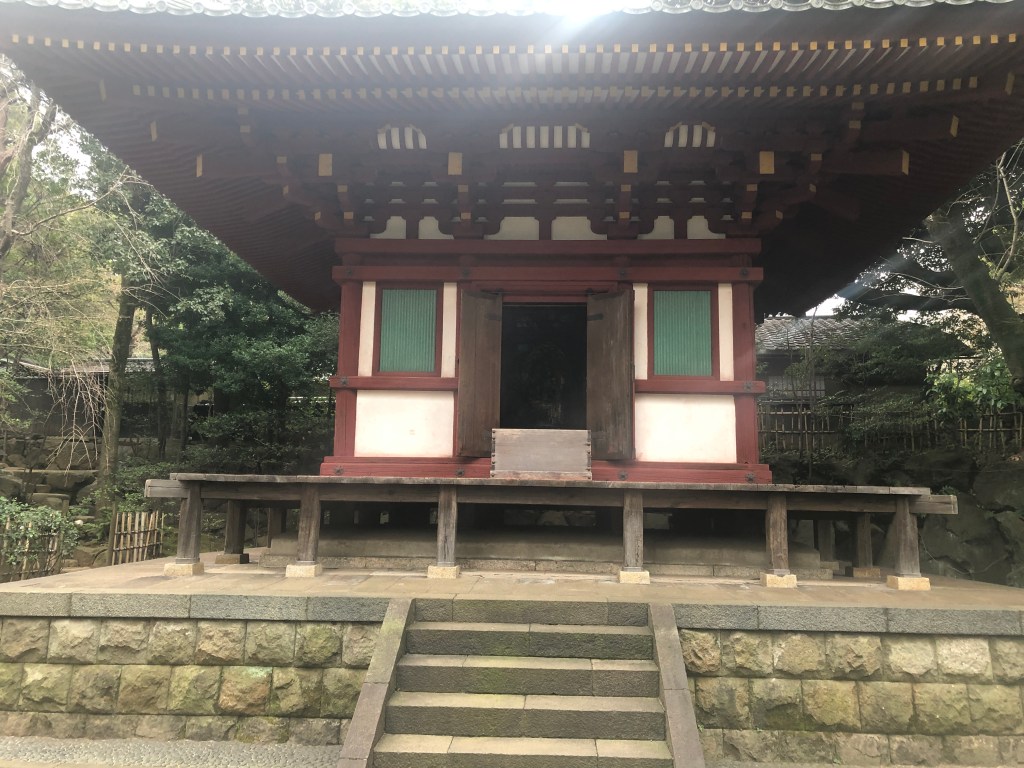
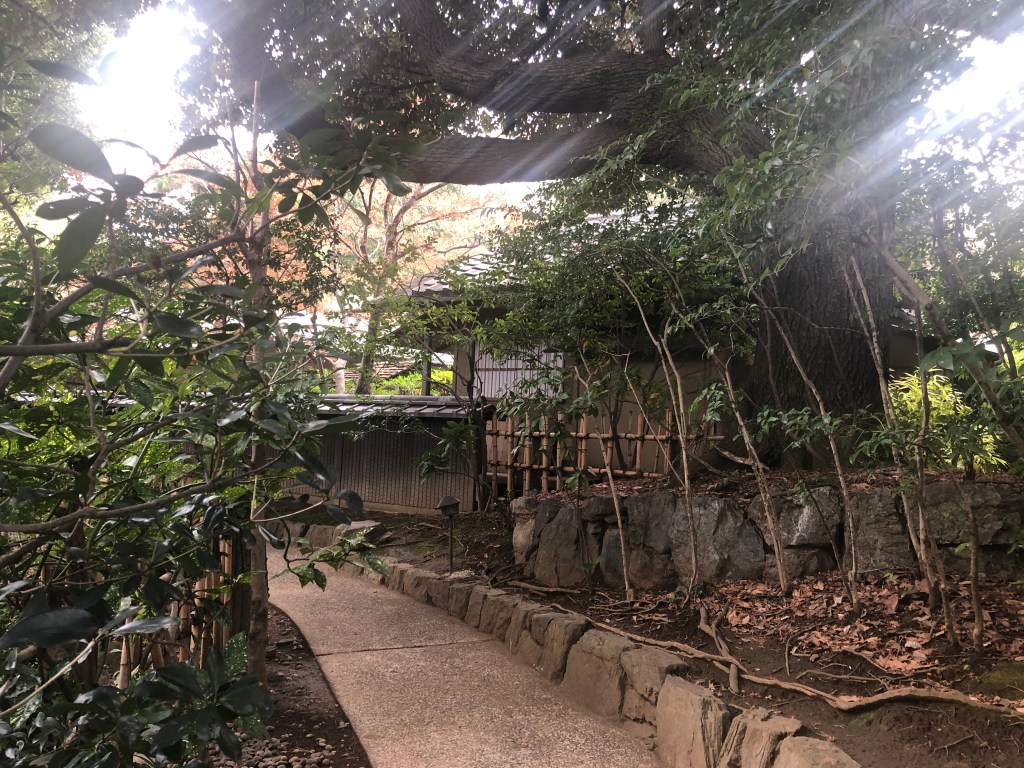
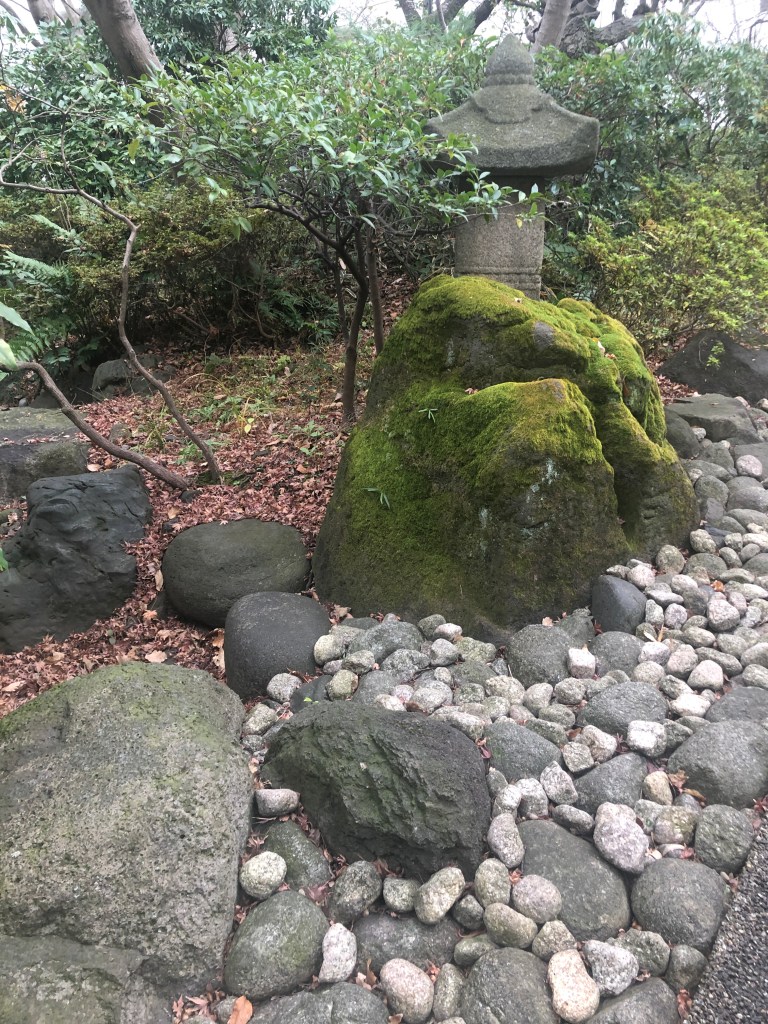
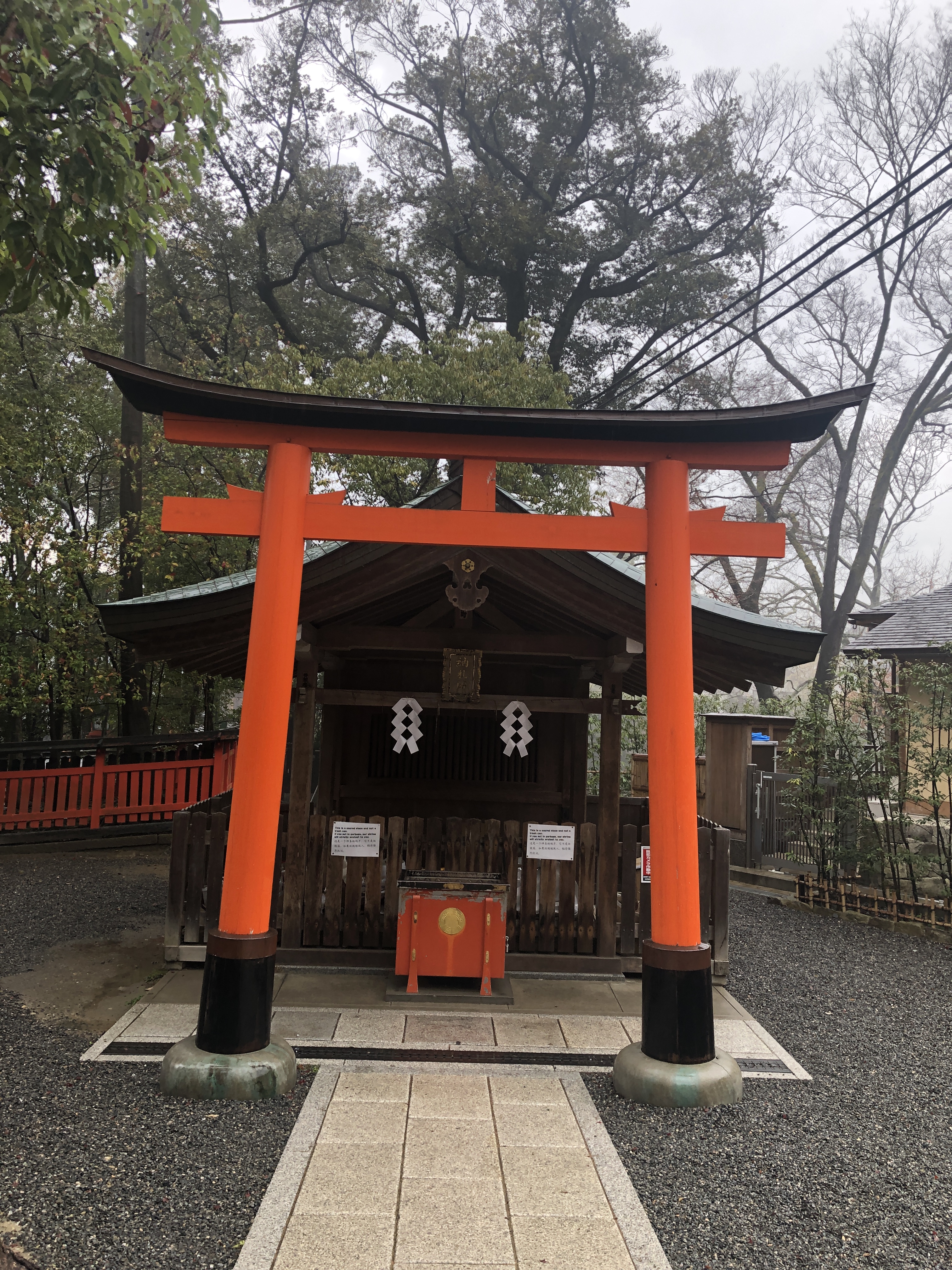
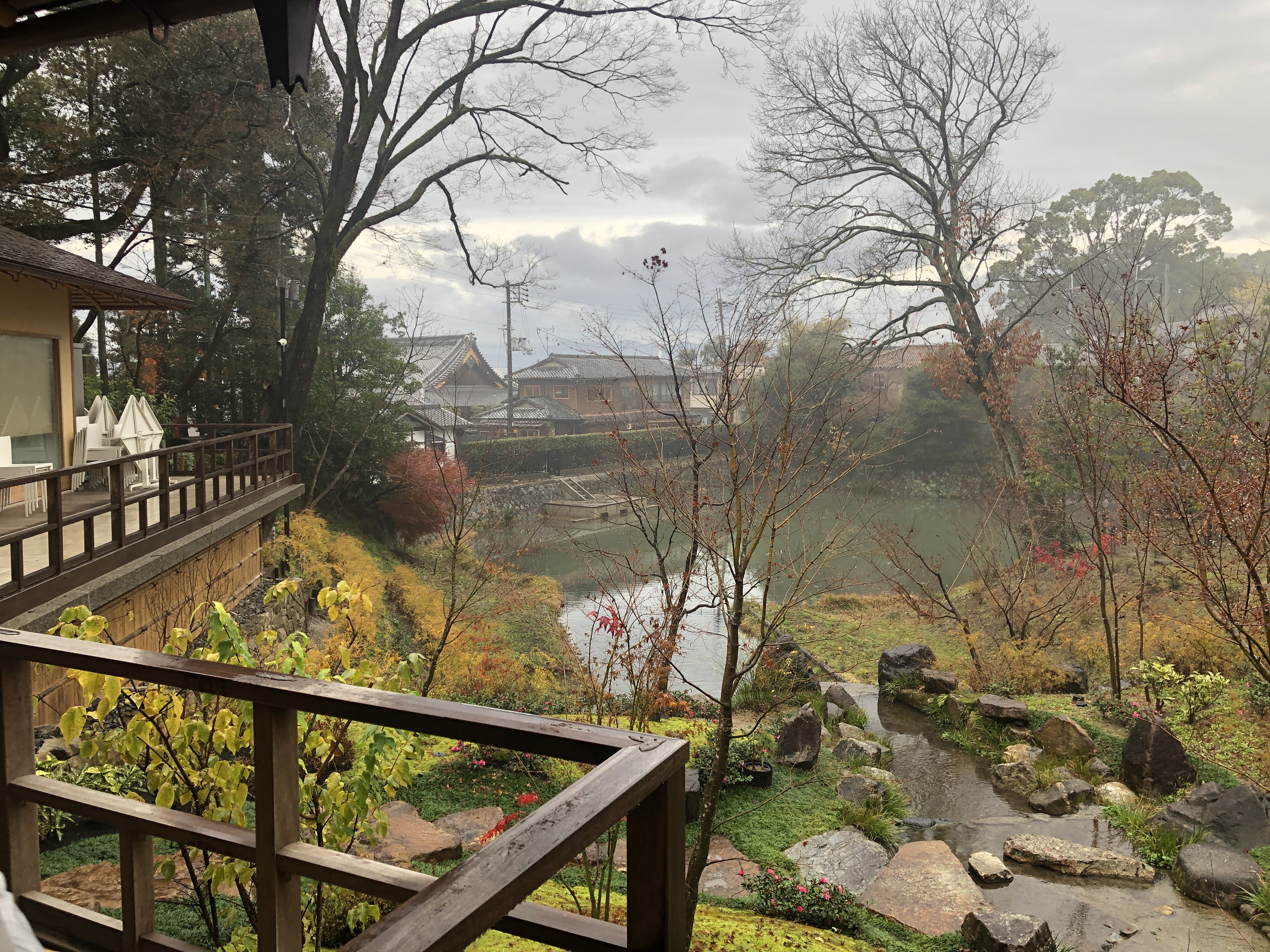
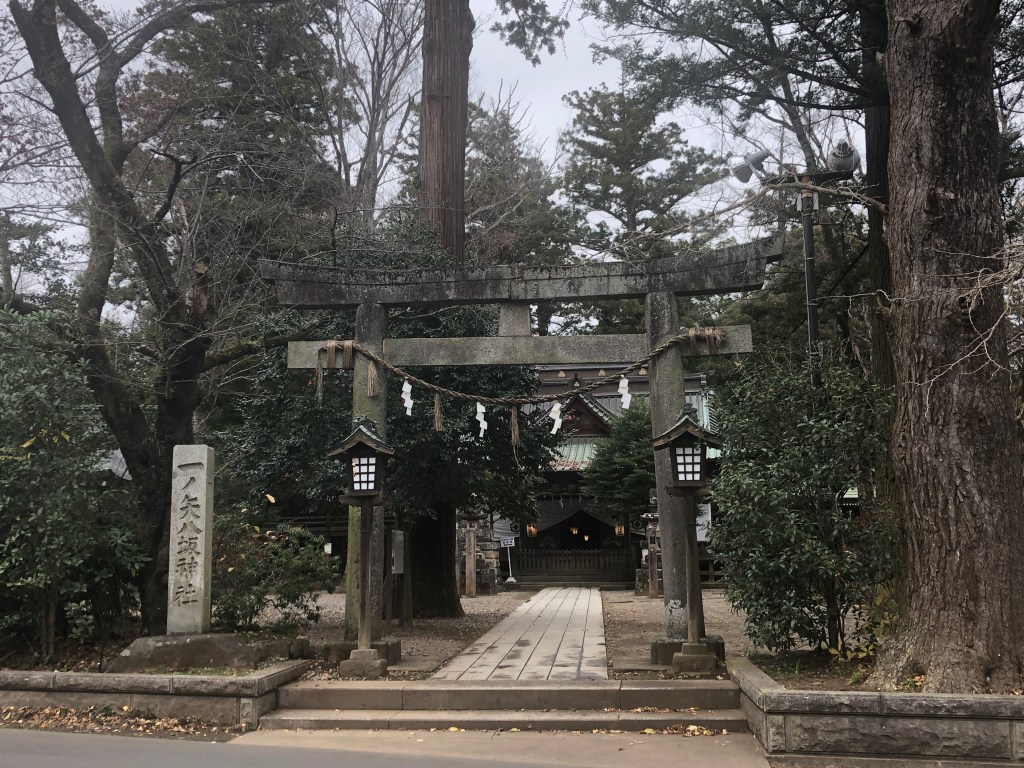
When we first arrived in Tokyo and set up at the hotel we were impressed with the Zen-like atmosphere right away. Outside was a stone garden along a small path. Later we discovered on the path a Shinto shrine with a nearby tea house on the hotel property. This is a good place to begin, as Shinto, the worship of nature spirits called kami, is the native religion of Japan.
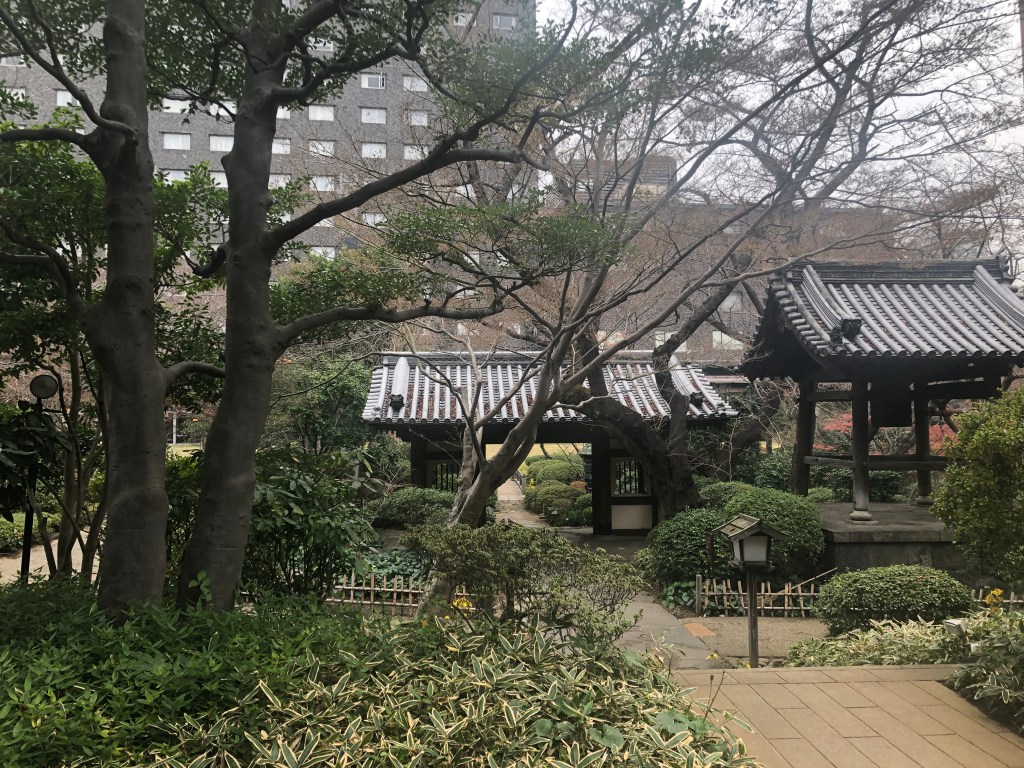
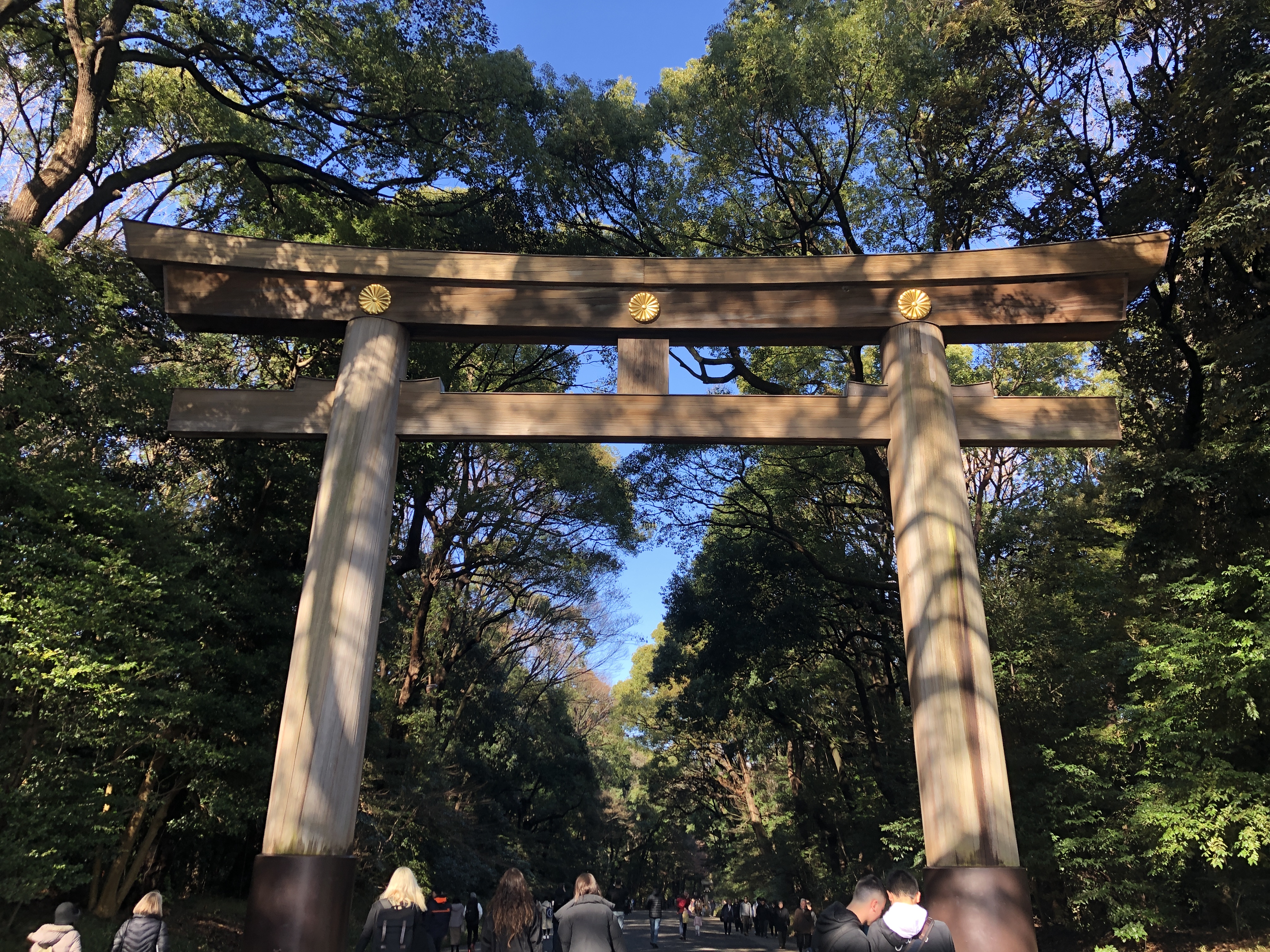
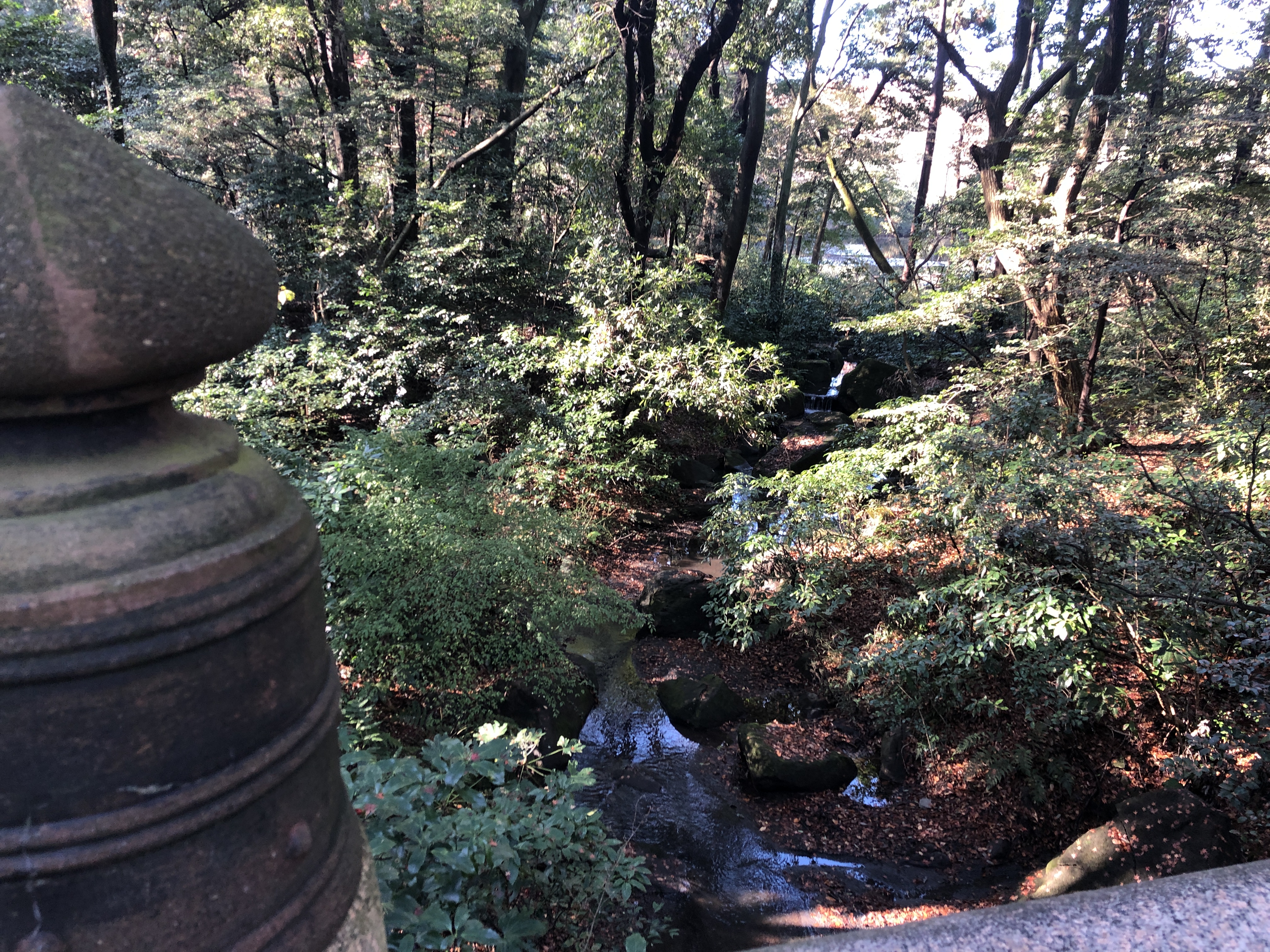
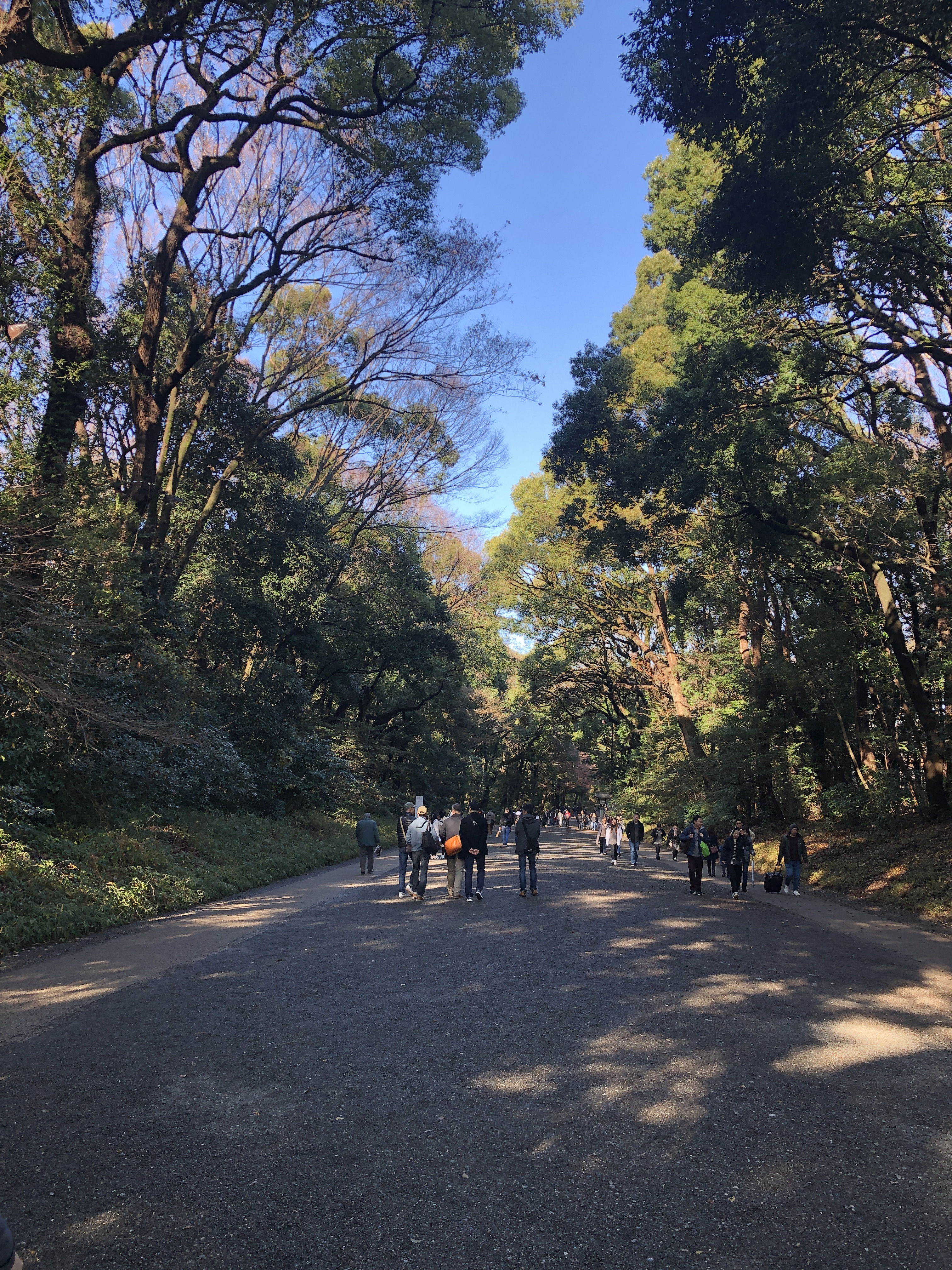
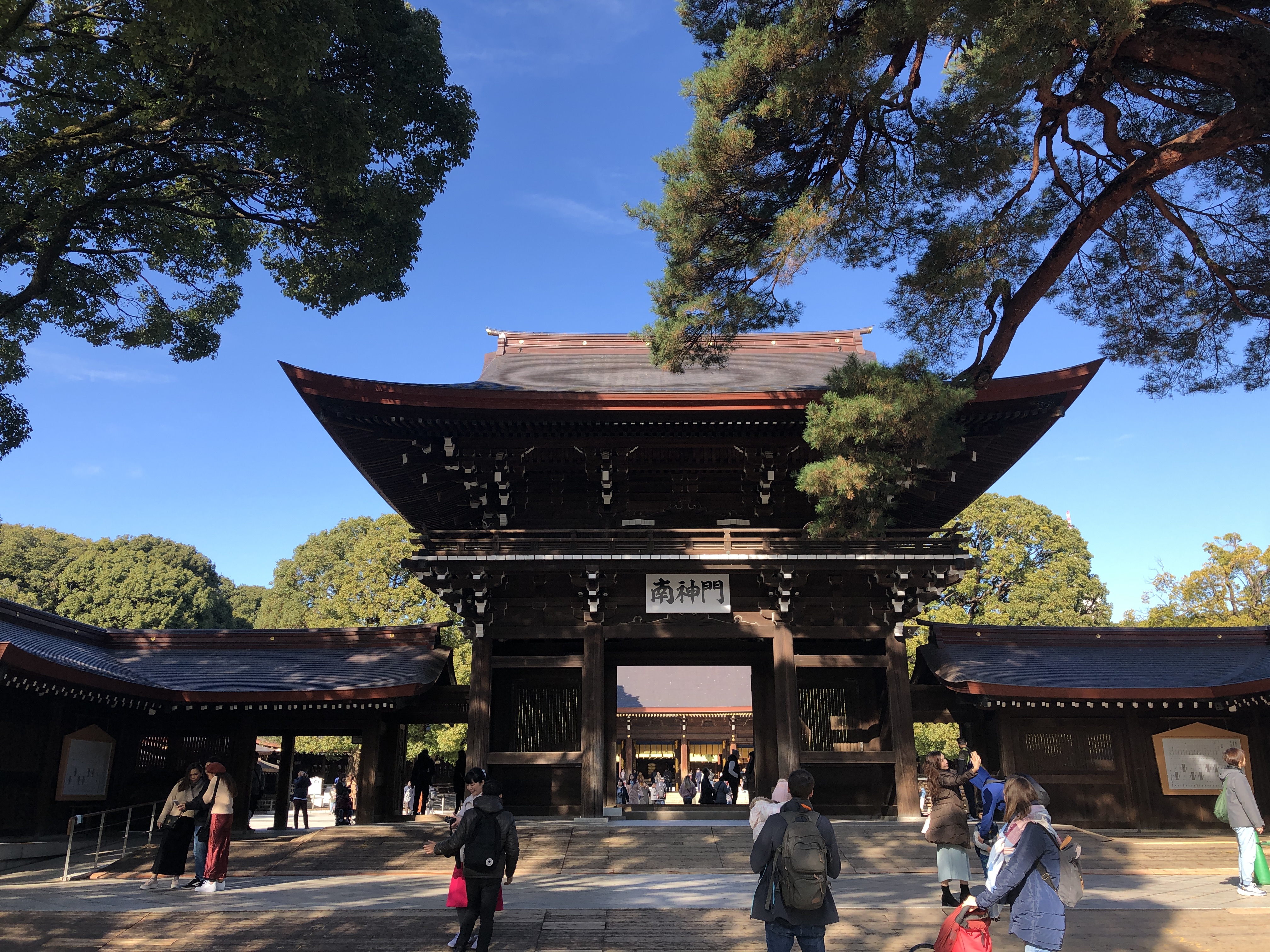
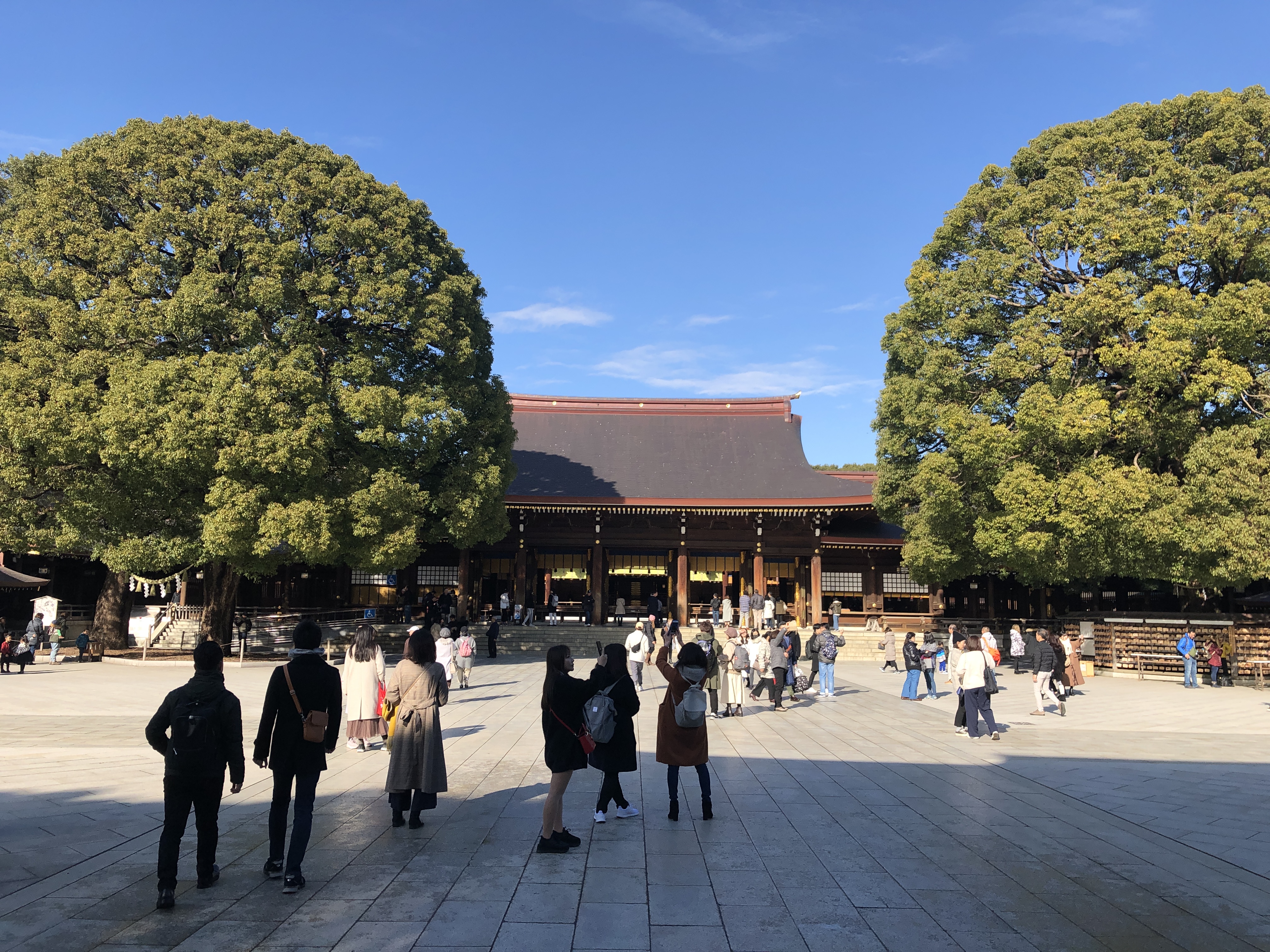
Although there are many worthy shrines throughout Japan, the greatest shrine in Tokyo is the grand Meiji Shrine in Shibuya dedicated to Emperor Meiji and Empress Shōken. The shrine was envisioned by the government after the death of the emperor in 1912. The shrine was constructed within a 170 acre evergreen forest from 1915-1926.
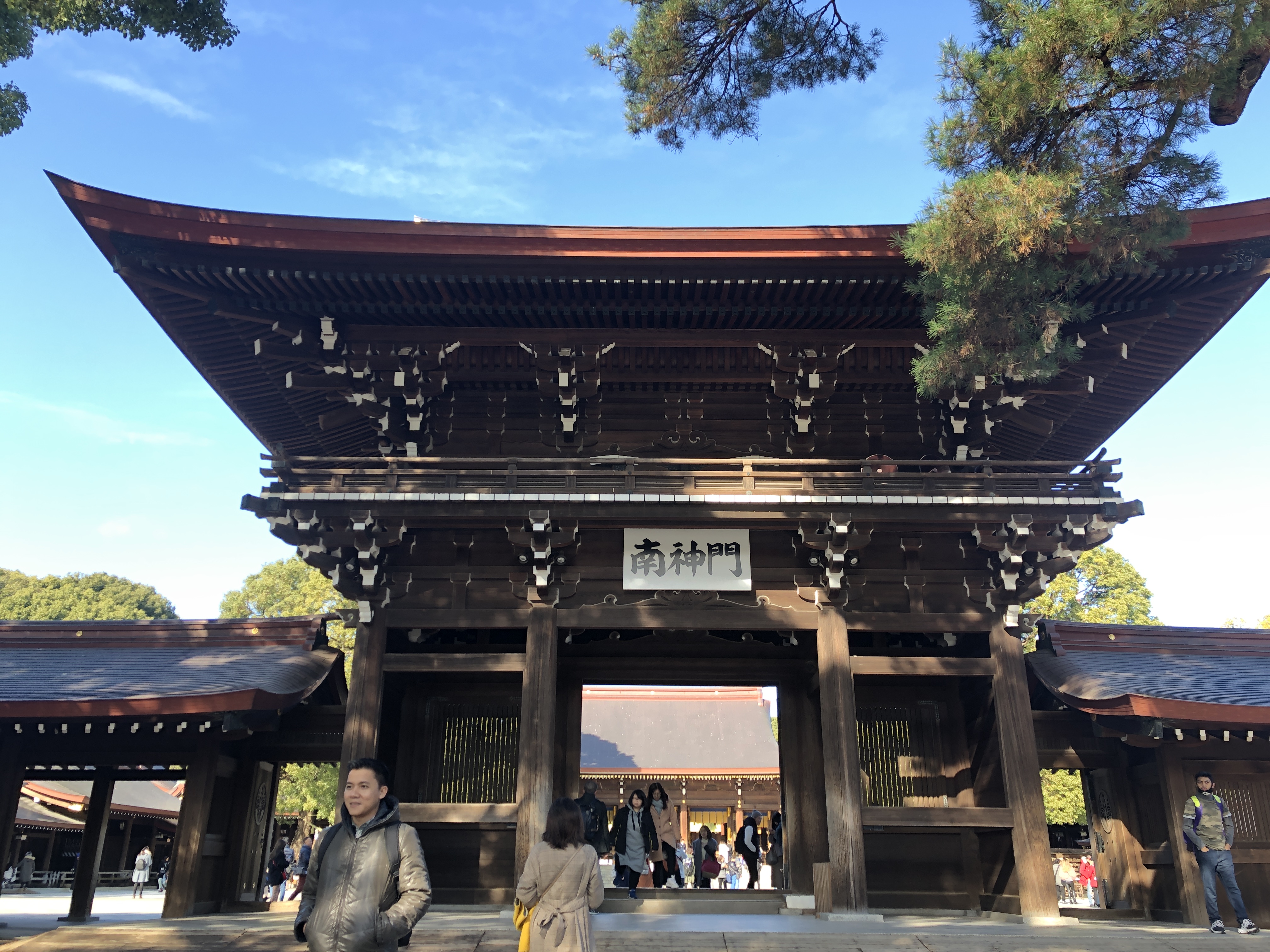
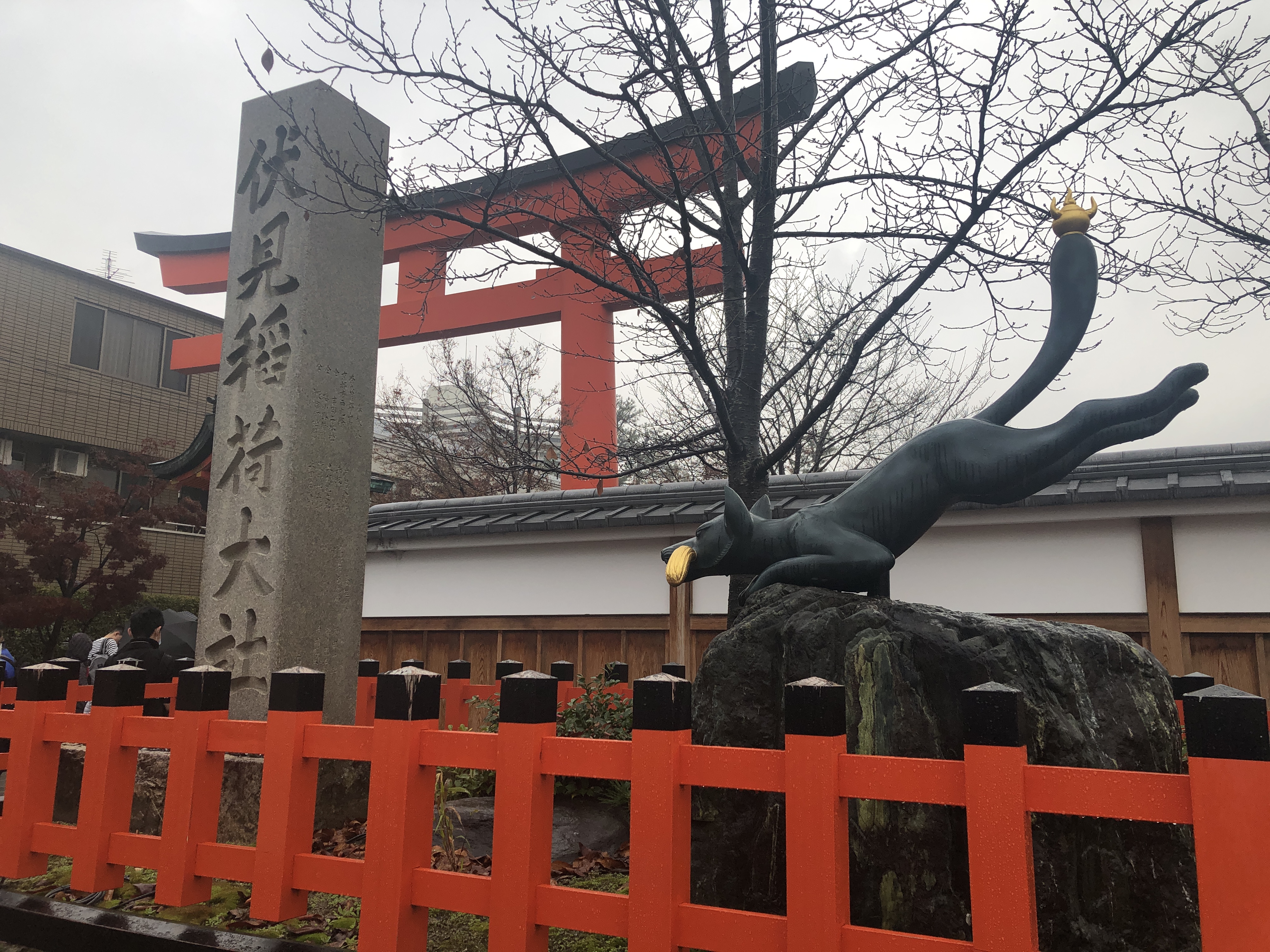
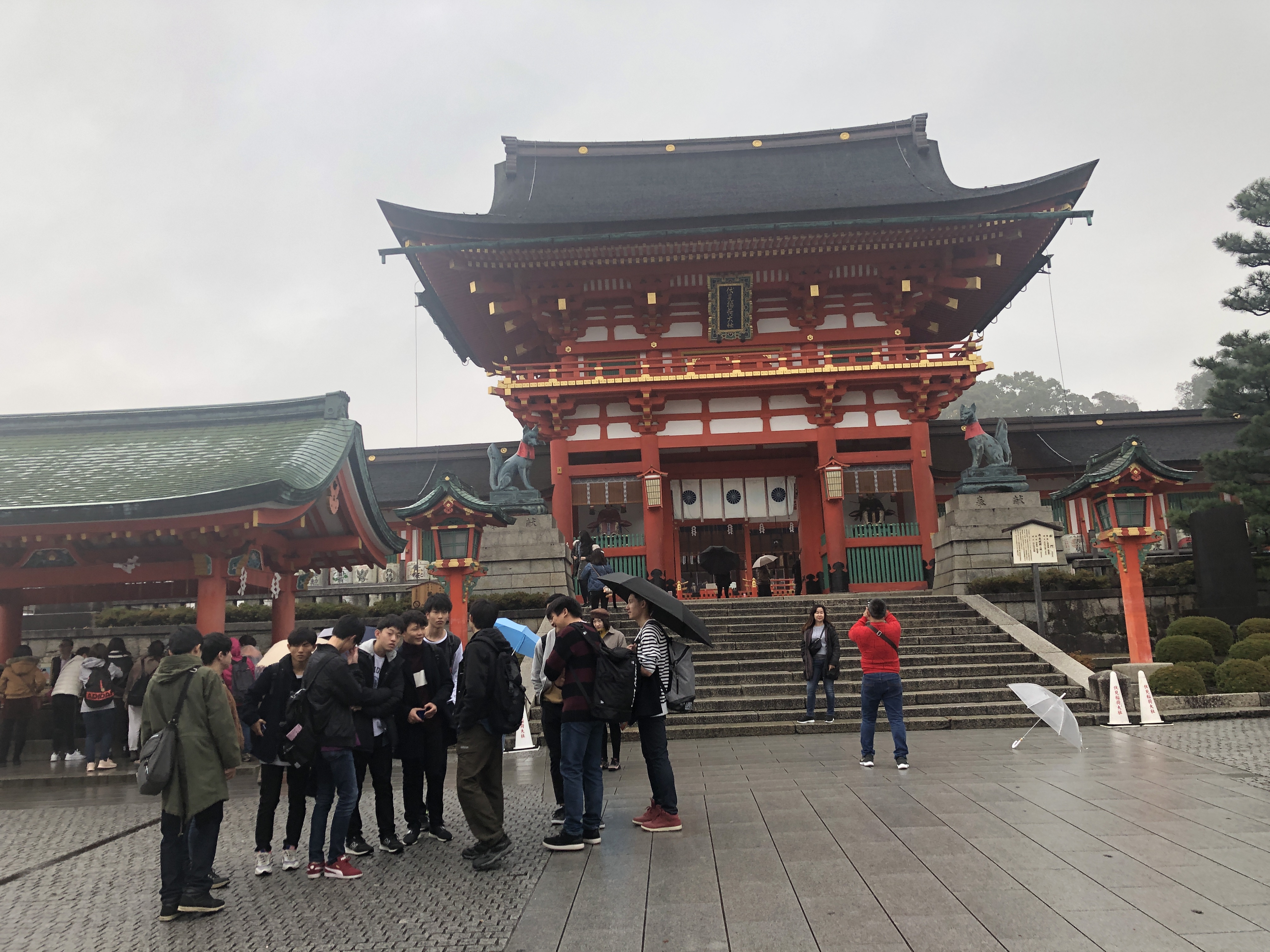
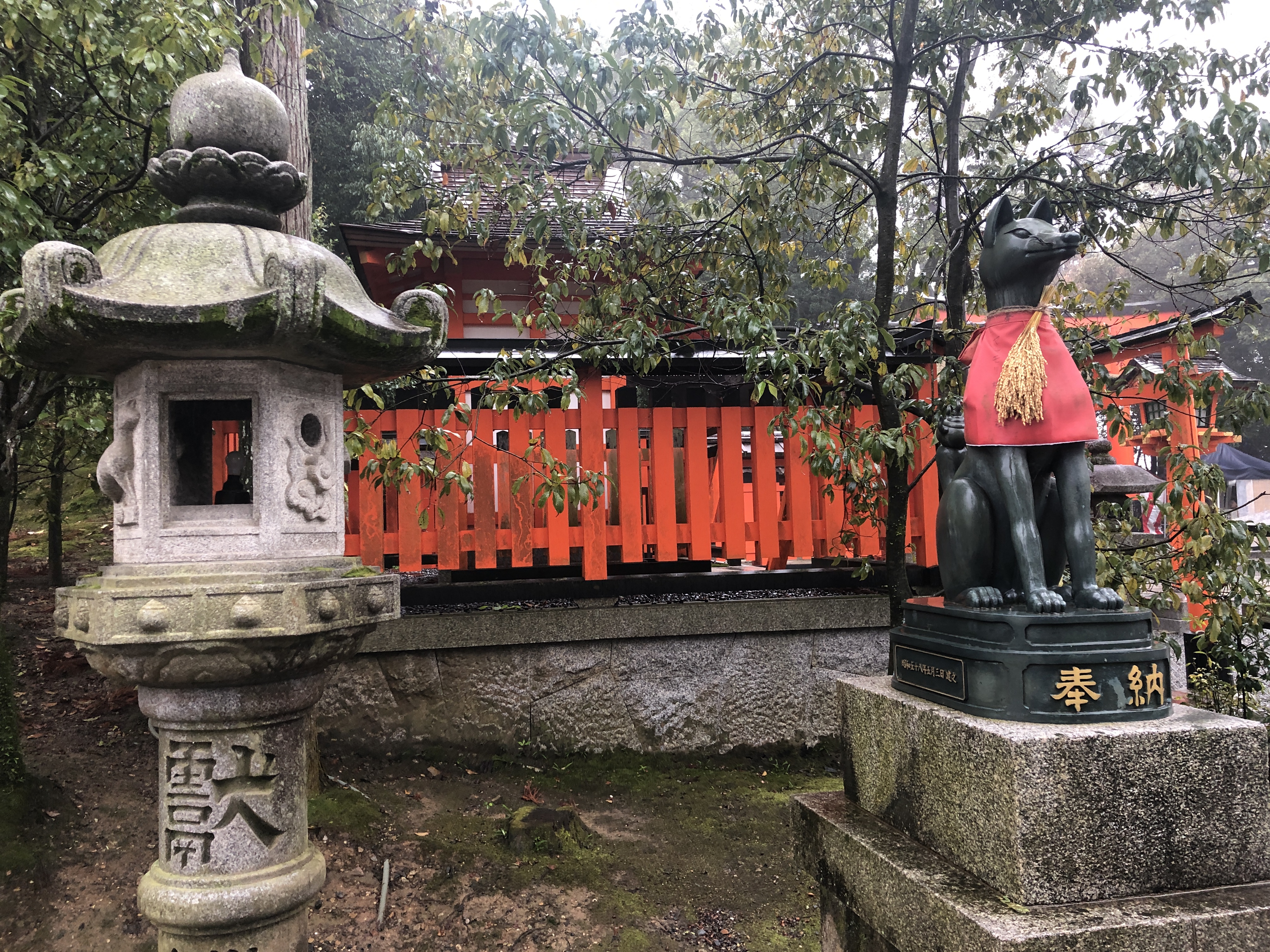
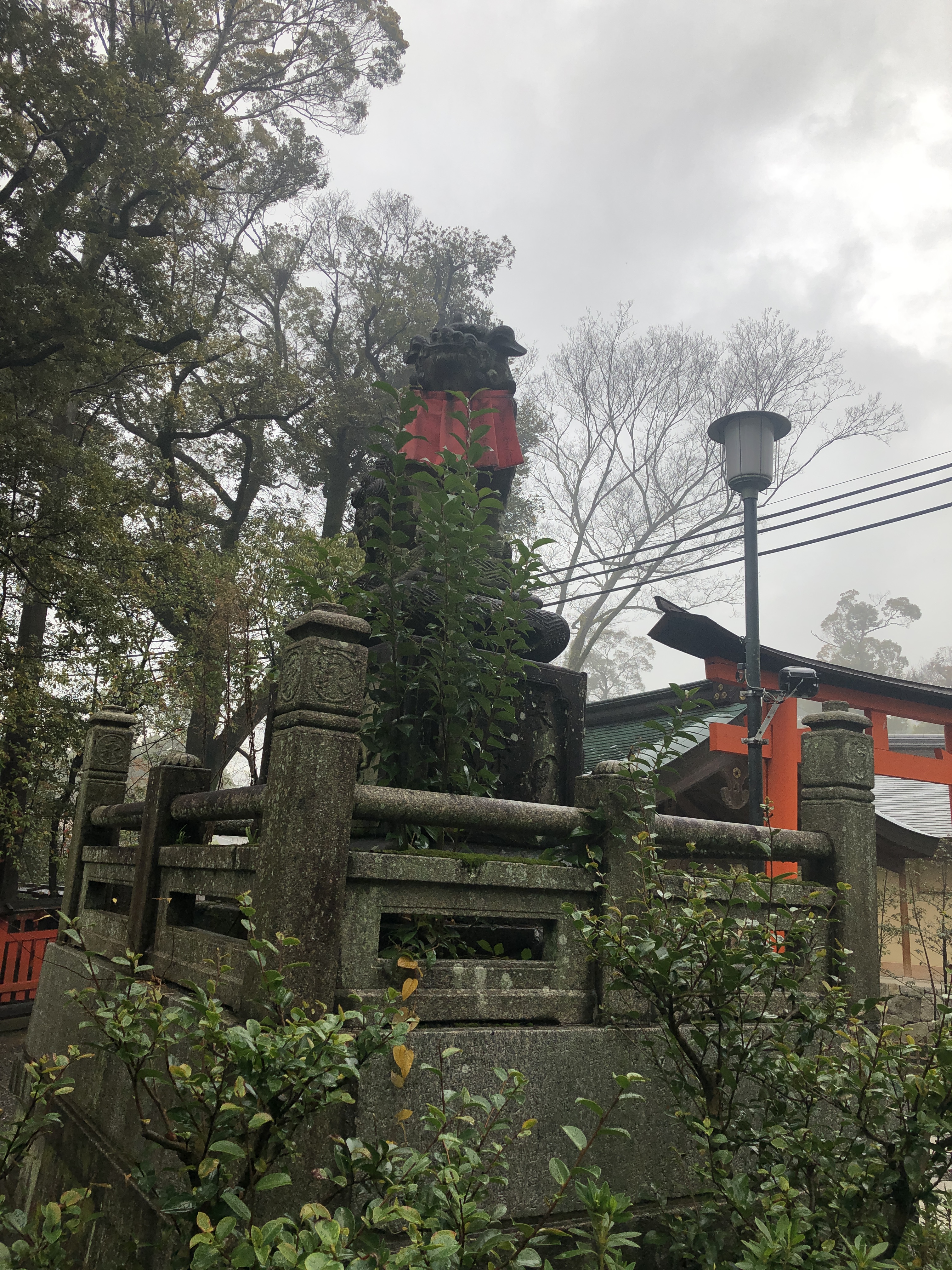
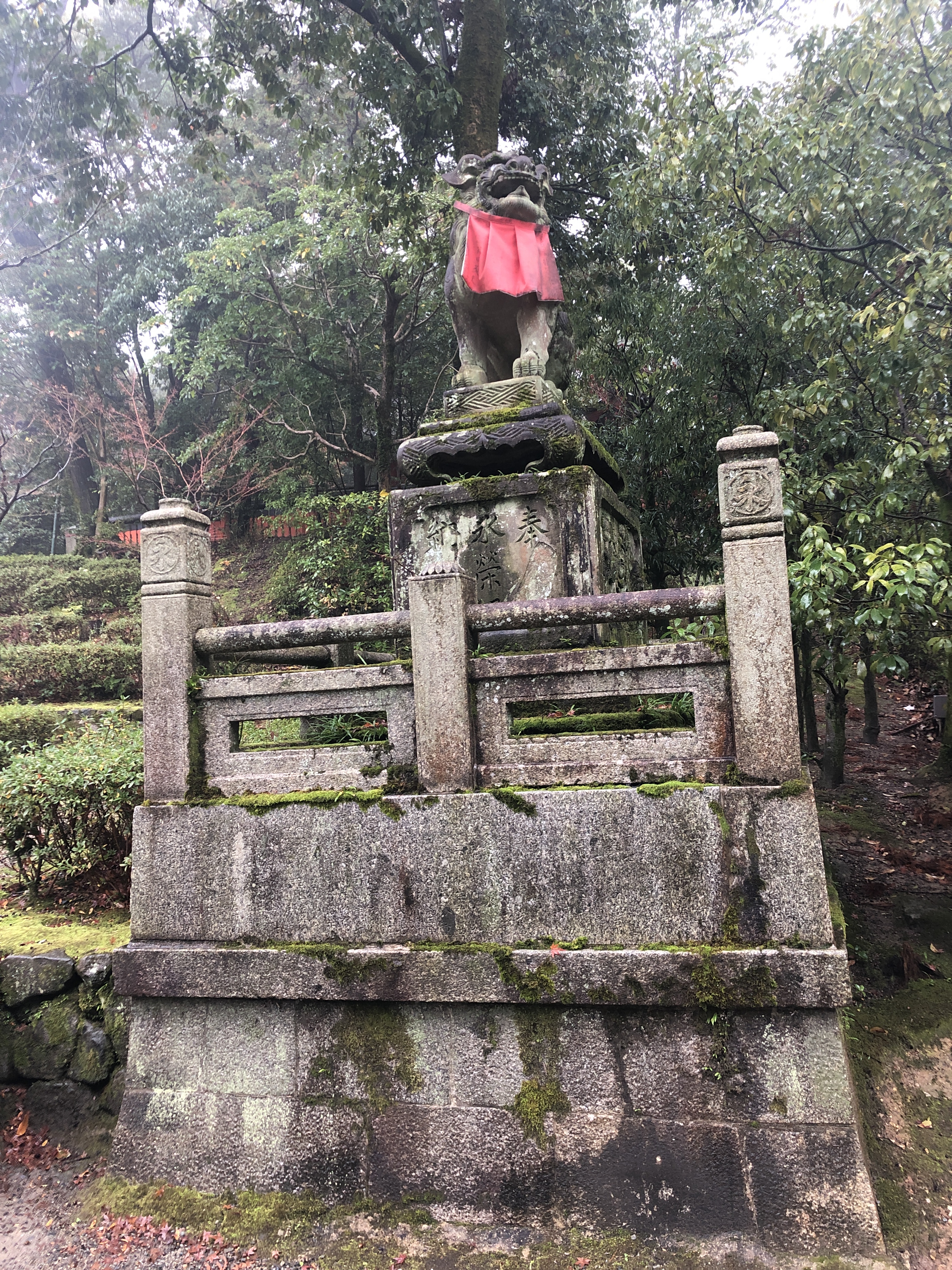
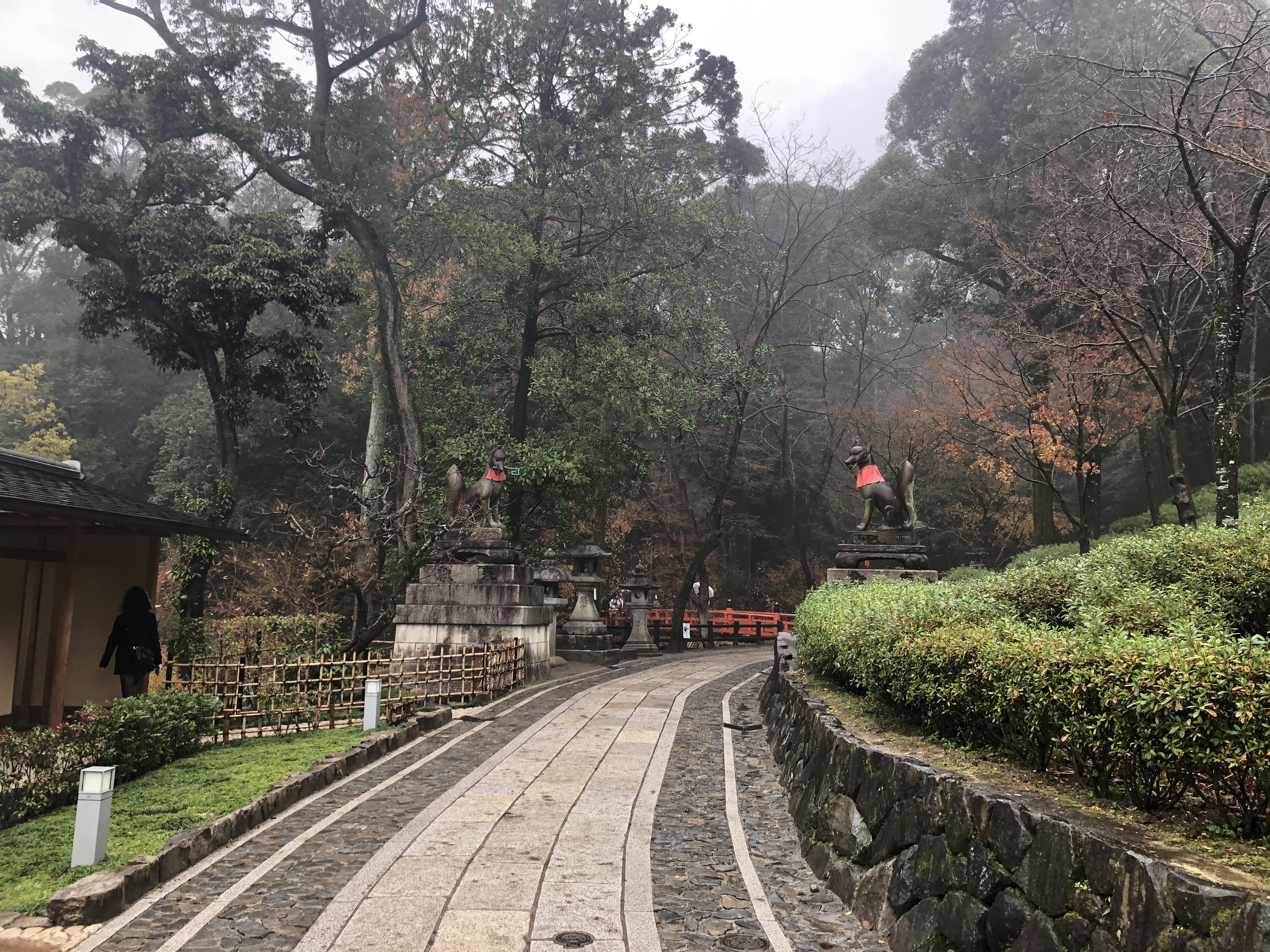
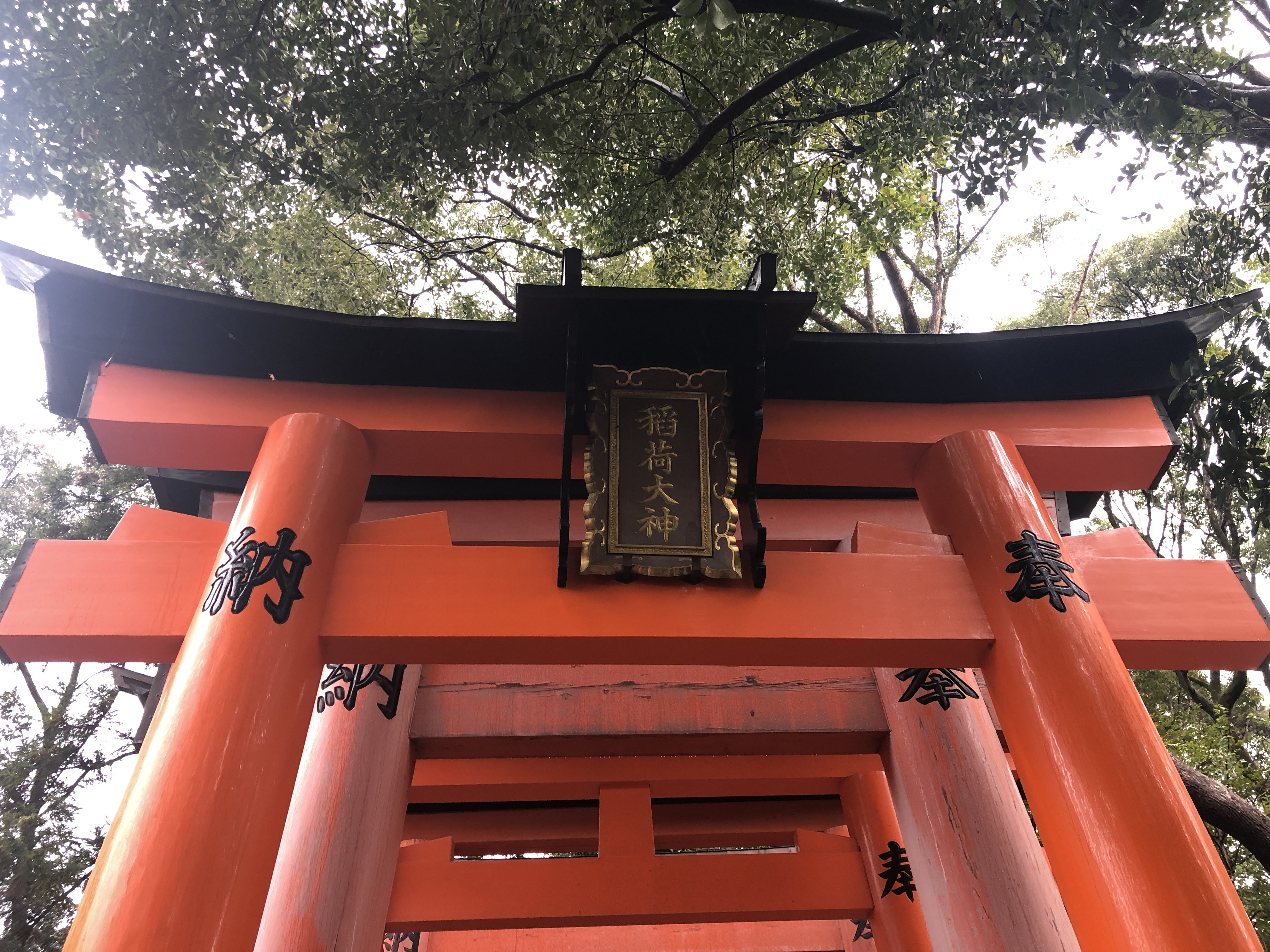
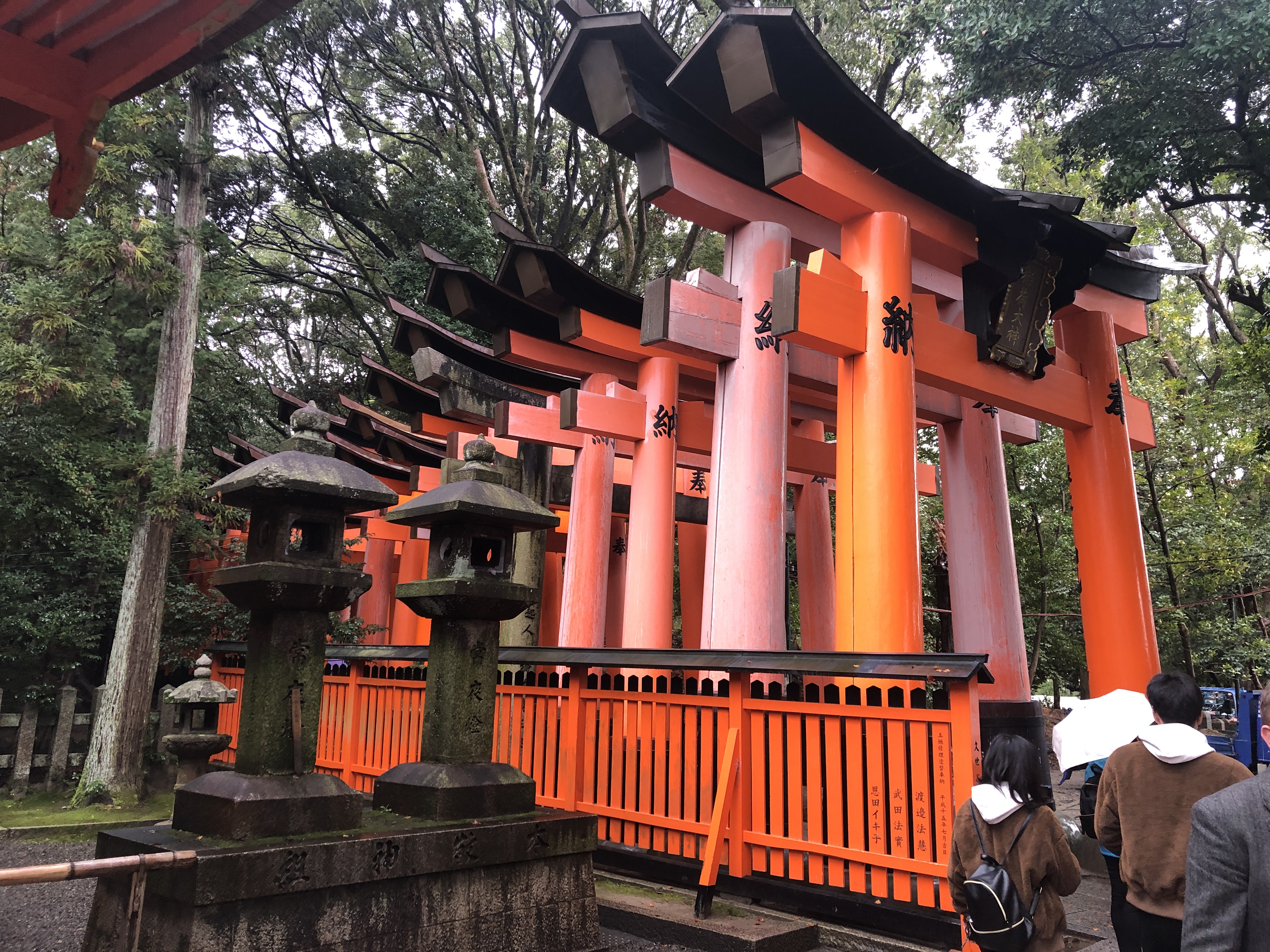
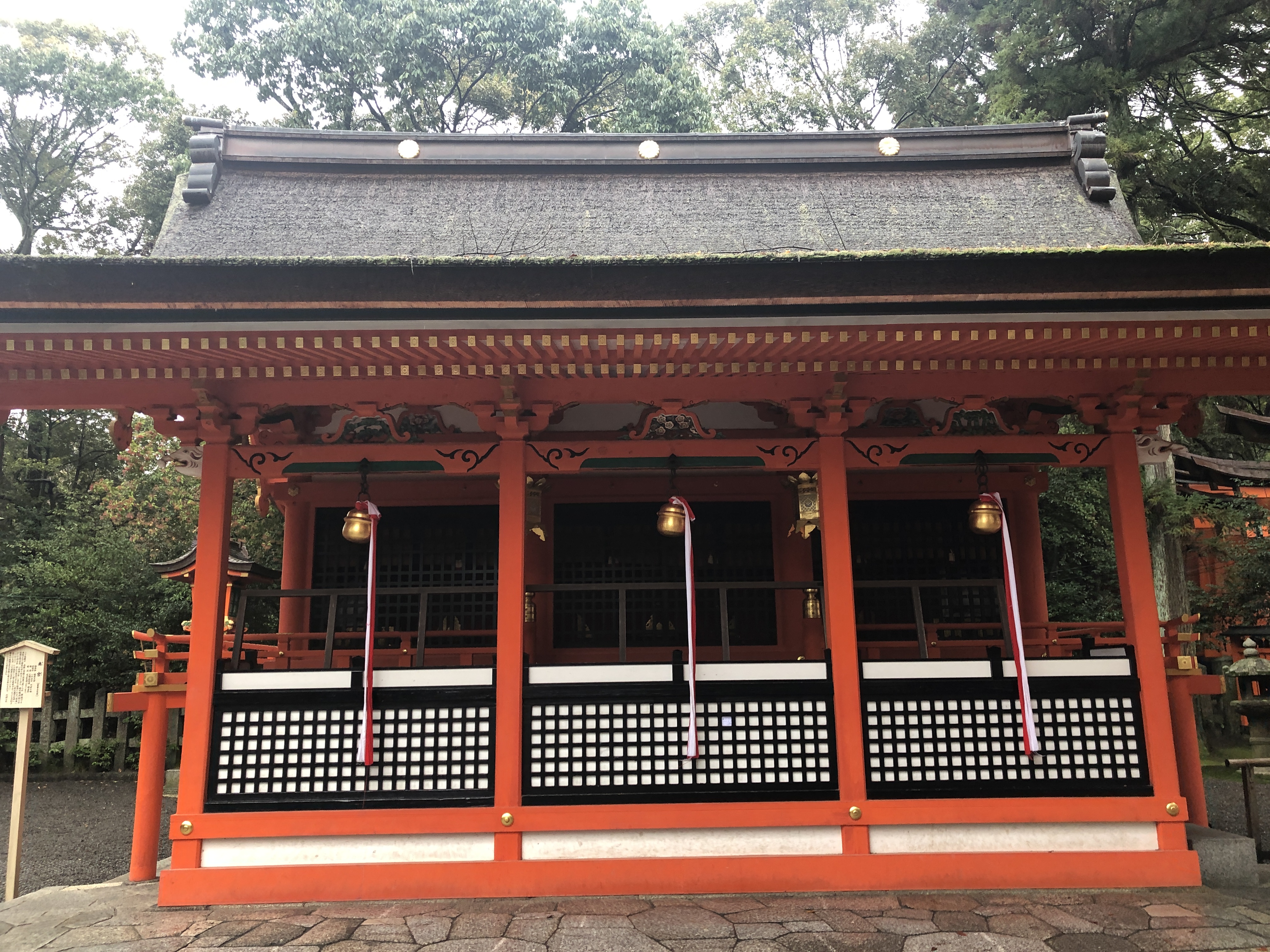
Fushimi Inari-taisha at Kyoto is the head shrine of the Shinto kami Inari, the fox spirit. Inari is one of the most important kami, being the protector of fertility, prosperity, agriculture, trade, rice, tea, and swordsmiths. When we arrived there were kannushi and miko (priests and priestesses) at the main altar and in a pavilion. We were lucky enough to be there when they performed a short ceremony including zither, flute, drum and a slow ritual dance.
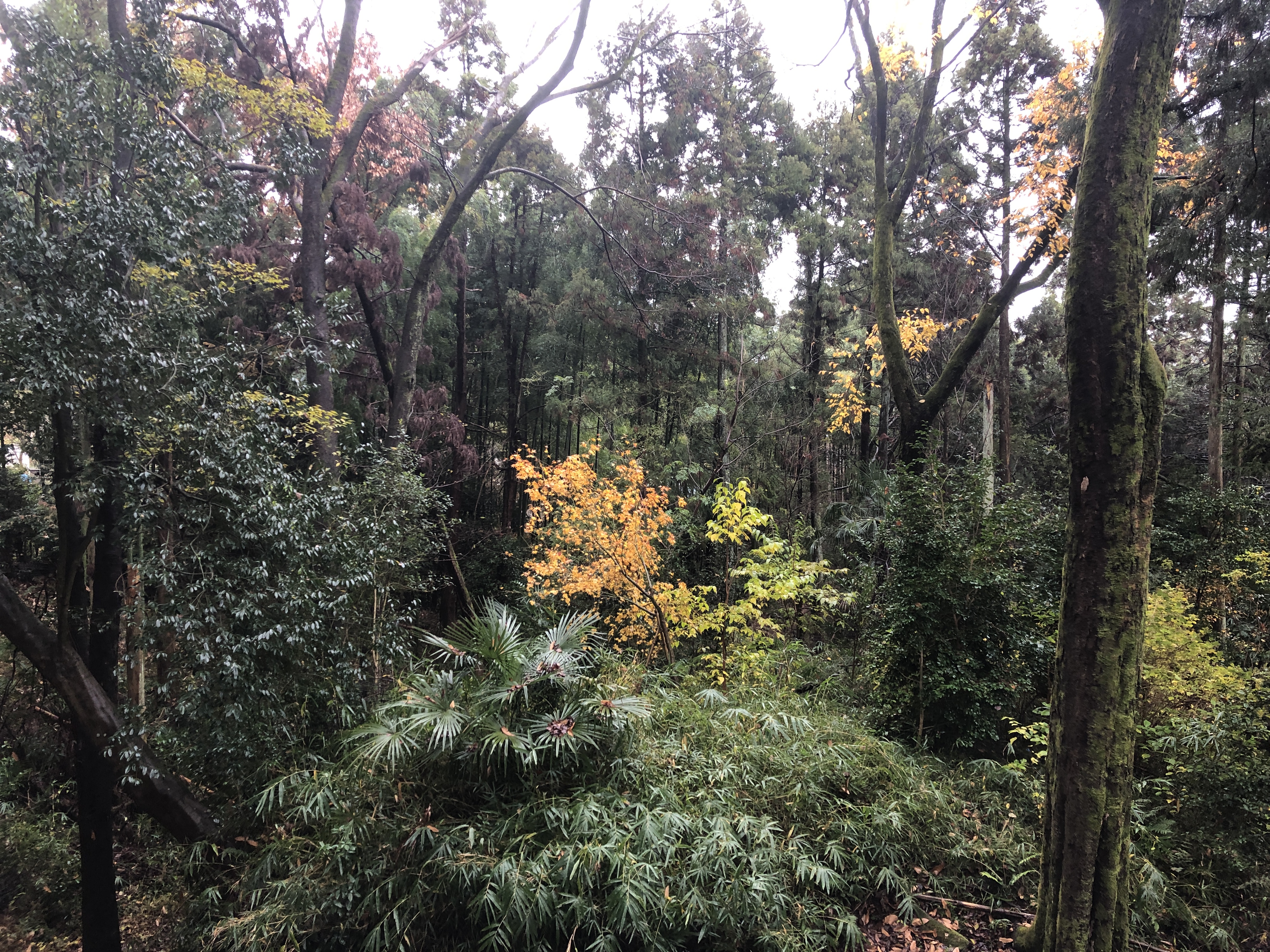
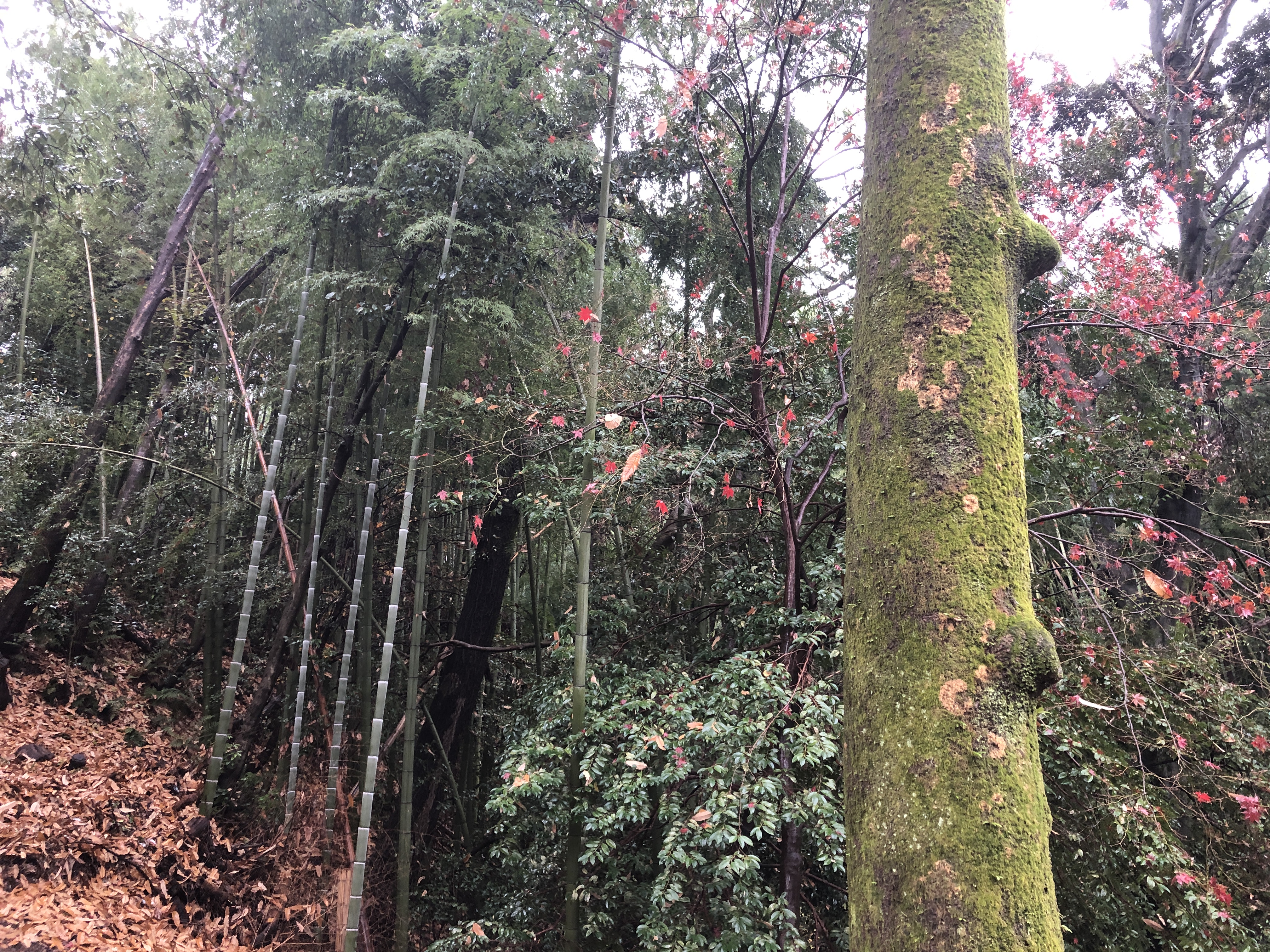
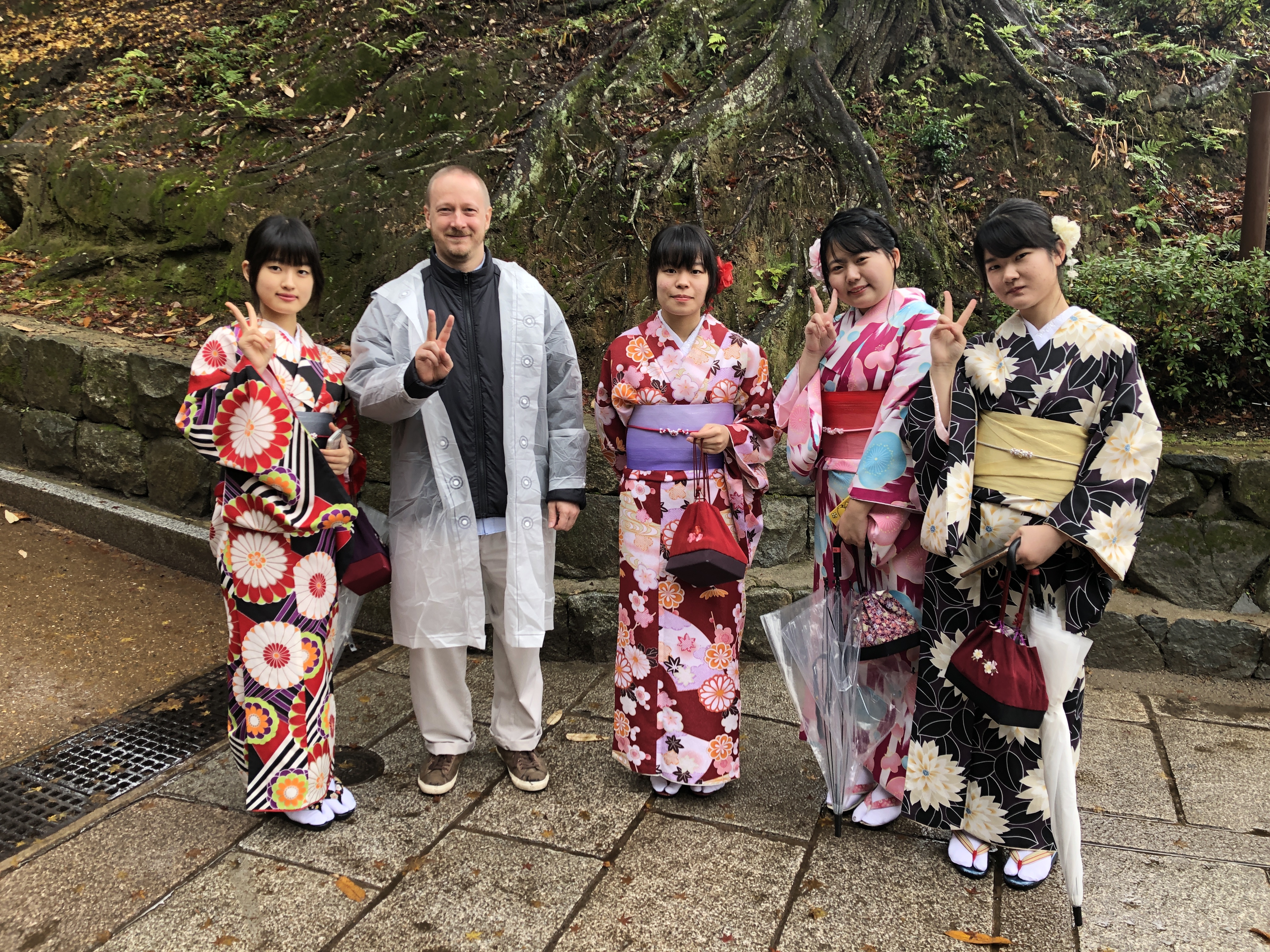
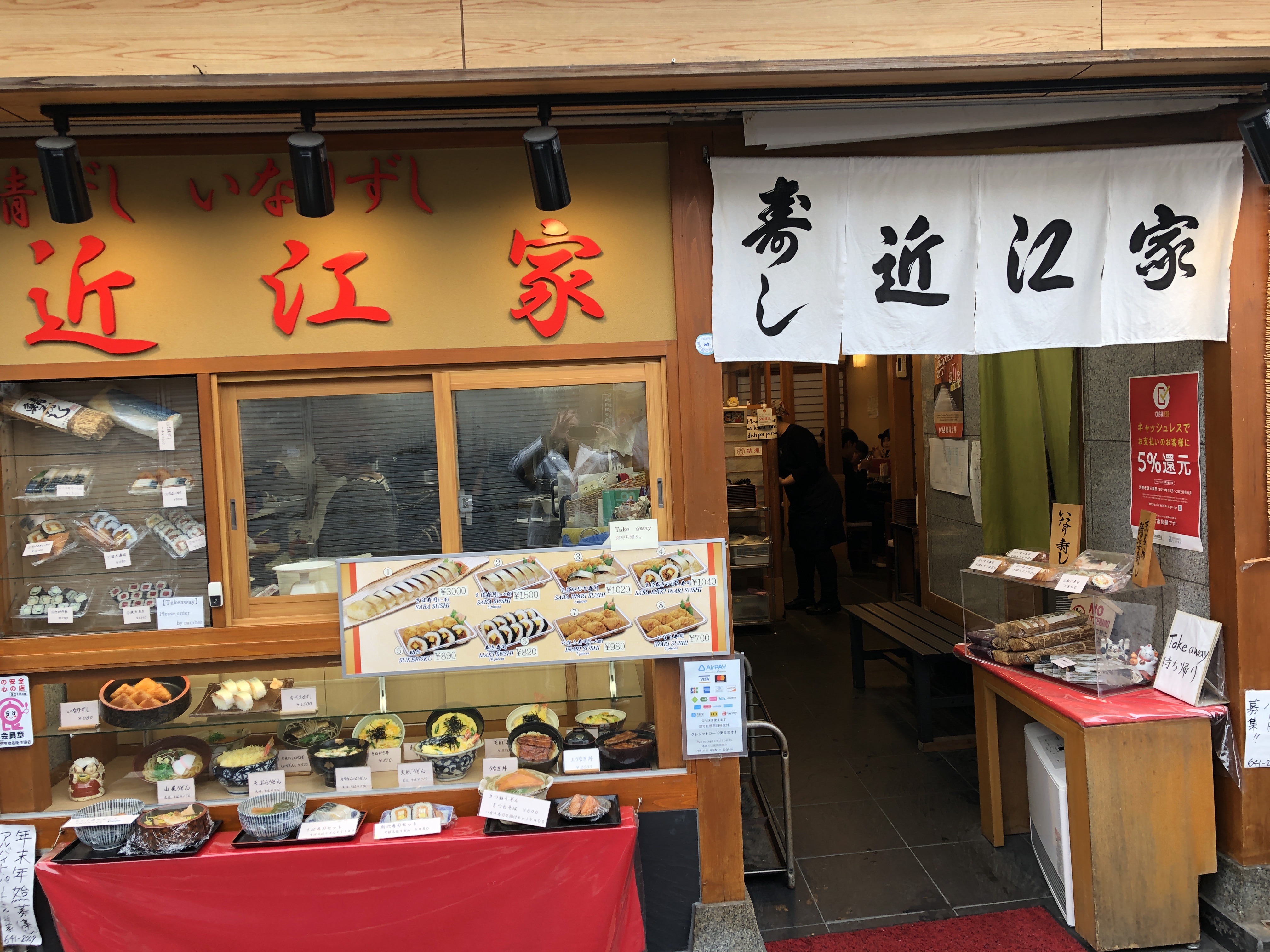
The mountain was covered in mist and it rained all morning. It was beautiful and the temperature was perfect. Afterward, we had delicious sushi at a restaurant that had been at the foot of the shrine for over 100 years. As a bonus, people in Osaka and Kyoto were wearing kimonos and other kinds of traditional Japanese dress, perhaps due to some festival. I highly recommend paying respects to the kami when one visits Japan!
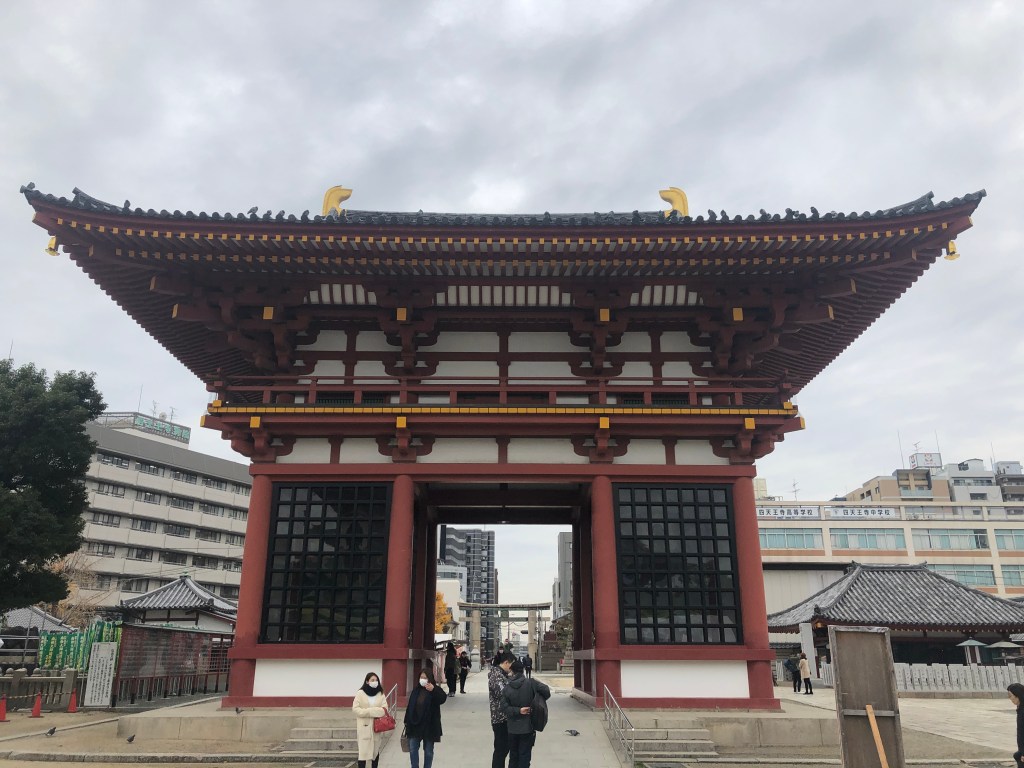
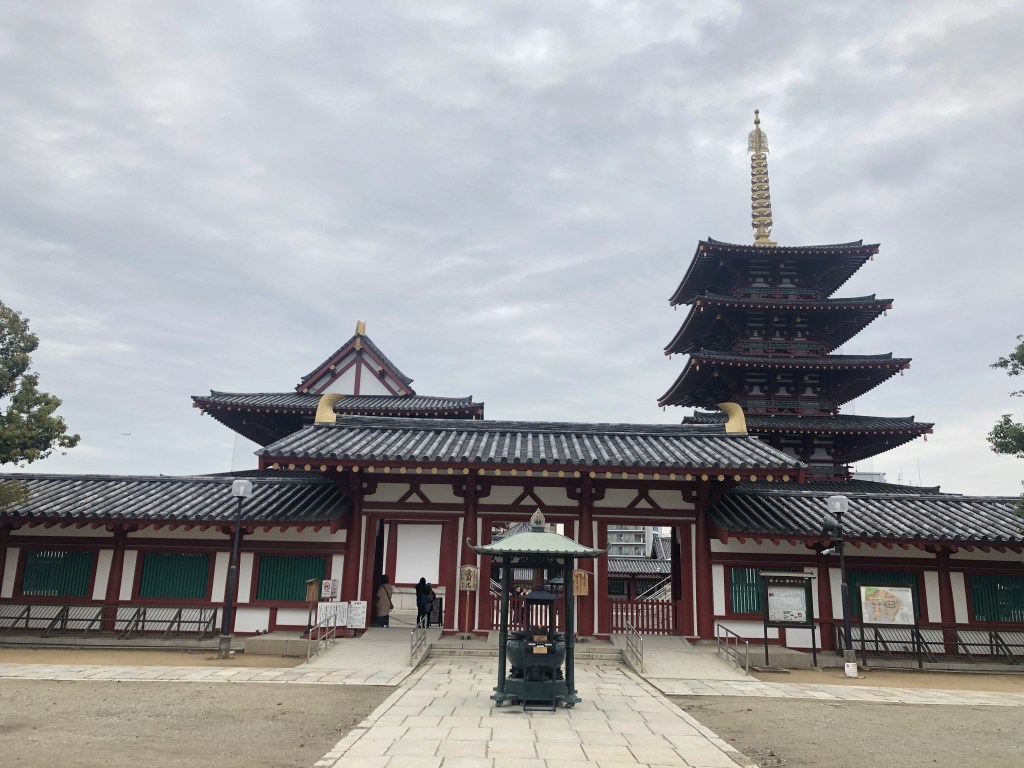
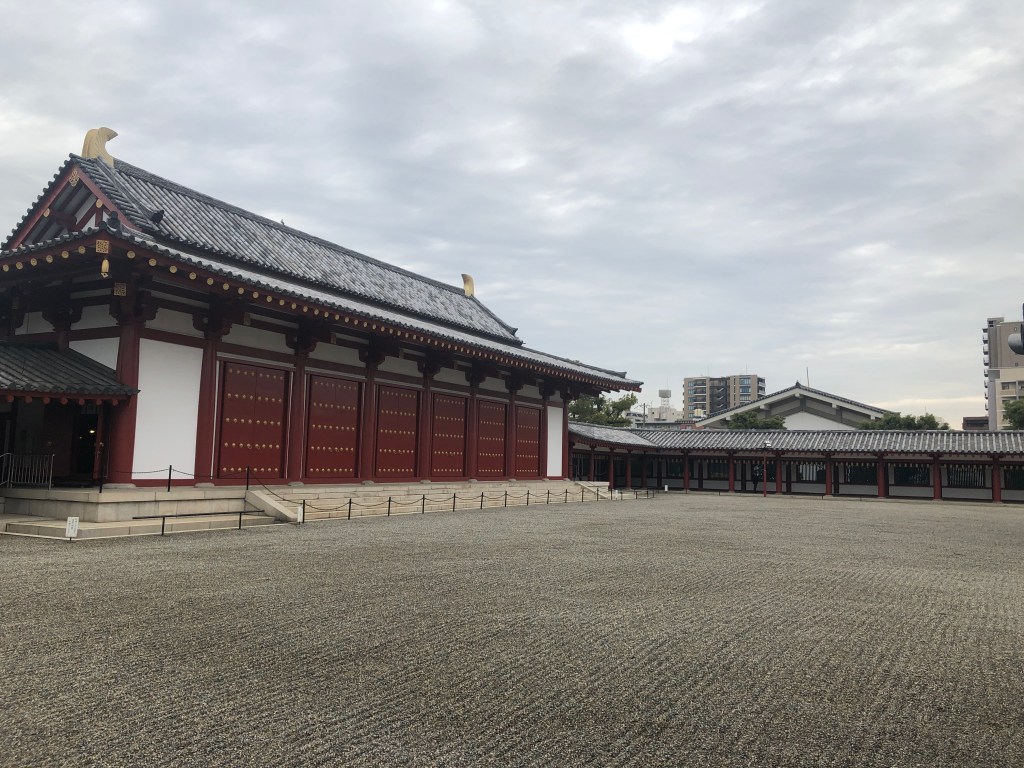
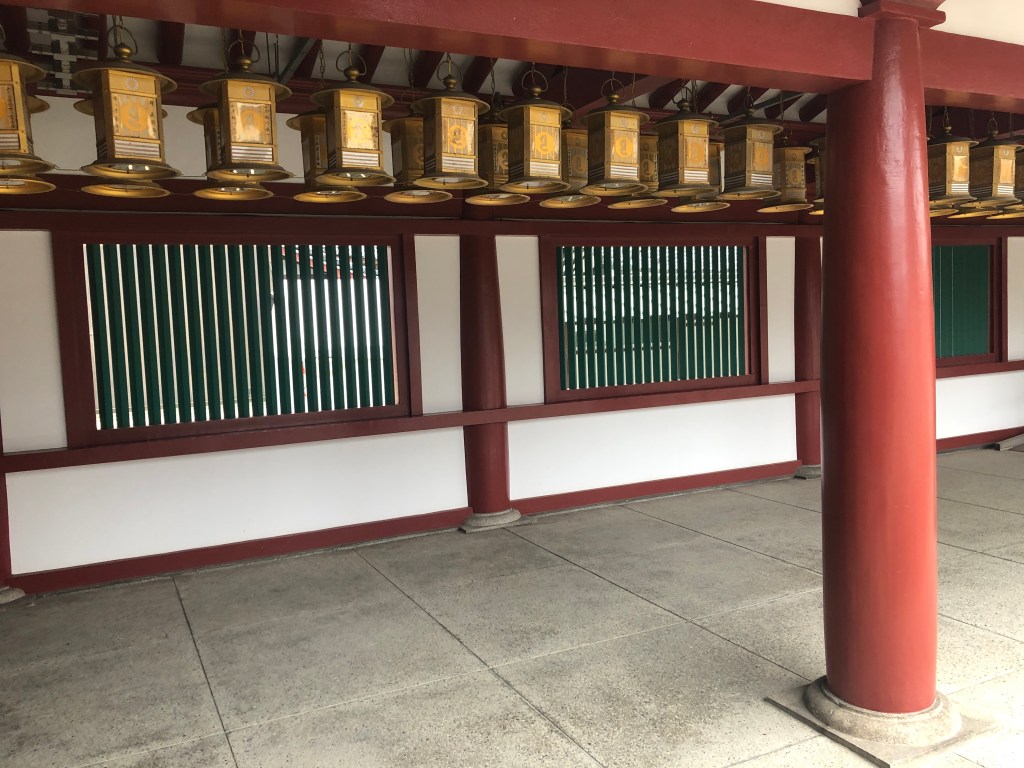
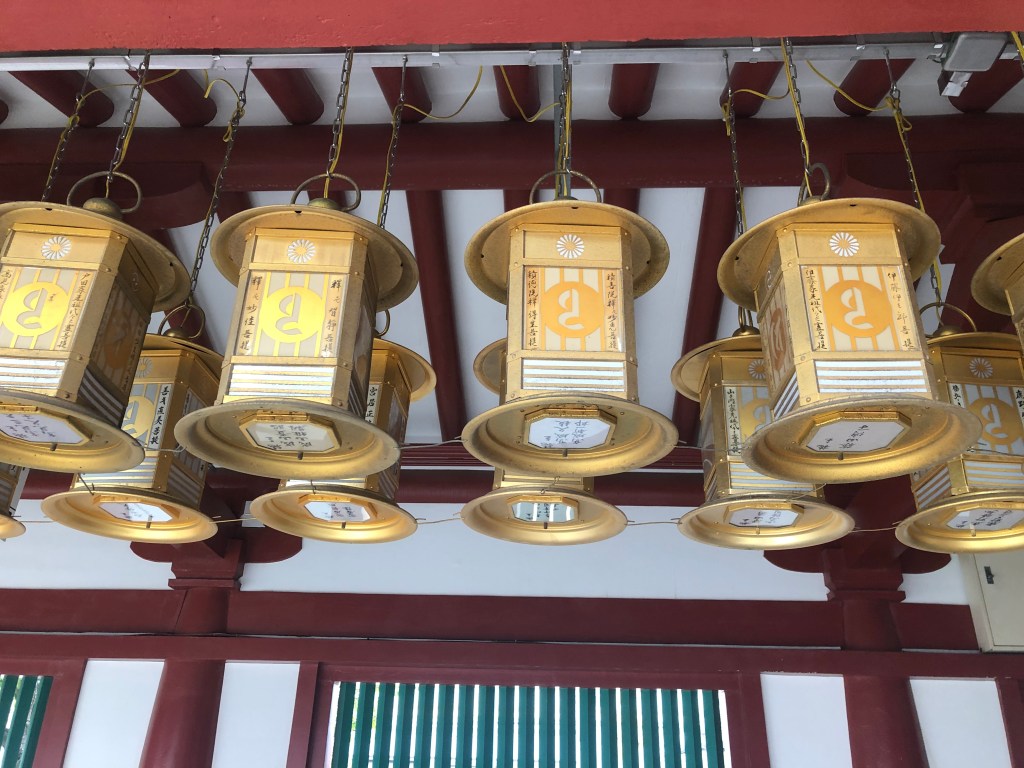
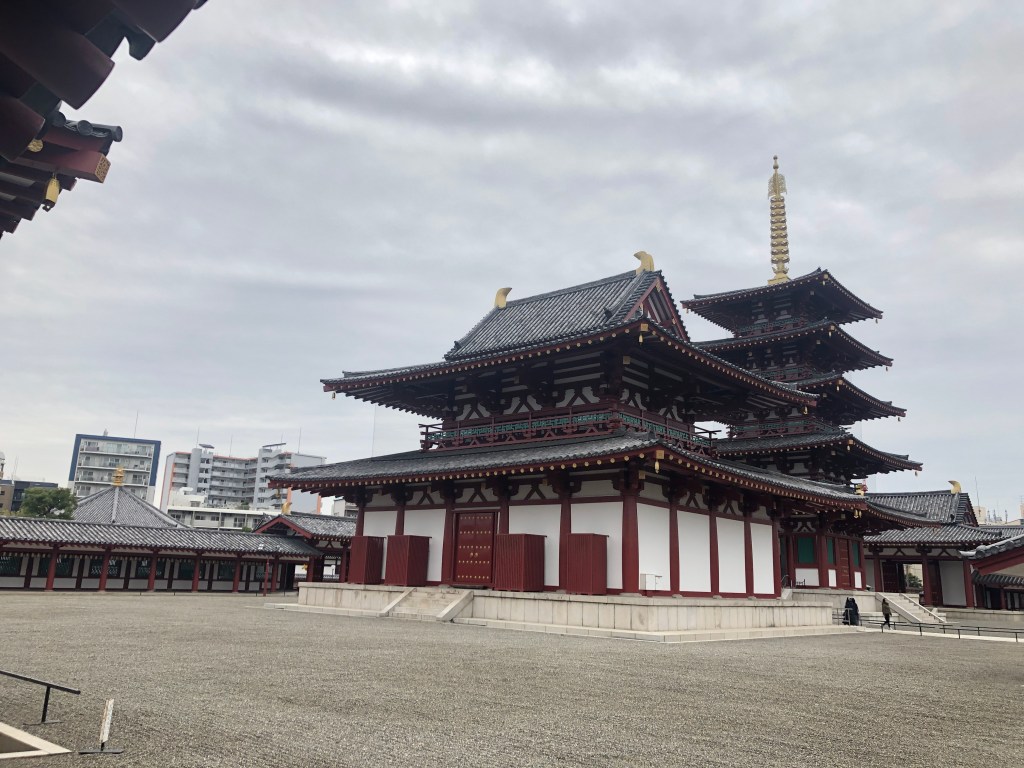
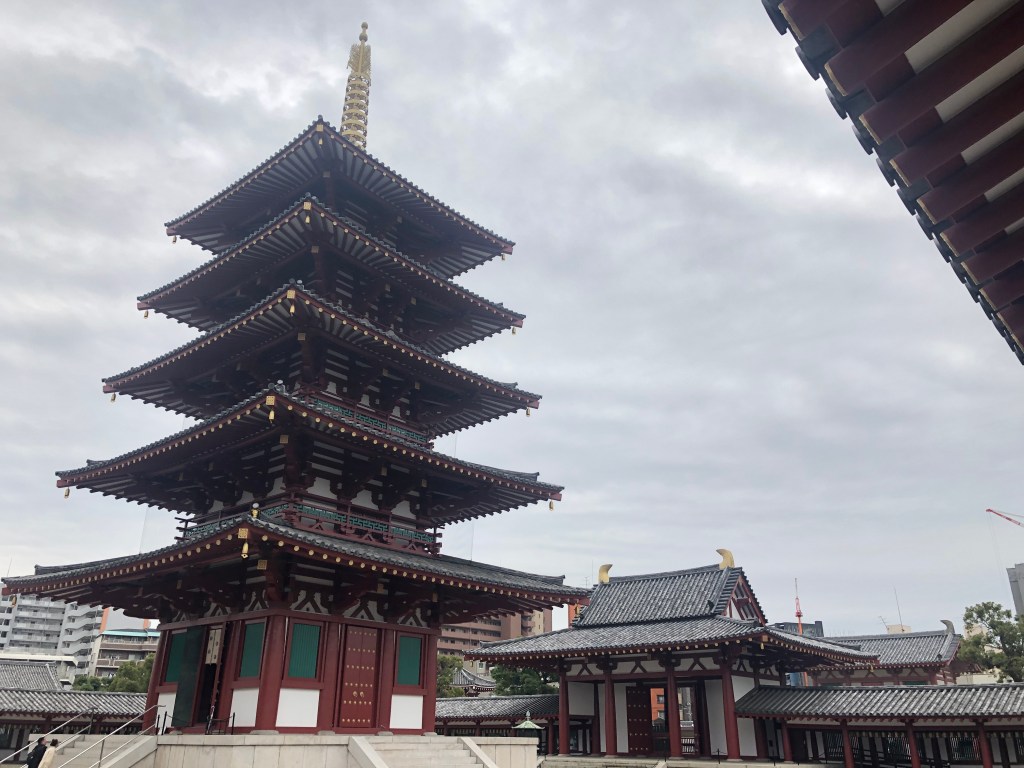
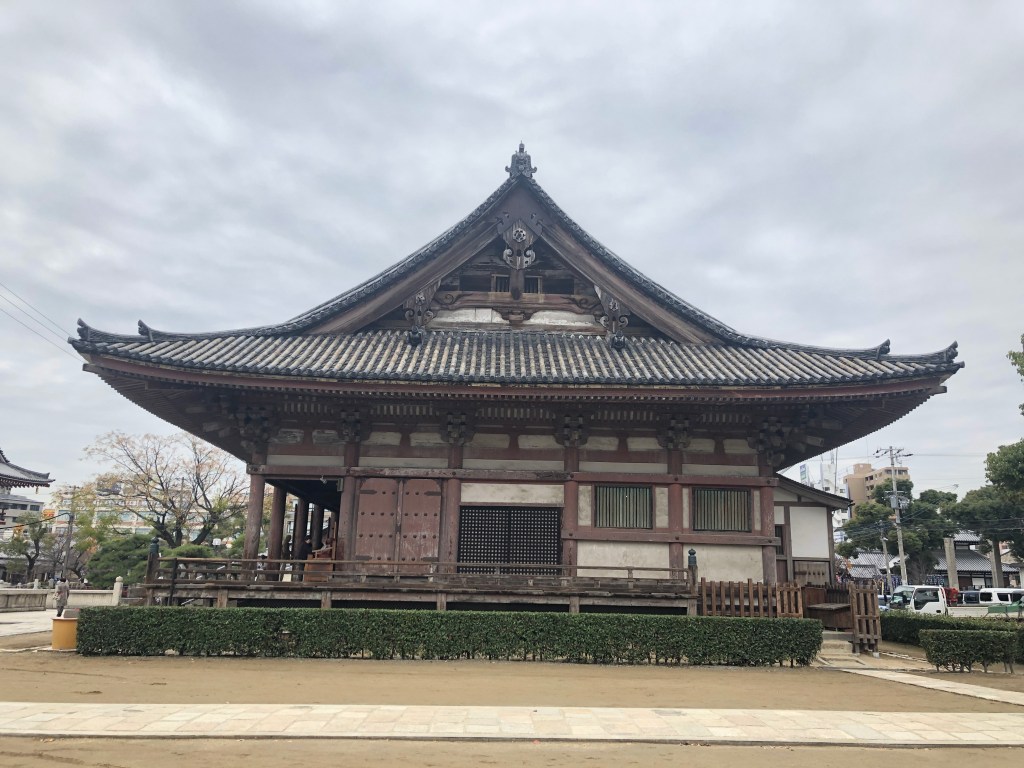
While in Osaka we visited Shitennō-ji, built in 593, this was the first completed Buddhist temple in Japan. No photography is allowed in the interiors of the buildings, so I cannot share statues or murals. In a building called the Kondo, we watched a few monks praying and chanting along with a drum as worshippers knelt on cushions in front of an ornate altar.
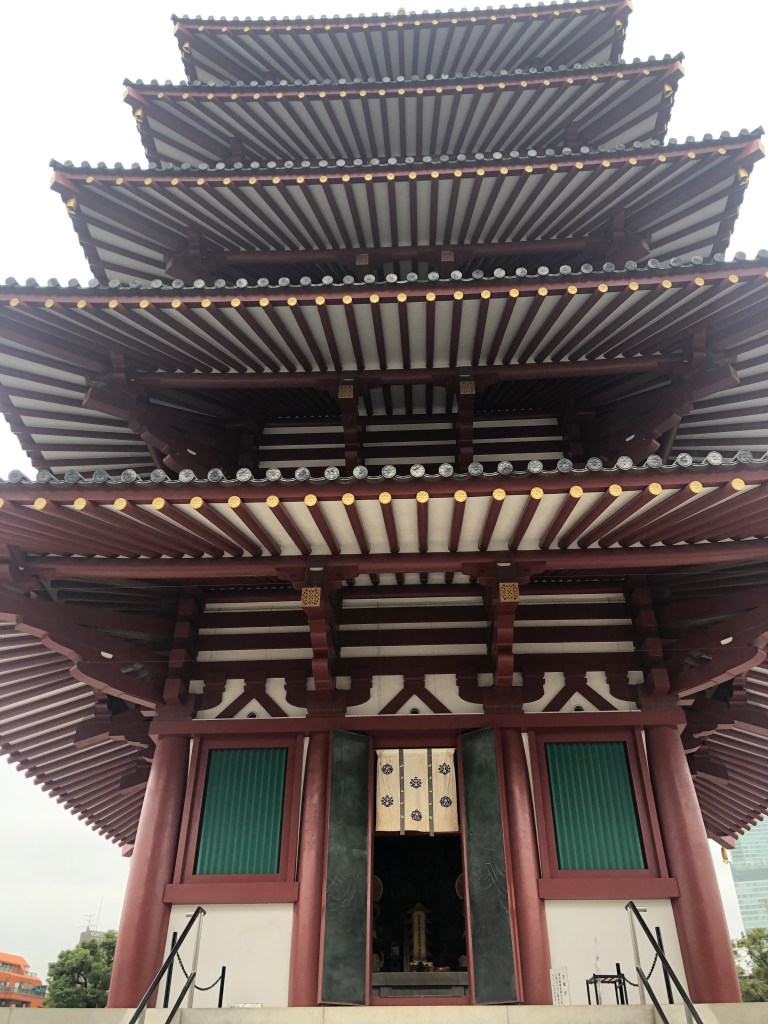
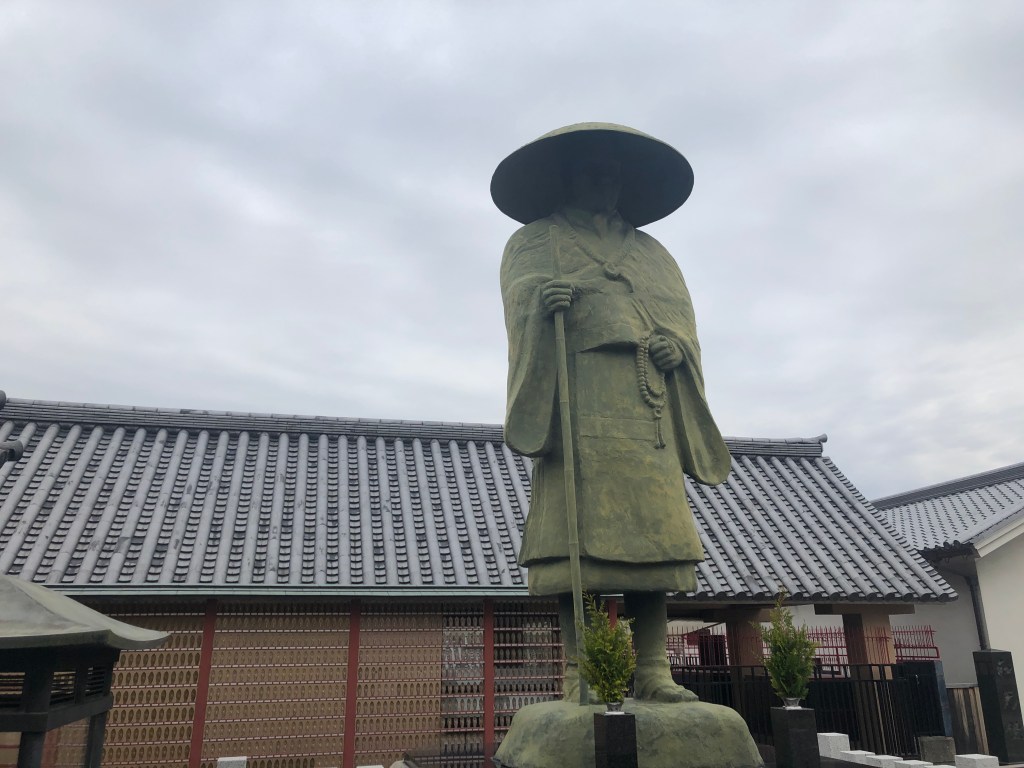
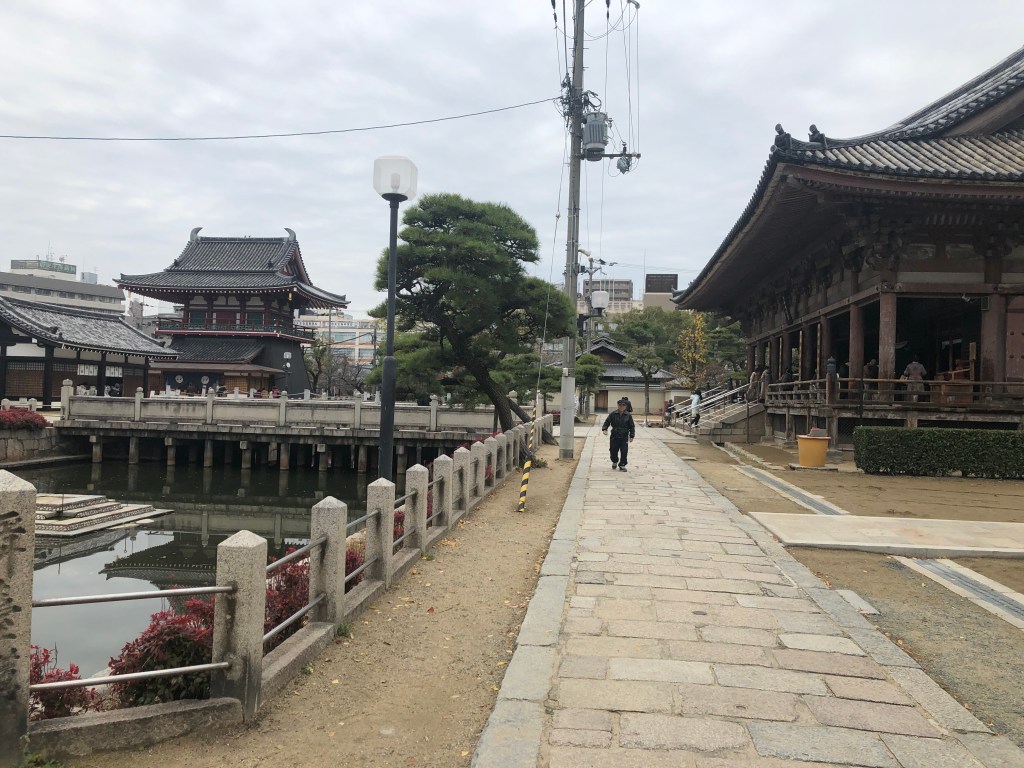
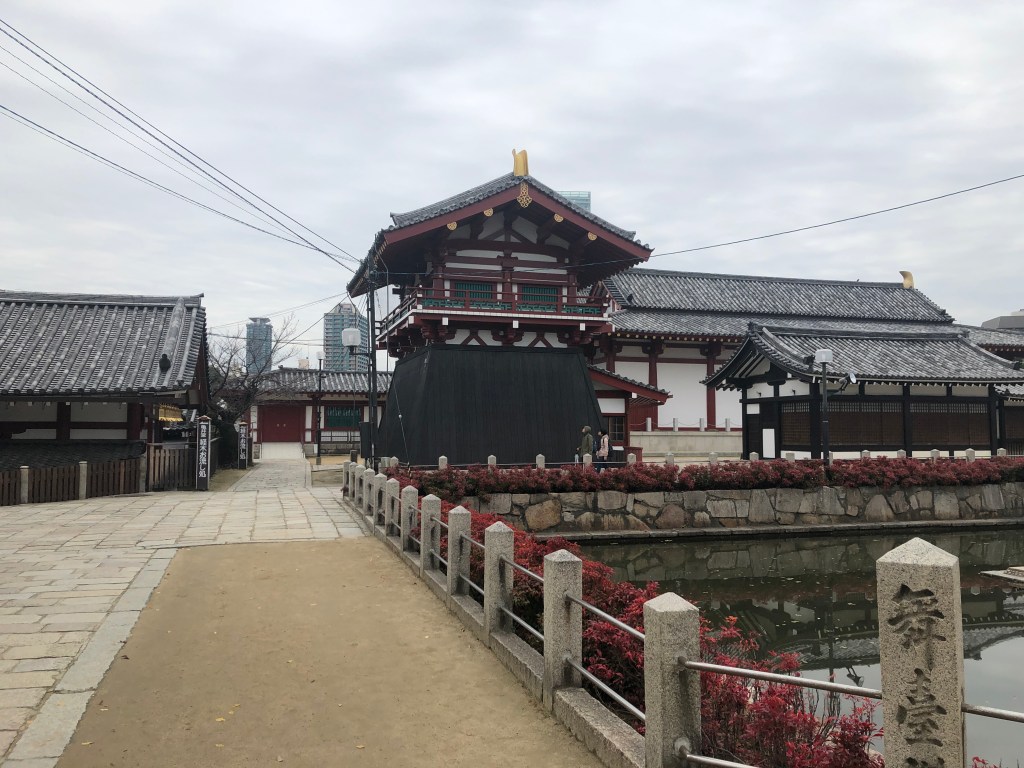
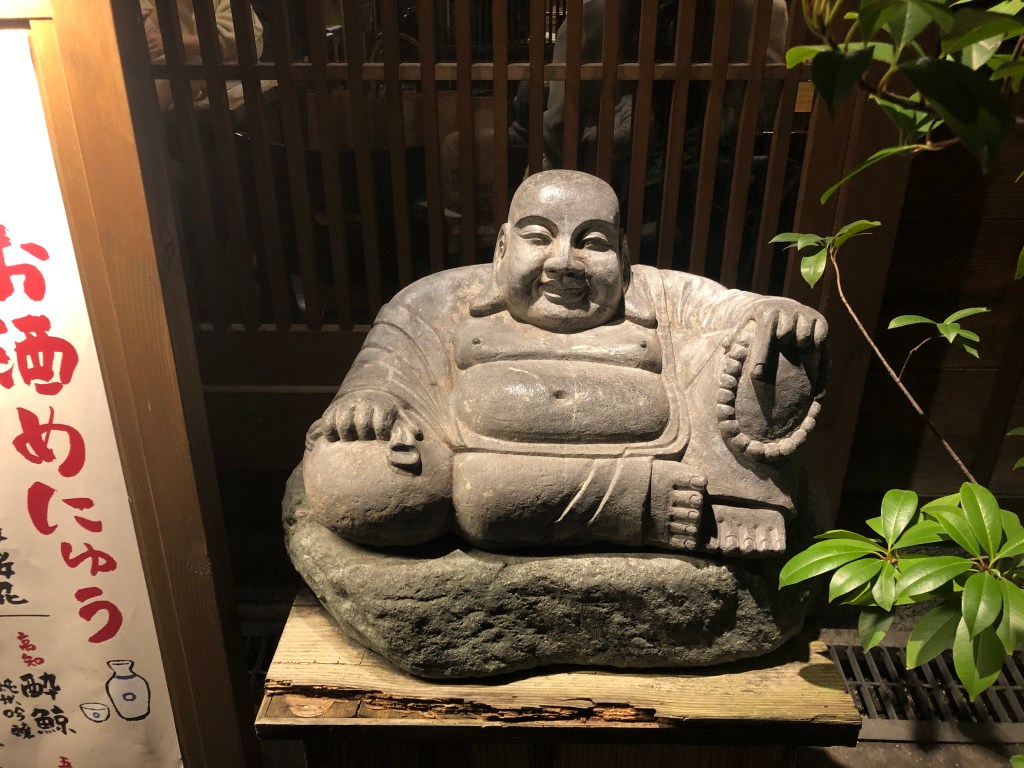
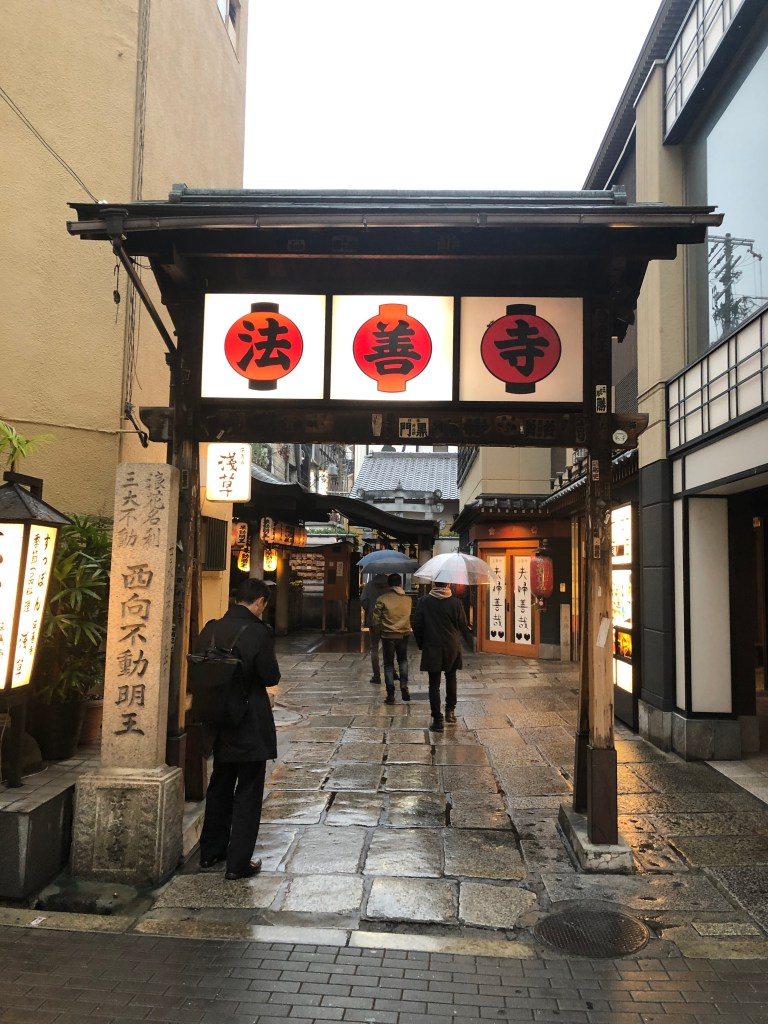
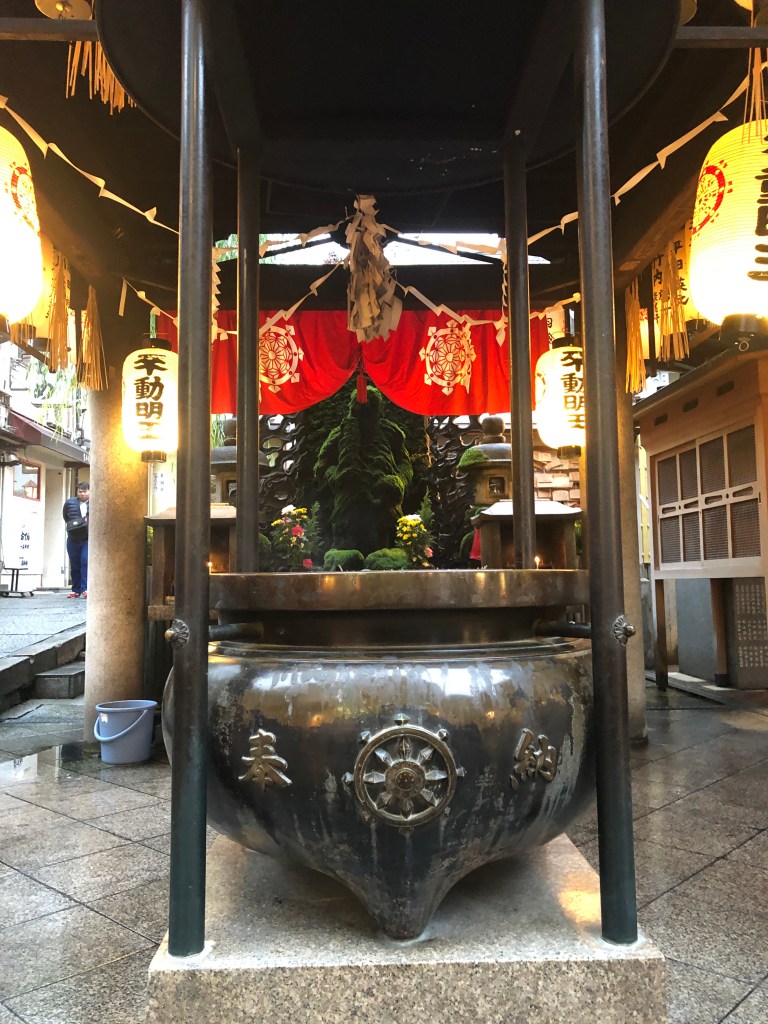
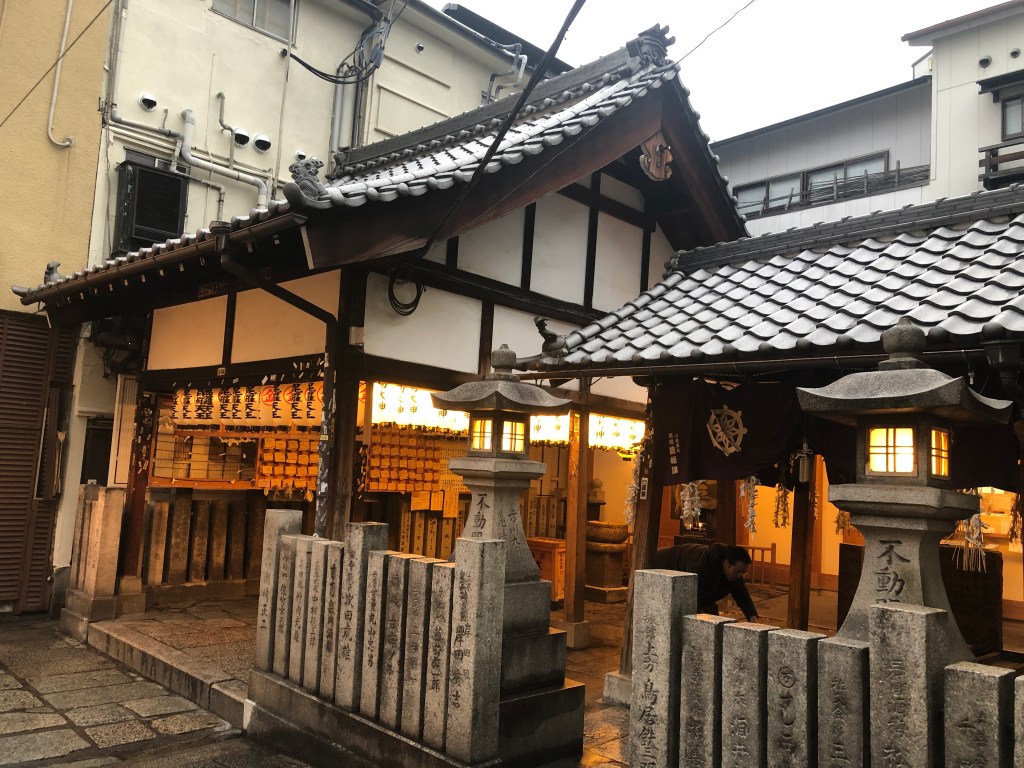
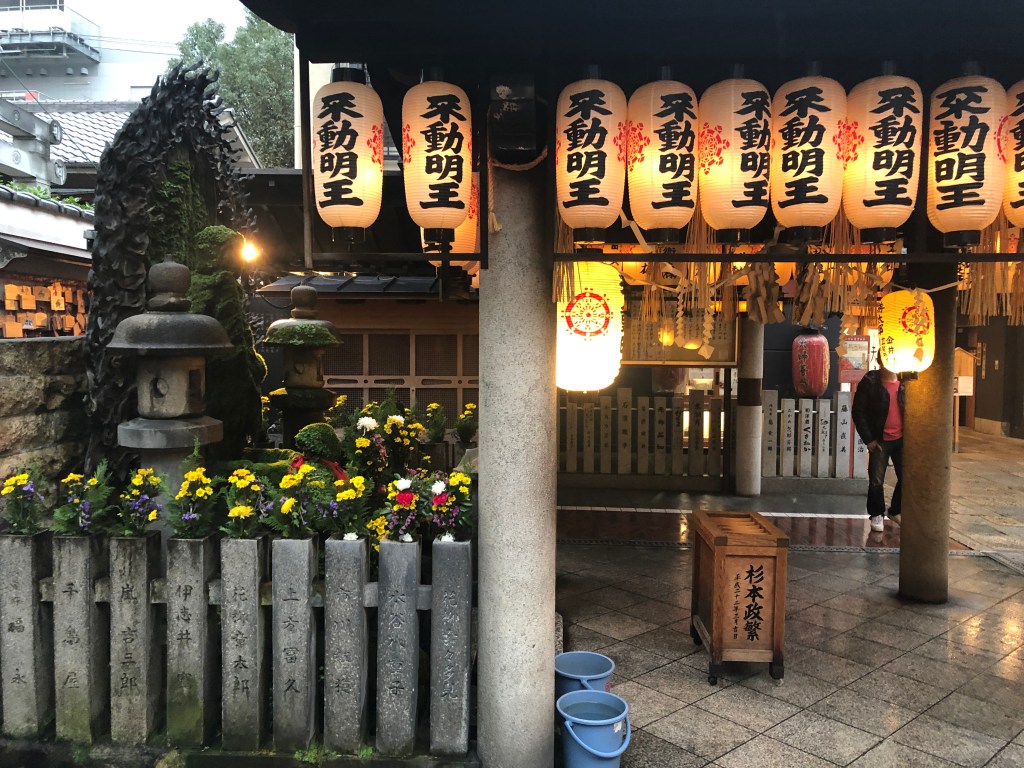
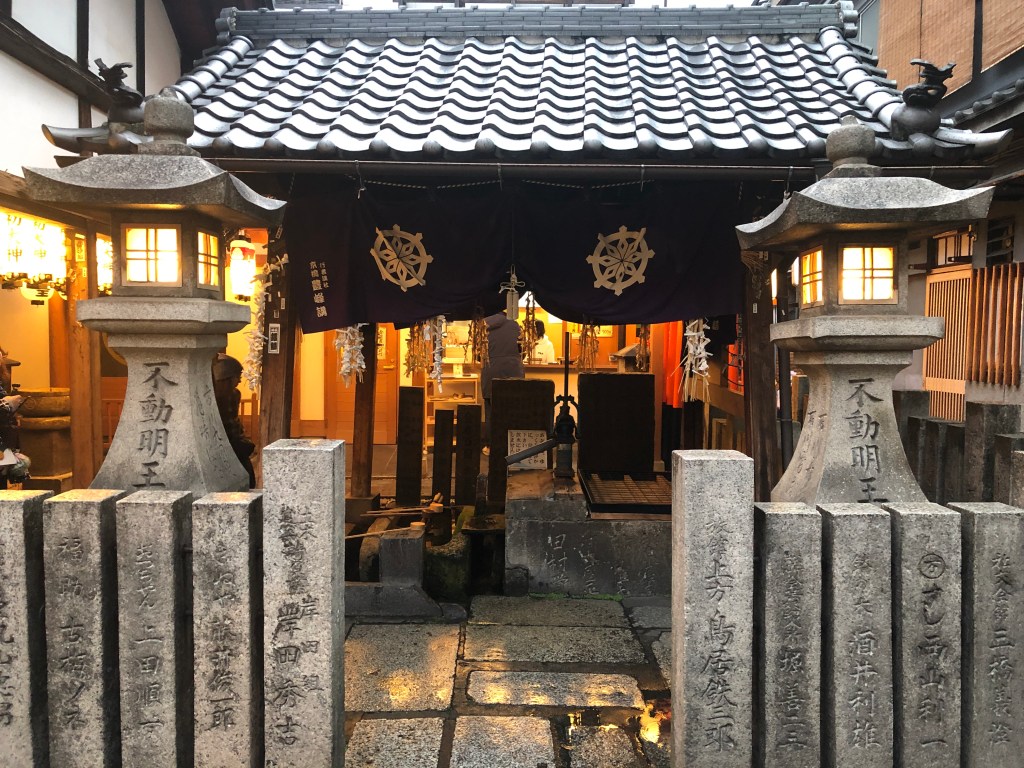
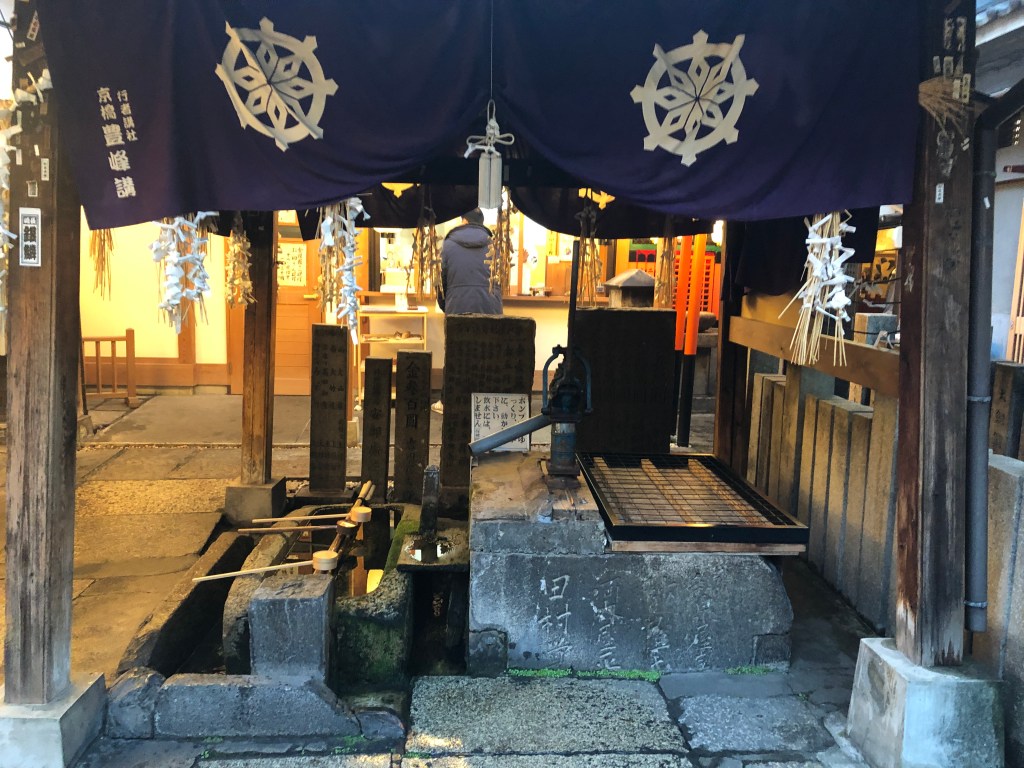
Also in Osaka we visited Hozenji Temple in the busy shopping district. The Buddha is Fudo-Myo-o, supposed to be an angry-looking, stern protector of morals and discipline. He is famous for being covered in moss, which makes him look like a gentle nature spirit. By legend, about 80 years ago a lady threw water onto him and made a wish that came true. Now people come to splash water on him and make a wish. Serious Buddhists also come to do prostrations.
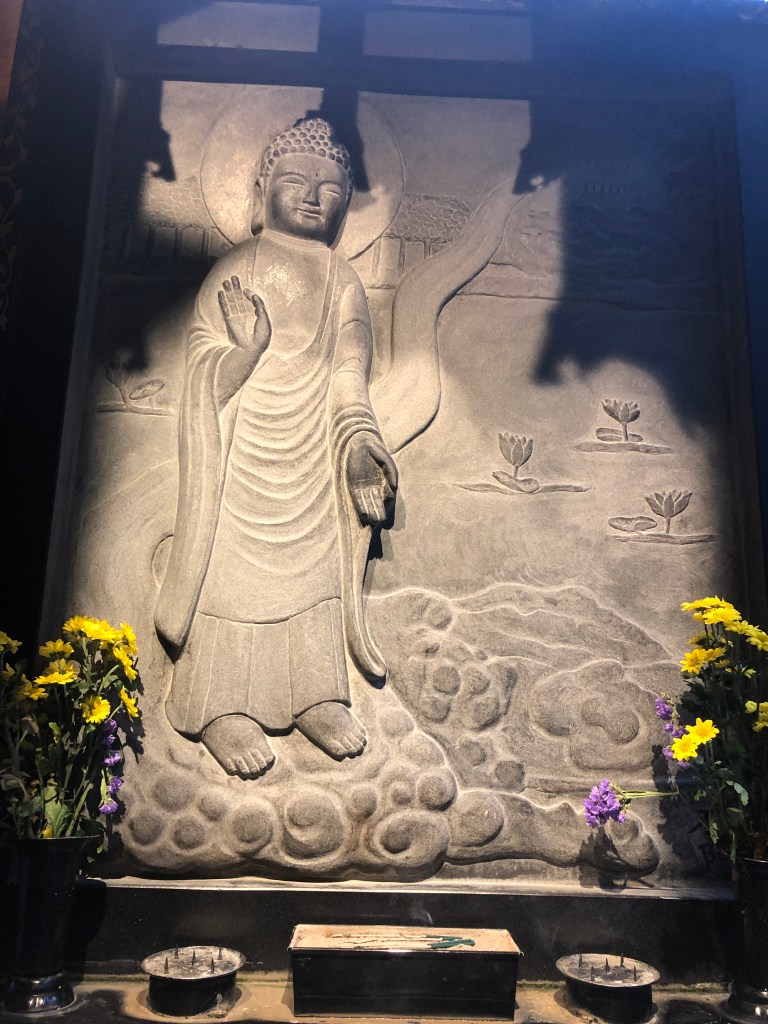
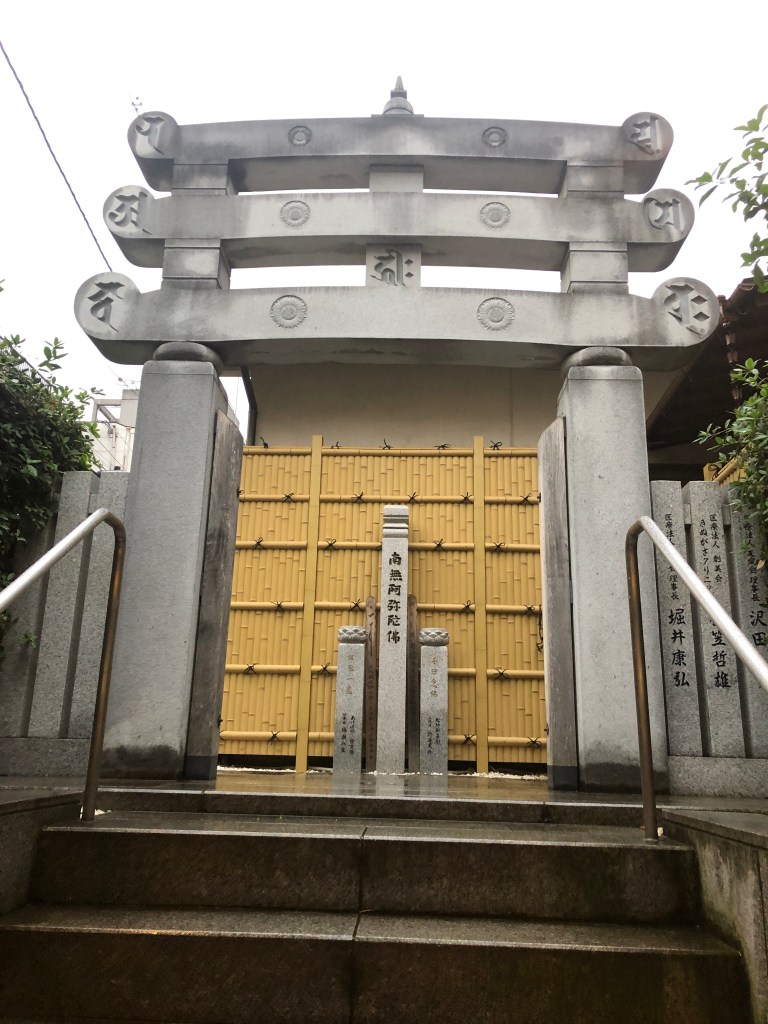
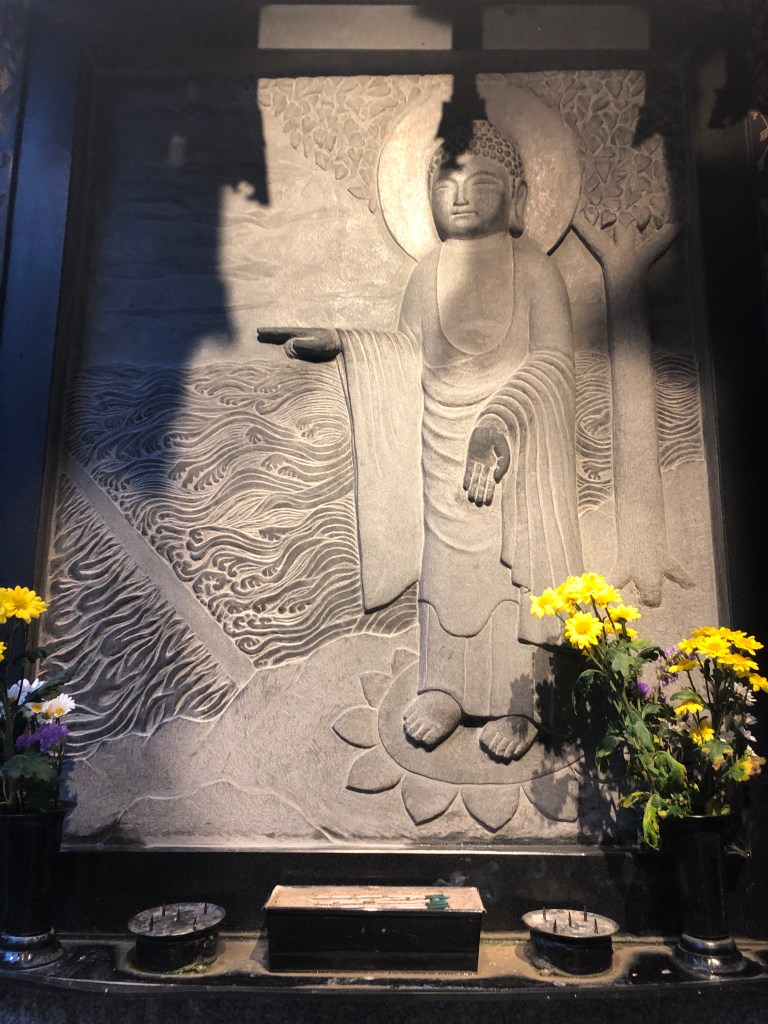
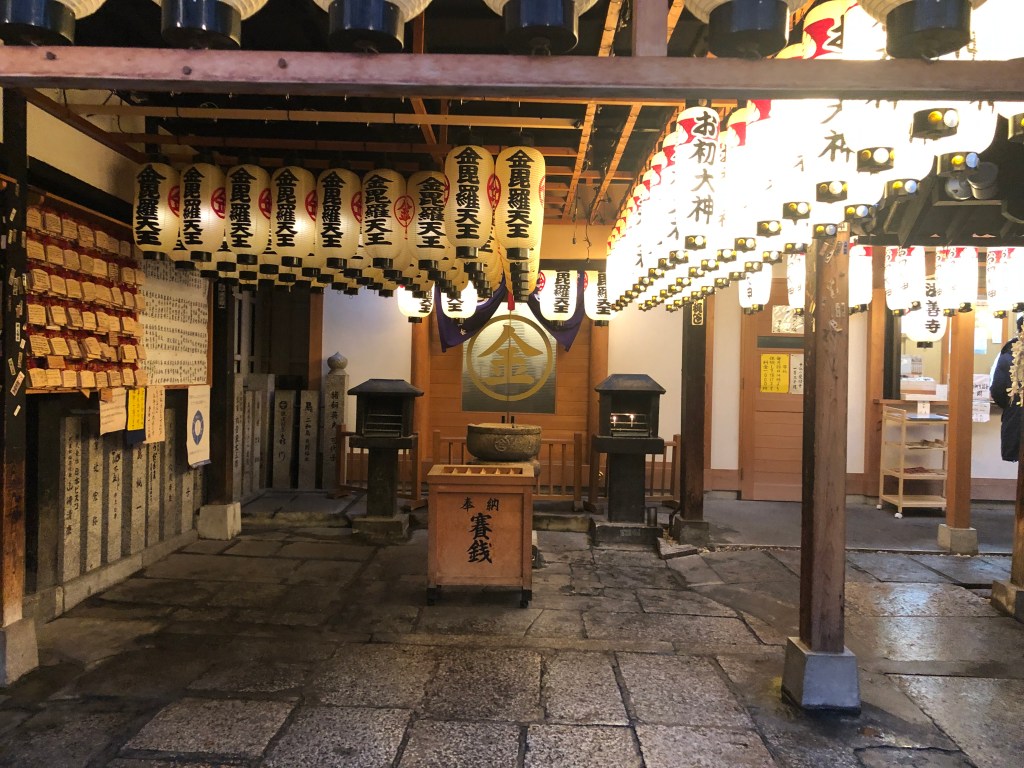
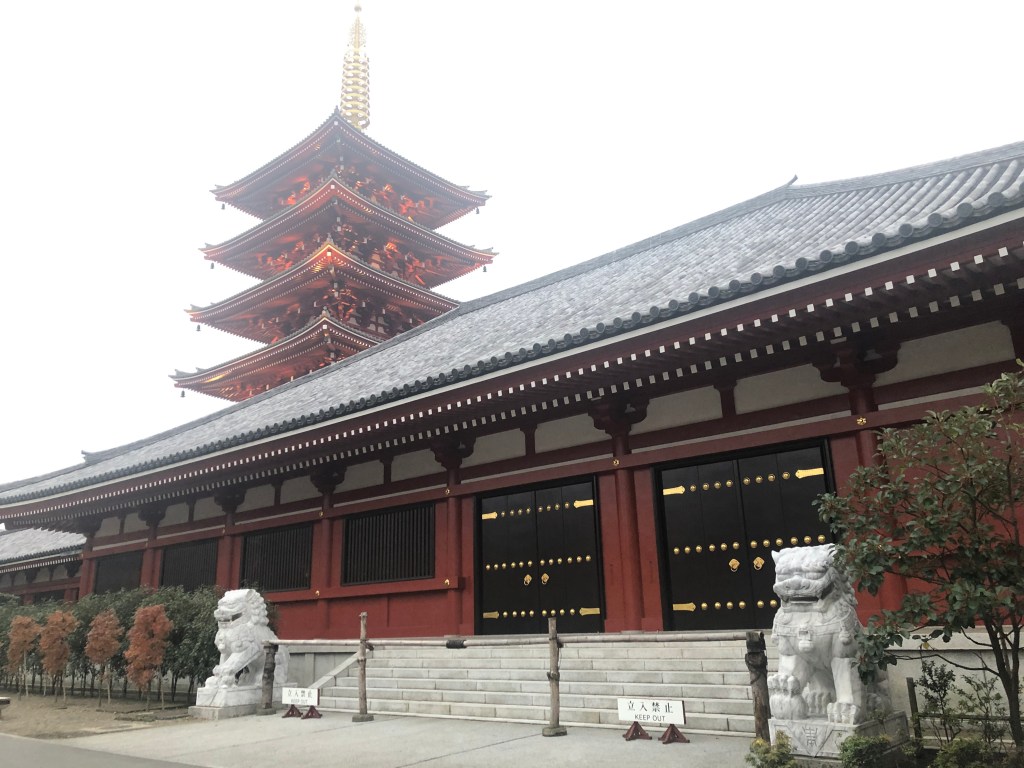
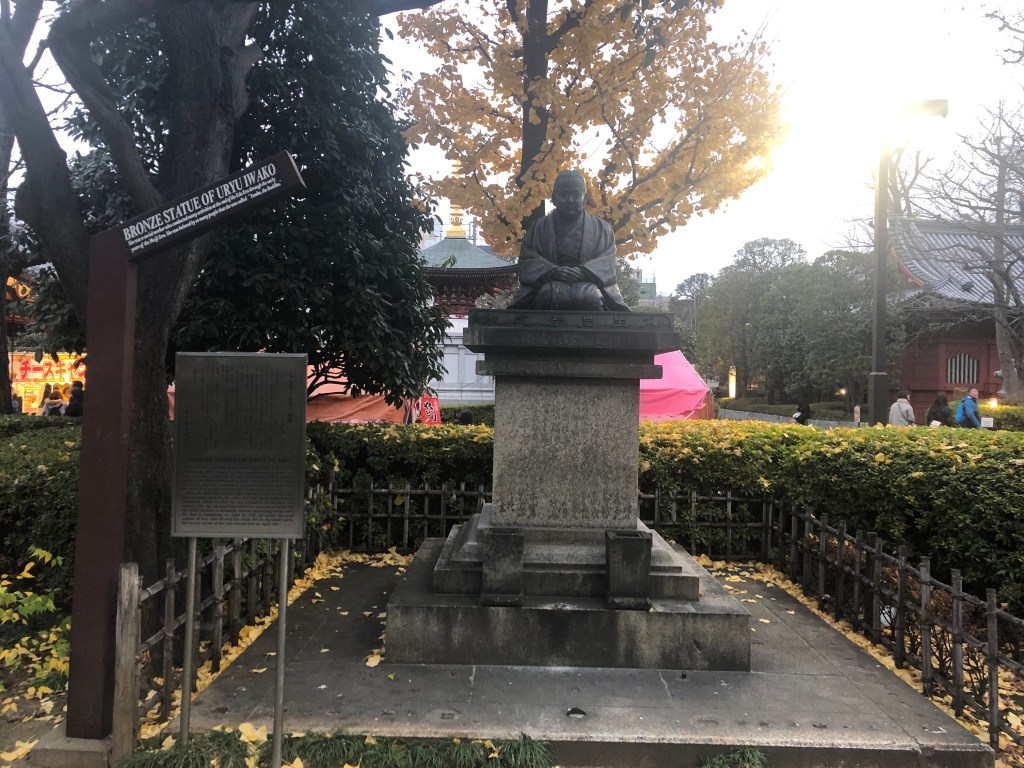
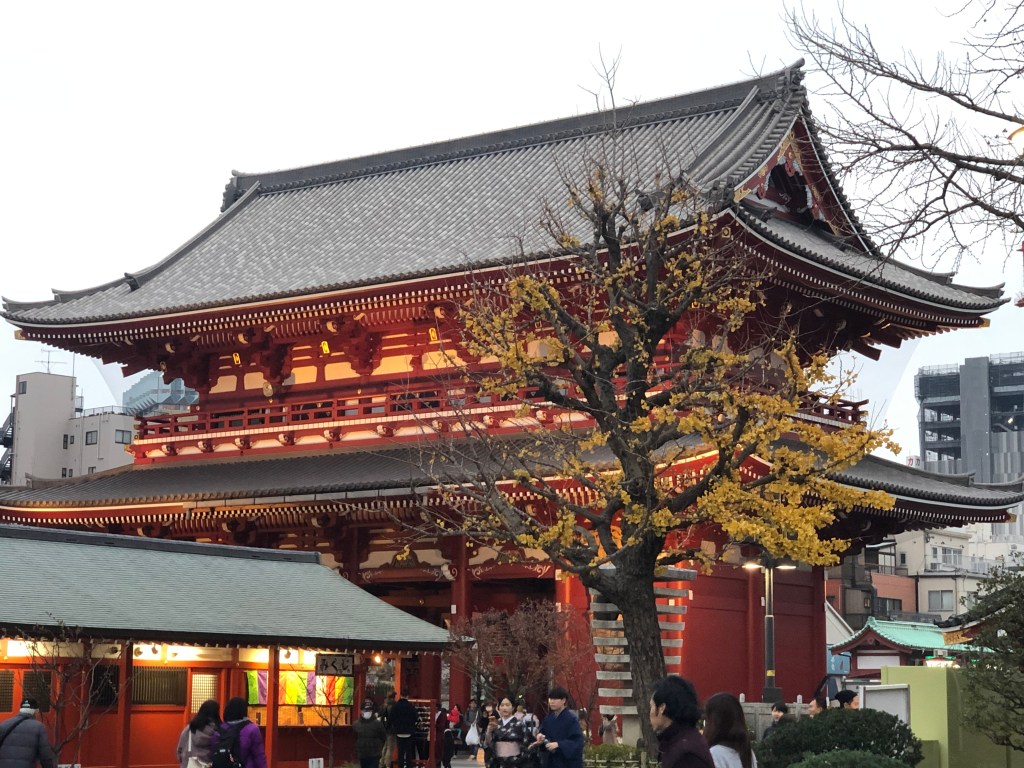
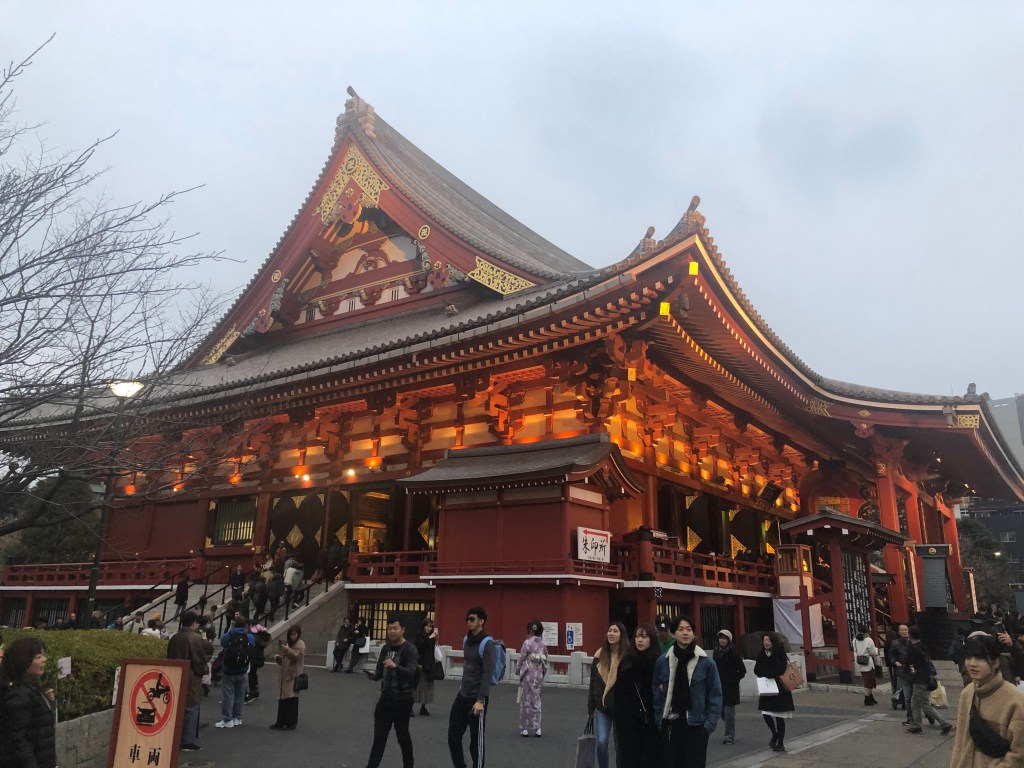
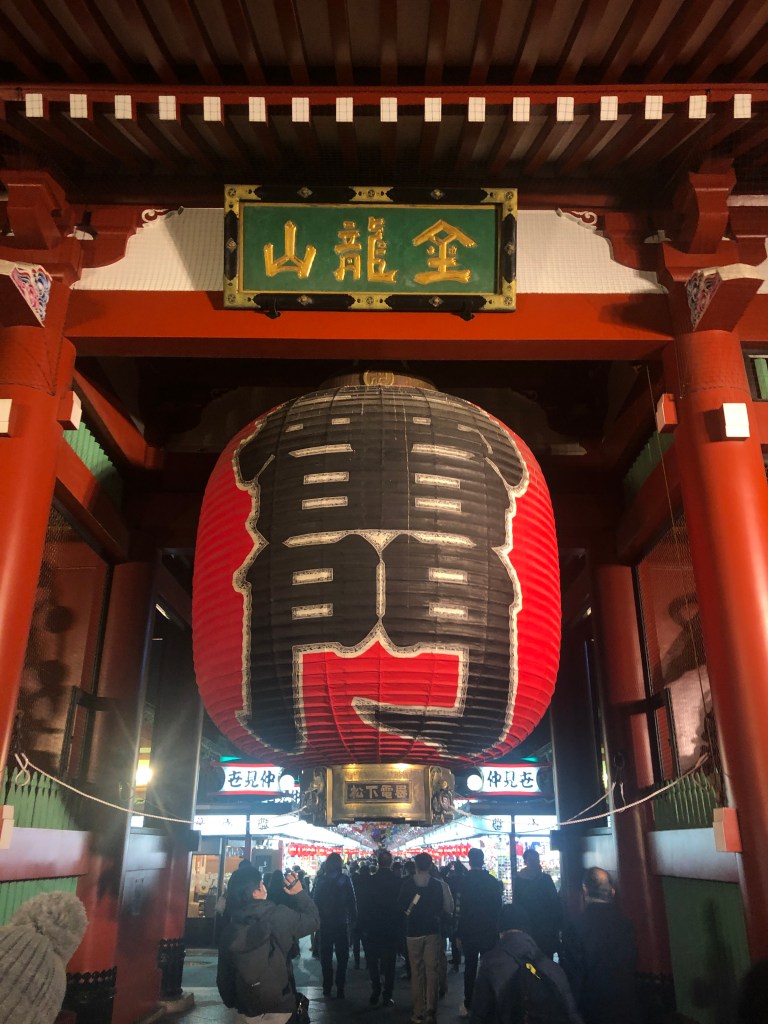
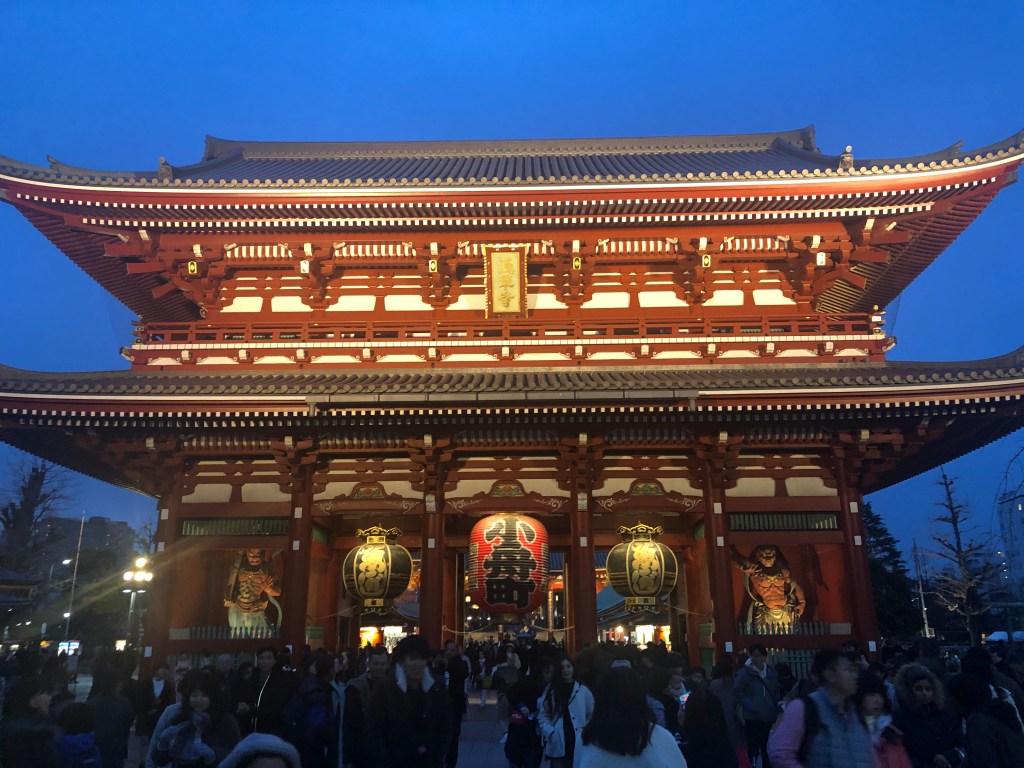
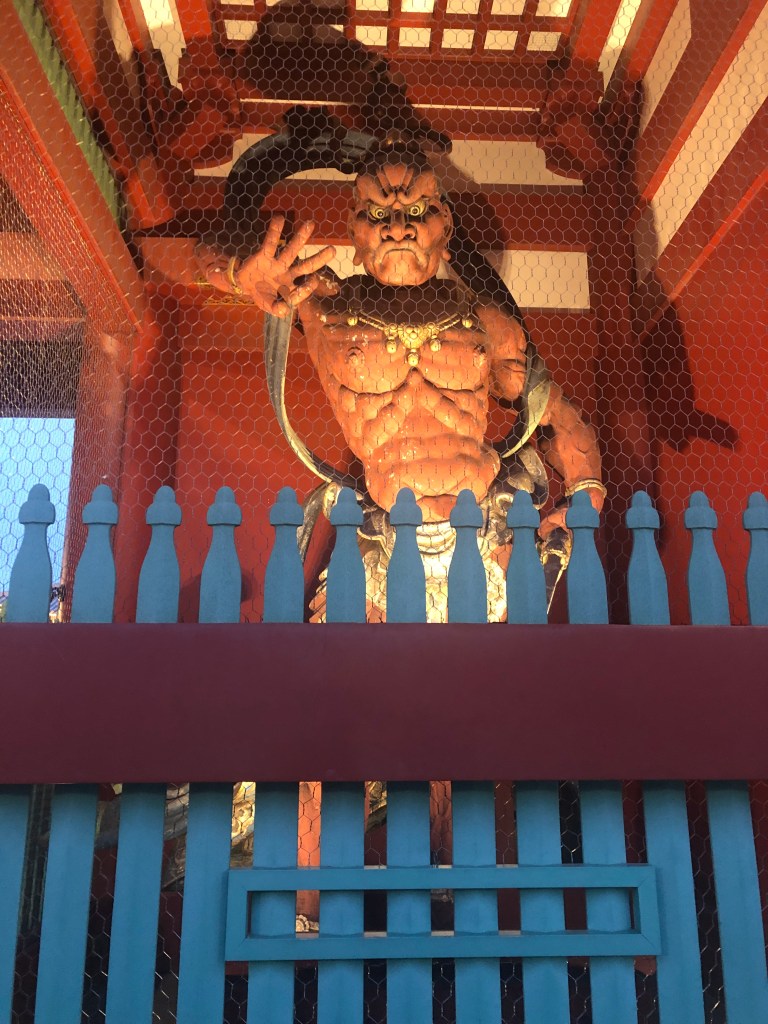
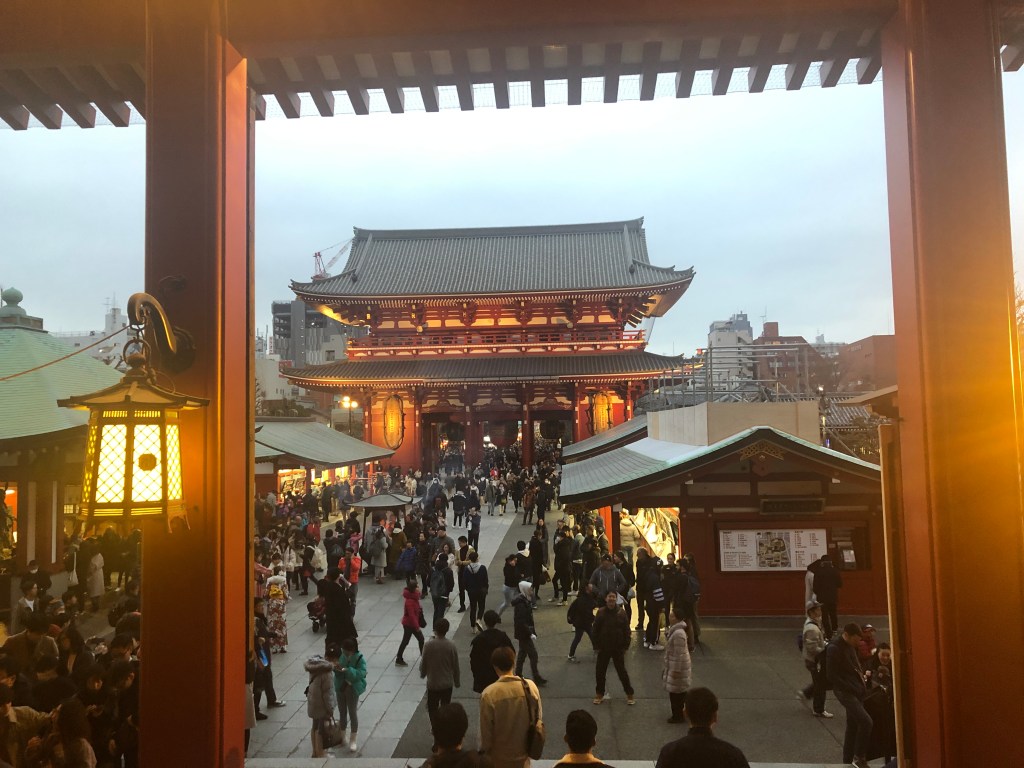
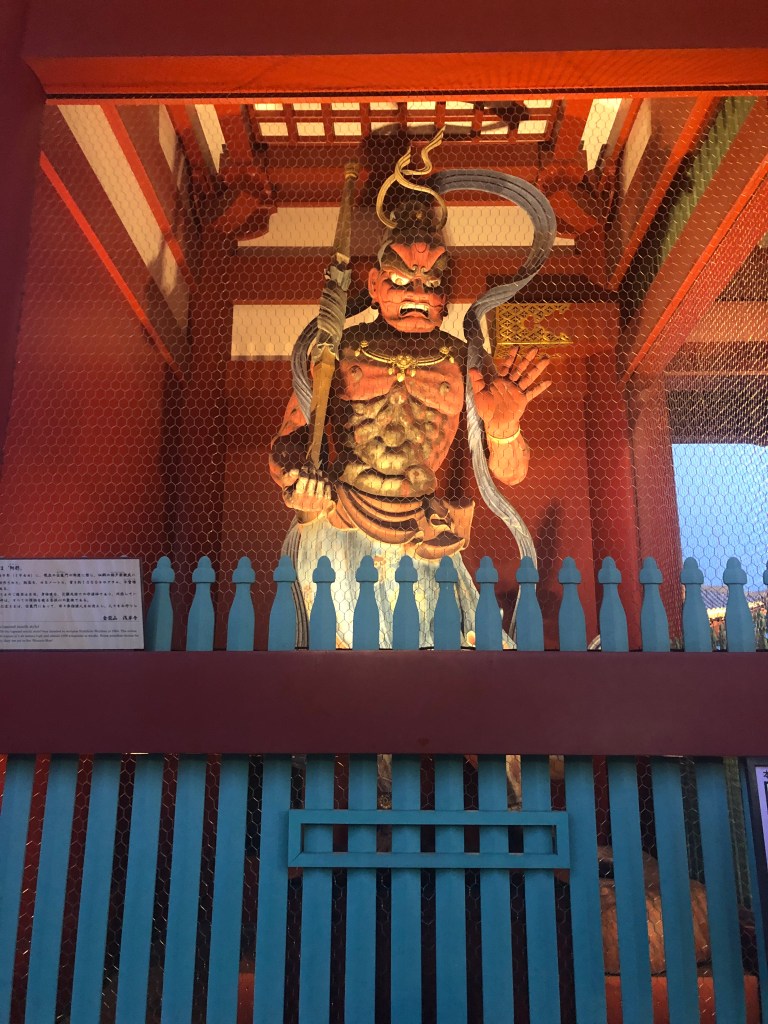
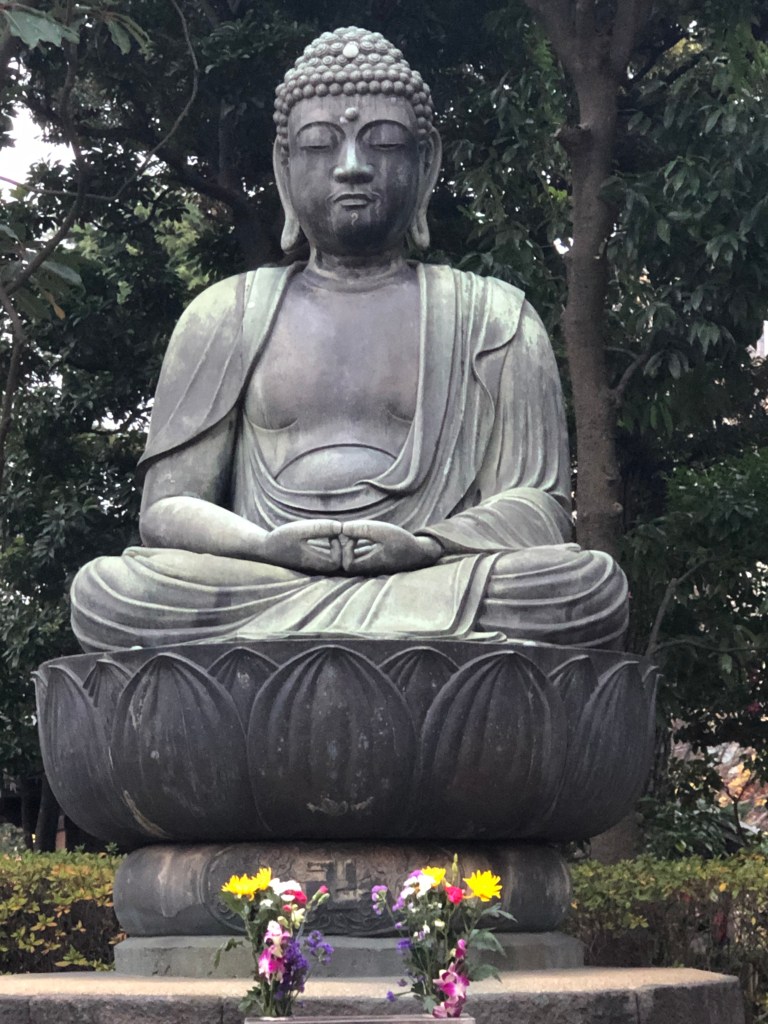
Before returning to Kyoto, let us wander over to the busy modern capital, home to the Emperor of Japan and the government, to enjoy the scenes of Sensō-ji in Asakusa, the oldest temple in Tokyo. The temple gates are guarded by the massive Niō, guardians, aspects of Vajrapāṇi, the guardian of Siddhartha Buddha. They may use violence to protect against evil. Along with its famous street views and giant lantern, Sensō-ji is also home to the Amida-nyorai (Amitābha) statue, buddha of eternal light and life, main buddha of the Pure Land sect. 7.5 meters bronze statue built 1693.
The highlight of my trip was having the opportunity to meet separately with two American Soto Zen monks living in Japan. The first was Rev. Jundo Cohen, founder and teacher at Treeleaf Zendo, an online sangha based in Tsukuba, Japan. The second was the Rev. Genzan Quennell, a notable priest living around Kyoto and closely associated with the Soto head temple founded by Dogen Zenji in 1244, known as Eiheiji, the Temple of Eternal Peace.
Sitting the monthly Zazenkai with Rev. Jundo and Treeleaf was a unique experience because there being no Zen sangha here in Jakarta, I have been sitting remotely almost every Saturday with Treeleaf since I found them online. There have been some naysayers over the last ten years that Treeleaf has been serving Soto Zen Buddhists who are isolated due to injury, location or other reason. Not everyone has agreed that sitting together via internet is the same as being close physically, especially for ceremonies like ordinations.
Today, however, the coronavirus has become a global pandemic and people are self-isolating as schools close, public venues shut down and jobs are put on hiatus. Performers are doing online concerts, schools and offices are using video conferencing, and Soto Zen sanghas are having to meet online if at all. Rev. Jundo is very well equipped to counsel those who need an introduction to the technology and process of meeting online.
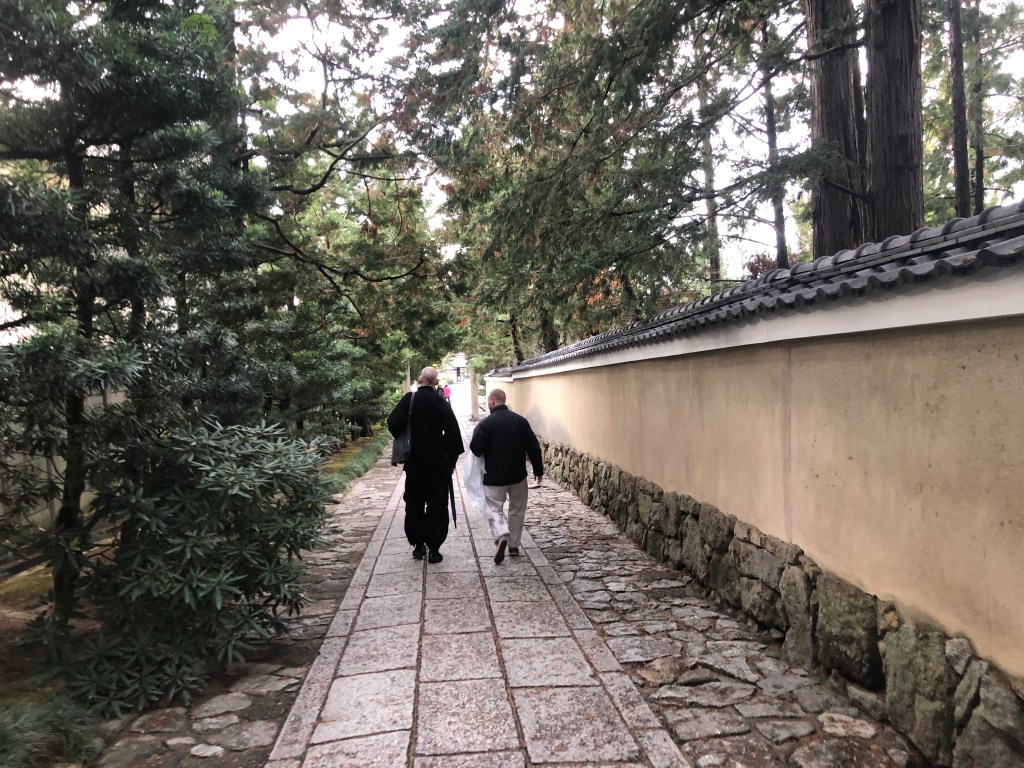
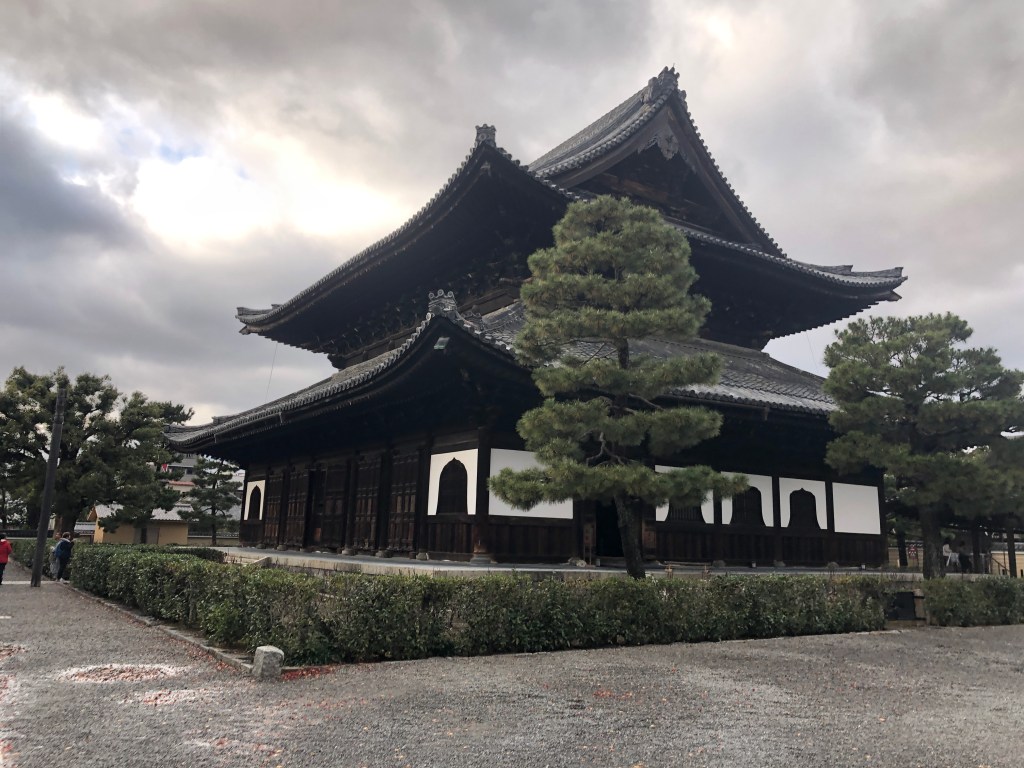
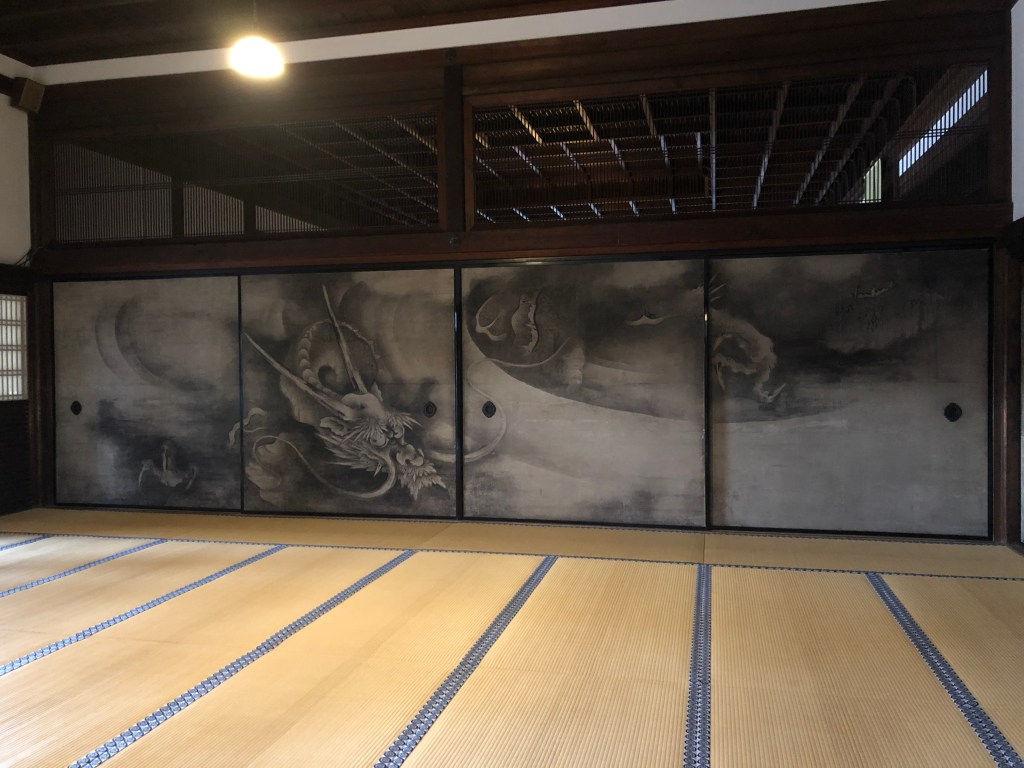
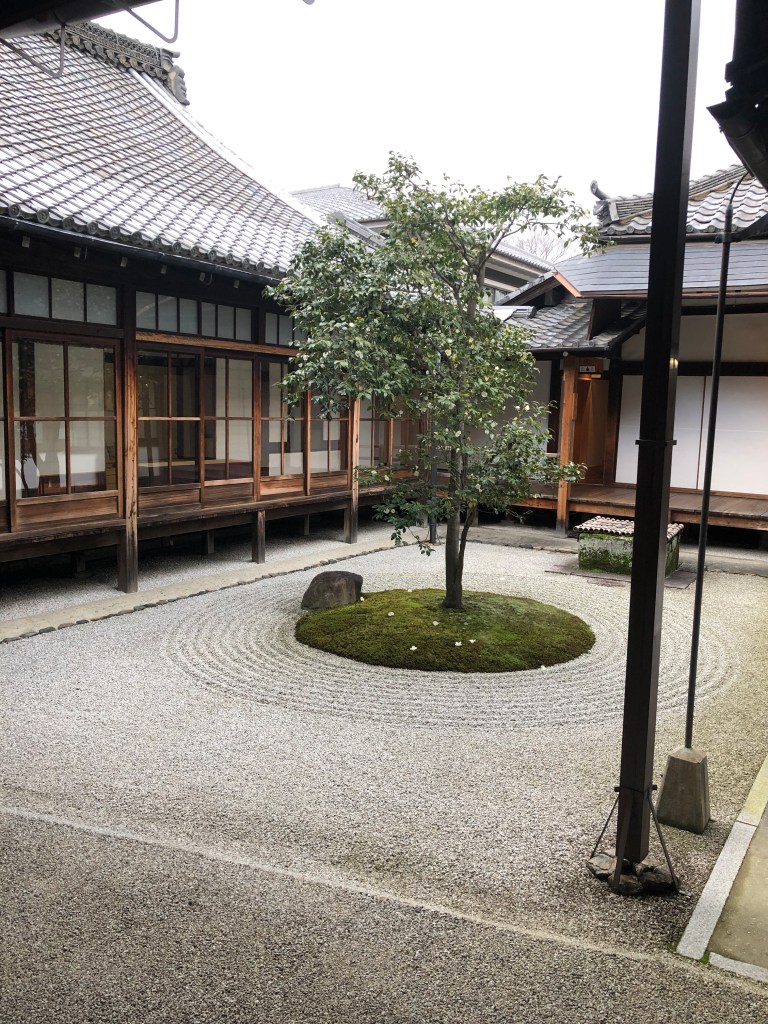
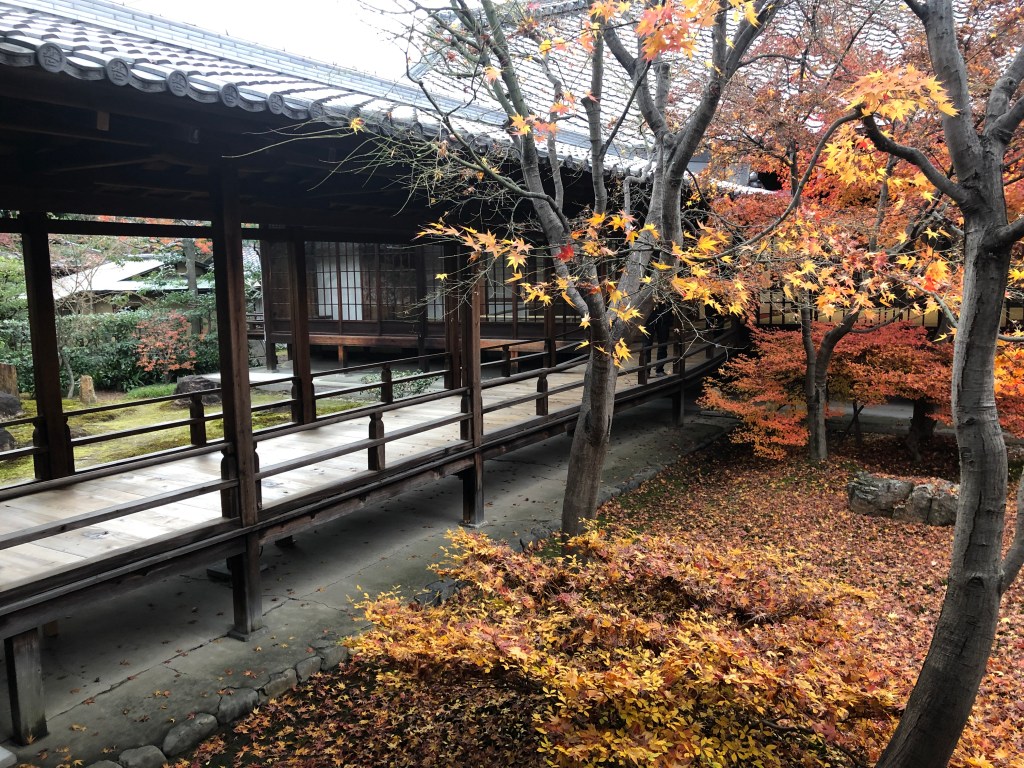
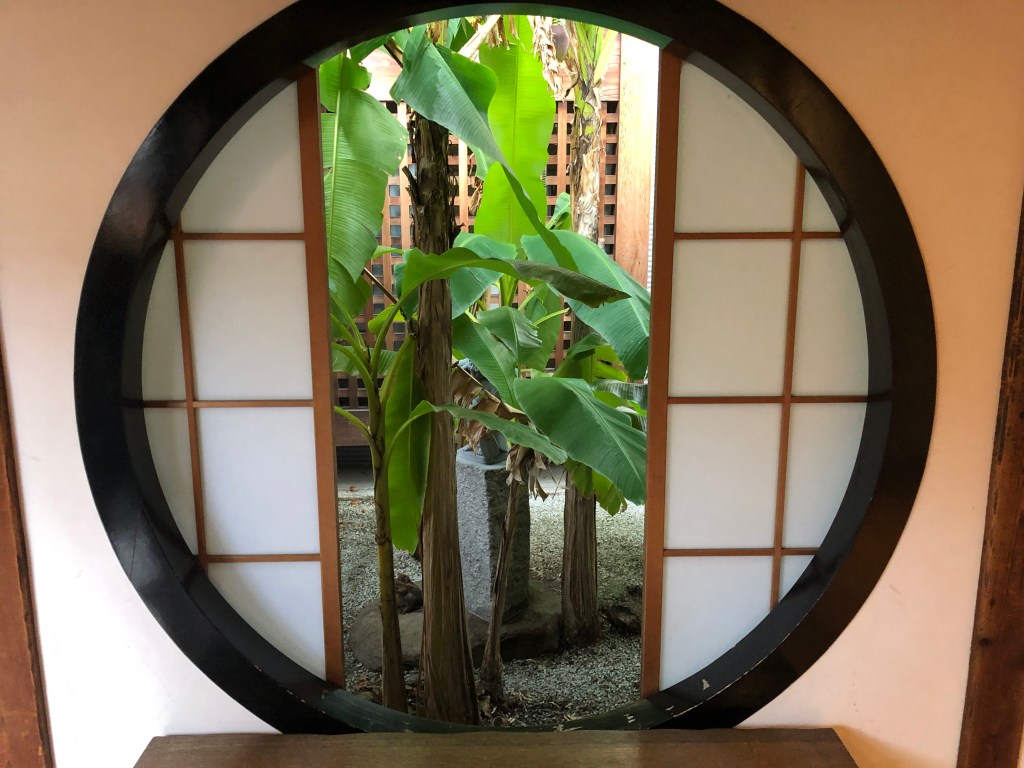
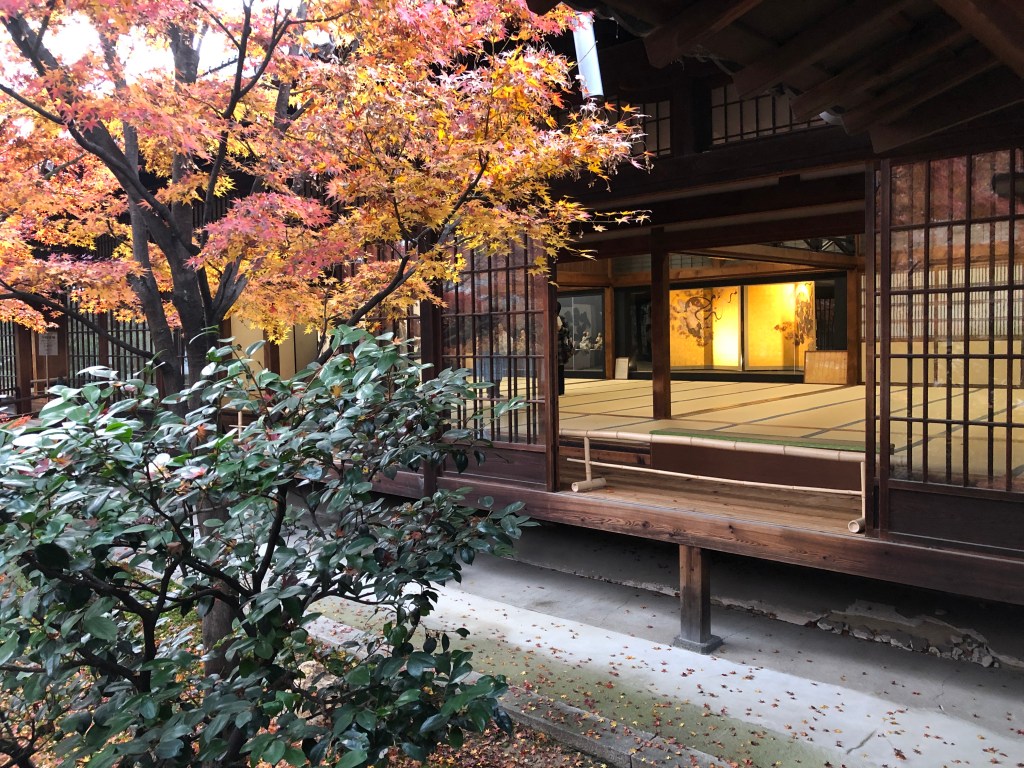
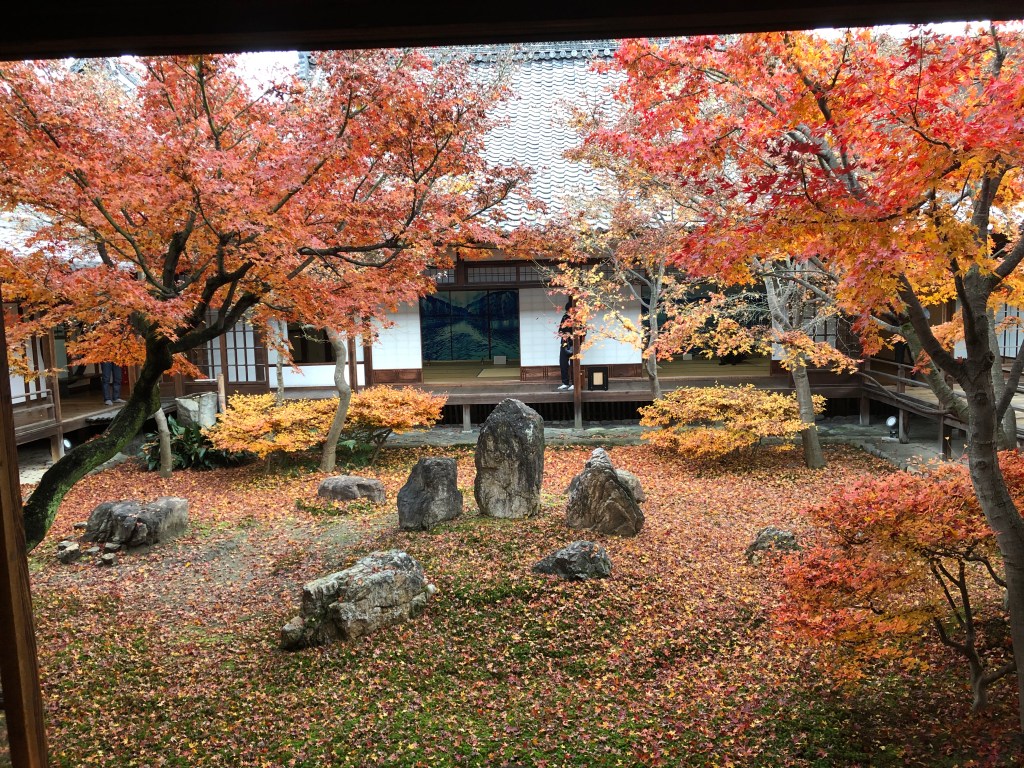
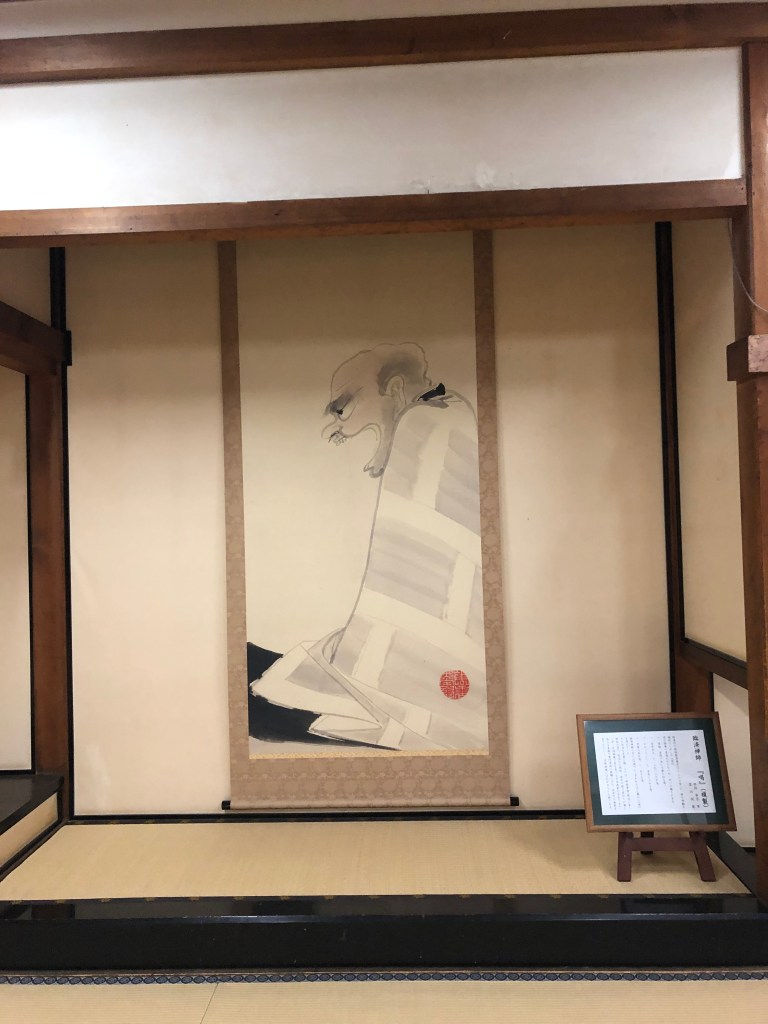
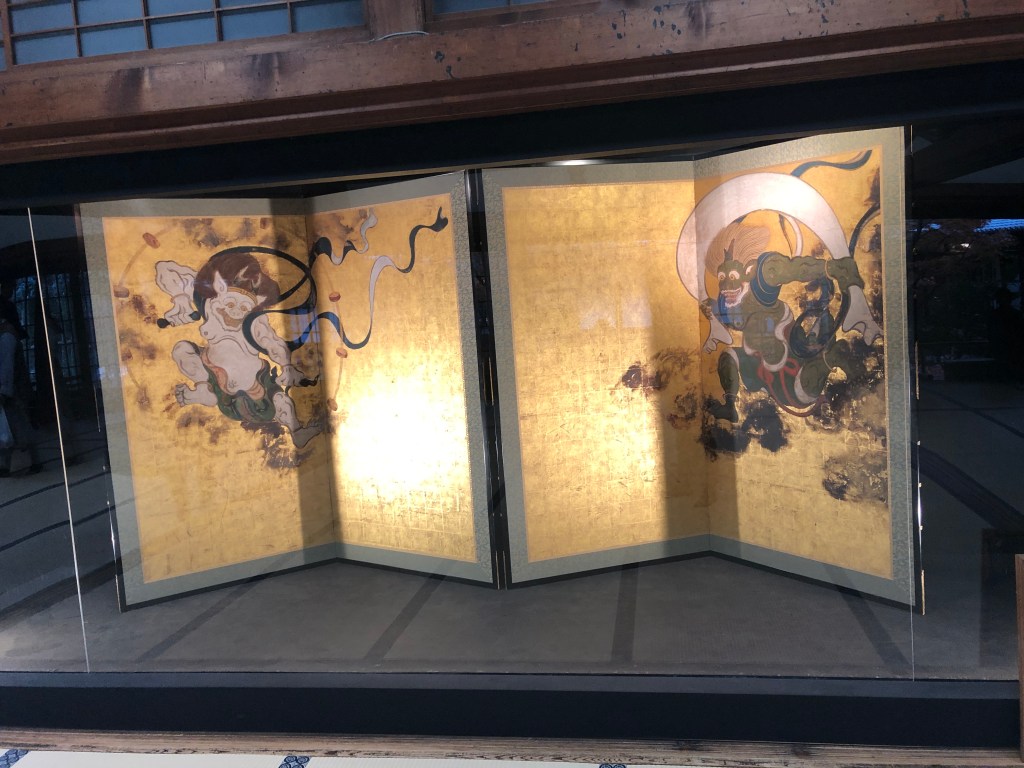
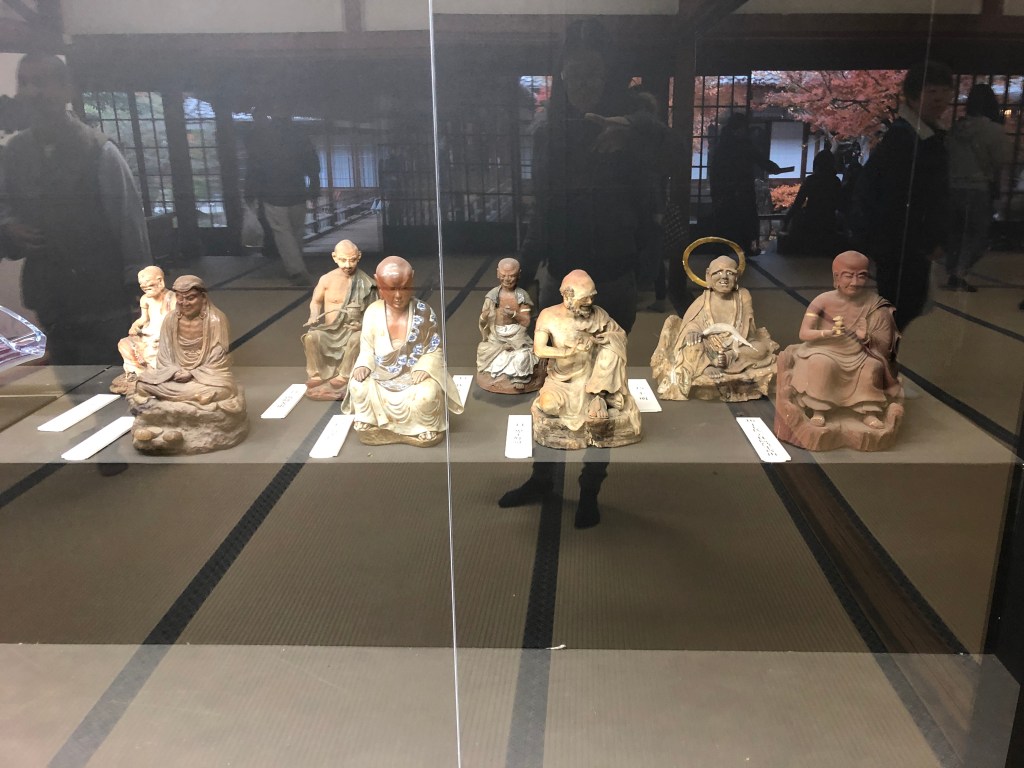
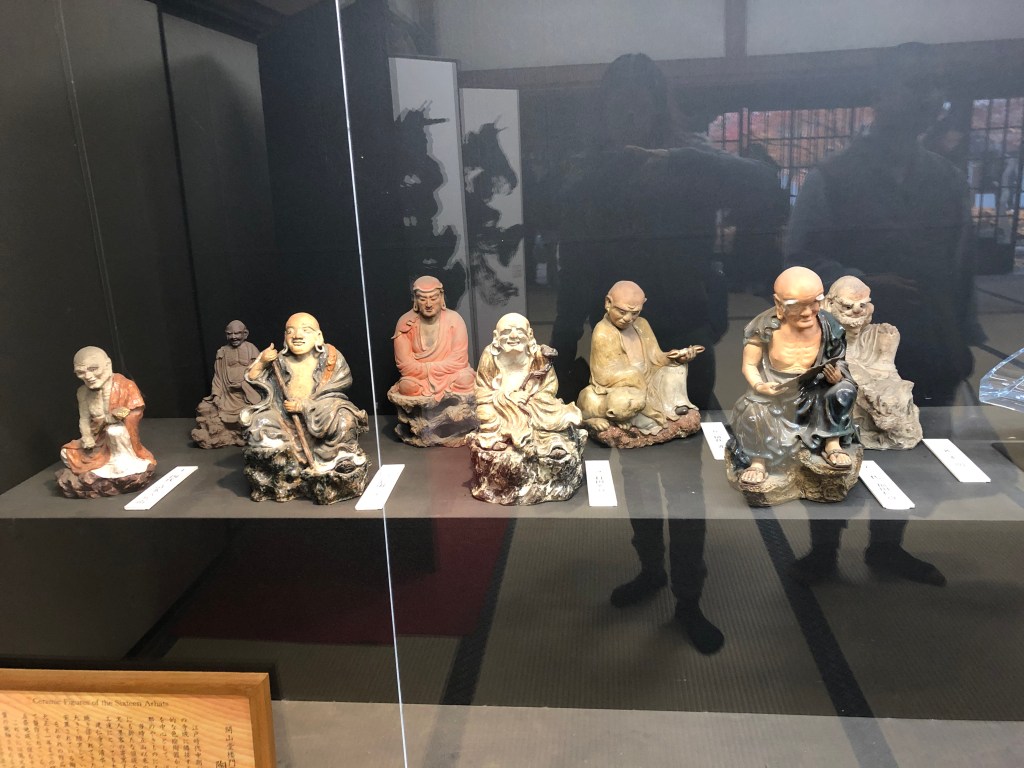
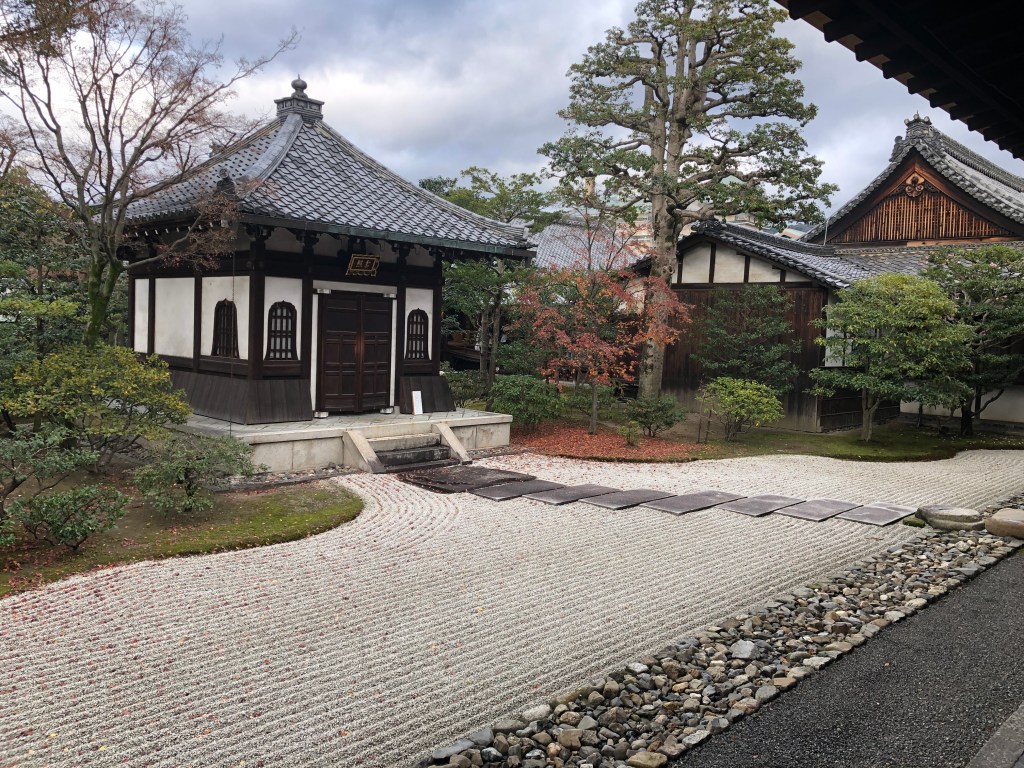
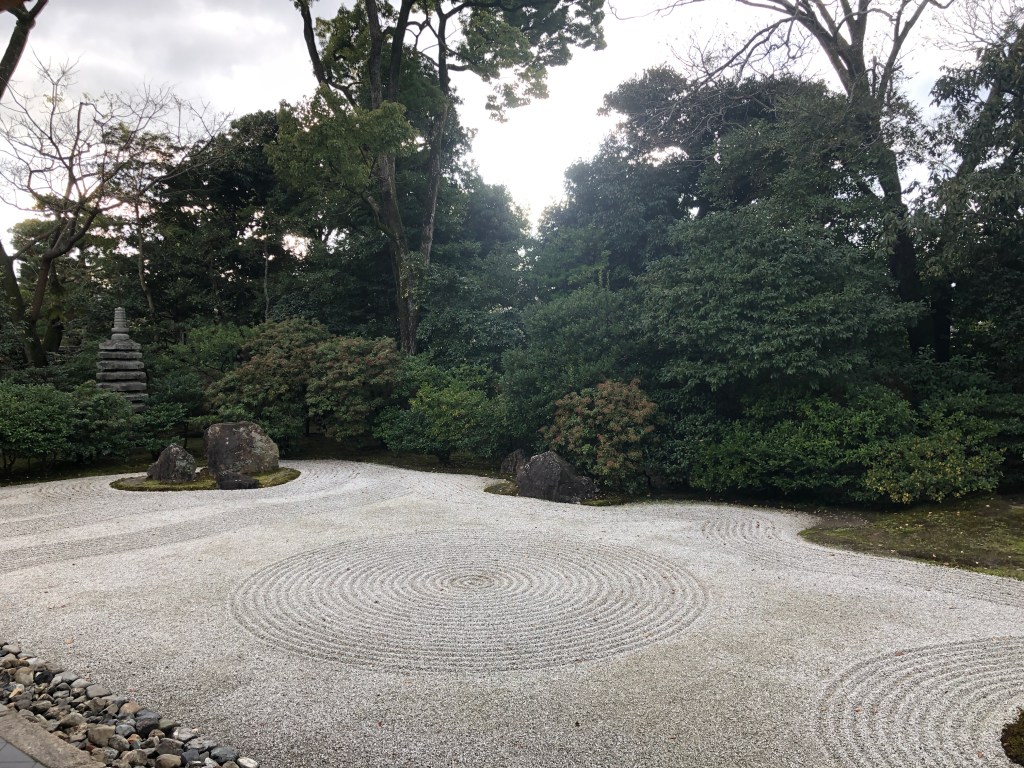
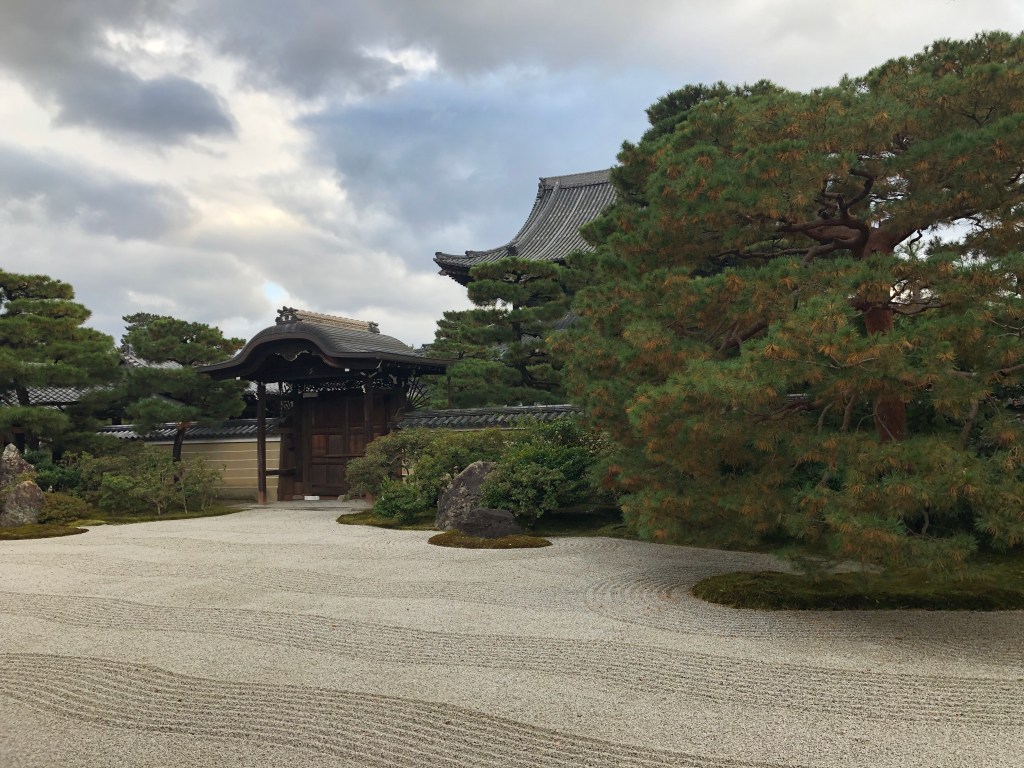
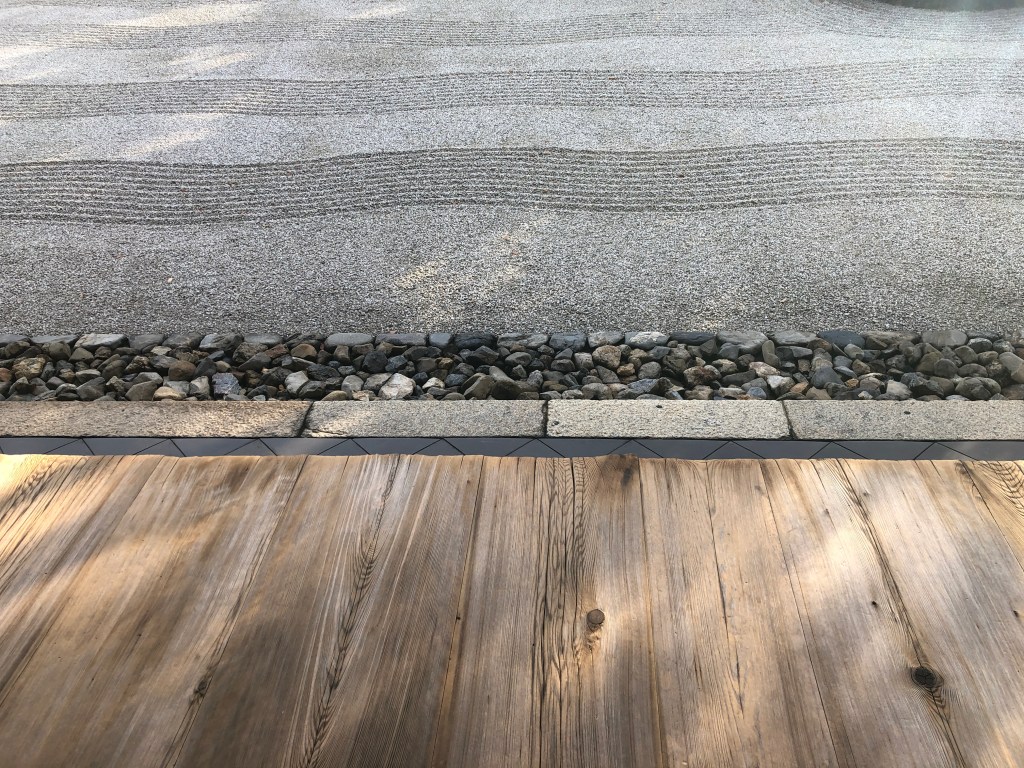
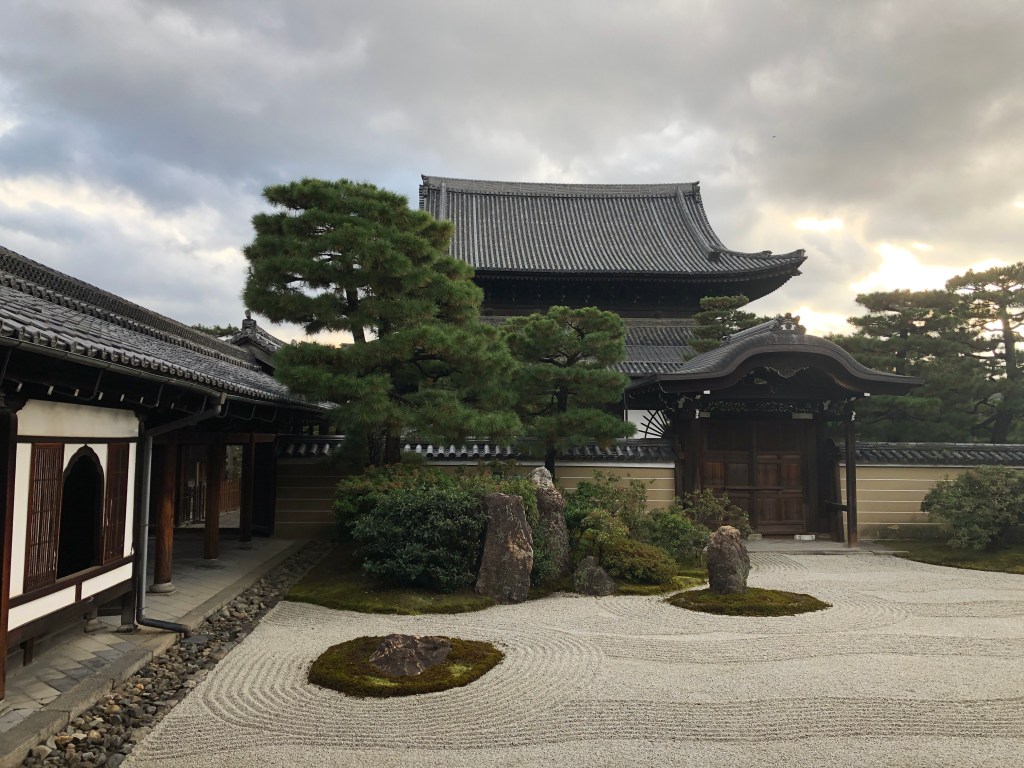
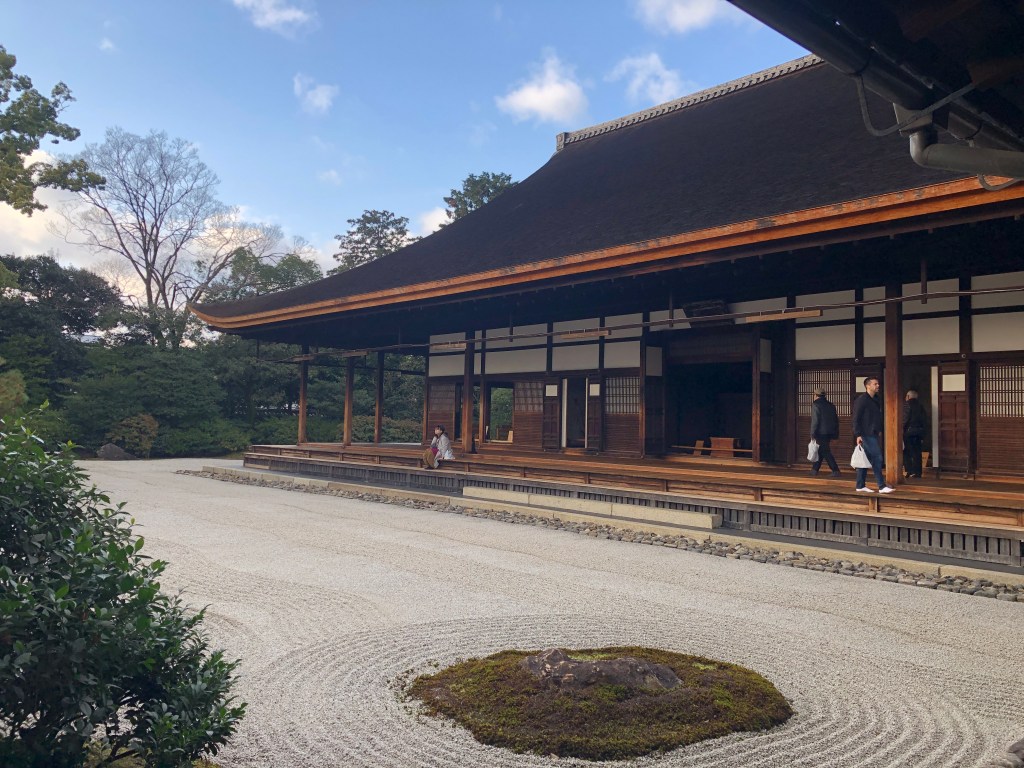
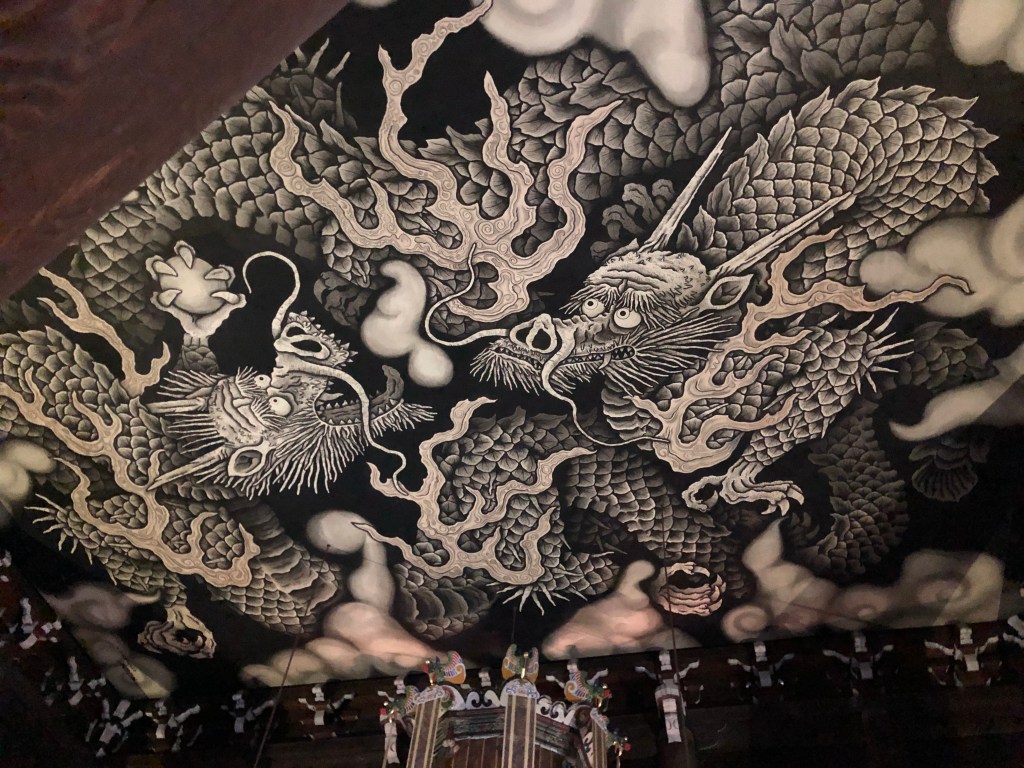
Rev. Genzan graciously took us to Kenninji in Kyoto. Kenninji is the main temple founded by Yousai, the Japanese monk who first brought Zen and green tea from China to Japan. Built in 1202, this is where Dogen Zenji, the founder of Soto Zen, trained to be a monk. This was perhaps my most favorite temple site on this trip, as it not only holds meaning for us Soto Zen practitioners, but it is beautiful and naturally conducive to meditation.
I sincerely hope that I am able to return to Japan soon to visit the two head temples of Sotoshu, Eiheiji and Sojiji. There are several other Soto temples of special importance it would be a joy to visit. Until then, let us take our next post to a most unlikely place to find Zen monks and monasteries; I mean, naturally, Iowa.

 Temples Along the Way