In 2006 I put my black Masonic briefcase into storage and headed westward to go to the East. Apparently, the Earth is round. We stopped in San Francisco and left for Hong Kong. Of course, I had to pay my respects to Bruce Lee along the way. The Hong Kong-American Bruce Lee (1940-1973) spent years studying Chinese Daoist taijiquan (Tai Chi) and Buddhist Wing Chun style Kung Fu before becoming the world’s most famous martial arts actor.
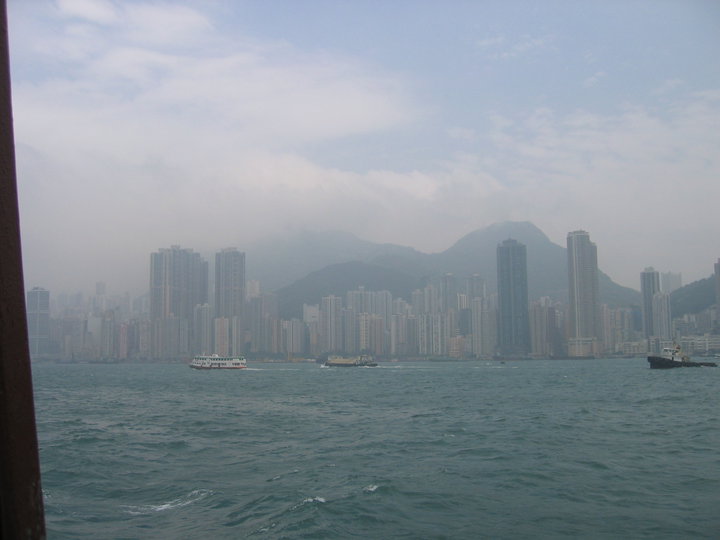
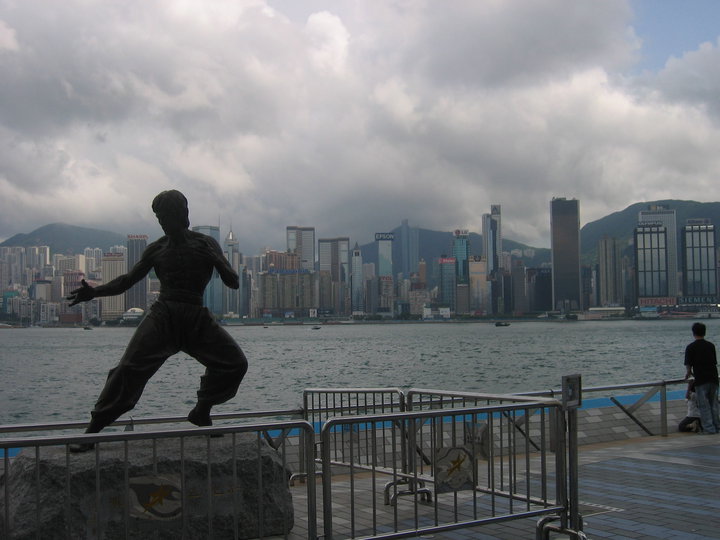
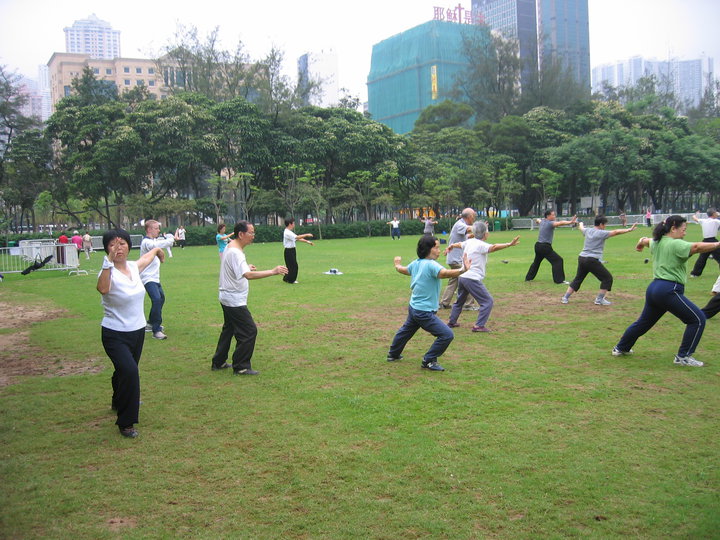
I had studied a little taijiquan and Wing Chun, too, so I decided that as long as I was in Hong Kong near Victoria Park, I would join the people who play taiji there every morning. After the refreshing exercise and fun interactions with native Hongkongers, I prevailed upon my wife to join me in visiting a couple of temples. There are a number of temples in Hong Kong but Wong Tai Sin and Po Lin are beyond doubt two of the most interesting.
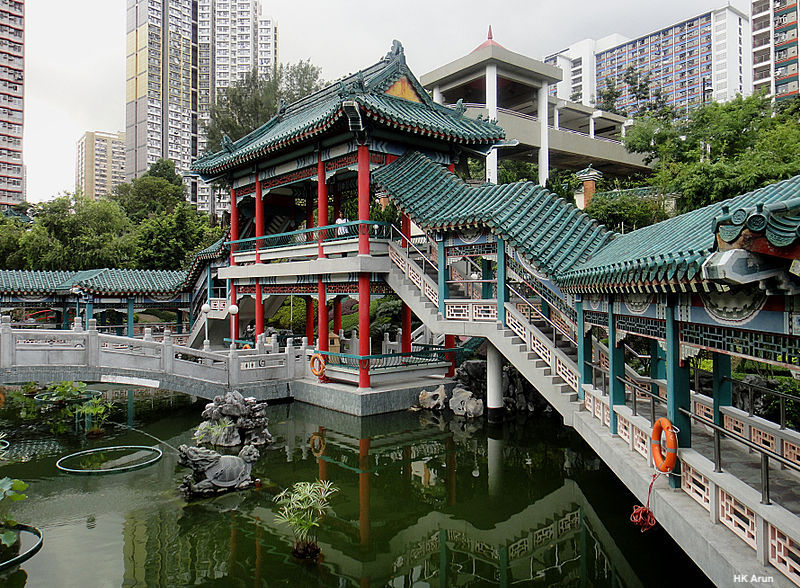
The Daoist Wong Tai Sin Temple in Kowloon honors the three great Chinese religions of Confucianism, Daoism and Buddhism, and is laid out according to the principles of Feng Shui. The temple is a small open sanctuary with a colorful bridge and raised walkway leading to covered platforms. The whole structure overlooks a picturesque pond with scenic rock formations and stone fountains, and populated by water plants, turtles and koi. All but one of my photos from my visit are currently in storage.
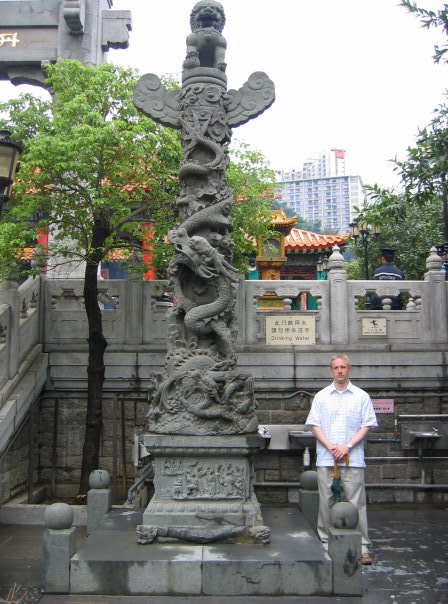
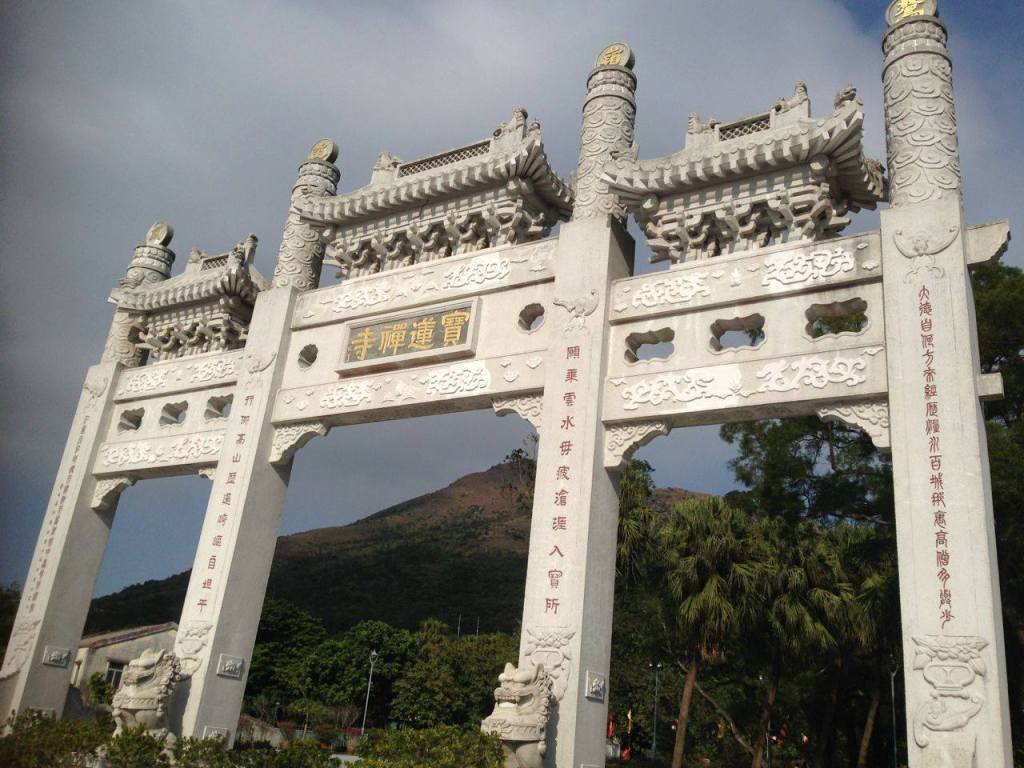
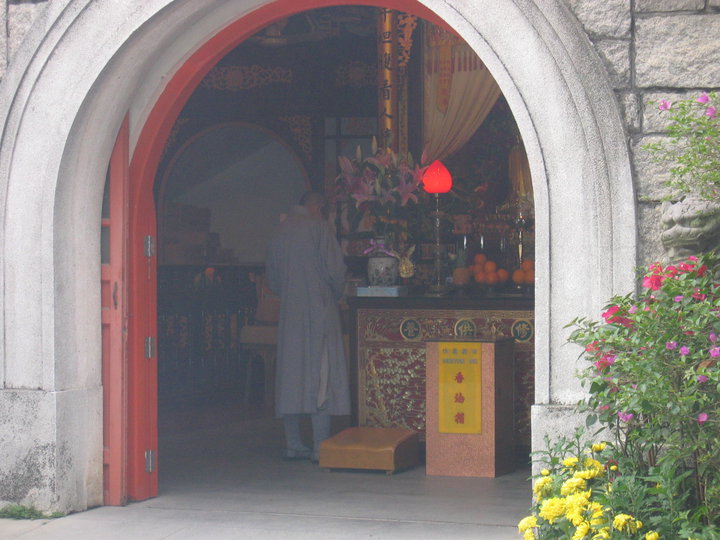
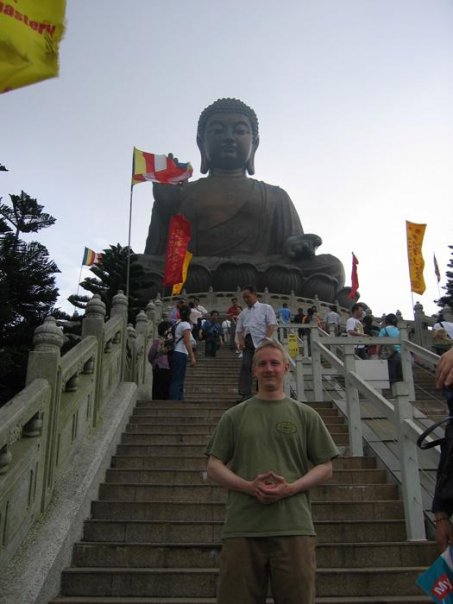
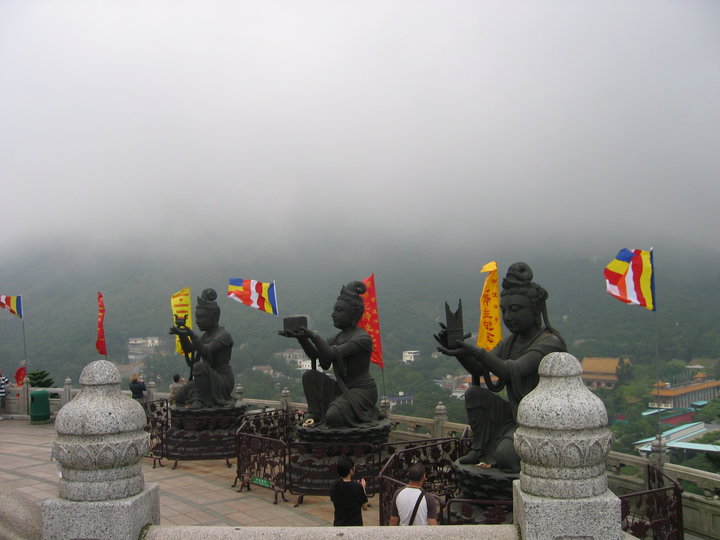
From there we took a ferry over to Lantau Island. The Po Lin Monastery can be recognized from a great distance as the nearby 34 meter (112 feet) bronze Tian Tan Buddha, completed in 1993, towers over a tall hill on the island. 268 steps reach from the bottom of the hill to the Big Buddha.
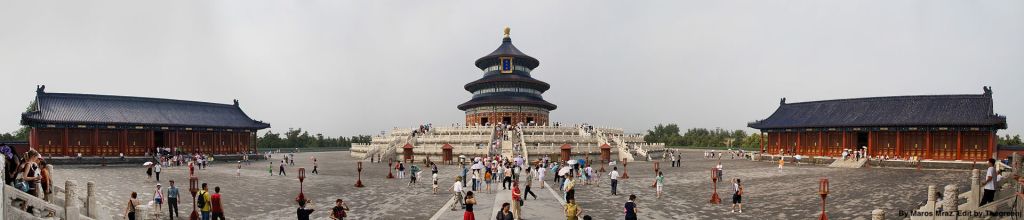
The base of the statue is modelled on the Altar of Heaven at the Temple of Heaven in Beijing. Three floors support the lotus upon which the statue sits, one of them containing some of the ashes of the cremated Siddhartha Buddha. Six devas surround the Buddha, symbolizing the Six Paramitas (Perfections).
Next, we proceeded to China to visit:
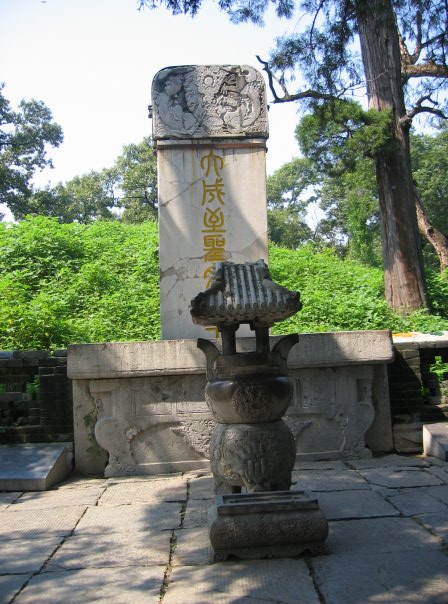
The tomb of Confucius;
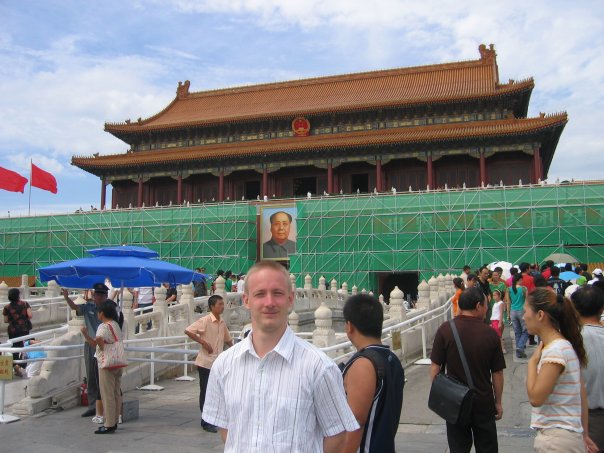
The Temple of Heaven at the Forbidden City;
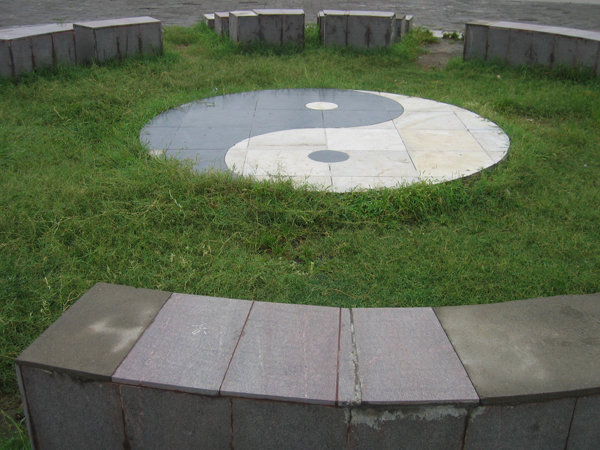
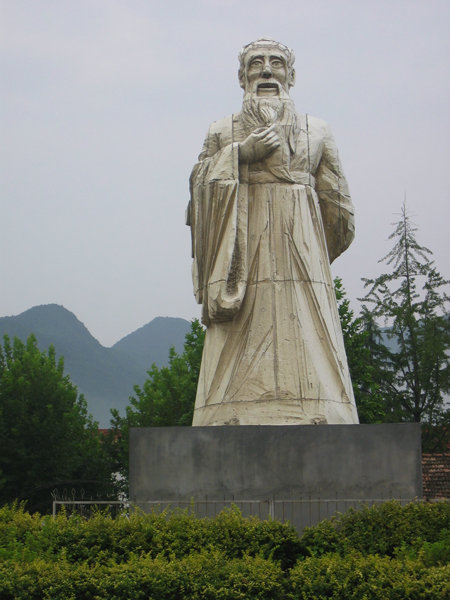
Mount Zhongnan where Laozi (Lao Tzu) wrote the Daode jing;
Mount Tai, the greatest of the five Daoist sacred mountains;
White Cloud Temple, the headquarters of religious Daoism;
White Horse Temple, the first Buddhist temple in China; and
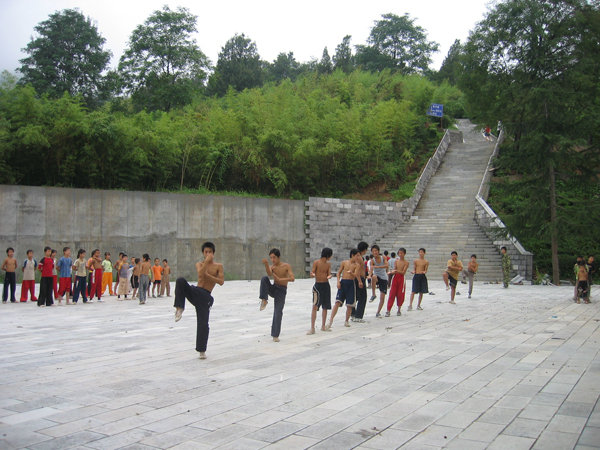
Shaolin Temple, the origin of Chan (Zen) Buddhism, kung fu and drinking tea.
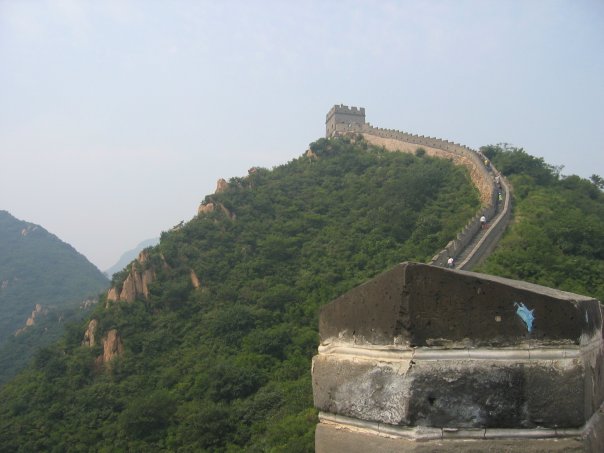
While in China, of course we also had to visit the city of Shanghai, the Longmen Grottoes in Luoyang, the terracotta warriors in Xi’an, the Great Wall of China, and the Chairman Mao Memorial Hall in Beijing.
In the city of Qufu, the spiritual and familial legacy of Confucius remains physically intact. The Temple and Cemetery of the Kong Clan, which includes the Tomb of Confucius, stands alongside the Kong Family Mansion, the historic residence of his direct descendants. Together, these sites form a rare continuum of philosophy, ritual, and lineage—where teaching, remembrance, and daily life once existed as a single, integrated cultural system.
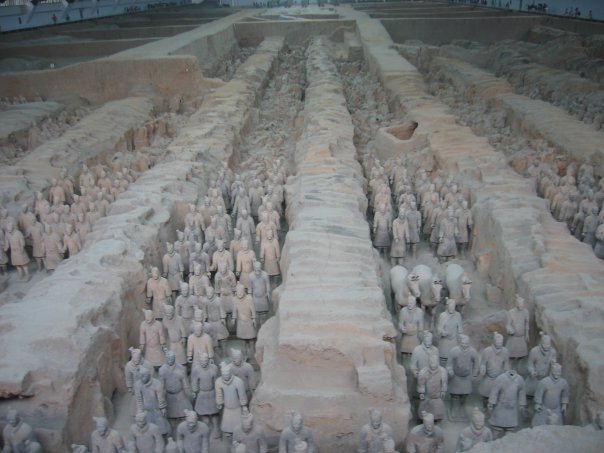
When the emperor Qin Shi Huang, the unifier of China, died, he was interred in a vast subterranean empire near Xi’an, a burial complex designed to mirror and perpetuate his earthly rule. Along with palaces, treasures, and rivers, 8,000 terracotta soldiers, 520 horses harnessed to 130 chariots, and 150 cavalry horses—as well as officials, acrobats, musicians, and other court figures—were buried with him around 210 BCE, intended to serve him in the afterlife.
Decades later, it was a quiet pleasure for me to meet Yang Zhifa, the farmer who helped uncover the Terracotta Army in 1974 beneath the soil of his own fields.
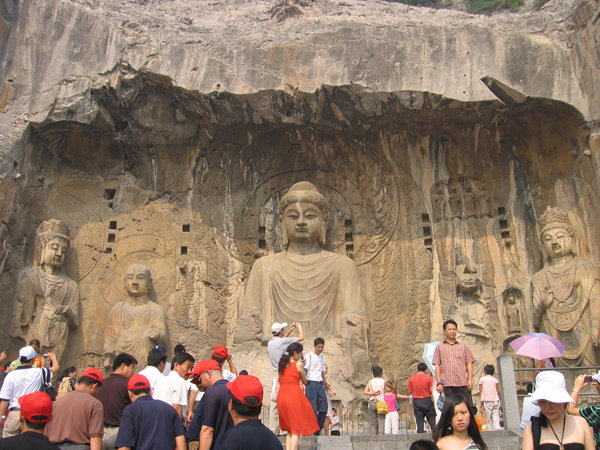
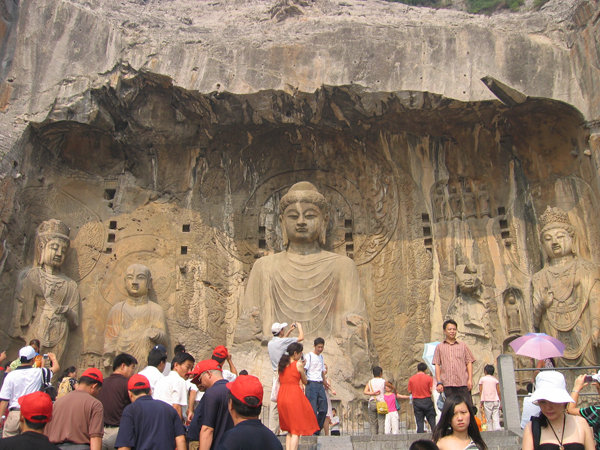
The Longmen caves or Dragon-Gate Grottoes in Luoyang are renowned as some of the greatest Chinese Buddhist art. 100,000 statues are carved into over 2,000 limestone caves. The statues were created from the 5th to the 12th century and there are several temples around the caves.
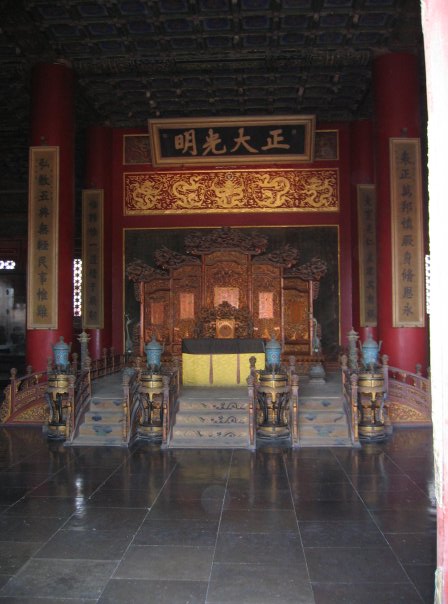
The Forbidden City in Beijing was constructed about 1420 as the residence of the emperor of China, which is was from the Ming to the Qing dynasty. In 1918 the palace complex was turned into a public park. The Temple of Heaven was given its name by the Jiajing Emperor in the 16th century, who built three other temples in Beijing: the Temple of the Sun in the east, the Temple of the Moon in the West, and the Temple of Earth in the north.
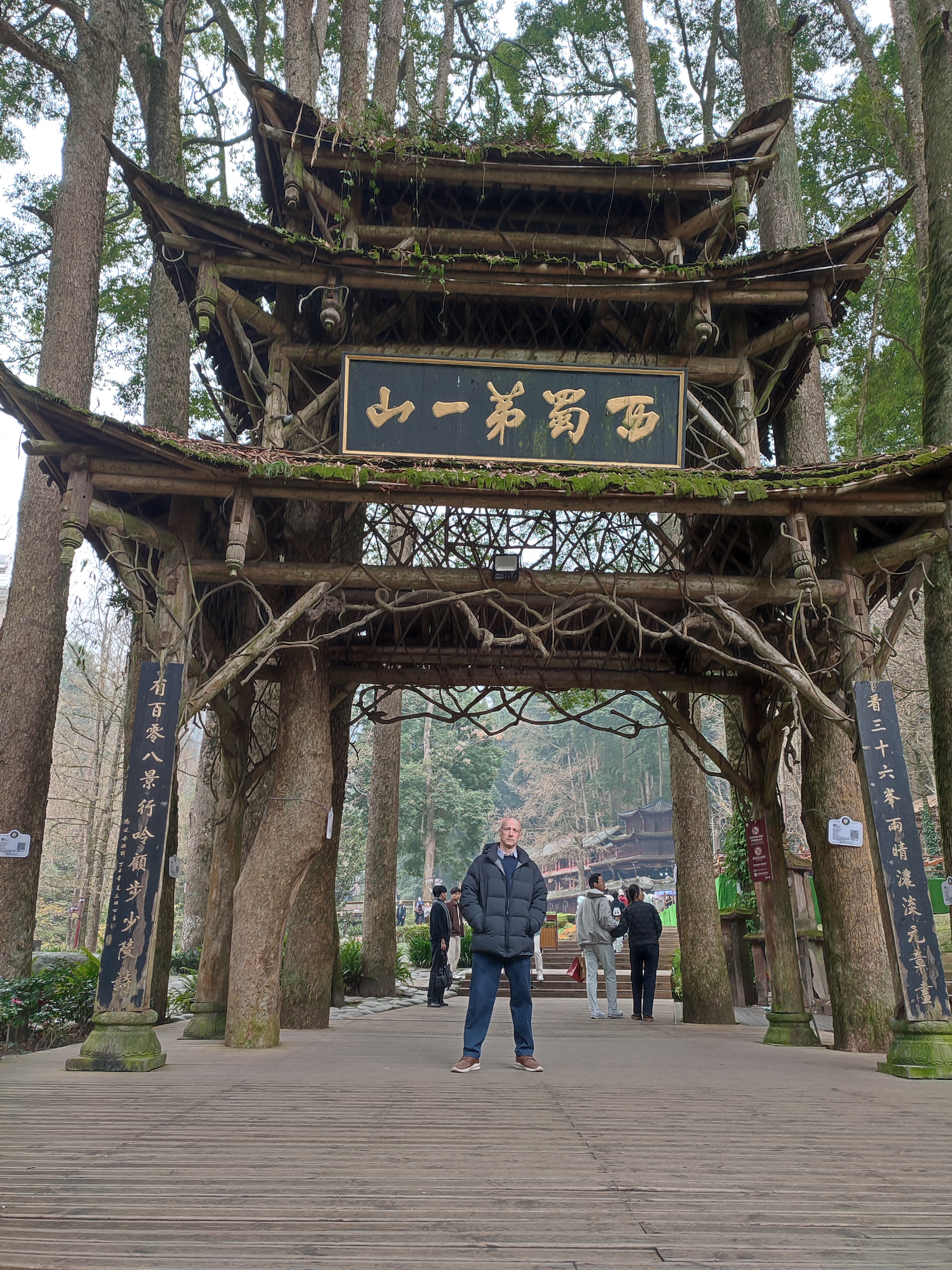
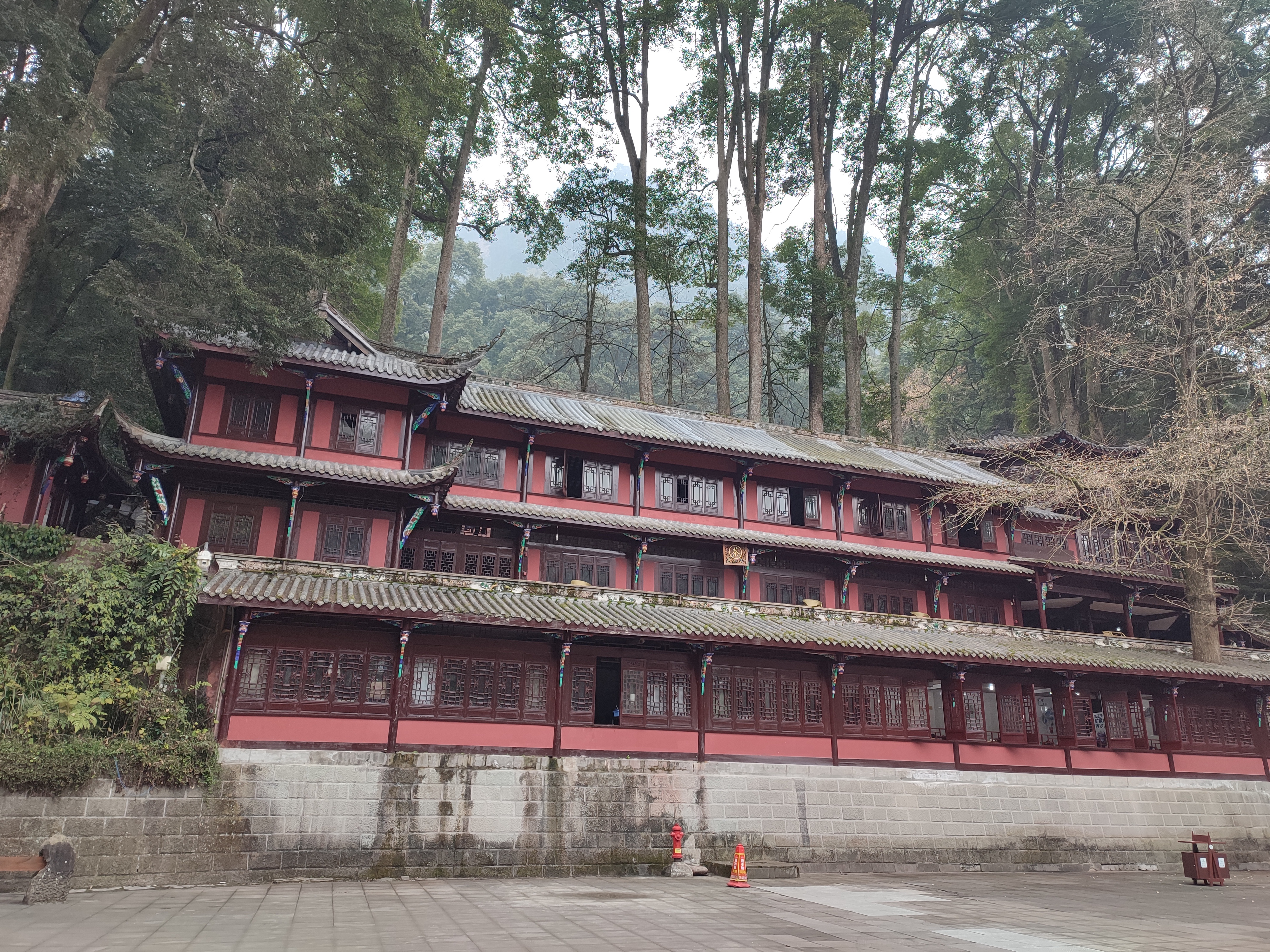
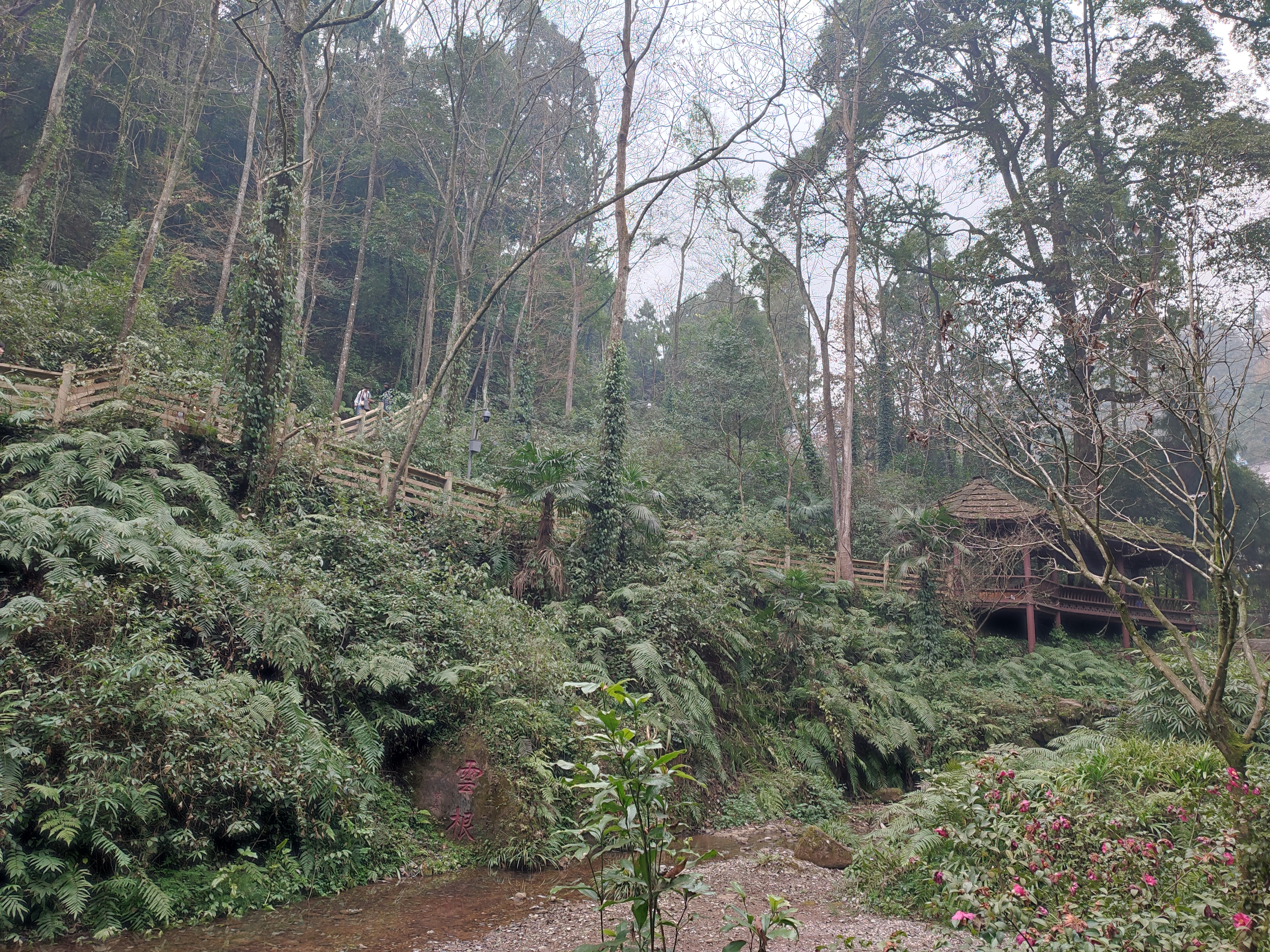
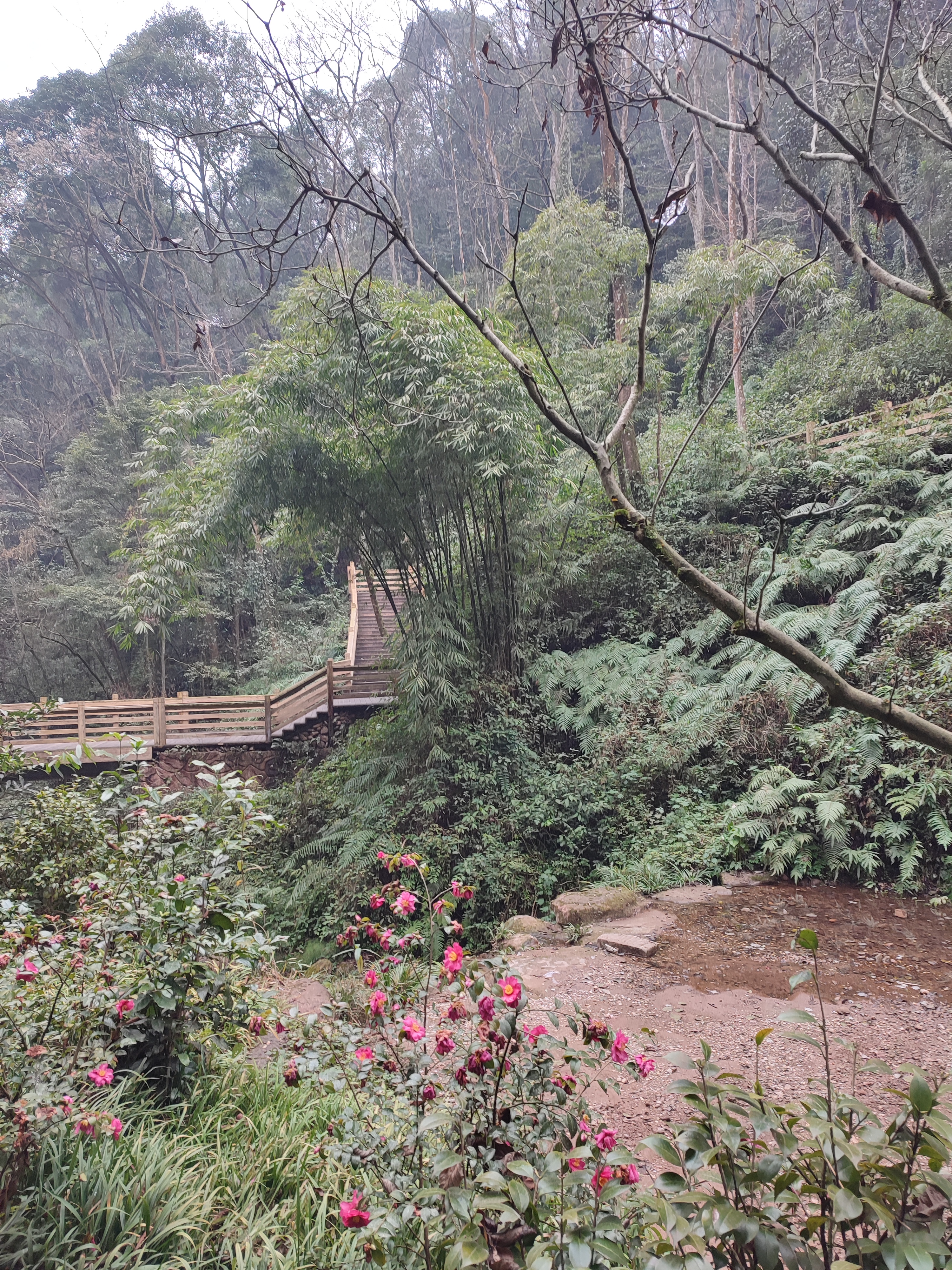
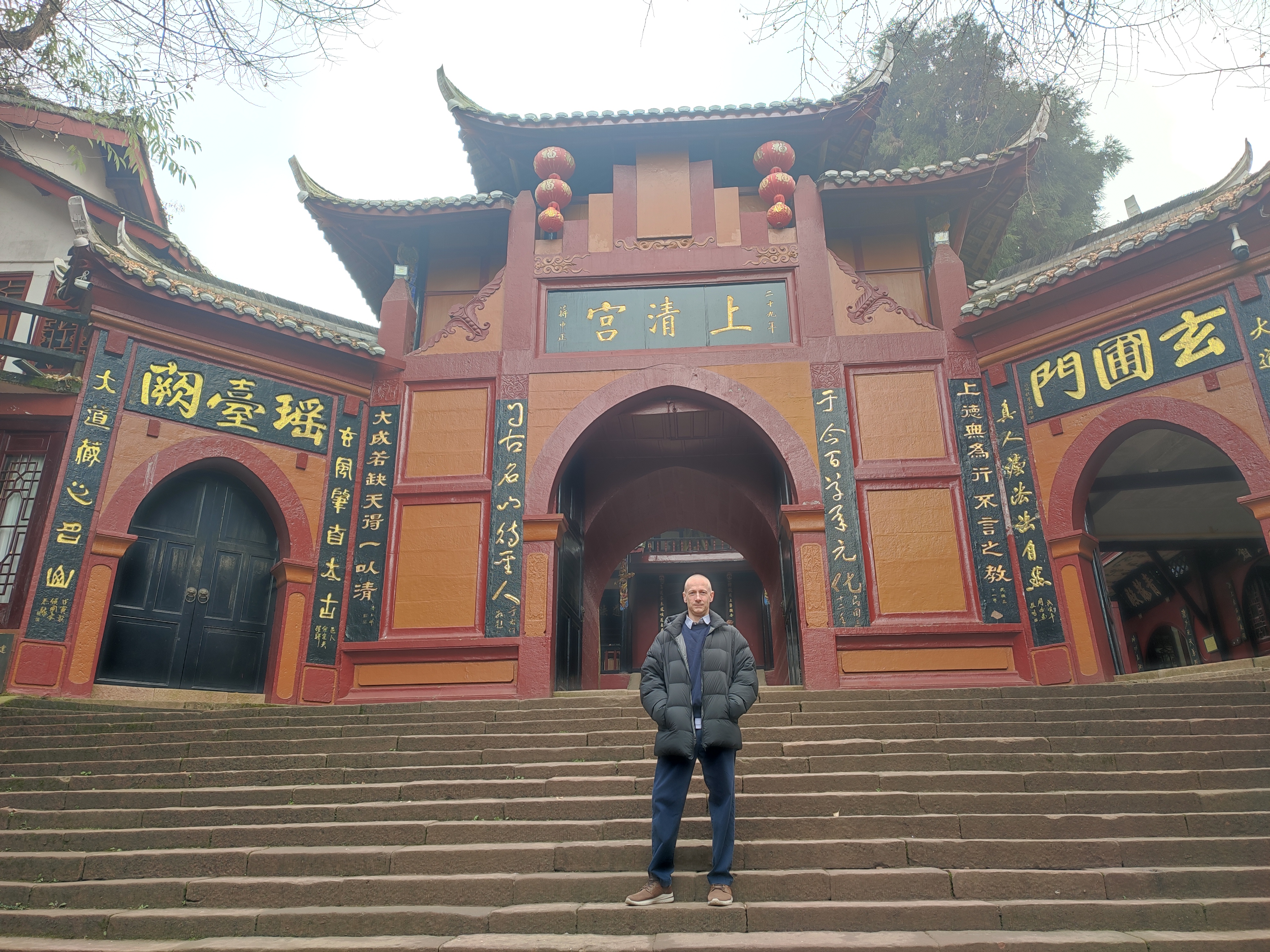
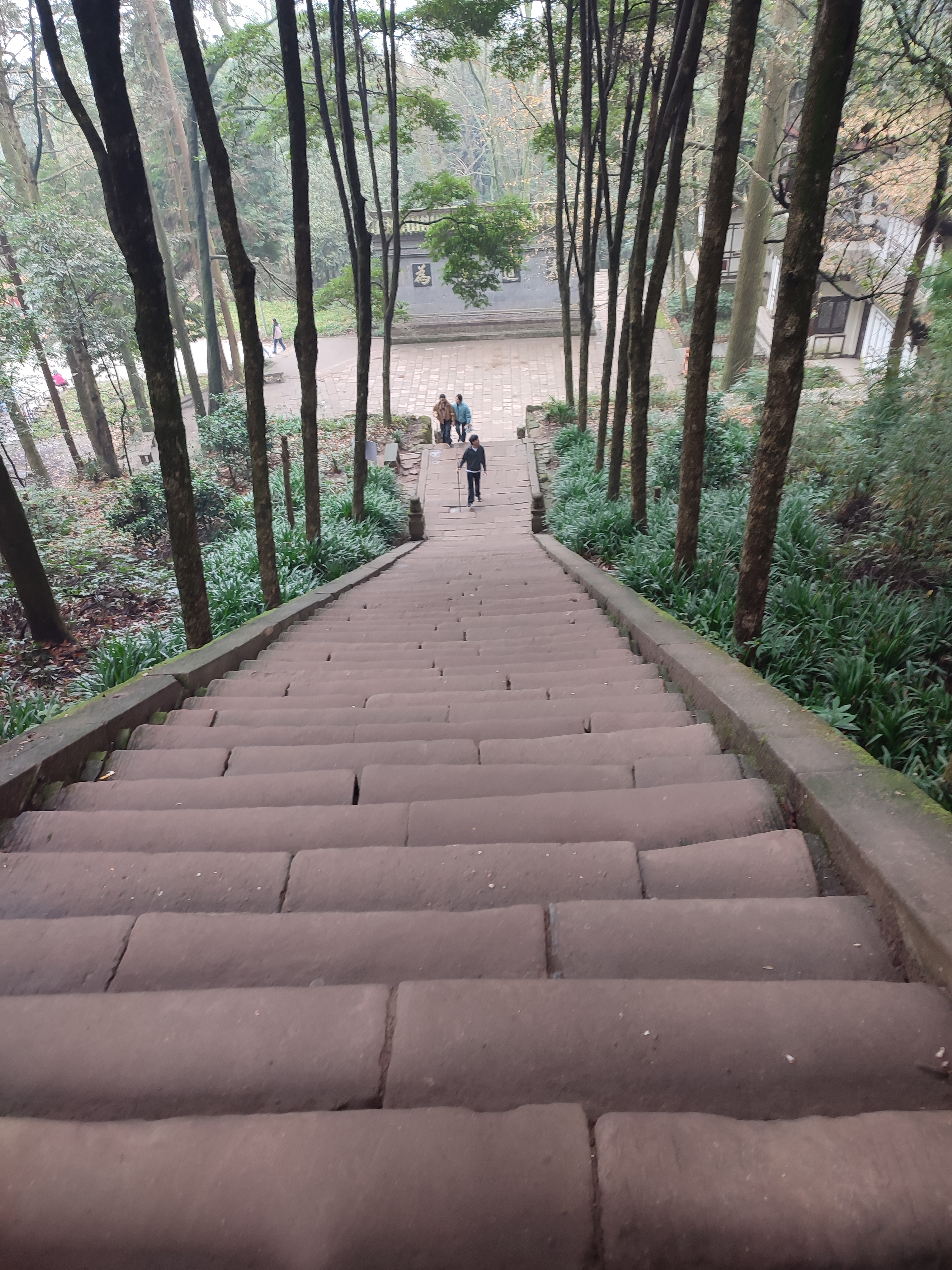
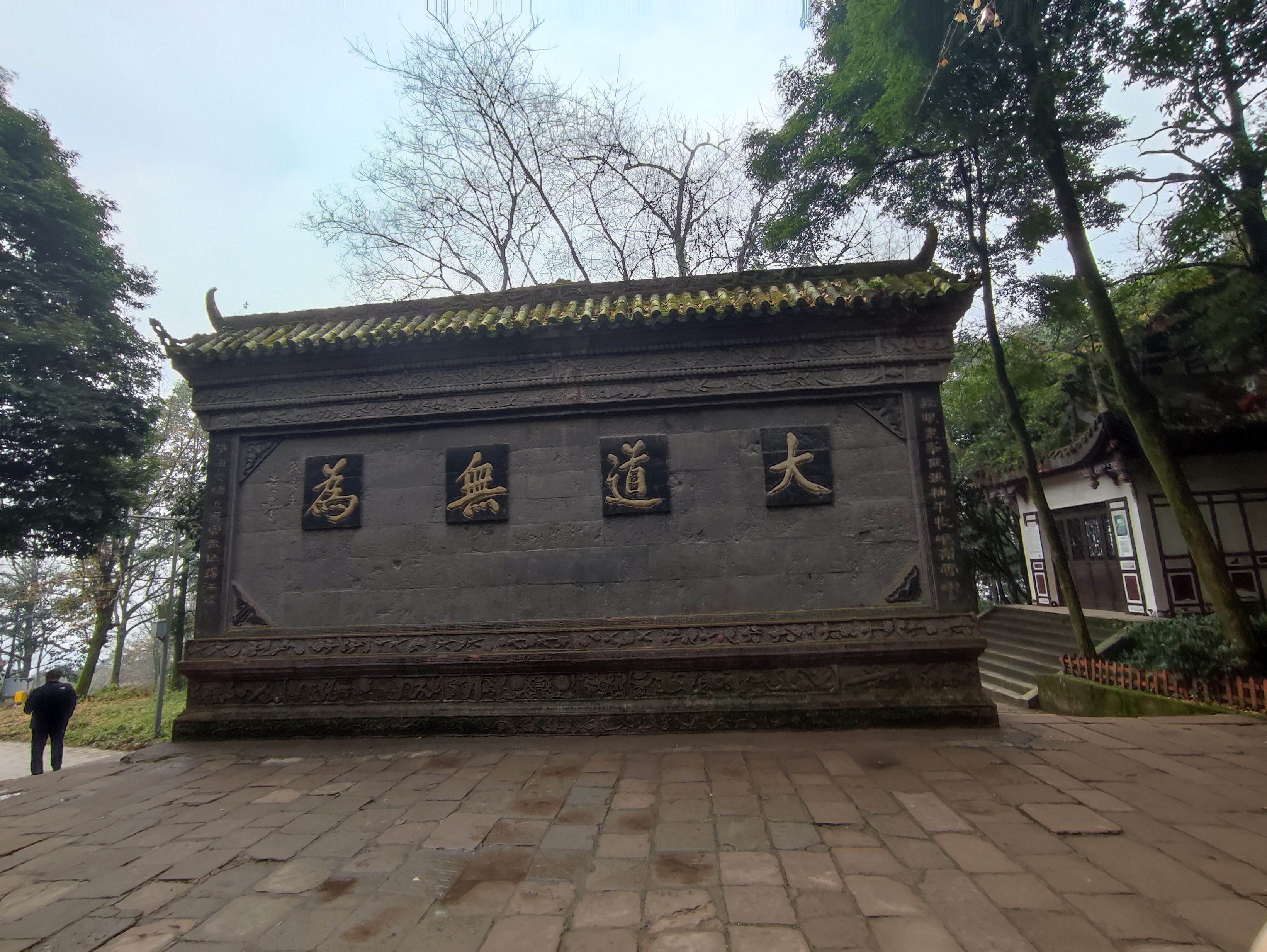
In 2026 we visited Qingcheng Mountain, just outside Chengdu, one of the most sacred mountains of Daoism. Qingcheng is known for its deep forests, mist, and an environment shaped for contemplation and revitalization. Religious Daoism was born here when, in 142 CE, the first Celestial Master Zhang Daoling developed the Way of the Celestial Masters or Heavenly Masters Sect, also known as the Way of the Five Pecks of Rice.
For centuries, Daoist practitioners practiced meditation, breath work, and inner (symbolic) alchemy in this mountain, refining the body-mind as a laboratory of transformation. Temples are woven into the mountainside, culminating near the summit at Laojun Pavilion, dedicated to the immortal father of “the Path,” Laozi, where ritual, study, and stillness converge above the clouds.
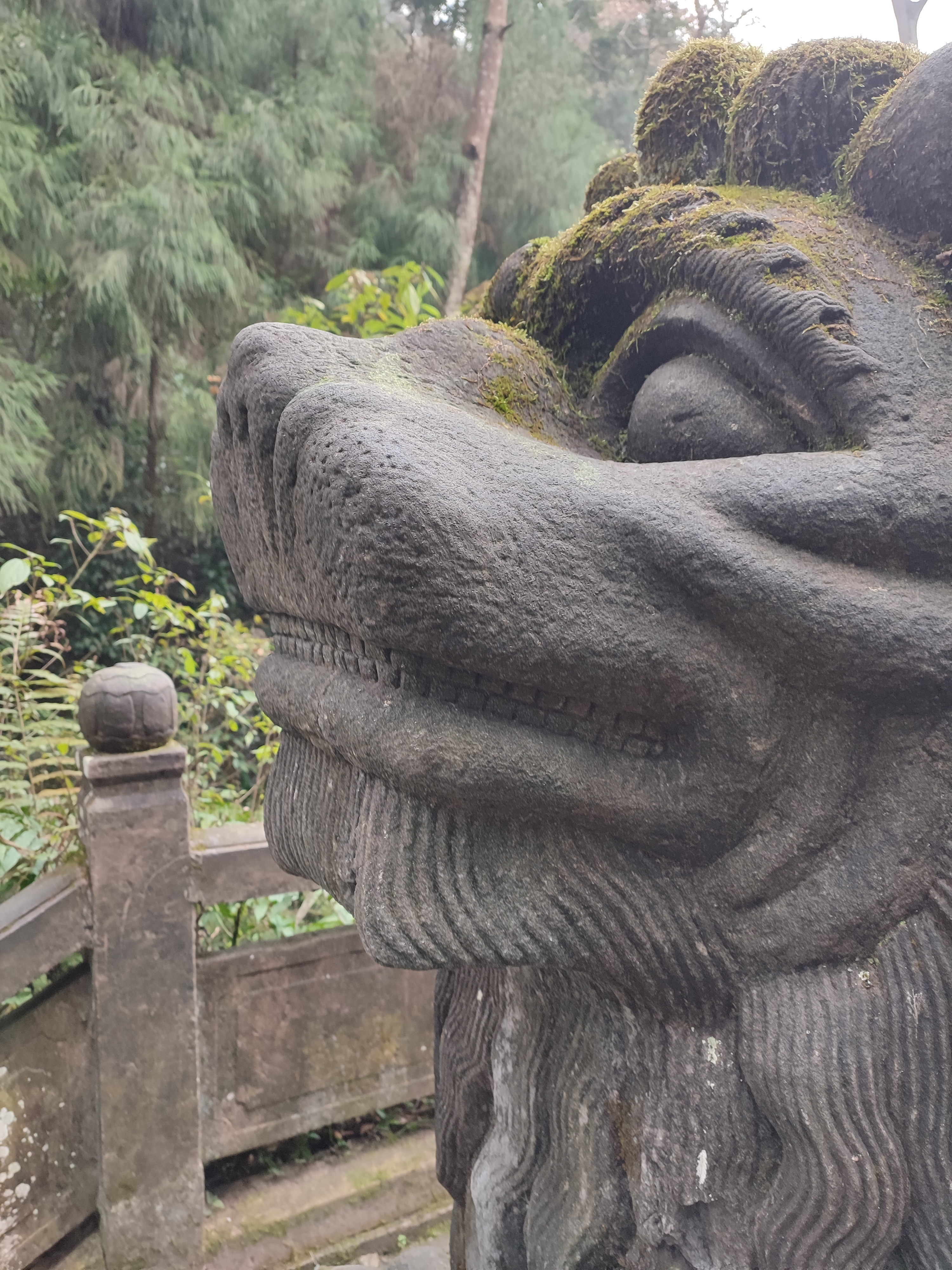
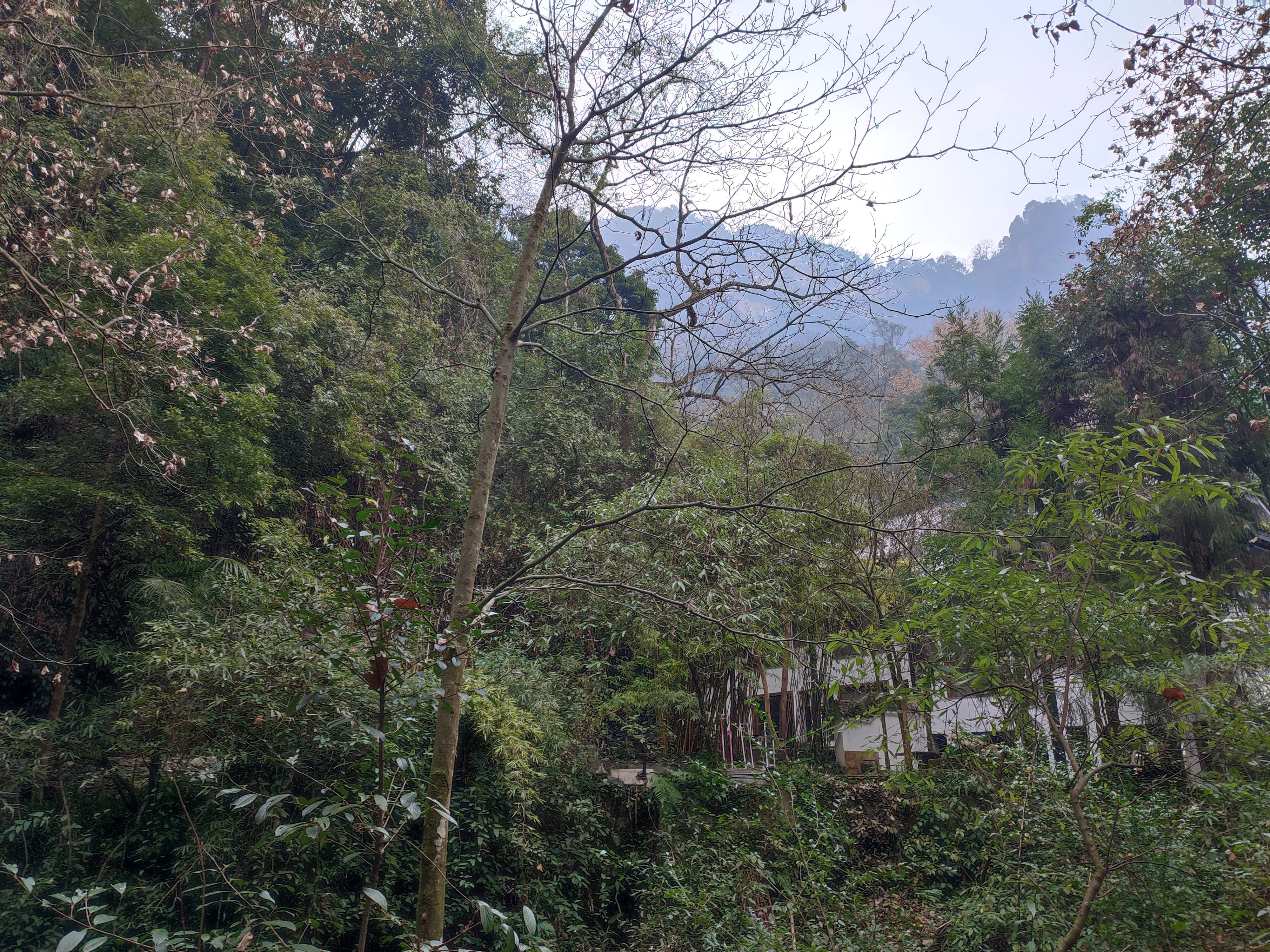
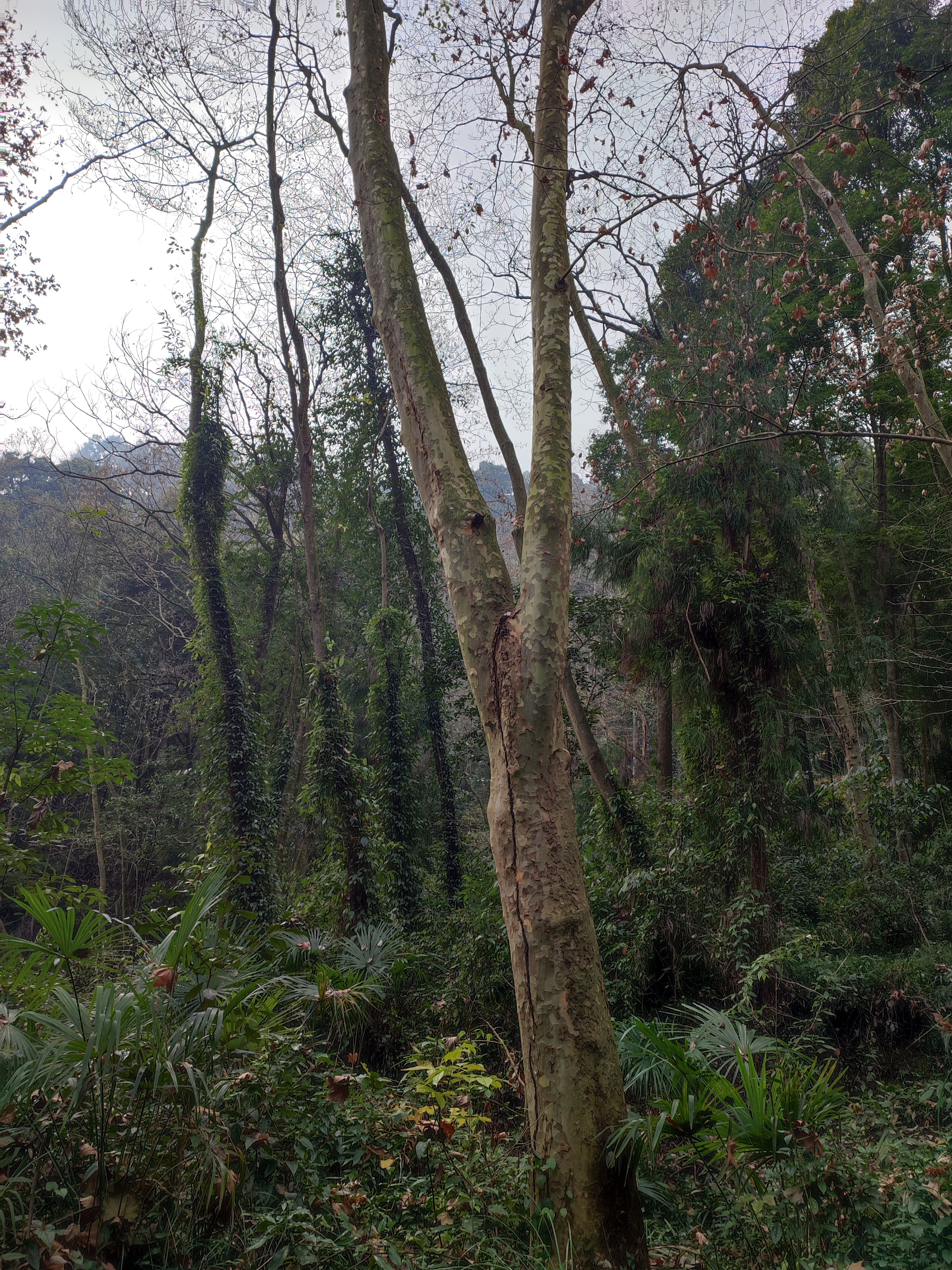
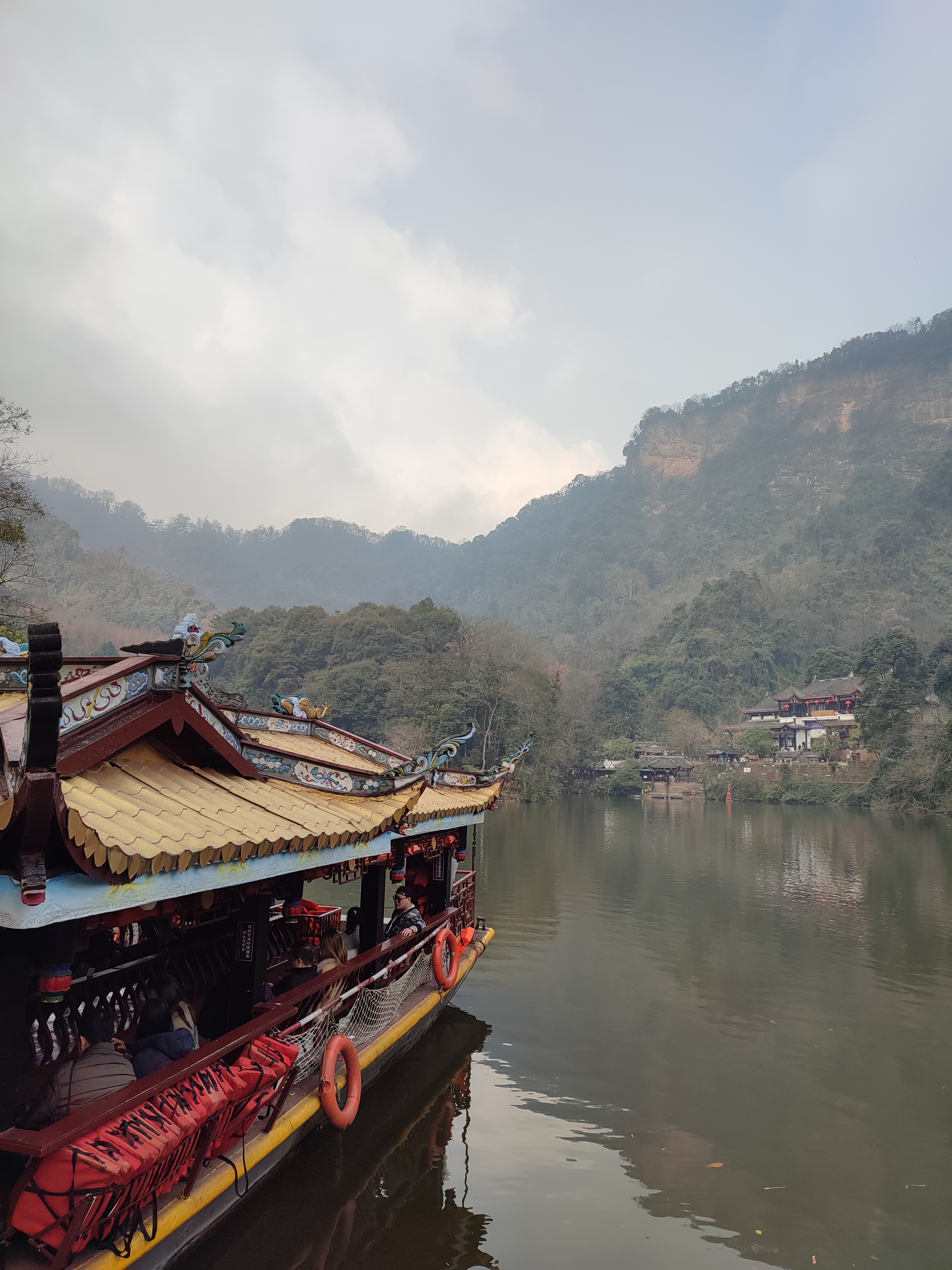
Our first Daoist temple site in 2006 was the Zhongnan mountains near Xi’an. Luoguan Terrace is where, according to legend, Laozi wrote his Daode-jing (Tao Te Ching), the classic that initiated Daoist philosophy and religion. Although the myth occurs in the sixth century BCE during the days of Confucius, the Daode-jing, also known simply as the Laozi, is described by experts as a Warring States period collection of ancient Chinese sayings from various origins.
The mountain is also known as the place where Wang Chongyang (1113-1170), a founder of the Quanzhen (Complete Perfection) school of religious Daoism, lived in a hut as an ascetic before starting out on his teaching career. With the Zhengyi sect, Quanzhen is one of two branches of religious Daoism that have survived to the present day. Whereas secular Daoism historically focuses on meditation, religious Daoism has developed systems of personal cultivation with methods of symbolic alchemy.
The Longmen (Dragon Gate) branch of Quanzhen was born on Mount Zhongnan in the thirteenth century with founder Qiu Chuji. Today this lineage is the largest branch of Daoism in the world and practices a combination of Confucianism, Daoism and Buddhism.
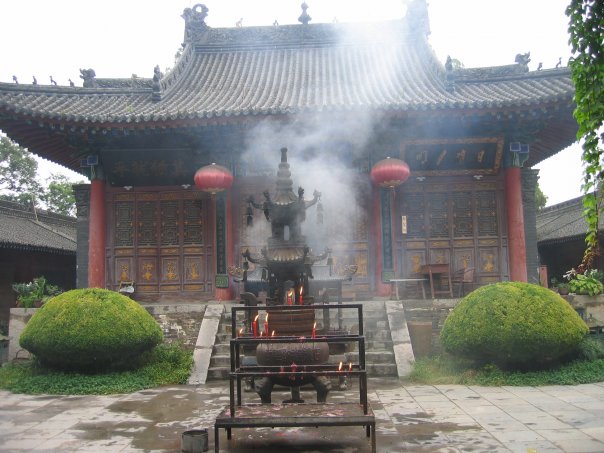
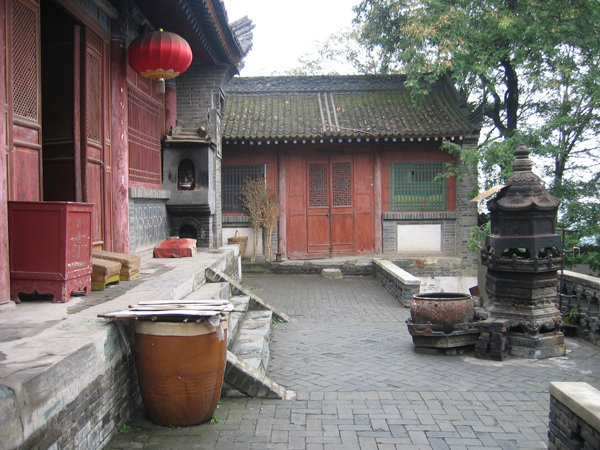
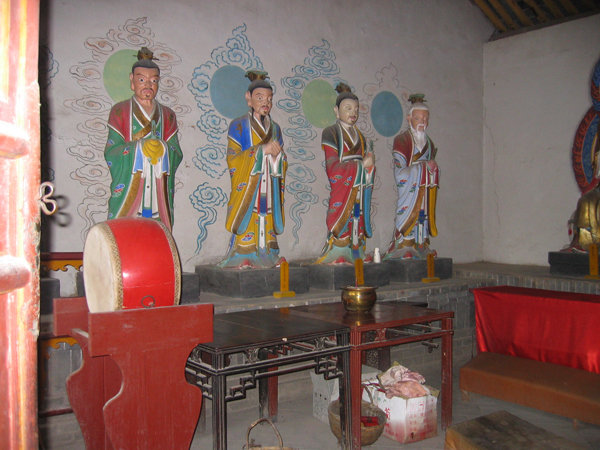
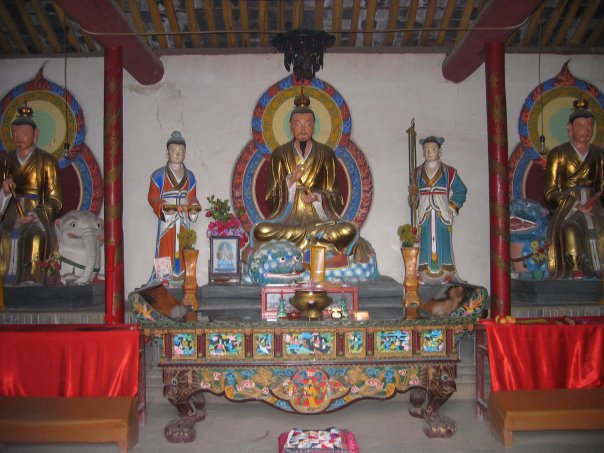
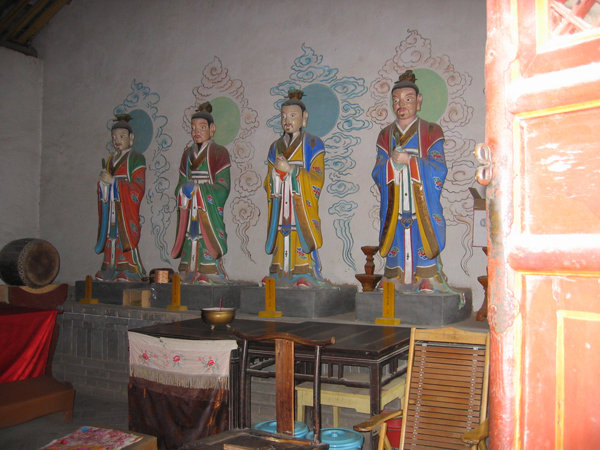
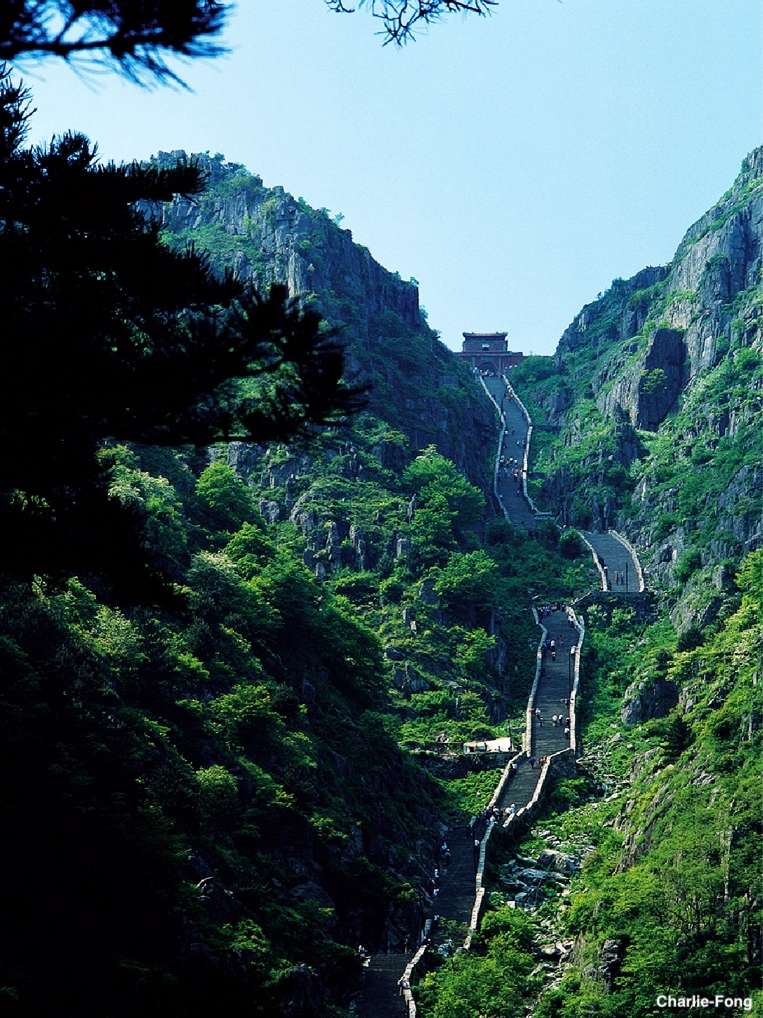
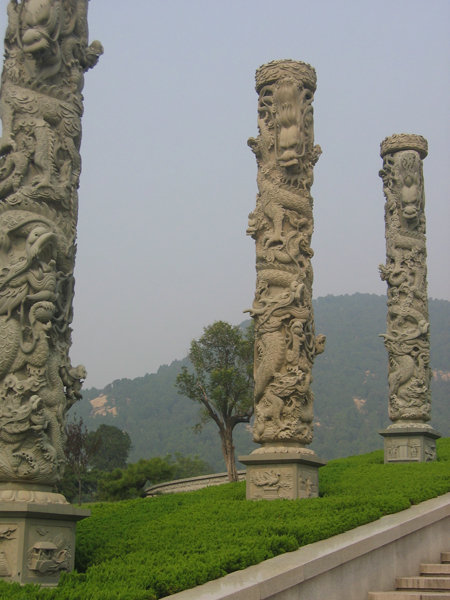
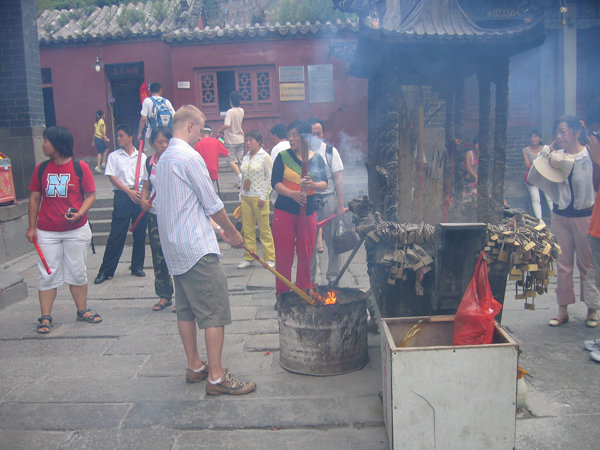
Mount Tai in Shandong Province is the eastern mountain of the five sacred mountains. For over 3000 years Mount Tai has been a site of religious activity, including the emperor’s (known as the Son of Heaven) official ritual sacrifice to heaven to earth. Even today people worship the supreme god of Mount Tai by offering incense and prayers. Twenty-two temples stand on the mountain, variously dedicated to Daoism, Buddhism, Confucianism and several deities.
The Longmen Grottoes in Luoyang consist of 100,000 Buddhist statues carved into over 2,300 caves. This site has been visited by emperors and common folk alike since the fifth century. Today the area contains ten temples and sixty tall Buddhist pagodas. I should have more images, but as can be seen with my record of China, I visited the country’s great sacred sites before I developed any interest in preserving memories with photos.
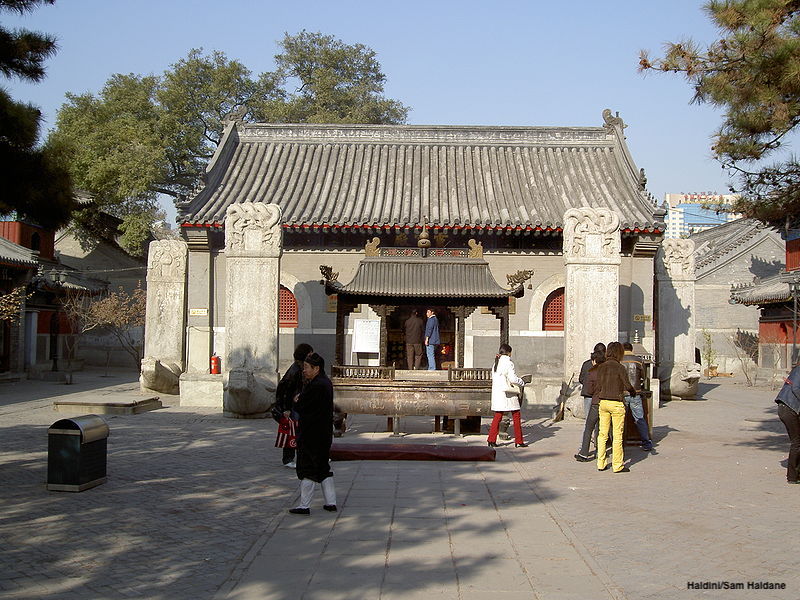
White Cloud Temple in Beijing was founded in the Tang Dynasty (8th century) is the headquarters of the Chinese Daoist Association today. It is the foremost of the three main temples of Quanzhen (Way of Complete Perfection) Daoism and is known as the First Temple Under Heaven.
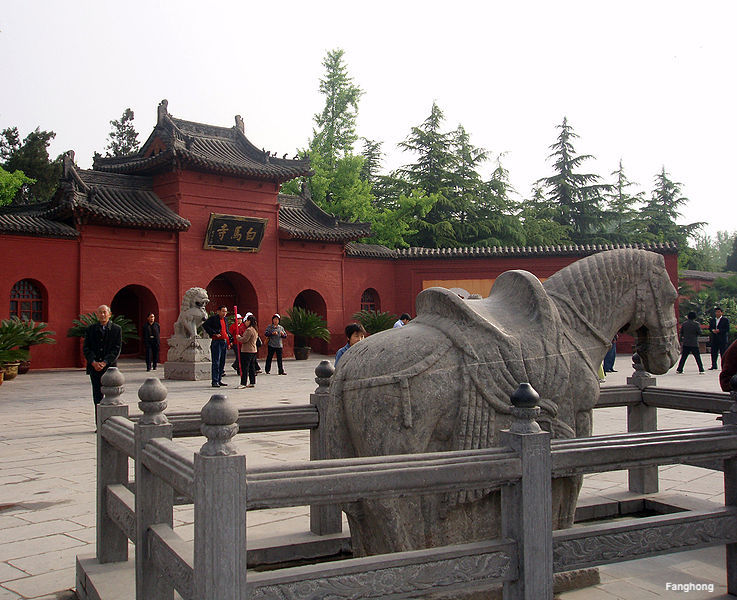
White Horse Temple in Luoyang was the first Buddhist temple in China. According to tradition, the Chinese Emperor Ming of the Eastern Han Dynasty sent two delegates to India in 64 CE on the backs of white horses, the Venerable Kasyapa-Matanga and Dharmaraksha, to procure writings on the Buddhadharma. They returned with a bundle of sutras in 67 CE.
The emperor converted from Daoism to Buddhism and built the two monks the first Buddhist temple in China, the White Horse Temple, and they began translating six sutras from Sanskrit to Chinese. Of these, only the Sutra of Forty-Two Chapters is still extant, and is regarded as being the first Buddhist text ever translated into Chinese.
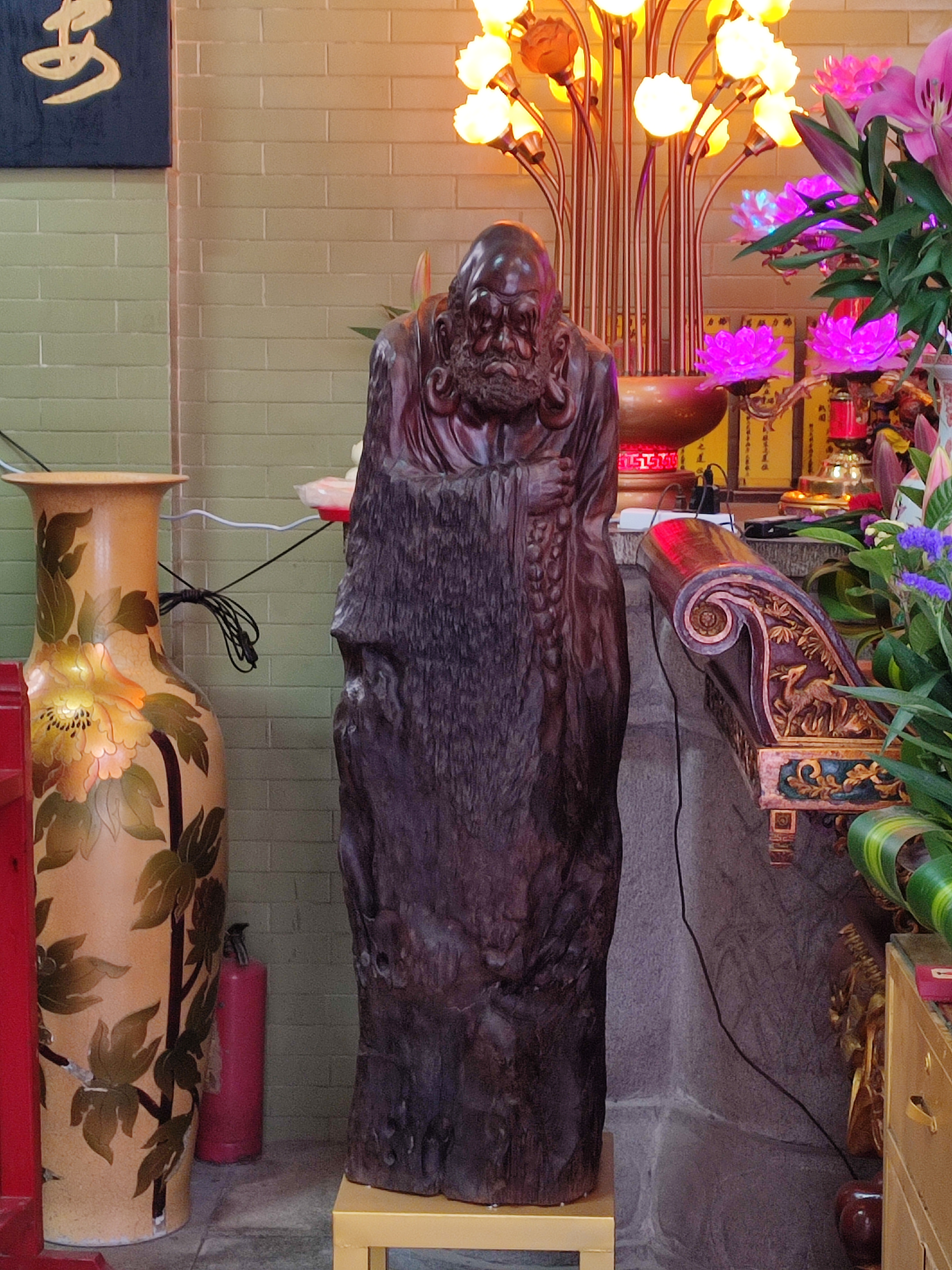
Chinese Buddhism found its ultimate expression in Chan (“Meditation”) Buddhism, first taught by the Six Patriarchs of China during the Tang Dynasty. The first Patriarch of Chan was an Indian named Bodhidharma, also known as DaMo, who is claimed to have been the 28th Patriarch of Buddhism in a lineage from Gautama Buddha.
As the founder of Chan Buddhism, Bodhidharma was also credited with introducing tea consumption to China as a stimulant for monks during zazen, and teaching boxing at Shaolin temple.
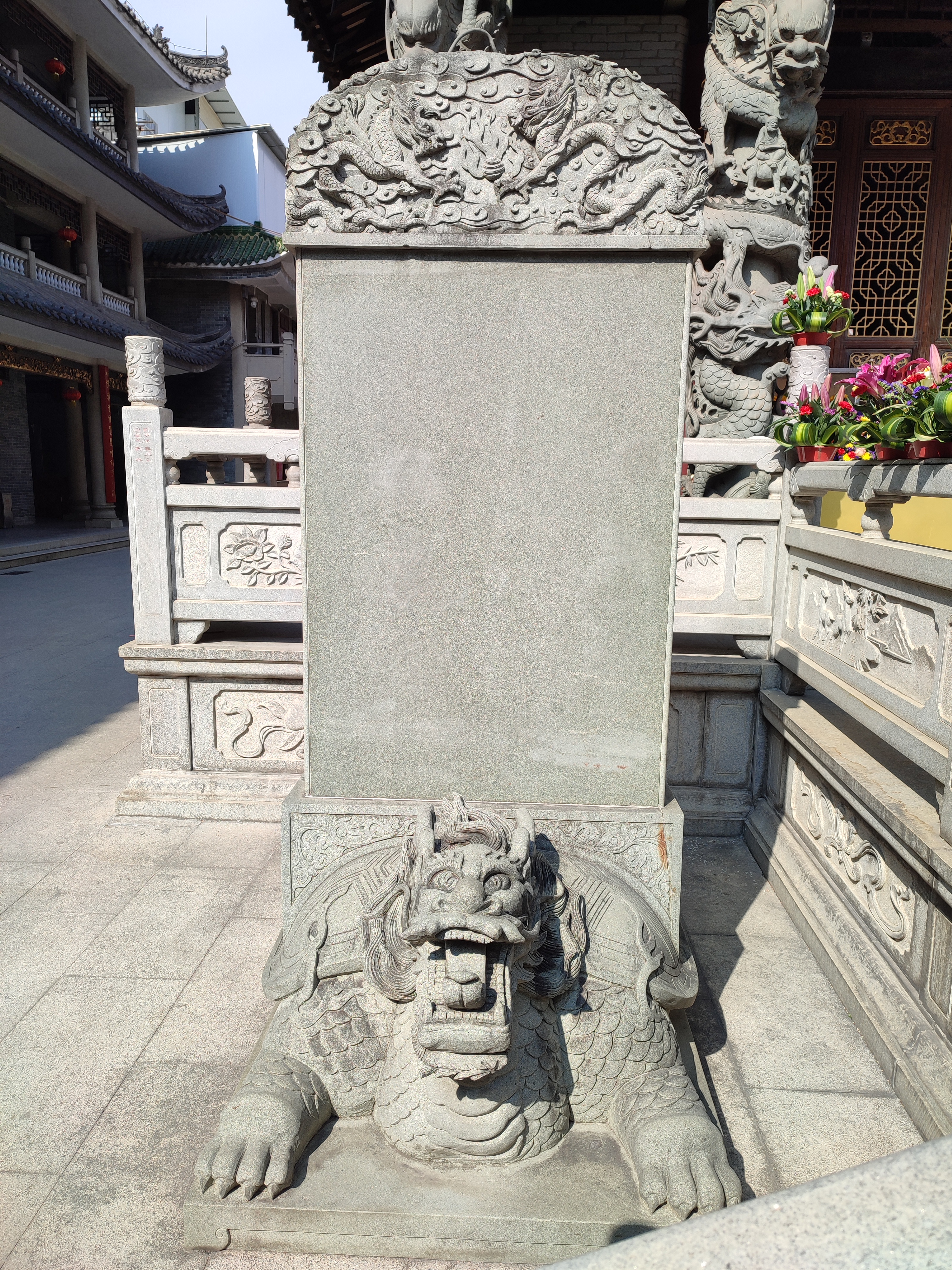
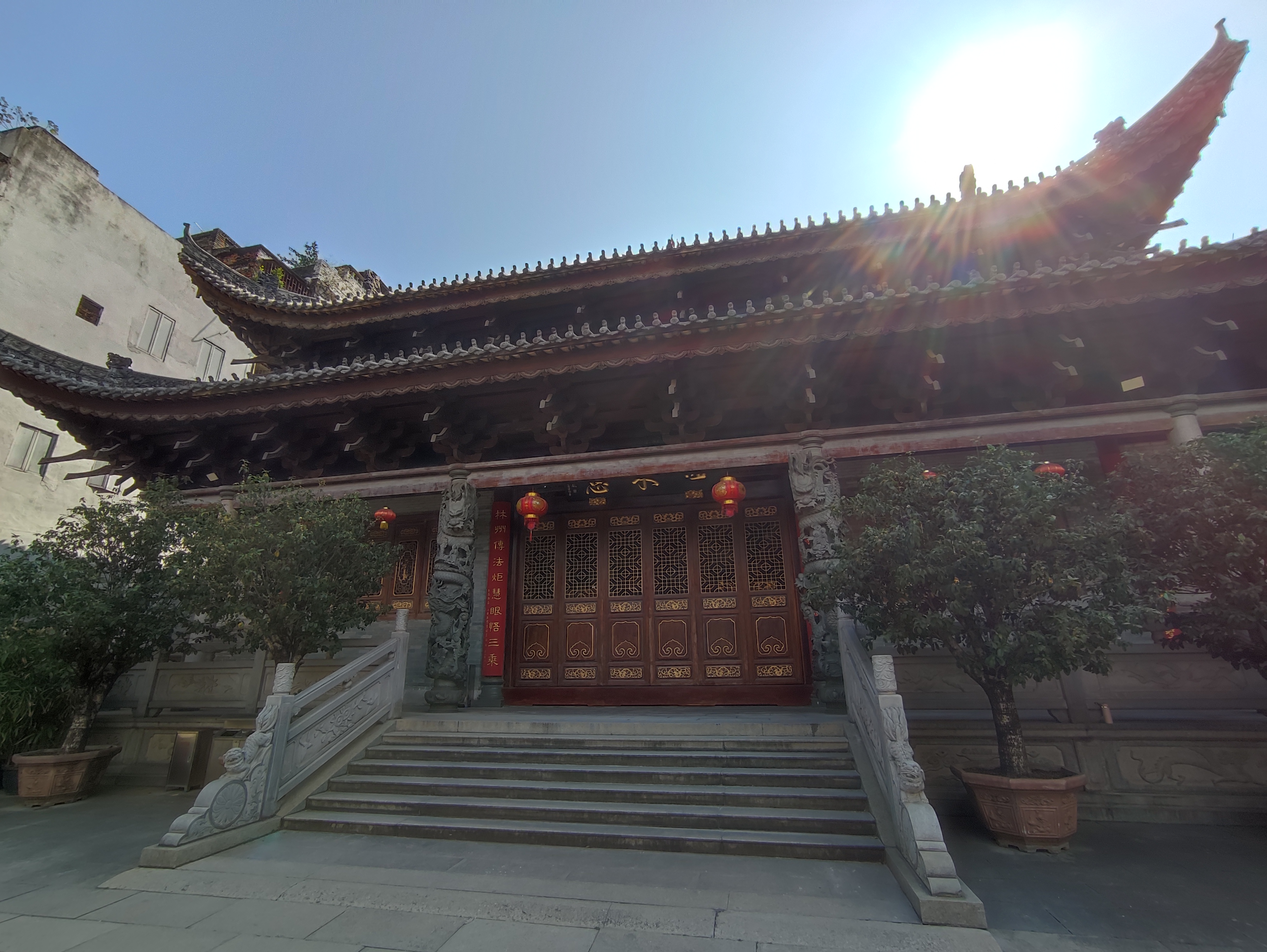
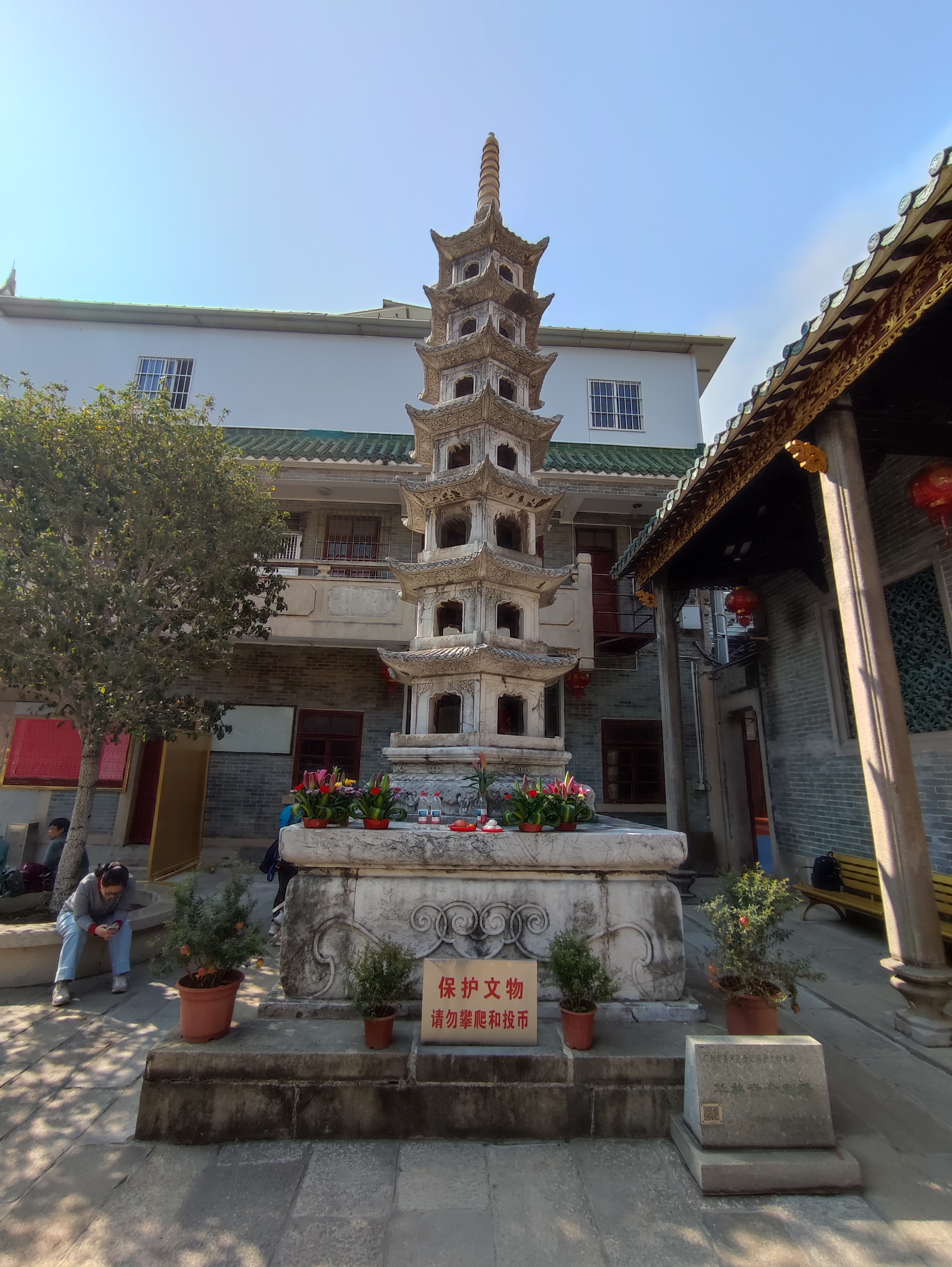
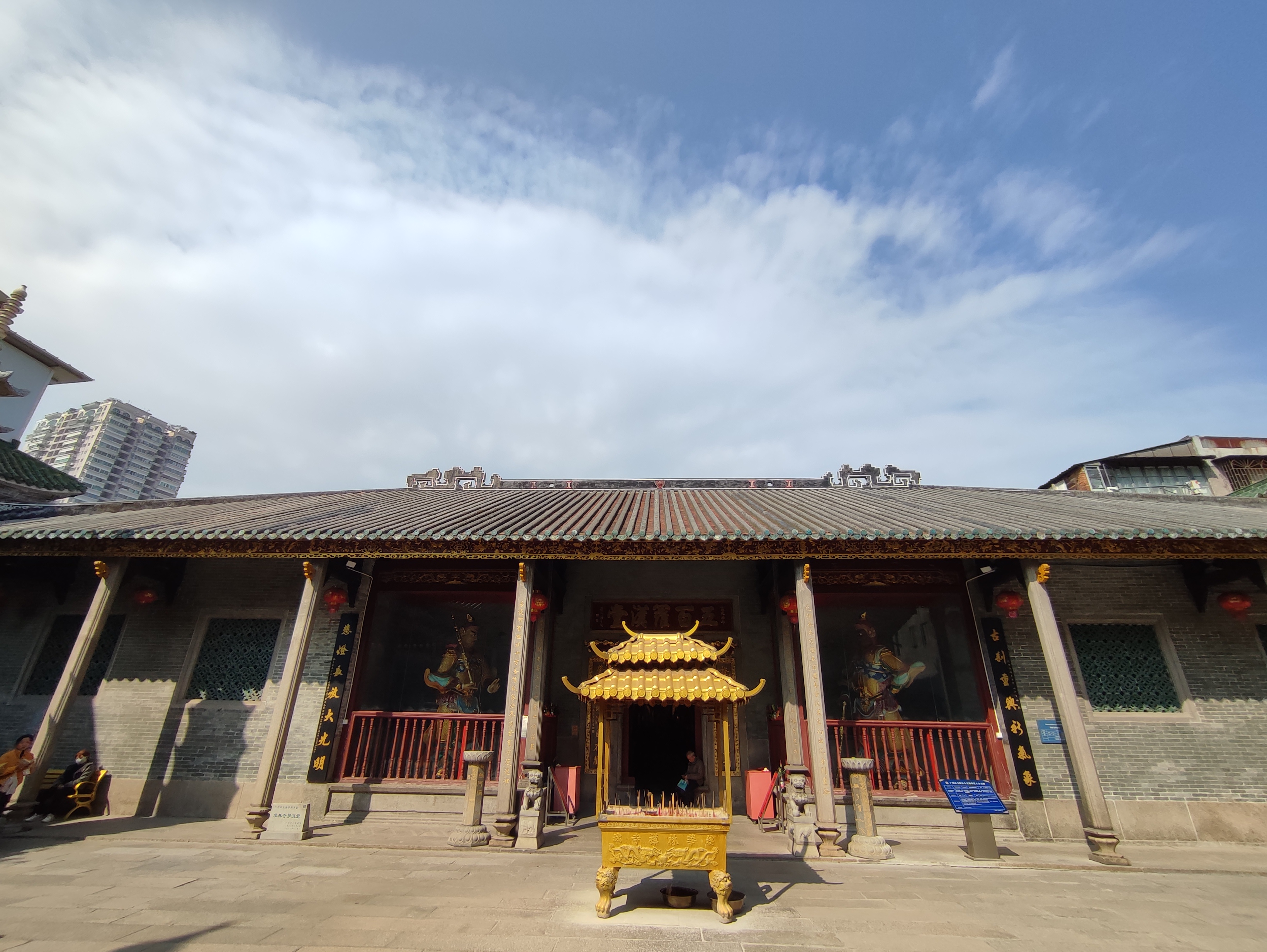
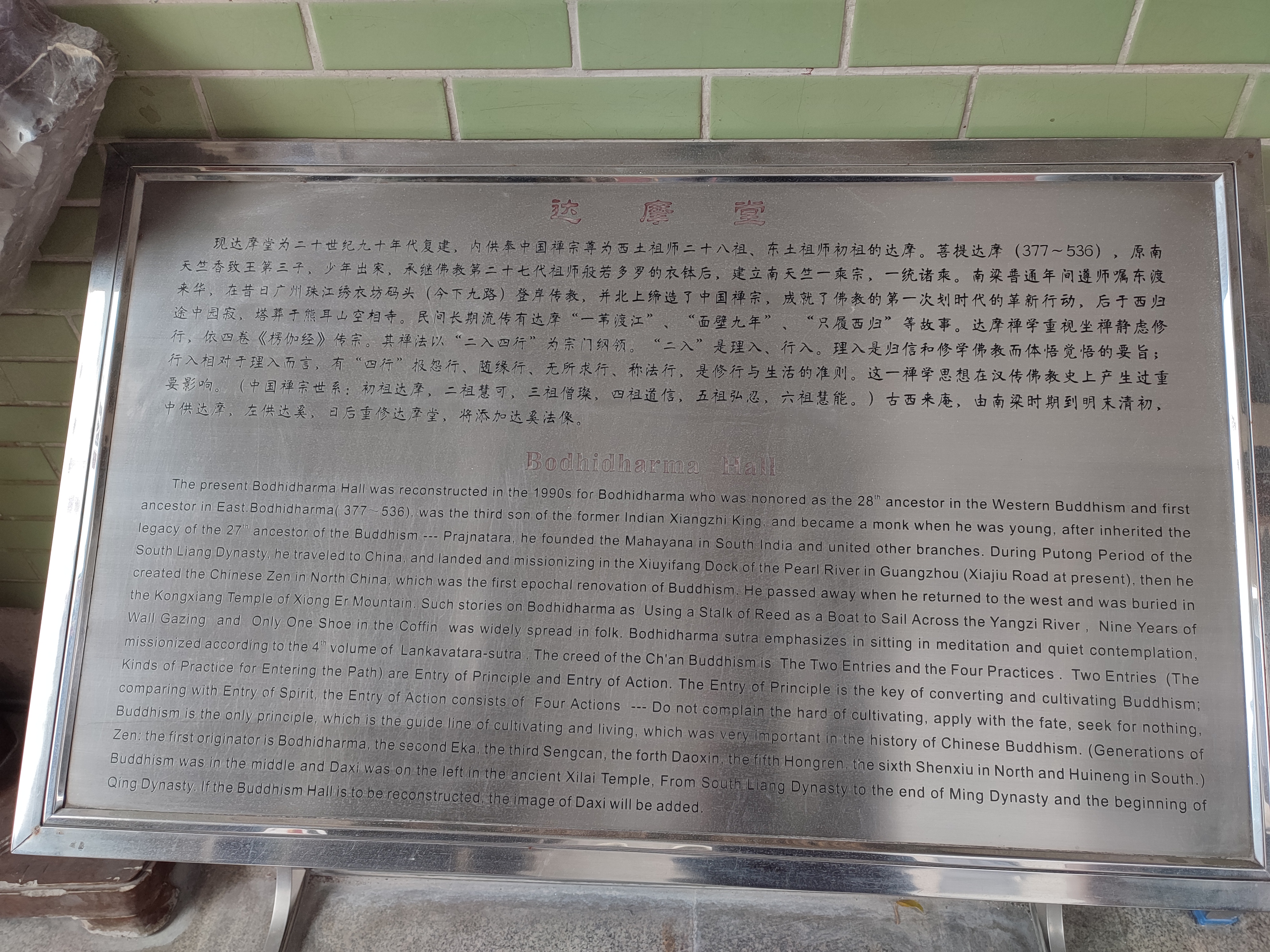
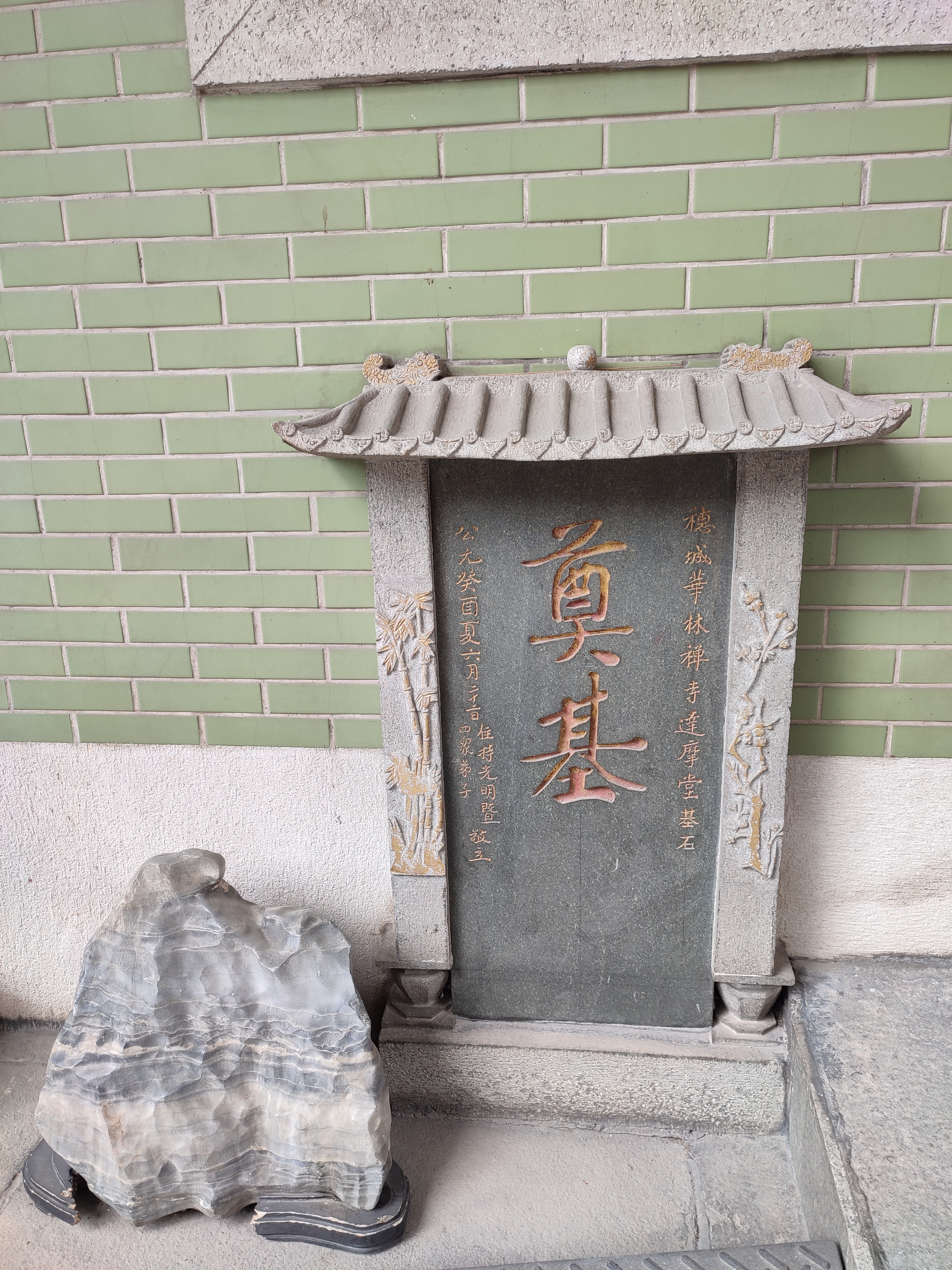
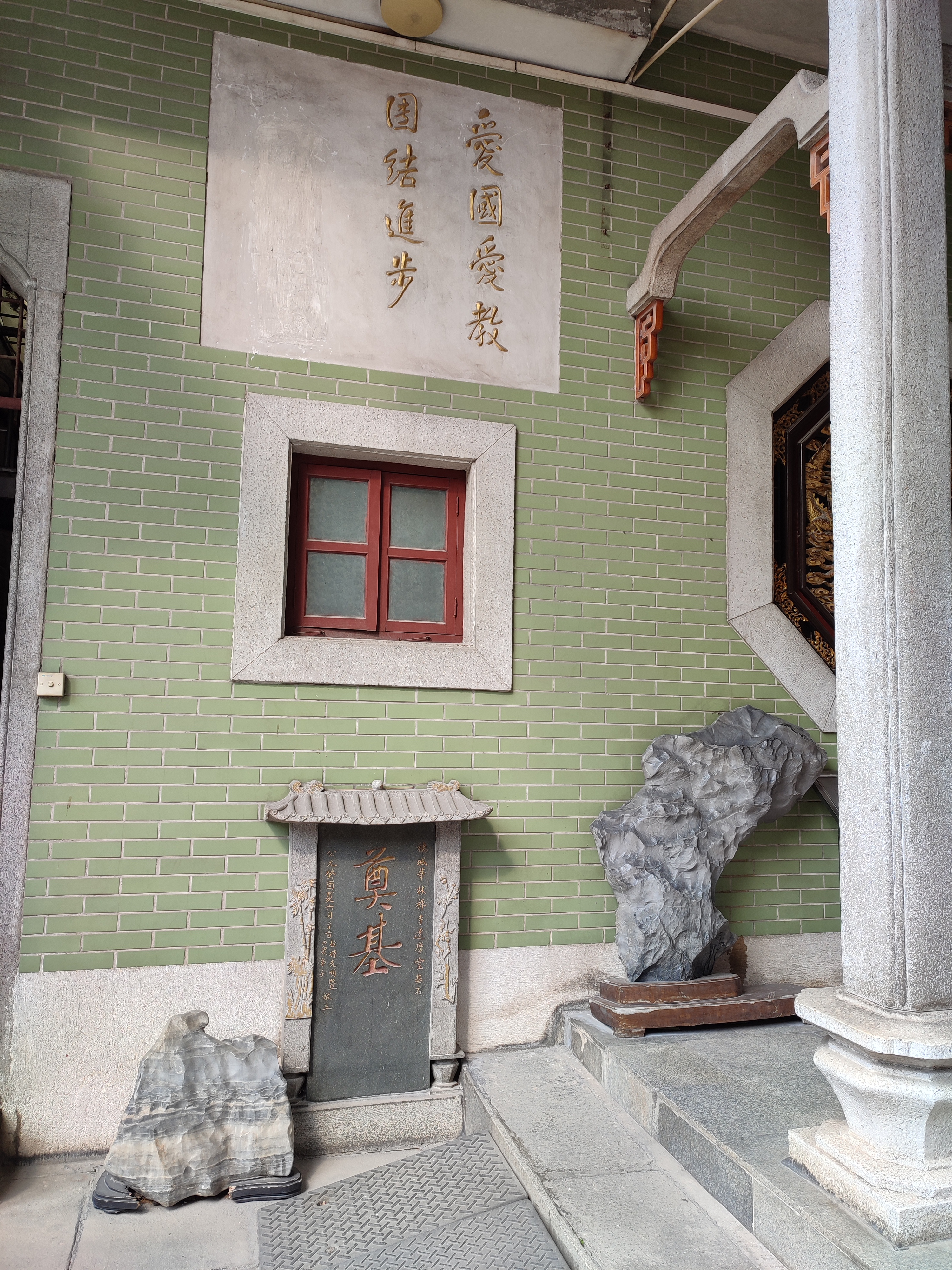
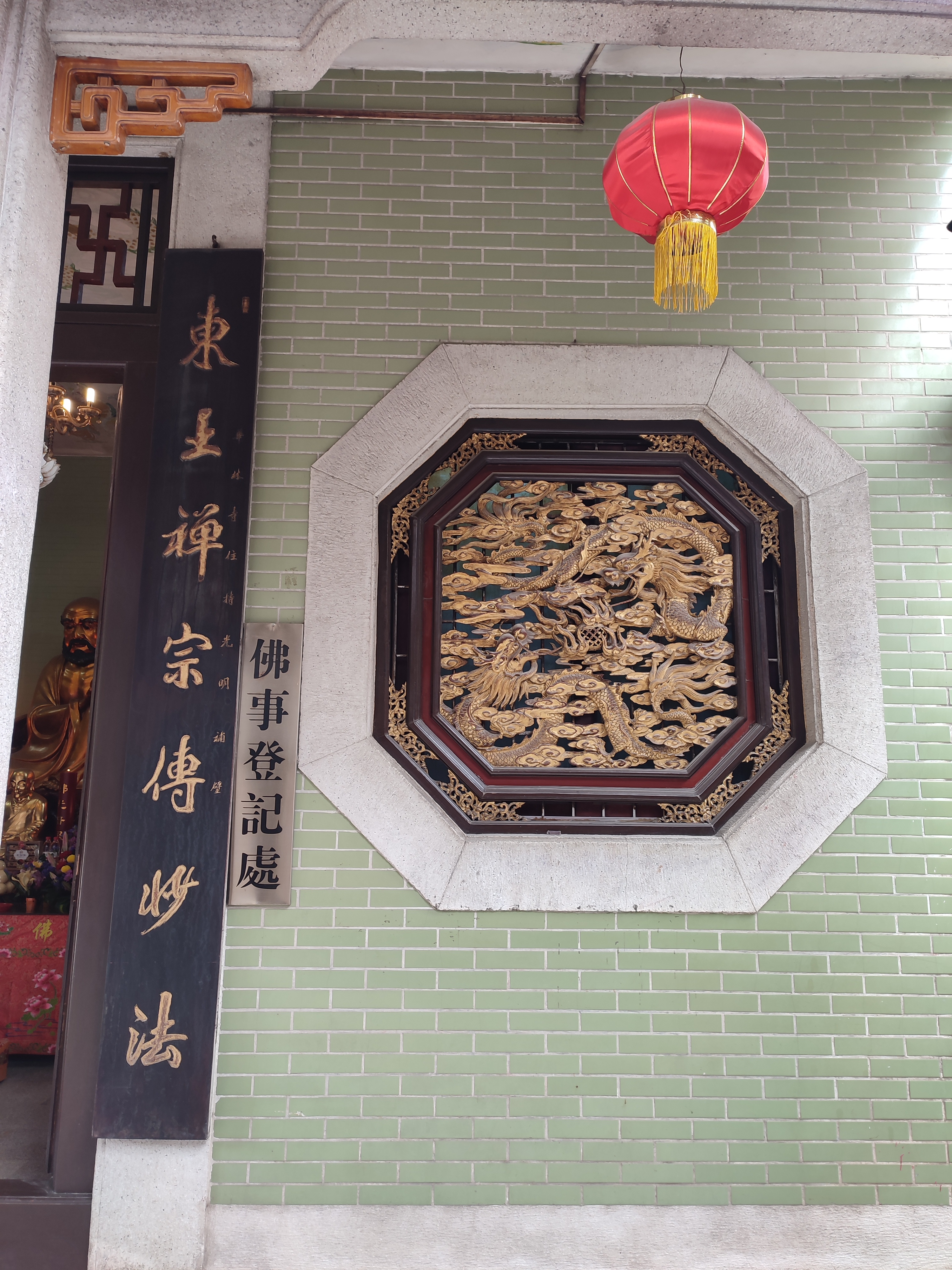
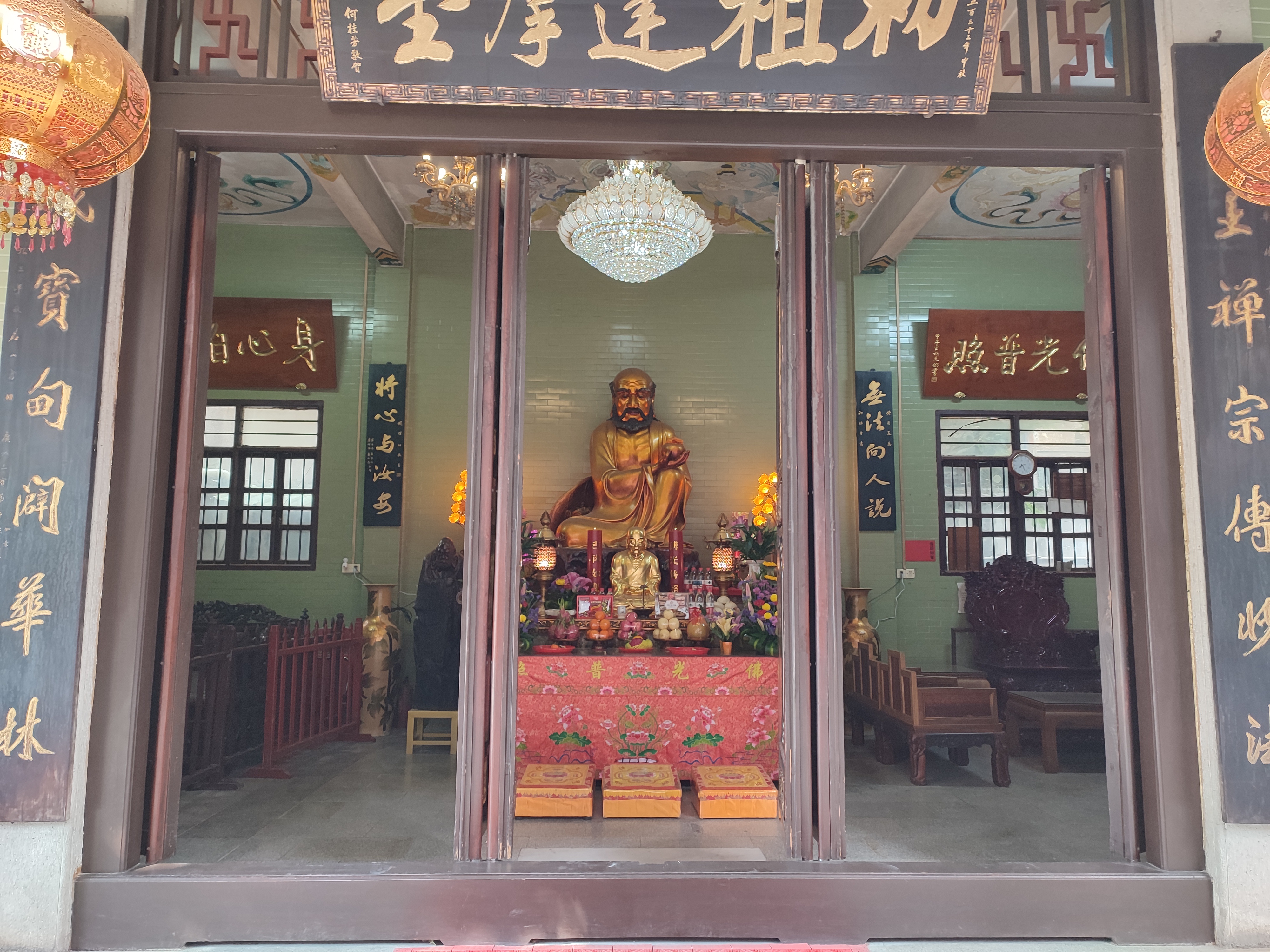
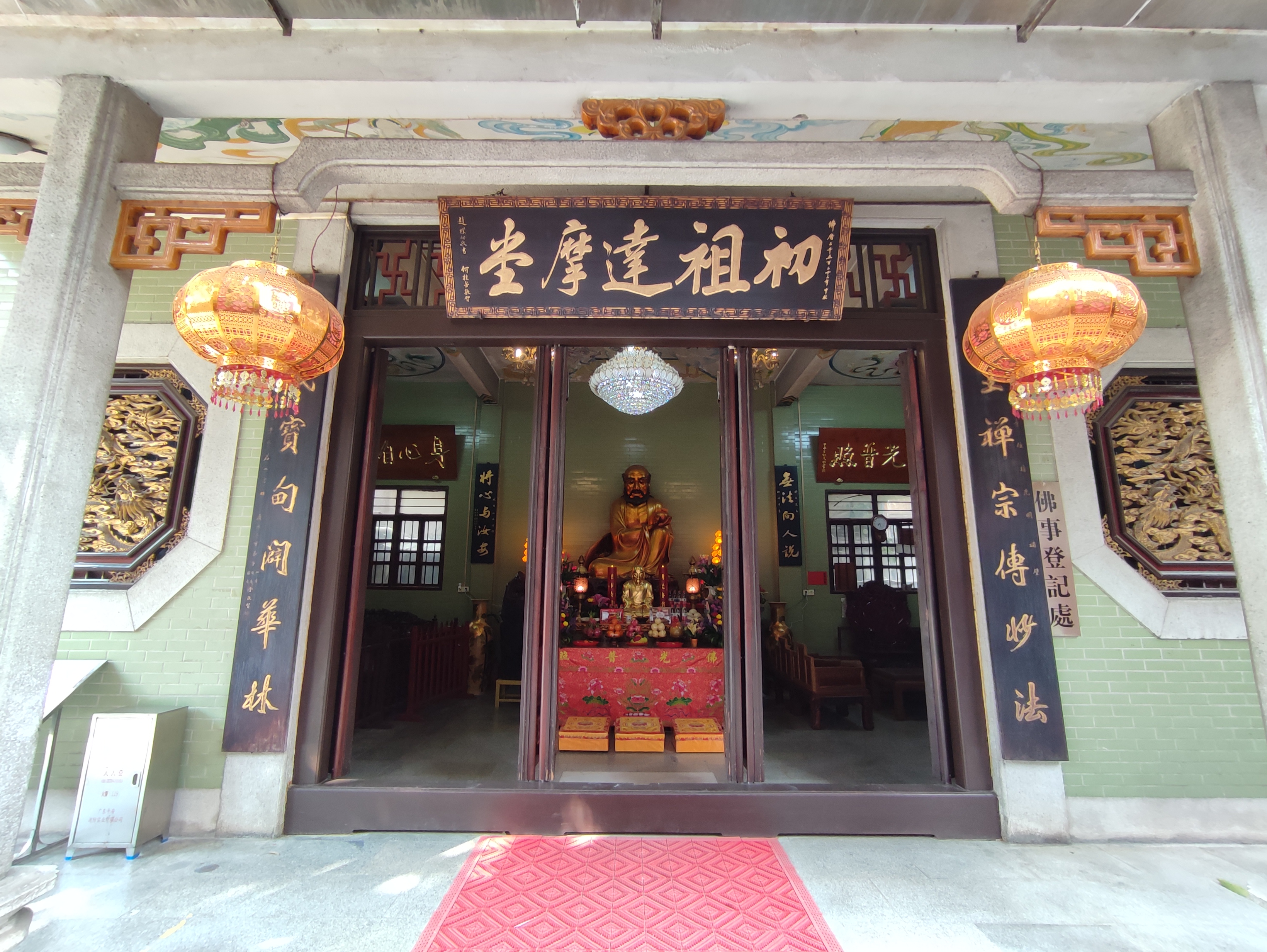
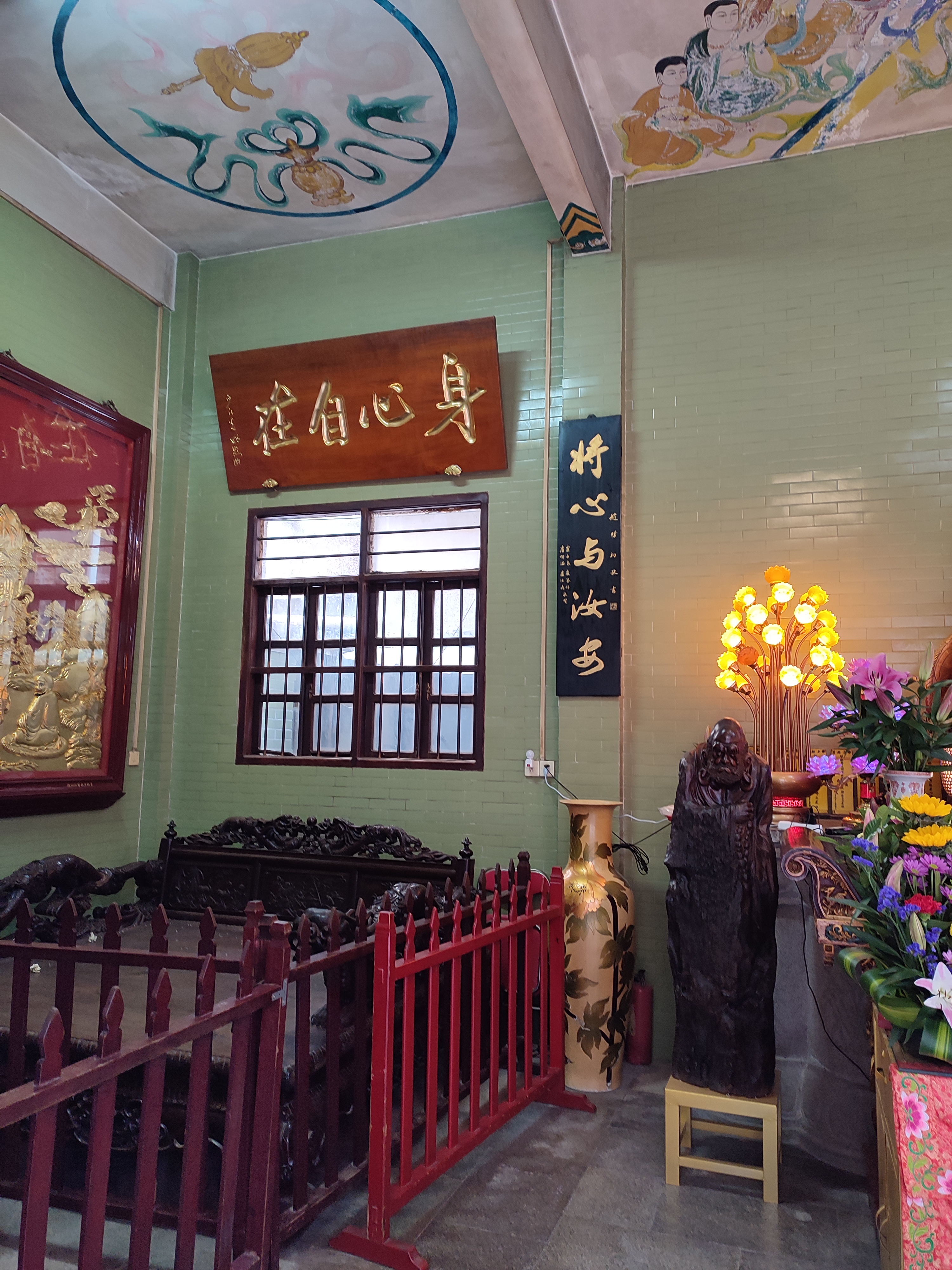
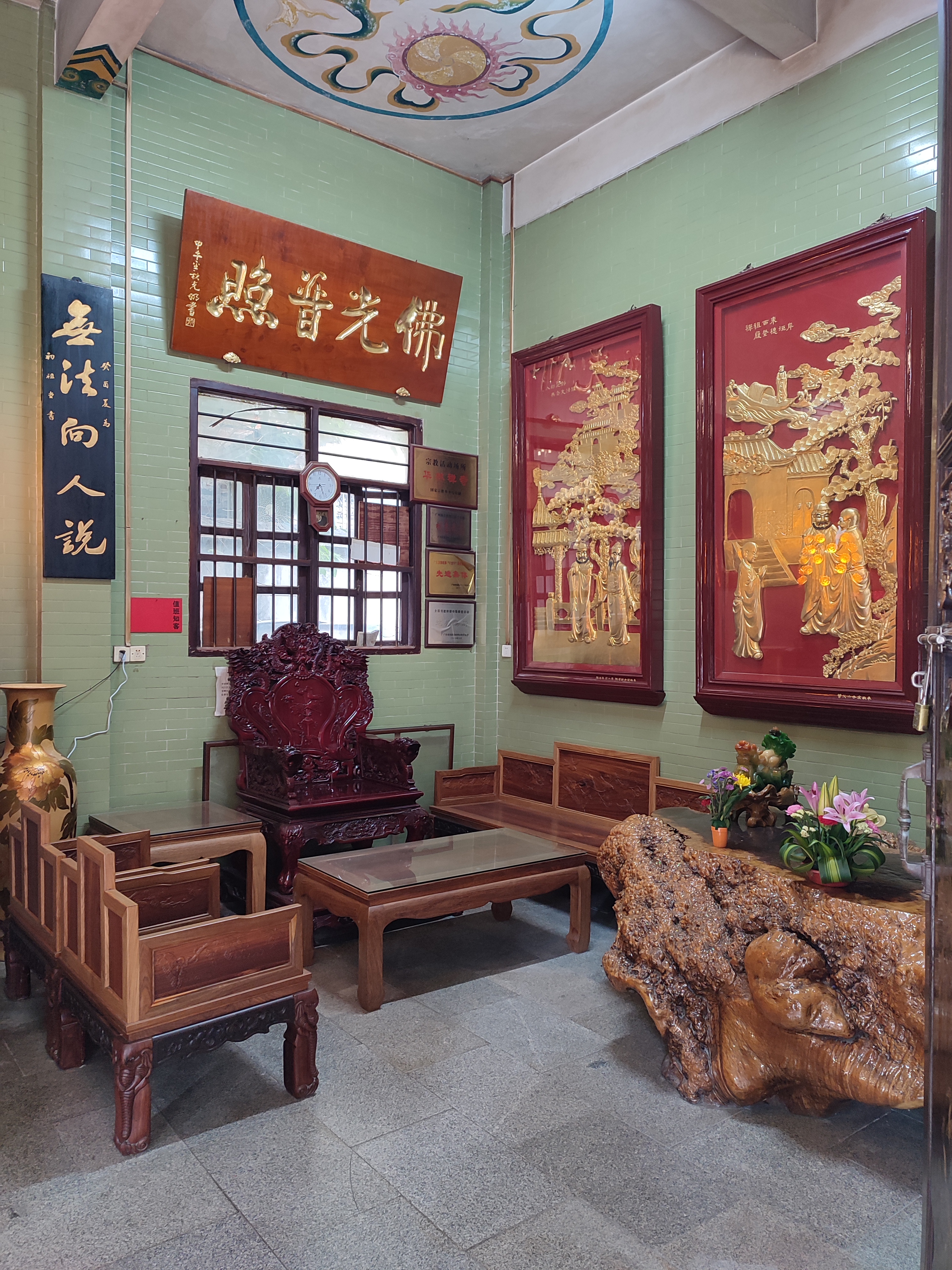
In 2026 we visited Hualin Temple, where Zen took root in Southern China. Tucked into modern Guangzhou, Hualin Temple is one of those quiet places where legend, history, and practice overlap. Founded in the 6th century, the site is traditionally associated with Bodhidharma (“DaMo”), the enigmatic monk credited with bringing Chan (Zen) Buddhism to China.
According to tradition, Bodhidharma taught meditation here before moving on to the cave of legend and Shaolin Temple, laying foundations that would later influence Zen practice, Chinese martial arts (often linked to kung fu training in monastic settings), and the culture of simple, mindful living, including the early spread of green tea as an aid to meditation.
Though much of the temple’s art and statuary was lost during the Cultural Revolution, the site remains an inspiring reminder of how Zen emerged not just as philosophy, but as a lived discipline. A small temple, with a very long shadow in the history of meditation, movement, and mind.
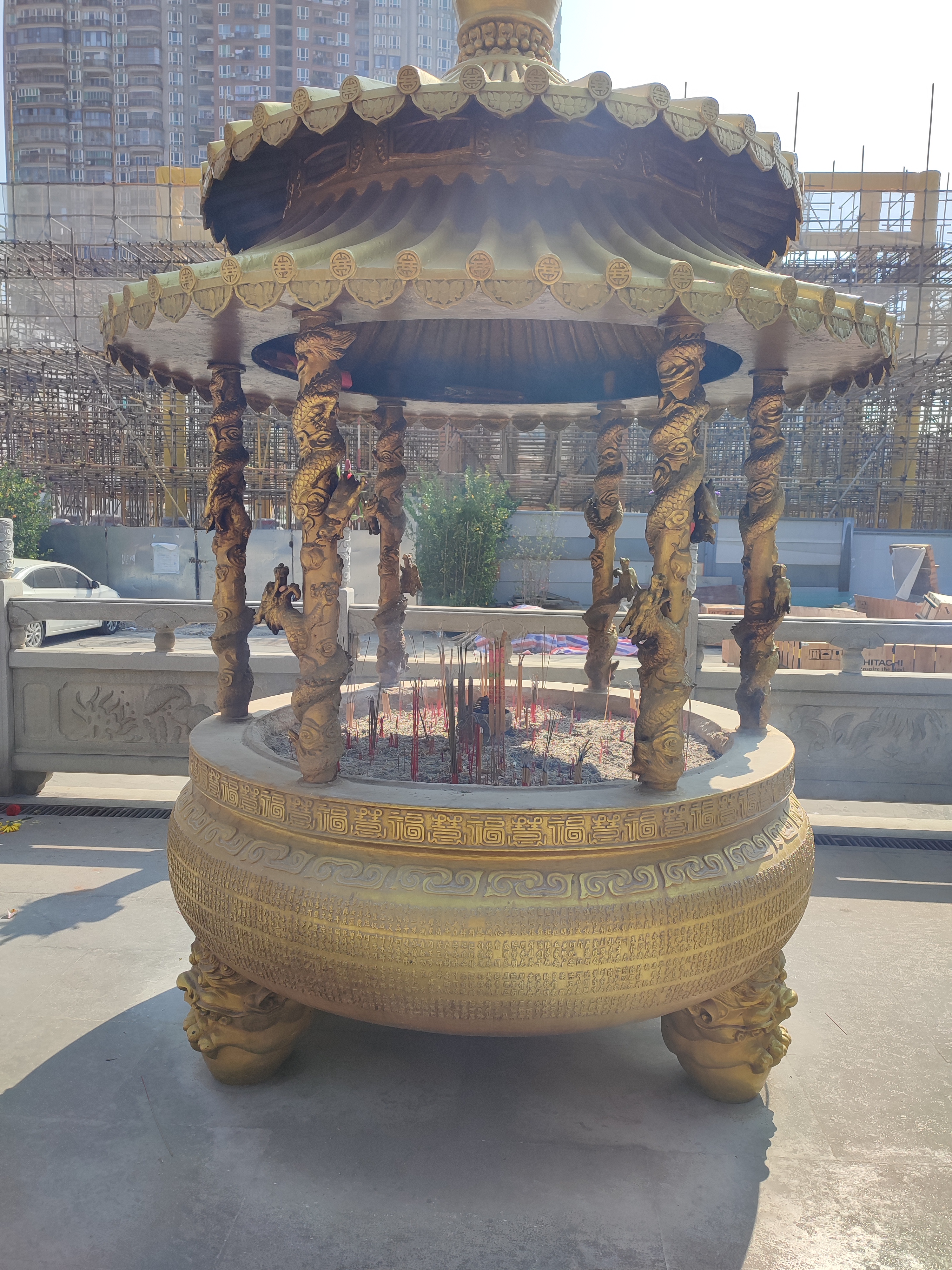
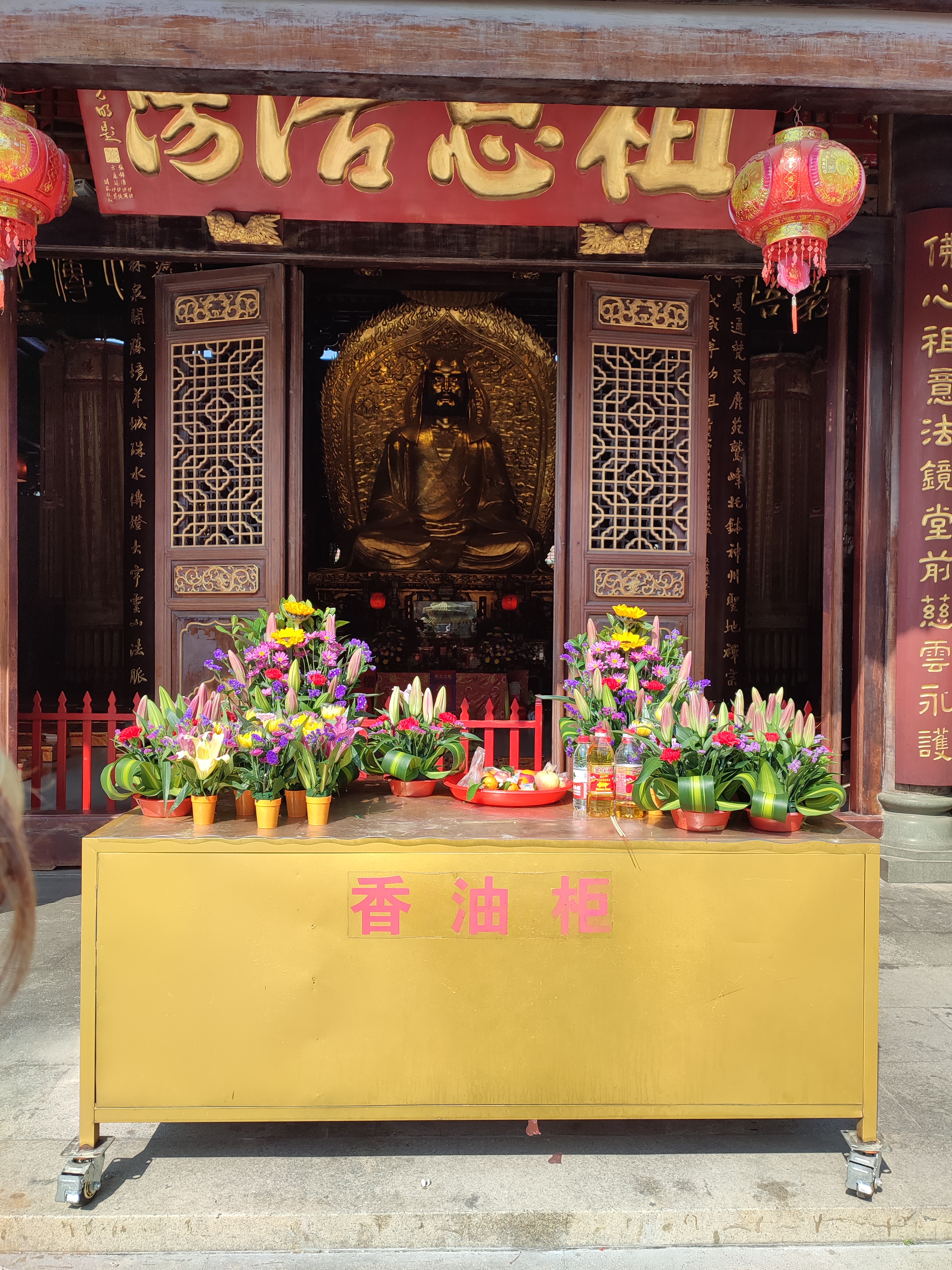
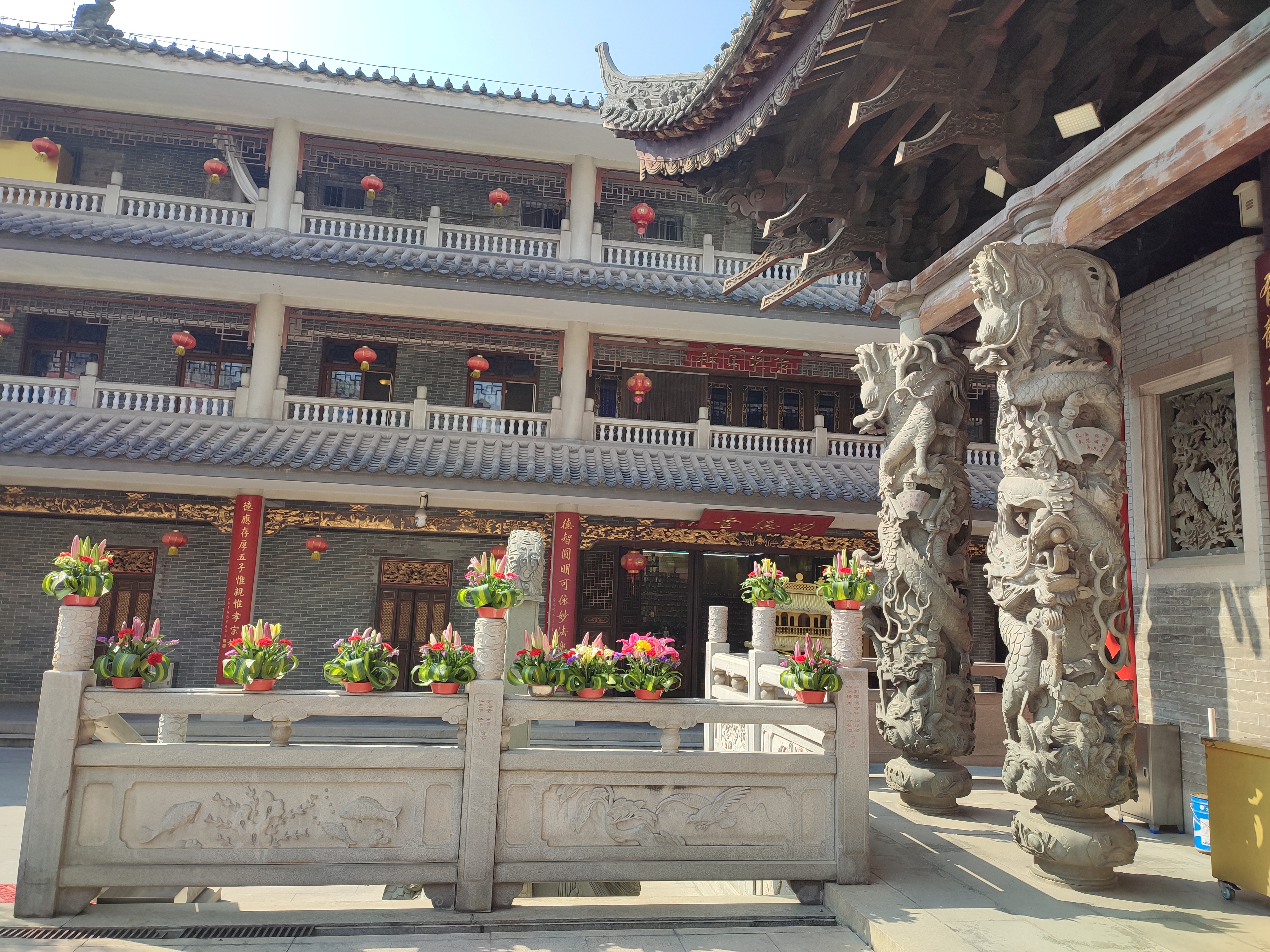
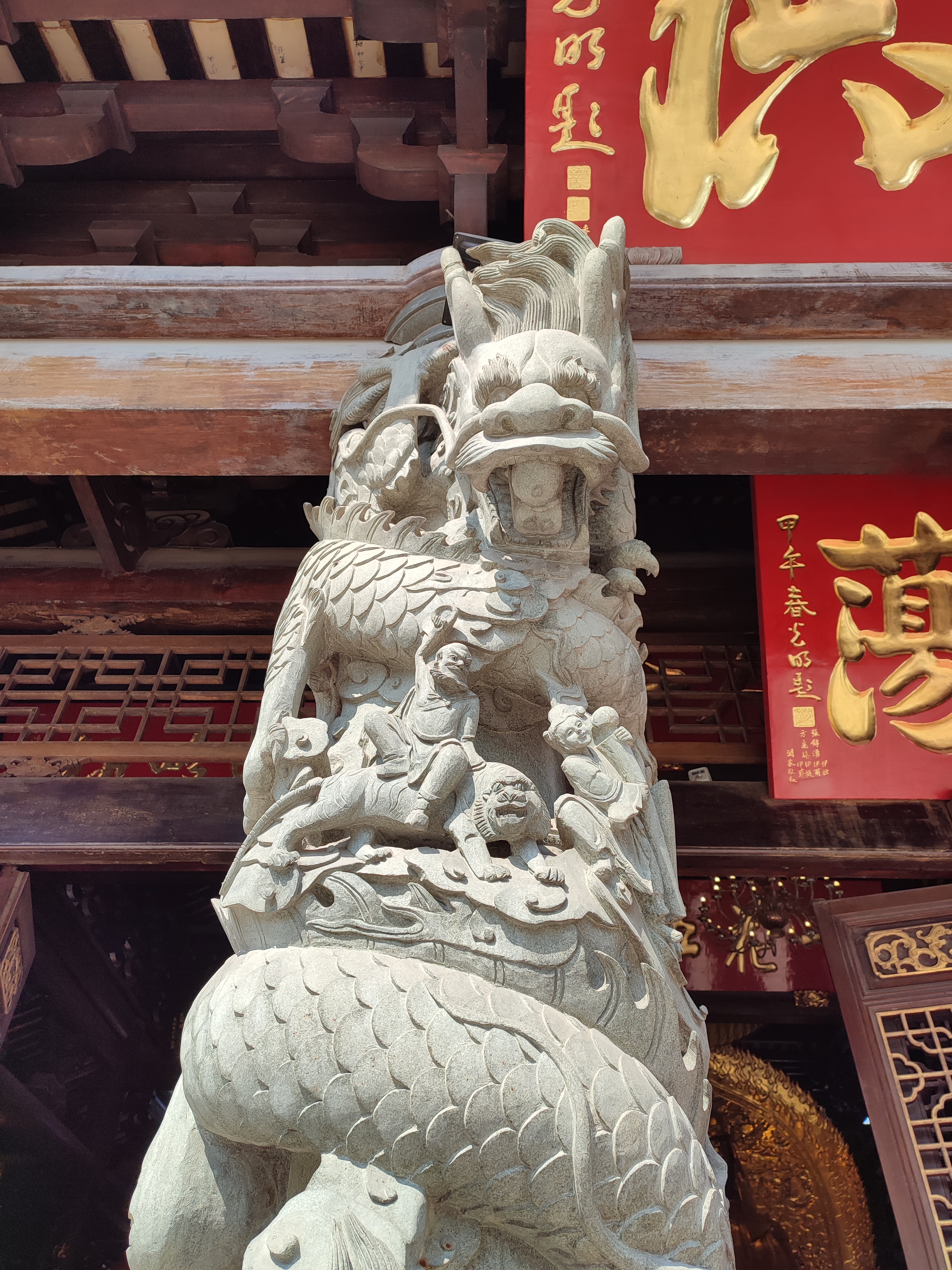
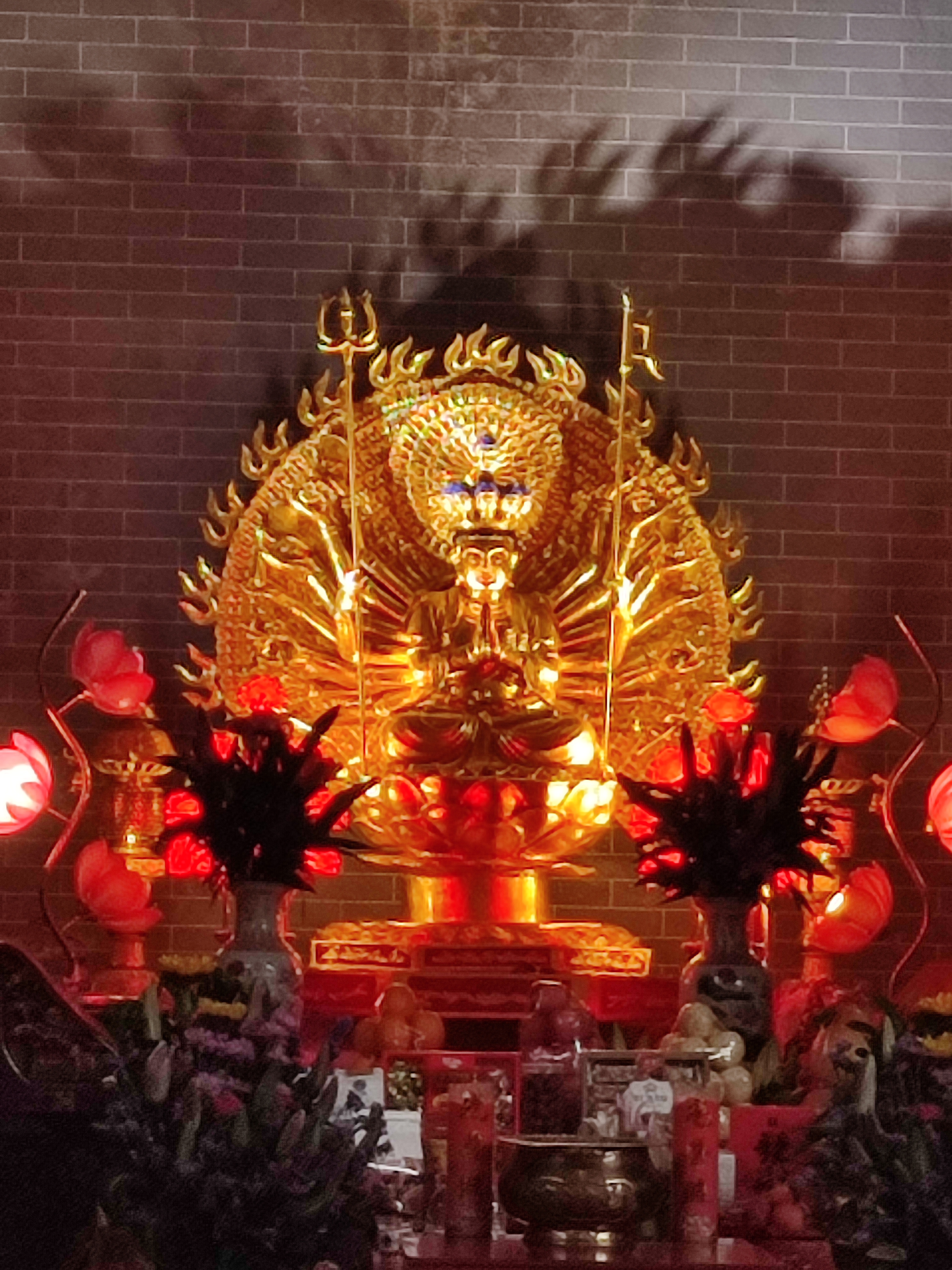
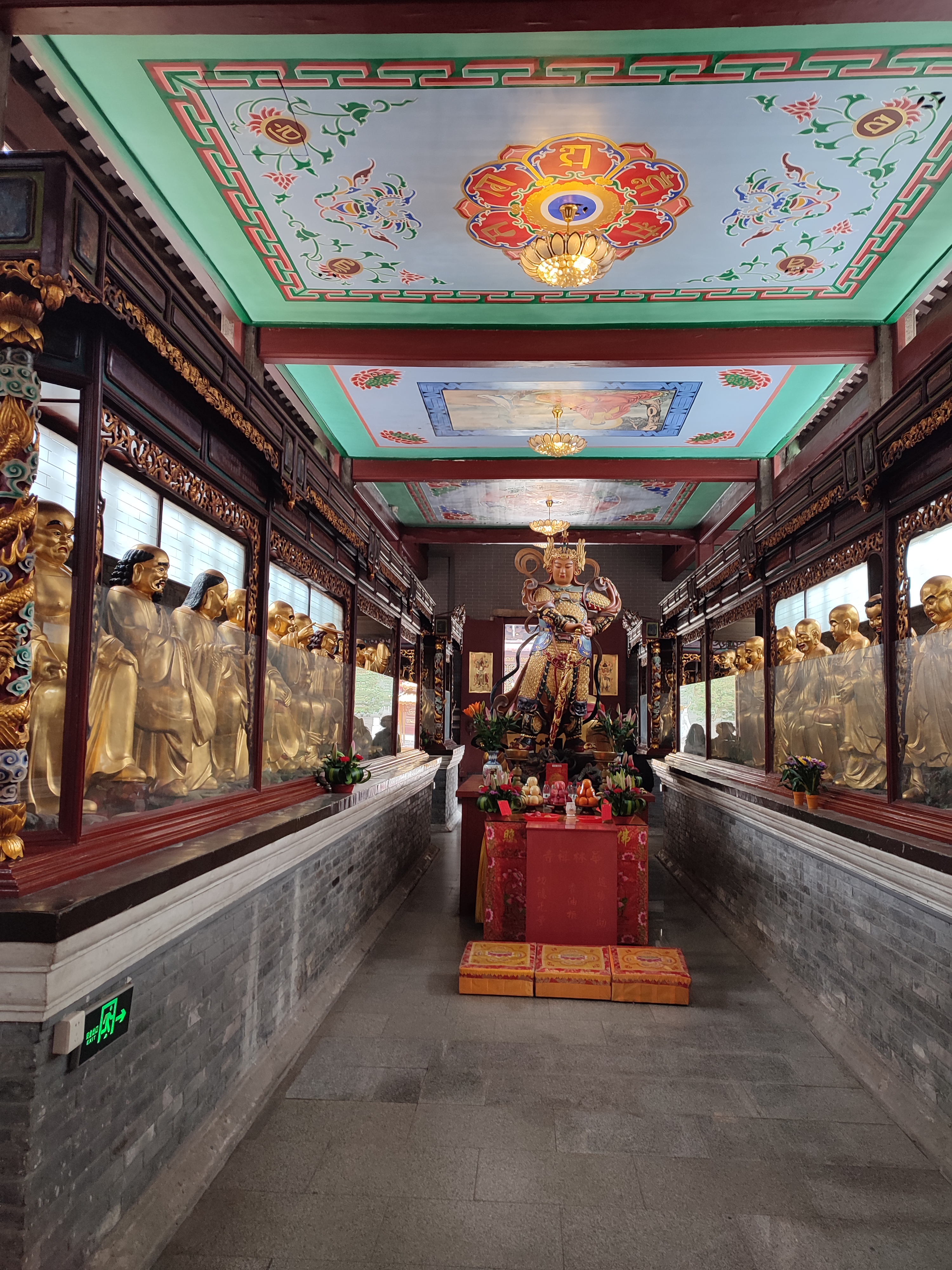
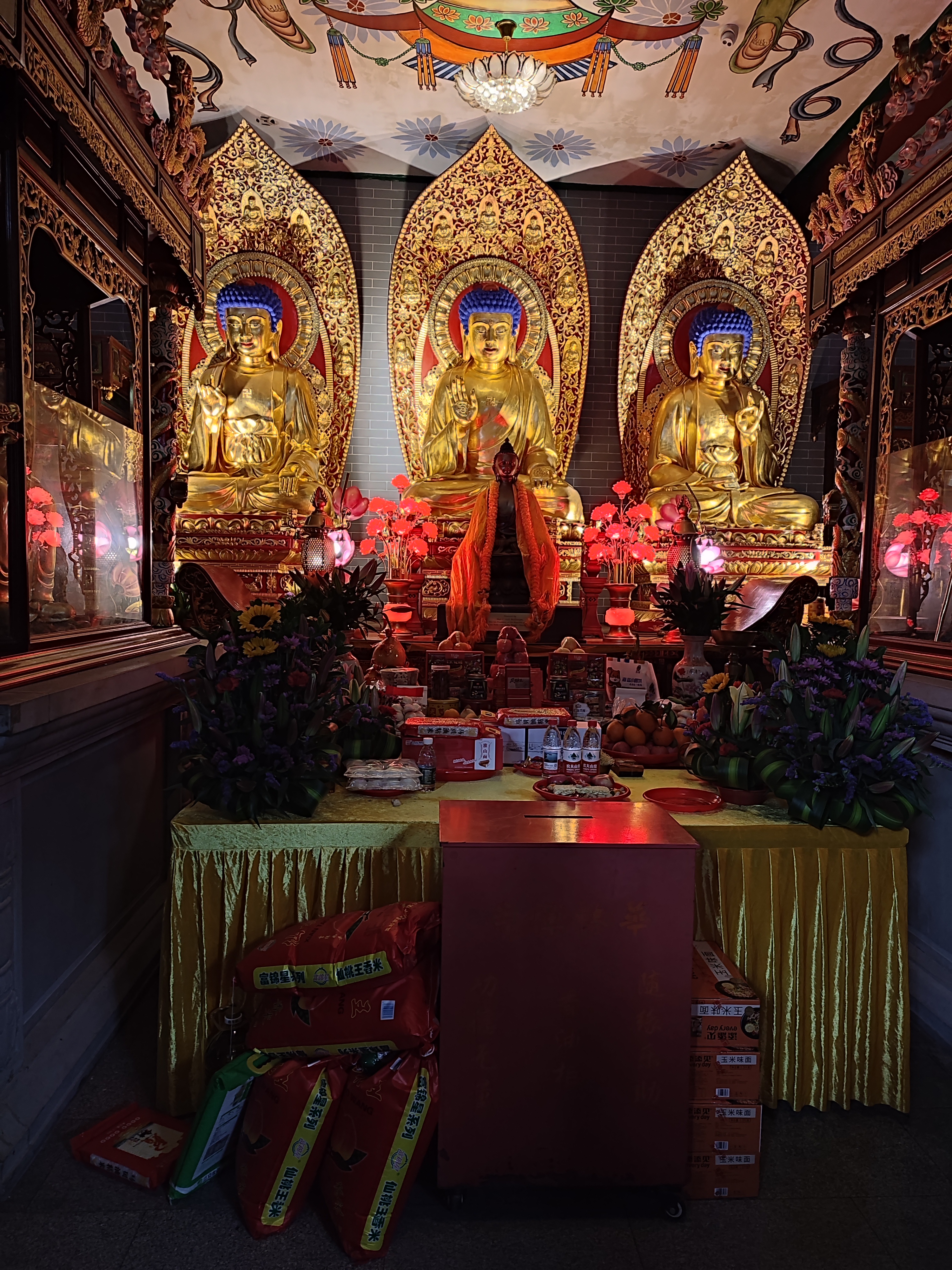
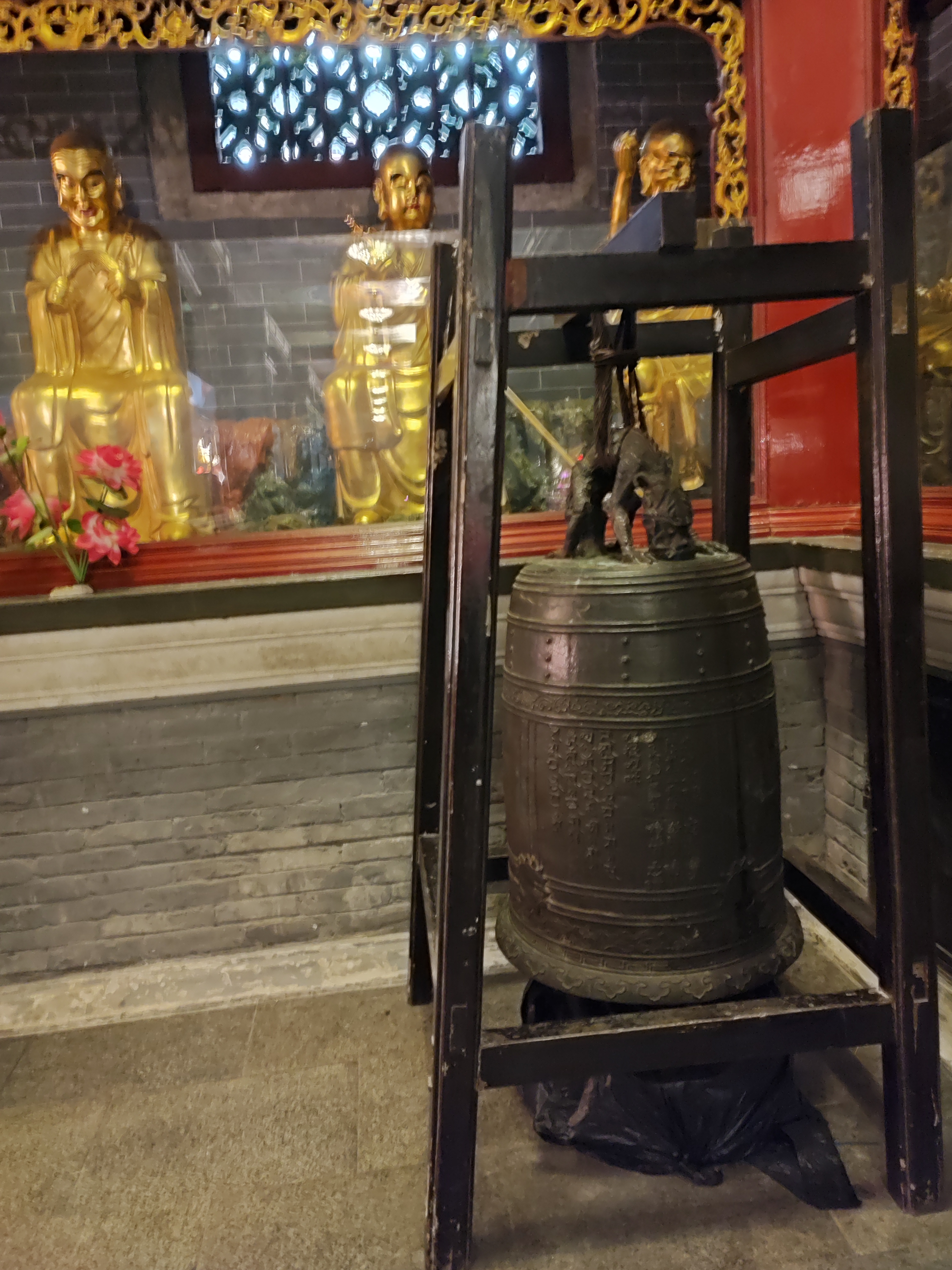
The Shaolin monastery is named for Mount Shaoshi, one of seven mountains that form the Songshan mountain range. According to legend, the Shaolin temple was constructed in Henan Province in 495 CE around an Indian monk named Buddhabhadra, a.k.a. Batuo, and his two Chinese disciples Huiguang and Sengchou. These two monks were known martial artists.
Bodhidharma arrived at the Shaolin temple in 527 CE and is said to have meditated facing the wall in a nearby cave for nine years. The legend goes that he refused to teach until, after weeks of keeping vigil in the snow, Dazu Huike cut off his own arm as a show of dedication.
Huike was given a robe, a bowl and a scroll of the Laṅkāvatāra Sūtra along with the transmission of the Dharma. He became the first Chinese-born Patriarch of Chan Buddhism. Huike, like Huiguang and Sengchou, was a martial artist.
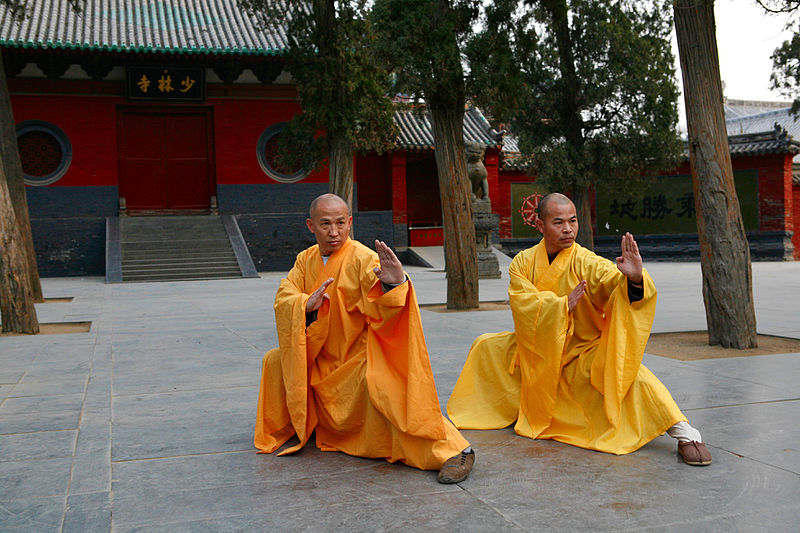
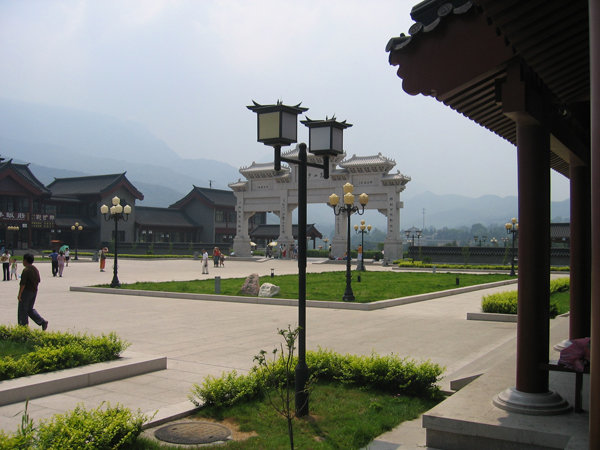
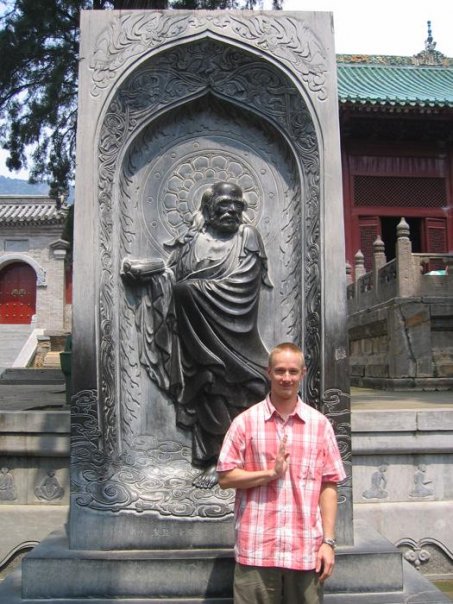
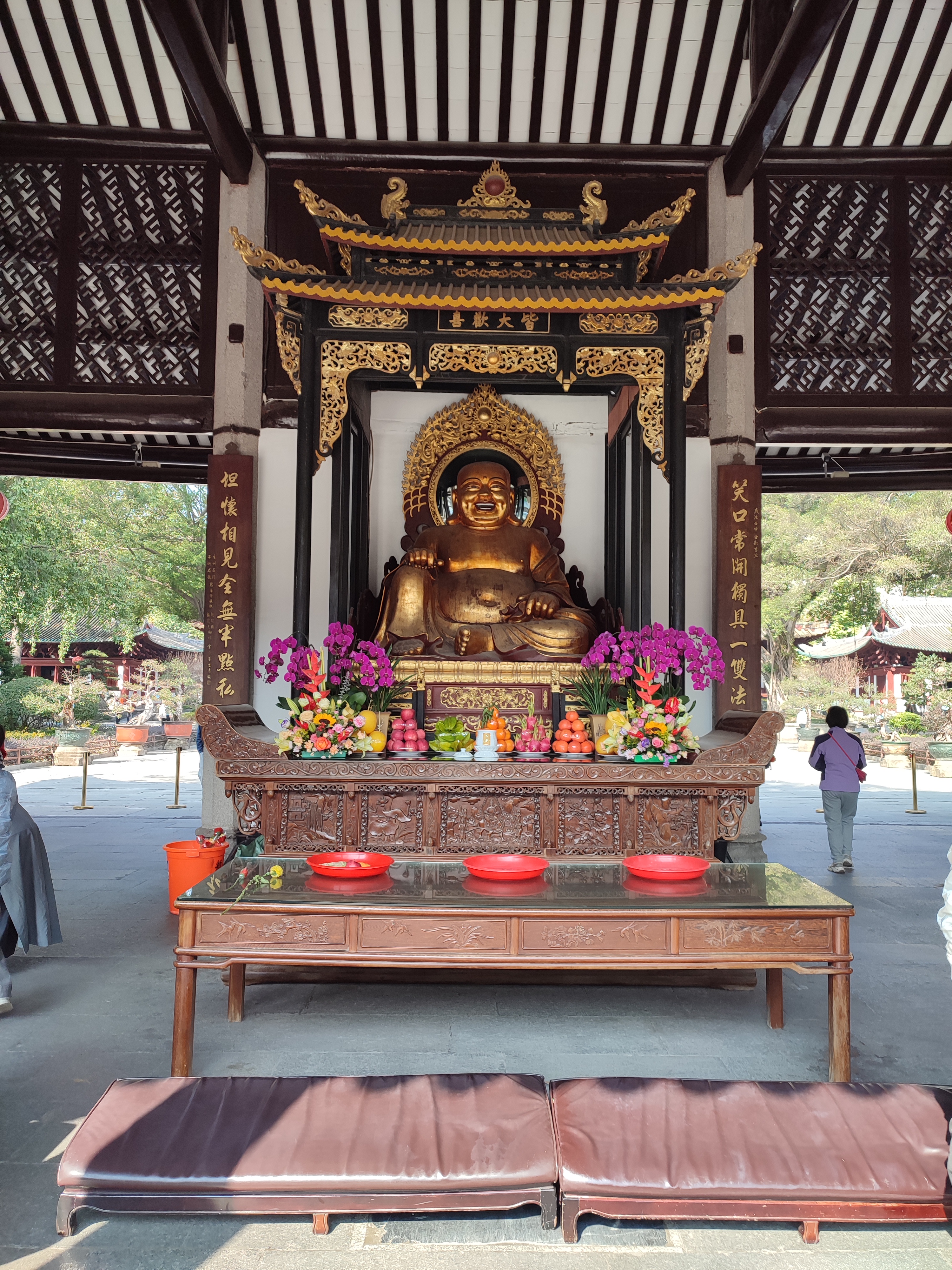
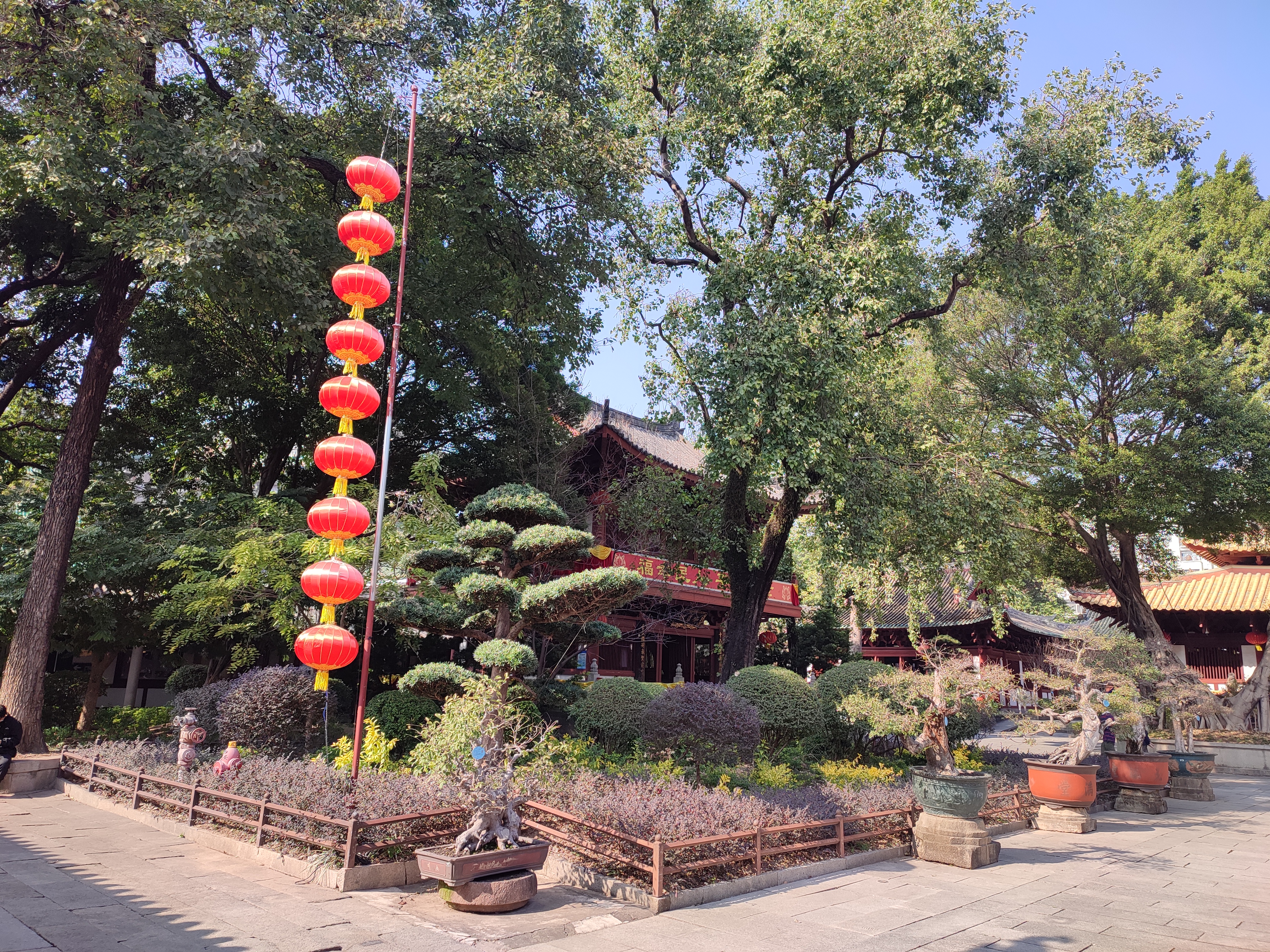
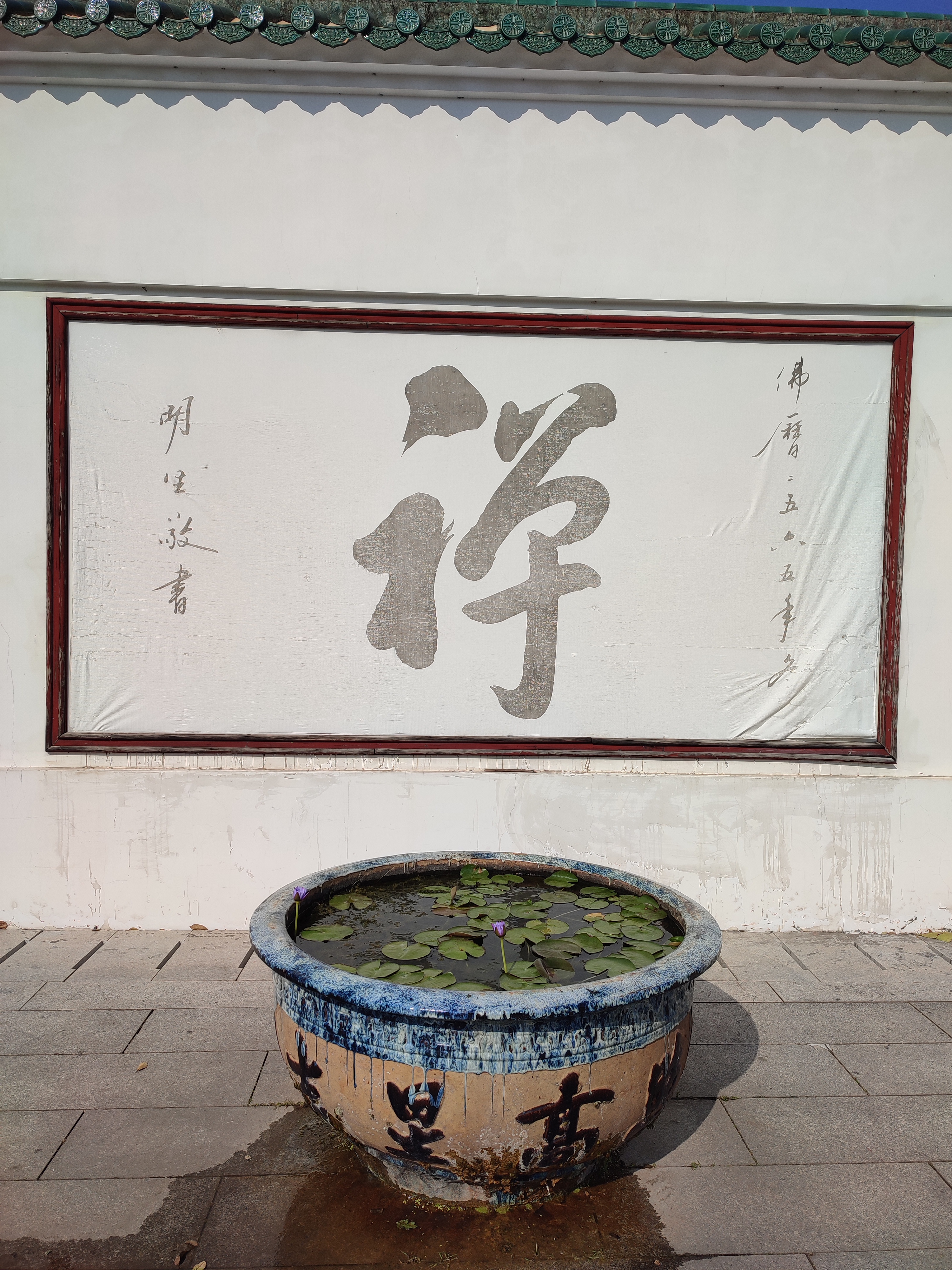
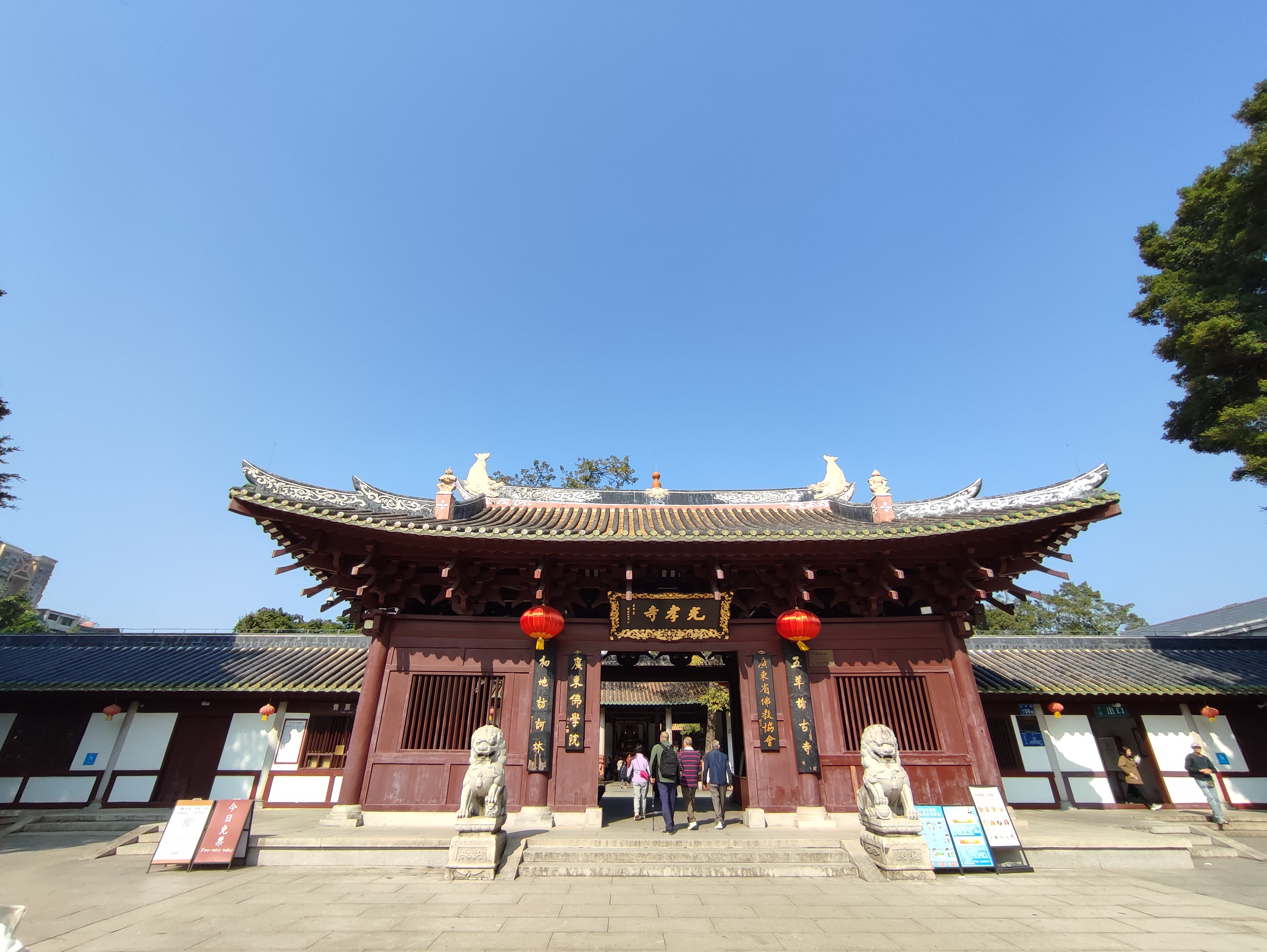
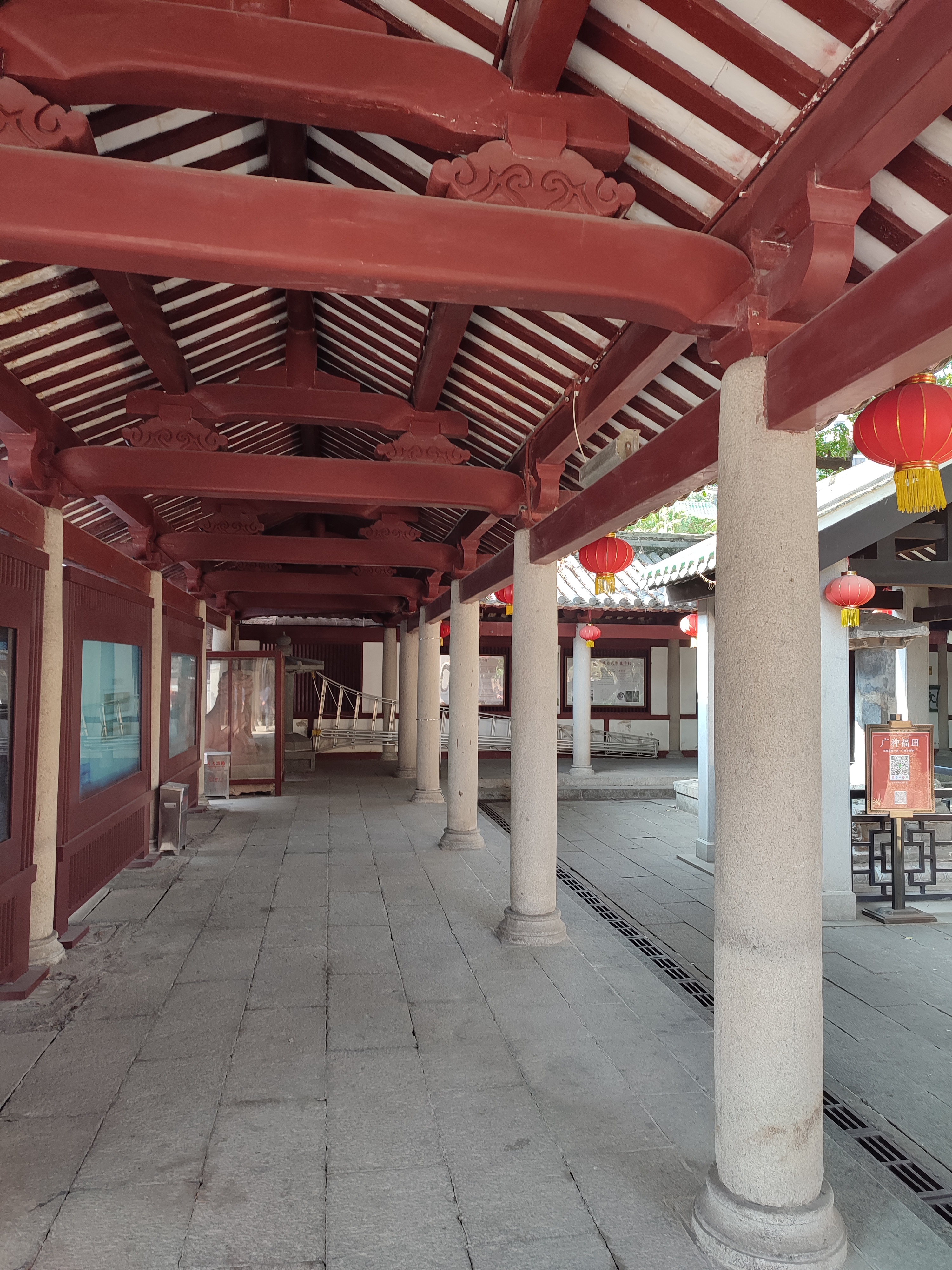
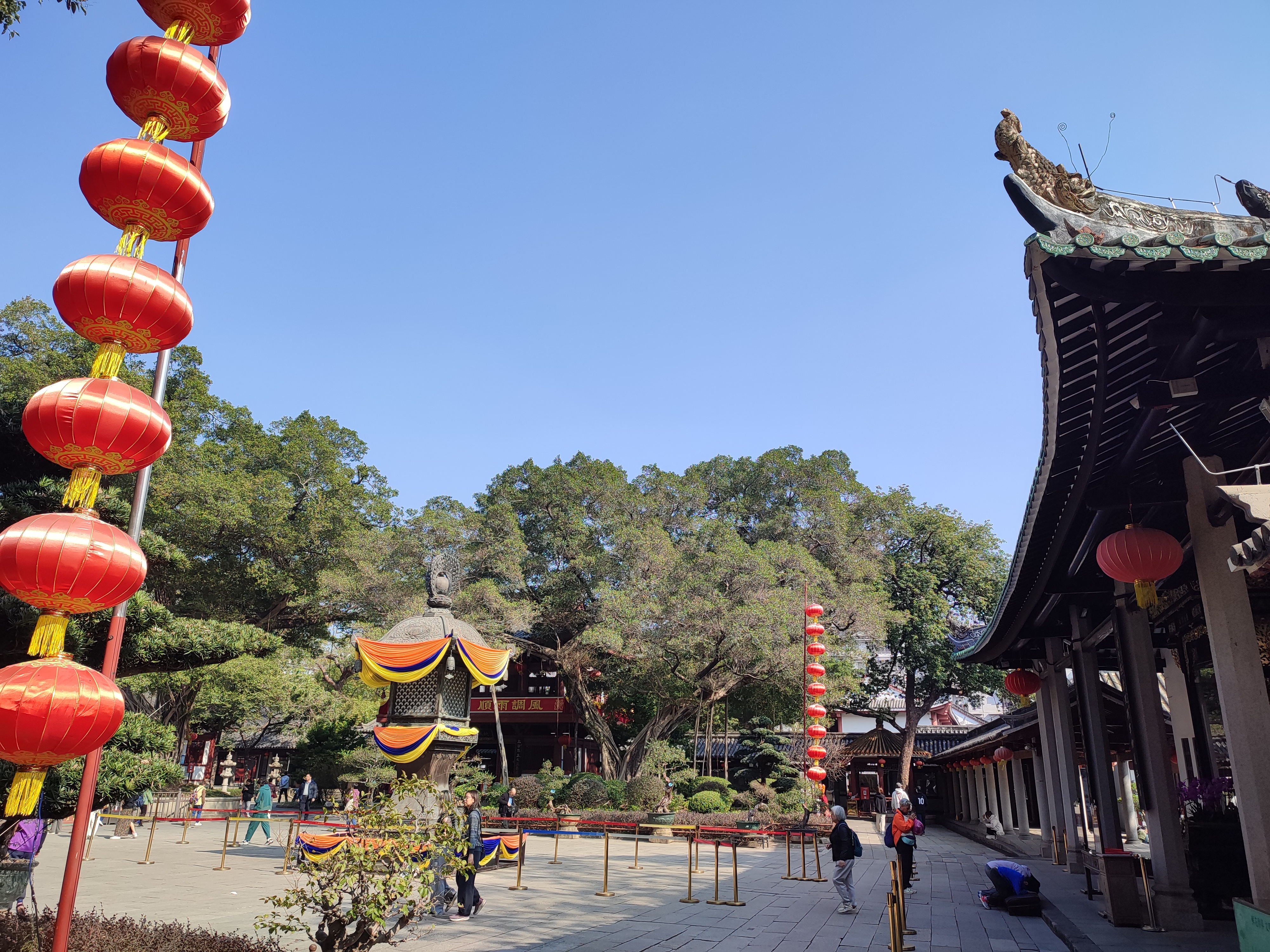
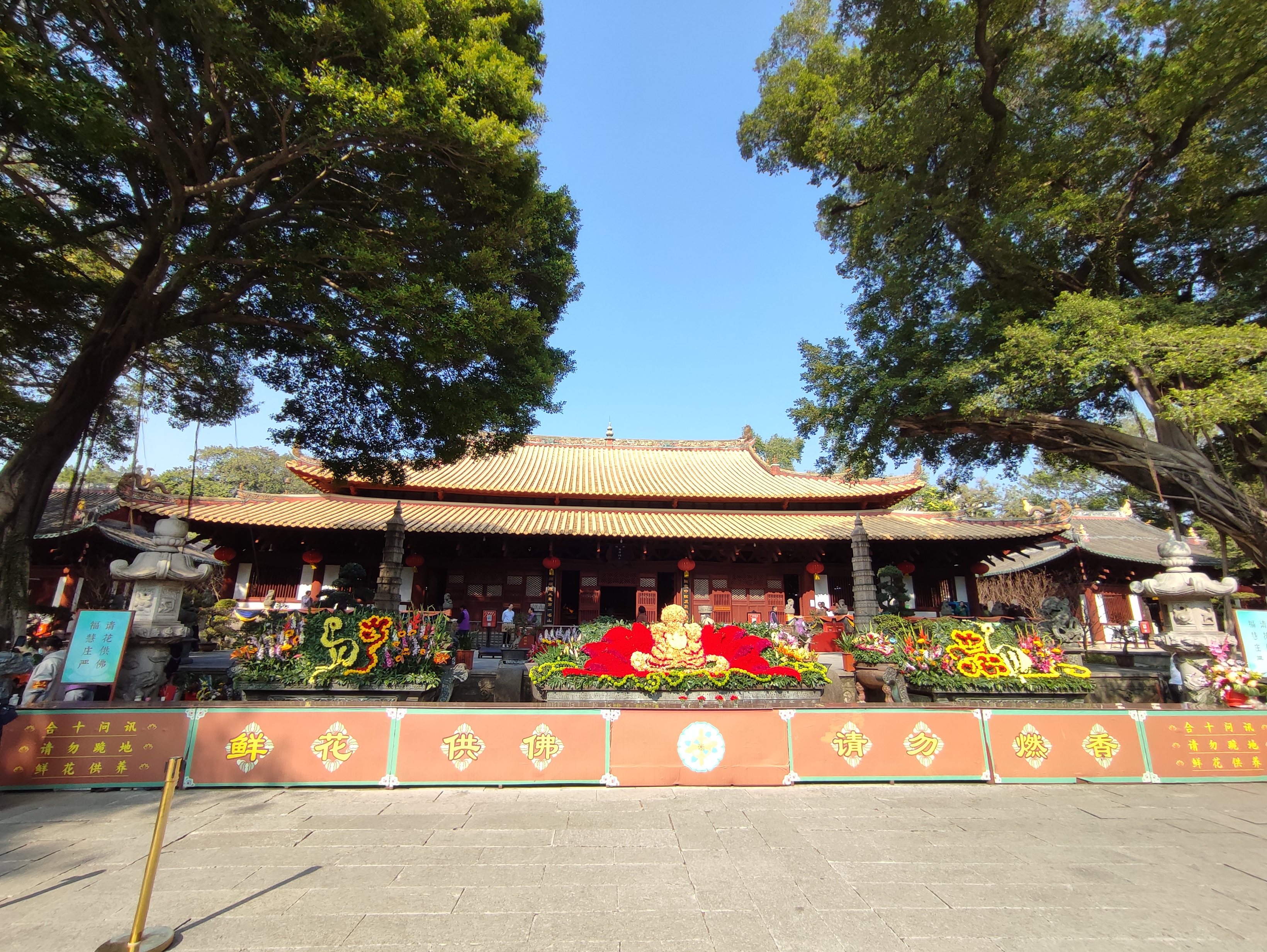
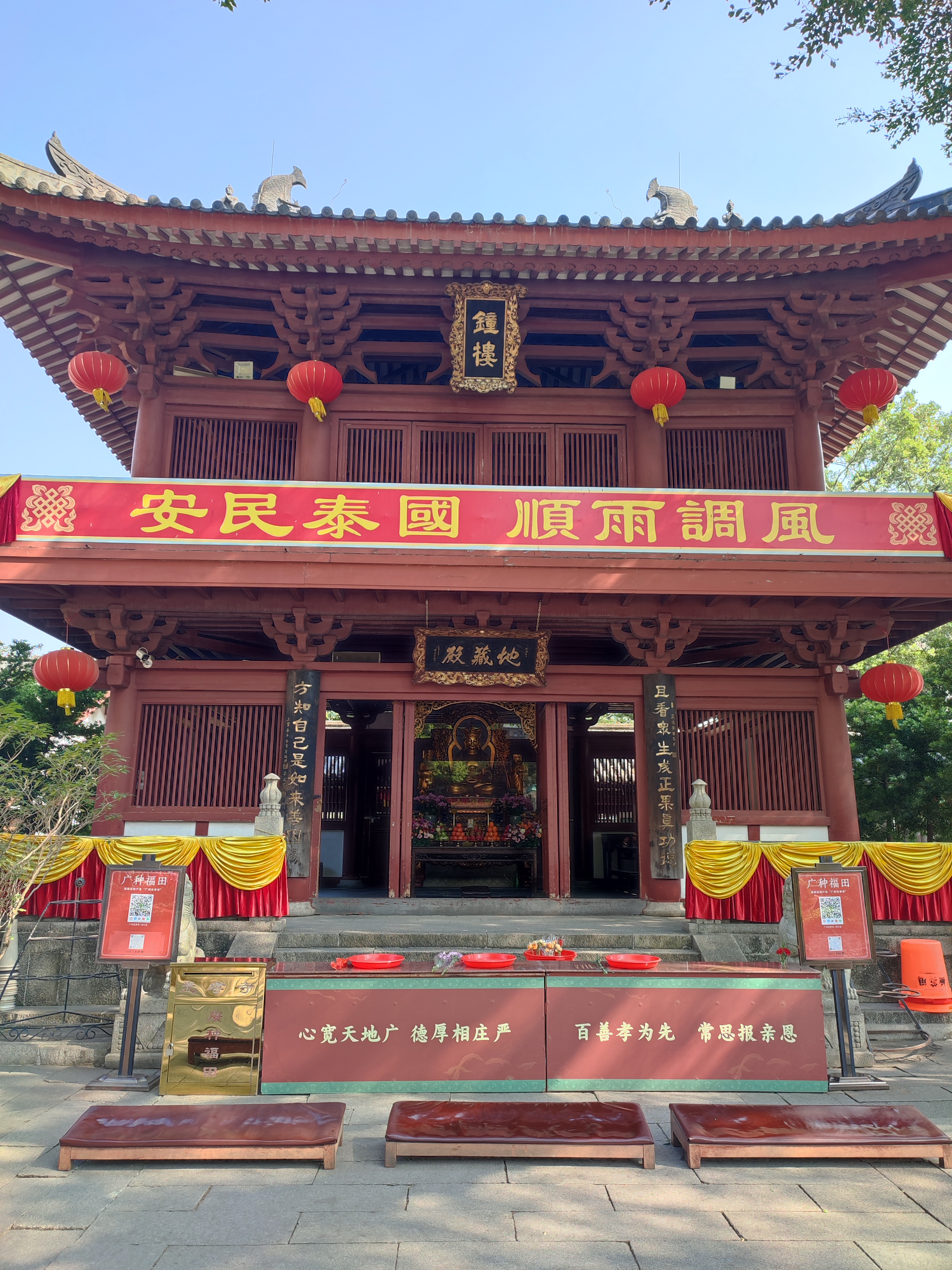
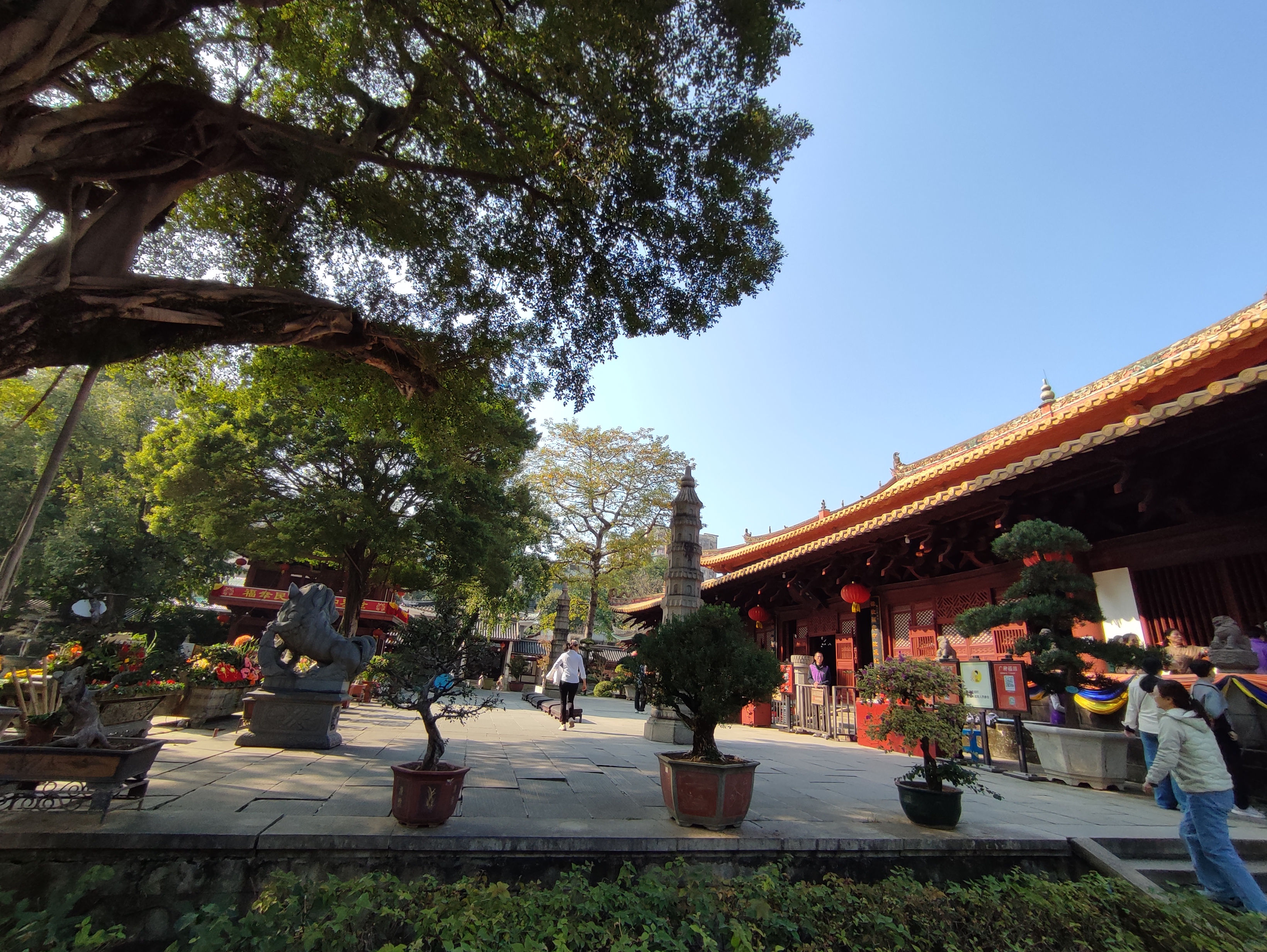
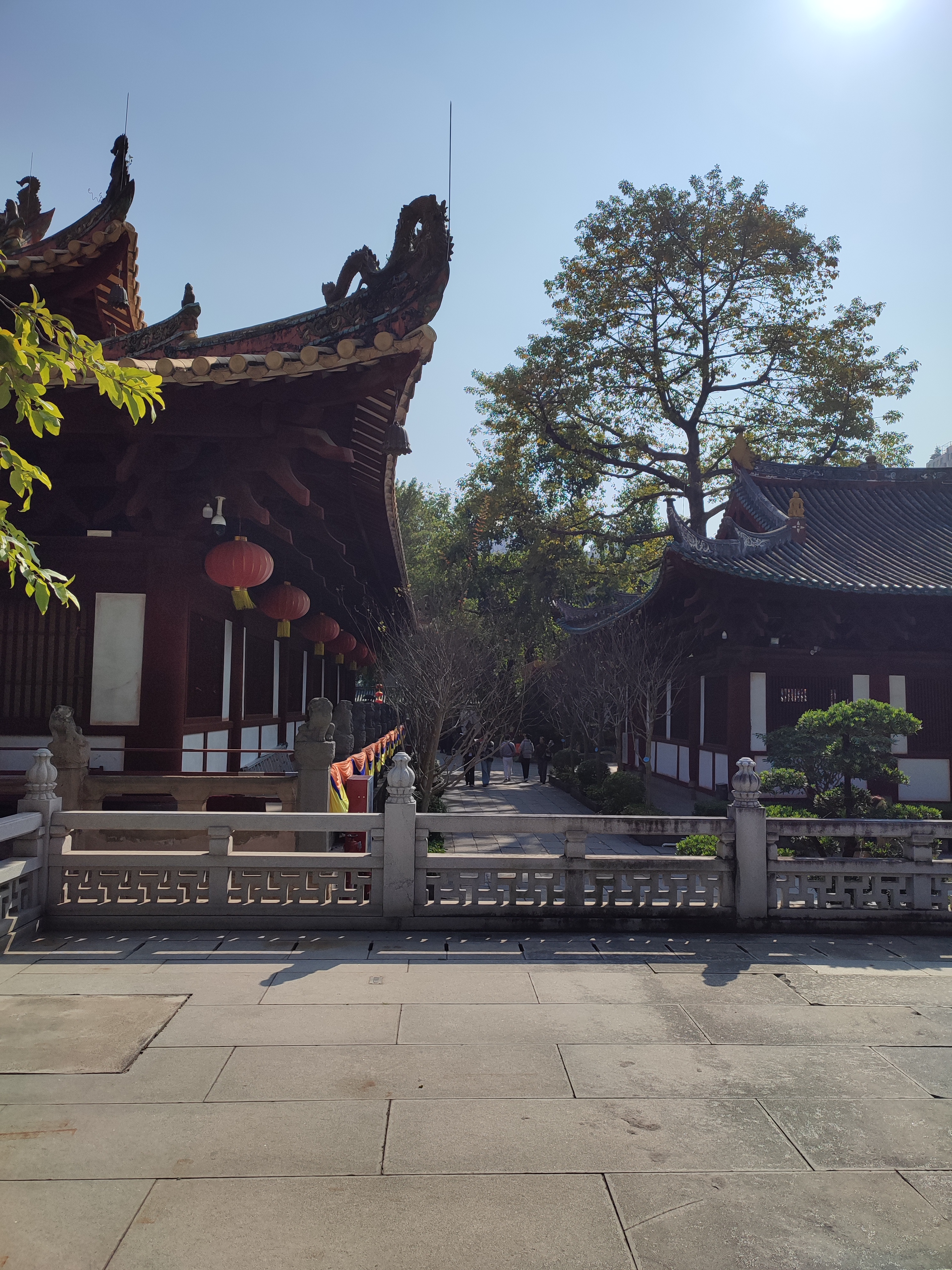
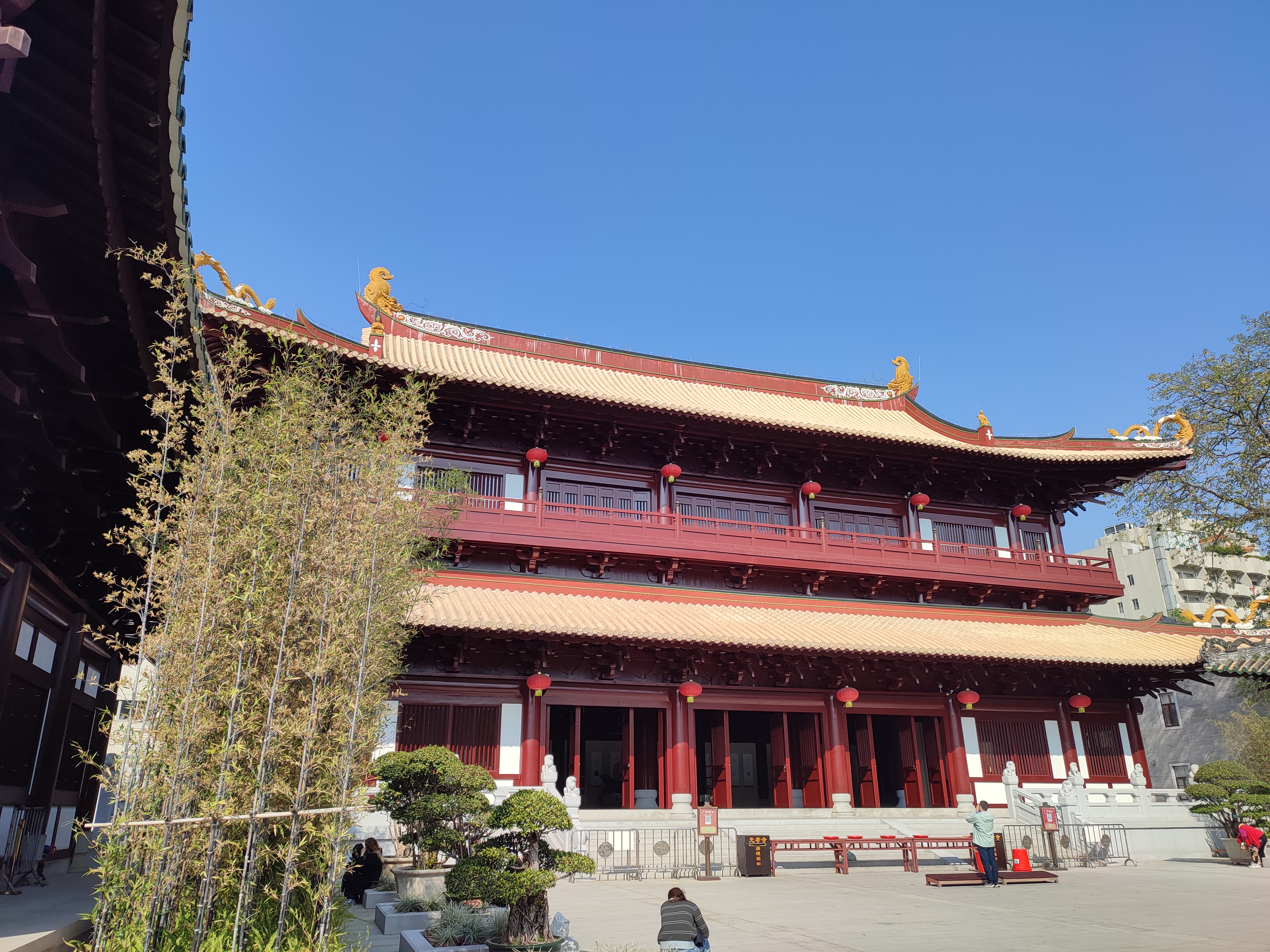
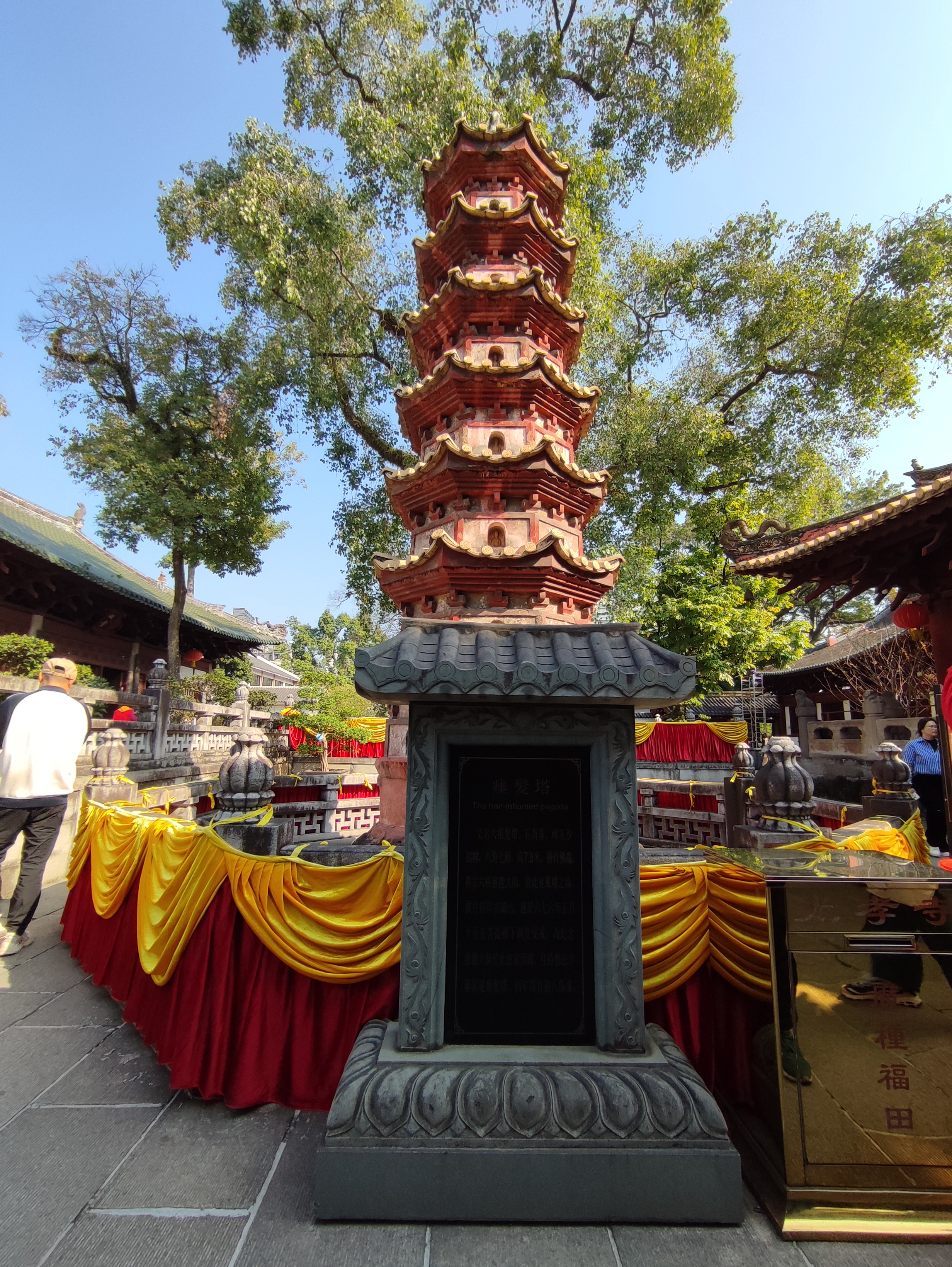
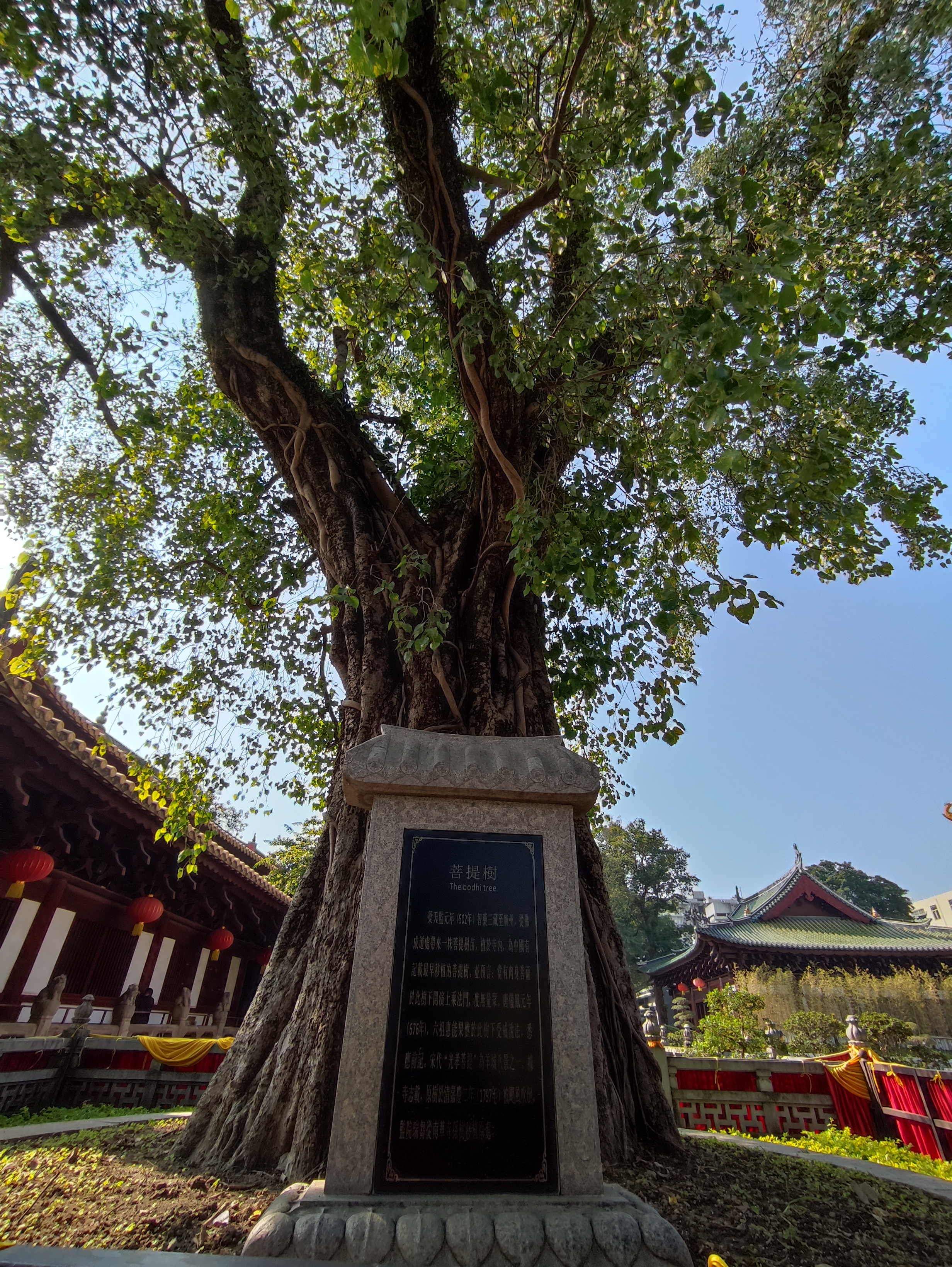
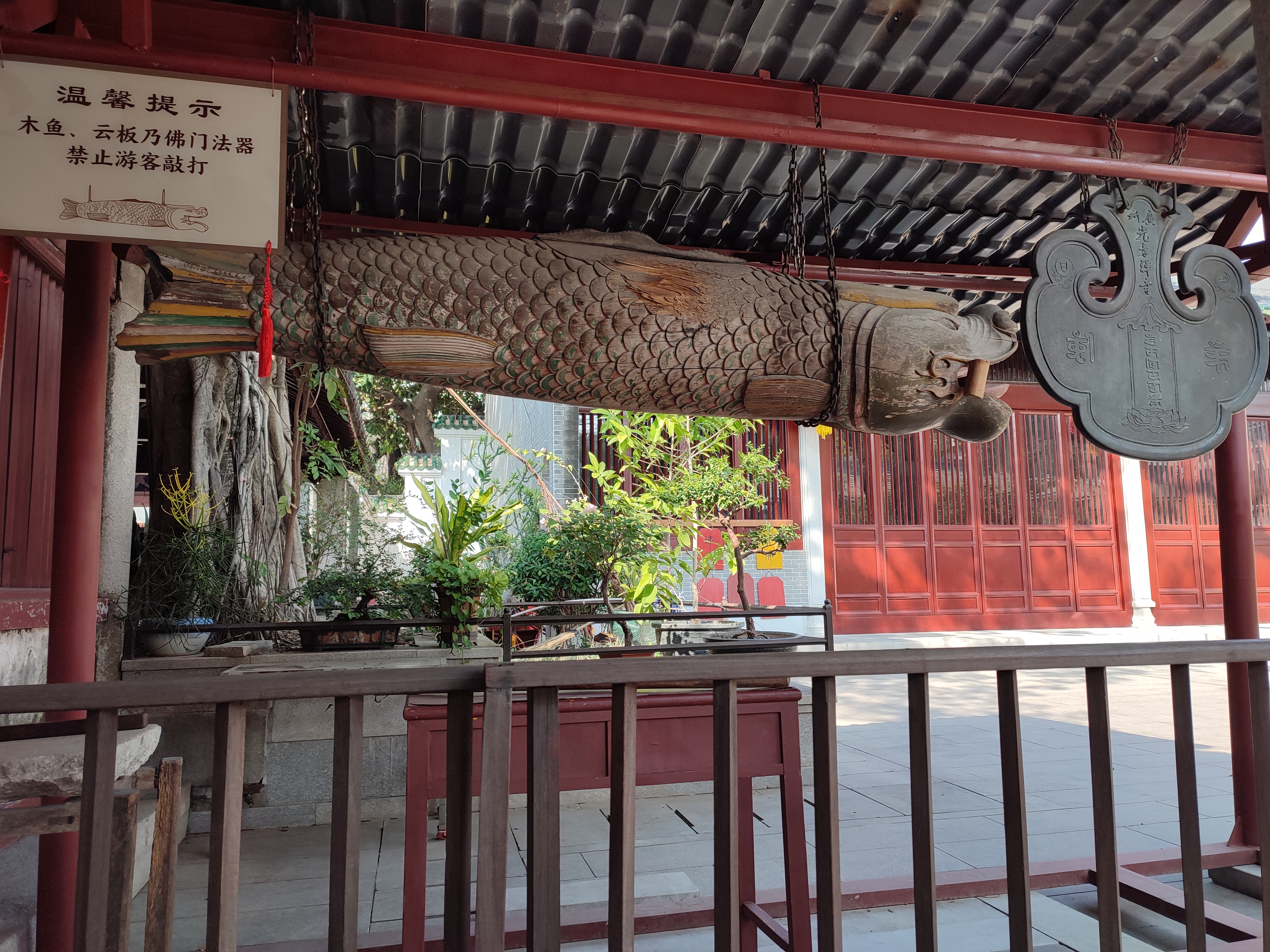
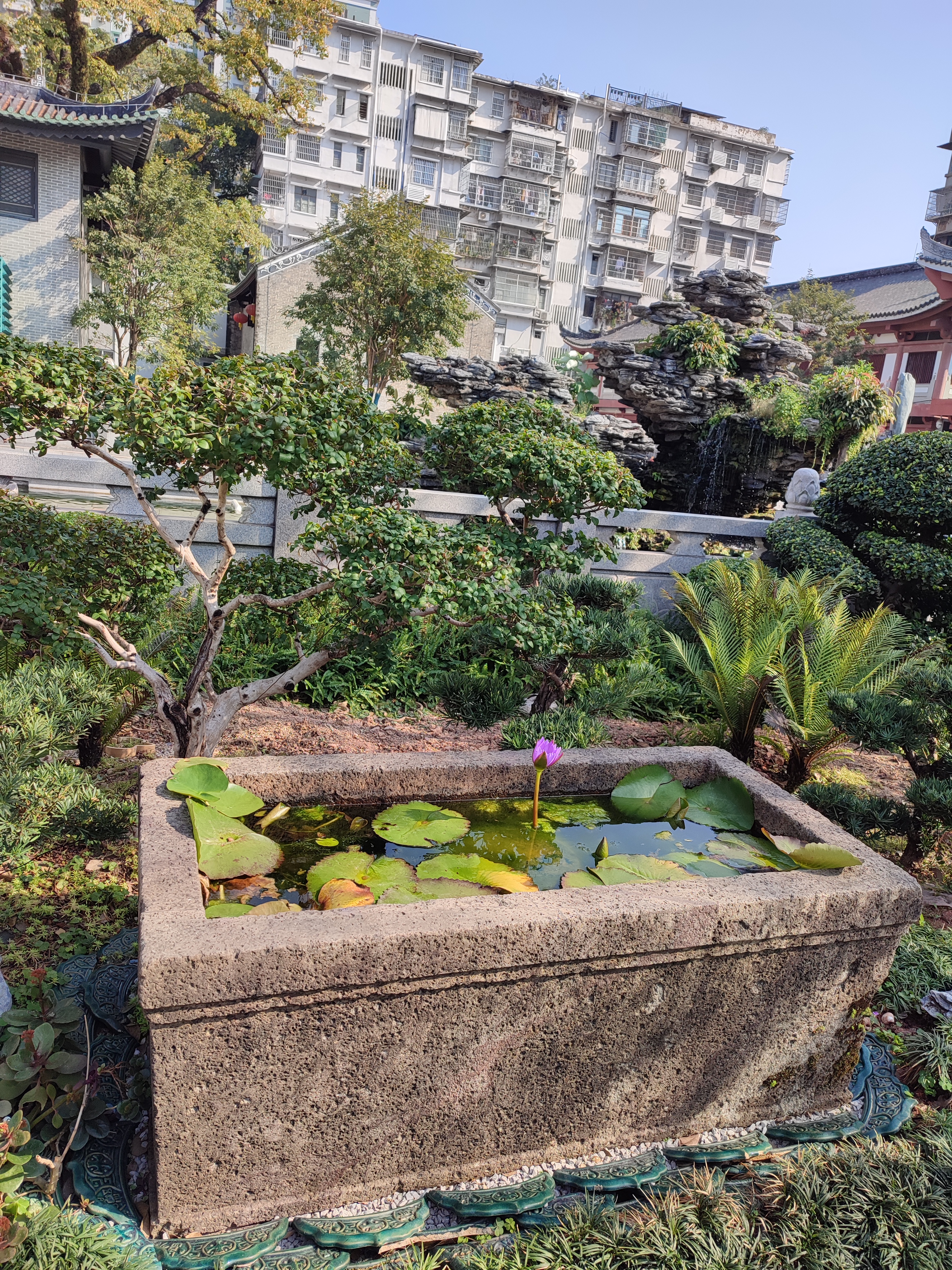
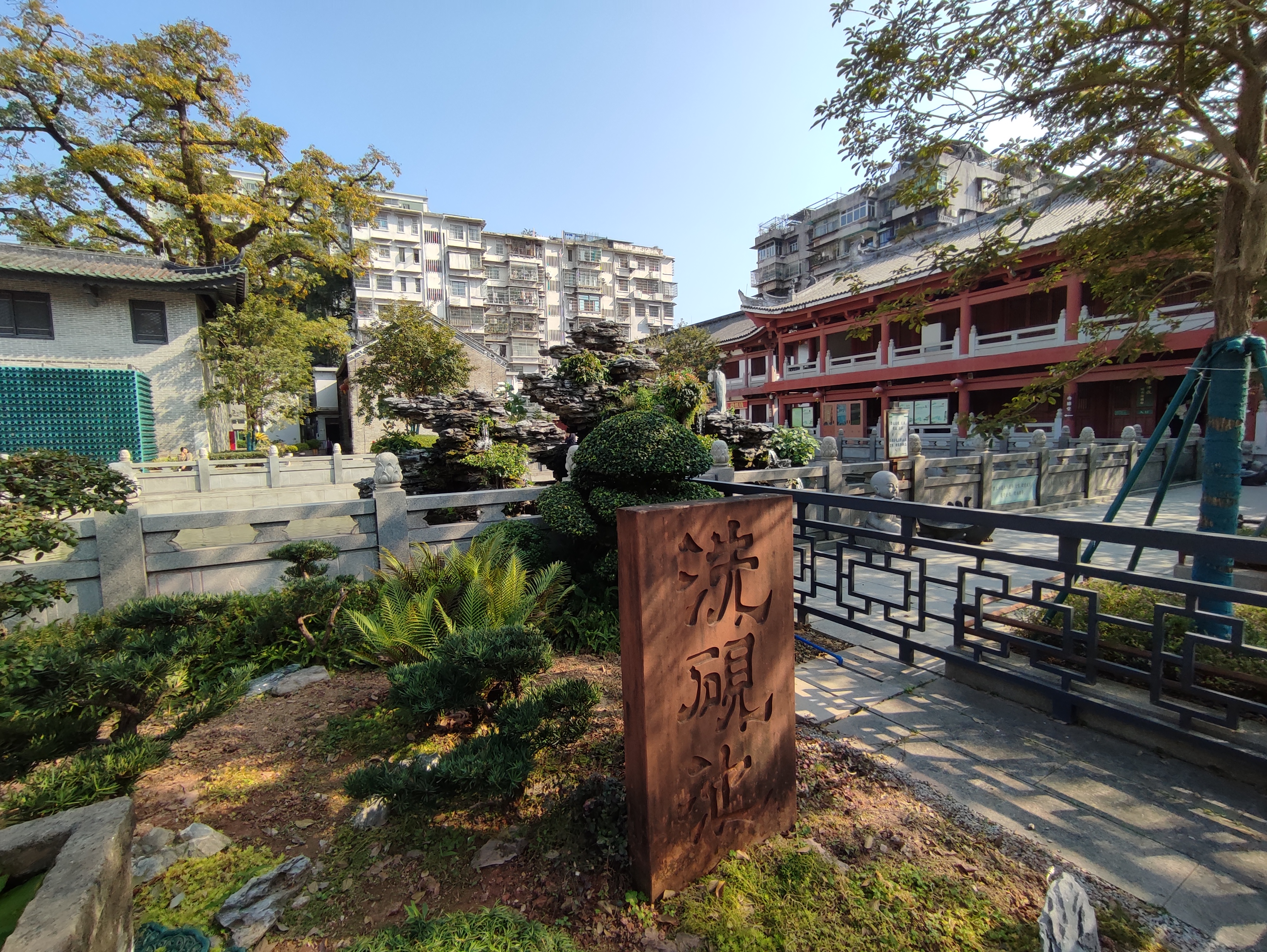
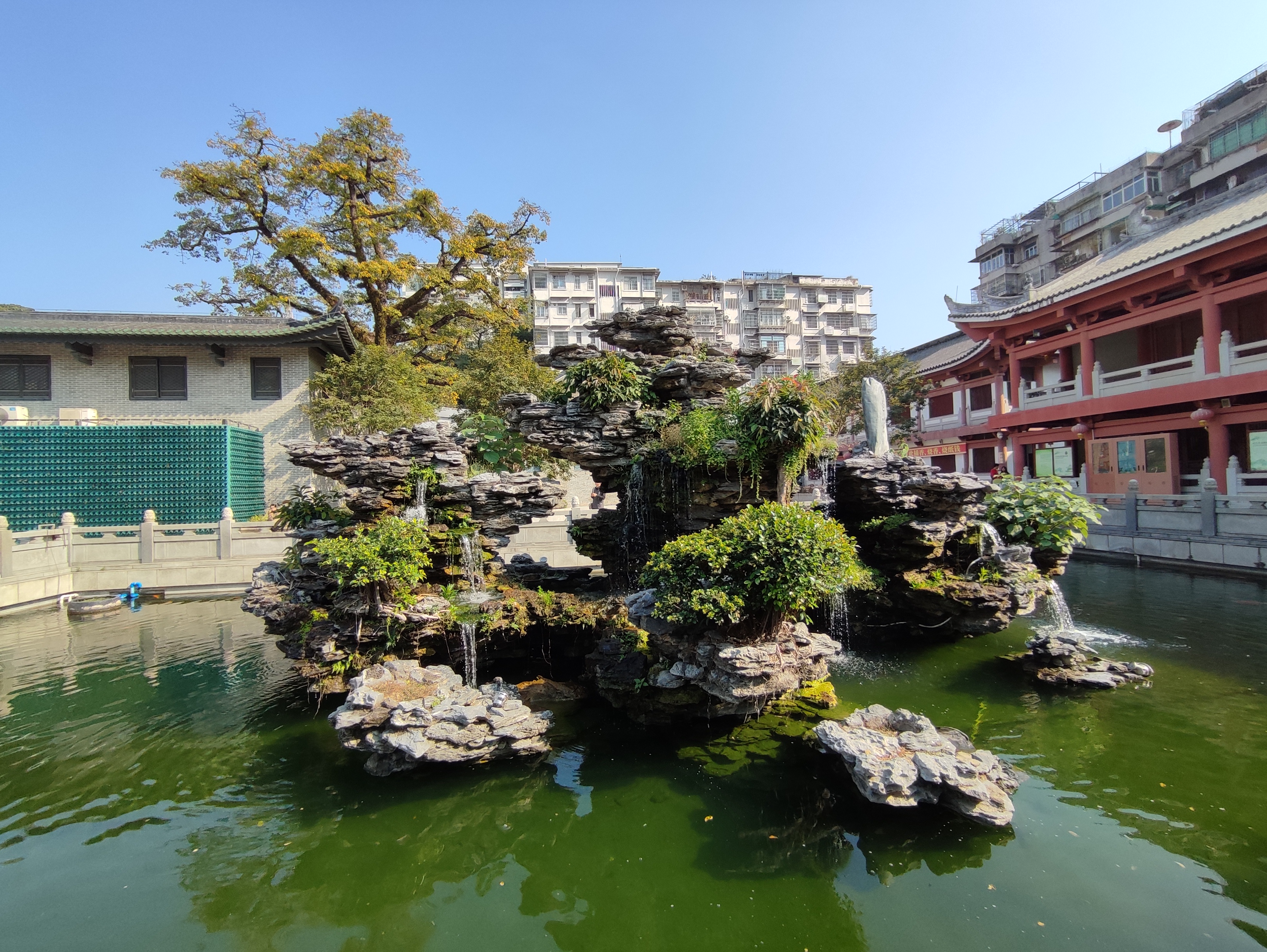
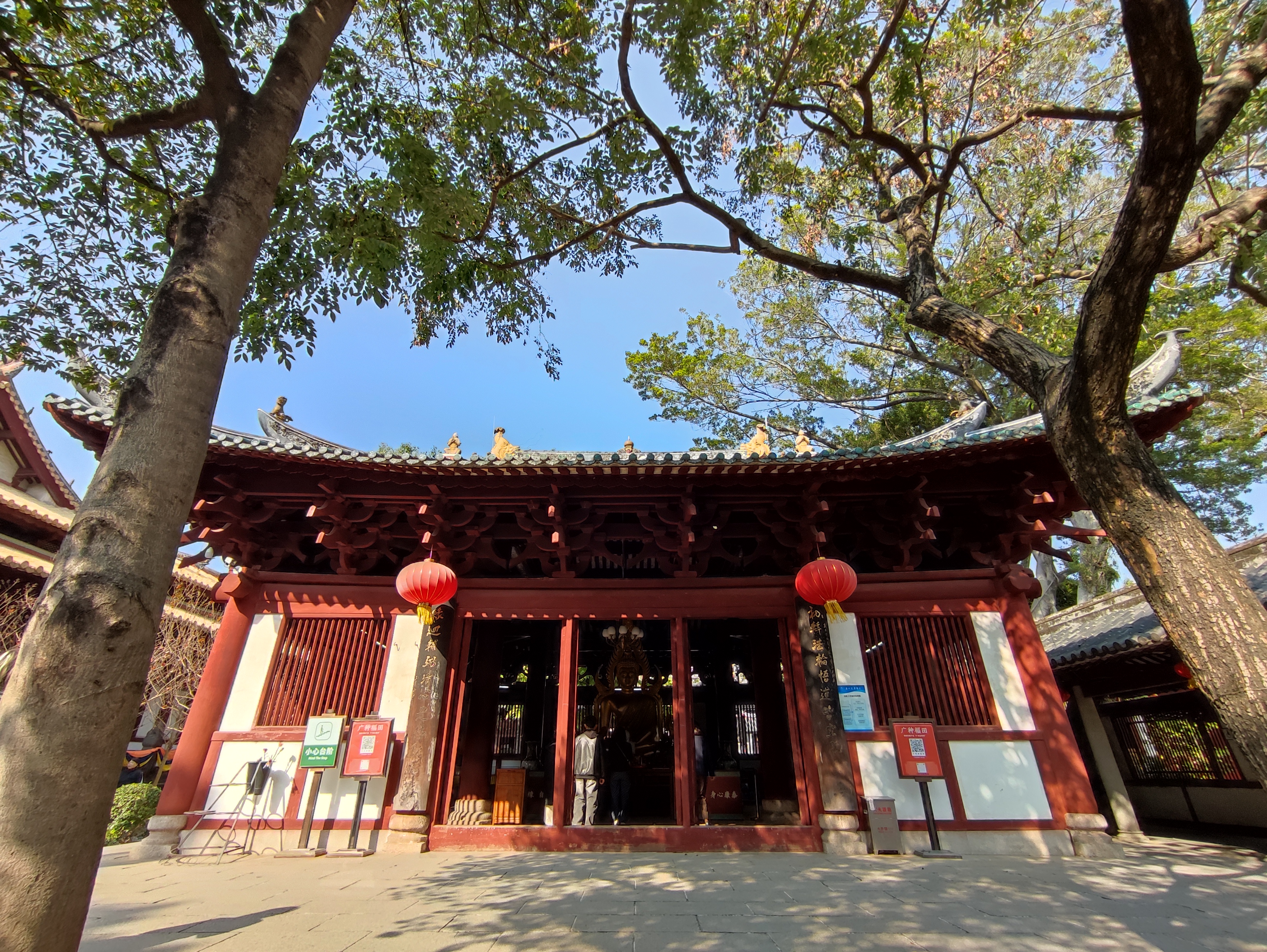
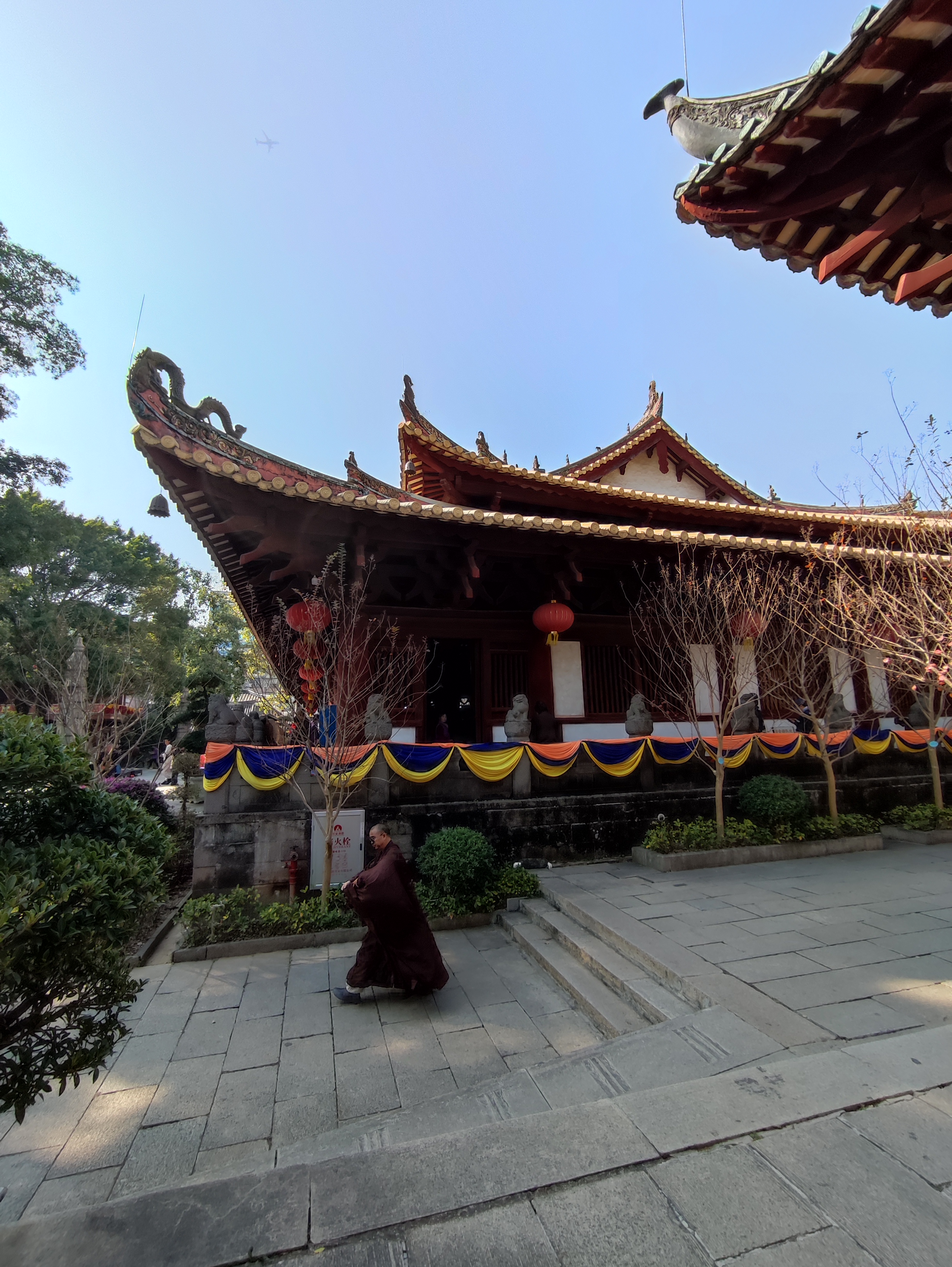
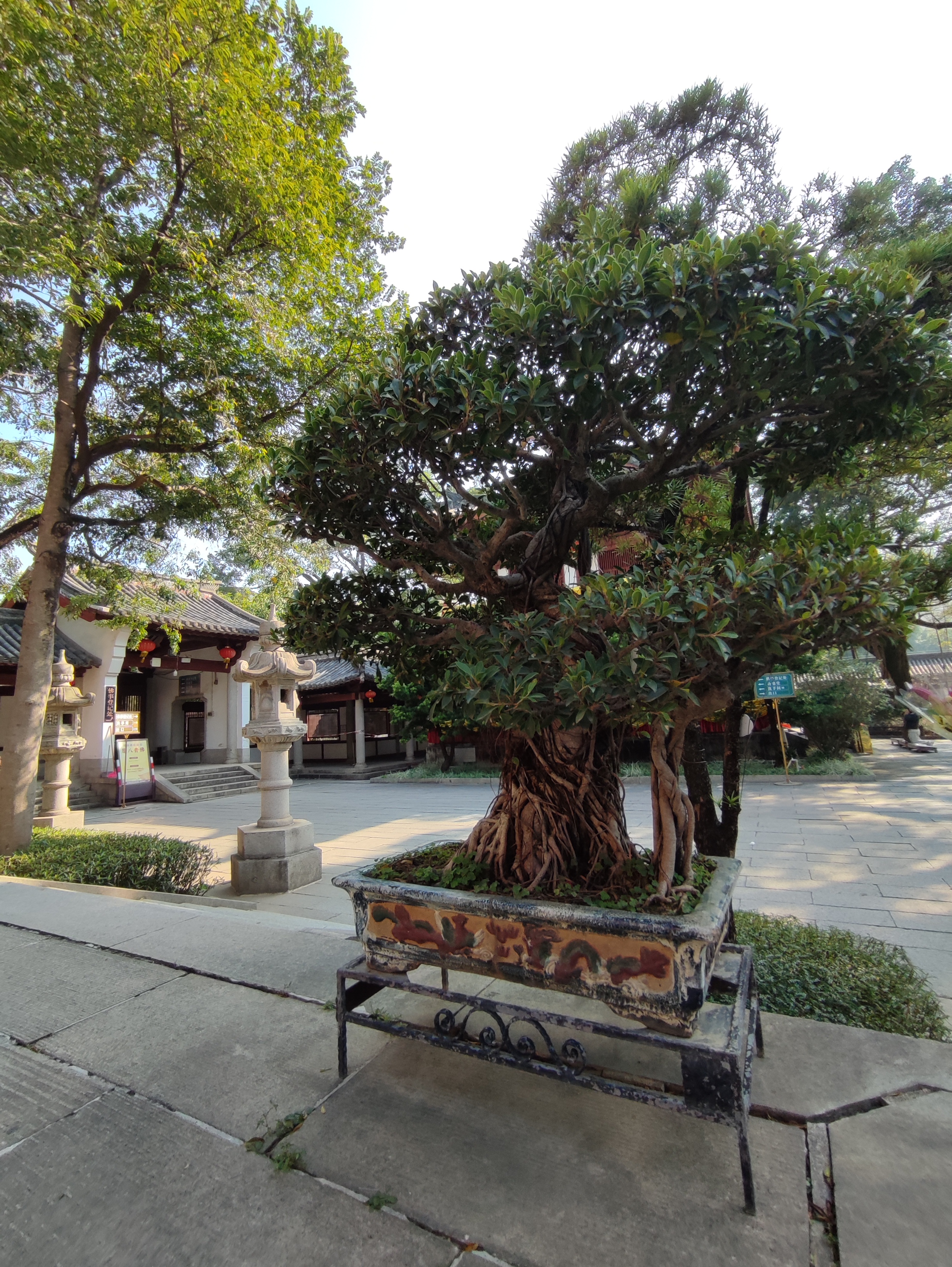
In the heart of Guangzhou stands Guangxiao Temple, one of the most important sites in the history of Chan (Zen) Buddhism. It was here that Huineng, the Sixth Patriarch of Zen, is traditionally said to have received full ordination and given his first sermon.
Huineng’s teachings transformed Zen by emphasizing sudden enlightenment and direct insight over ritual or scholasticism. From this temple, his influence spread across China and later to Korea and Japan, shaping Zen into the tradition known today for its simplicity, depth, and radical clarity. When we visited in 2026, we had the good fortune of experiencing the monks and nuns joining together in chant.
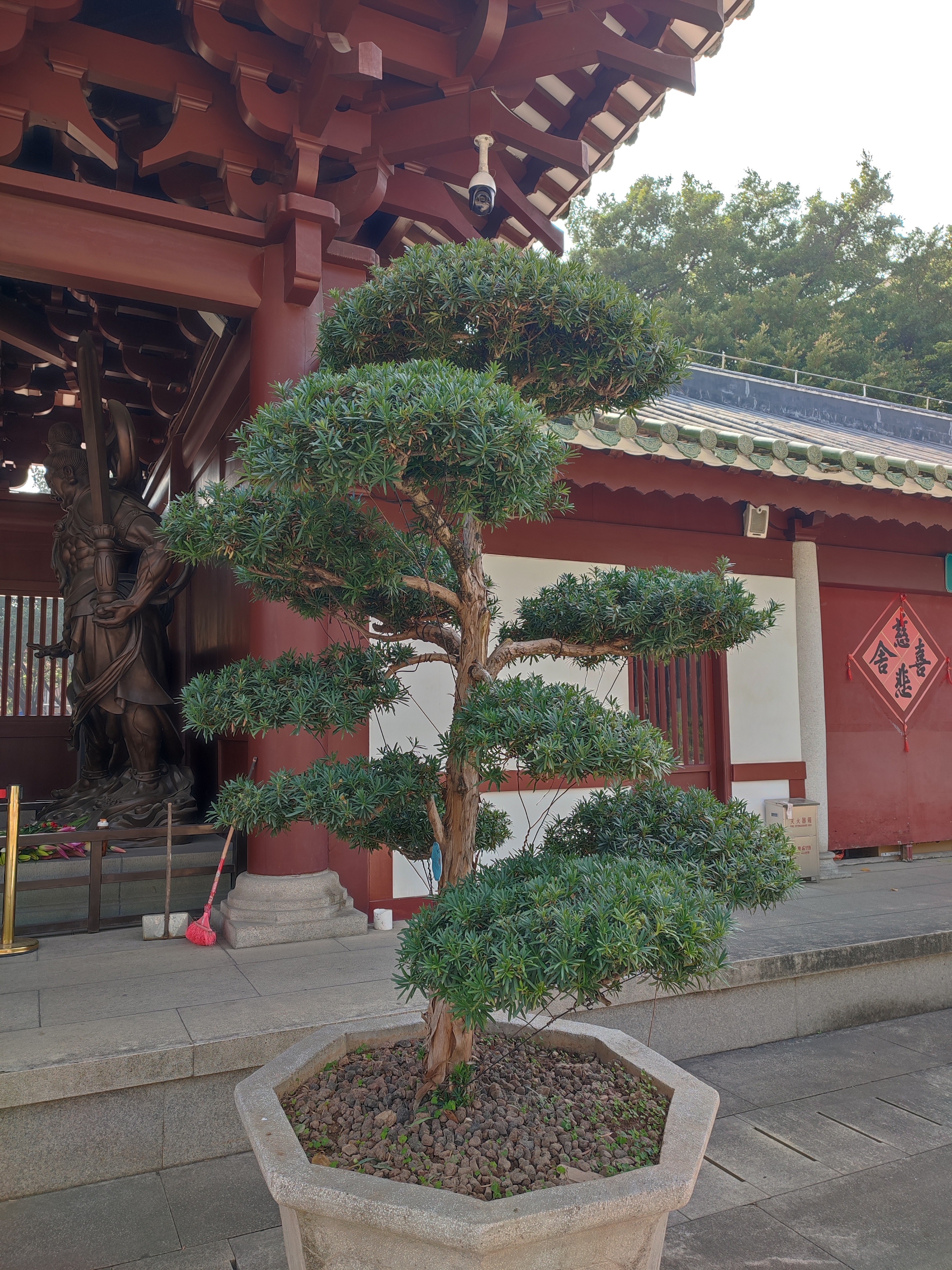
Lungshan Temple in Taipei, Taiwan was founded in 1738 by immigrants from Fujian in dedication to Guanyin, the Buddhist bodhisattva of compassion. The temple also honors other Chinese deities such as Mazu and Guan Yu. There are even Daoist and Confucian elements at the temple, exemplifying the often multi-religious or syncretic nature of Chinese folk religion.
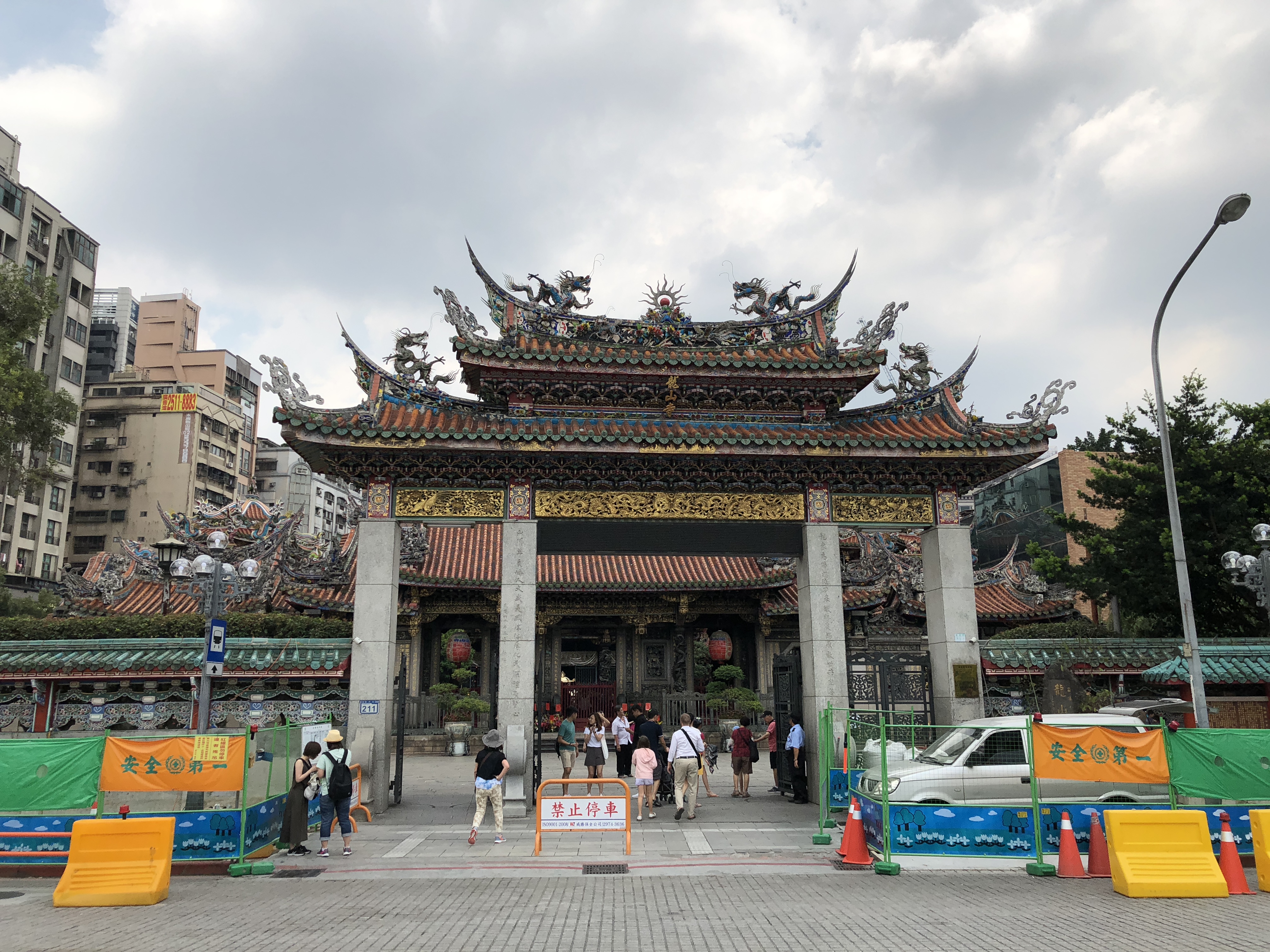
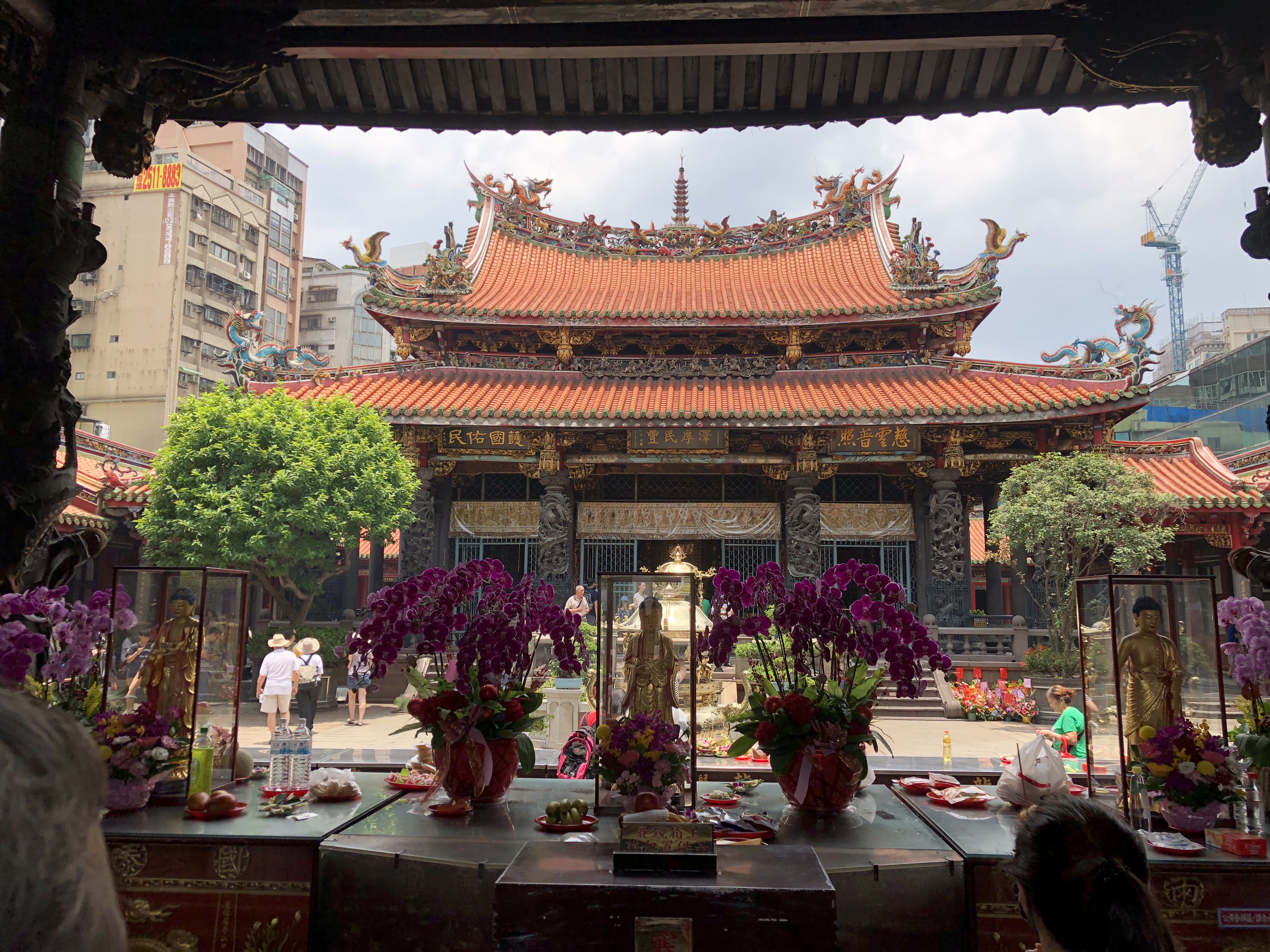
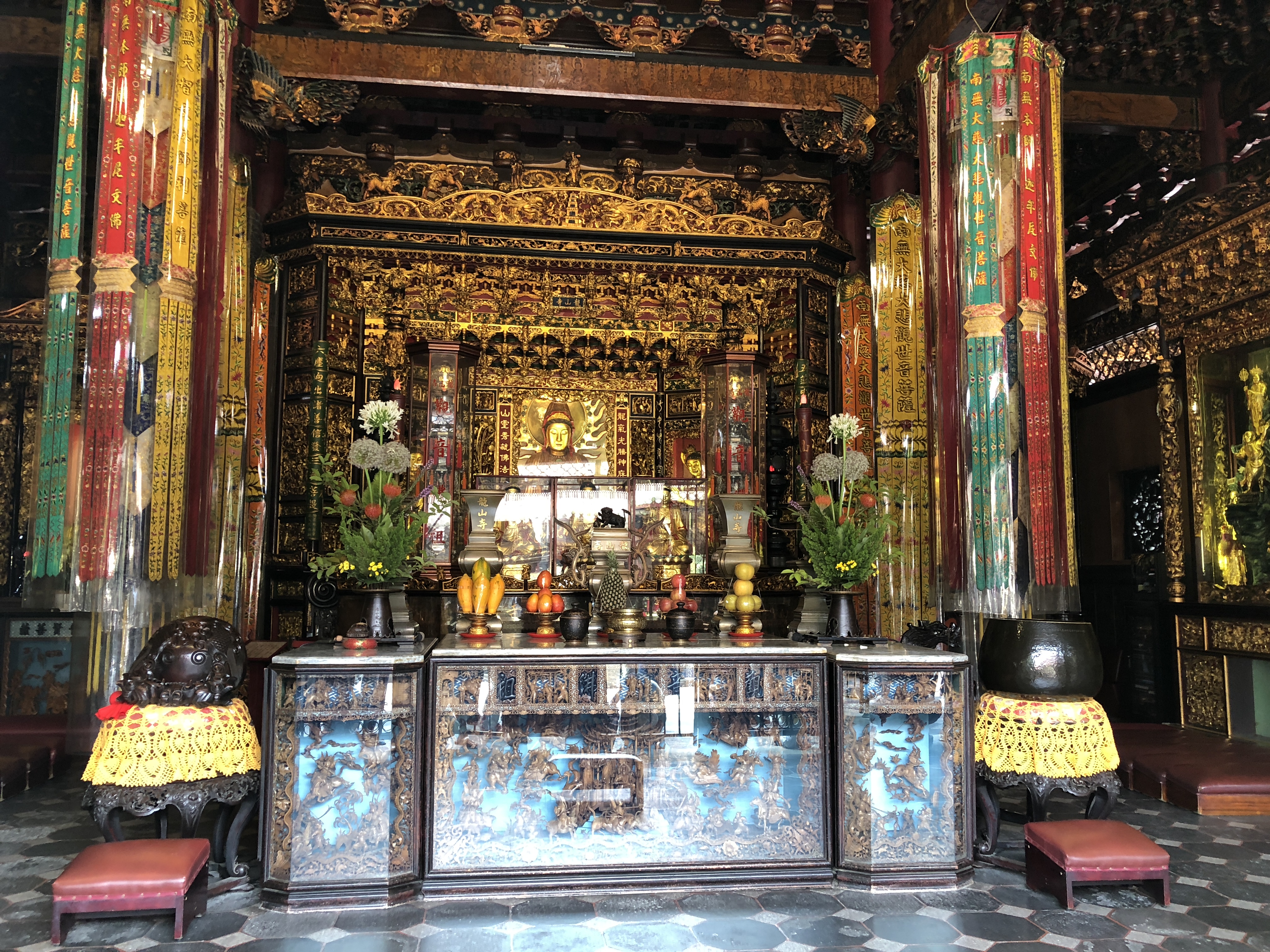
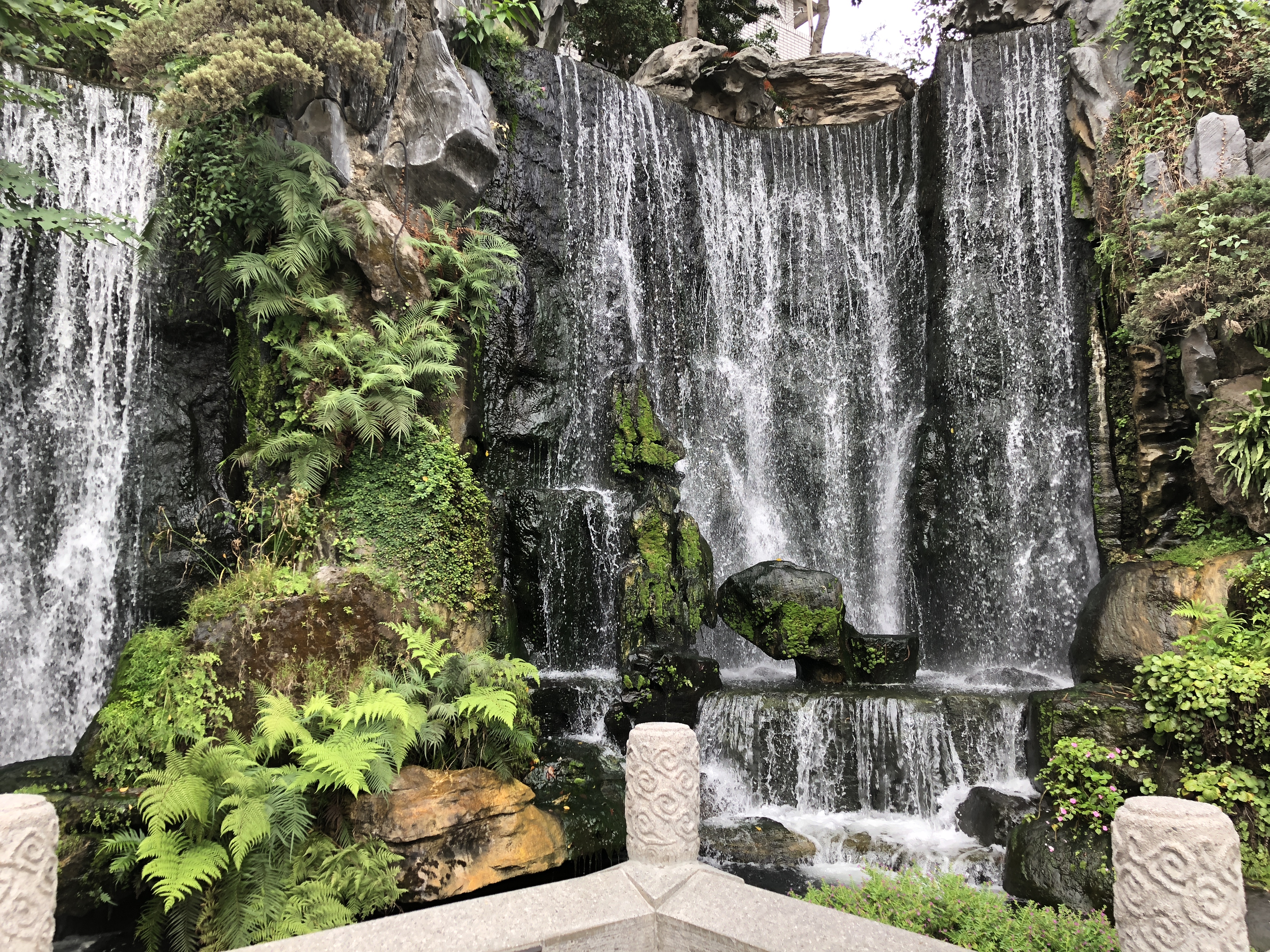
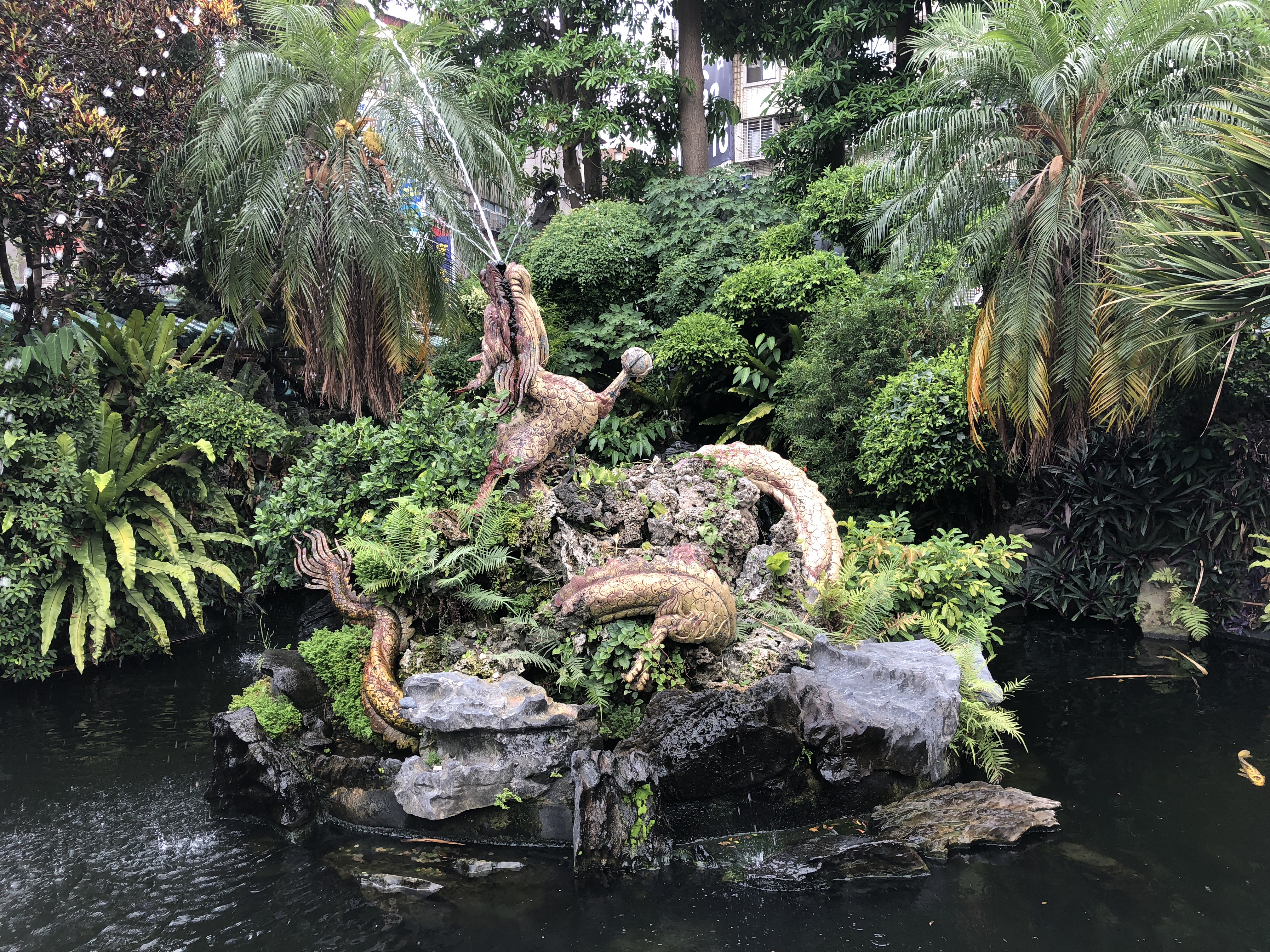
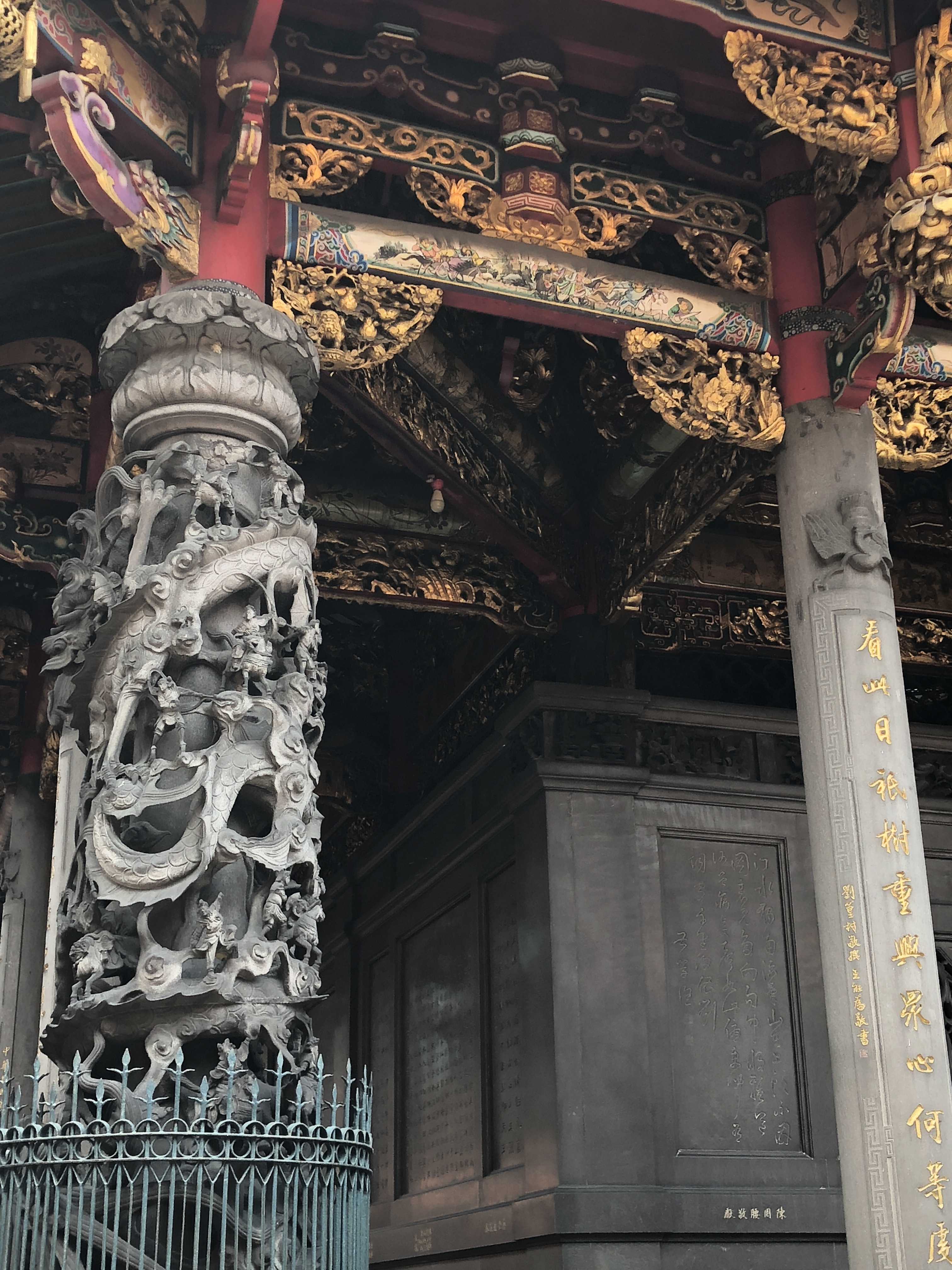
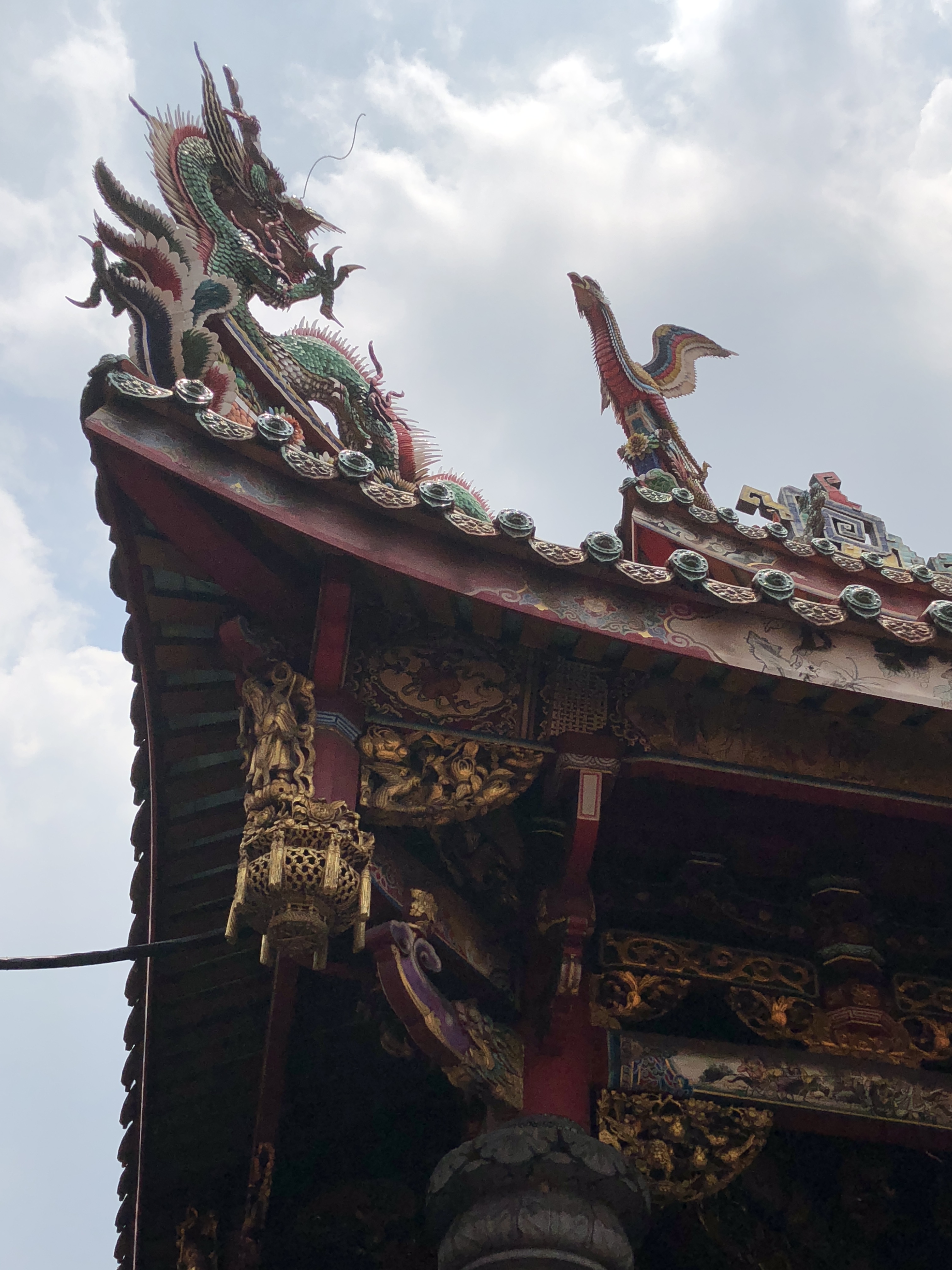
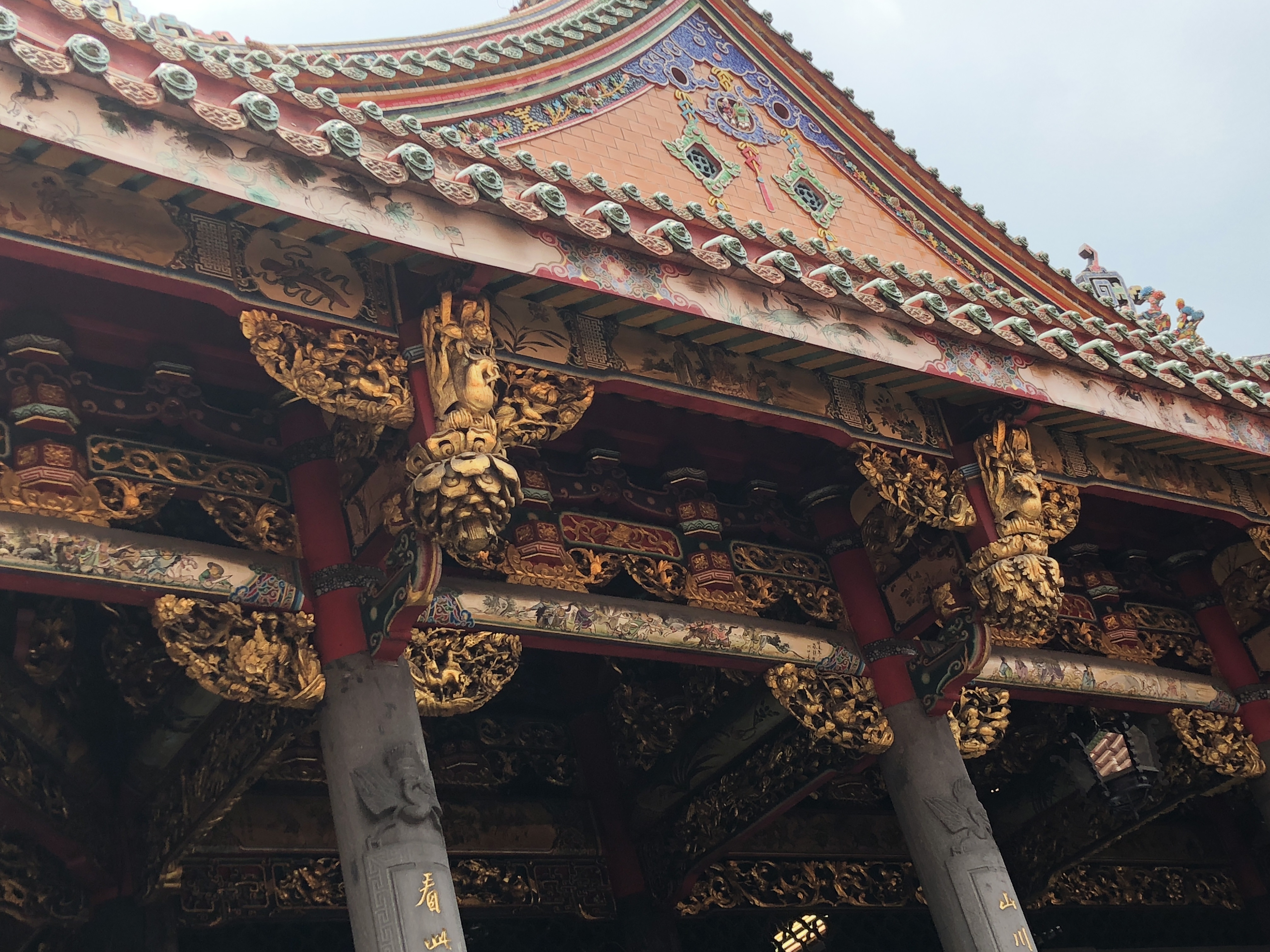
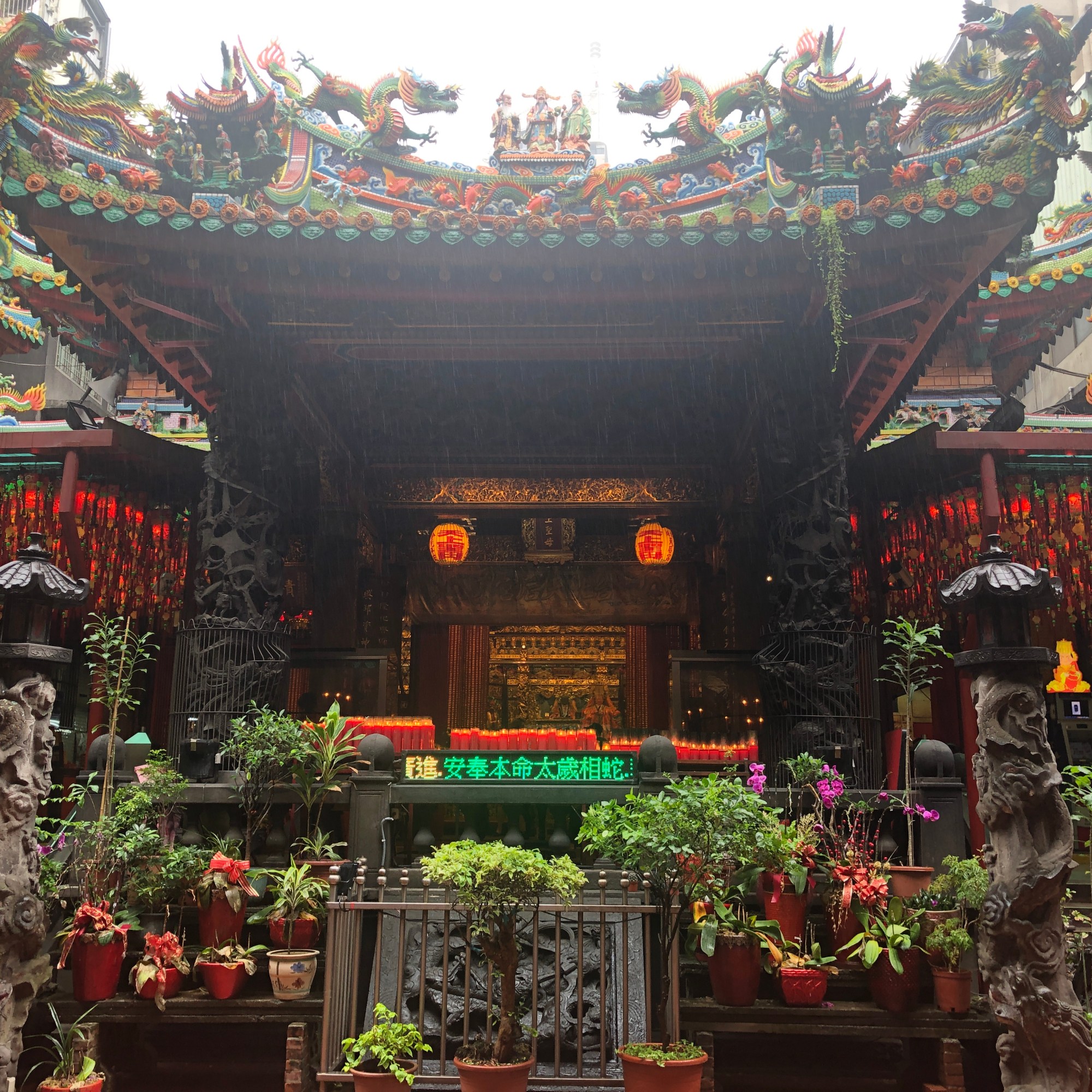
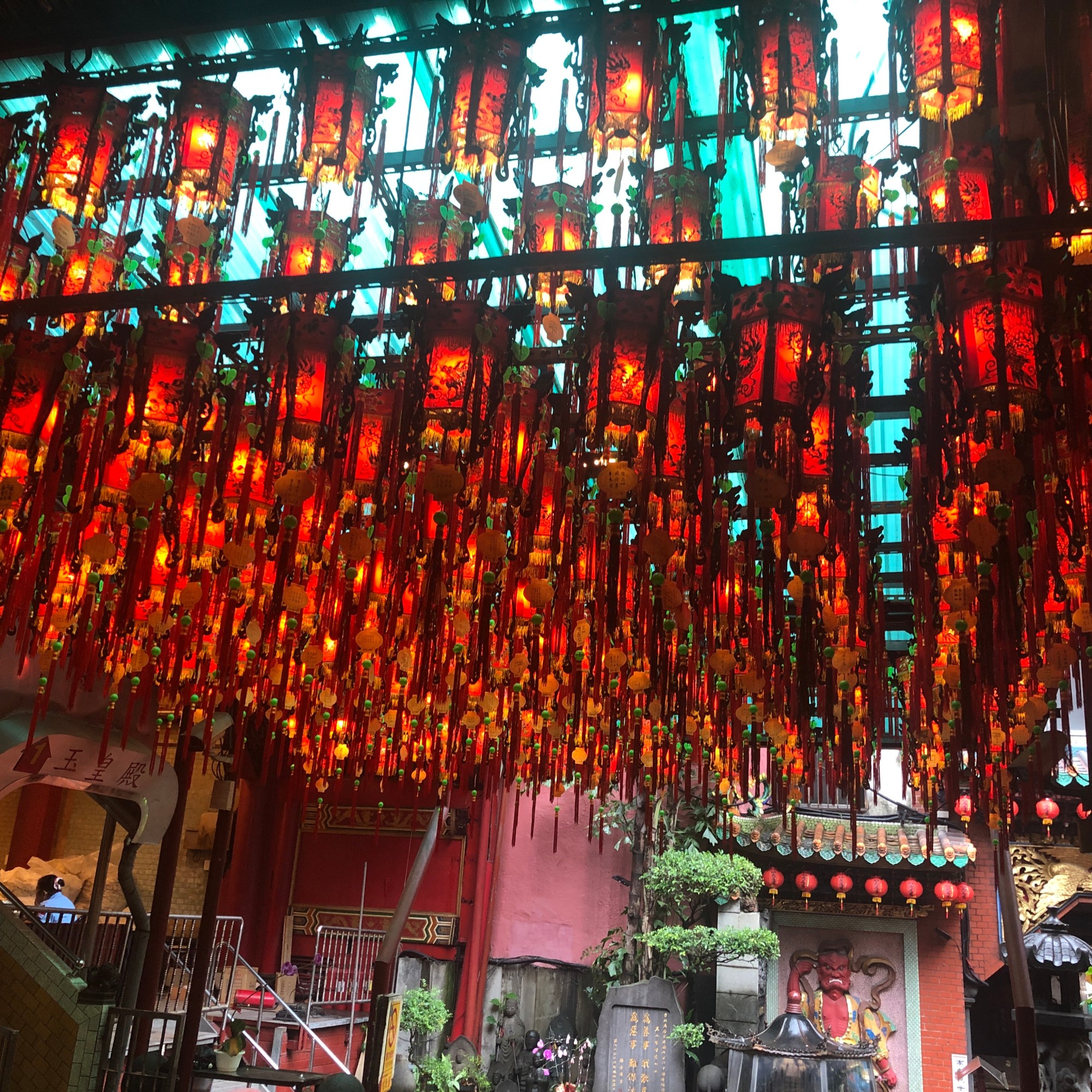
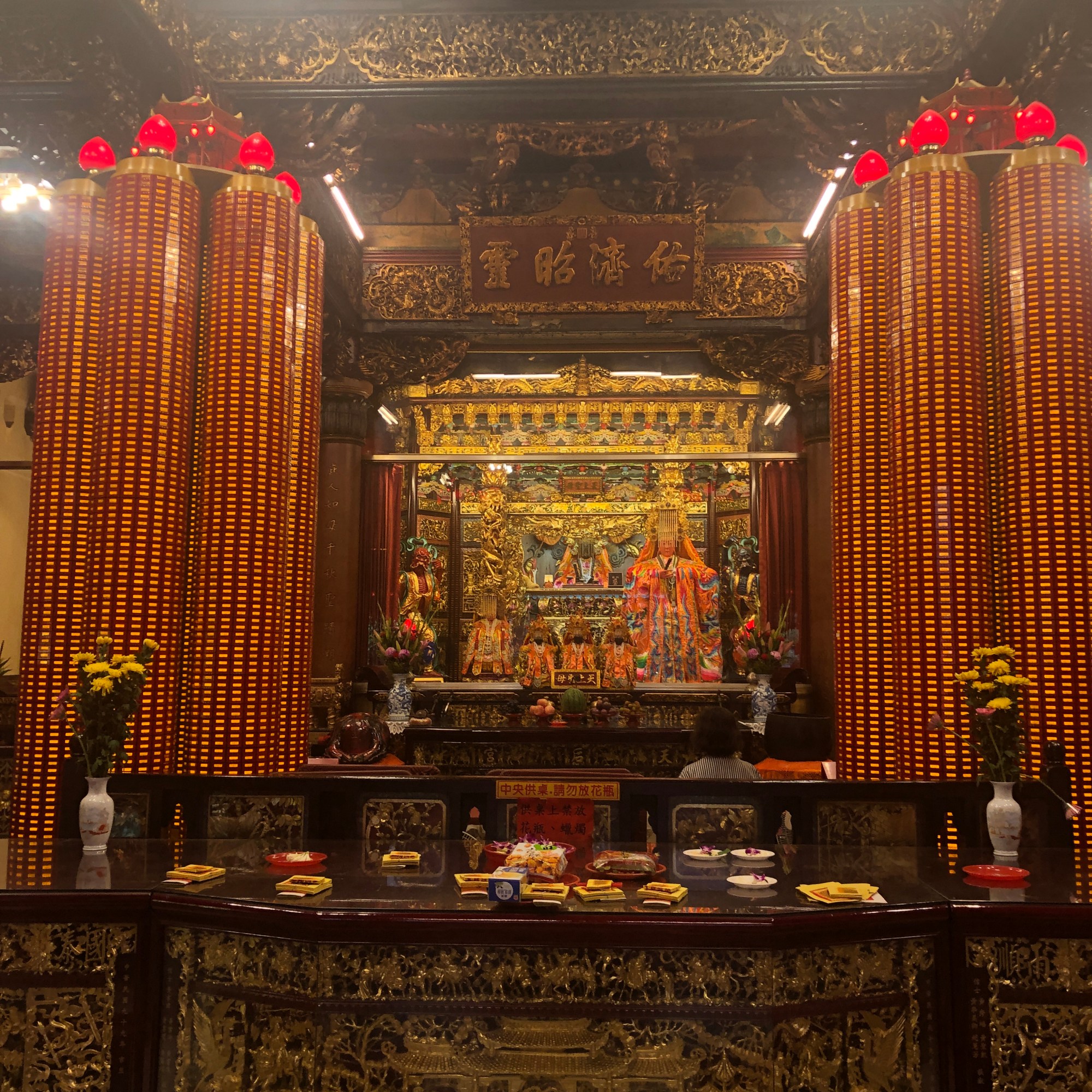
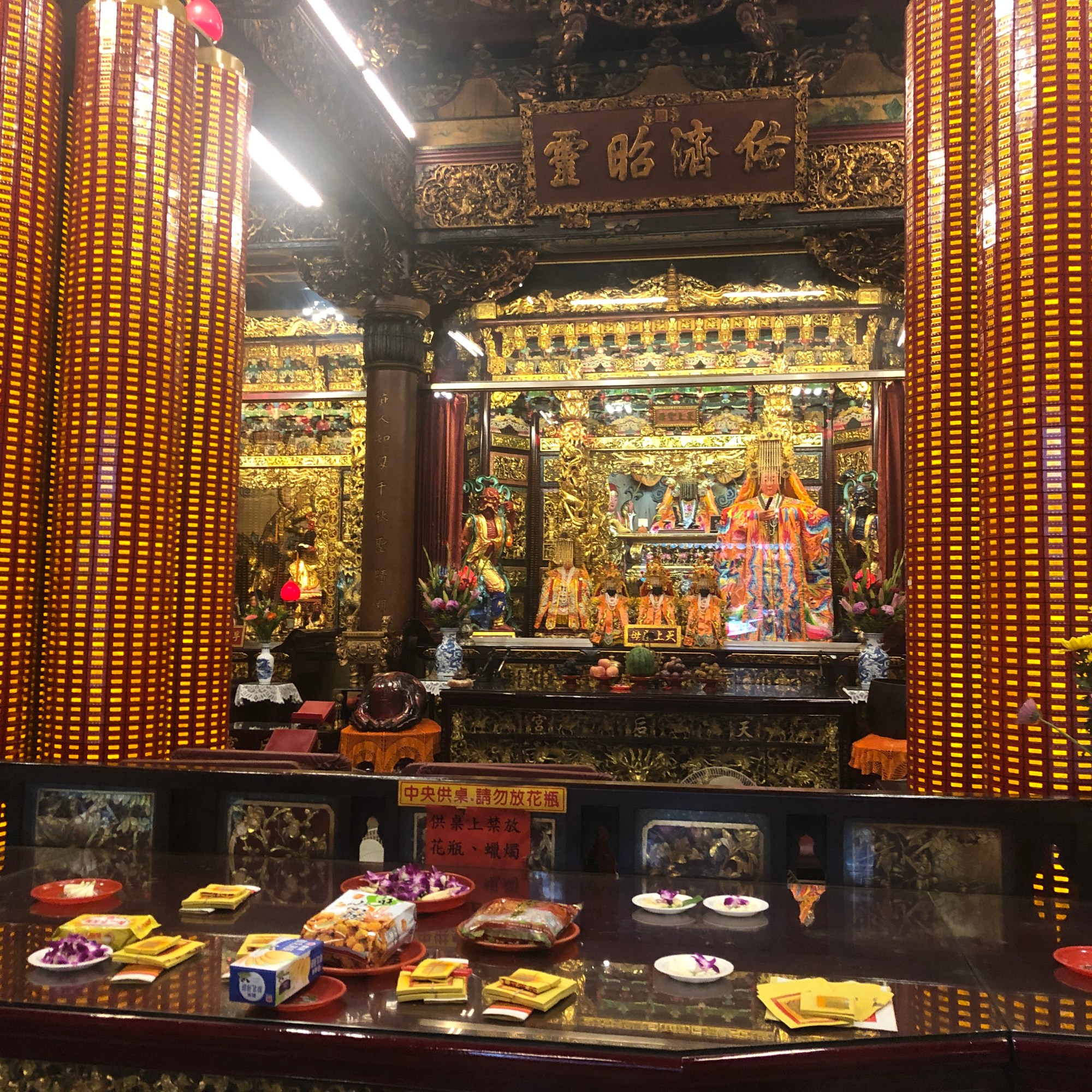
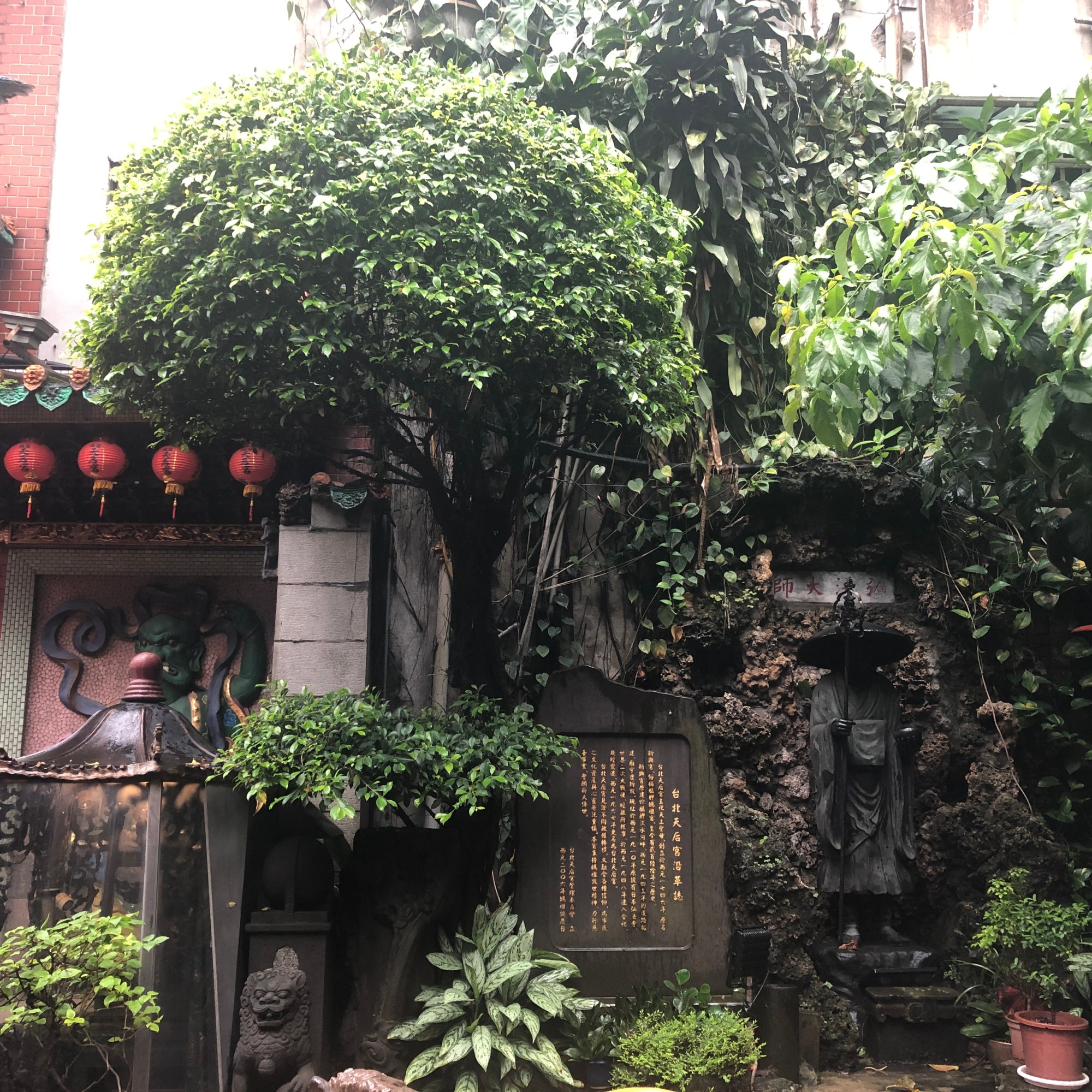
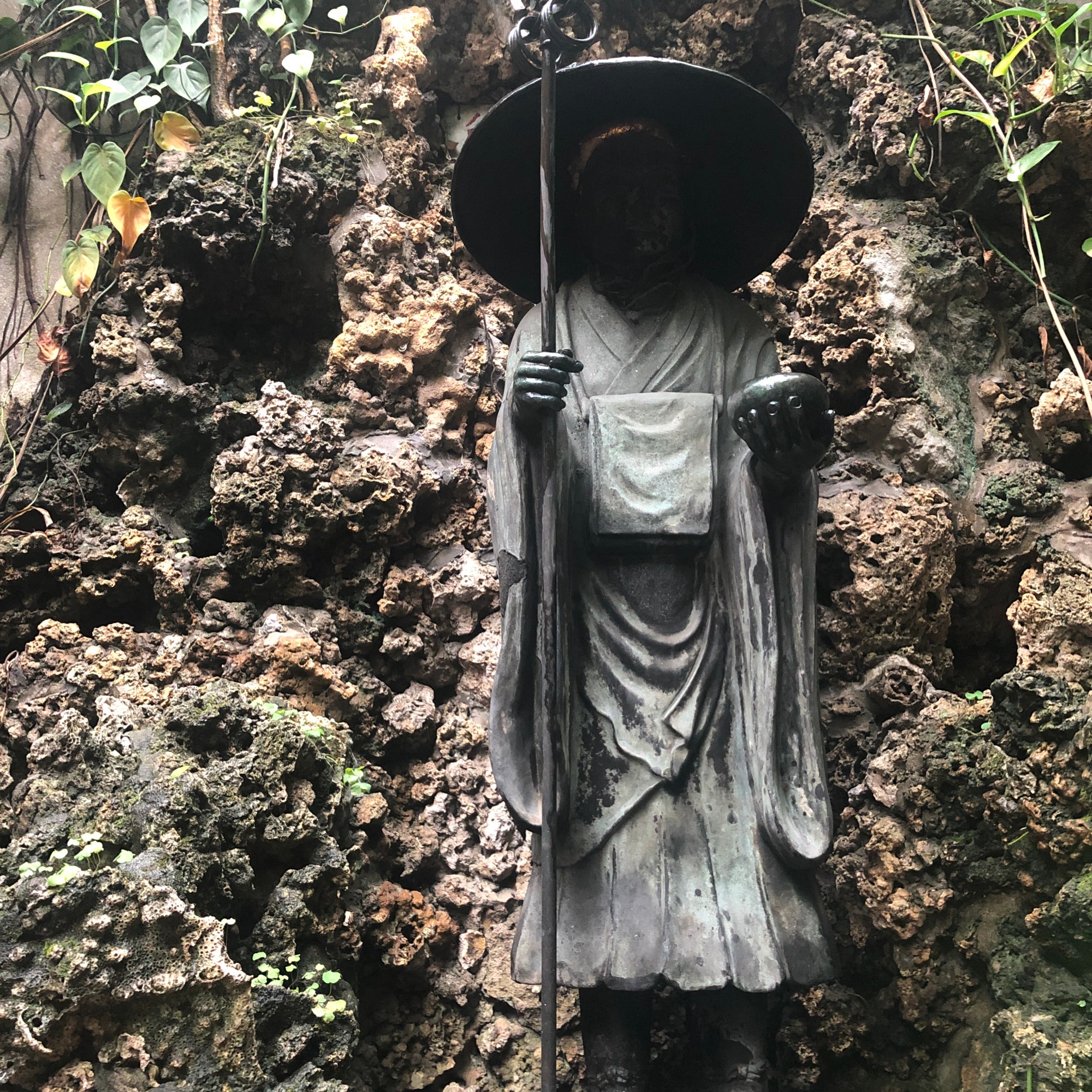
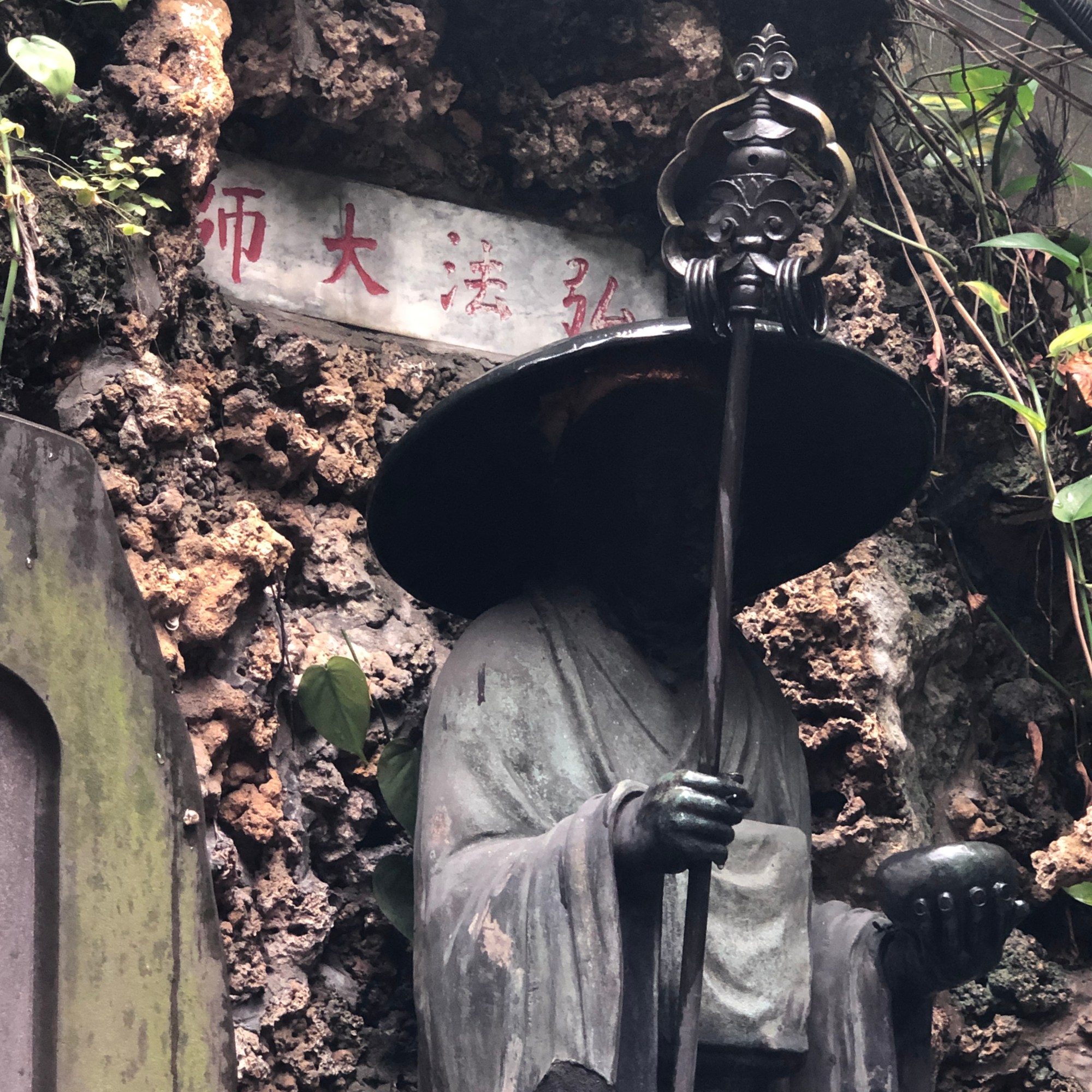
There are more than a dozen temples in Taiwan dedicated to Mazu, a very popular Chinese folk goddess of the sea. By legend she was a real woman who chose to remain unmarried and without children, and used supernatural powers to assist seafarers. She is quite important in the islands of Taiwan. We visited one such temple in Taipei, which also had a memorial to Kōbō-Daishi, also known as Kūkai, founder of Shingon (Esoteric) Buddhism.
The coming post continues this look at Chinese temples by looking abroad into Southeast Asia, specifically, Indonesia and Singapore. While Japanese Zen has less of a presence here, Chinese religion, including Chan, developed deep roots in this region over many generations as Chinese families immigrated and made these countries their home.

 Temples Along the Way
One thought on “Chinese Daoist and Buddhist Temples”