As a Soto Zen practitioner I am especially interested in the forerunner of Japanese Zen, Chinese Chan Buddhism, and its modern expressions in the Chinese mainland and overseas. Chinese temples in general speak to me as ancient cultural and spiritual resources. Living in Jakarta, Indonesia, I have most ready access to Chinese temples in Jakarta and nearby Singapore.
The great Dharma Drum Chan organization grew out of Taiwan from a teacher named Master Sheng Yen. Another great place for Chan practice is Singapore. I stopped in to visit the Dharma Drum Chan Center in Singapore and received an illuminating lesson on Chan meditation practice. The folks there were friendly and very helpful. Nearby is the Foo Hai Chan monastery.
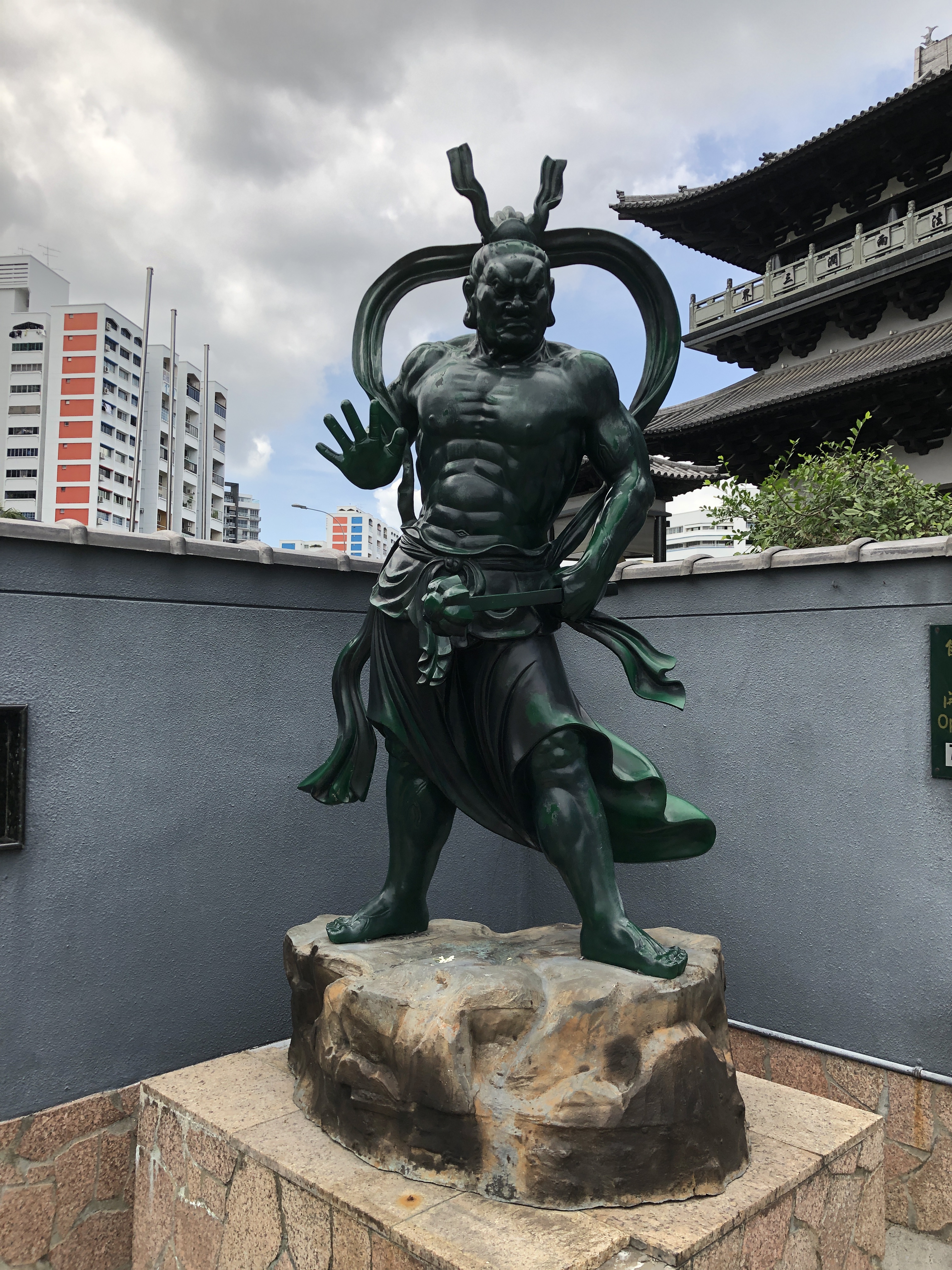
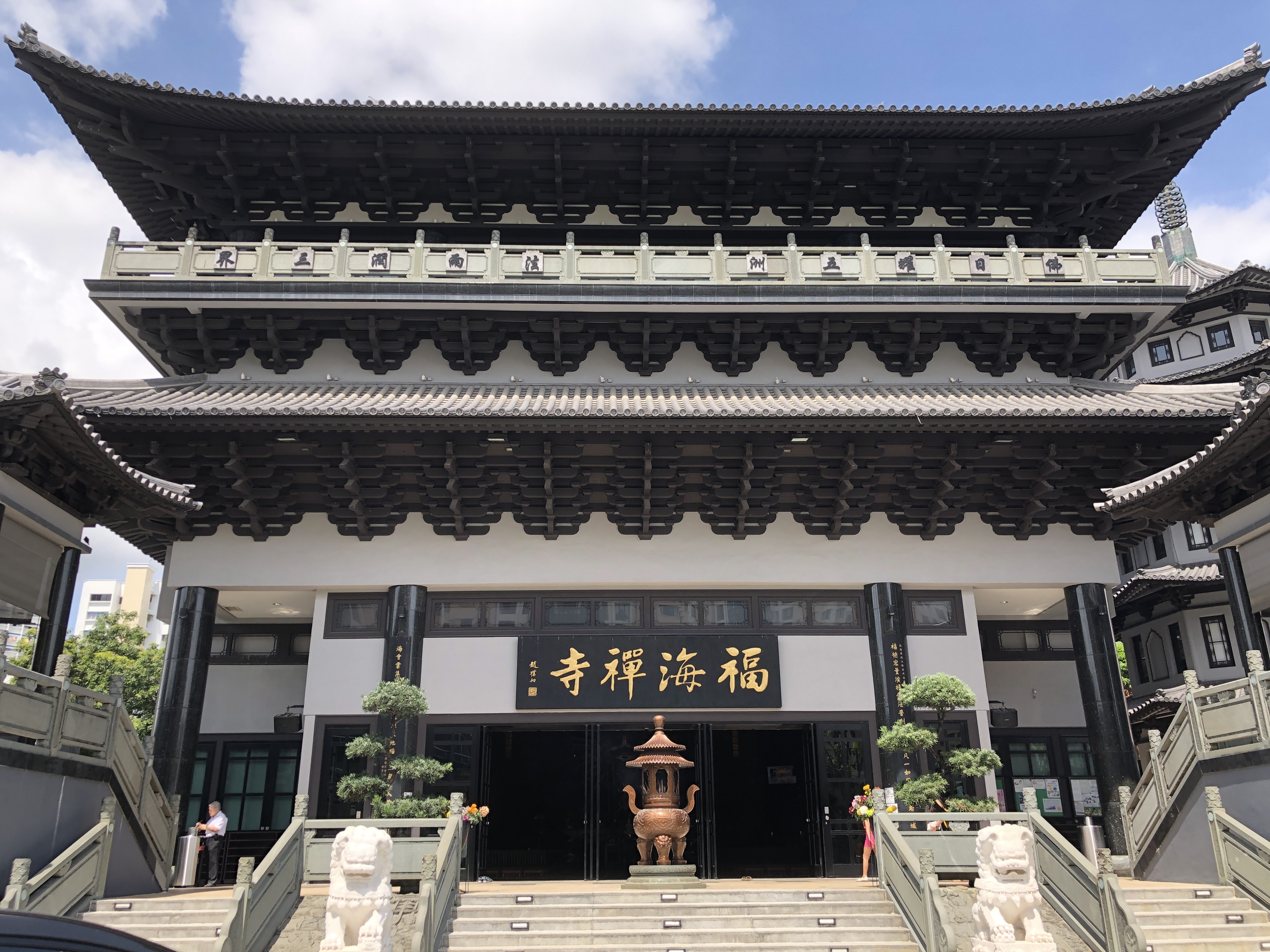
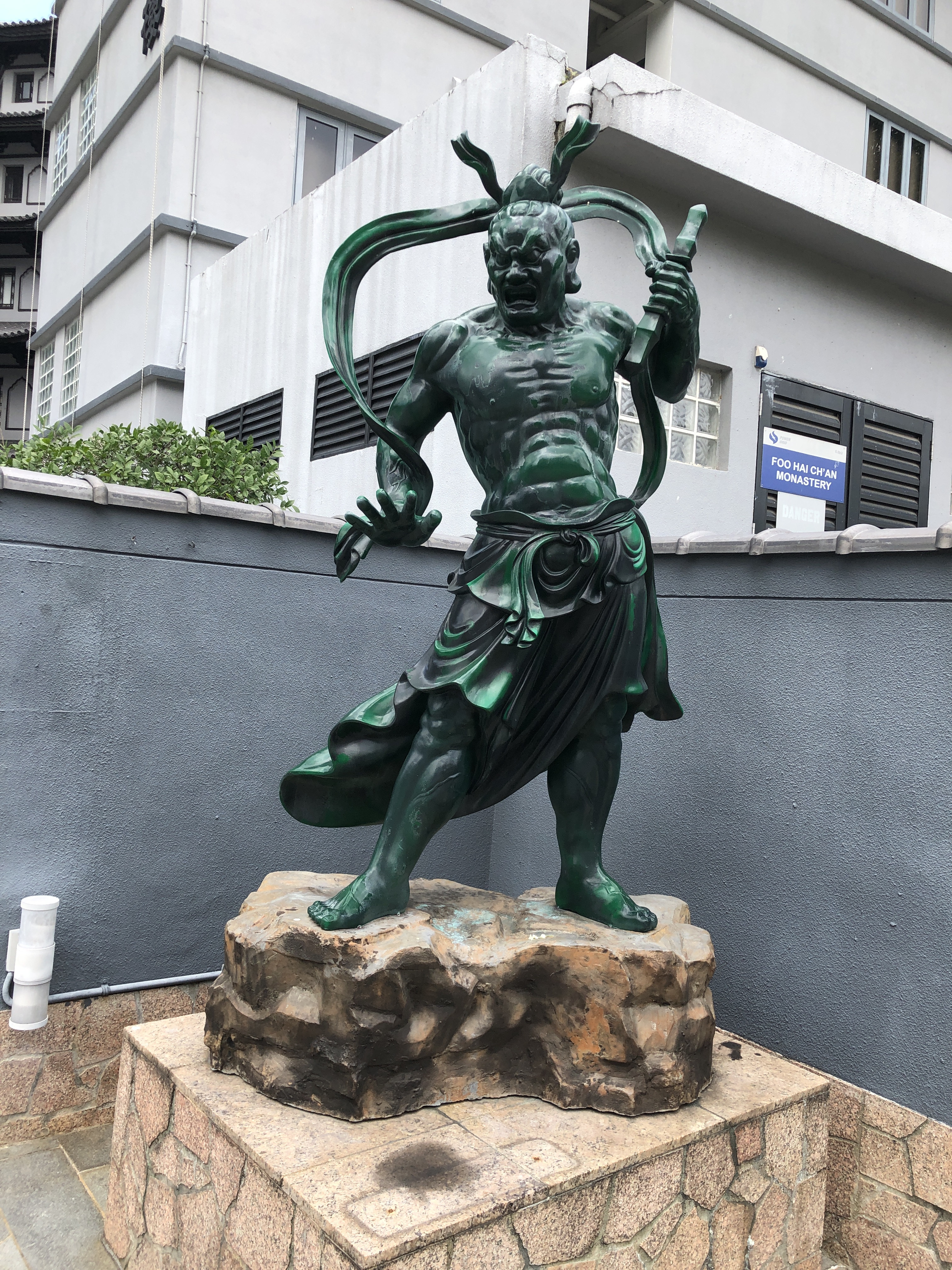
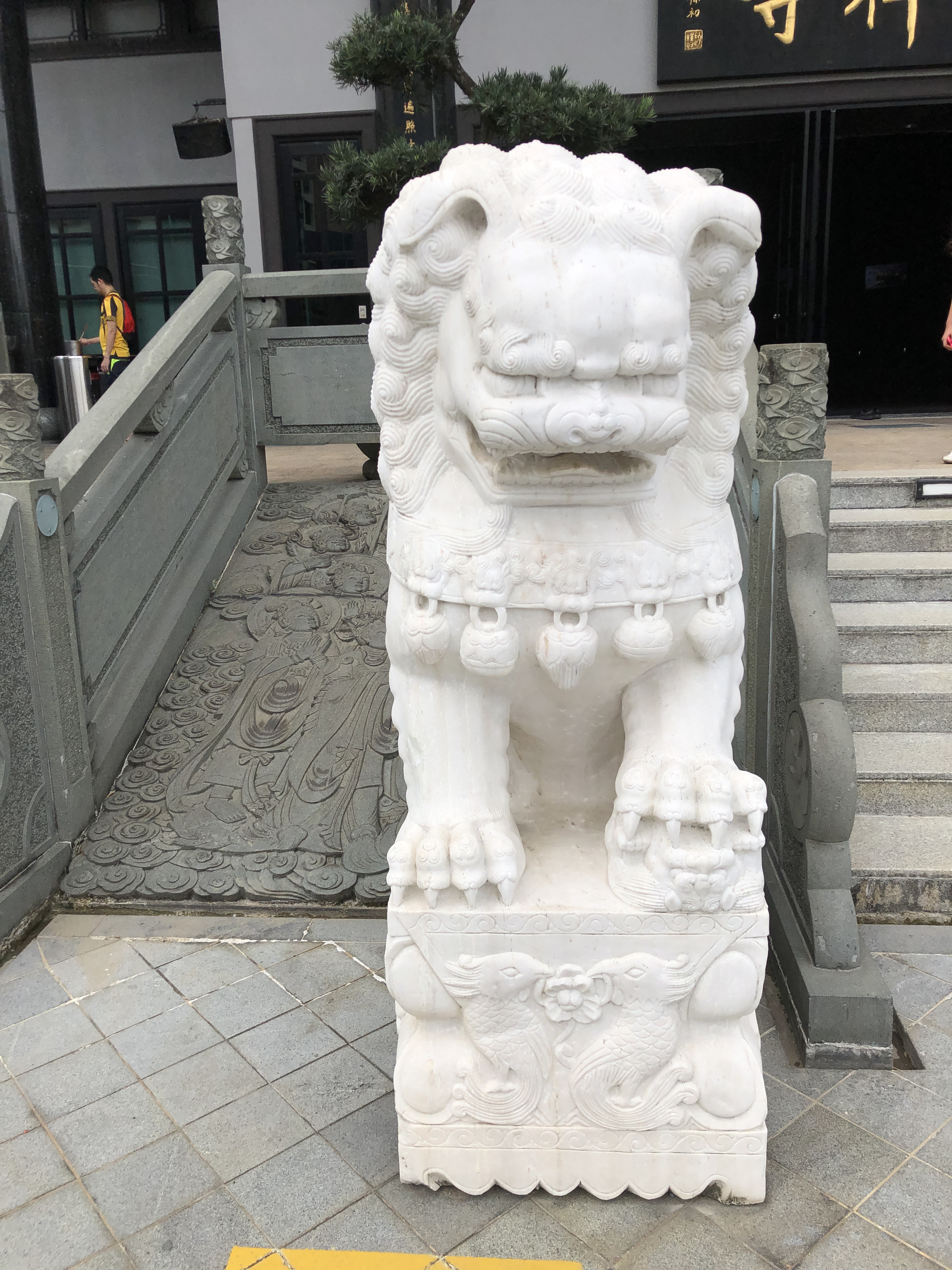
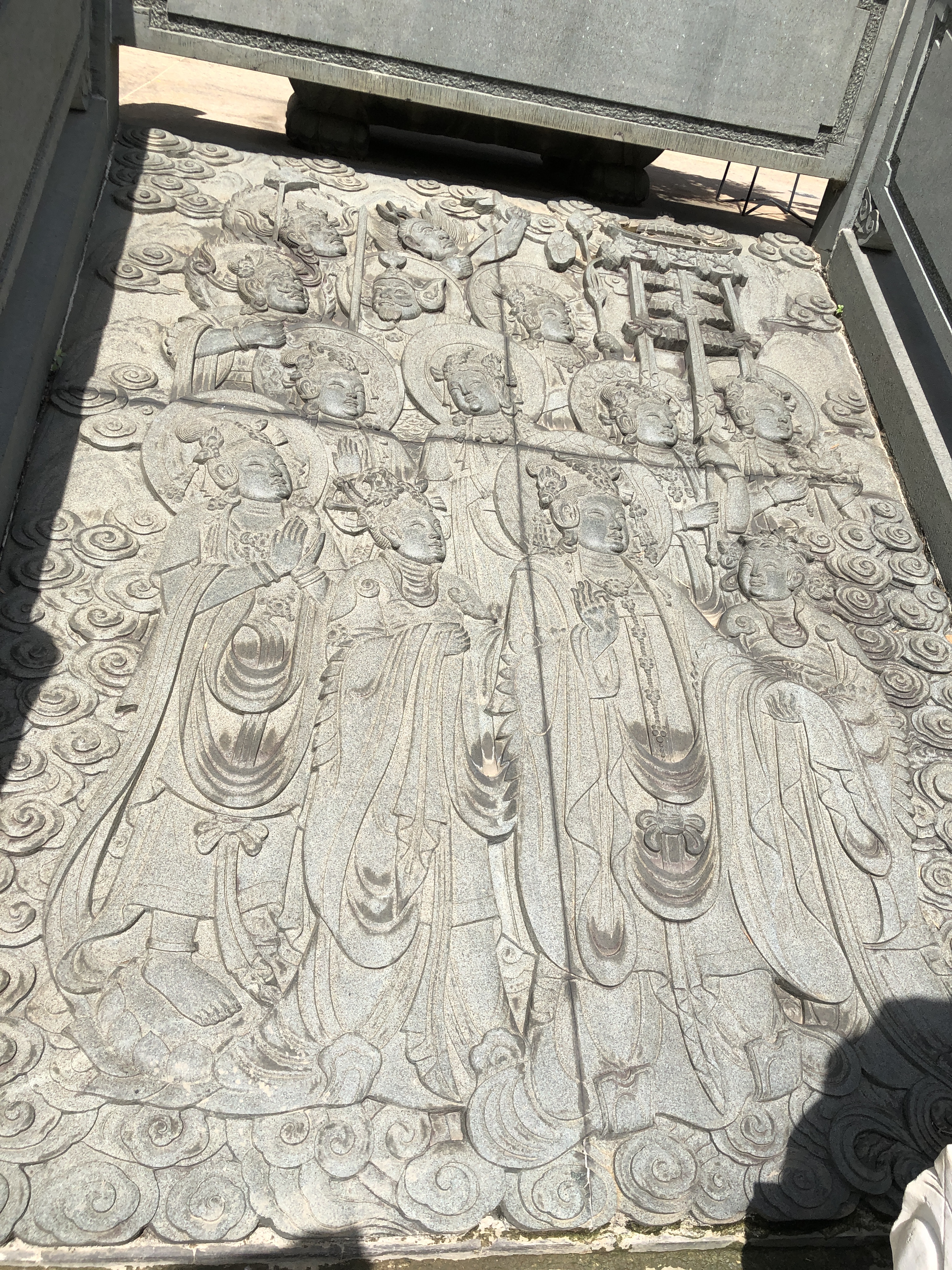
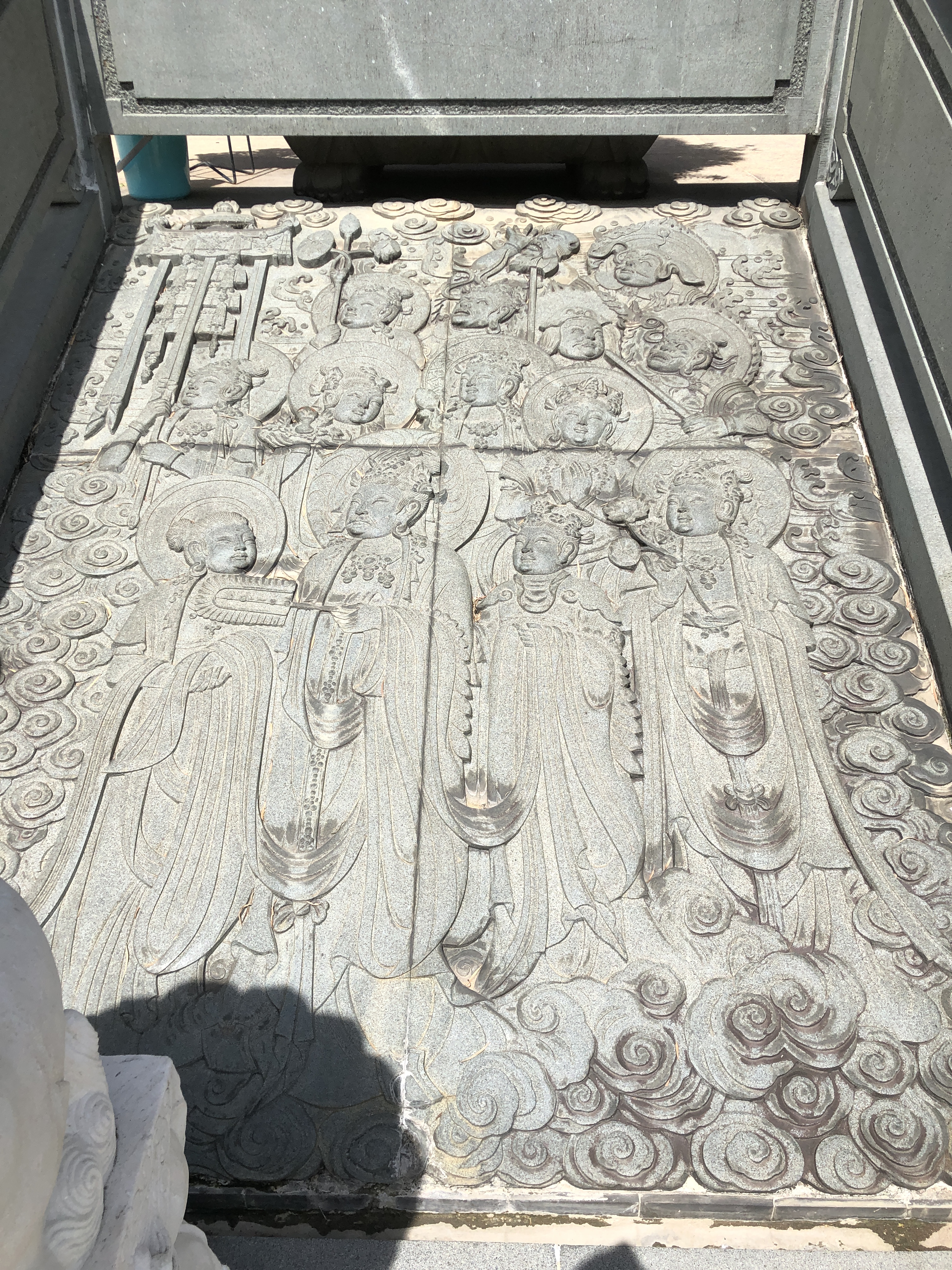
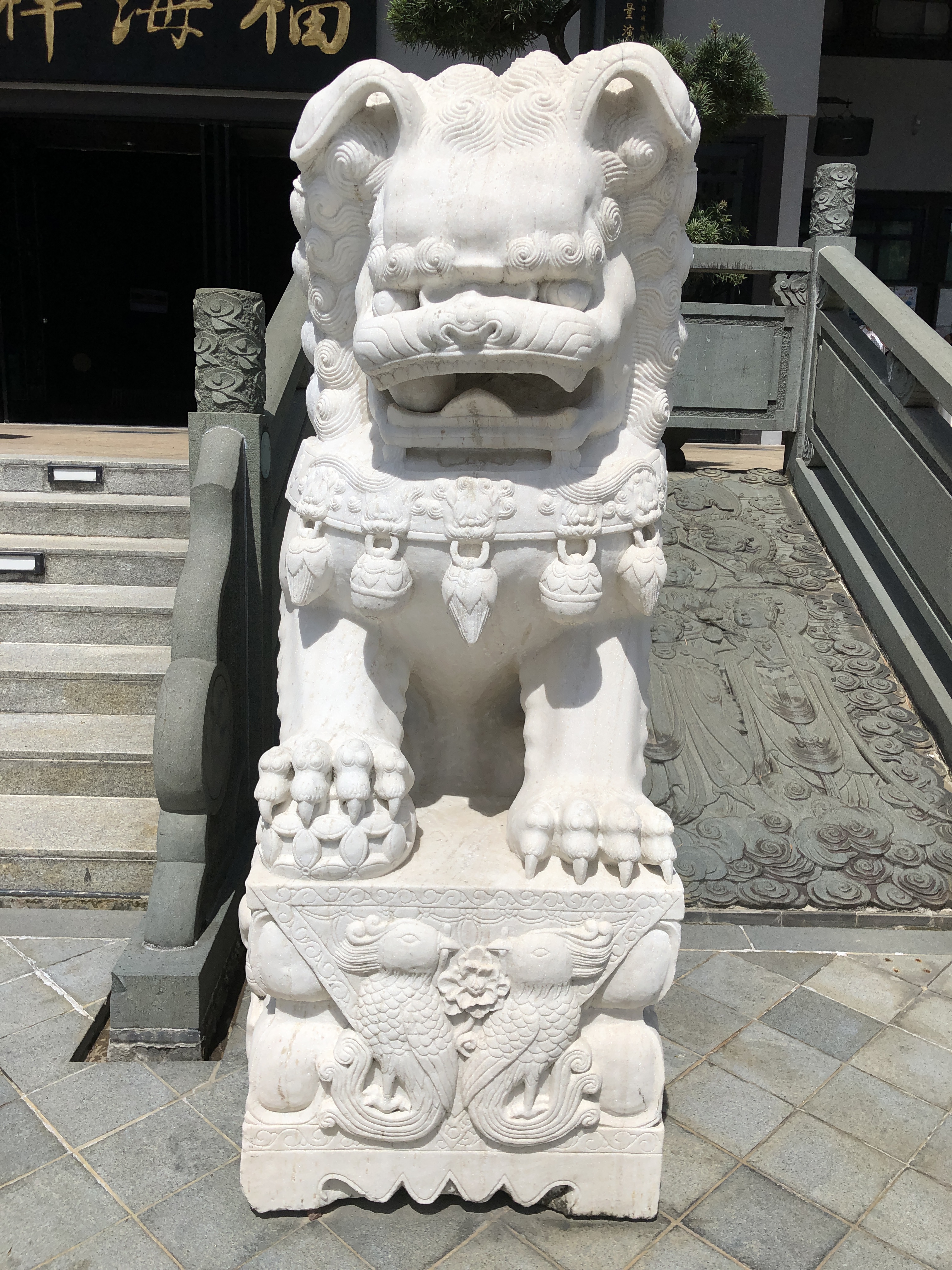
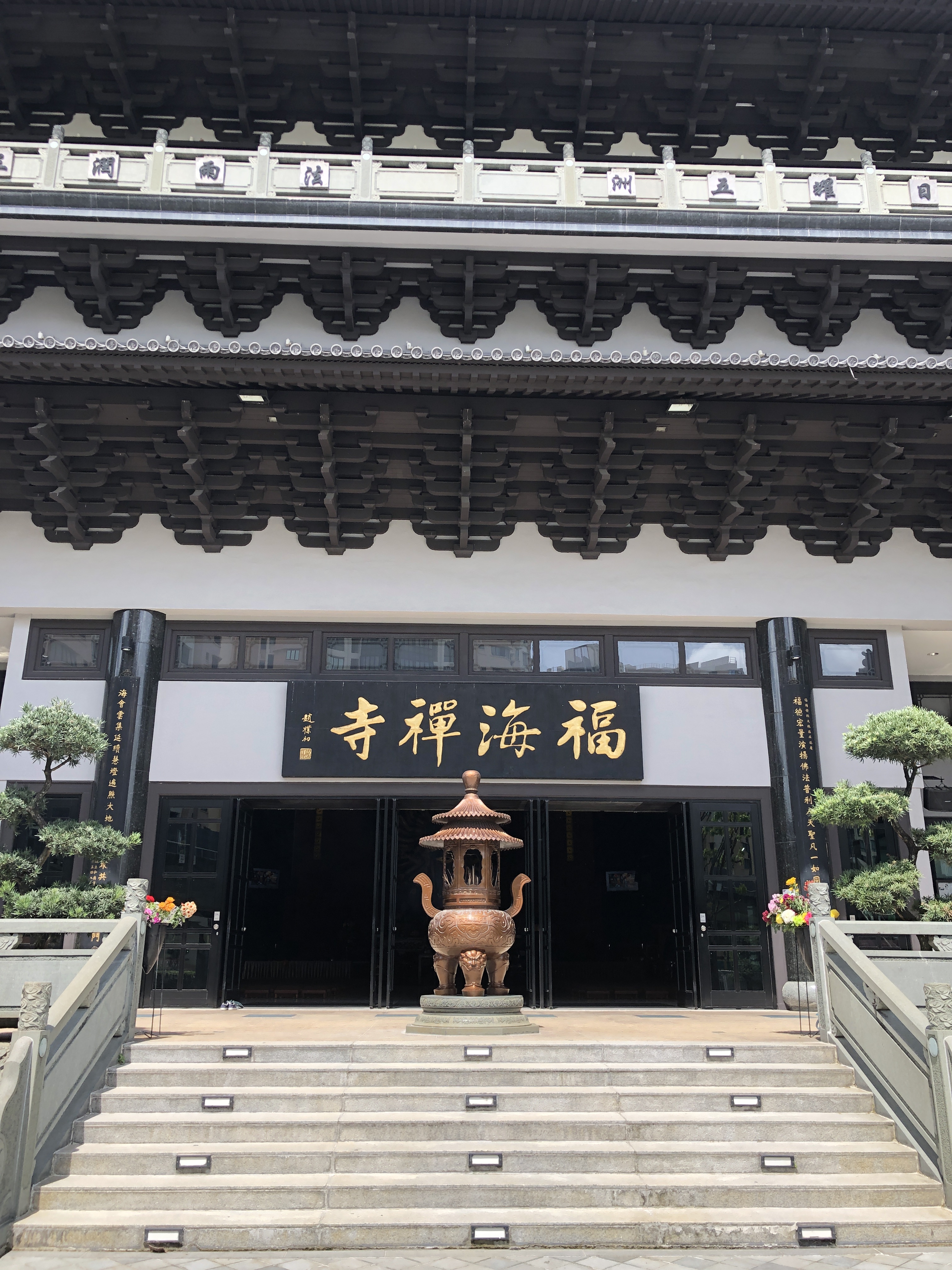
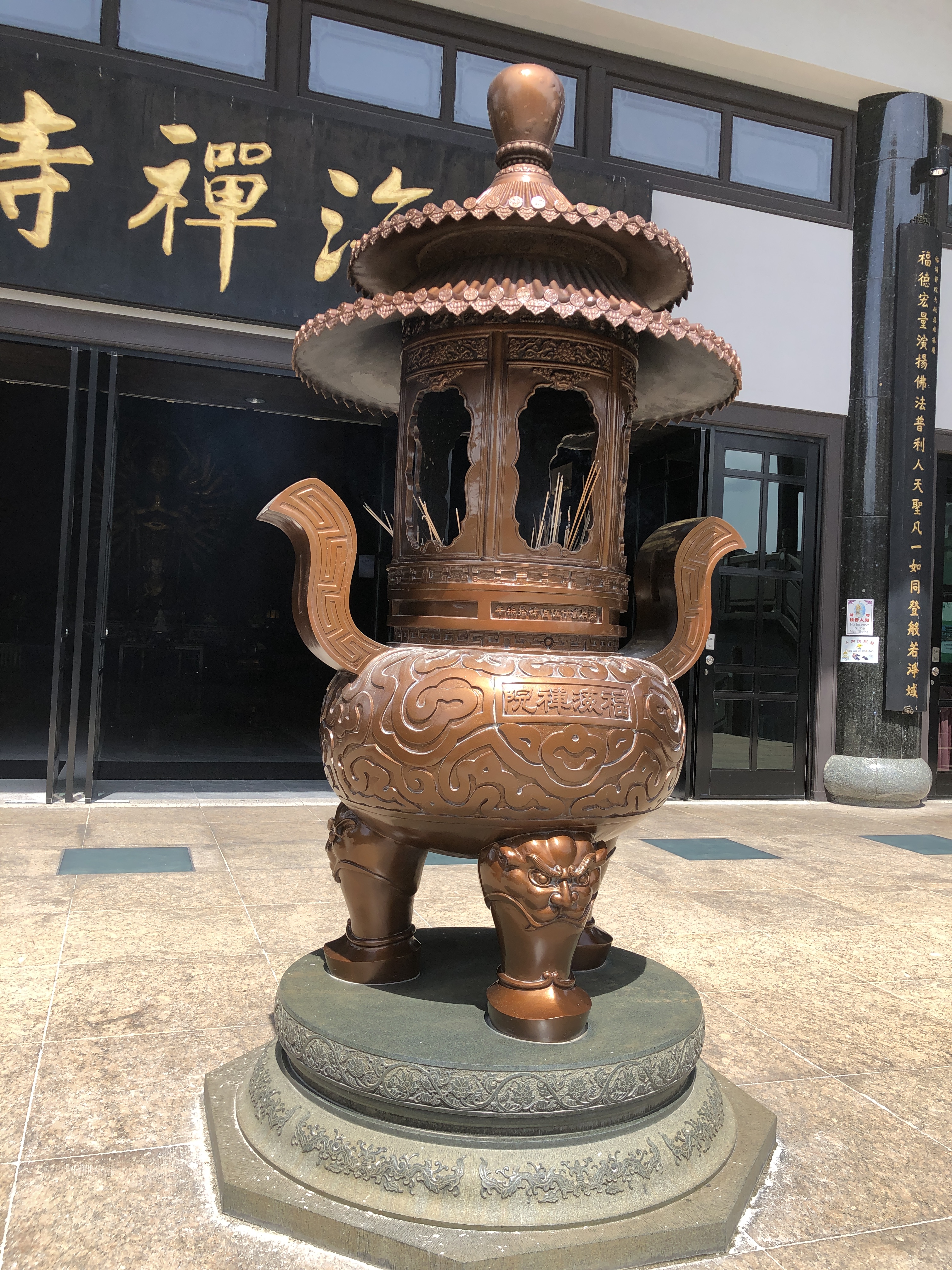
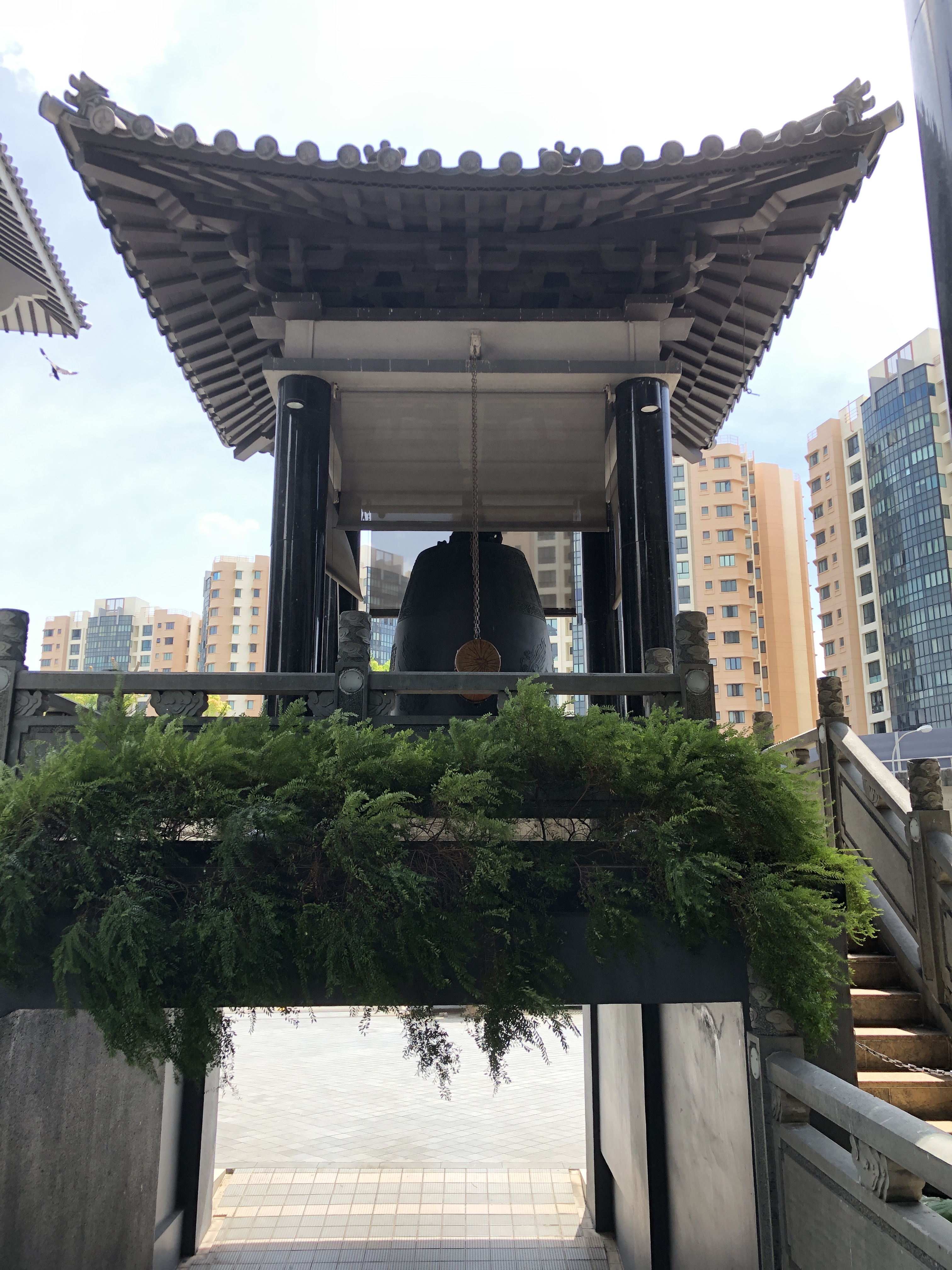
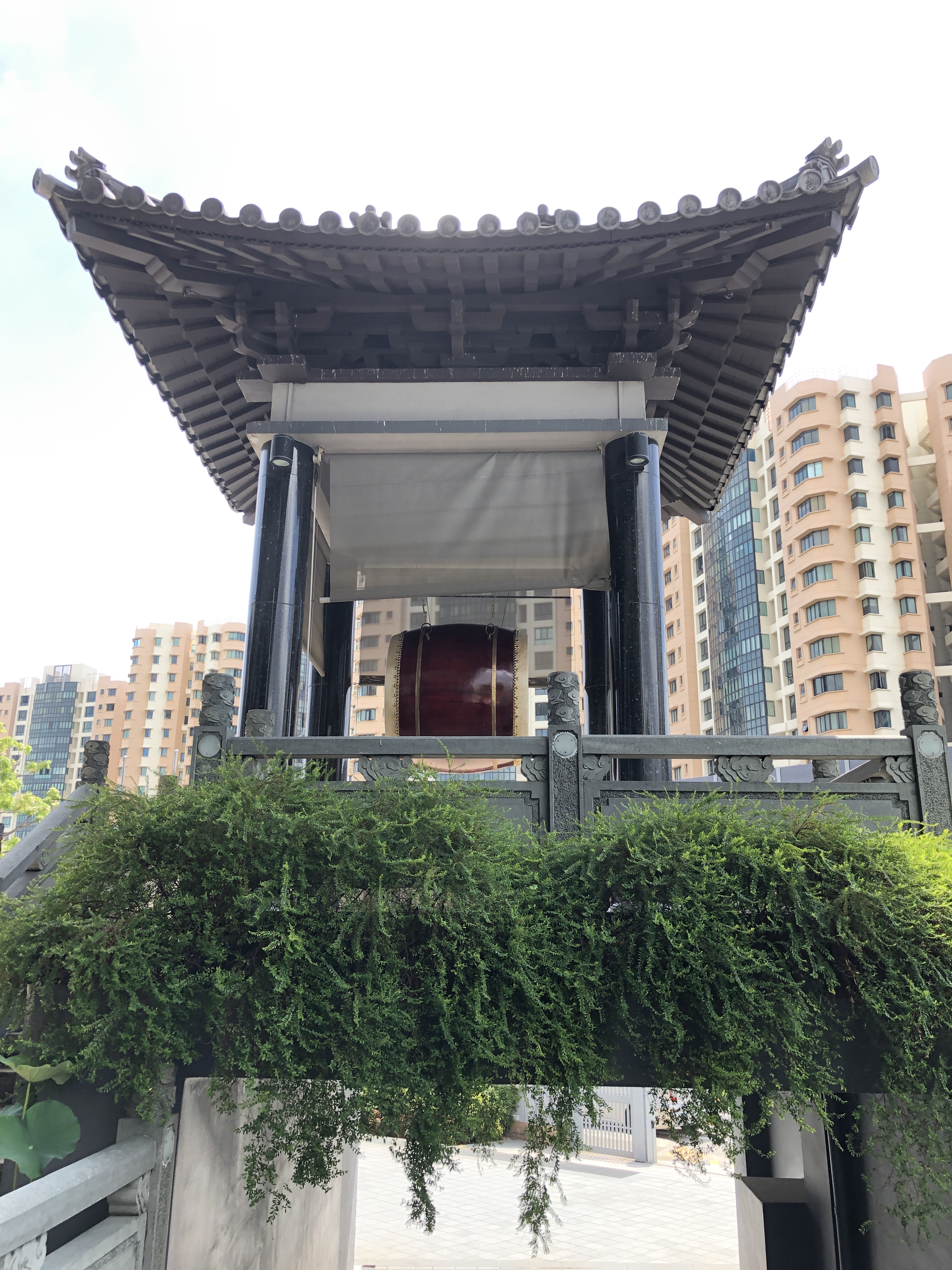
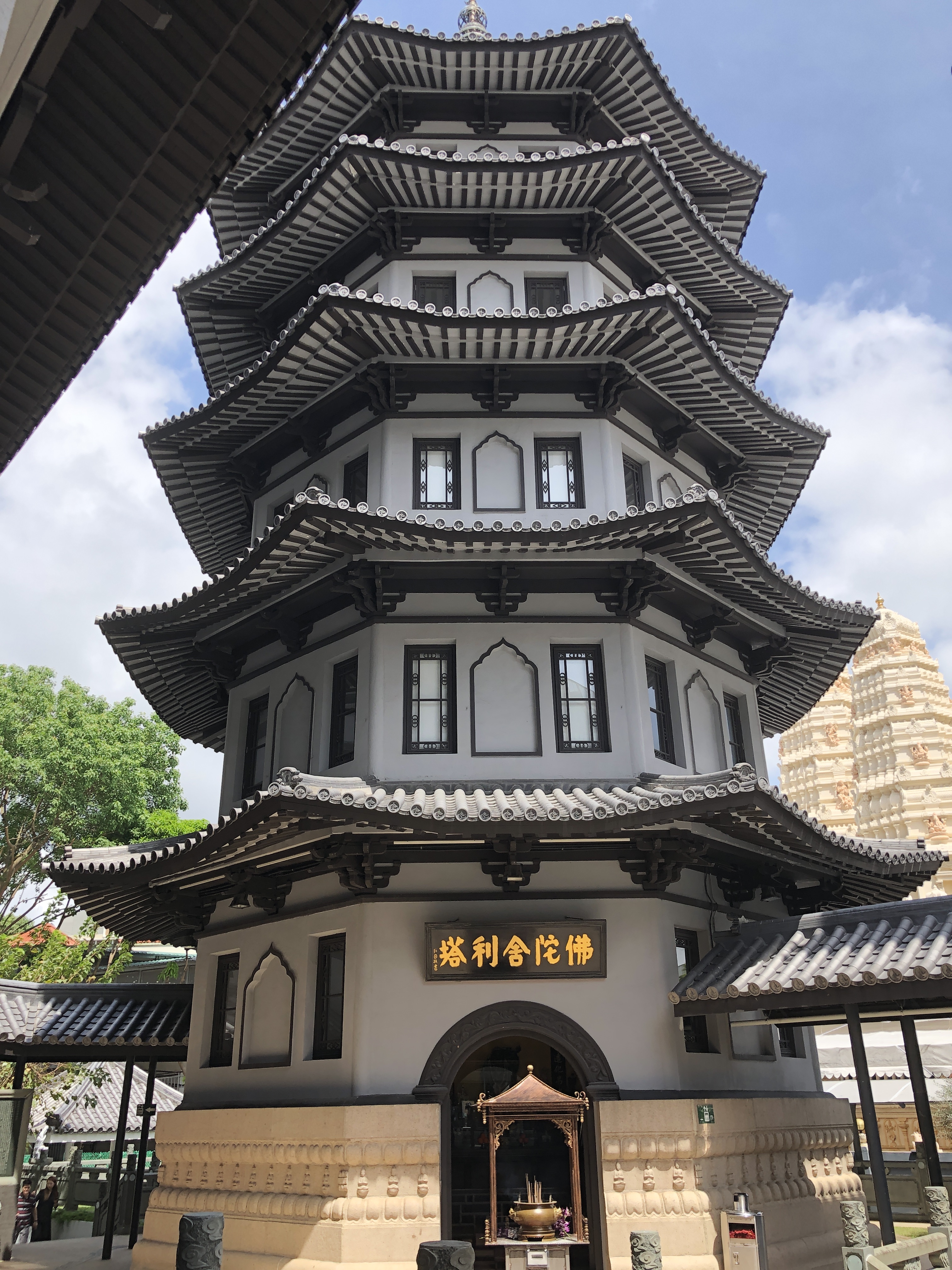
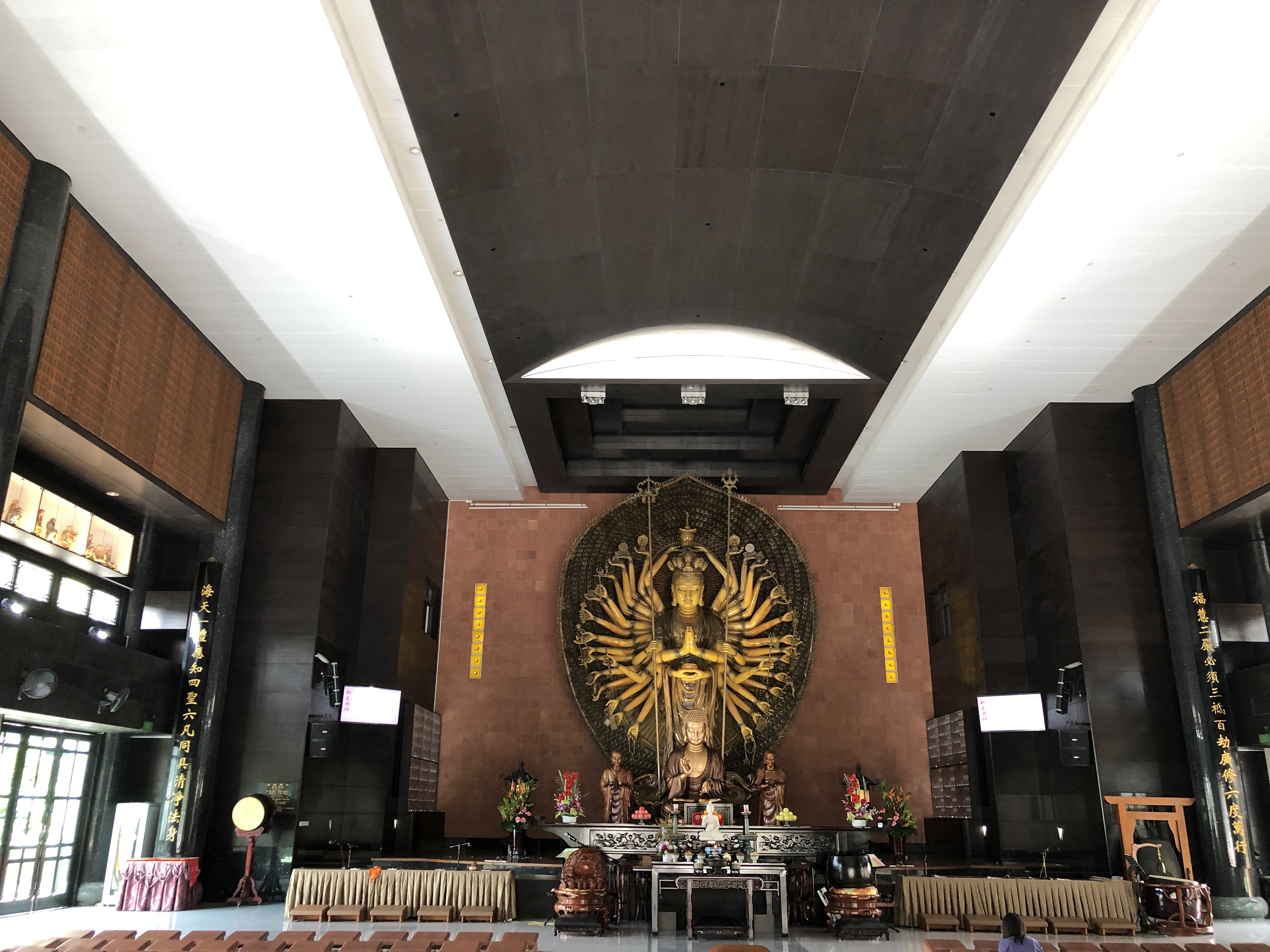
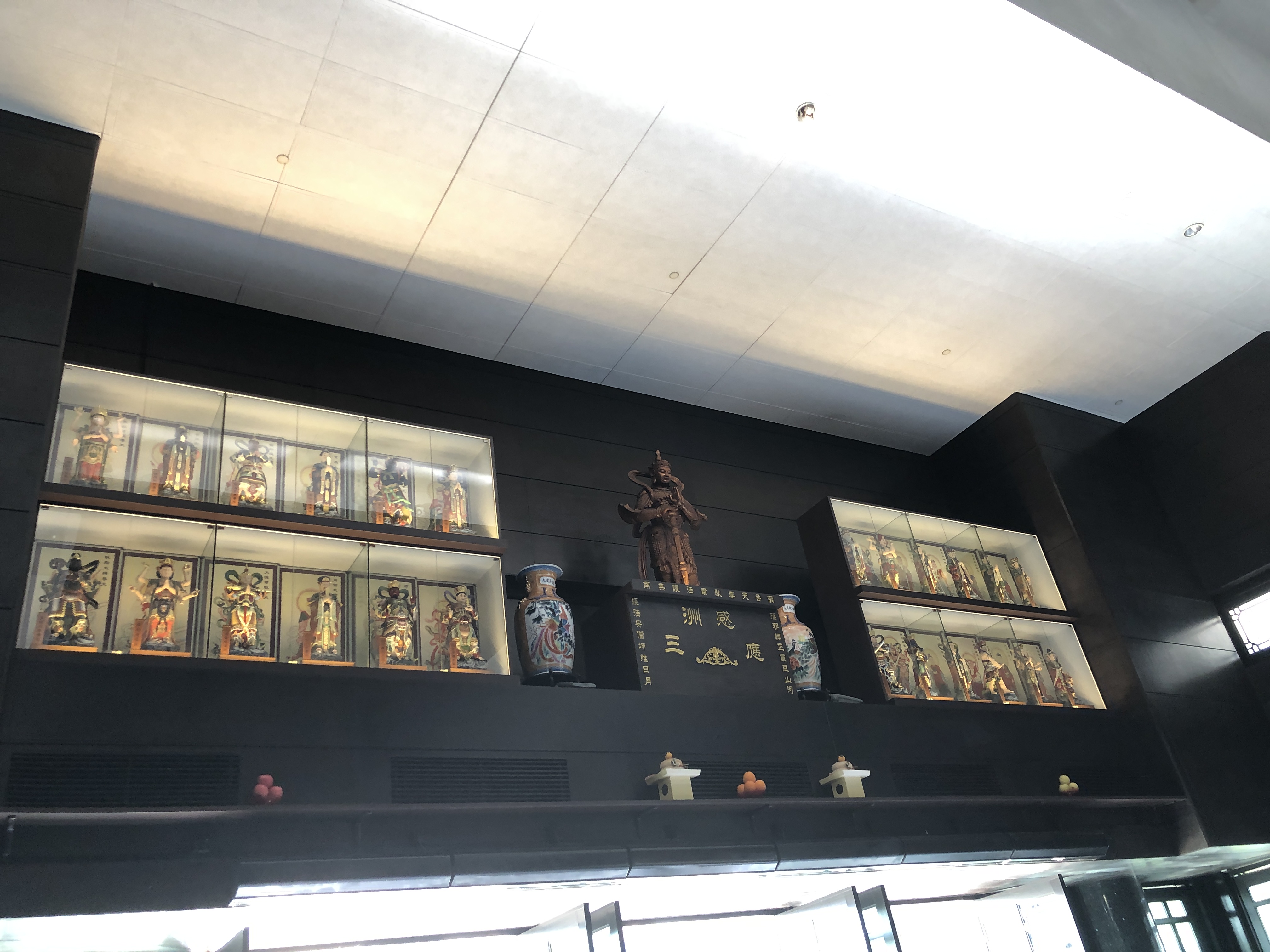
Foo Hai Chan Monastery was founded by the Ven. Hong Zong of Taiwan in 1935. The founder was ordained in Japan, so the monastery was built with a Zen-style architecture. Inside the main prayer hall is a 9.5 meter (32.5 feet) tall 1000-hand statue of the Bodhisattva Guanyin.
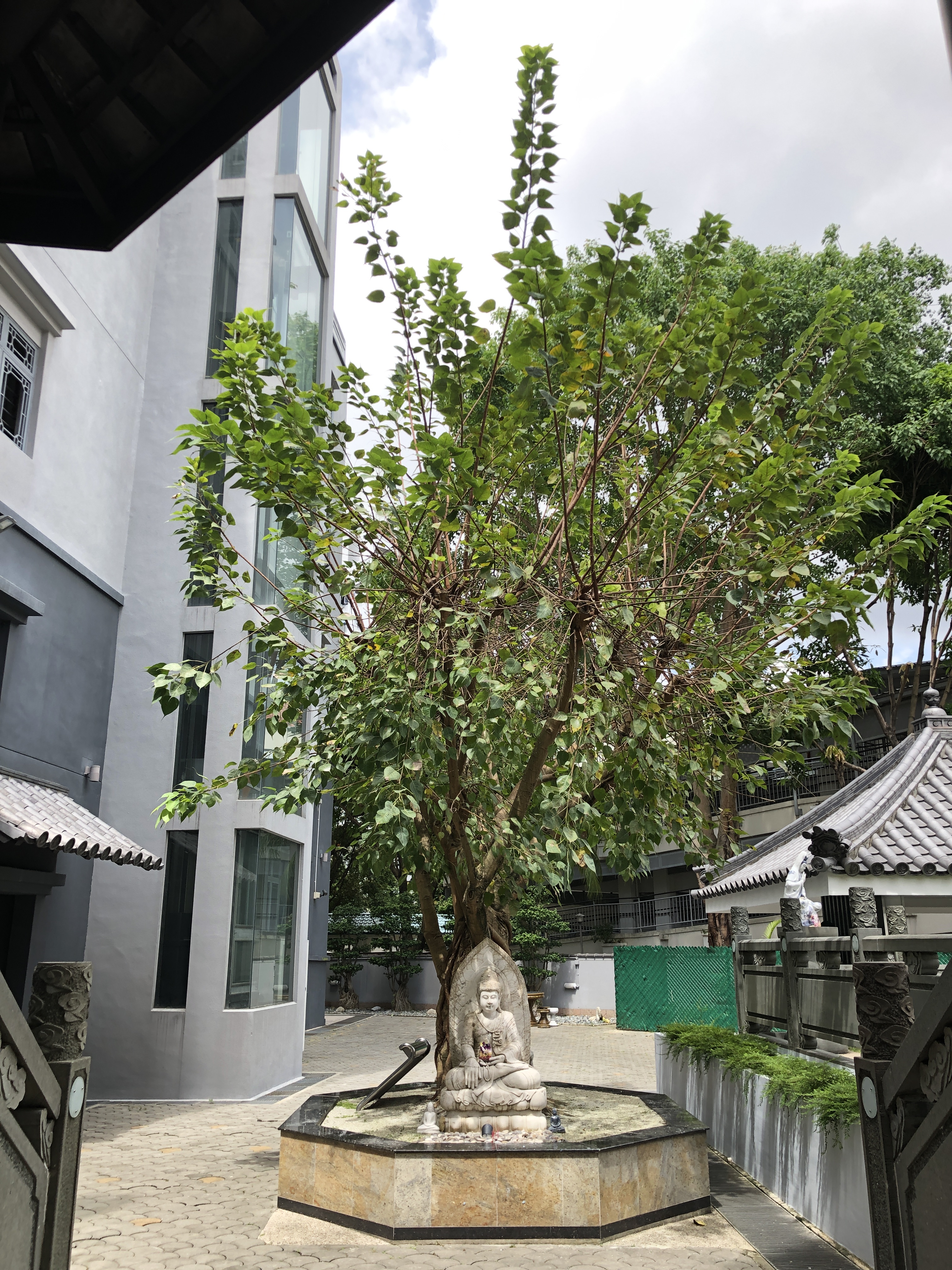
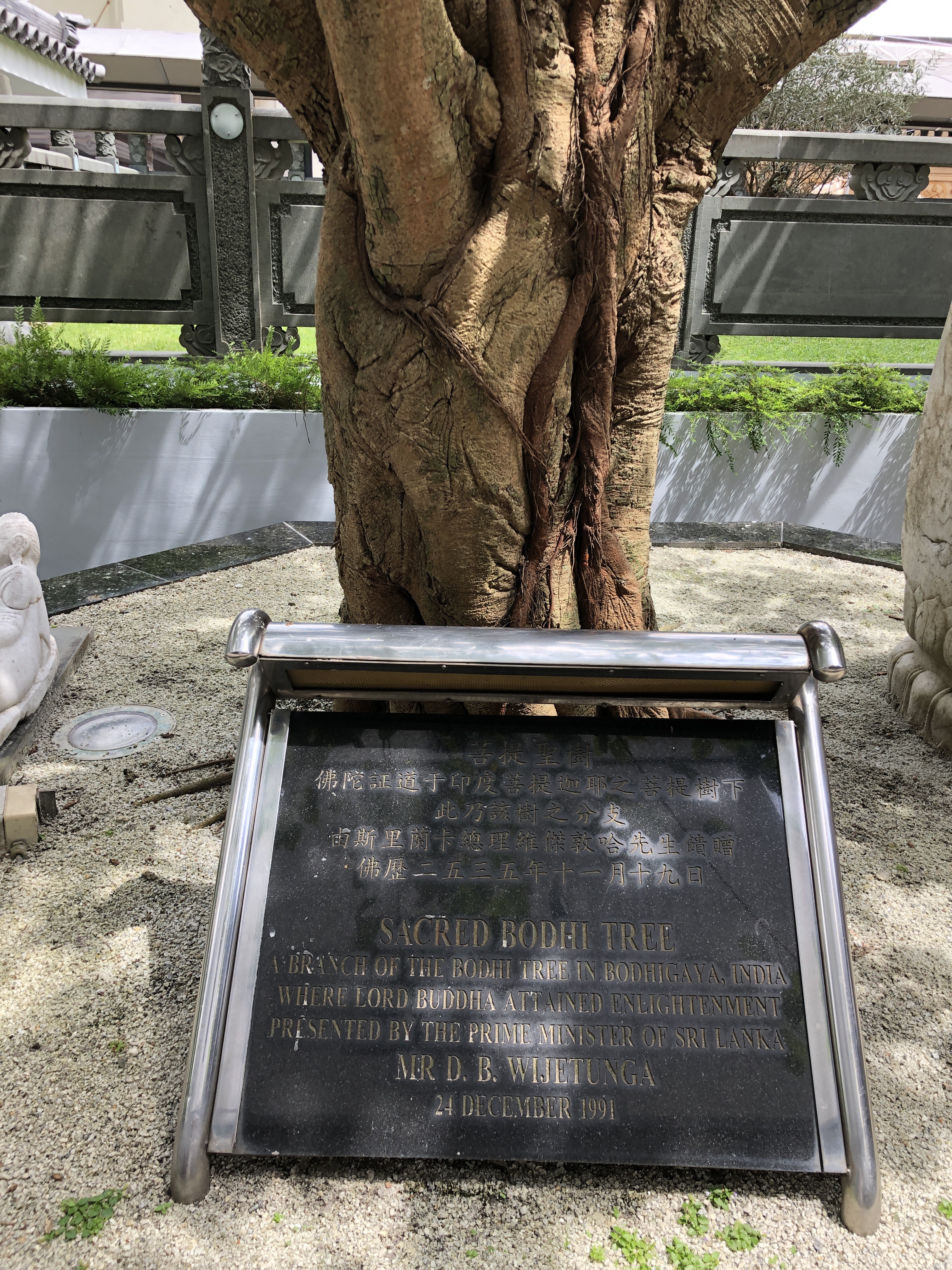
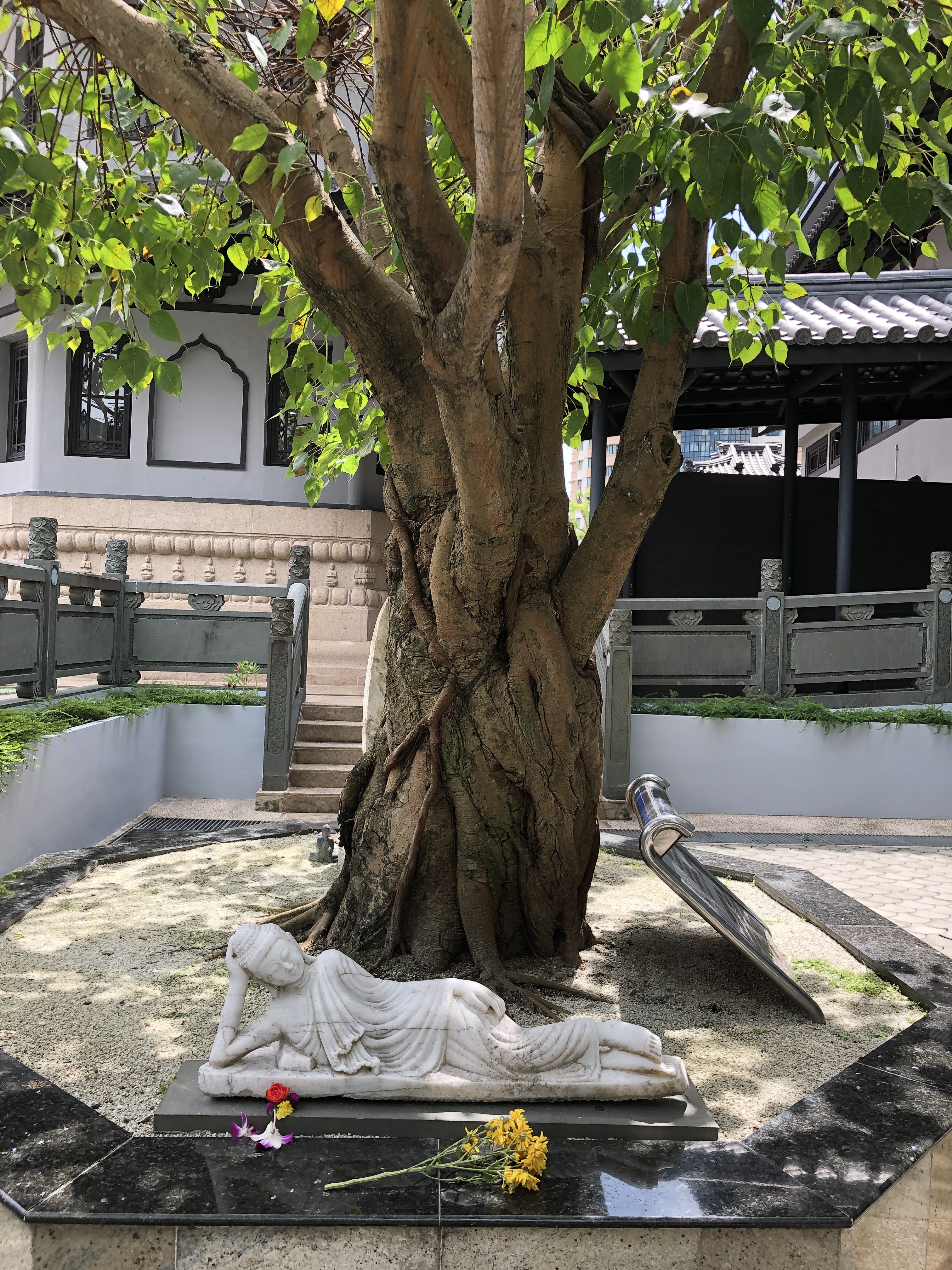
During the third century BCE the great Indian Buddhist King Asoka sent his son Mahinda to lead a contingent of missionaries to Sri Lanka to convert the king there. The king accepted Buddhism and built the Mahavihara monastery in the capital at Anuradhapura to help spread the Dharma. In 288 BCE King Asoka’s daughter, Princess Sanghamitta, brought a cutting of the Bodhi tree under which Siddhartha was enlightened from Bodhi Gaya, India to Sri Lanka.
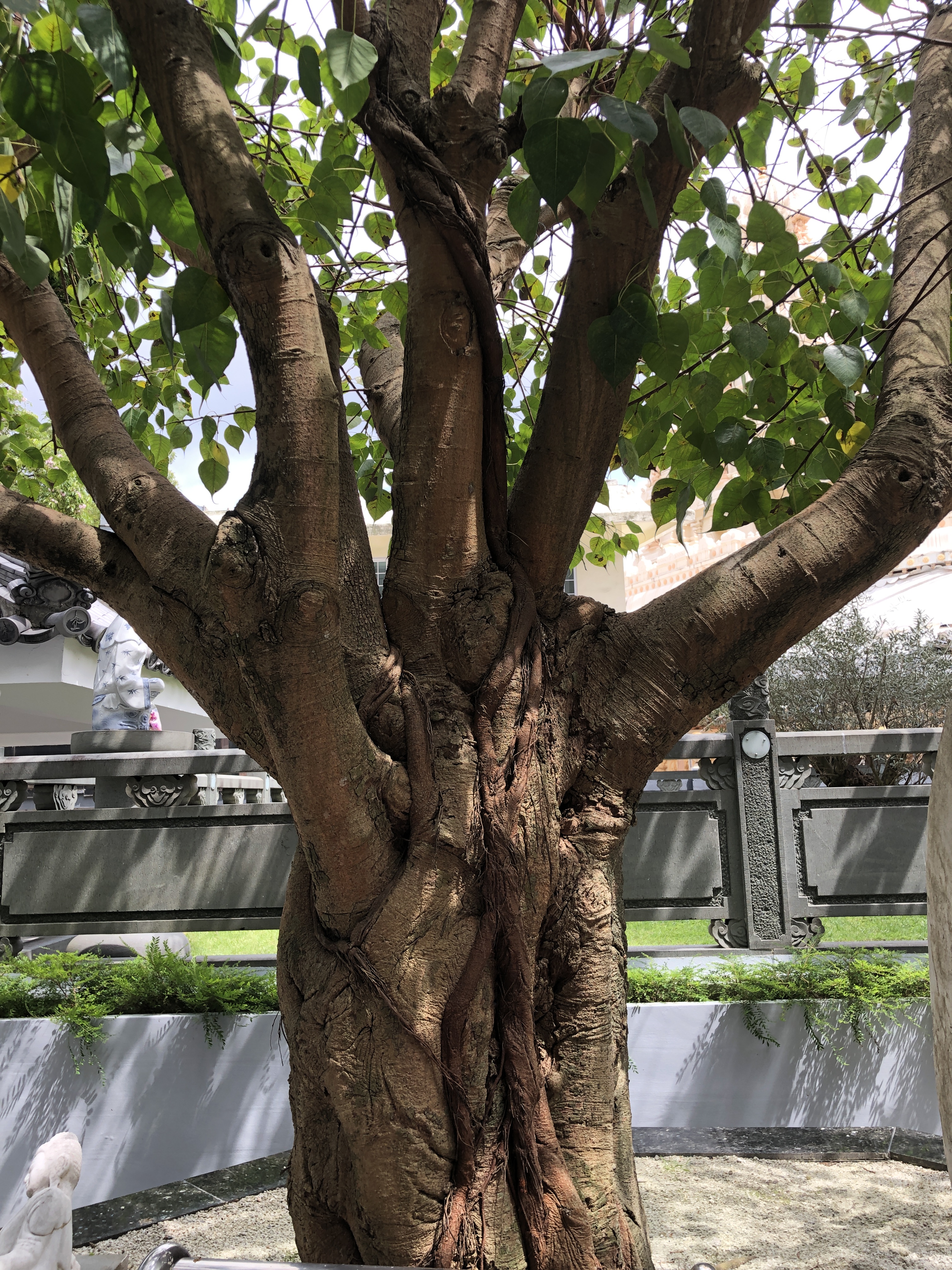
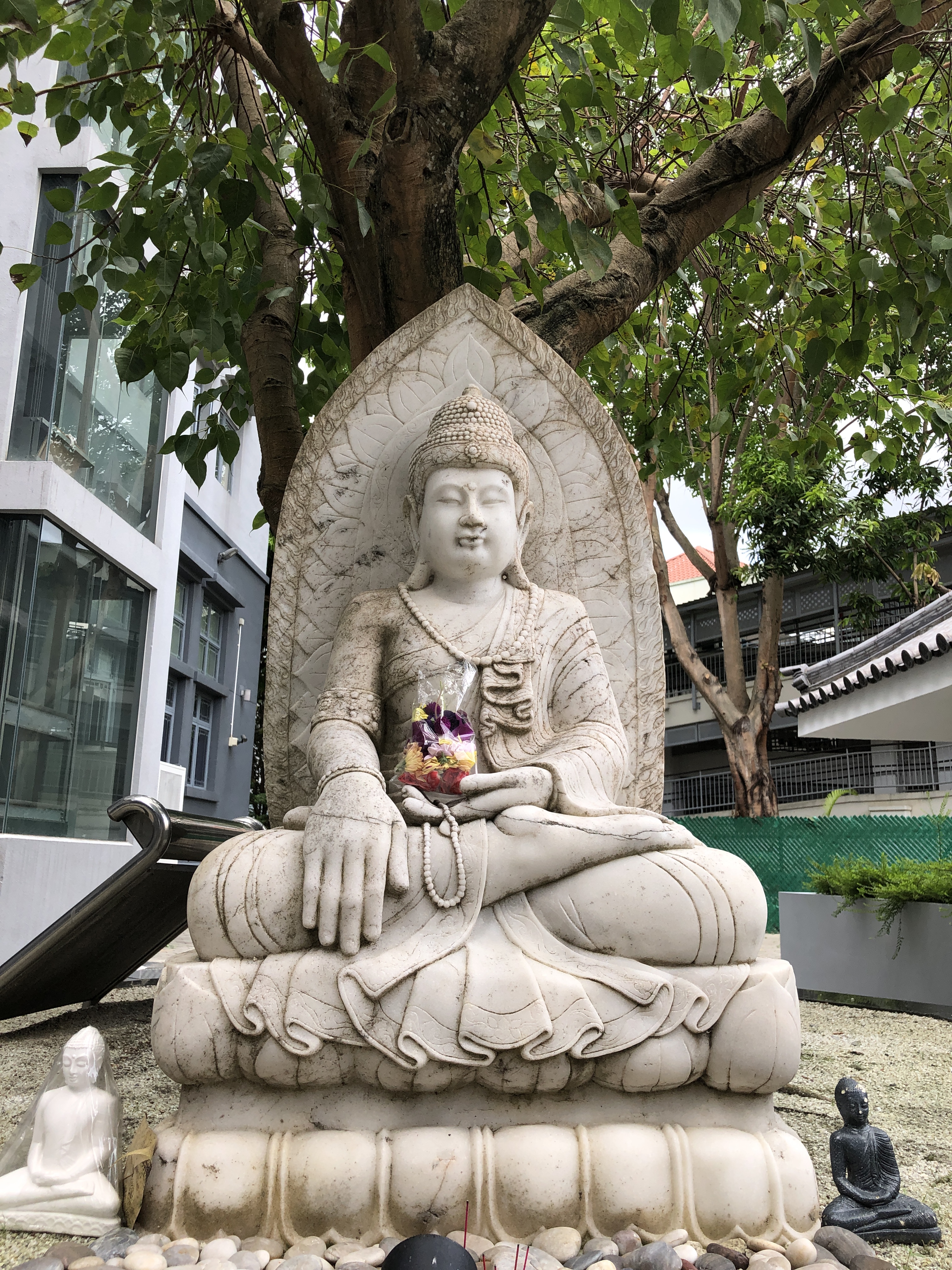
This branch grew to become the Jaya Sri Maha Bodhi Tree. A branch cutting from this Bodhi tree at Sri Lanka was donated to the Foo Hai Chan monastery in 1991 by the then President of Sri Lanka. It is now a beautiful tree in the courtyard known as the Singapore Bodhi Tree.
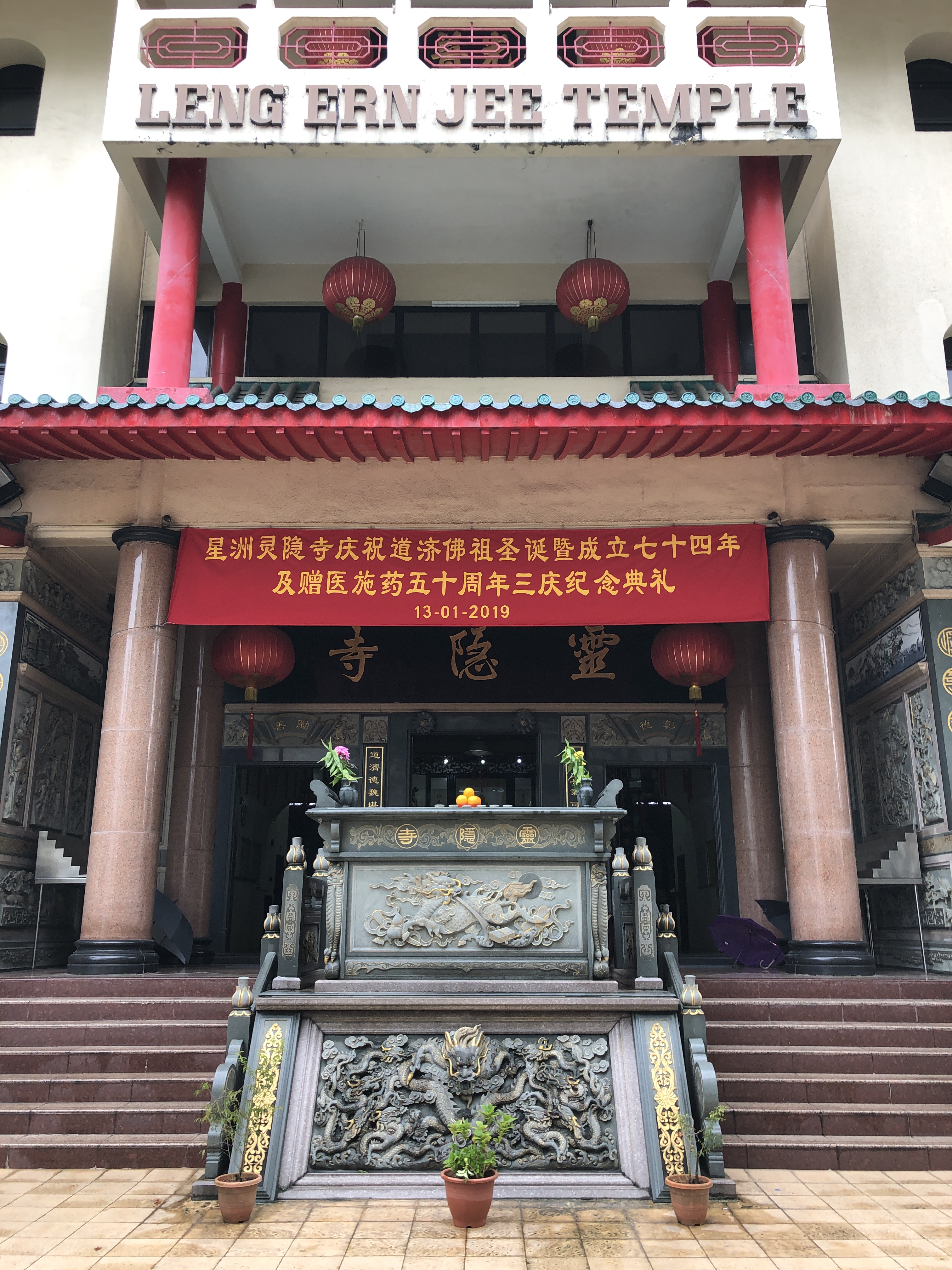
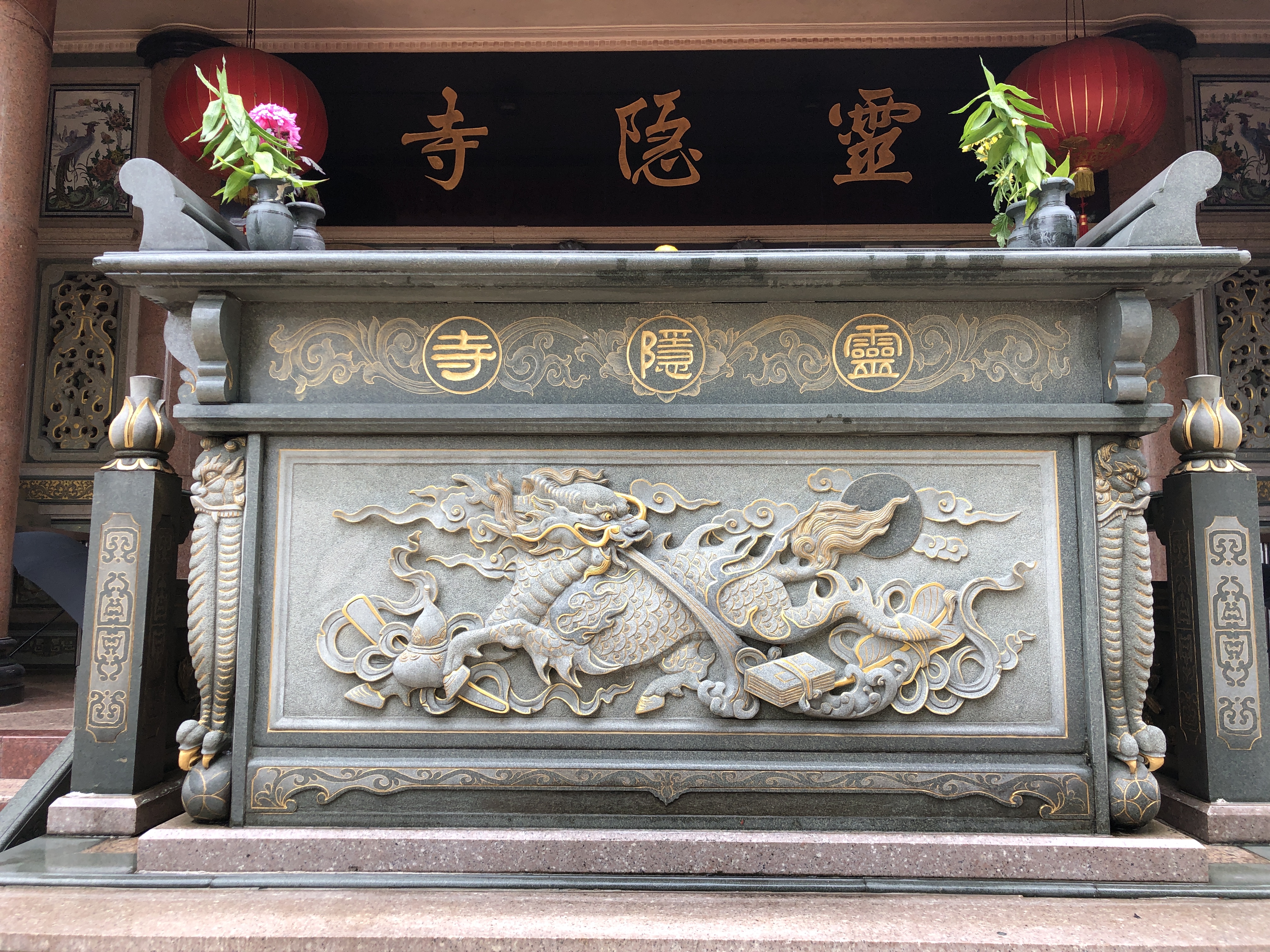
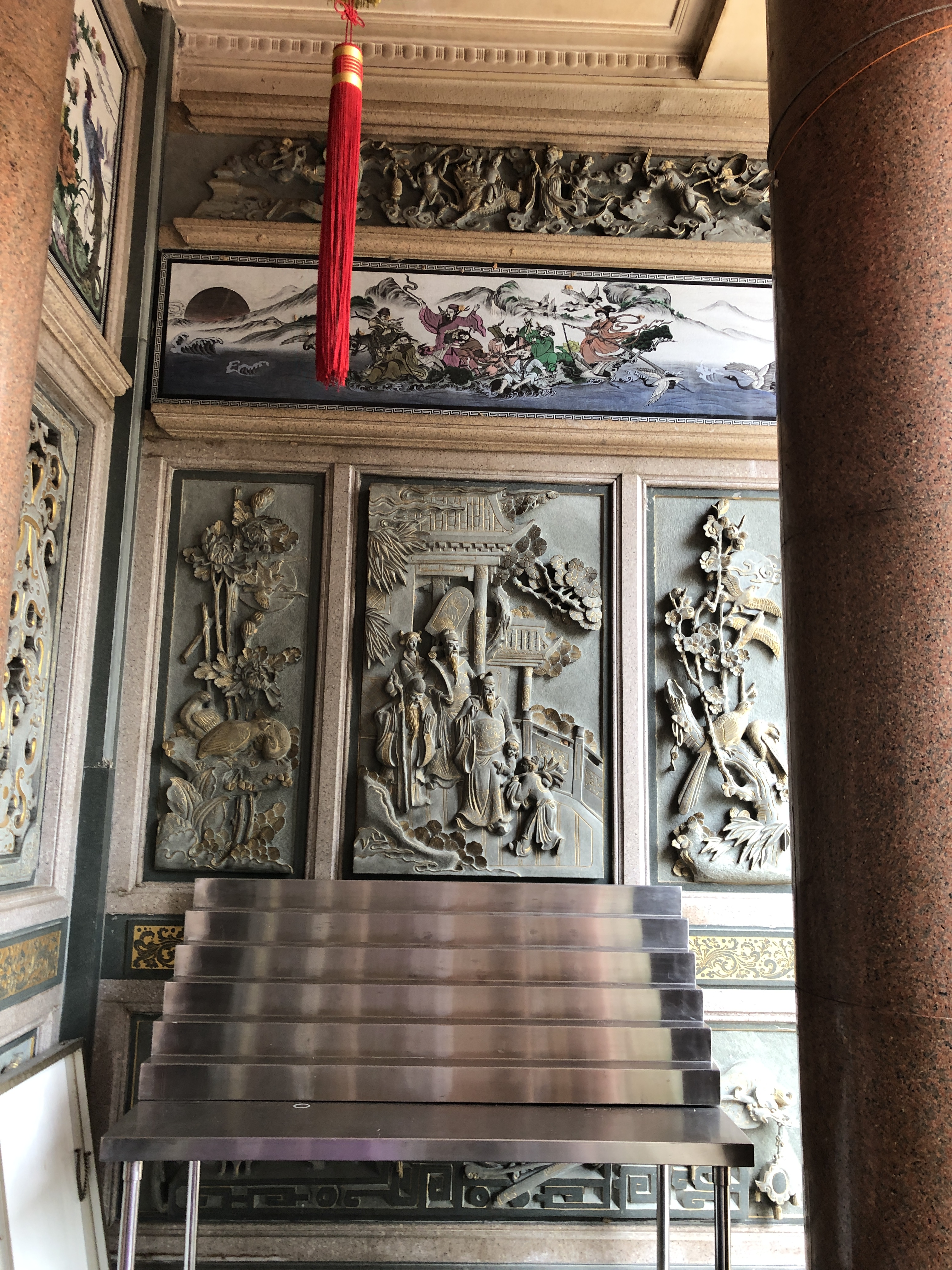
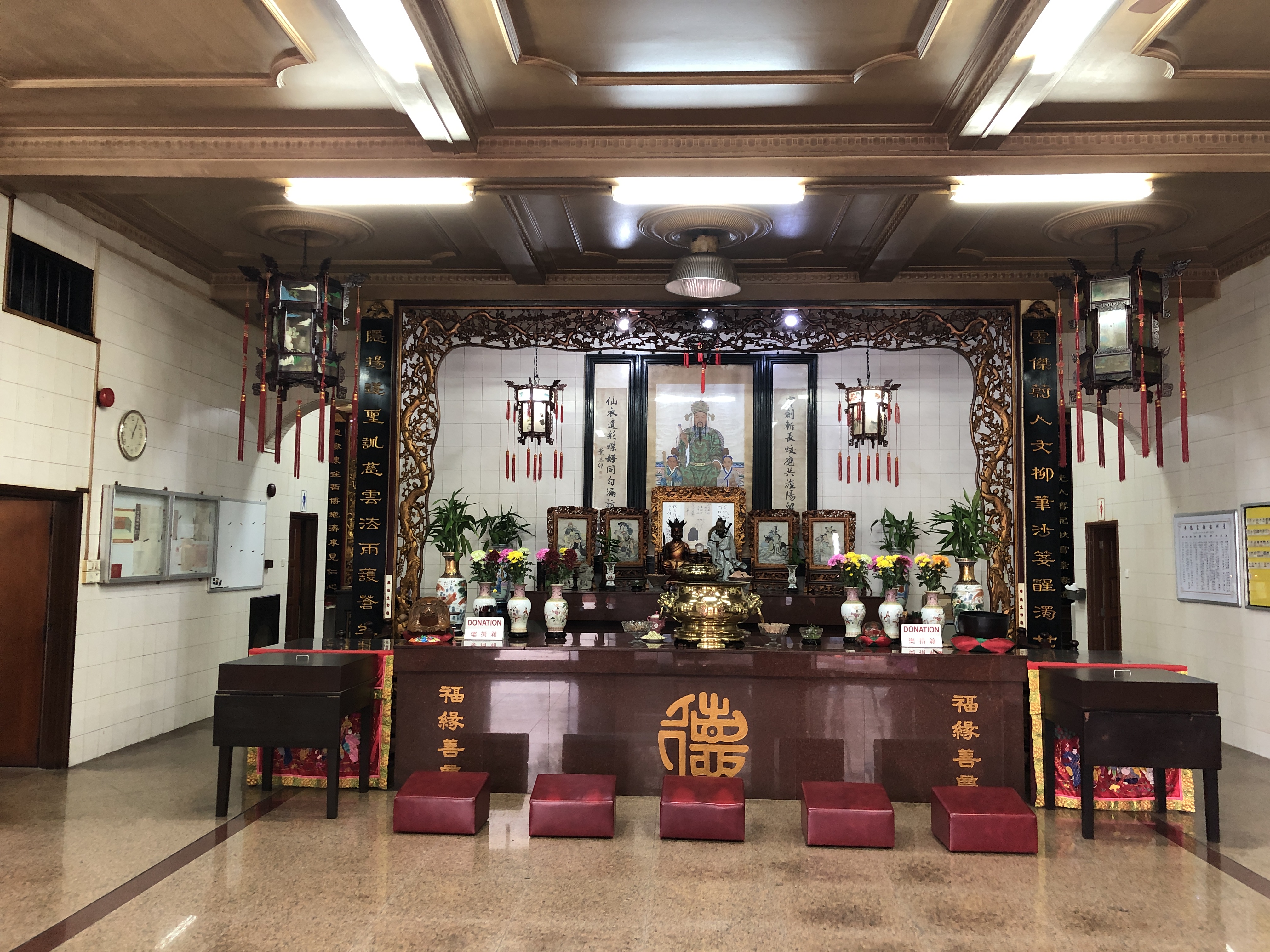
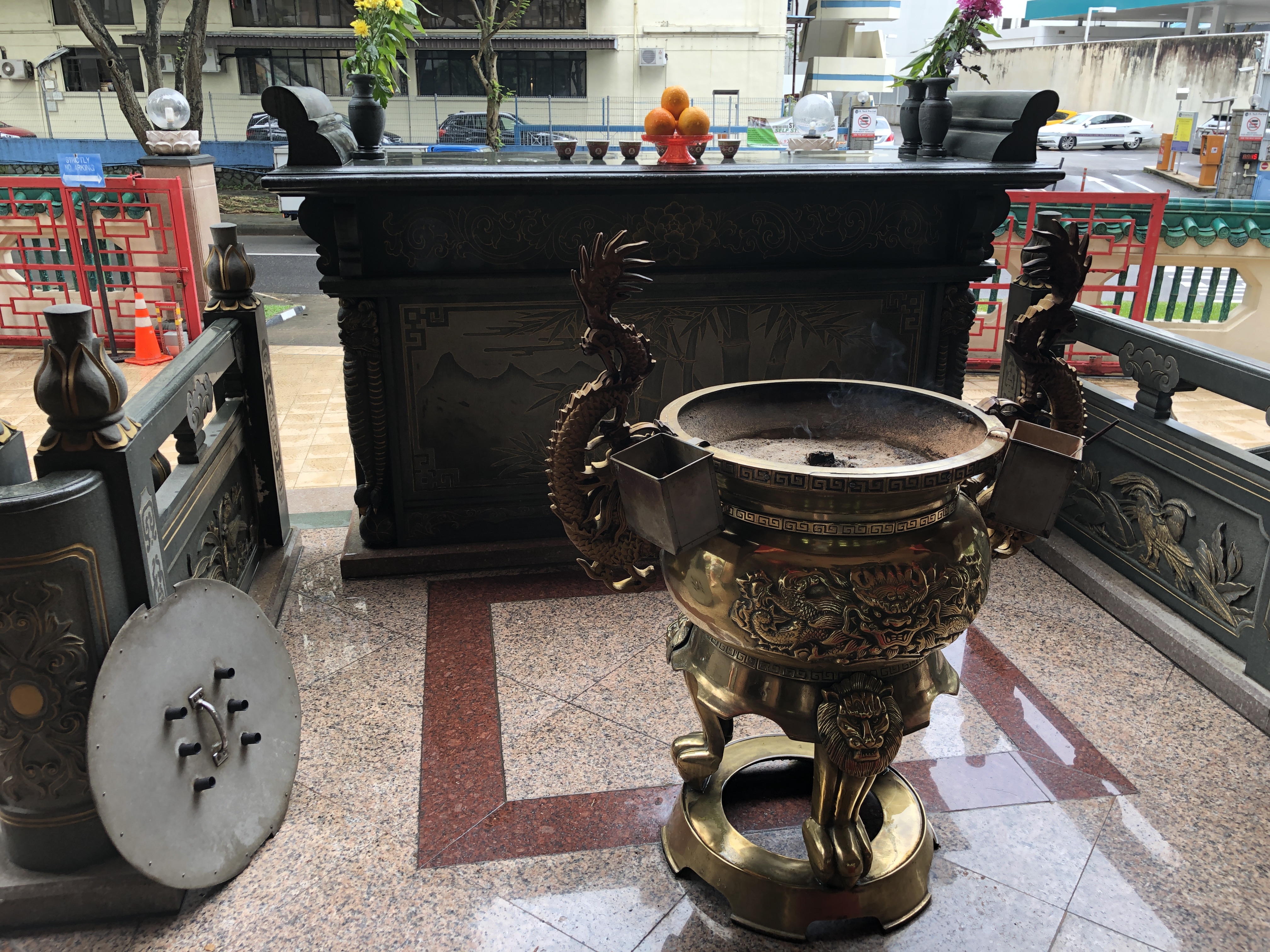
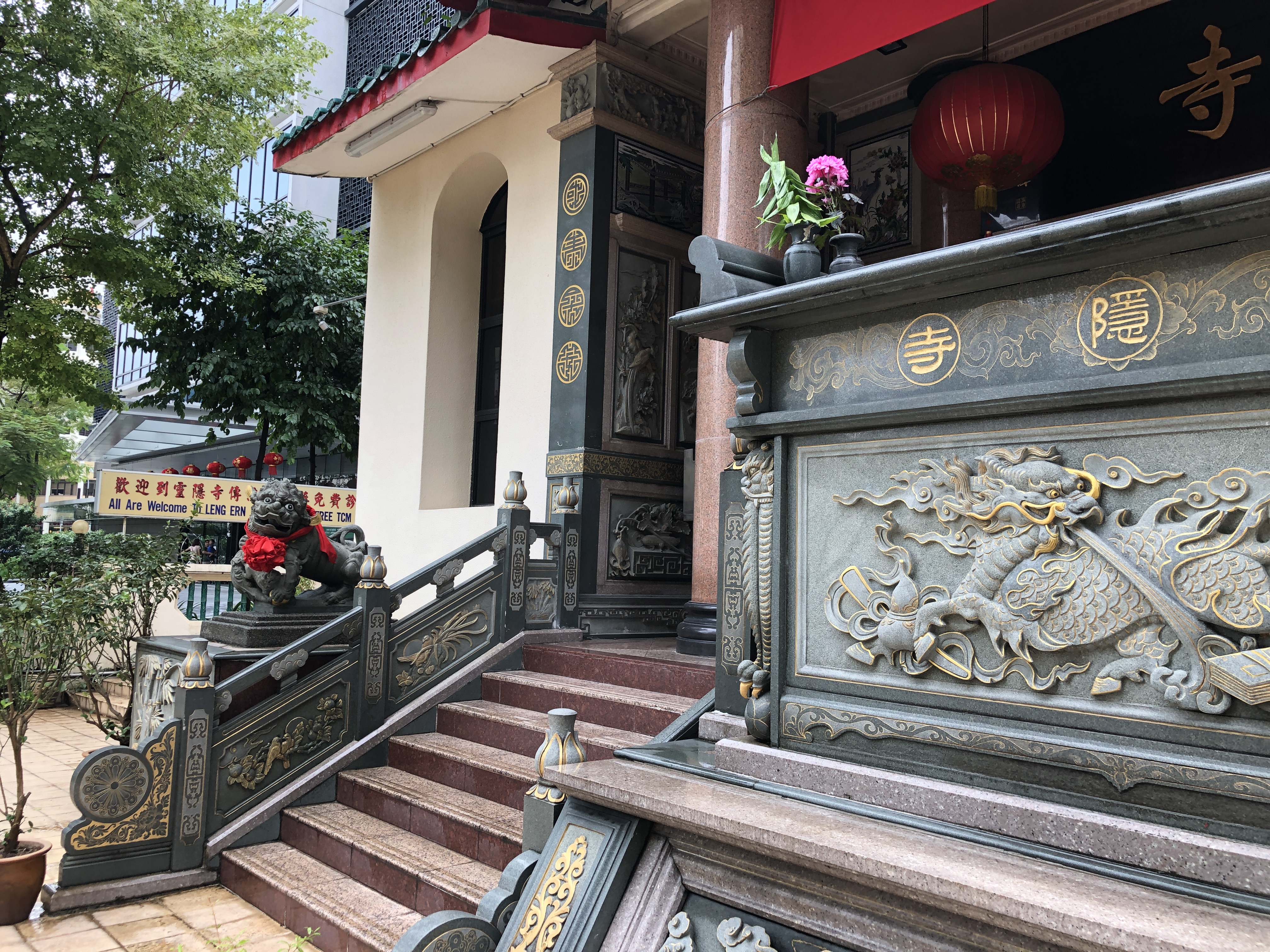
While in Singapore I stopped by a small Daoist temple called Leng Ern Ji Temple. This temple was founded between 1942 and 1945 during the Japanese occupation of China and Singapore. It became a De Jiao Hui in the 1960s, a temple of the De (“Virtue”) Teaching, a movement founded by Daoist shamans from Chaozhou in Guandong, China in reaction to Japanese occupation. The temple houses a free Traditional Chinese Medicine clinic.
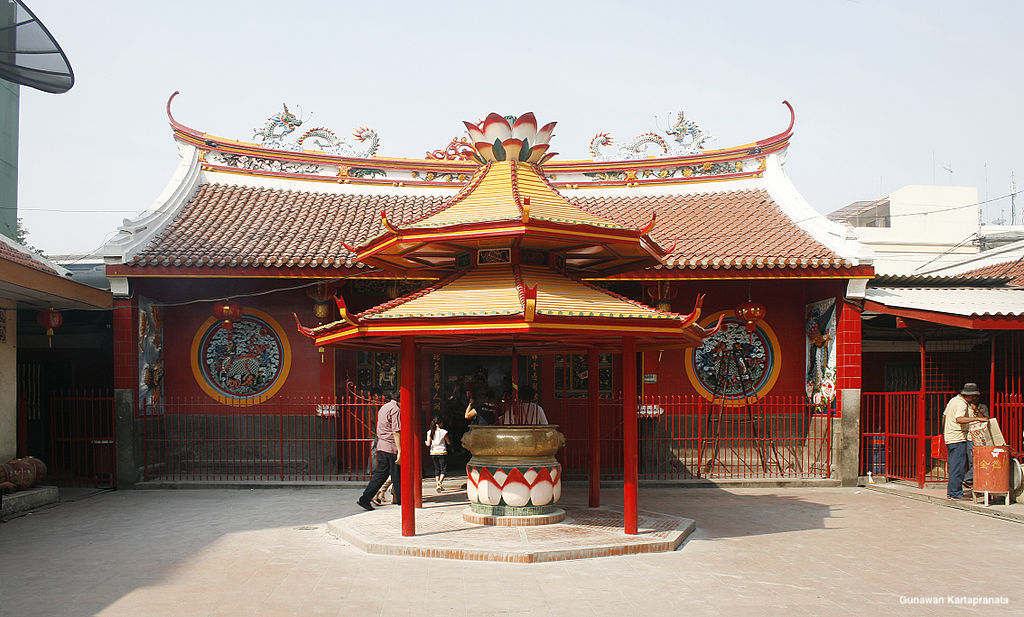
There are not a lot of Chan temples in Indonesia but I have been to a few Chinese temples in Jakarta, the nation’s capital located on the island of Java. The Kim Tek Ie Temple, built in 1650 in the China Town neighborhood of Glodok, is the oldest Chinese temple in Jakarta. It is a klenteng, a temple devoted to Chinese folk religion, which includes Daoism, Confucianism, Buddhism, various Chinese deities and ancestor veneration.
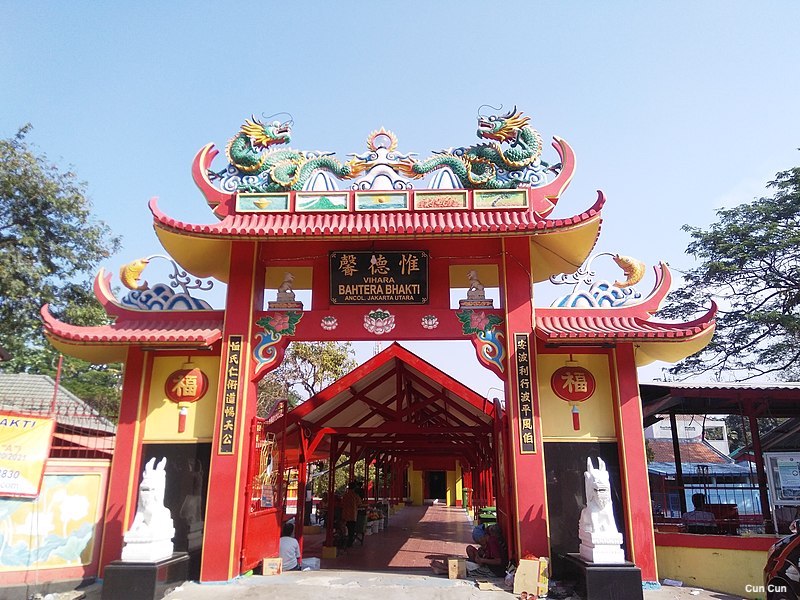
Vihara Bahtera Bhakti is another klenteng in Jakarta, also established circa 1650, dedicated to Da Bo Gong, a deity of land and wealth. The Mahayana Buddhist Vihara Mahavira Graha Pusat in north Jakarta is a family-oriented temple involved with charity, chanting, meditation classes and other services to the community.
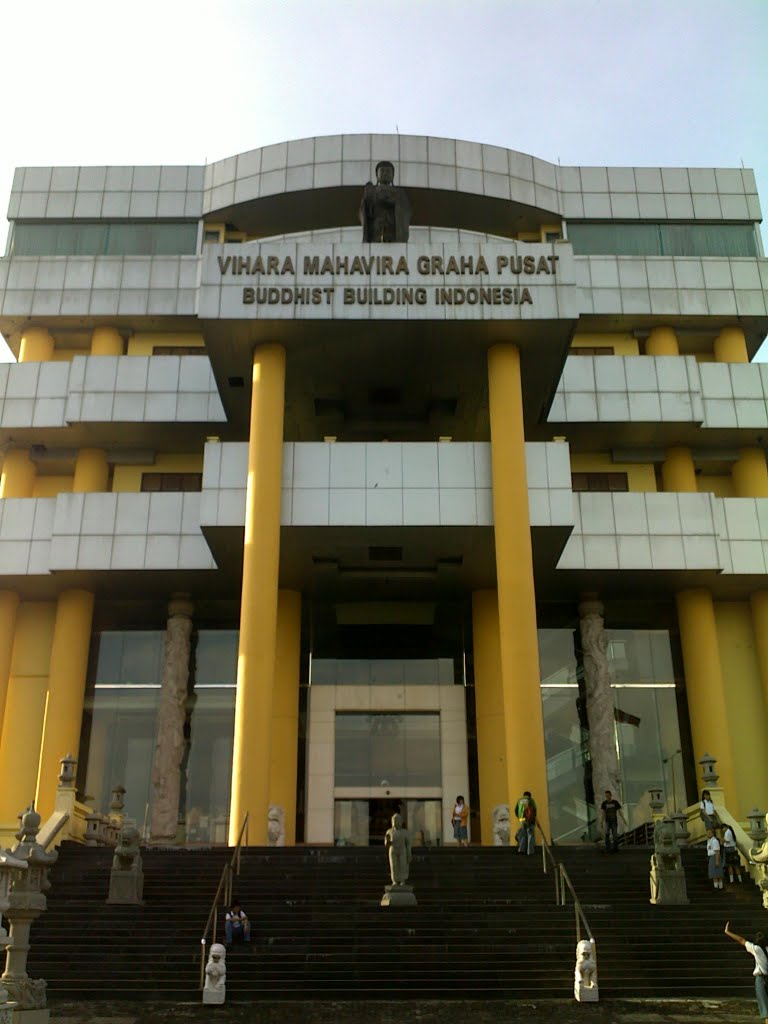
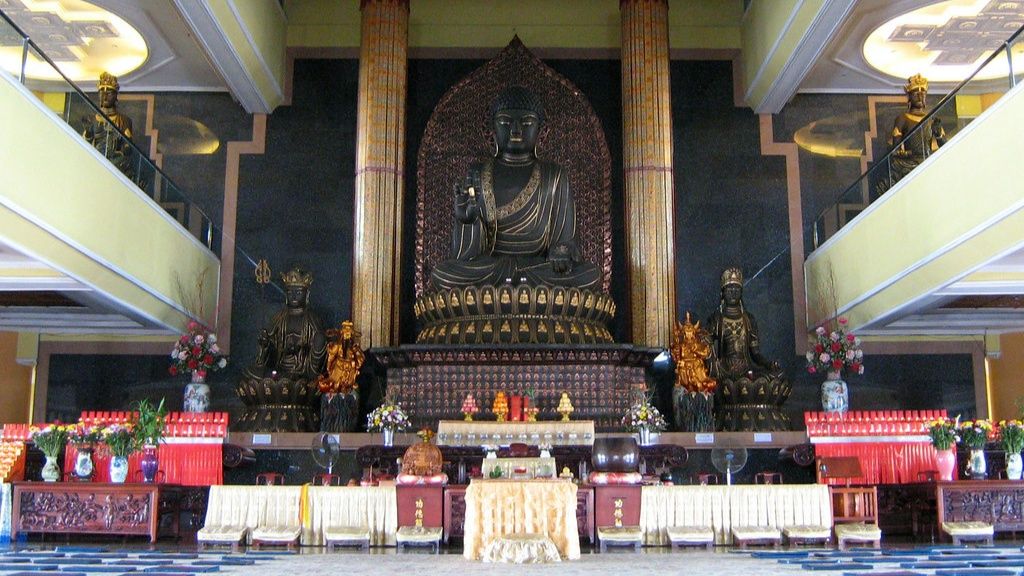
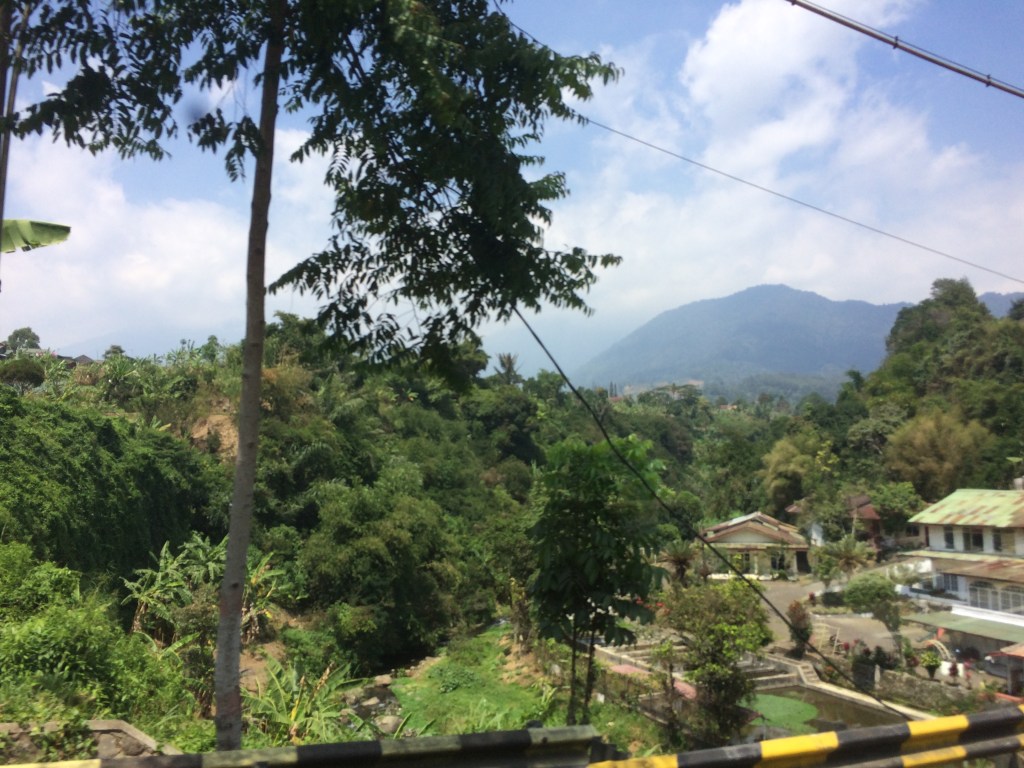
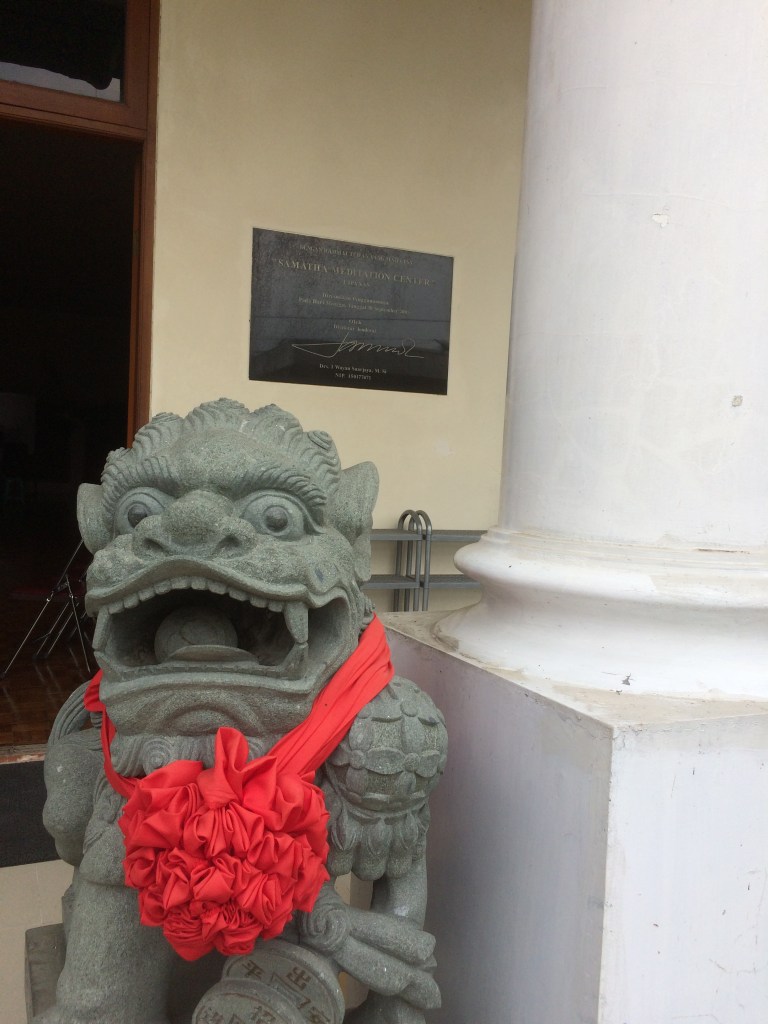
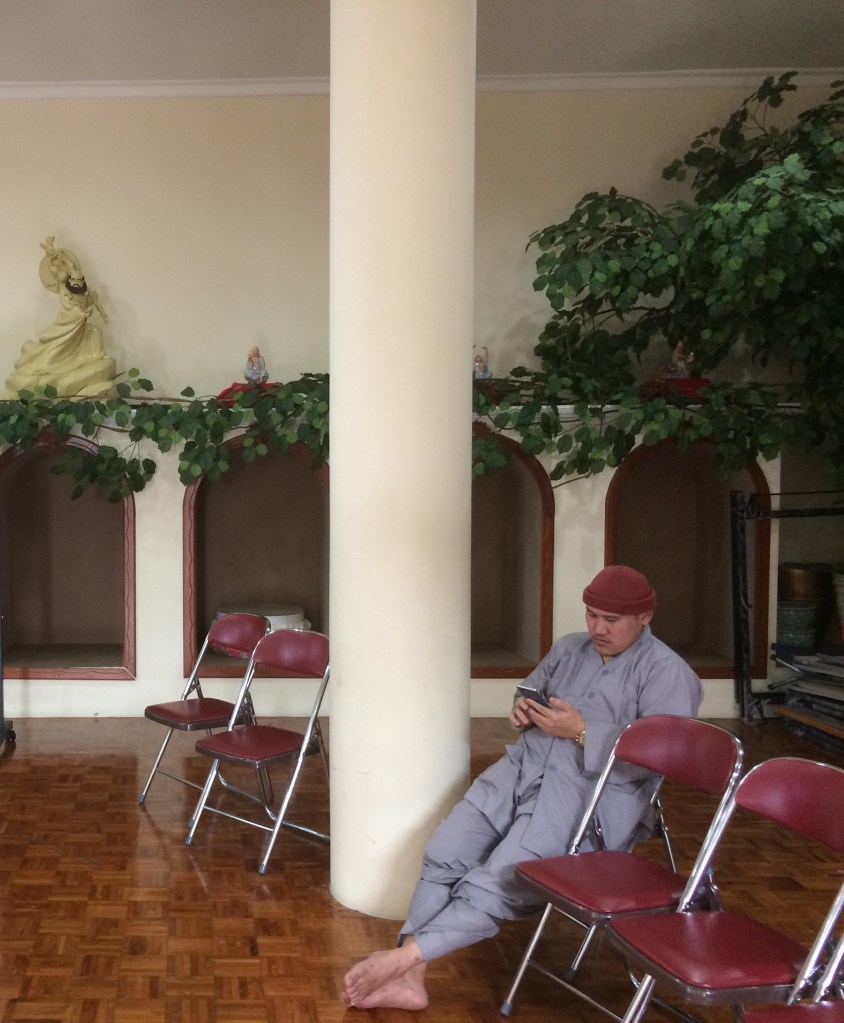
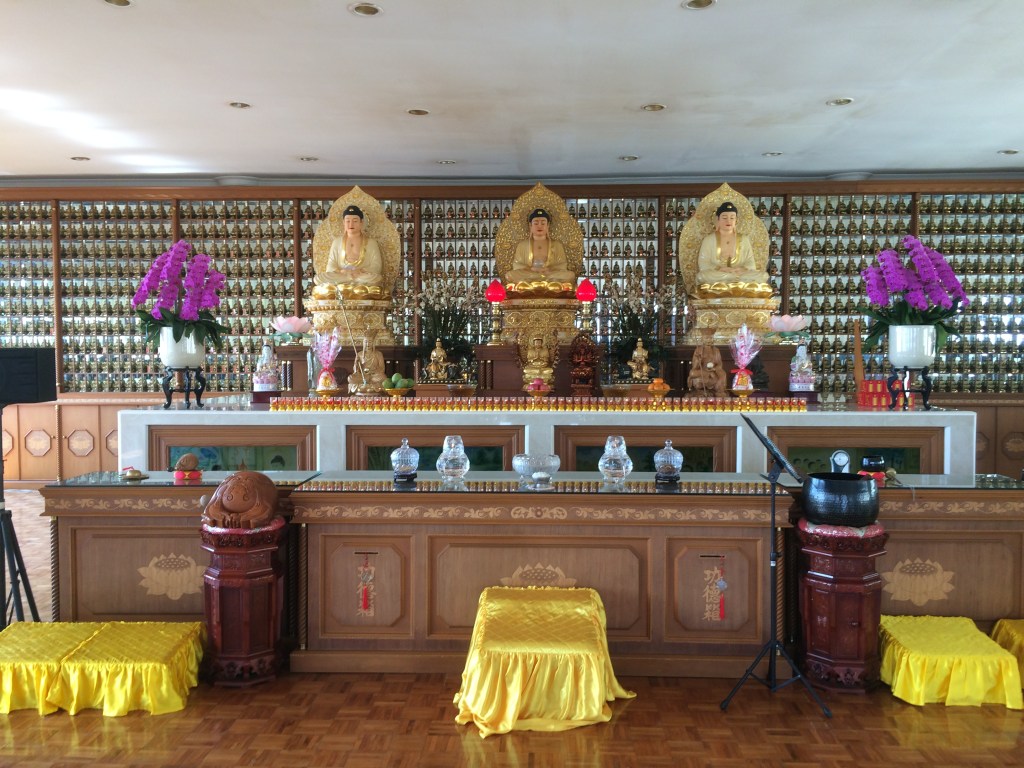
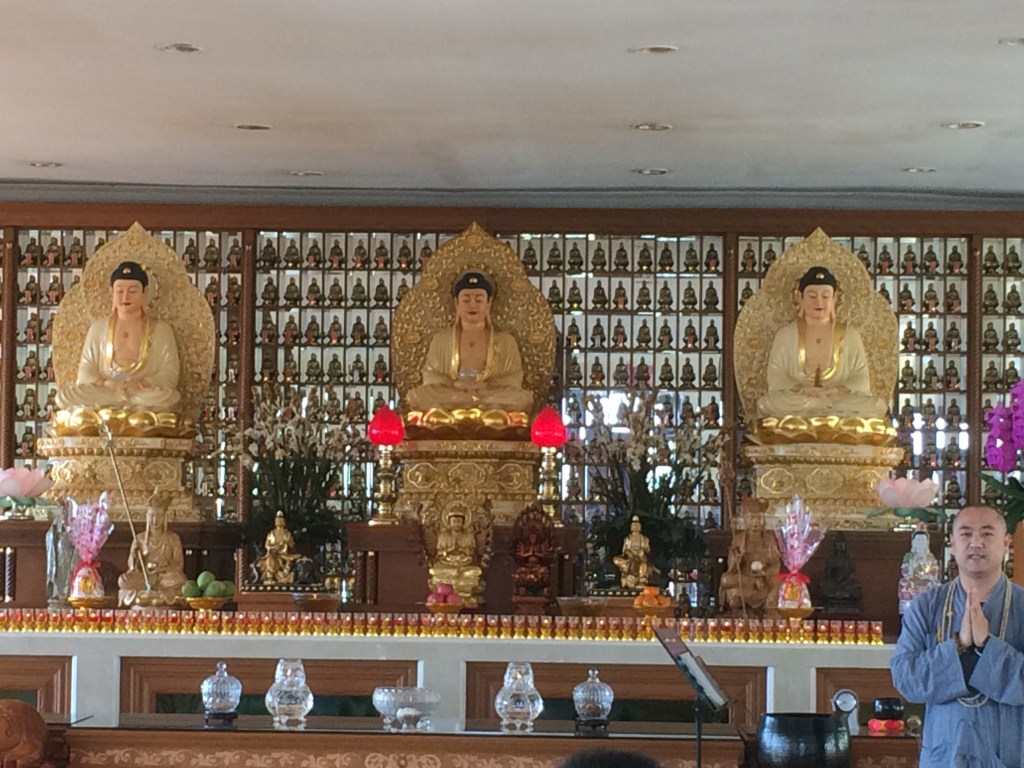
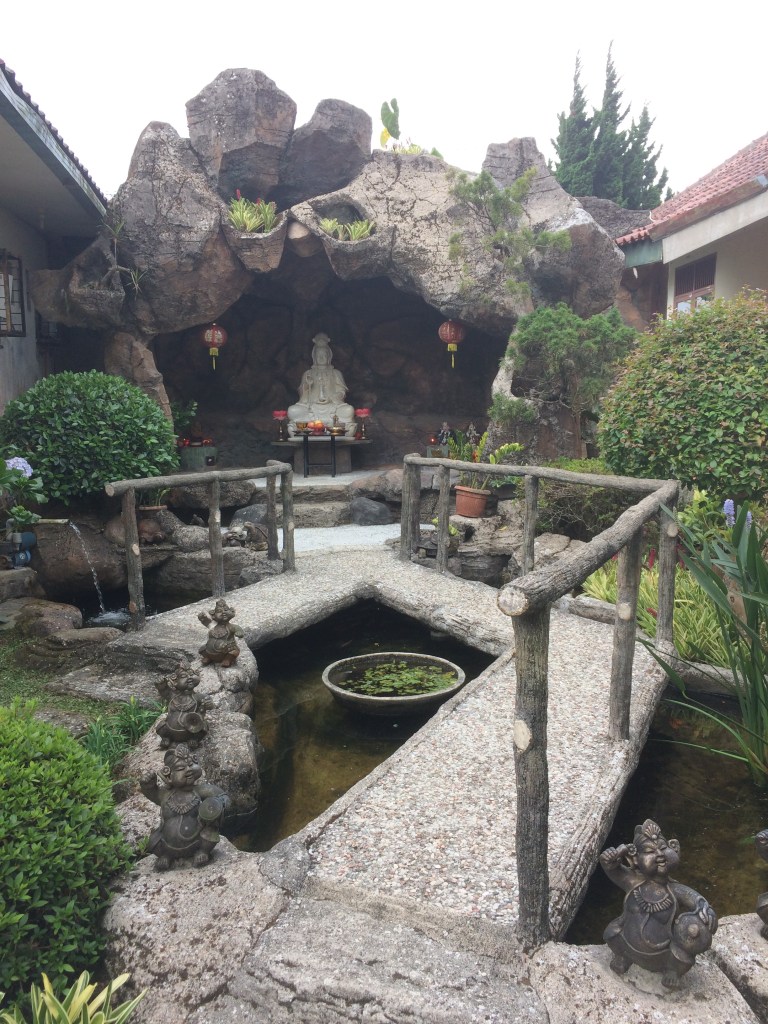
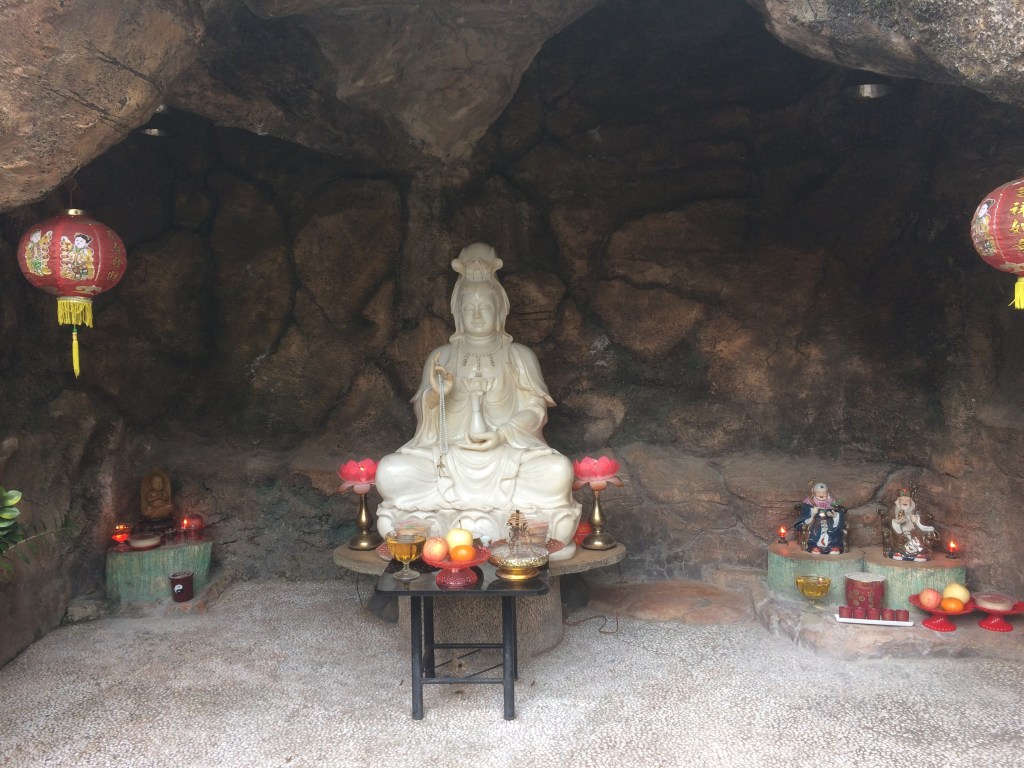
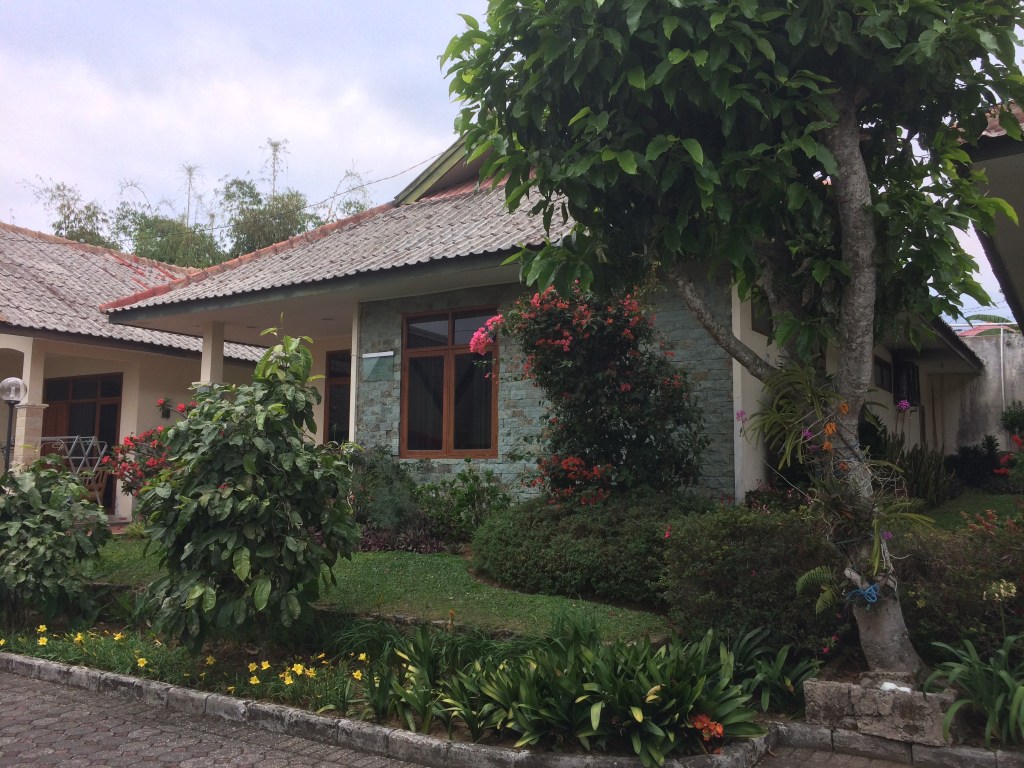
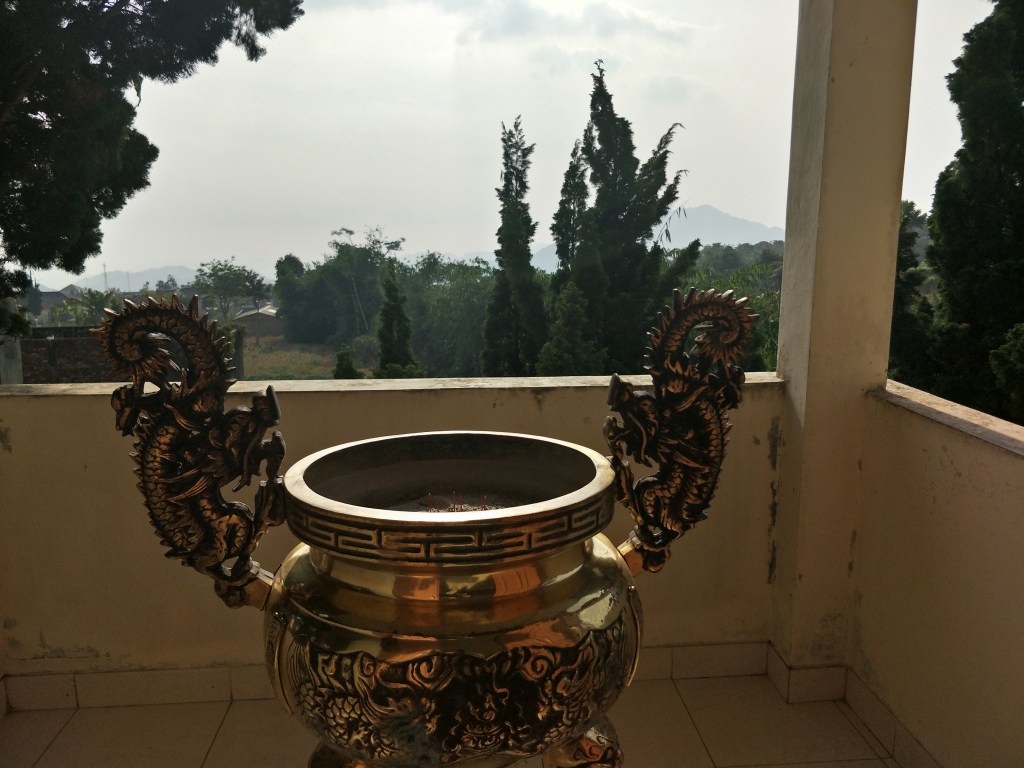
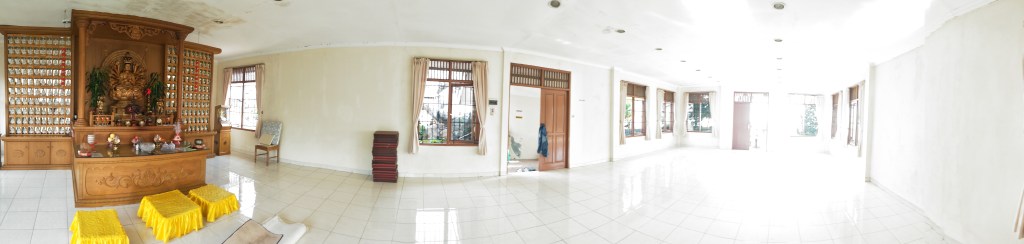
Finally, the Prajna Chan Monastery in Jakarta recently opened in March, 2019 with weekly chanting services and a very active lay congregation. I was honored to join an overnight expedition to the monastery’s mountain temple complex to enjoy getting to know the lay members and the monastics, including the very capable abbot.
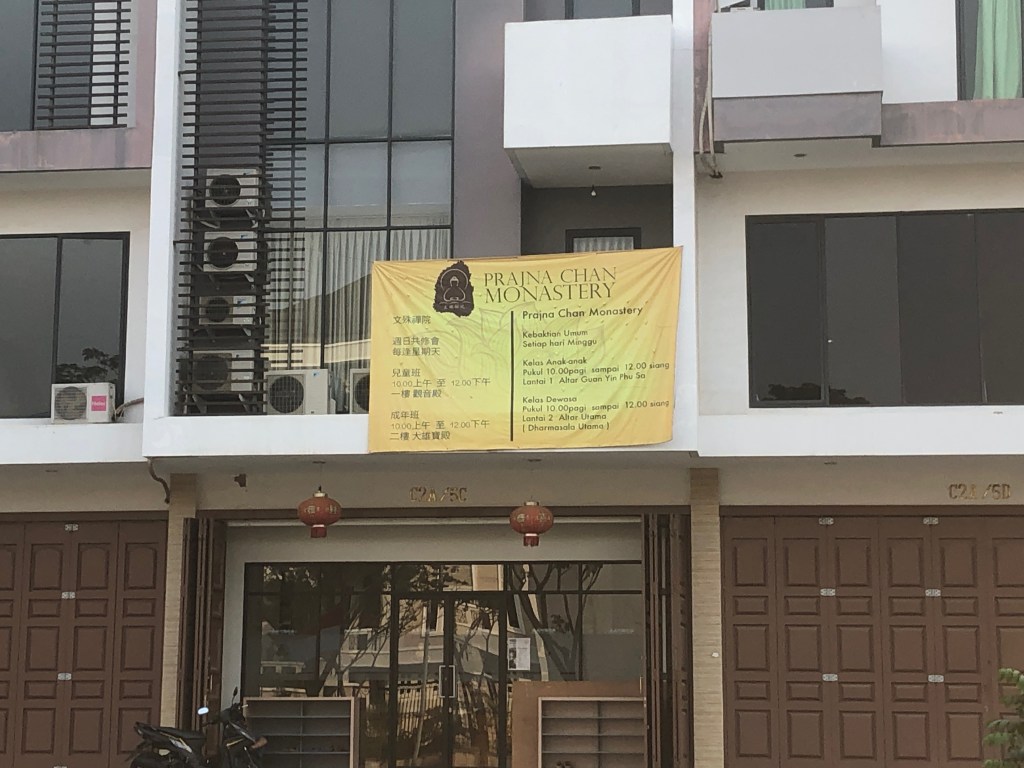
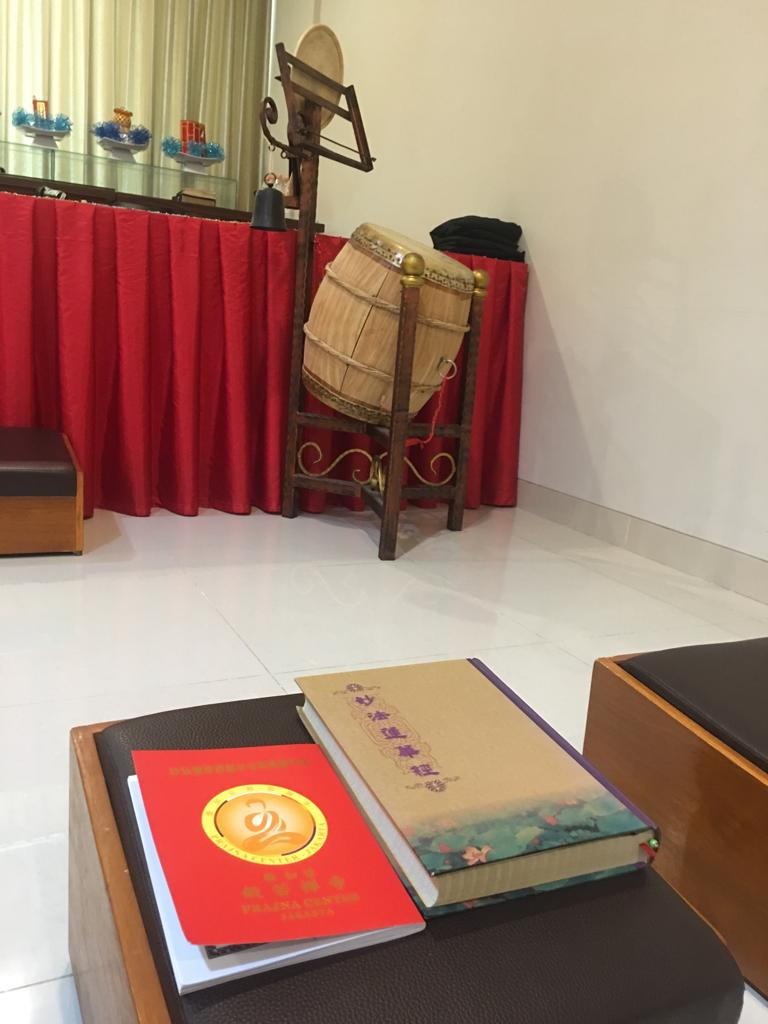
My next post will chronicle our winter 2019 visit to Japan. The pictures from our first trip fifteen years ago have gone missing, and are probably in storage, but this recent pilgrimage stands on its own as absolutely remarkable.

 Temples Along the Way