Living in Indonesia, my only access to group Zen practice is via the internet with online sanghas like Jundo Cohen’s Treeleaf Zendo. It was a joy to find the folks sitting Zazen on a return visit to my home state of Iowa. I discovered that the tradition there runs deep, with American and Japanese teachers as part of a lineage that courses back through China and India to the Buddha, himself.
When I went home to the Midwest United States, I visited Ancient Dragon Zen Gate (ADZG) in Chicago in 2018, where the service was led by Rev. Taigen Dan Leighton. I was not aware at the time of his career or translations of the work of Dogen Zenji, the founder of Soto Zen in Japan. After later receiving his translation of Dogen’s rules for the Zen monastery, the Eihei Shingi, by order, and having read his article “Zazen as Enactment Ritual,” I recognized his name and looked at his bio online. Every serious English-speaking Zen practitioner will be familiar with his contributions to Zen scholarship.
During my visit home I also stopped in to sit Zazen with Rev. Zuiko Redding at the Cedar Rapids Zen Center in Iowa. I did not know there was Soto Zen in Iowa City at the time and I did not have time to stop at the Des Moines Zen Center. In the spring (Saturday, April 6, 2019) I participated in my first online Zazenkai with Treeleaf Sangha, an hour and a half of sitting Zazen, walking meditation (Kinhin), chanting, and a short dharma talk. I have joined Treeleaf Zazenkai almost every week since then.
In 2019 I returned to the States and passed through Chicago, visiting ADZG again, and at the end of my trip I went to the Iowa City Zen Center for some morning Zazen. After sitting, the sangha sat down with the teacher, Rev. Dainei Appelbaum, for some tea and conversation. It was during this time that Rev. Dainei (her Dharma name means “Great Peace”) first considered the possibility of accepting me as a student to train for Zen priesthood.
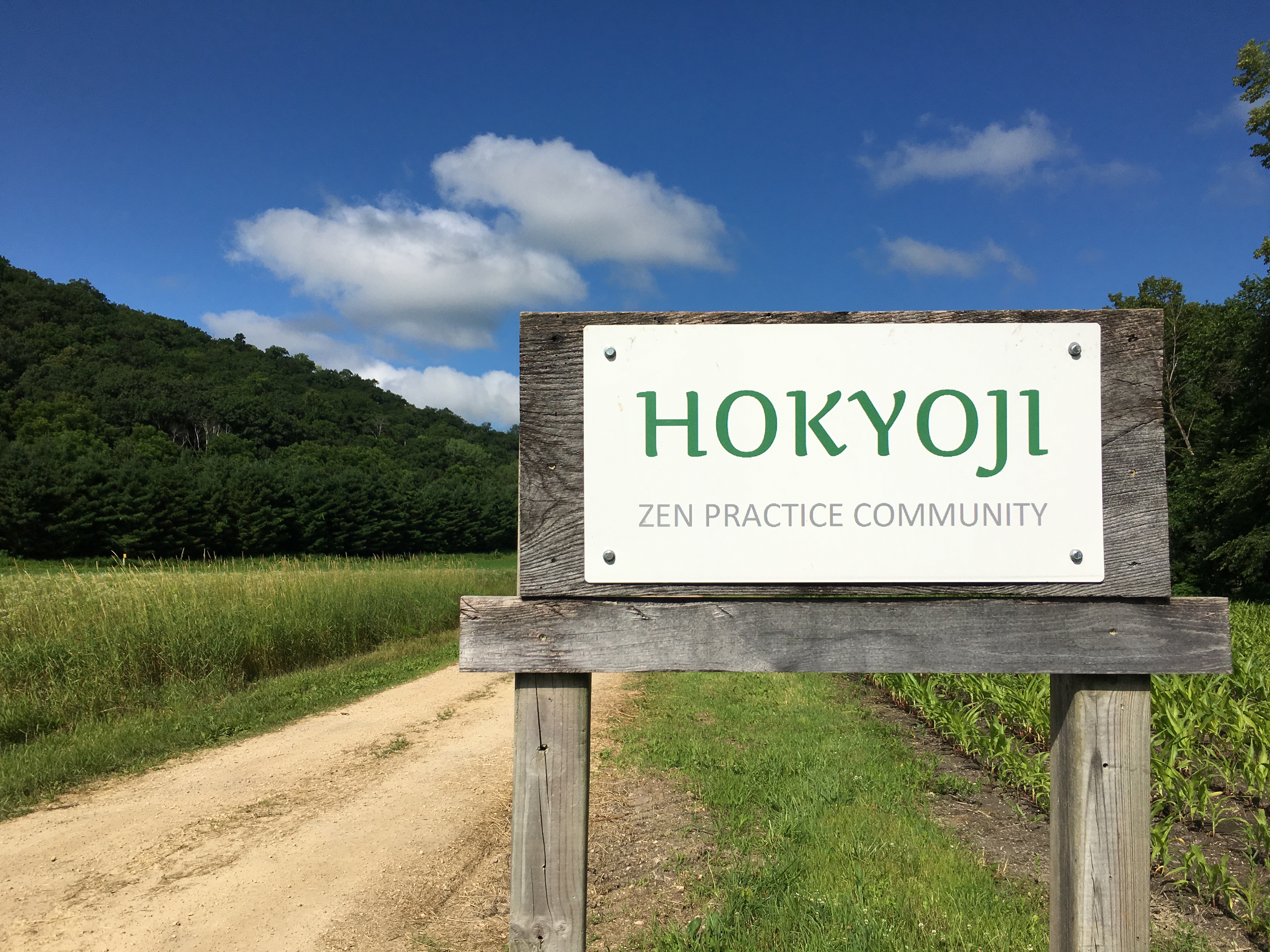
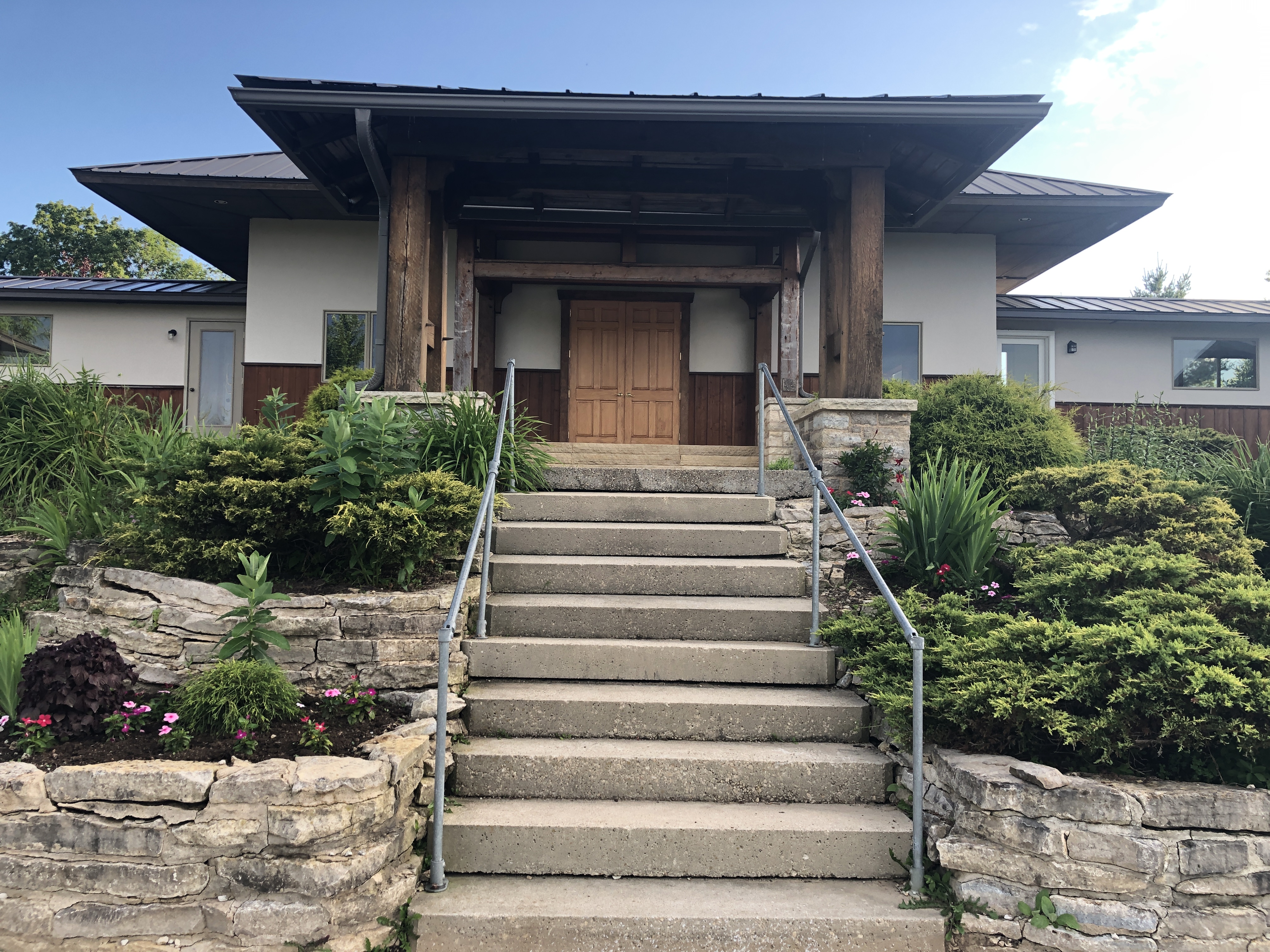
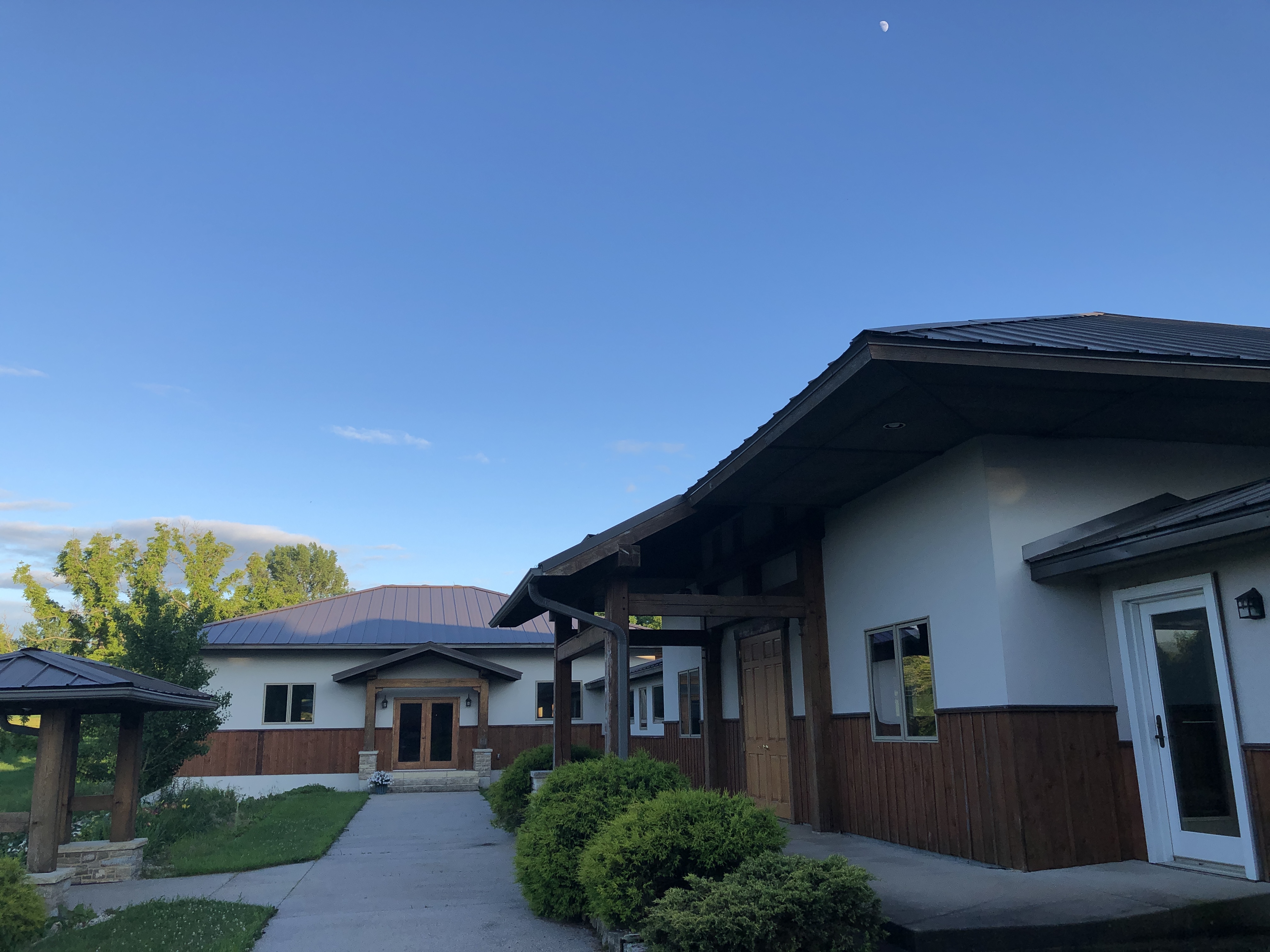
A week later my family and I were on our way to the Ryumonji Zen monastery in northern Iowa and the remote Hokyoji Zen Practice Community in southeast Minnesota. Hokyoji was founded by the late Dainin Katagiri Roshi (1928-1990), one of the first Soto Zen Buddhist monks to bring Zen from Japan to the United States of America. The founder and abbot of Ryumonji, or “Dragon Gate,” is Shoken Winecoff Roshi, a Dharma heir of Katagiri Roshi. Ryumonji was founded (2000-2013) in honor of Katagiri Roshi’s aspiration of building a training monastery for American monks in the Midwest.
*In Japanese, “roshi” is the same as the Chinese Pinyin “laoshi,” or “teacher.” In Soto Zen Buddhism, “Roshi” is an honorific title usually applied to a monk/priest who has received dharma transmission from a lineaged priest.
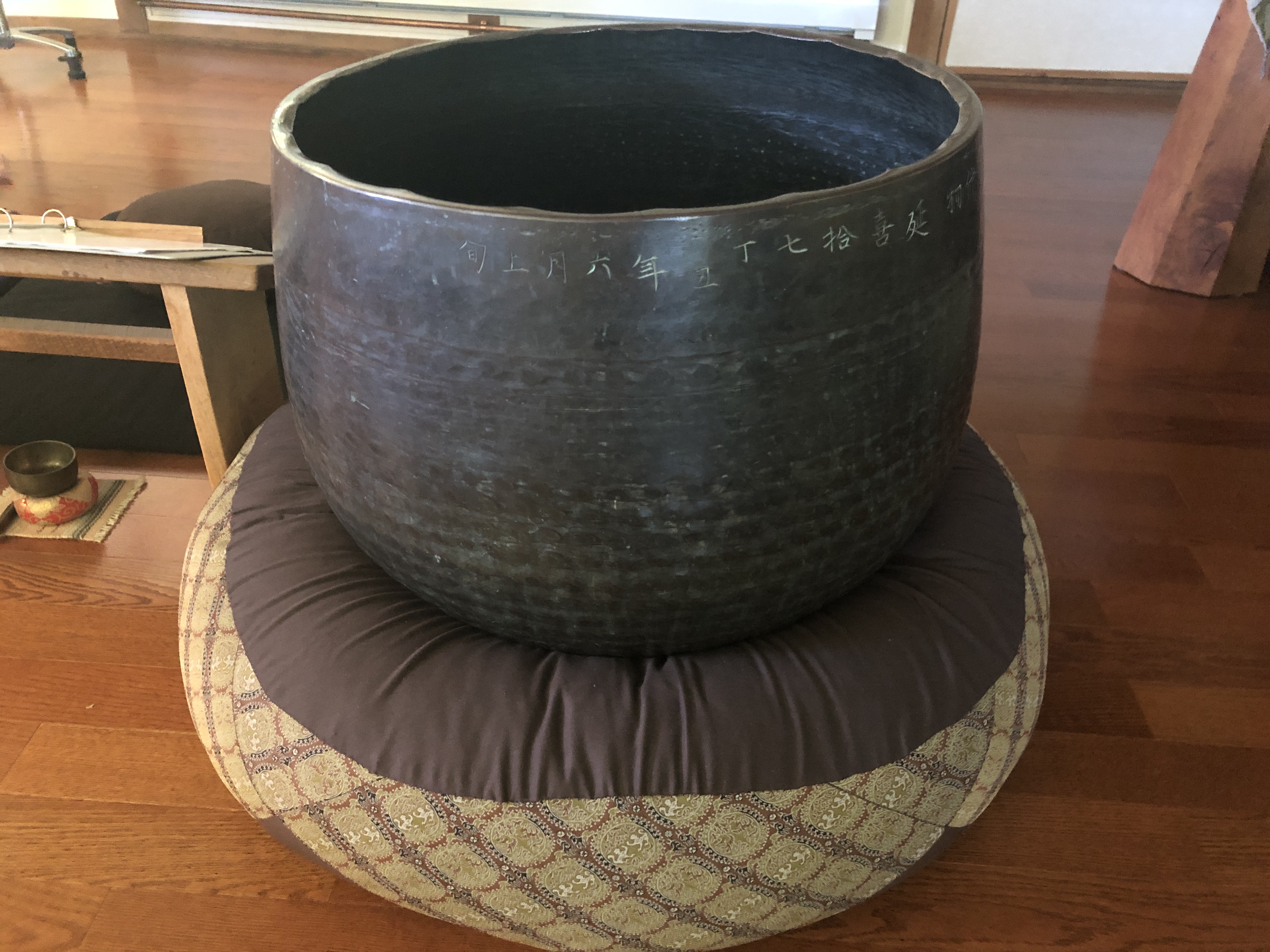
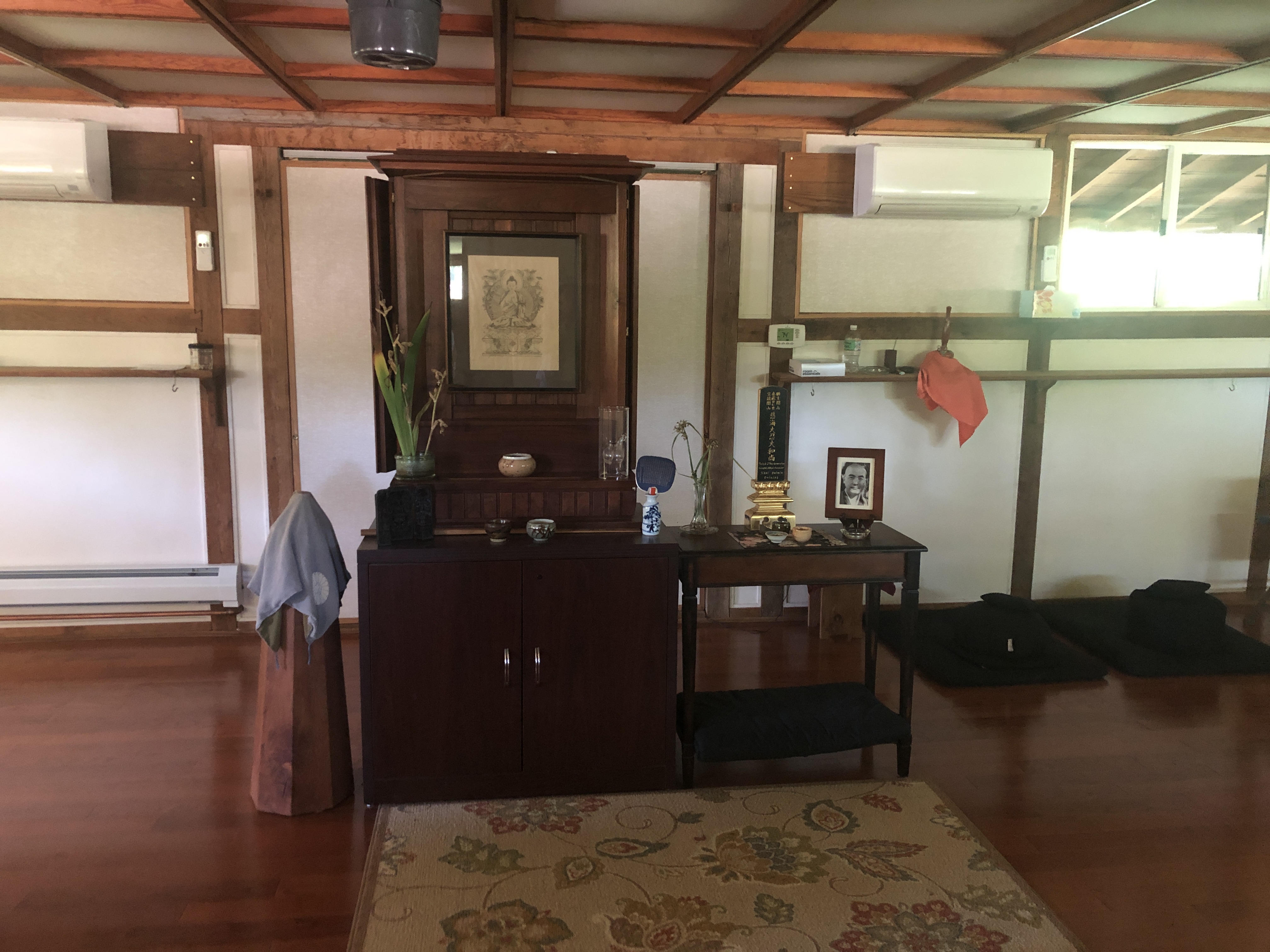
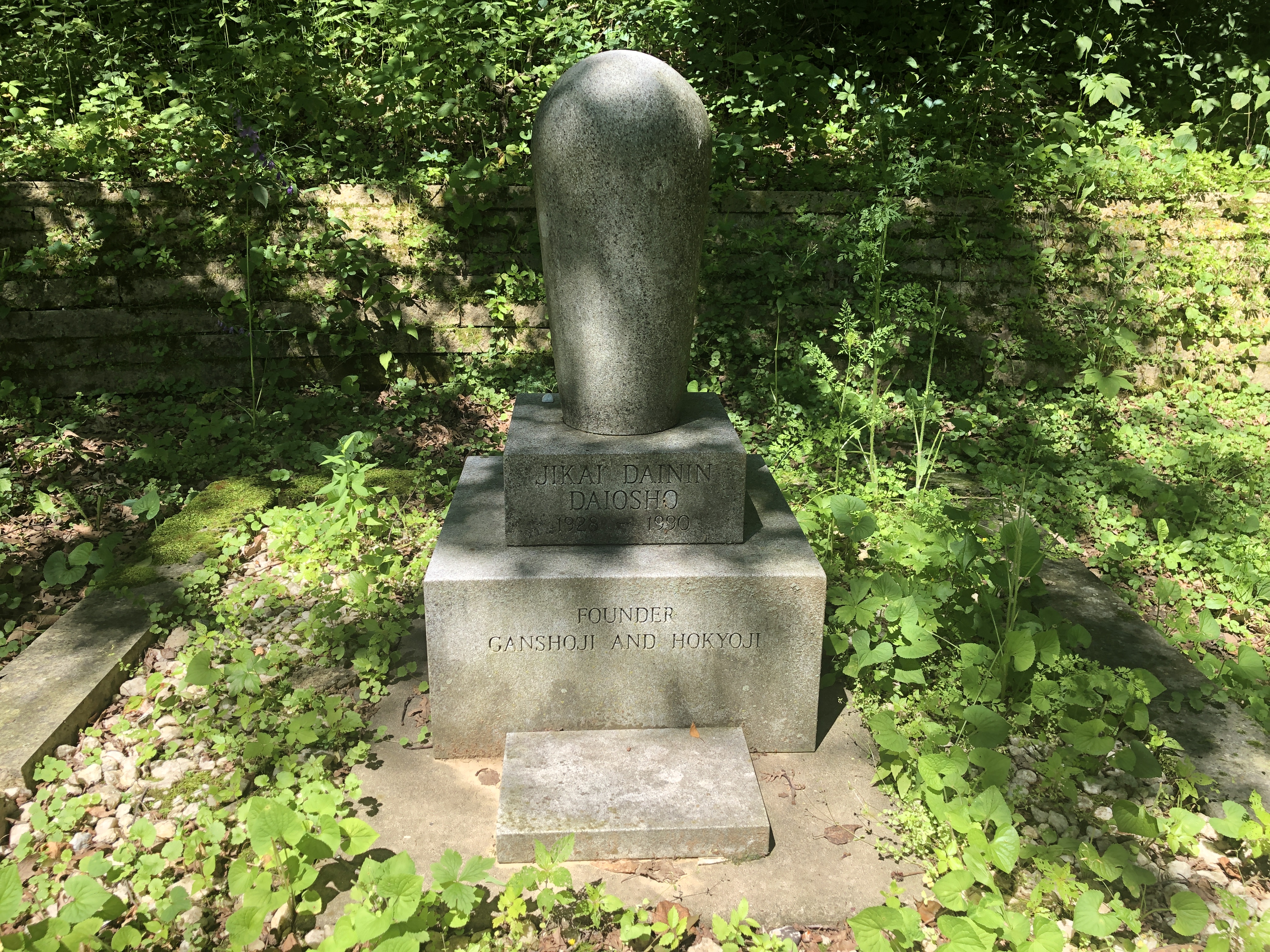
Dainin Katagiri Roshi (1928-1990) played a critical role in bringing Zen from Japan to the United States. Born in Osaka, Katagiri Roshi was ordained as a Zen monk and became a Dharma heir of Daicho Hayashi Roshi at Taizo-in in Fukui. He then studied under Eko Hashimoto Roshi at Eiheiji, the first of the two head temples of the Soto school, established in 1244 by the founder of Soto Zen in Japan, Dogen Zenji. Katagiri Roshi then went on to major in Buddhist Studies at the Soto Zen Komazawa University.
Like Kobun Chino Otogawa, Katagiri Roshi assisted Shunryu Suzuki at the San Francisco Zen Center in the late sixties and early seventies, the same period during which Suzuki Roshi made Rev. Richard Baker his American Dharma heir. In 1972 Katagiri Roshi established the Minnesota Zen Meditation Center in Minneapolis, naming it Ganshoji, “Living By Vow Temple.” A few years after the founder passed in 1990, Rev. Shohaku Okumura, respected translator and author, as well as founder in 1996 of the Sanshin Zen Community in Indiana, served as interim head teacher.
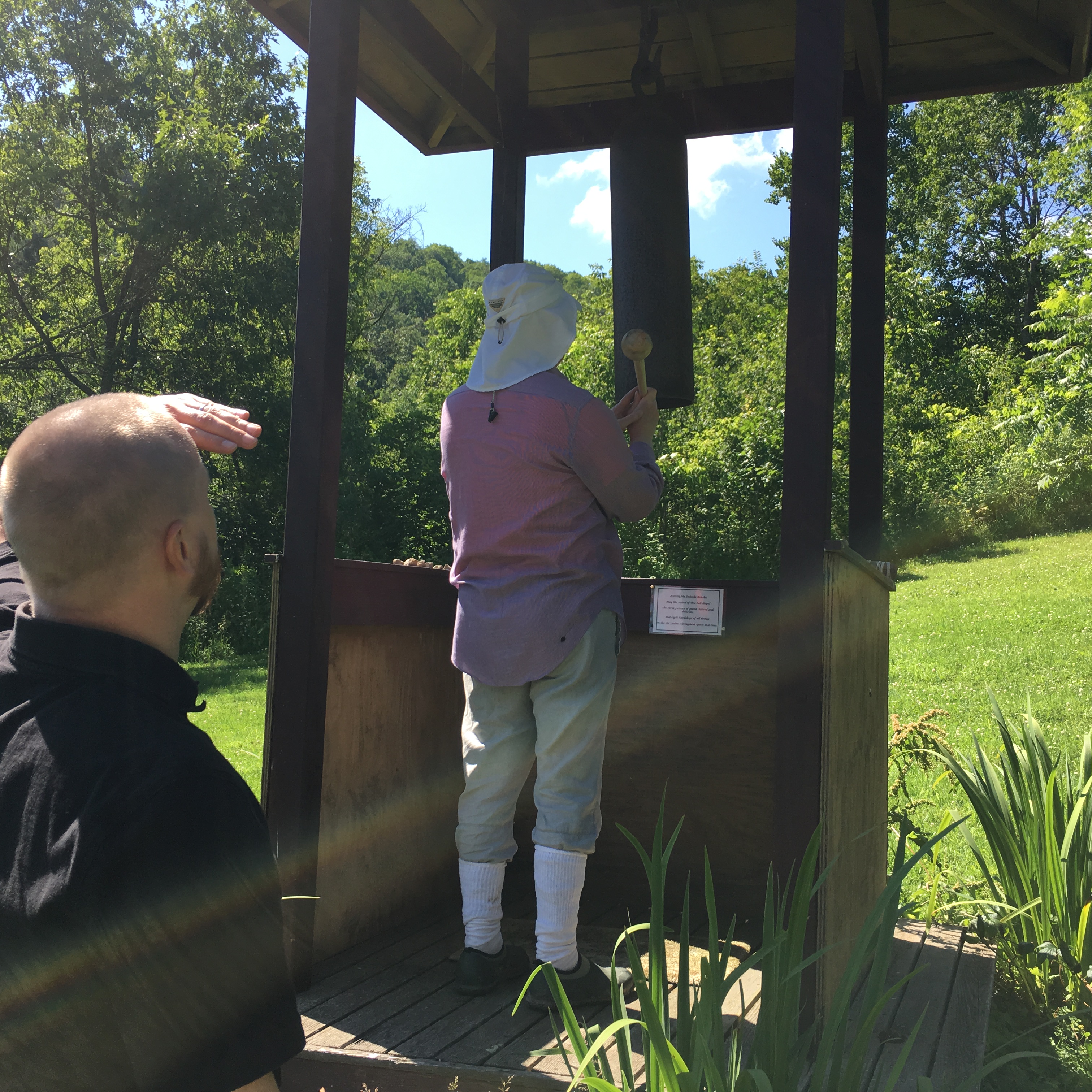
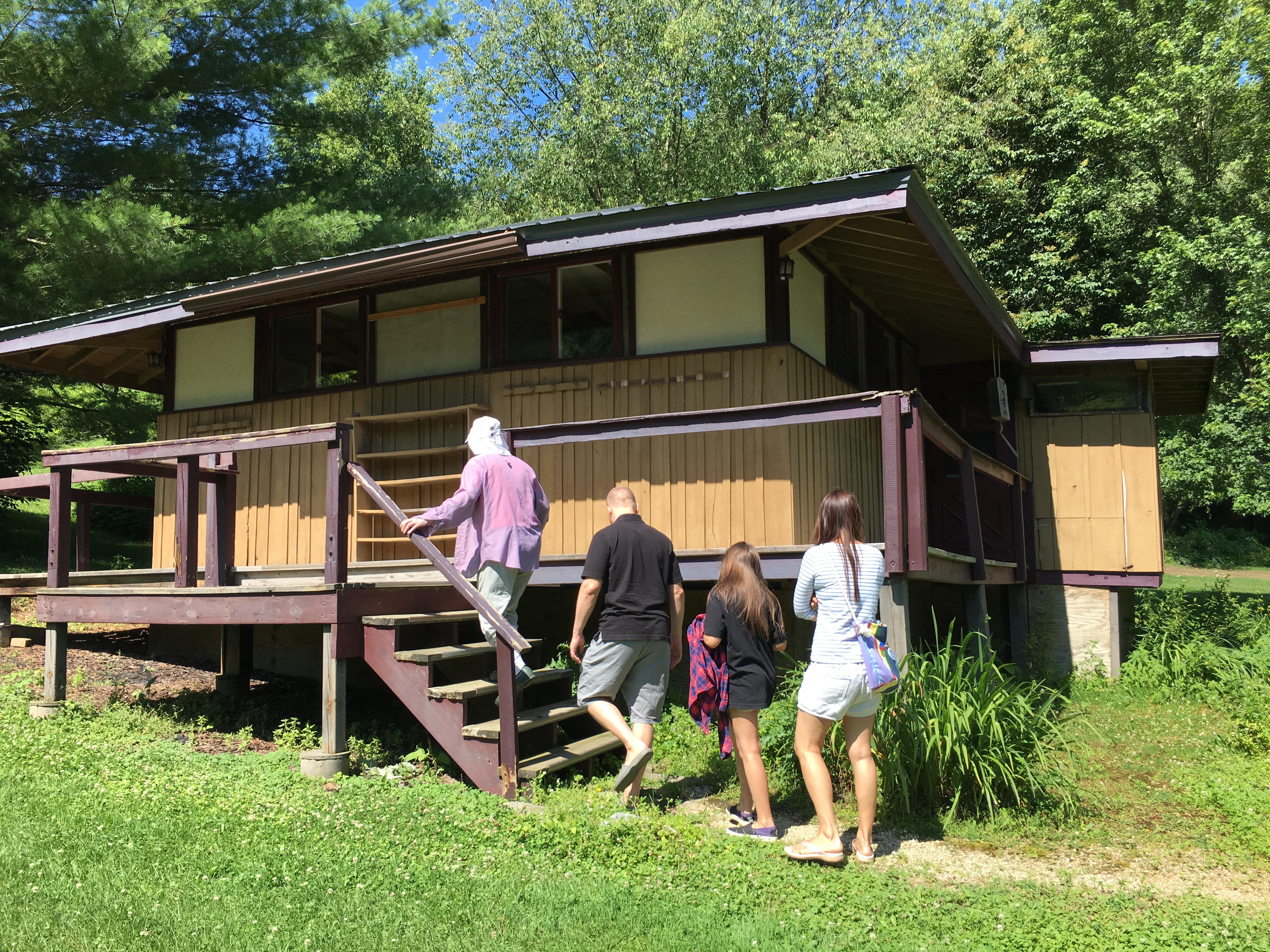
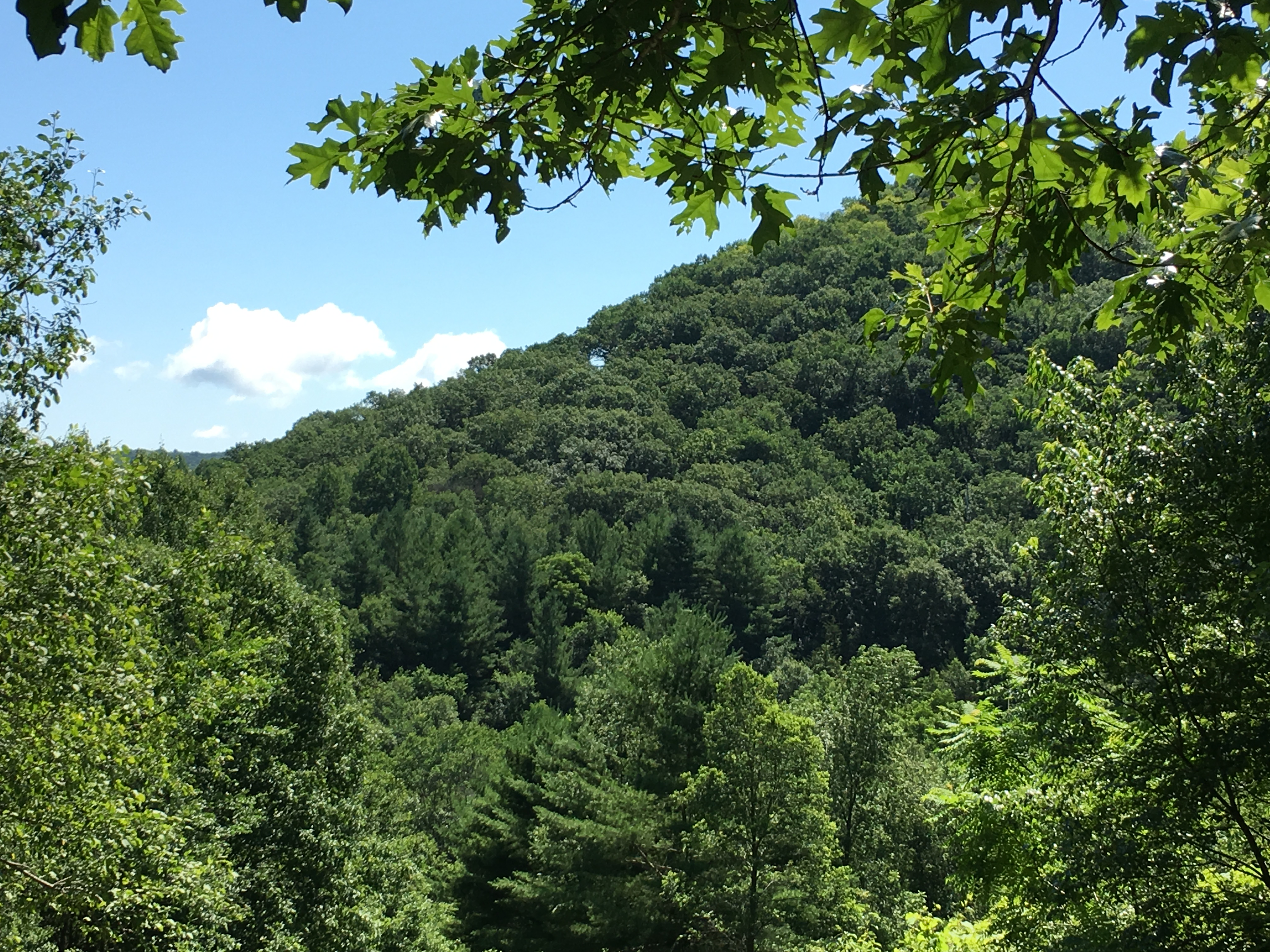
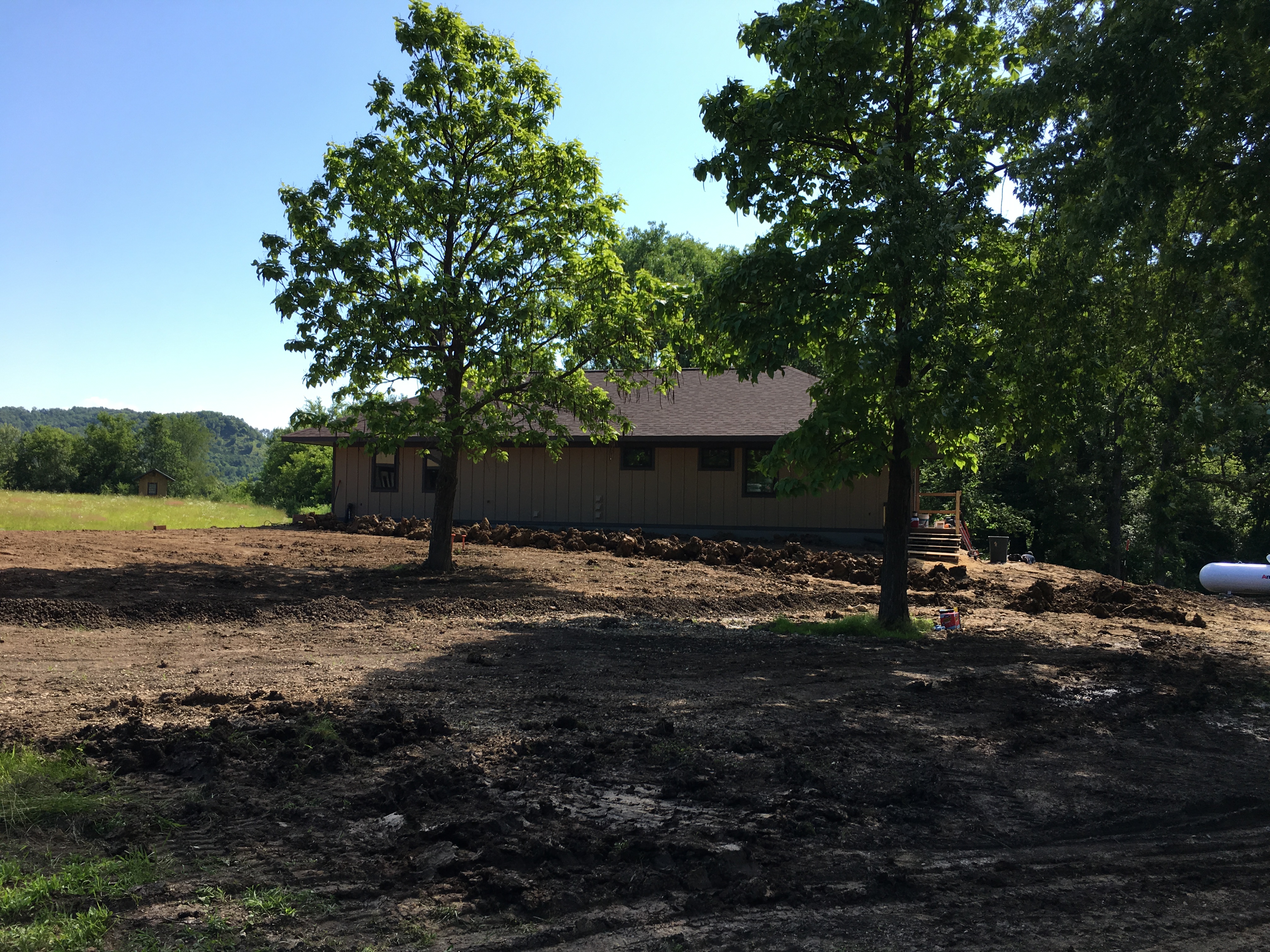
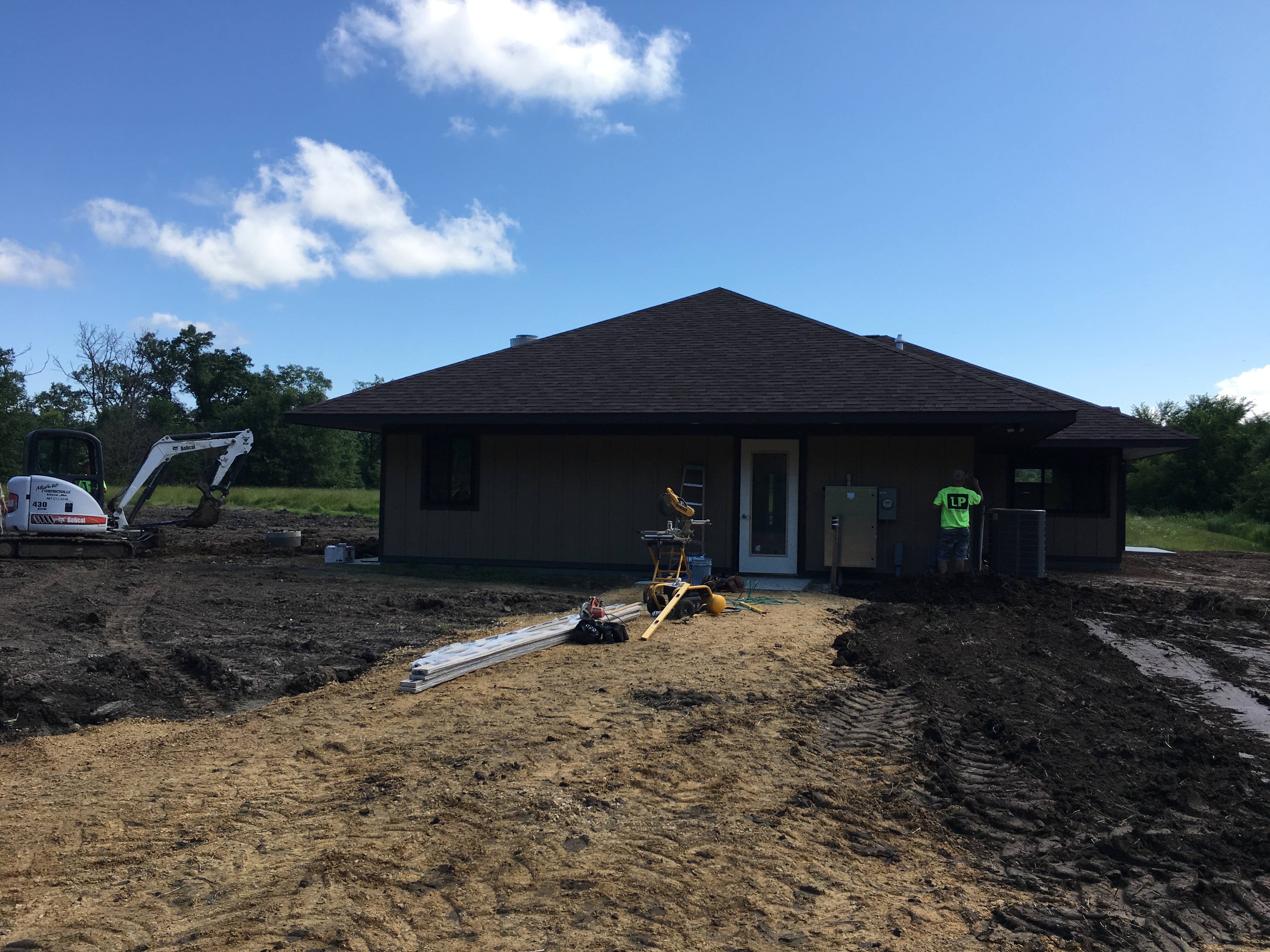
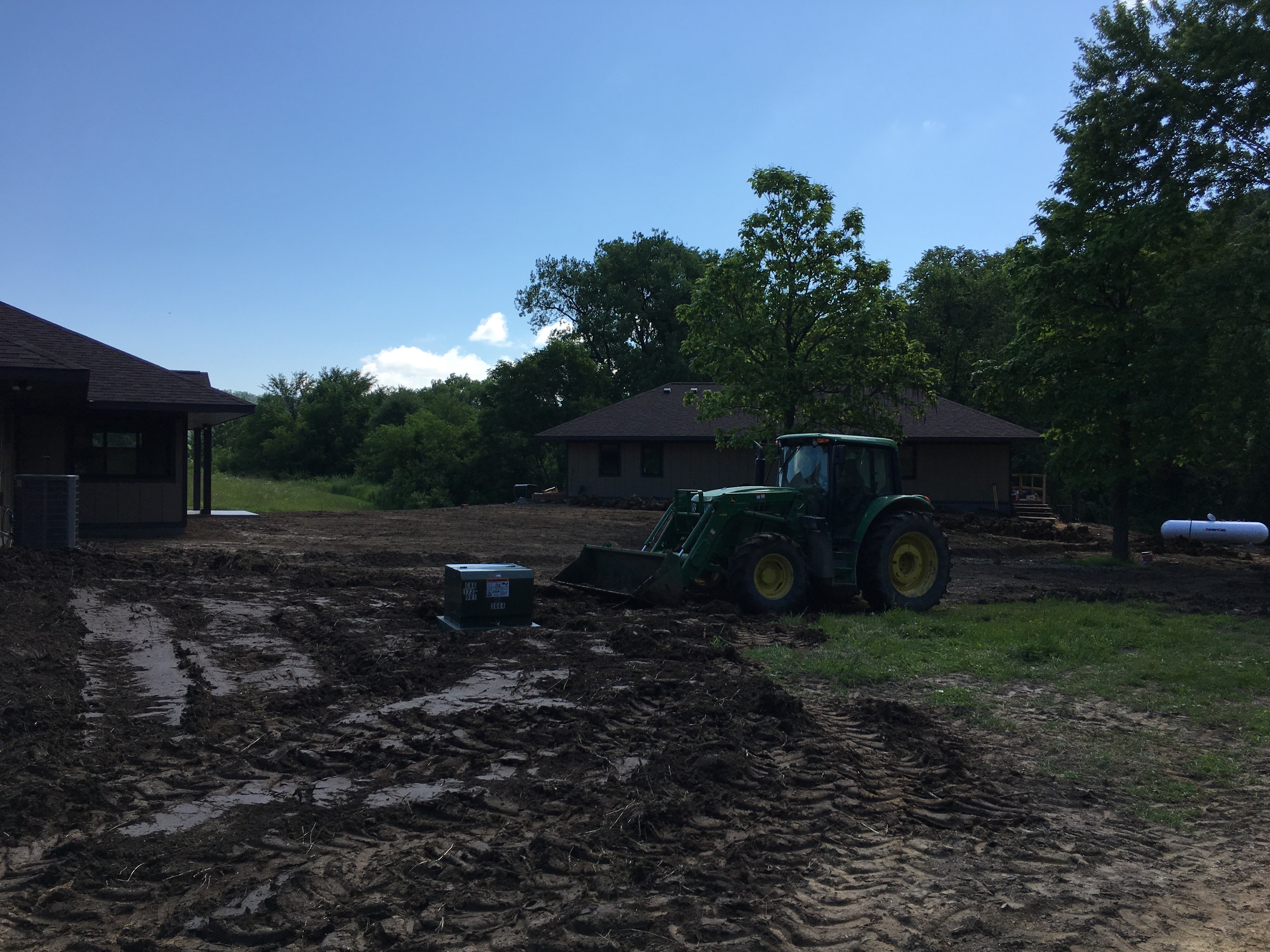
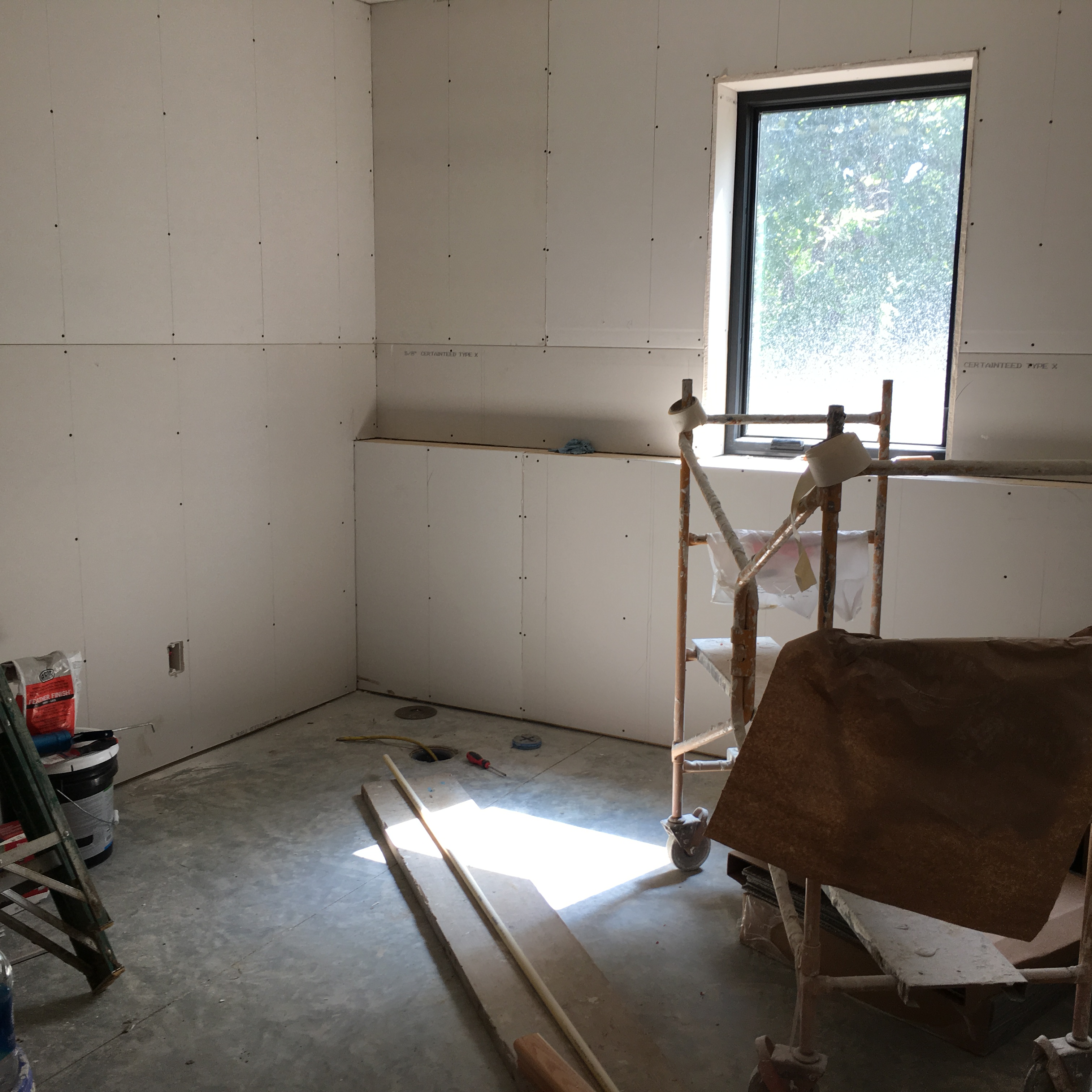
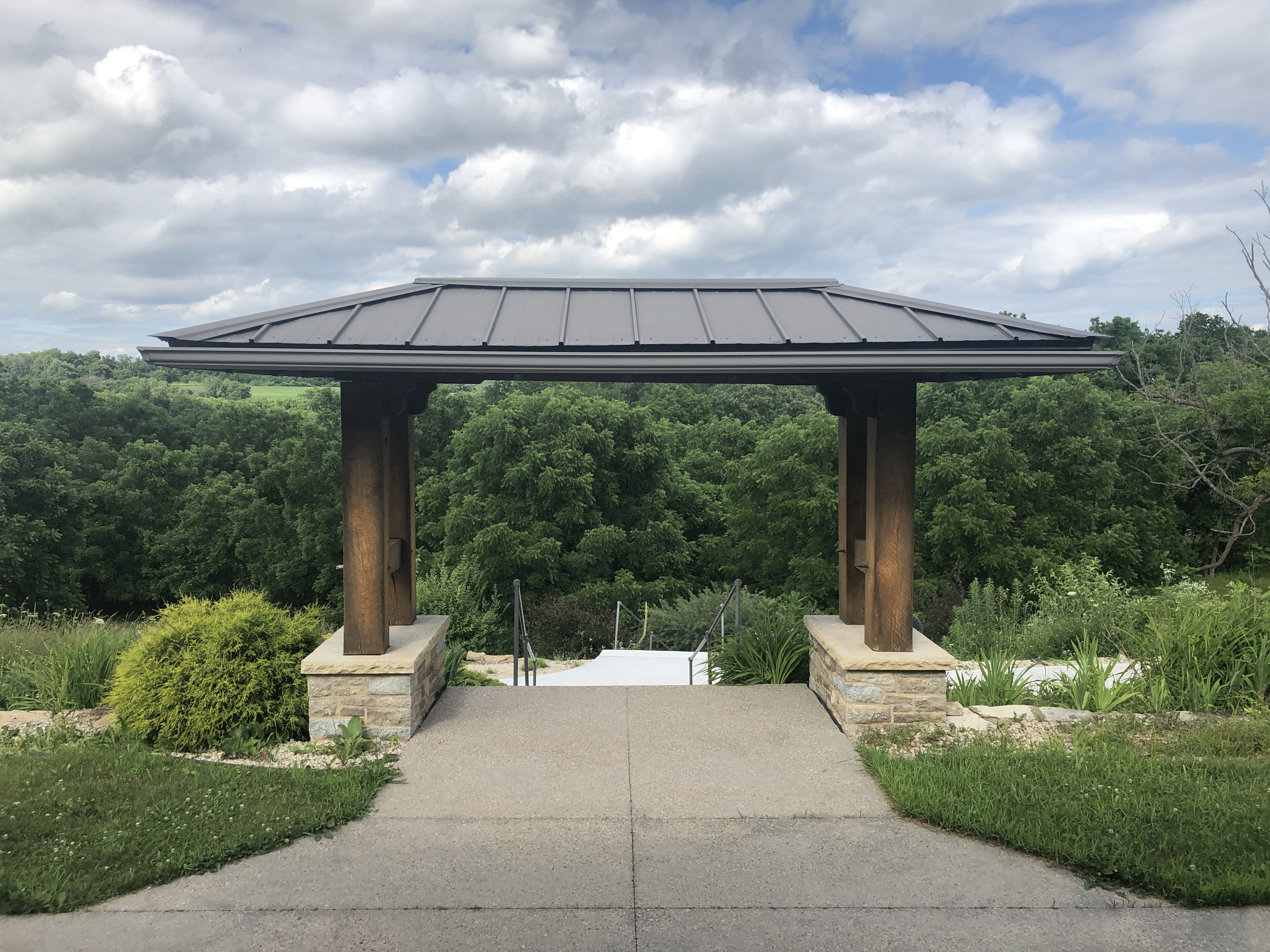
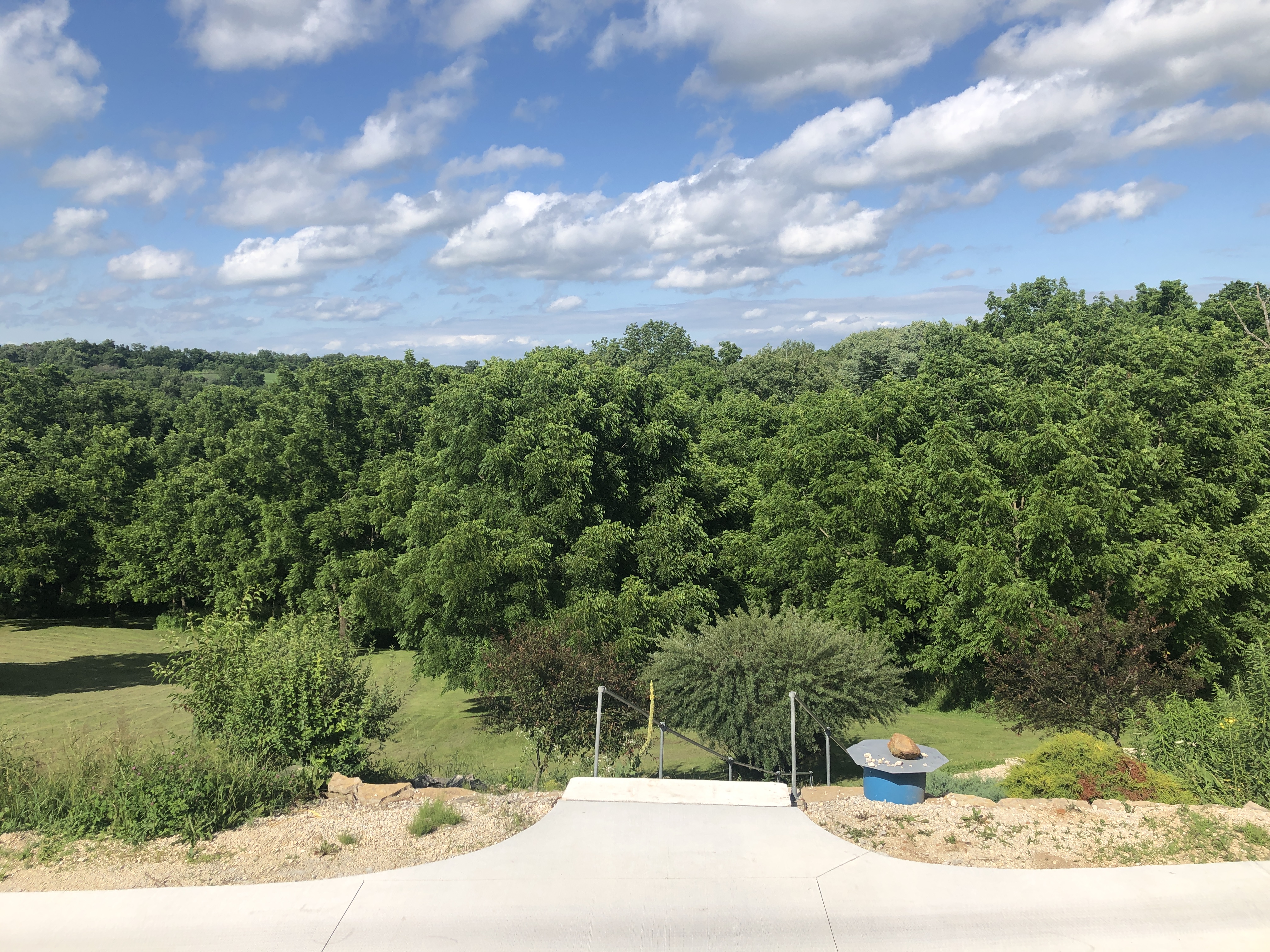
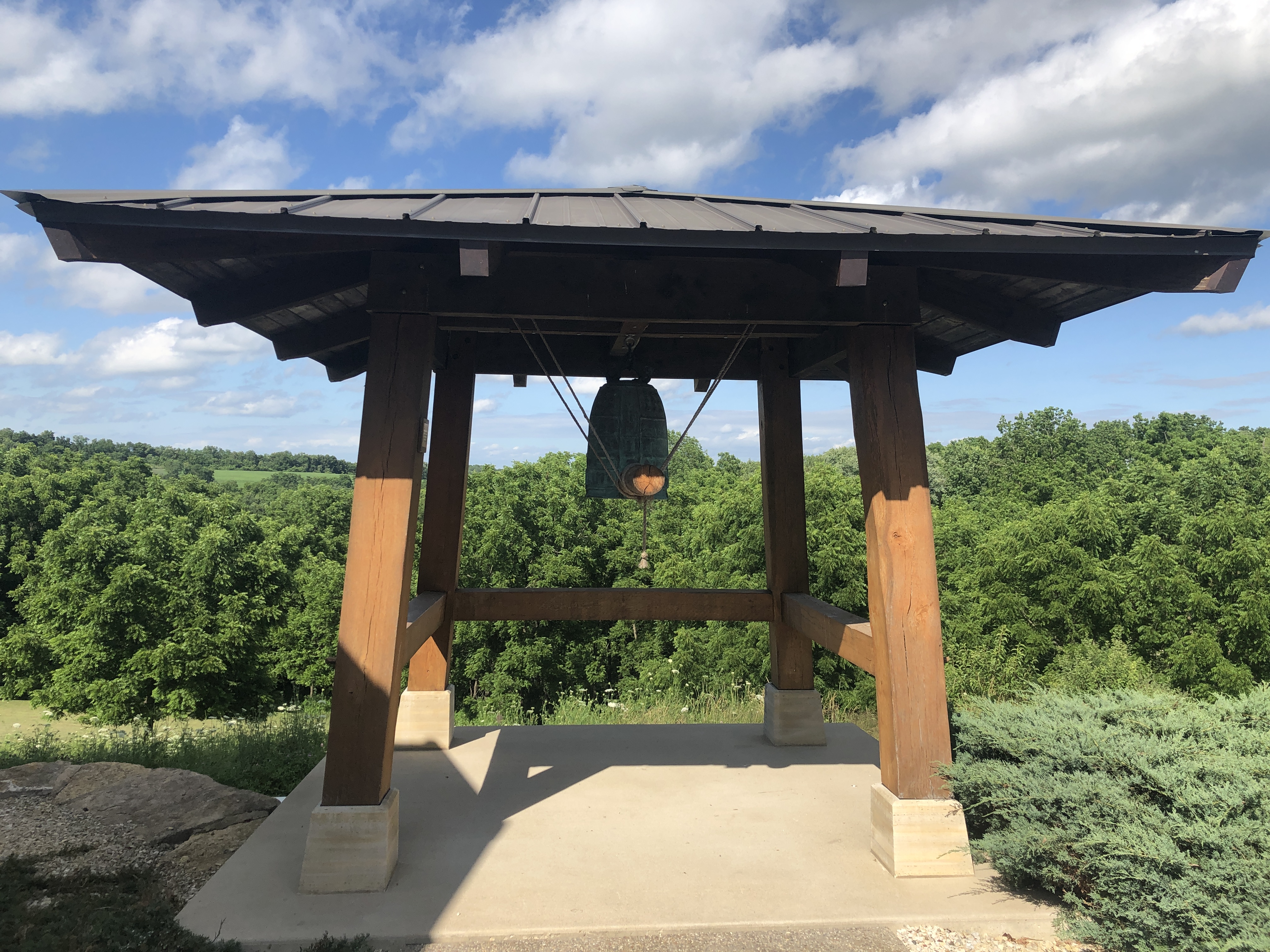
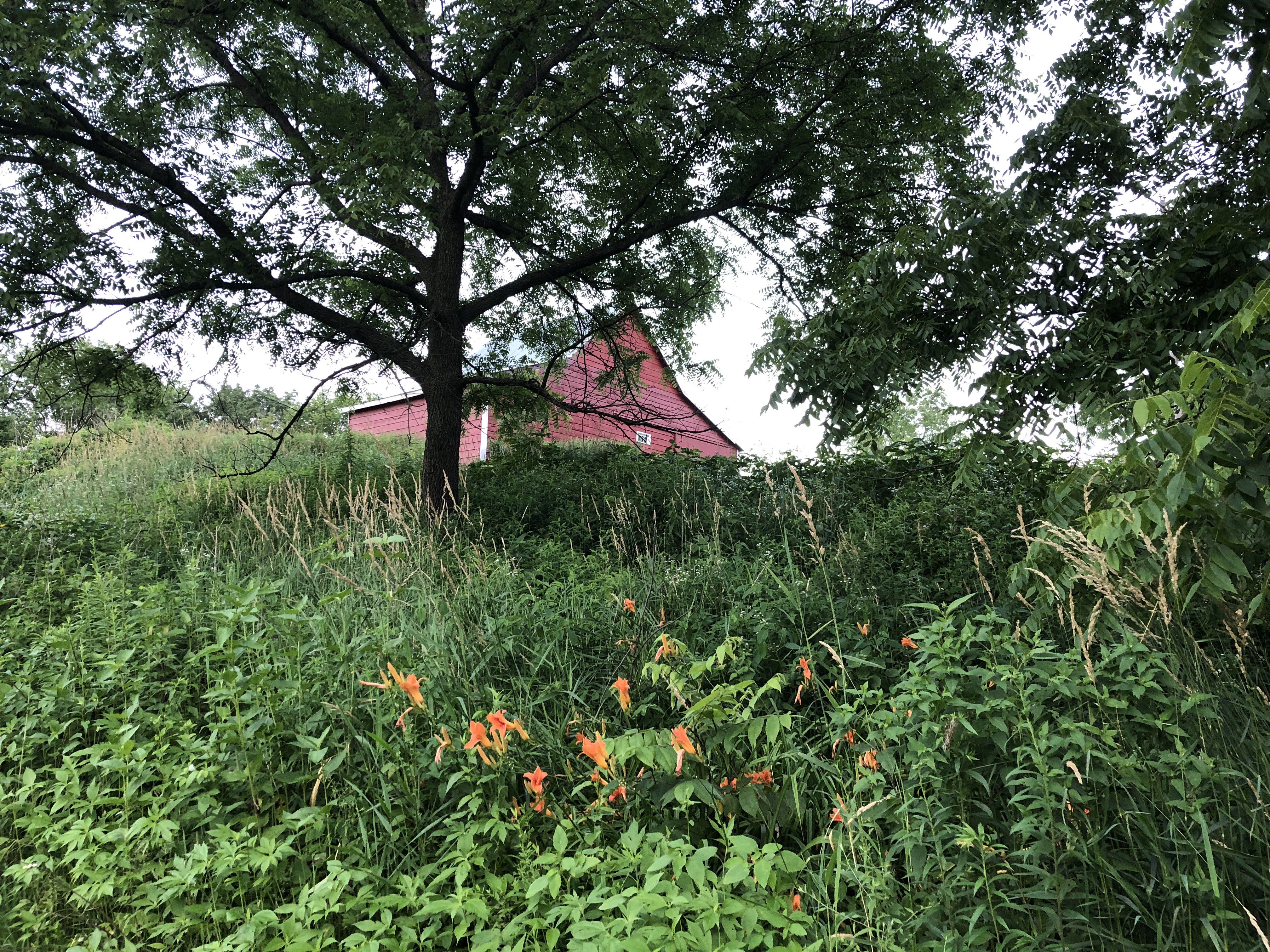
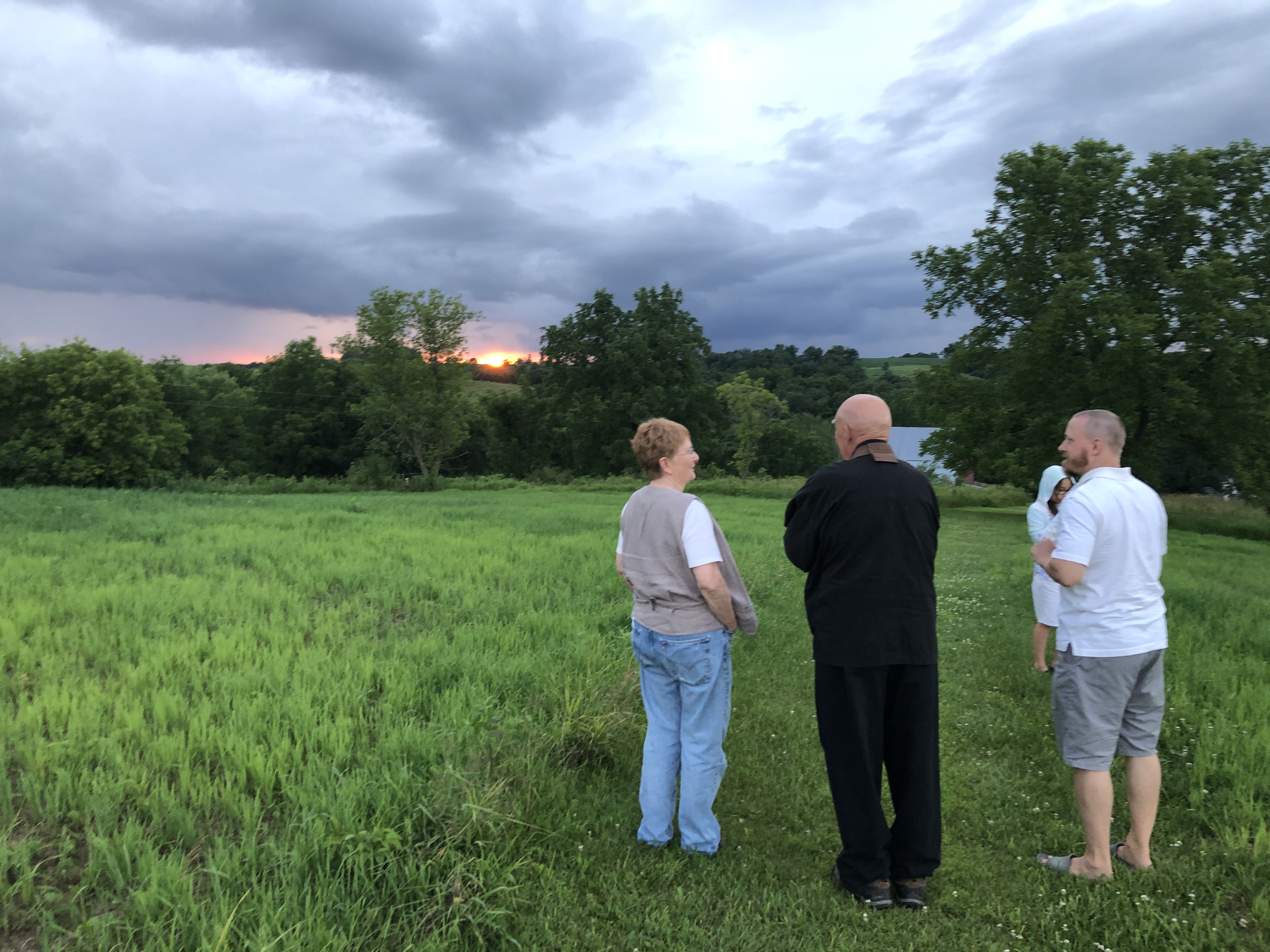
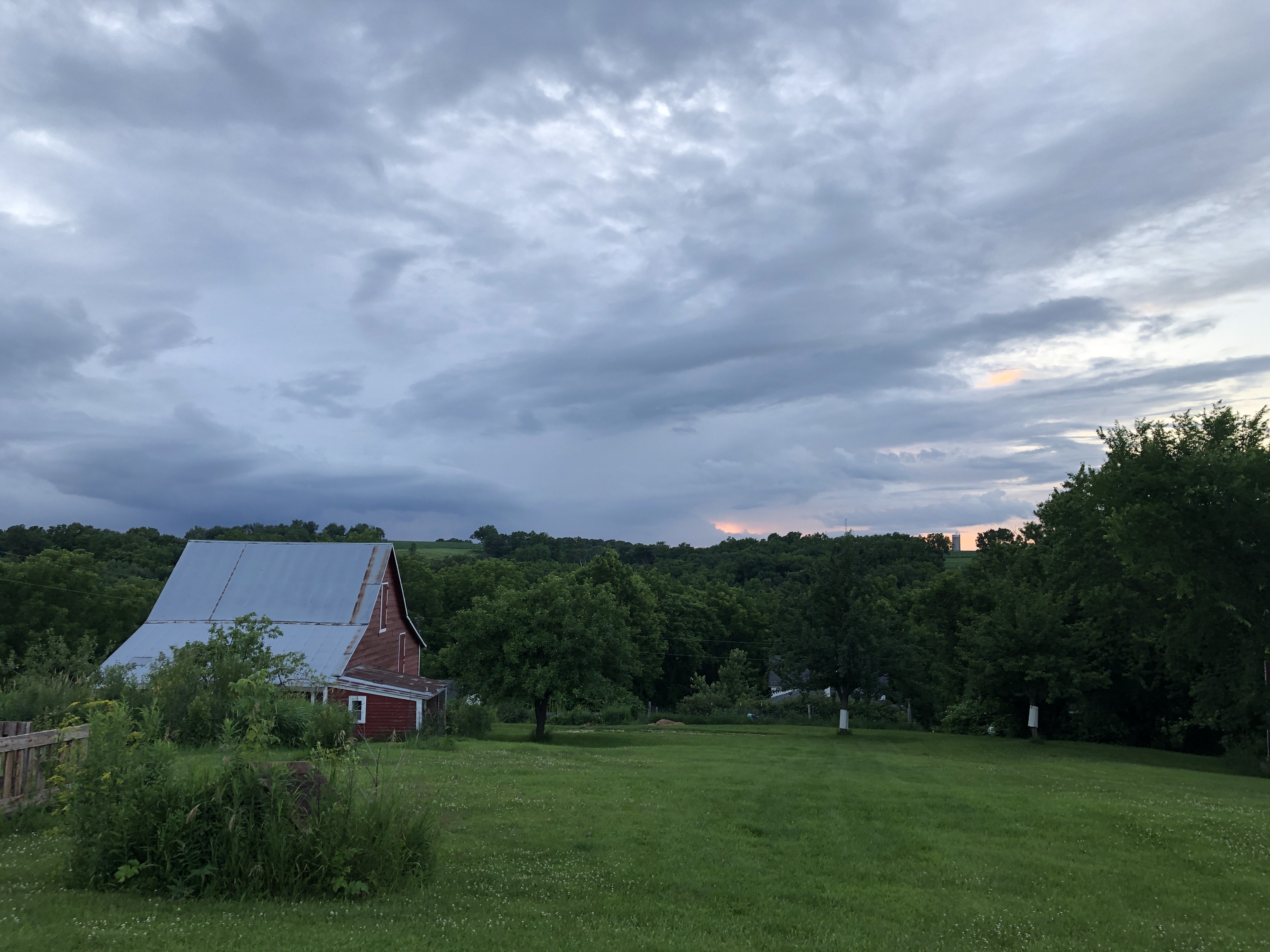
As most Zen teaching was happening in New York and California, seeing a need for Zen centers in the Midwest, Katagiri Roshi also founded Hokyoji Zen Practice Community as a retreat temple in the Minnesota countryside. Katagiri’s legacy is strong in the area where I was born and raised. The monastery and retreat are both located in beautiful idyllic settings with green hills, fields and woods as far as the eye can see. When we visited Hokyoji and met with the guiding teacher Rev. Dokai Georgeson, a Dharma heir of Katagiri Roshi, construction was underway on new buildings and utilities.
It was inspiring to have the opportunity to experience this special time in the history of Hokyoji. It is a reminder of just how young Zen Buddhism is in the West. The founder came from Japan and worked with the Zenshuji Soto Mission in Los Angeles, California, the first Soto Zen temple in North America. As mentioned, he then worked with Shunryu Suzuki at his San Francisco Zen Center, the first Zen monastery in the United States. These really are the roots of Zen Buddhism in America.
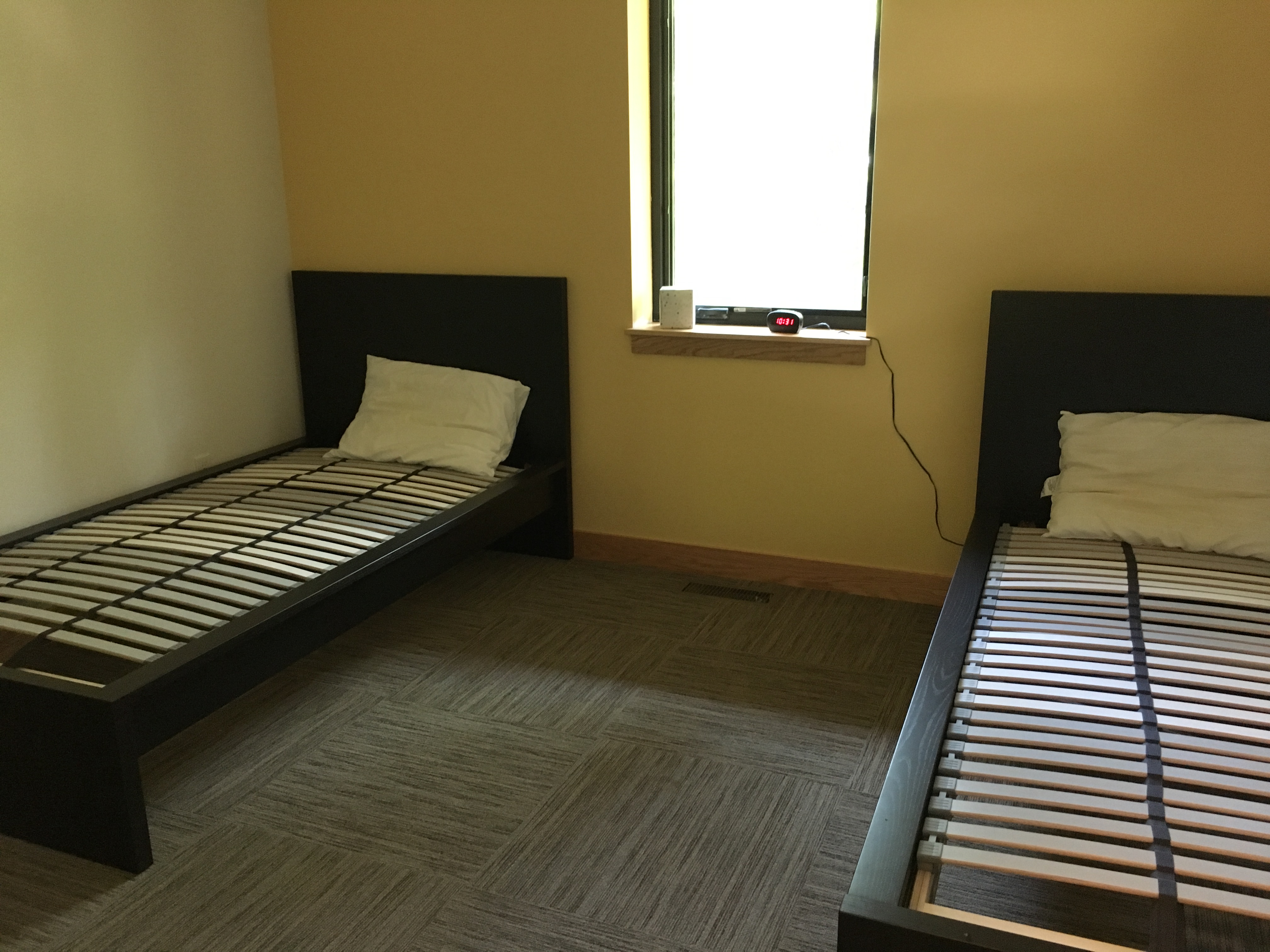
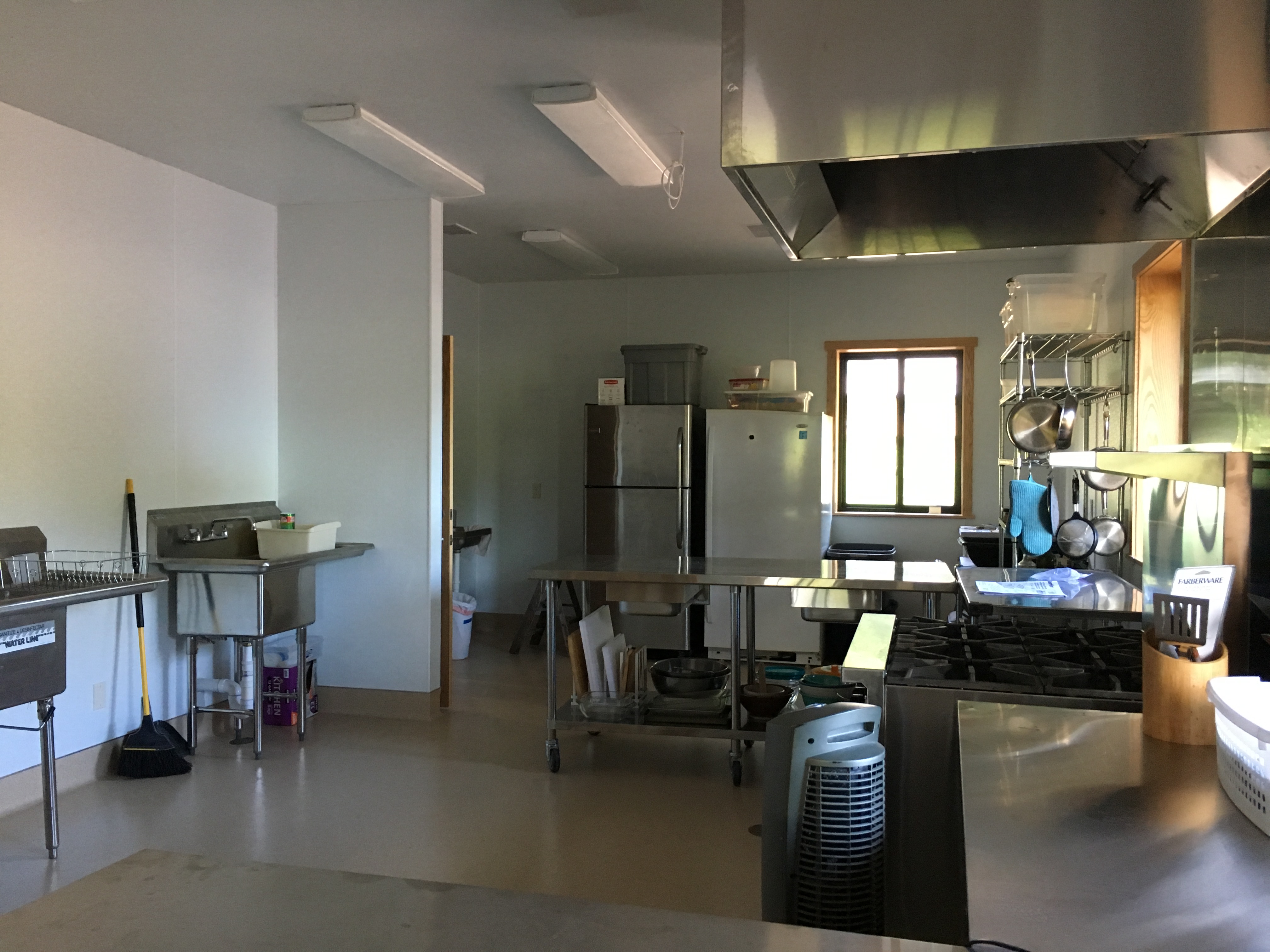
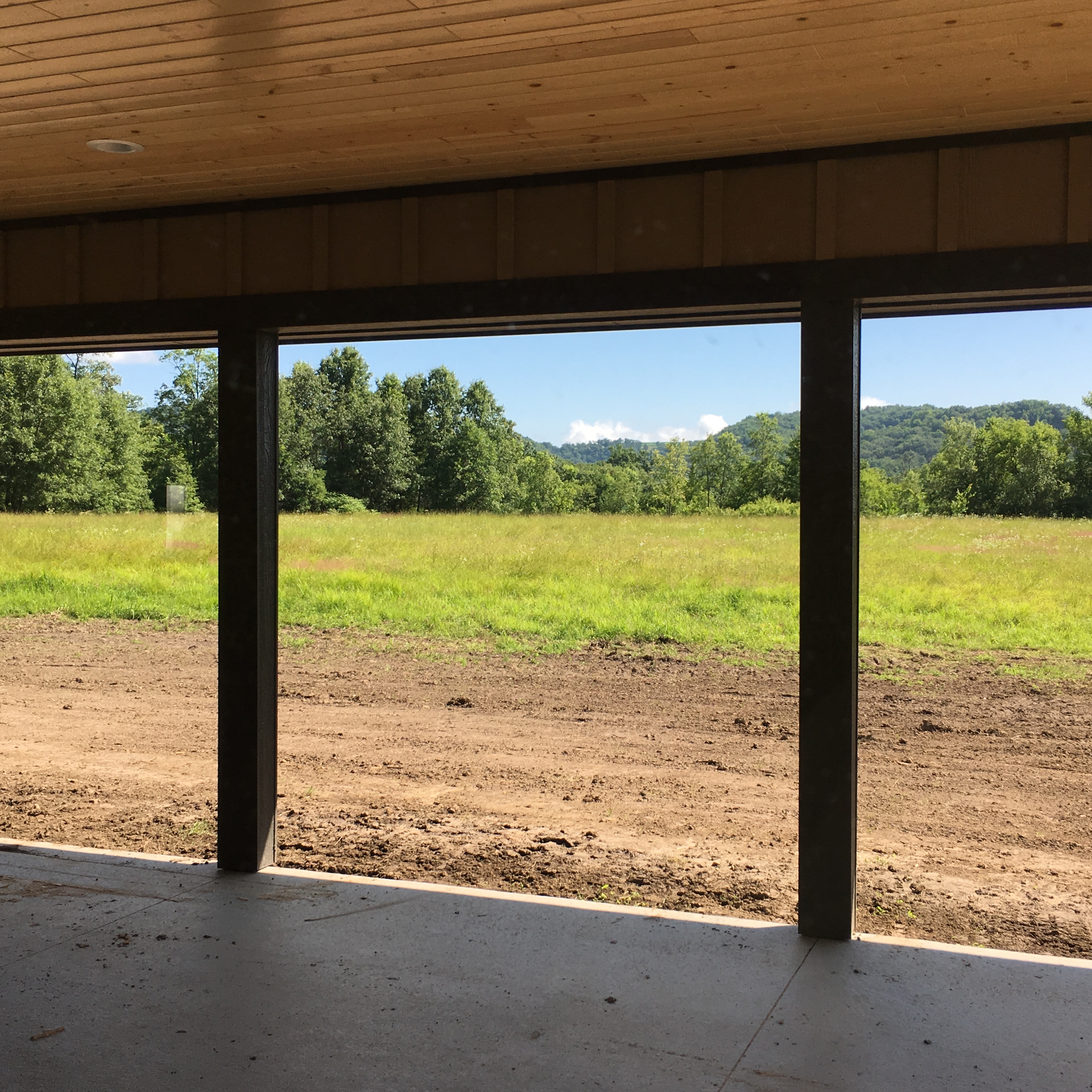
So it is that the guiding teacher of Hokyoji and the abbot of Ryumonji, both Dharma heirs of Katagiri Roshi, are first generation American Zen monks. My teacher, the Rev. Dainei, a Dharma heir of Ryumonji’s abbot, Shoken Winecoff Roshi, is thus a second generation American Zen priest. In 2007 Shoken Roshi founded Ryumonji, which means, “Dragon’s Gate Monastery,” on behalf of his teacher Katagiri Roshi, to help honor his intention to spread the teachings of Zen Buddhism to the Midwest.
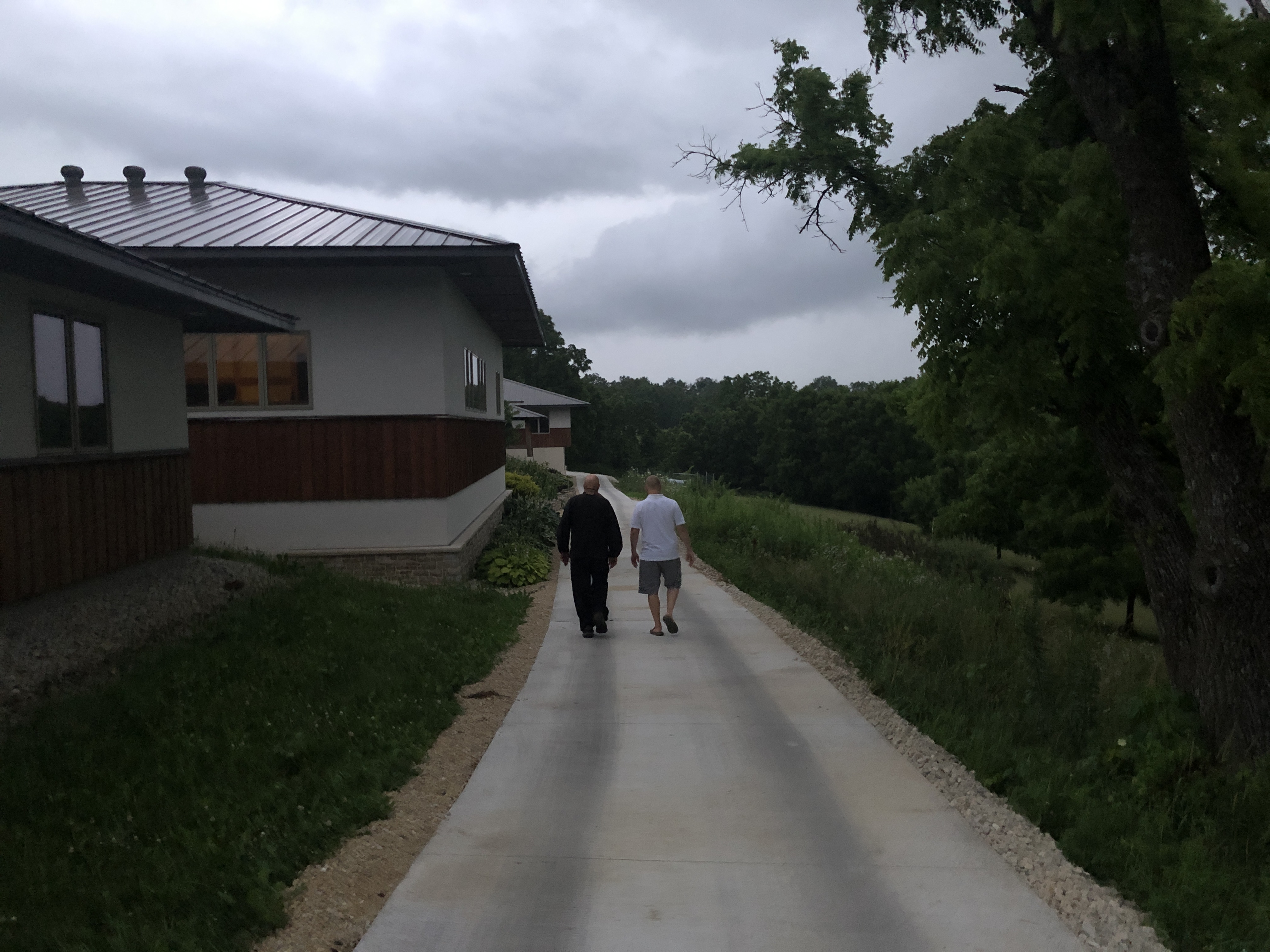
Ryumonji sits peacefully amongst the green hills of Dorchester in northern Iowa. It now enjoys affiliated Zen centers in Iowa, Minnesota, Illinois, Michigan, Wisconsin, Missouri and Colorado. Staying the night at Ryumonji, I was sure that this spiritual sanctuary was fulfilling Katagiri Roshi’s intentions, and I am grateful to have been invited to participate in a special Soto bodhisattva precepts lay ceremony, “Jukai,” in summer 2020.
Upon returning to Jakarta, I constructed a little homemade Soto Zen altar with candle, incense, and a small vessel for fresh flowers. Above it hangs an empty Chinese scroll reminiscent of one that used to hang in a remote Chinese Daoist mountain hermitage, an expression of the impermanence and emptiness of phenomena. In preparation for Jukai, in accordance with the Katagiri lineage tradition, I am hand sewing my own rakusu, an apron (much like the Masonic apron) that symbolizes the Buddha’s outer robe.
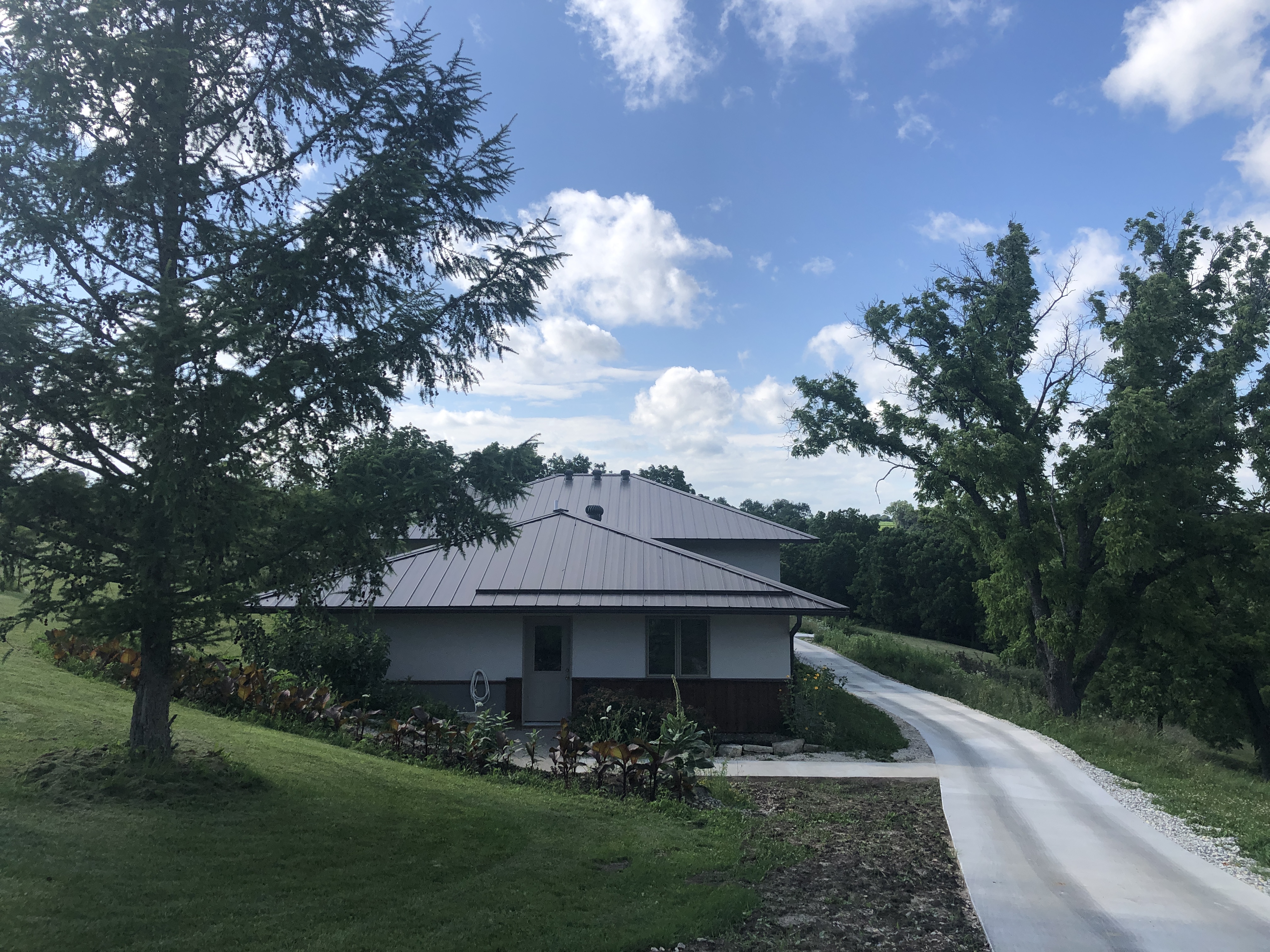
Now that I have seen one American Soto Zen monastery and visited a few Midwestern sanghas, I am looking forward to traveling in the United States to explore the many good Zendos that have grown up right in my homeland. Then, of course, there is Europe – but I cannot think about that right now – I have some sitting to do.

 Temples Along the Way